Curvy dressing has come a long way from the days of three beige options in the back of the store. A 2004 North Carolina State University study by Simmons, Istook & Devarajan of more than 6,000 women’s body measurements found that only a small minority have true hourglass proportions, the shape most dress patterns are still built around, while the majority fall into straighter or more asymmetrical silhouettes instead.
What has not caught up is construction. A dress can be sized generously and still be drafted for a body that scales evenly in every direction, which most curvy bodies simply do not do. The result is a familiar cycle: order online, try it on, discover the one seam, strap, or hemline that was never built with your proportions in mind.
Bodycon Dress
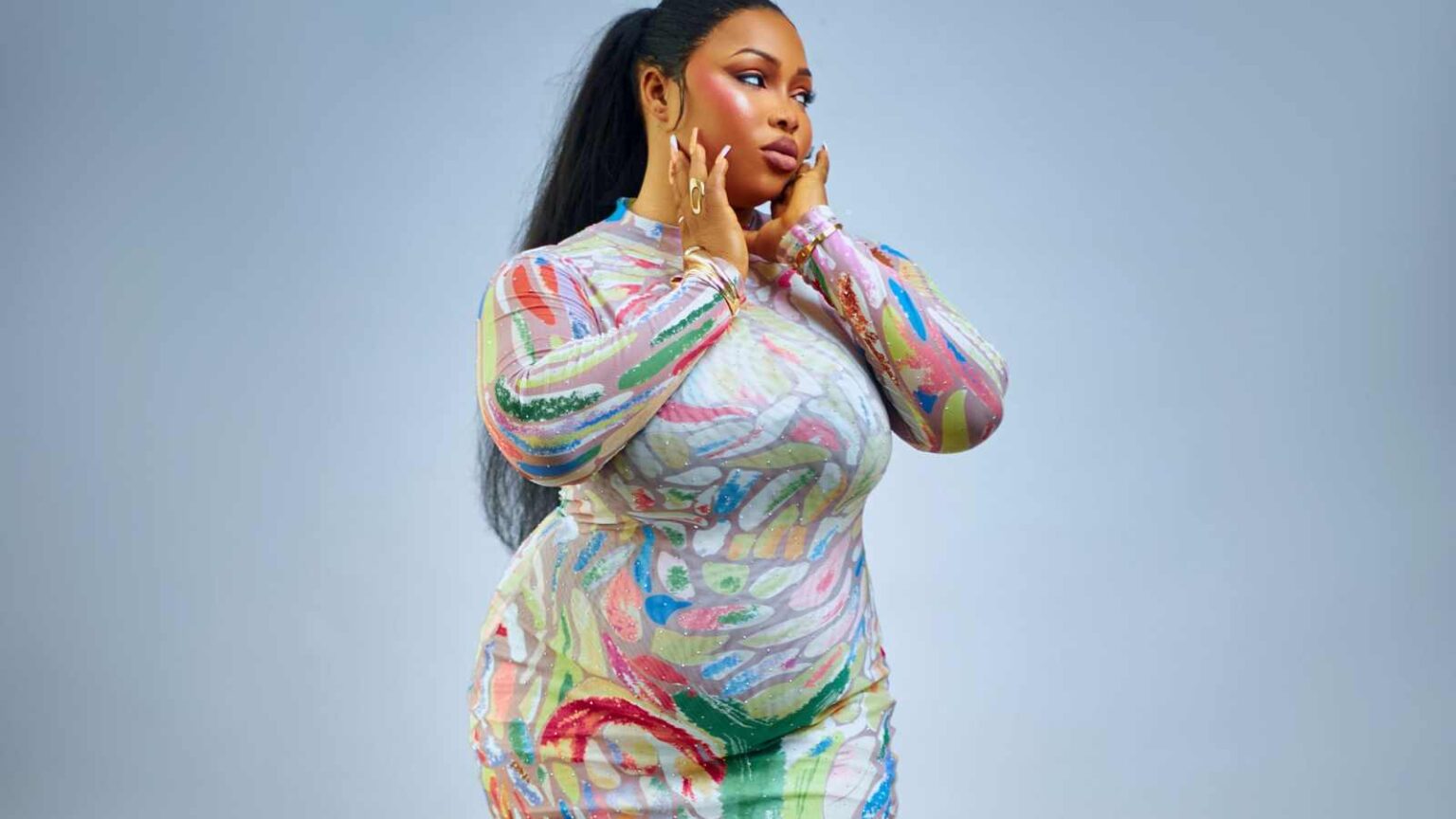
Fashion insiders have a clinical name for the specific anxiety a bodycon triggers before a bathroom mirror. A Chatelaine piece on plus-size bodycon styling describes the moment compression fabric maps a stomach’s exact outline onto public view, what stylists call a visible belly outline, or VBO.
Return data backs up the frustration. Industry analysis of a million fashion returns found dress return rates climbing to 50%-55%, higher than in almost any other garment category, with fit complaints driving most of the increase.
Thicker ponte and double-lined jersey resist cling that thin spandex blends cannot, and ruching scatters light rather than concentrating it in one spot. Dark tones recede visually, a tailoring trick older than any fabric innovation.
Wrap Dress
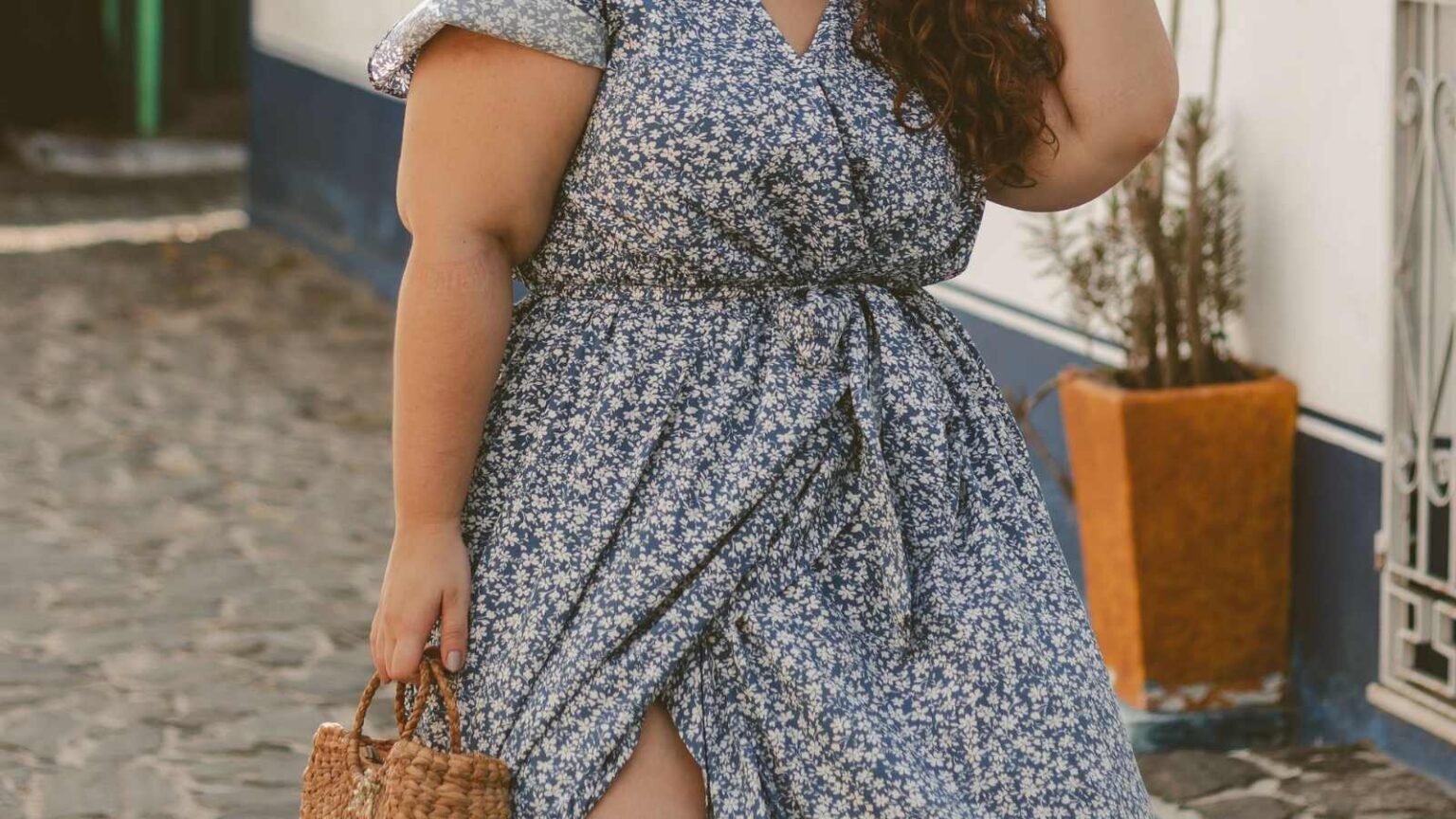
A wrap looks foolproof on a hanger and becomes a full-time job by lunch. Stitch Fix styling supervisor Lauren Nelson tells Shop TODAY that wrap and A-line dresses stand out for busty clients wearing extended sizes, and the silhouette earns that reputation honestly when it fits.
The trouble is mechanical, not aesthetic. By Hand London’s pattern team explains that a wrap neckline gapes because bust, high bust, and waist ratios rarely match the proportions a single pattern assumes, so the fabric has nowhere to sit but open.
Fixing it later means hand-stitching the closure shut, which defeats the entire point of a wrap in the first place. Fabric weight matters more than most shoppers realize, since a heavier jersey holds its line where a slippery rayon blend simply slides.
Strapless Dress
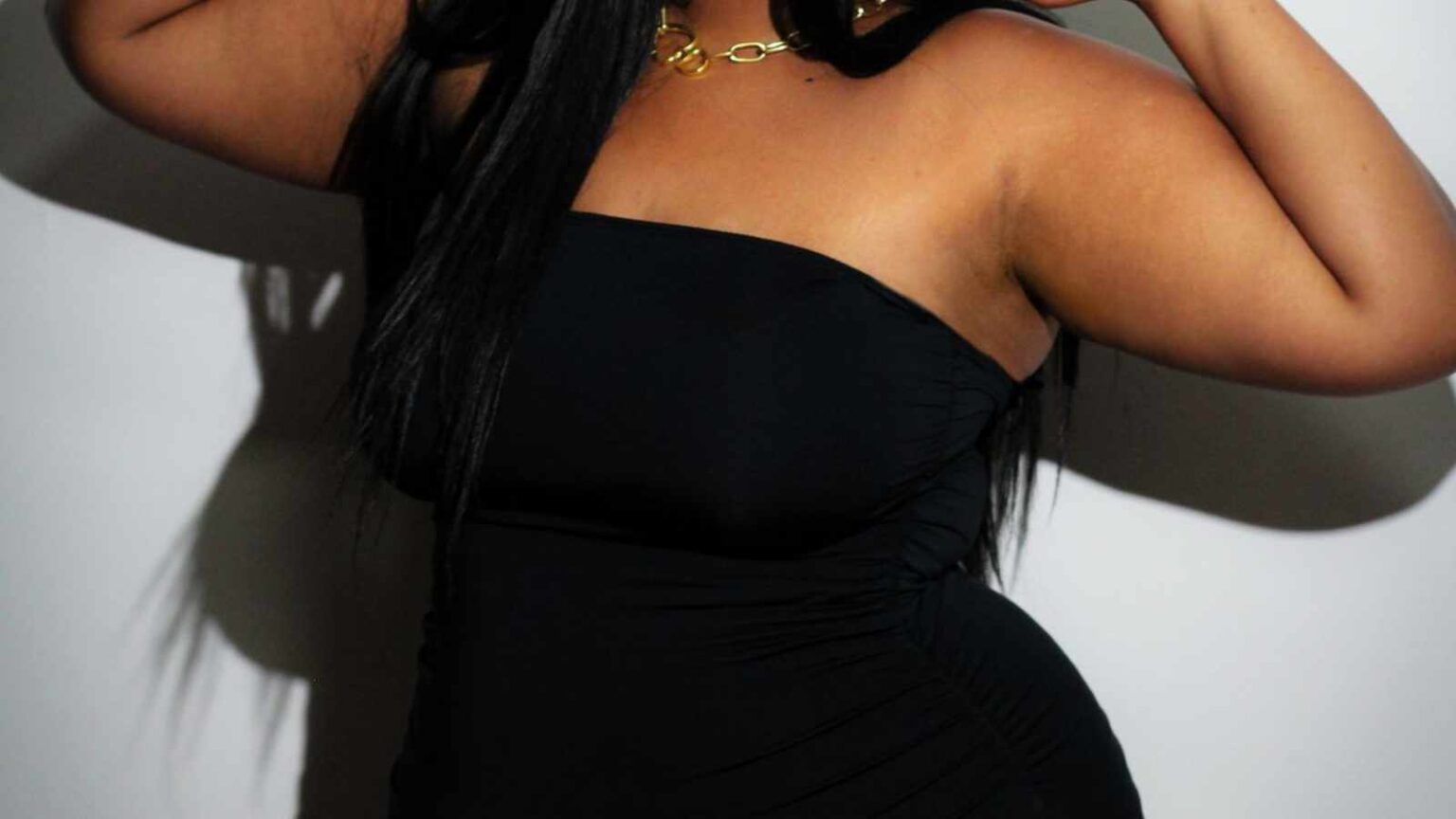
There is a reason strapless dresses inspire more mid-party tugging than any other silhouette. Elastic band construction tends to hold through movement in ways that boning alone often cannot. Support has to come from somewhere.
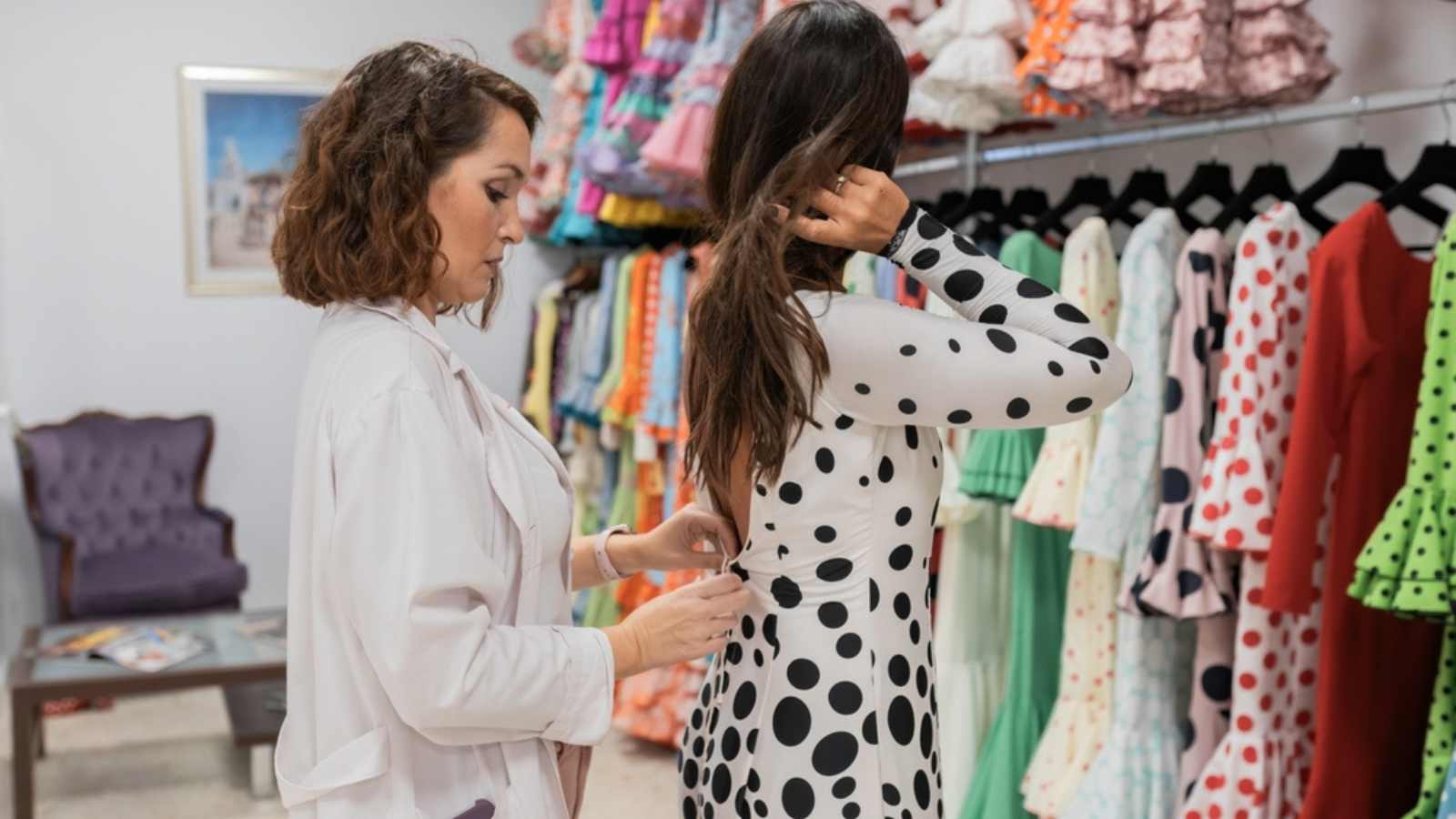
Castle Couture’s alterations director, Colleen Giresi, told The Knot that fashion tape only works on slight gaping and never replaces real bodice construction. A dress cut close through the ribcage, rather than the bust alone, distributes grip across a wider surface, which is the entire logic behind corset paneling in strapless design.
Peplum Dress
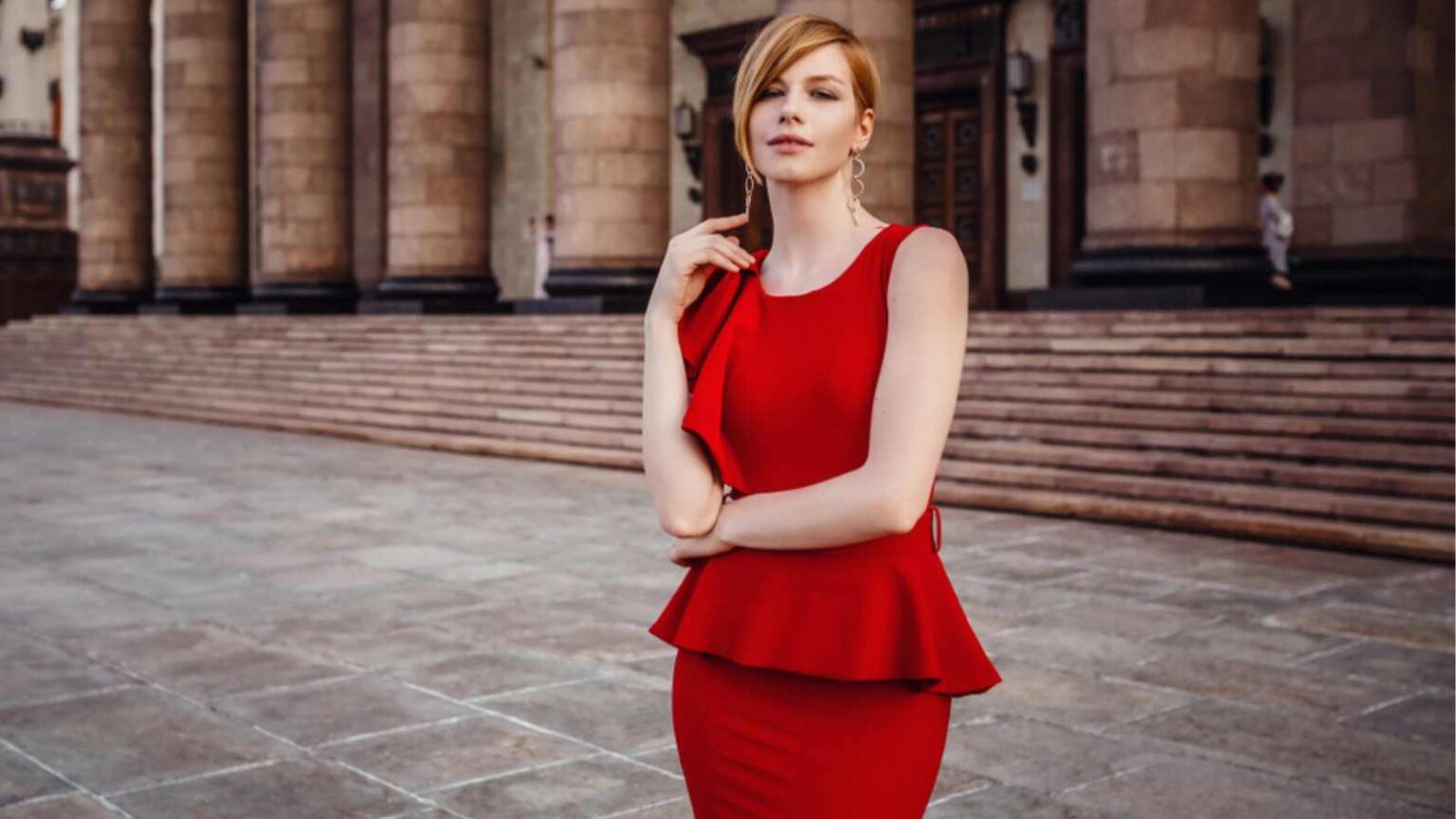
Peplum was built to create a waistline where one might not naturally read one, flaring fabric out from a seam to create contrast between torso and hip.
On a curvier body, that same flare has to land within an inch of the actual narrowest point, or it reads as added bulk rather than definition, a margin most ready-to-wear brands do not tailor for individually.
A peplum seam that sits below the natural waist widens the midsection rather than framing it, undermining the silhouette’s entire purpose. The trick professional fitters use is measuring where a body already curves inward before buying, rather than trusting a size chart’s assumption of where that point should sit.
Off-shoulder Dress

Off-shoulder necklines photograph beautifully and negotiate terribly with actual human movement. This silhouette carries real mobility restrictions, since brides cannot lift their arms all the way up, a limitation baked into the construction rather than any one dress.
The fix is testable before you ever leave a fitting room. The arms-up test: raise both arms overhead in-store to confirm elastic sleeve support holds through real movement, not just in a still photo.
Elastic placed directly on the shoulder bone outperforms elastic sitting lower on the upper arm, which slips within an hour of dancing, regardless of how well the dress fits when standing still.
Maxi Dress
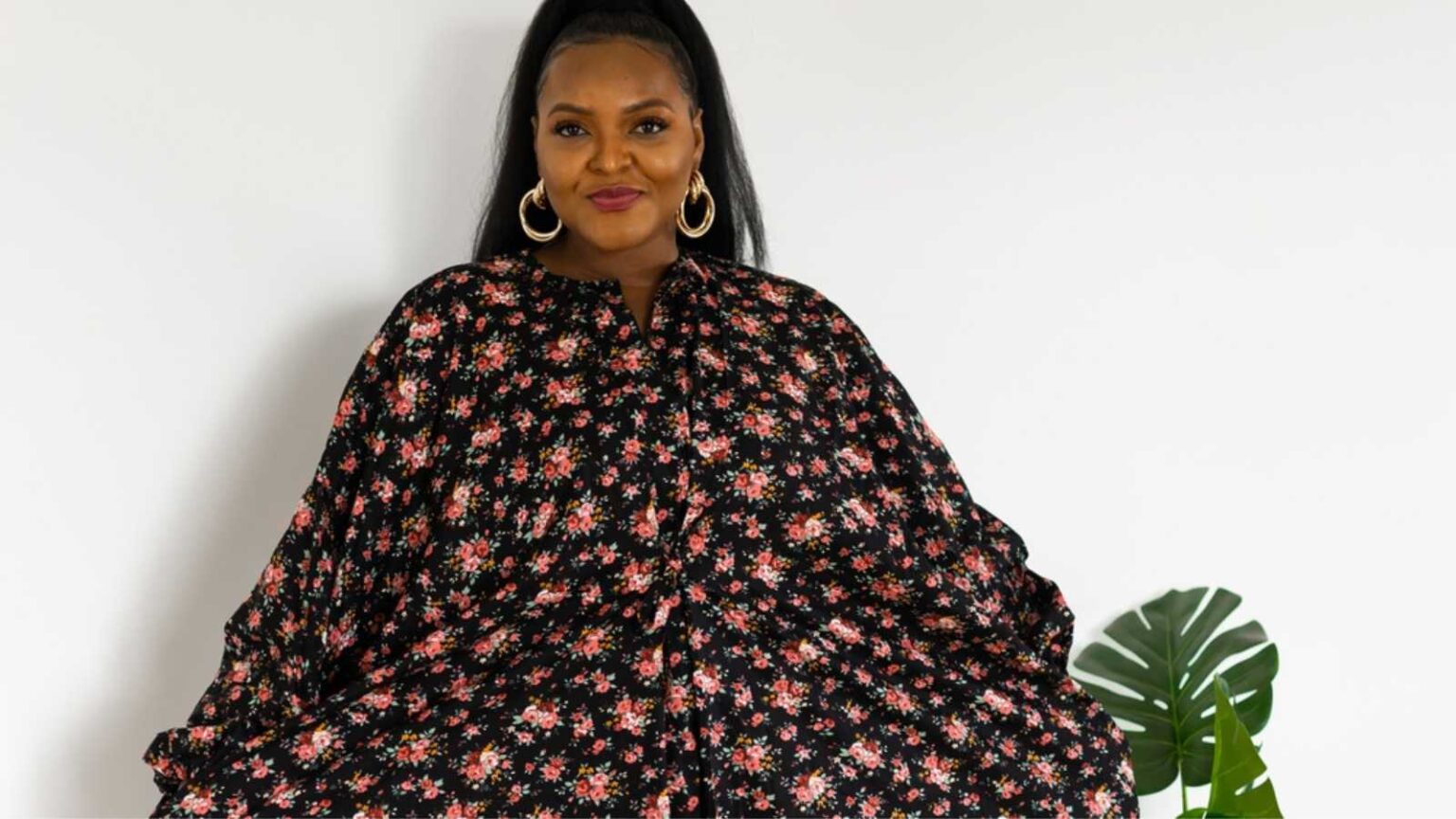
Most maxi dresses are drafted for a five-foot-seven frame and grade down from there, which explains why so many curvy shoppers under that height end up wading through fabric.
This is the Column Effect: horizontal volume from a pooling hem cancels out the vertical line a maxi is supposed to create.
The industry has a built-in workaround. Adrianna Papell’s petite guide recommends a hemline that grazes the ankle rather than the floor, since dresses designed specifically for petite proportions eliminate the need for hemming altogether. A defined waist seam and a lower neckline do more visual lengthening work than length itself ever will.
Slip Dress

Bias cut slips trace back to Madeleine Vionnet, the couturier the Victoria and Albert Museum credits with pioneering a technique of cutting across the grain of fabric to produce a draped silhouette that clung naturally to the body in the 1920s.
That same cling flatters on a dress form and betrays every crease of the shapewear underneath on a real body. Fashion historian Betty Kirke has documented how Vionnet’s construction relied on squares cut on the grain but hung on the bias, a technical sleight of hand that let silk move without stiffening.
Modern polyester satin fakes the drape but keeps the static, which is why the slip dress remains the one silhouette stylists never recommend skipping a slip underneath.
High-low Hem Dress
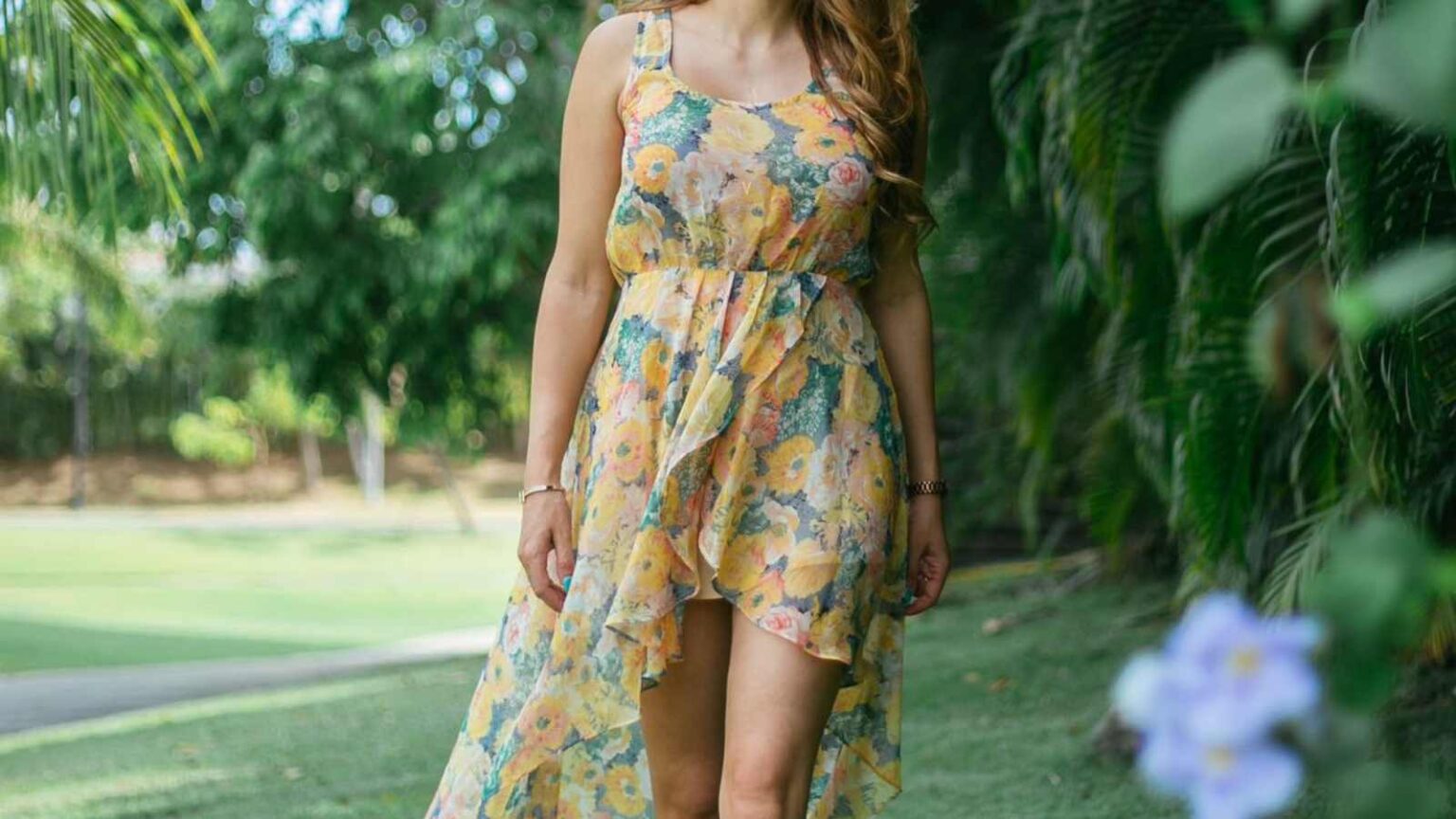
A hemline is the quiet conductor of an entire garment’s rhythm, and the high-low cut asks that conductor to keep two different tempos at once.
On a curvier frame, the shorter front can ride up further with movement while the longer back drags, exaggerating a silhouette shift the dress never intended.
A weighted hem or a slightly higher back panel keeps the asymmetry from tipping into wardrobe malfunction territory by the second dance.
Back Zip Sheath Dress
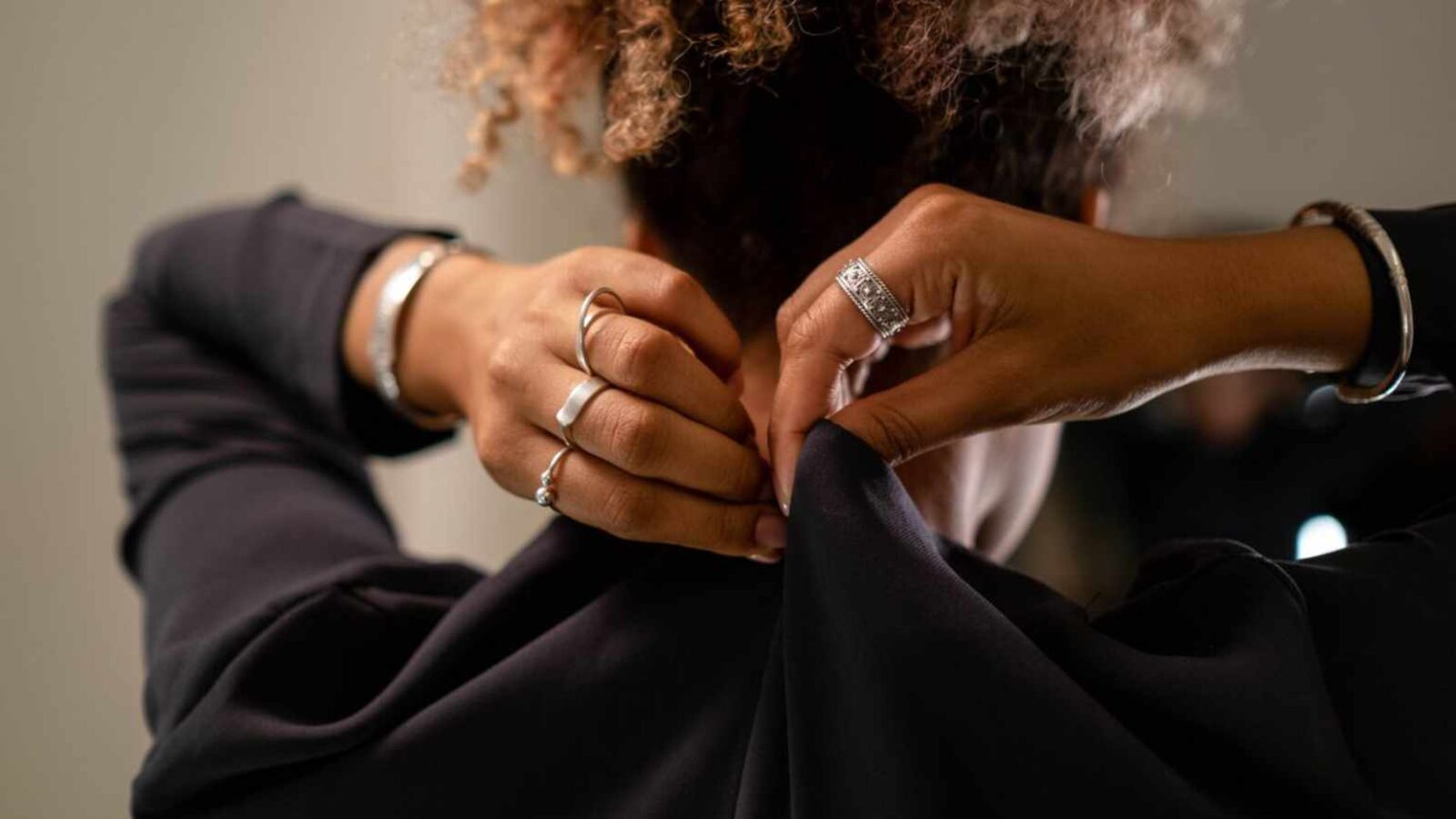
A sheath cut for an hourglass ratio assumes the bust and hip measurements sit within a couple of inches of each other, an assumption most curvy bodies do not share.
Shoulders and other proportions do not scale at the same rate as bust or hip measurements when brands grade a single base pattern up through larger sizes, which is exactly why a size that skims the hips can gap at the zipper by the ribs.
Retail data firm Coresight found that 58% of retailers report at least a fifth of online orders returned, and dresses sit near the top of that pile at 37%. A side zip, with ease built into the bodice seam, solves what a center-back zip alone cannot.
Corset Dress
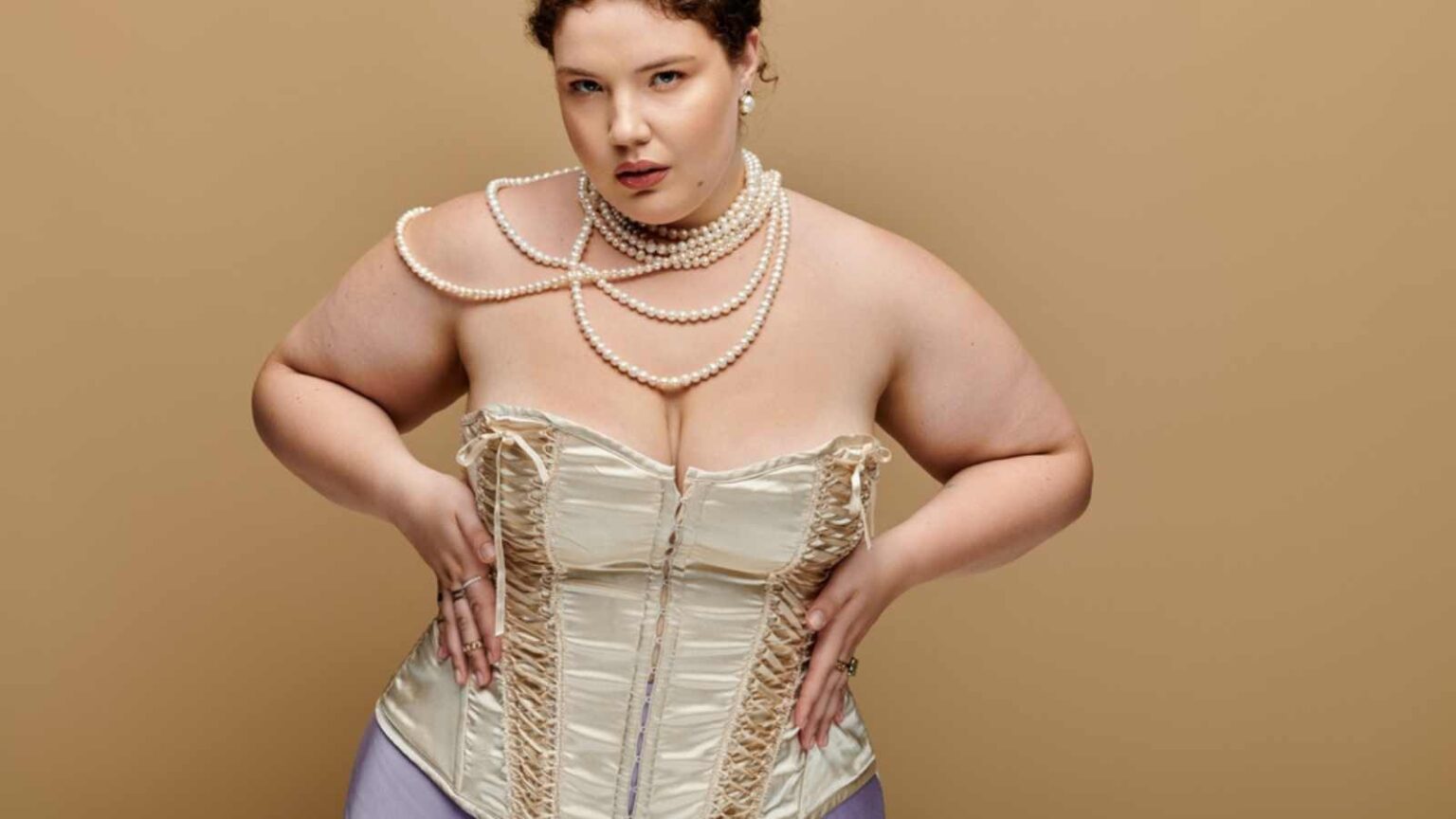
Boning does real structural work, which is exactly why it can feel like wearing a small cage through an entire dinner. A body-hugging bodice with boning provides support even where the bust area runs loose, preventing the whole dress from slipping.
That same rigidity resists the natural expansion of breathing after a full meal, something soft ponte or jersey never demands you negotiate with.
Spiral steel boning flexes with the torso far more forgivingly than the flat plastic variety used in fast-fashion versions, a construction detail almost never listed on a product page, yet one that determines whether the dress is wearable past hour two.
Backless Dress
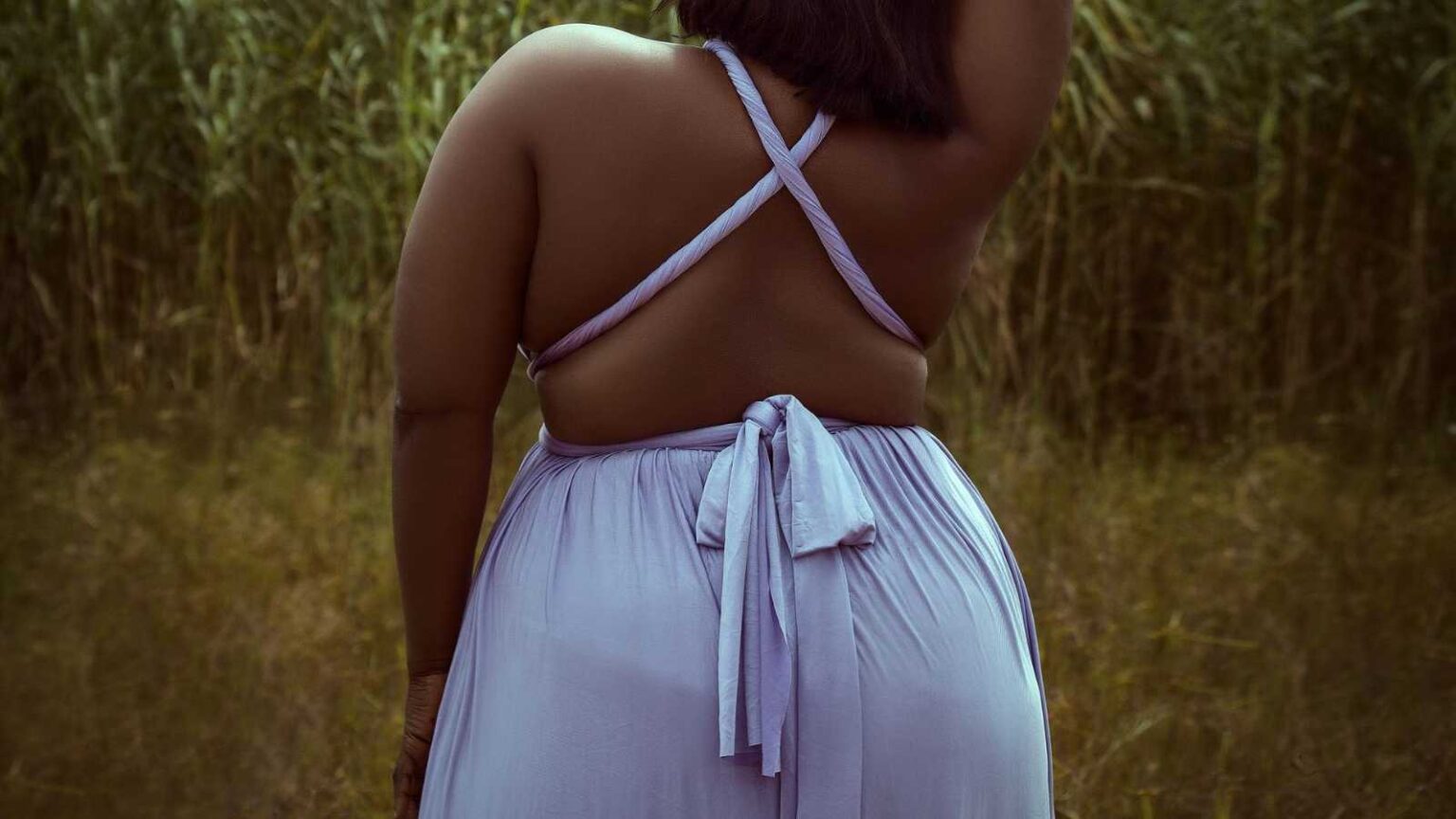
Backless silhouettes look effortless until you actually need to solve the undergarment question, and most solutions only work under narrow conditions.
Adhesive tape holds well against bare skin but only when the front of the dress covers enough of the chest to hide it, since any low-cut neckline immediately exposes the tape line. That single caveat rules out more backless dresses than shoppers expect, given how often the style pairs a bare back with a plunging front.
Built-in bra cups sewn directly into the bodice resolve the contradiction, but only a fraction of ready-to-wear backless dresses include them, leaving most curvy shoppers to negotiate with tape, glue, and a prayer.
Key Takeaways
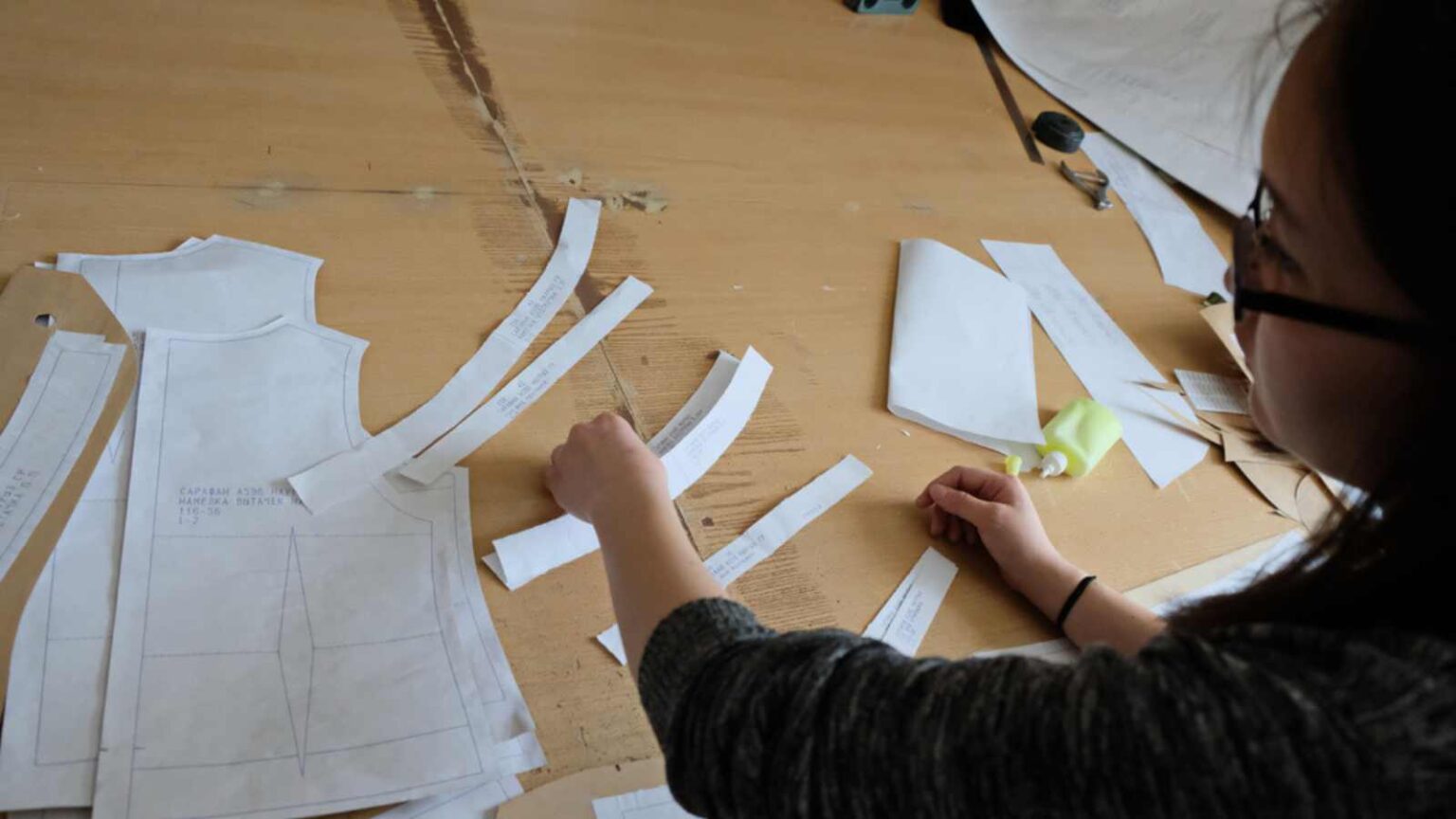
- Fit problems in curvy dressing are usually construction issues, not size issues, since most bodies fall outside the hourglass proportions patterns are still drafted around.
- Fabric weight and density matter as much as cut, since thicker ponte, jersey, and structured blends resist cling and gaping that thinner materials cannot
- Support-heavy silhouettes like strapless, corset, and off-the-shoulder styles depend on where the structure sits on the body, not just on whether boning or elastic is present.
- Length and proportion issues, from maxi hems to peplum seams, are often solvable with minor tailoring rather than avoiding the silhouette entirely.
- Testing movement before buying, arms overhead, sitting down, walking, catches most of the failures a still photo or mirror check will miss.
Disclaimer: This list is solely the author’s opinion based on research and publicly available information. It is not intended to be professional advice.
Like our content? Be sure to follow us
MORE TCF GAMES