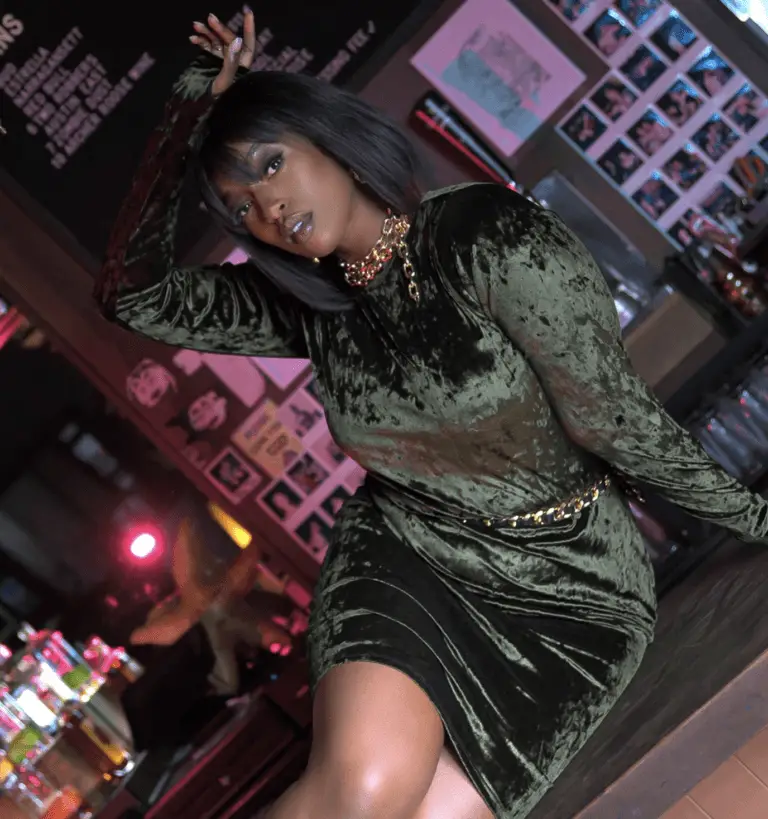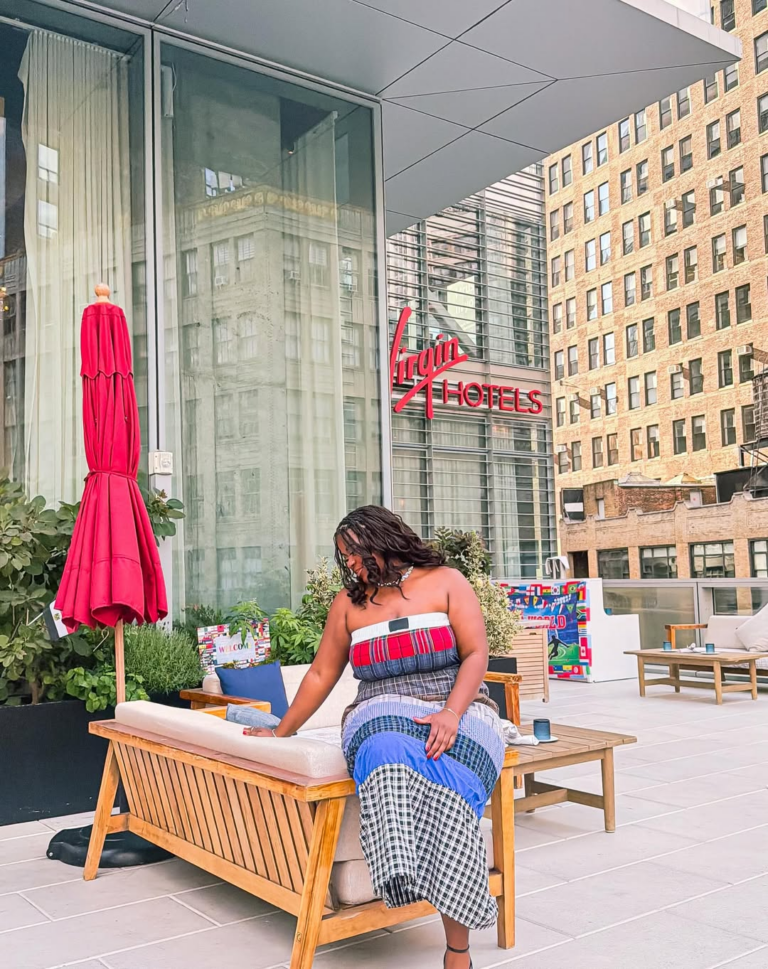

In 1923, Lane Bryant crossed a threshold nobody had planned for. The company had opened in 1904 as a maternity label, built by Lena Bryant, a widowed Lithuanian immigrant who taught herself to sew elasticized waistbands for pregnant women who wanted to be seen in public without concealing their condition.
Almost twenty years later, sales of her plus-size line quietly overtook the maternity wear that had built the company in the first place, and stout sizing, as the industry called it then, became the business. Plus-size dressing has been outgrowing whatever box fashion tried to keep it in for over a century now.
Style personality theory has always run on line, contrast, and movement rather than size. What follows applies the same logic, starting from a plus-size body rather than arriving at one as an afterthought.
Classic Never Fails
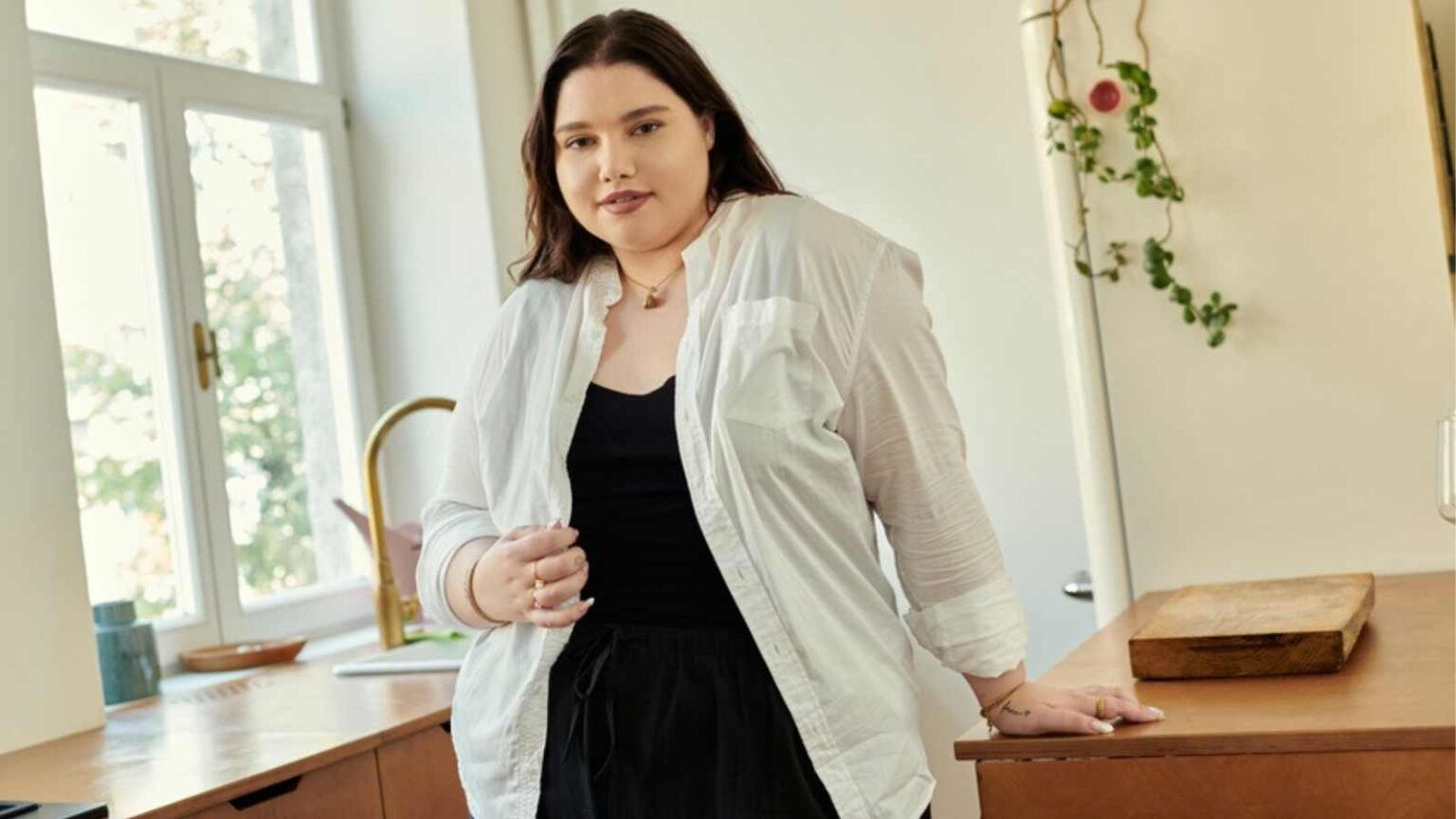
Classic dressing gets dismissed as the boring option, which misreads what it actually does.
The archetype traces to image consultant David Kibbe’s 1987 system, which grouped women into five style families, including Classics, built around balance rather than trend.
A structured blazer with a defined shoulder and a nipped seam does the shaping work that a smaller size would otherwise have to do artificially, since the seam creates the waist rather than the fabric simply running out of room.
Crisp cotton poplin and wool crepe hold their line on a curve the way jersey cannot. The trick is choosing a tailoring cut for the body in front of you, not one adjusted up from a straight-size block.
Romantic Loves Curves
Carole Jackson’s 1980 book Color Me Beautiful, credited with launching the modern style-personality craze, named Romantic as one of six core personalities alongside Dramatic, Natural, Gamine, Ingenue, and Classic.
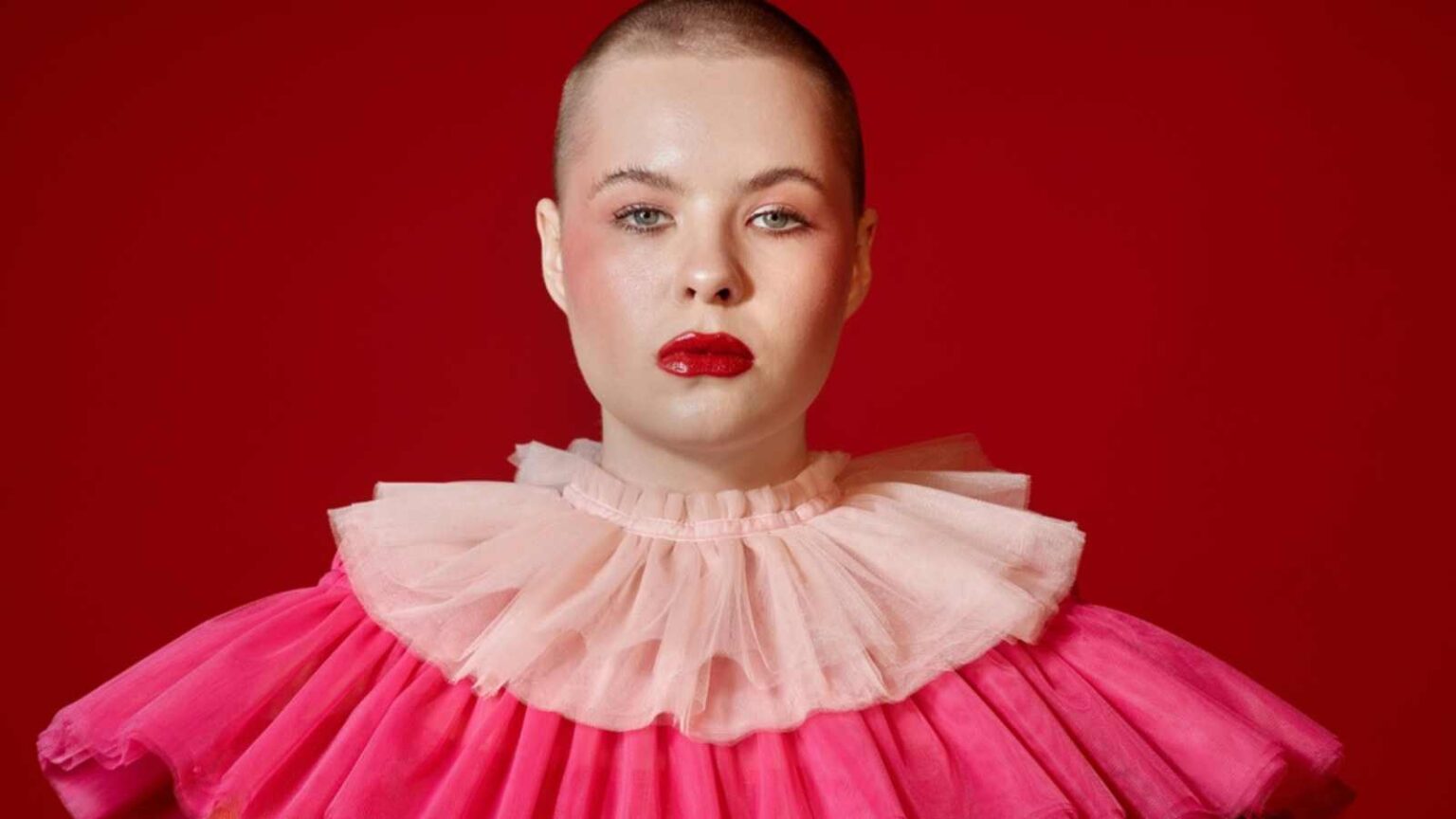
The archetype leans on soft draping, fluid necklines, and fabric with movement, all of which behave differently on a fuller bust or hip than they do on a straight frame, and that difference is the point rather than a problem to be engineered away.
Bias-cut skirts skim instead of cling. Ruffles at a neckline draw the eye up without needing to minimize anything below it. Romantic dressing was never built around restraint, so curve simply gives it more fabric to work with.
Own Dramatic Style
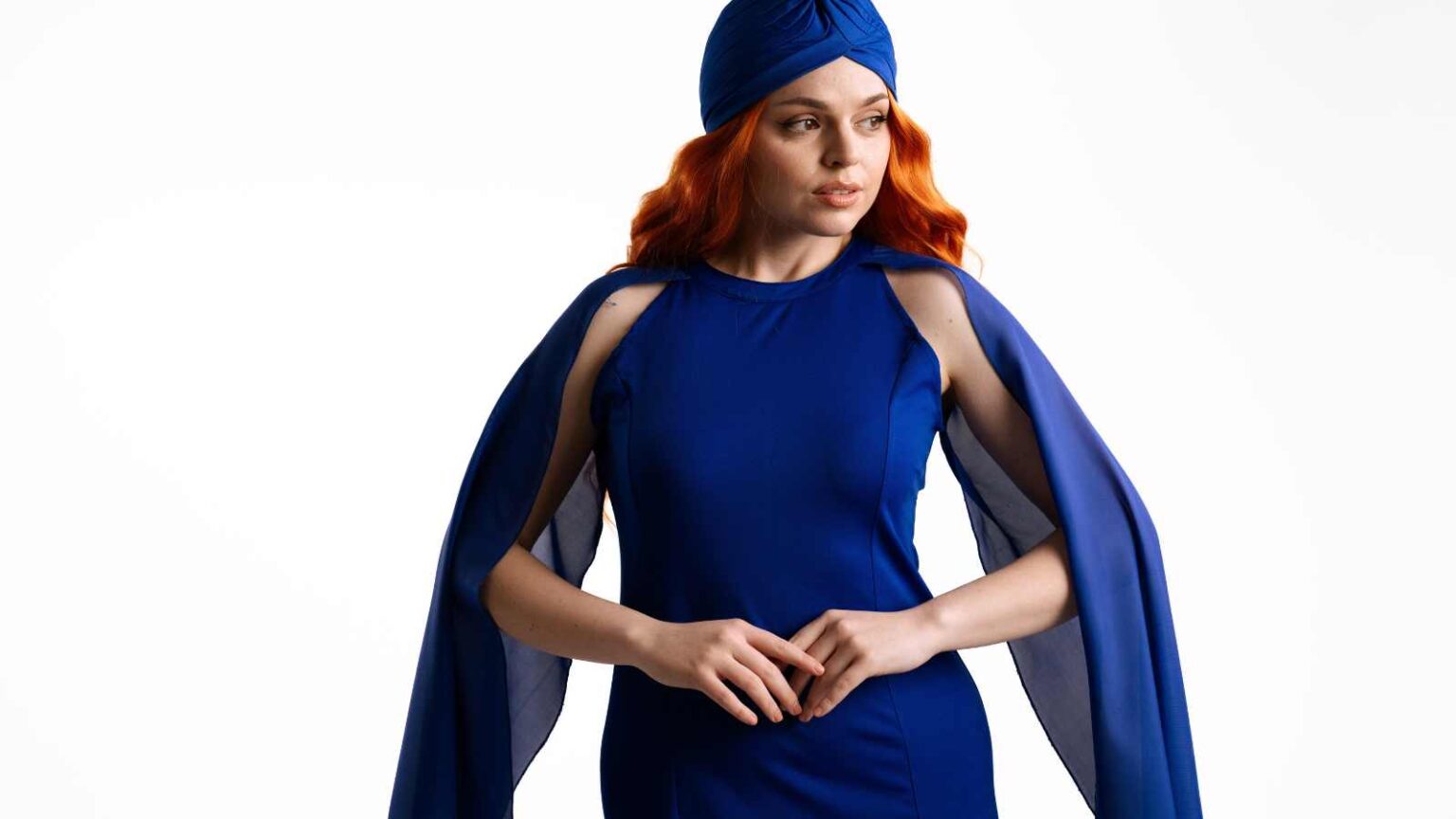
Kibbe’s Dramatic family is defined by long, sharp lines and high contrast rather than by size. This matters because dramatic dressing is often wrongly filed under intimidating on a larger frame, when it was designed to command attention regardless of measurements.
Monochrome column silhouettes elongate through unbroken vertical lines. A single strong shoulder or a severe collar reads as intentional architecture instead of camouflage.
Where classic dressing balances, dramatic dressing exaggerates on purpose, using scale the way the original Hollywood image system used it for stars built to fill a screen.
A cape sleeve or an oversized lapel does the same job on a larger frame as it does on a smaller one, drawing the room’s attention rather than deflecting it.
Play With Proportion
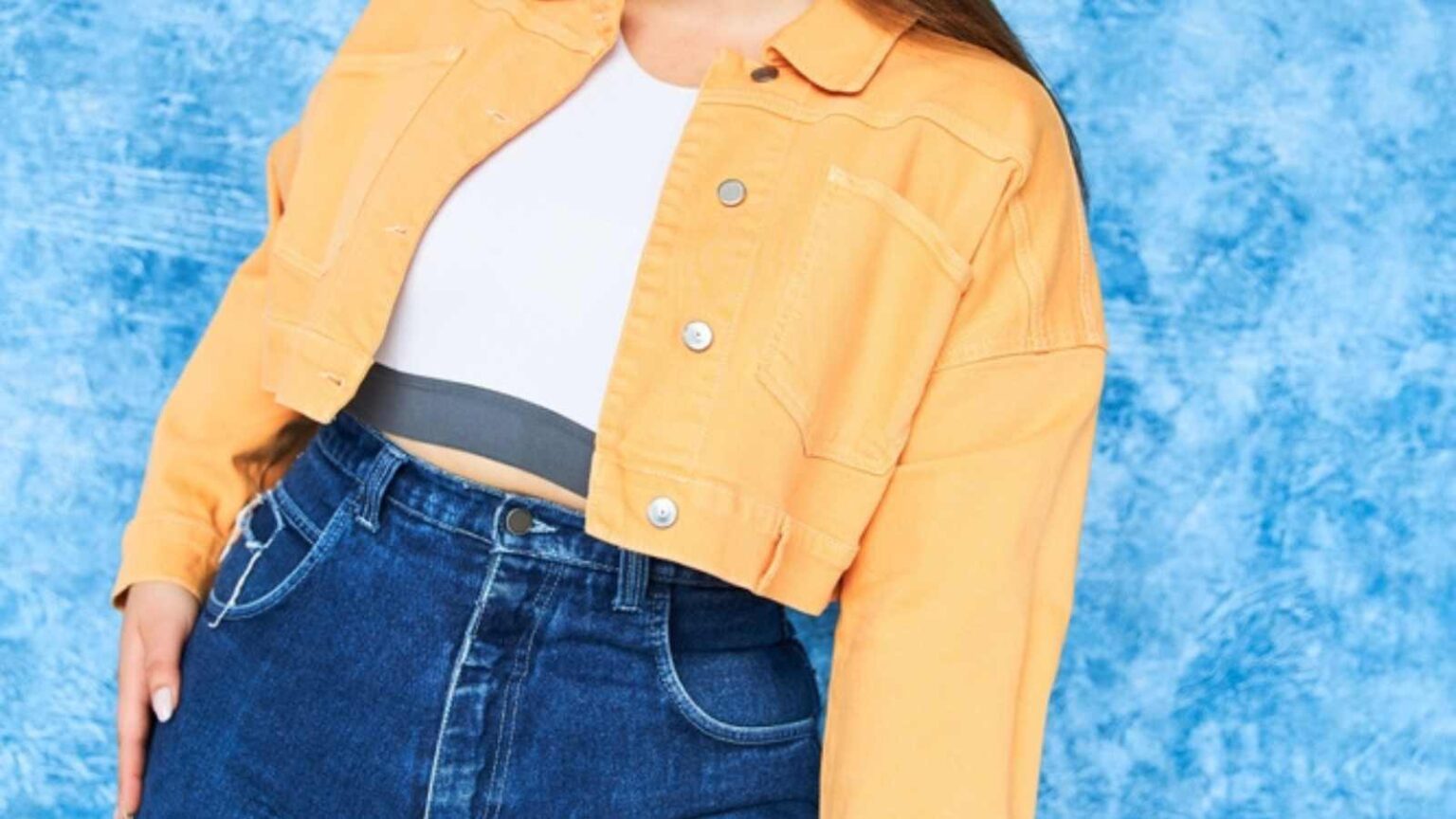
Gamine sits among Jackson’s original six style personalities, historically associated with a compact, androgynous energy built on proportion play rather than delicacy.
Cropped jackets, cuffed trousers and unexpected color blocking create visual breaks that shift where the eye lands, which works on any frame because the mechanism is contrast, not scale. A boxy cropped cardigan over a fitted midi skirt reads gamine because the proportions clash in a controlled way.
The archetype rewards confidence with asymmetry, whether that shows up in a single statement earring or in mixed prints that shouldn’t logically work together but do.
Embrace Natural Style
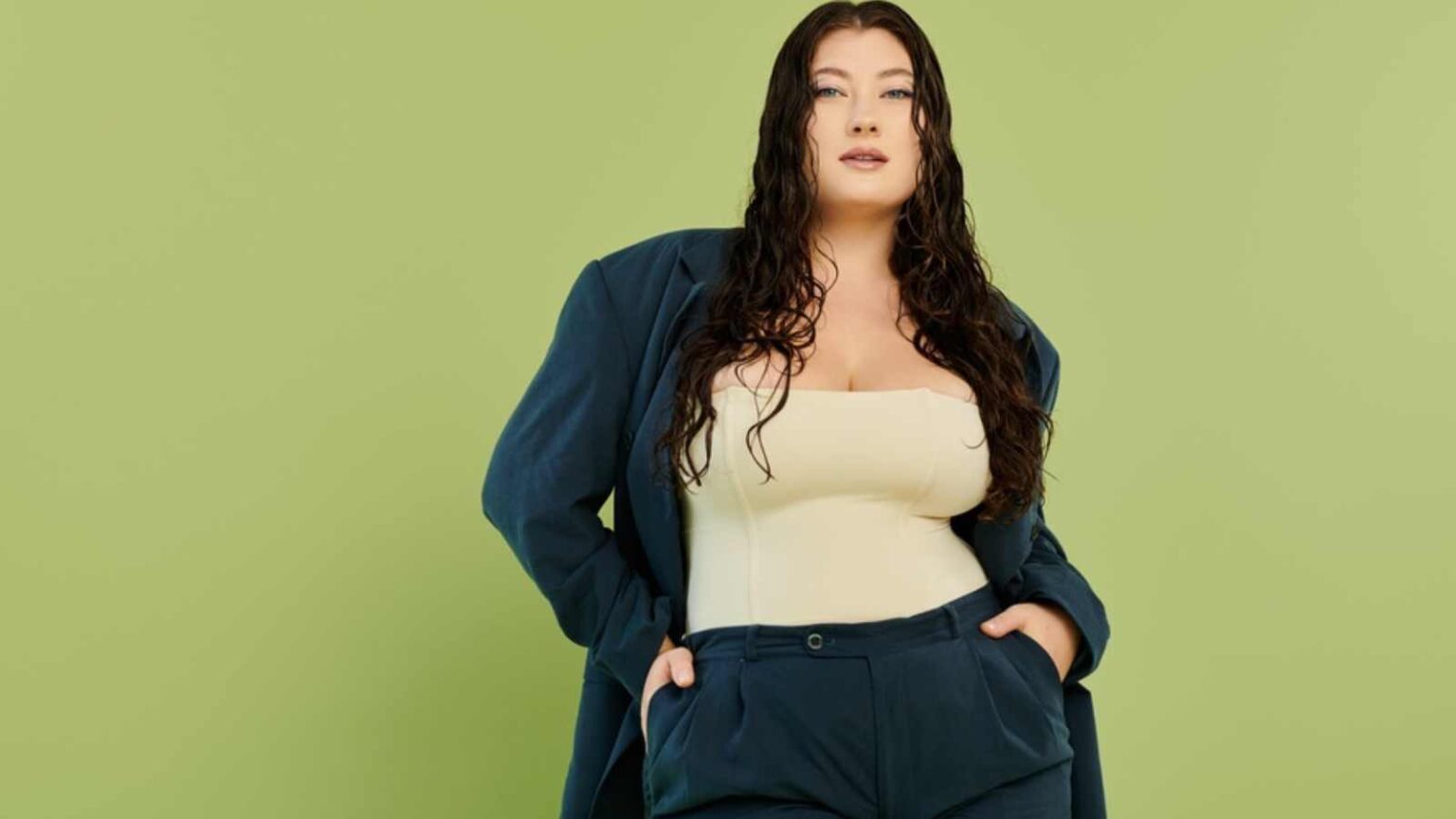
A broad, blunt bone structure that resists tight structuring, with styling logic that follows the body rather than fighting it.
Relaxed linen shirting, unlined blazers, and wide-leg trousers move with the body rather than against it, which, on a curvier frame, reads as ease rather than sloppiness once the proportions are considered. A drop shoulder here is intentional, echoing the workwear roots the natural aesthetic originally borrowed from.
Fabric weight does more work than fit here, since a heavier linen or canvas holds its own shape without needing a seam to pin it down. The archetype’s whole argument is that softness in construction, not just in body, can still look put together.
Go Bohemian
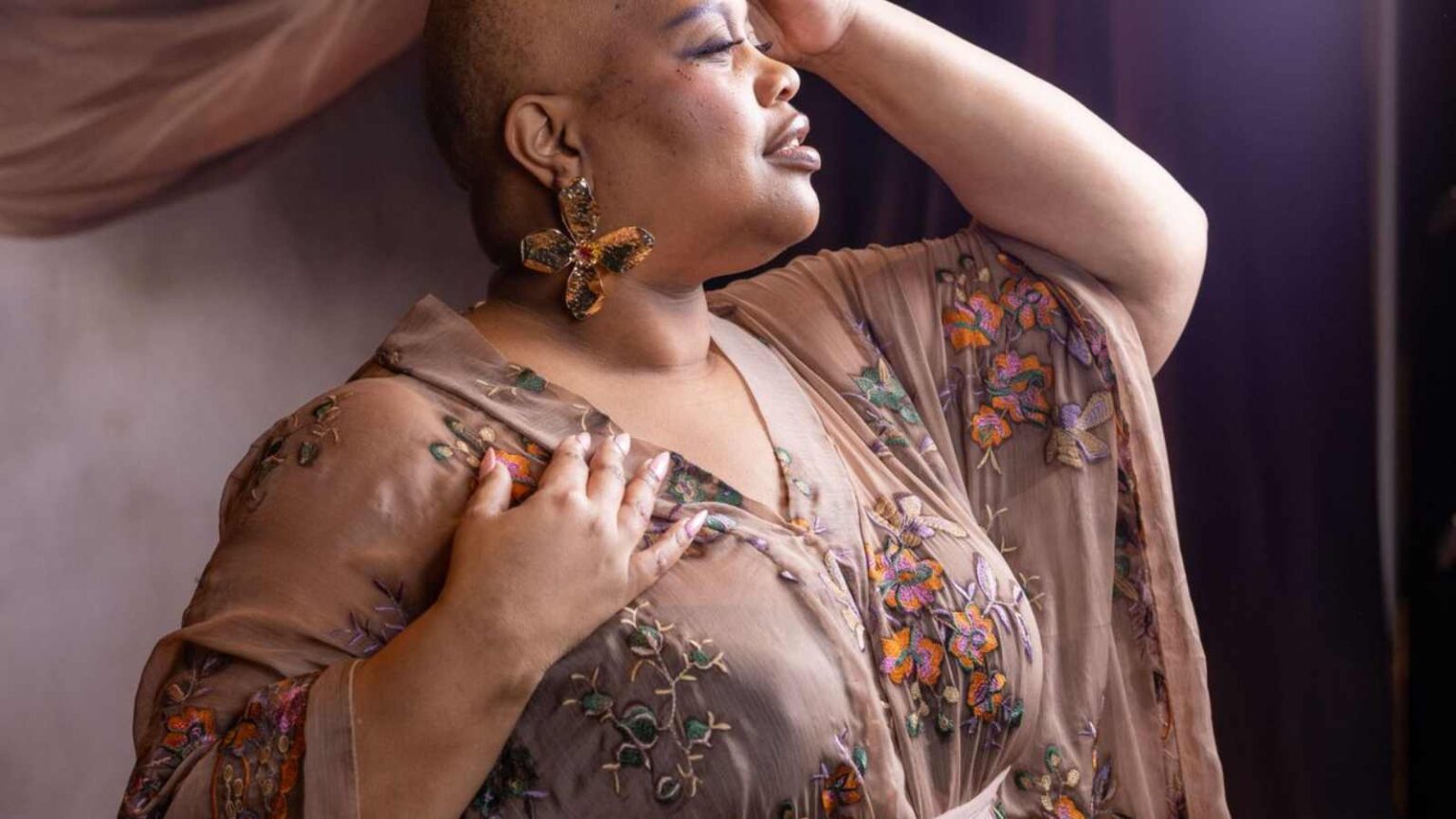
The defining image of modern boho style is Talitha Getty photographed by Patrick Lichfield on a Marrakech rooftop in January 1969, wearing a multicolored kaftan over white harem pants, an outline that owed nothing to a fitted waistline.
Caftans, wide-leg trousers and layered textiles were never engineered around a single narrow silhouette, so the archetype translates to a fuller body with almost no adjustment required. Embroidered coats and fringe add visual texture without needing tailoring to hold a shape.
Where a fashion editor at Vogue later called the look a reference decades on, the through-line has always been fabric that drapes rather than clings.
Try Modern Preppy

Preppy’s founding document is Take Ivy, a 1965 Japanese photobook that documents Ivy League students in chinos, blazers, and button-downs, a look Ralph Lauren later scaled into a full aesthetic through his Polo campaigns.
The style runs on structured, slightly oversized outerwear and crisp collars, both of which have historically shrunk out of reach for plus-size shoppers even as extended sizing expanded elsewhere in fashion.
A rugby stripe or a cable knit still reads preppy at any size because the codes live in the pattern and the silhouette, not in a specific waist measurement. What changed is which brands finally bothered to cut the blazer past a 14.
Master Minimalism
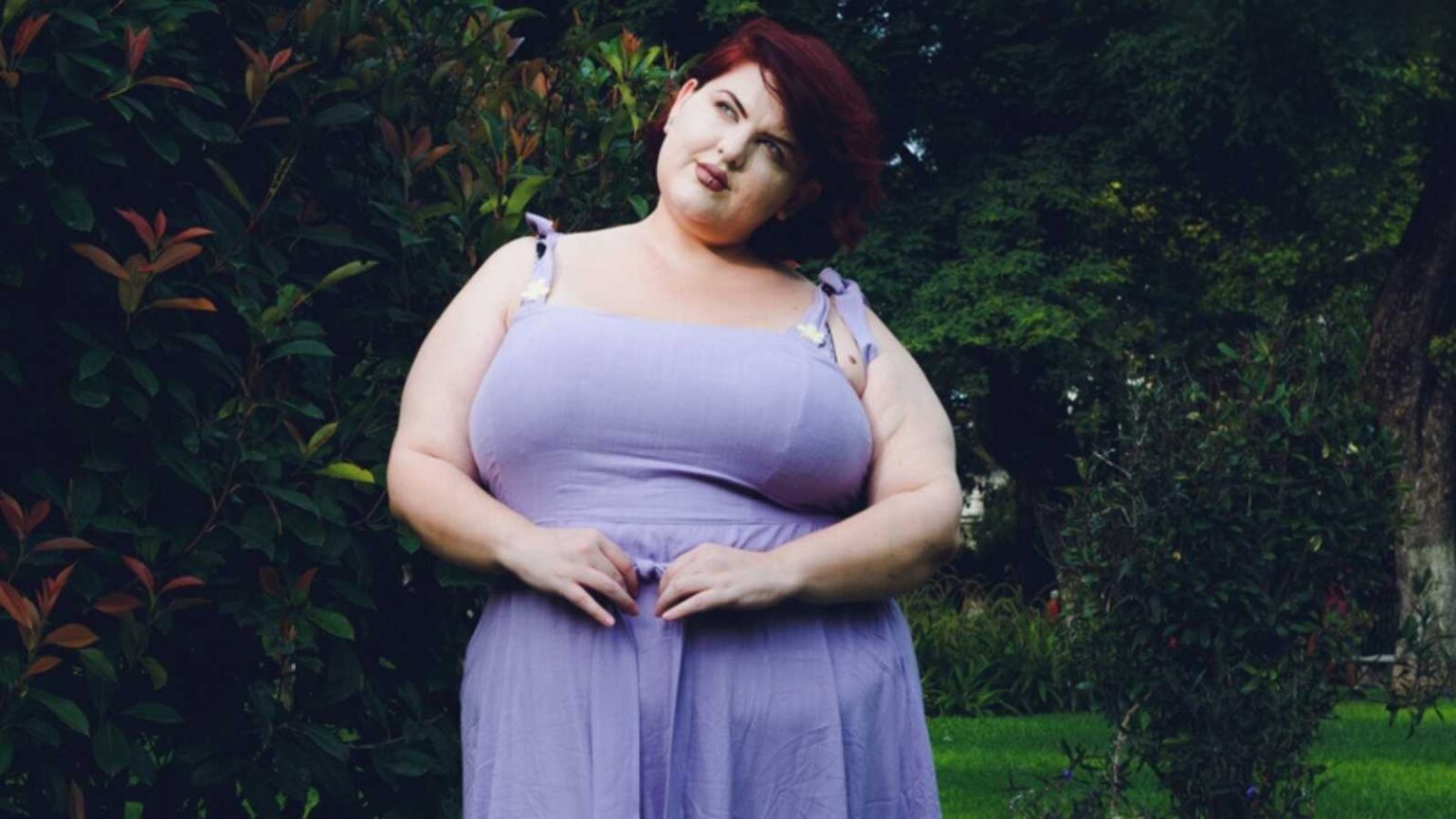
The Museum at FIT’s Minimalism/Maximalism exhibition traced fashion minimalism back through Chanel’s modernist knitwear and the 1990s austerity of designers like Helmut Lang, with Calvin Klein describing the aesthetic as a philosophy of knowing when to subtract.
Jil Sander built an entire house on the same idea, favoring impeccable tailoring over ornament. On a curvier body, minimalism gets misread as an attempt to vanish, but the actual mechanics run in the opposite direction: quality fabric, clean seams, and a tonal palette put the emphasis on cut and proportion rather than print, which is a design choice rather than an apology.
Go Maximalist
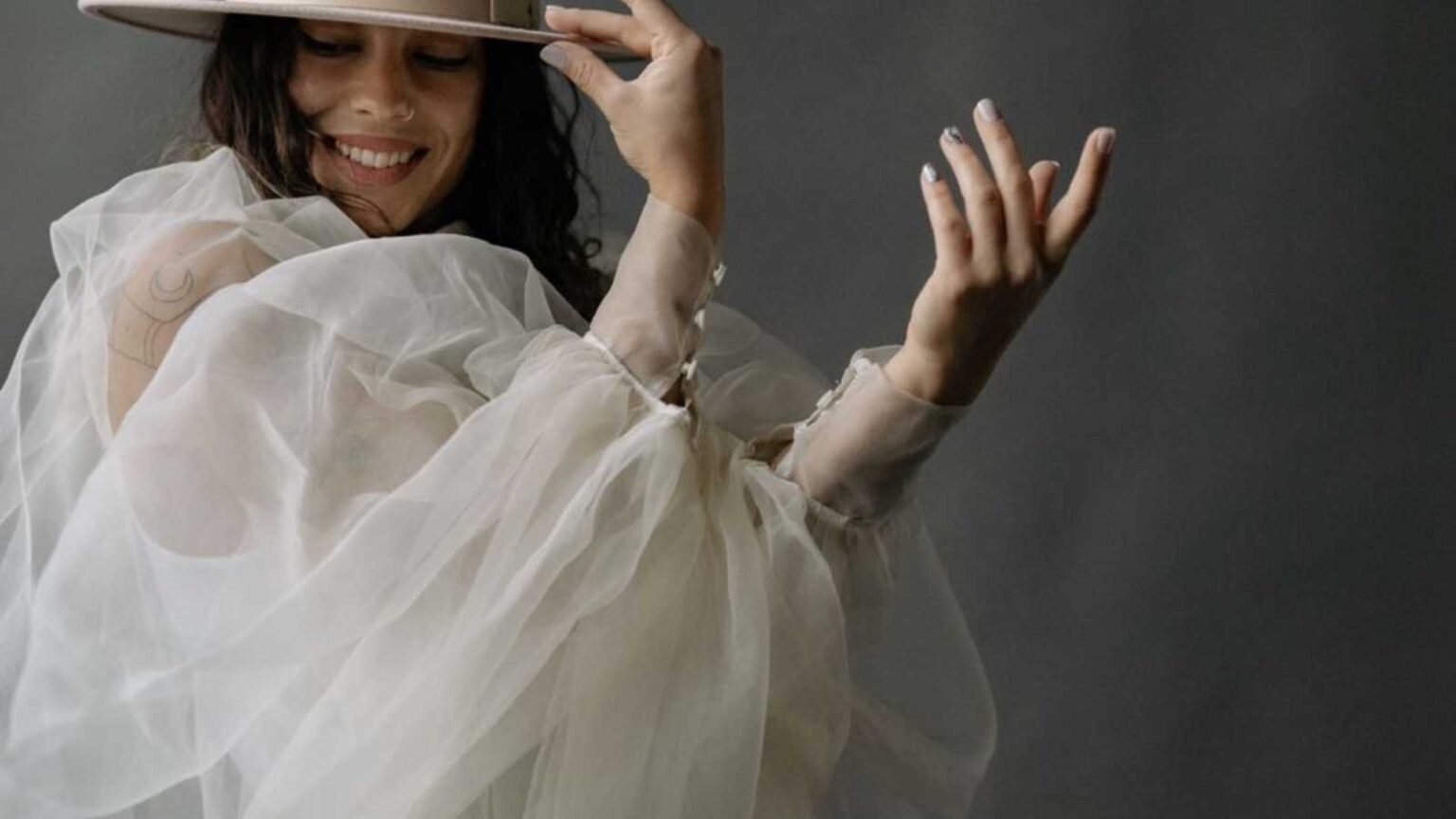
Where minimalism subtracts, maximalism piles on, and nobody made that case more consistently than Iris Apfel, whose signature line held that more is more and less is a bore. Layered pattern, mixed textures, and saturated, high-contrast color are the archetype’s tools, and a larger frame simply offers more visual real estate to build on, not less.
Clashing florals with stripes or stacking bangles up an entire forearm reads as curated excess, not chaos, once the layering has intention behind it. Apfel’s own rule was essentially that she had no rules, which is as good an entry point into maximalism as any.
On a plus-size frame, the archetype has an obvious advantage: more surface area means a bolder print reads as a statement rather than getting lost, as it might on a smaller silhouette.
Channel Your Edge

Vivienne Westwood built punk fashion out of ripped fabric, safety pins, and bondage trousers sold through her SEX boutique in 1970s London, work she later described as using clothing to express rebellion rather than to design conventionally.
Leather, distressed denim, and asymmetric zippers still carry that same defiance regardless of who wears them, though plus-size representation within edgy subcultures has historically lagged far behind the mainstream, as punk’s founding ethos would suggest it should.
A cropped moto jacket over a fitted dress works the tension the archetype runs on, contrasting structure with curve rather than smoothing it out.
Dress for Comfort

Norma Kamali’s 1980 Sweats collection, sewn from sweatshirt fabric and later credited with popularizing athleisure, moved sportswear fabric into eveningwear and everyday dressing well before the term itself entered common use.
Stretch fabrics are more forgiving of movement than woven cloth, which matters both practically and aesthetically. A structured jogger paired with a fitted blazer keeps the silhouette from reading as loungewear while preserving the comfort.
Kamali herself has argued that activewear and ready-to-wear should never have been treated as separate categories in the first place, a stance the archetype has only furthered in proving right.
Embrace Glamour
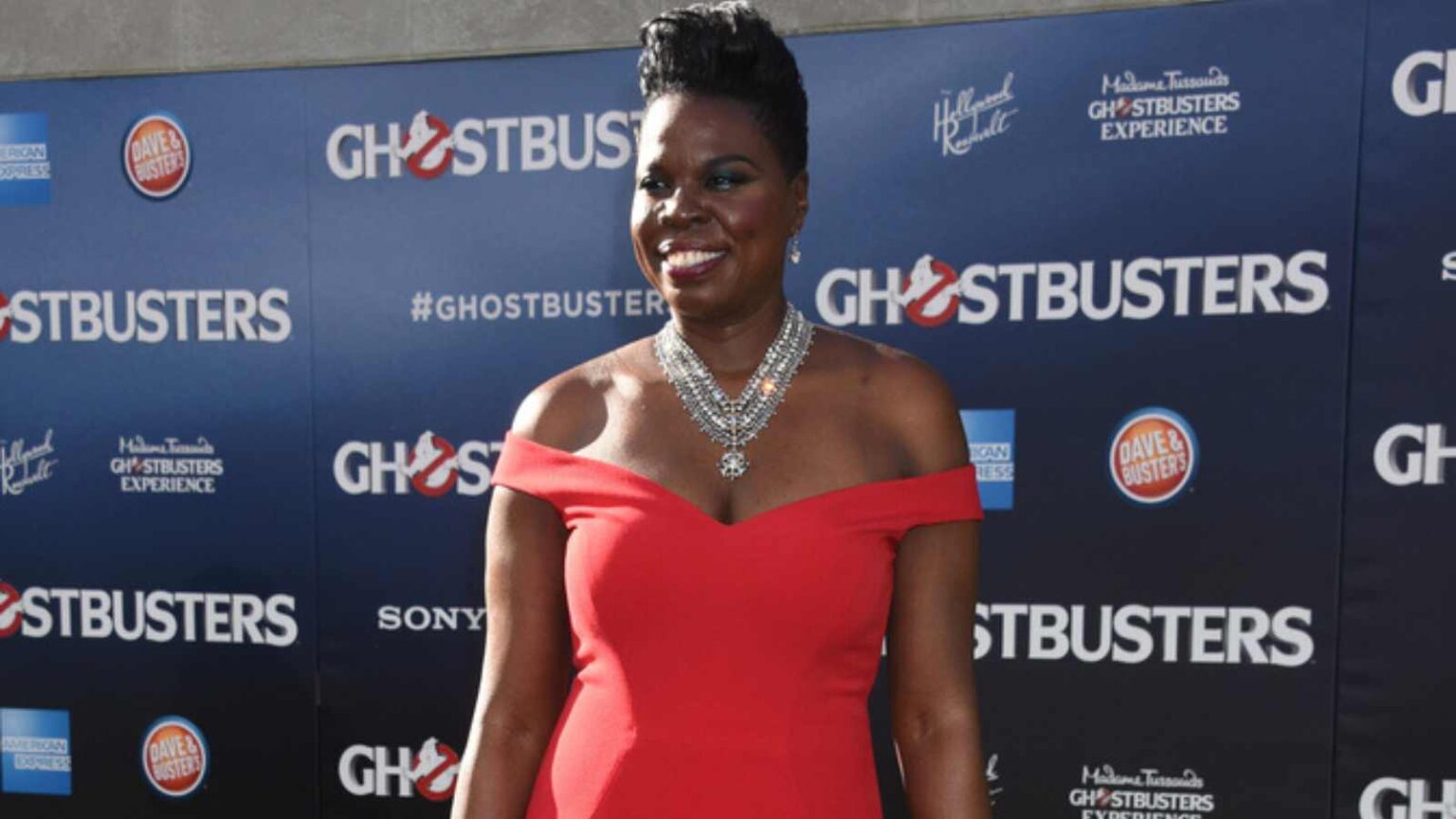
Christian Siriano built a reputation for dressing women other designers wouldn’t, stepping in for comedian Leslie Jones in 2016 after she said no one would create a red carpet look for her ahead of the Ghostbusters premiere.
Old Hollywood glamour runs on bias-cut satin, structured corsetry and dramatic sleeves, codes that assume a body worth building drama around rather than one to minimize.
Siriano has said he wants any customer, whether a size 18, 20 or 24, to be able to walk into his studio and get the same couture treatment. That standard remains the exception in fashion rather than the rule, which is exactly why the archetype still matters.
Key Takeaways

- Fit is a design choice, not a compromise. Every archetype here works by adapting cut, seam and fabric to a curvier frame rather than scaling down a straight-size pattern.
- Plus-size dressing predates the body positivity era by a century. Lane Bryant’s stout-size line was already outselling its original maternity business by 1923.
- Structure and softness both flatter, just differently. Classic and dramatic styles use tailoring and scale to shape the eye, while romantic and natural styles use drape and ease to move with the body.
- History gave plus-size fashion a head start it rarely gets credit for. Bohemian and comfort-first dressing were both built on silhouettes that never depended on a fitted waistline in the first place.
- Representation still lags behind the archetypes themselves. Preppy, edgy, and glamorous all have long histories rooted in specific codes, but extended sizing in those categories remains a recent and incomplete correction.
Disclaimer: This list is solely the author’s opinion based on research and publicly available information. It is not intended to be professional advice.
Like our content? Be sure to follow us
MORE TCF GAMES