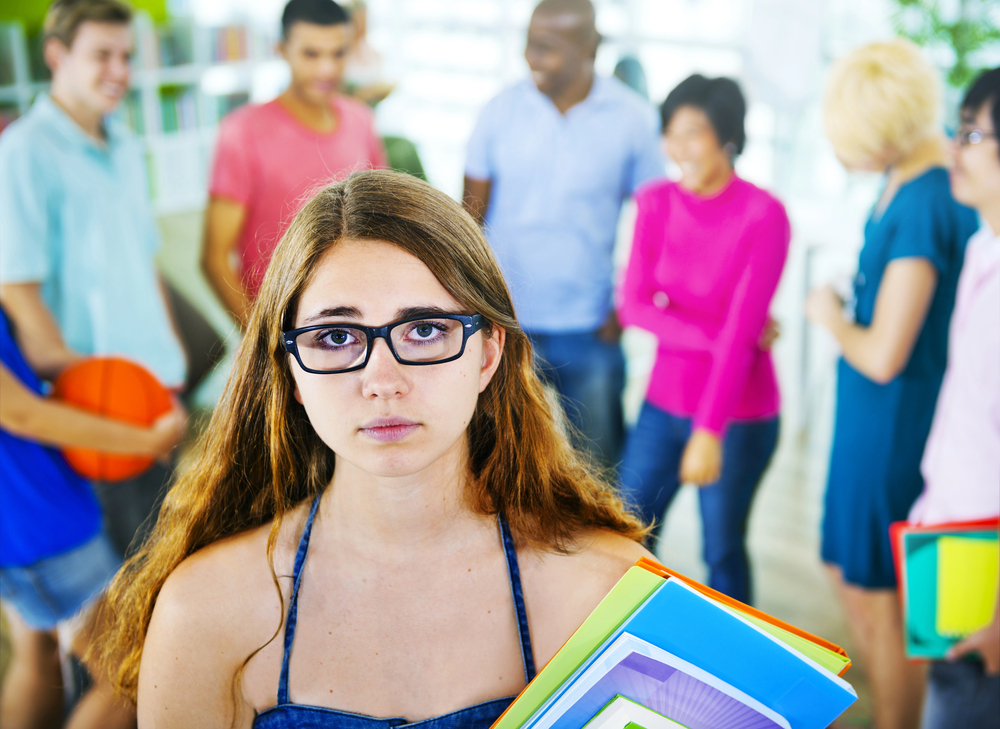
School hallways often feel like a runway where fashion meets a wall of administrative rules. Kids want to express themselves, but principals have a completely different vision of acceptable attire. Getting ready in the morning feels like walking a tightrope between personal style and the dreaded detention slip.
Administrators constantly update the rulebook to keep up with the latest clothing trends popping up on social media. Let us look into the everyday clothing items that constantly get American students sent straight to the principal’s office.
Crop Tops And Midriff Shirts

The return of nineties fashion brought these stomach-baring shirts right back into middle and high schools across the country. Teachers argue that exposed skin distracts students from focusing on math equations and history lectures. Kids simply think they look cute and want to stay cool during those sweltering early fall afternoons.
Administrators often rely on the outdated fingertip rule to measure if a shirt sits too high on the torso. An estimated 60 percent of dress codes have rules involving measuring bodies and clothing. This practice makes many teenage girls feel incredibly uncomfortable and unfairly targeted by school staff.
Pajama Pants And Flannel Bottoms
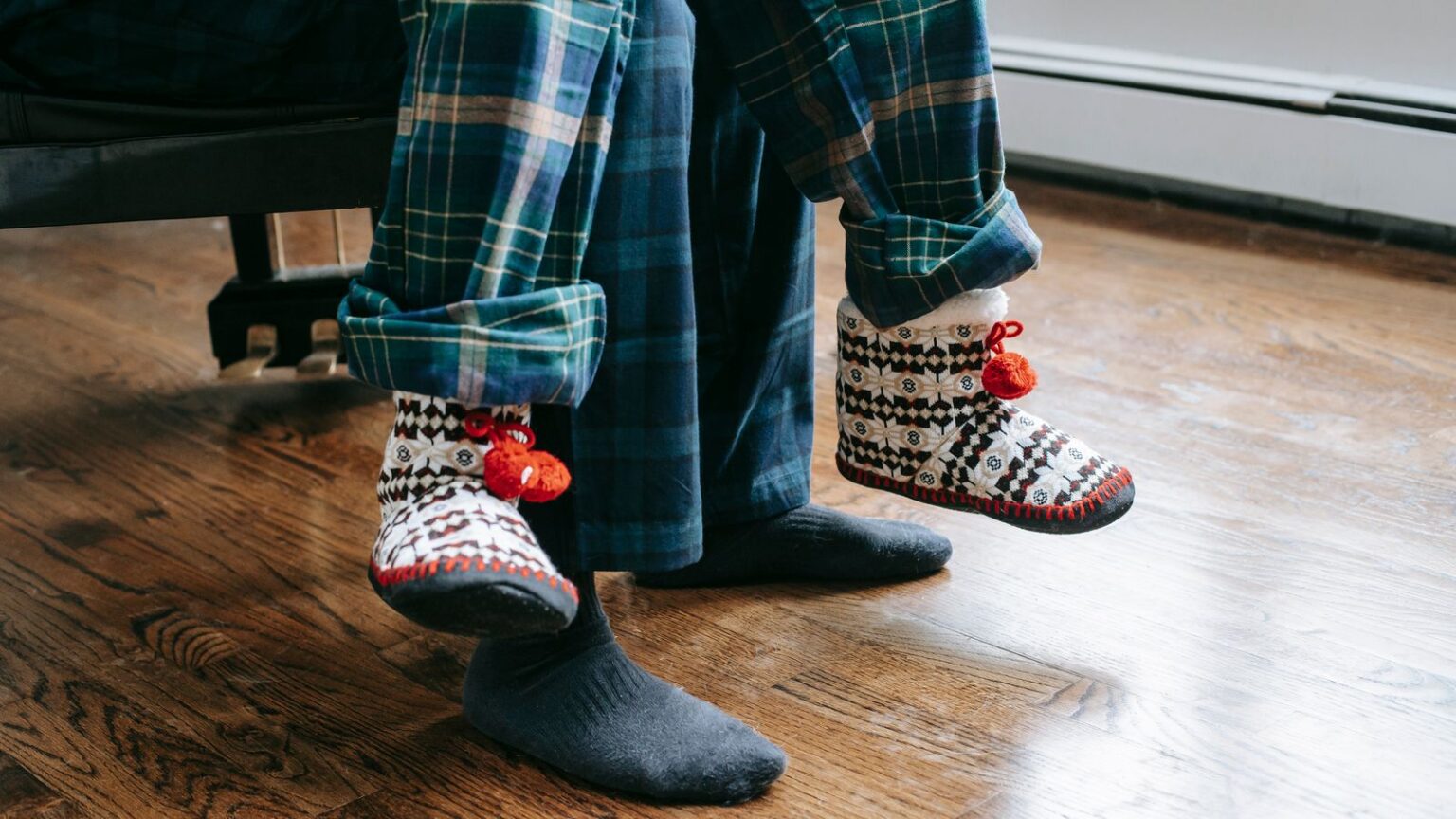
Rolling out of bed and heading straight to first period sounds like an absolute dream for exhausted teenagers. Schools heavily restrict this cozy sleepwear because they believe it promotes a lazy and unprofessional learning environment. Educators want kids to physically prepare for the day by changing out of their nighttime clothes.
Teenagers argue that maximum comfort leads to better concentration during long exams and endless lectures. EBSCO says that according to the U.S. Government Accountability Office, 93 percent of school districts have some type of clothing policy in place. Despite the pushback from students, sleepwear remains one of the most widely banned clothing items in educational facilities.
Hats And Beanies

Wearing a baseball cap indoors was once considered a massive sign of disrespect across American culture. Educators continue to enforce this traditional etiquette by demanding students remove all headwear upon entering the building. Teachers also claim that hats make it difficult to identify students on security cameras during emergencies.
Students use beanies and caps to hide bad hair days or simply express their favorite sports team loyalty. The constant battle over headwear leads to countless confiscations and frustrated teenagers begging for their property back at dismissal. Relaxing this rule could save administrators a massive amount of time currently spent policing accessories.
Spaghetti Straps And Halter Tops

Thin straps have sparked fierce debates in cafeterias and classrooms since the early two thousands. Clothing guidelines frequently dictate that shirt straps must measure at least two inches wide to be considered appropriate. This specific measurement requirement creates a frustrating shopping experience for parents trying to find compliant summer clothes.
About 16.4 percent of public schools required uniforms in the 2021 to 2022 school year. For schools without uniforms, girls usually face the brunt of these specific shoulder-baring restrictions. Advocates argue that bare shoulders do not stop anyone from learning how to read or write.
Ripped Jeans And Distressed Denim

Buying pants with holes already torn into them drives grandparents crazy and gives principals a major headache. The rules usually state that any rips or tears must sit below the knee to pass inspection. Fashion retailers ignore these academic guidelines and continue producing highly distressed denim that kids absolutely love.
Teenagers get incredibly creative by wearing leggings underneath their ripped jeans to avoid getting a clothing violation. The Washington Post revealed that more than 80 percent of predominantly Black schools enforce strict clothing policies. These rigid denim rules often create unnecessary friction between stylish students and the administration daily.
Graphic Shirts With Questionable Slogans
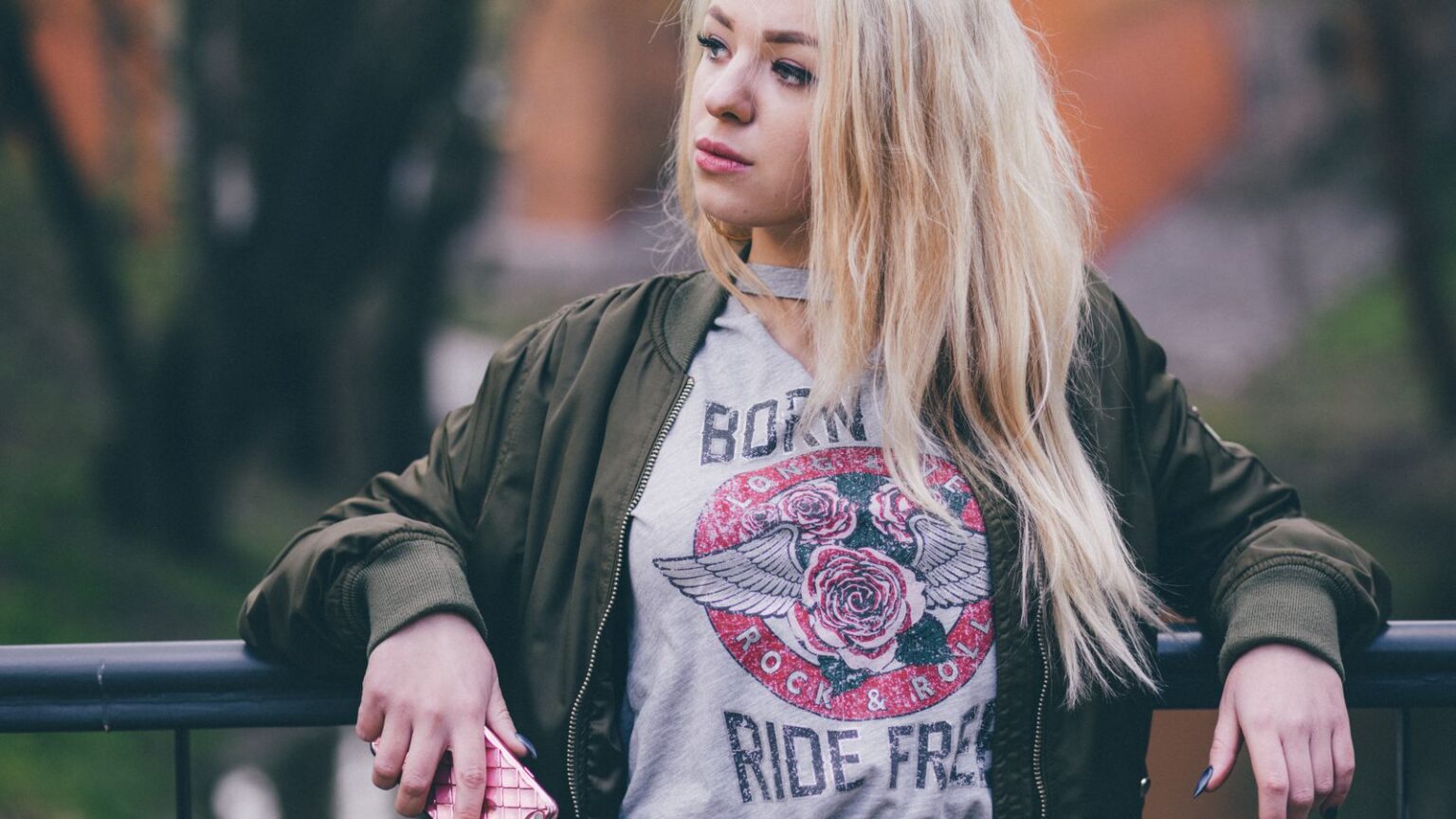
Walking billboards can cause quite a stir when the messaging crosses the line of school appropriateness. Shirts promoting alcohol or inappropriate humor guarantee a quick trip to the main office for a wardrobe change. Administrators must constantly decode slang terms and internet memes to figure out if a shirt violates the rules.
Students love wearing funny shirts to get a laugh out of their friends in the cafeteria. The interpretation of what counts as offensive changes constantly depending on which teacher is looking at the shirt. Sometimes a seemingly innocent joke gets completely misunderstood by an adult who is out of touch with internet culture.
Sagging Pants And Baggy Bottoms
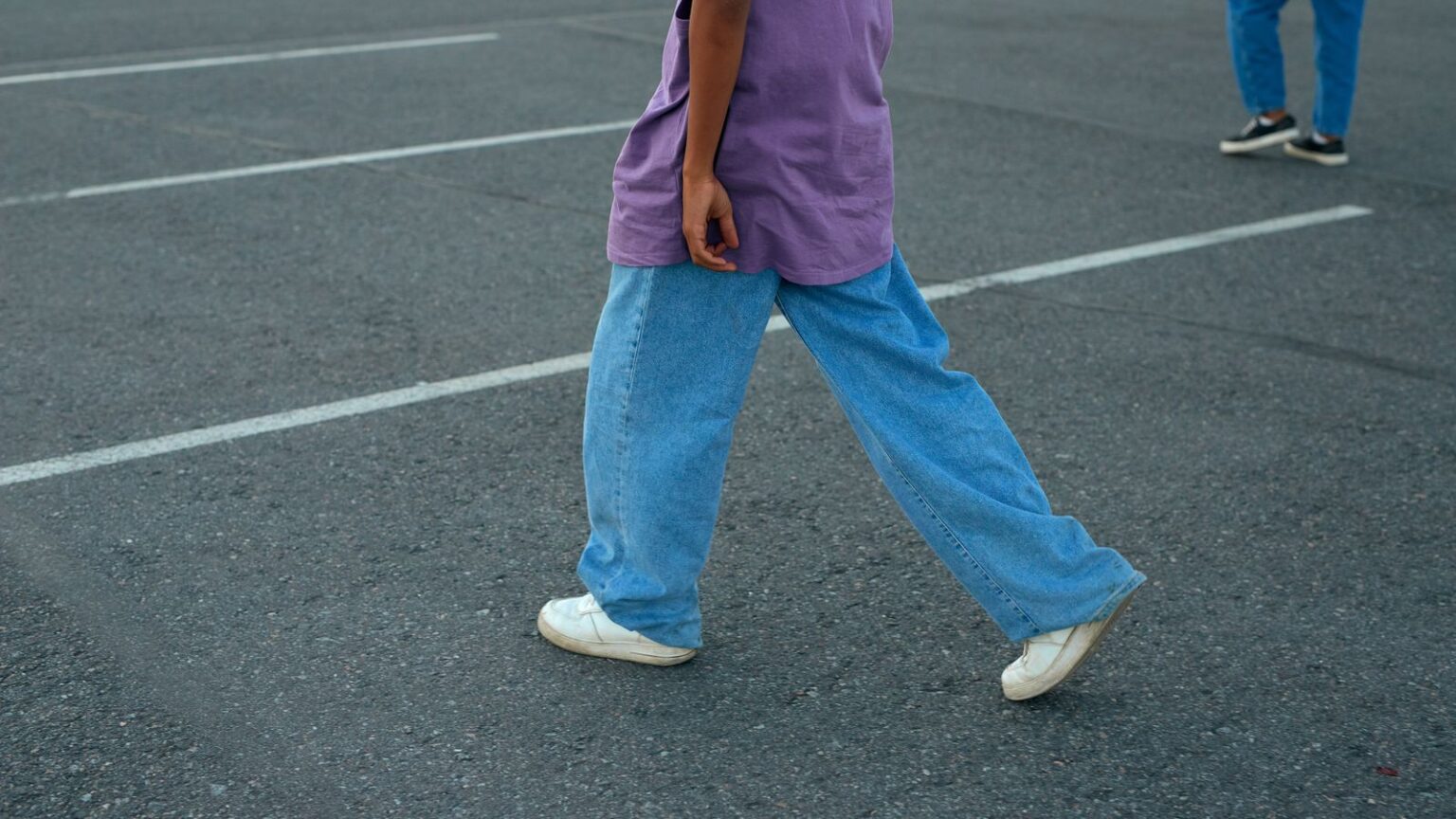
The trend of wearing pants below the waistline started decades ago and continues to annoy school officials immensely. Schools require students to use belts and keep their trousers pulled up to present a tidy appearance. Teachers often stop class just to remind a student to pull up their pants before walking down the hall.
Many districts view extremely baggy clothing as a safety hazard that could conceal prohibited items. Students simply view oversized clothing as a comfortable fashion statement that aligns with current streetwear trends. The clash over pants sizing remains a daily struggle for monitors patrolling the hallways between periods.
Leggings And Yoga Pants

Athletic wear took over casual fashion and quickly became the go-to choice for students wanting comfort. Many districts attempted to ban these form-fitting pants by claiming they look too much like undergarments. Pushback from angry parents forced several districts to reconsider their aggressive stance on this popular athletic apparel.
The compromise usually involves requiring students to wear a longer shirt that covers their backside completely. Trying to judge the exact length of a shirt creates an awkward situation for both the student and the teacher. Most kids just want to sit comfortably in a hard plastic chair for seven hours a day.
Sunglasses Inside The Building
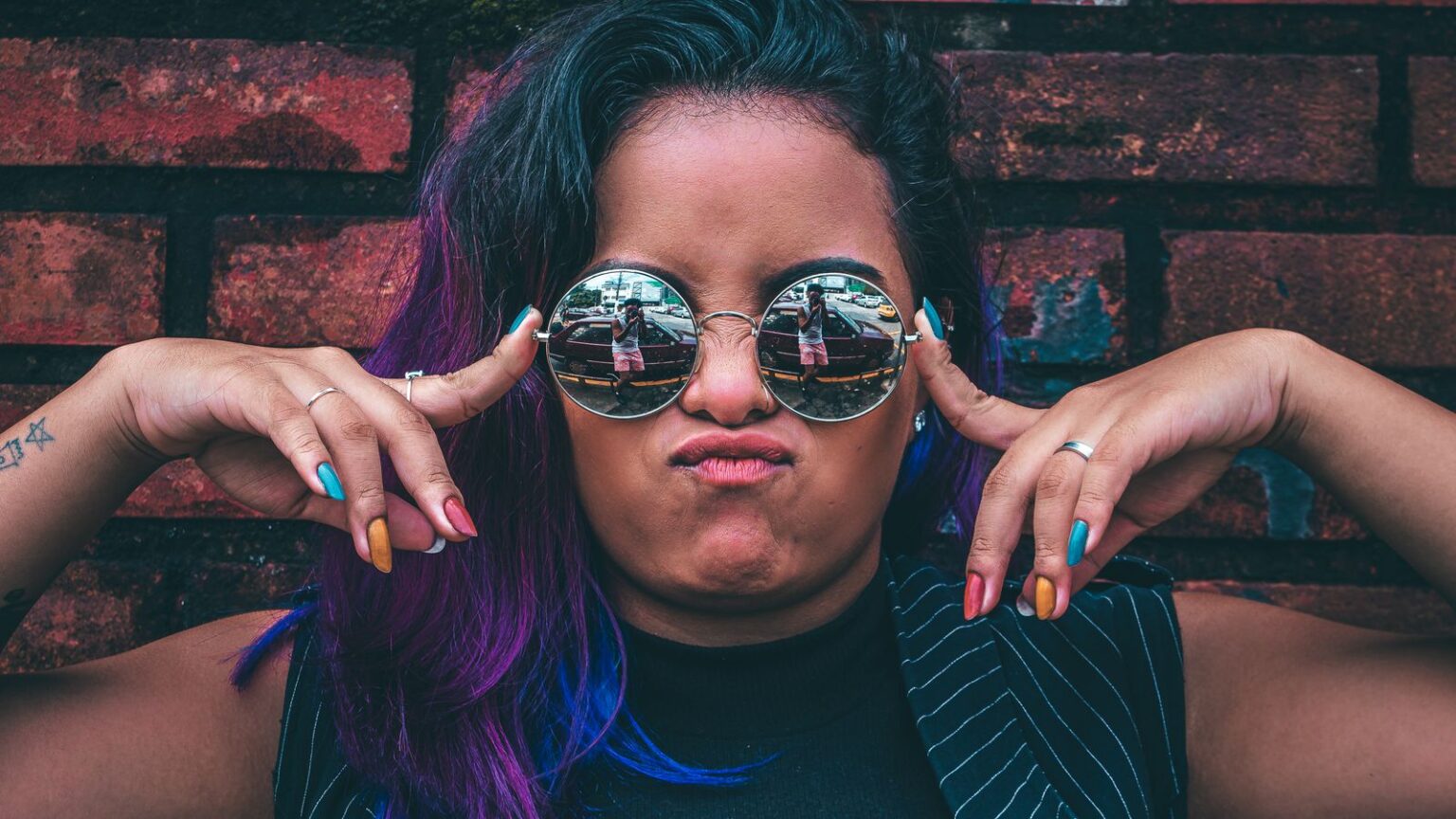
Wearing shades indoors gives off a cool celebrity vibe that teenagers constantly try to replicate. Teachers hate this accessory because eye contact is a massive part of effective communication and active learning. Hiding behind dark lenses makes it impossible for educators to know if a student is paying attention or sleeping.
Medical exceptions exist for kids dealing with concussions or severe light sensitivity issues. Everyone else must stash their stylish aviators in their locker until the final bell rings at three o’clock. It is a battle of wills that educators easily win by simply plucking the shades off the face of a student.
Slippers And Open-Toed Shoes
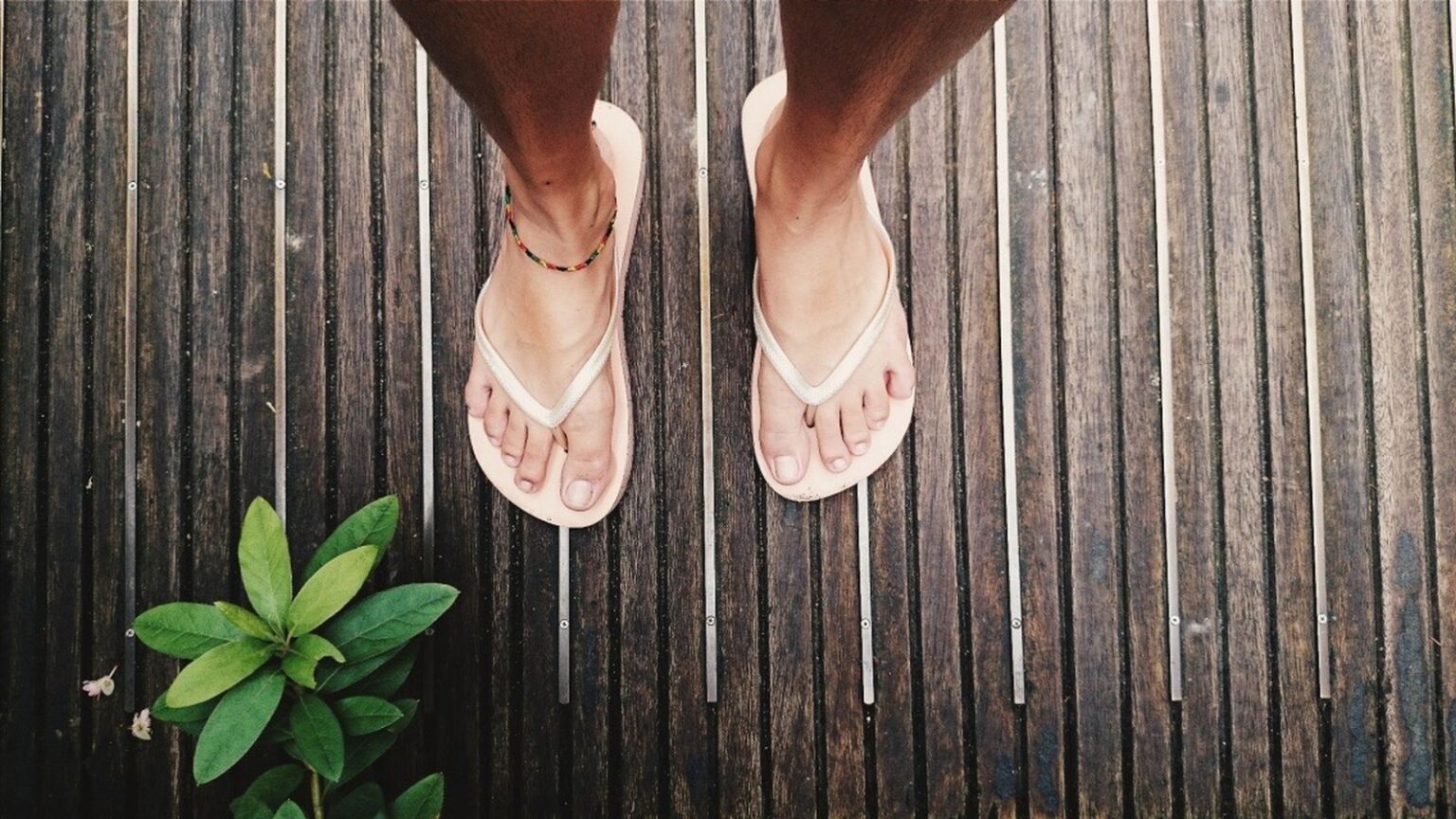
Safety protocols often dictate what kind of footwear students can safely wear during science labs and physical education. Flip-flops and fluffy slippers offer zero protection against dropped beakers or heavy gym equipment. Administrators also worry about kids tripping on the stairs while wearing shoes that lack proper heel support.
Teenagers prioritize style and convenience over the possibility of stubbing a toe during a fire drill. The massive popularity of fur-lined slide sandals has forced many schools to clarify their confusing footwear guidelines. A sturdy pair of sneakers remains the only completely safe bet for surviving a long day of high school.
Disclaimer: This list is solely the author’s opinion based on research and publicly available information. It is not intended to be professional advice.
Like our content? Be sure to follow us
MORE TCF GAMES