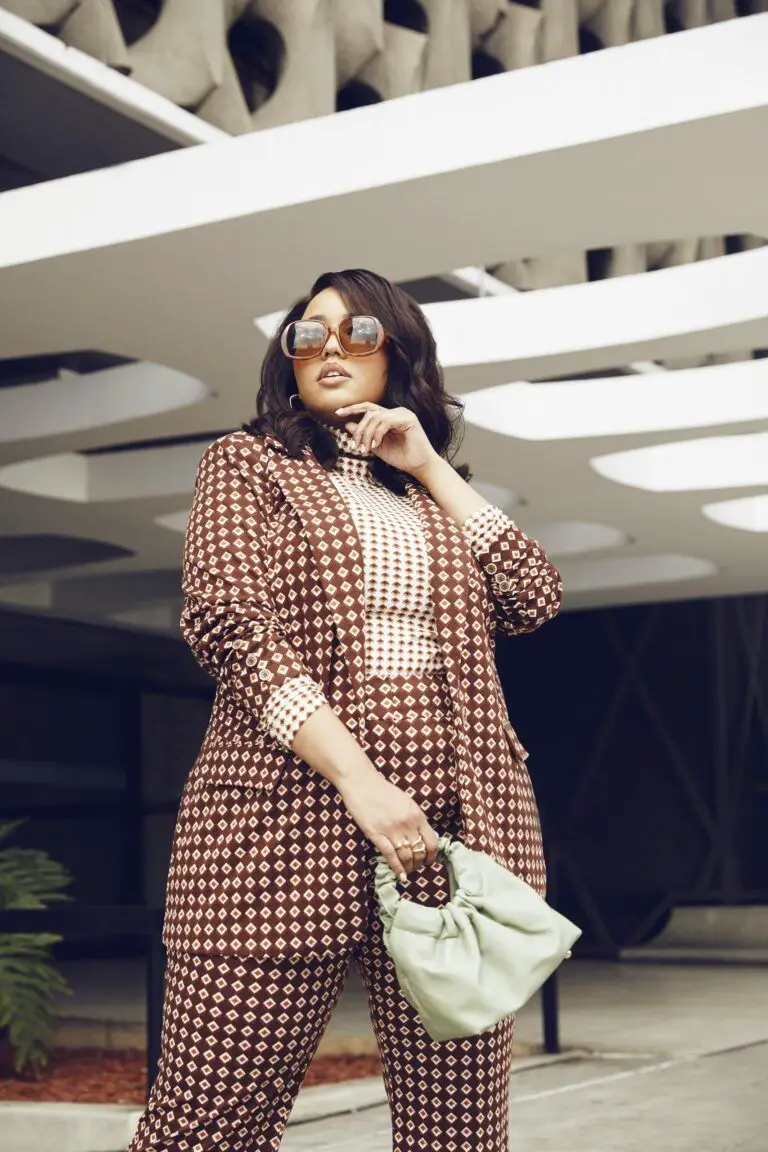

Before 1997, a pregnant woman shopping for anything besides sweatpants was mostly choosing between a tent and a costume. This is because, at the time, maternity wear ran almost exclusively toward oversized shapes with a belly pouch sewn in, as though pregnancy required disguising the body rather than dressing it.
Designer Liz Lange, founder of Liz Lange Maternity, broke that pattern by building her entire first collection around stretch fabric, which was still new enough to the market in the mid-1990s that fitted maternity wear barely existed as a category before she made it one.
The plus-size version of that same fix has taken far longer to arrive, since size-inclusive maternity lines are still a fraction of what standard maternity brands offer.
The twelve pieces below apply Lange’s original logic, fit and construction over concealment, to a size range the industry is only now starting to build for properly.
Choose High-Recovery Leggings
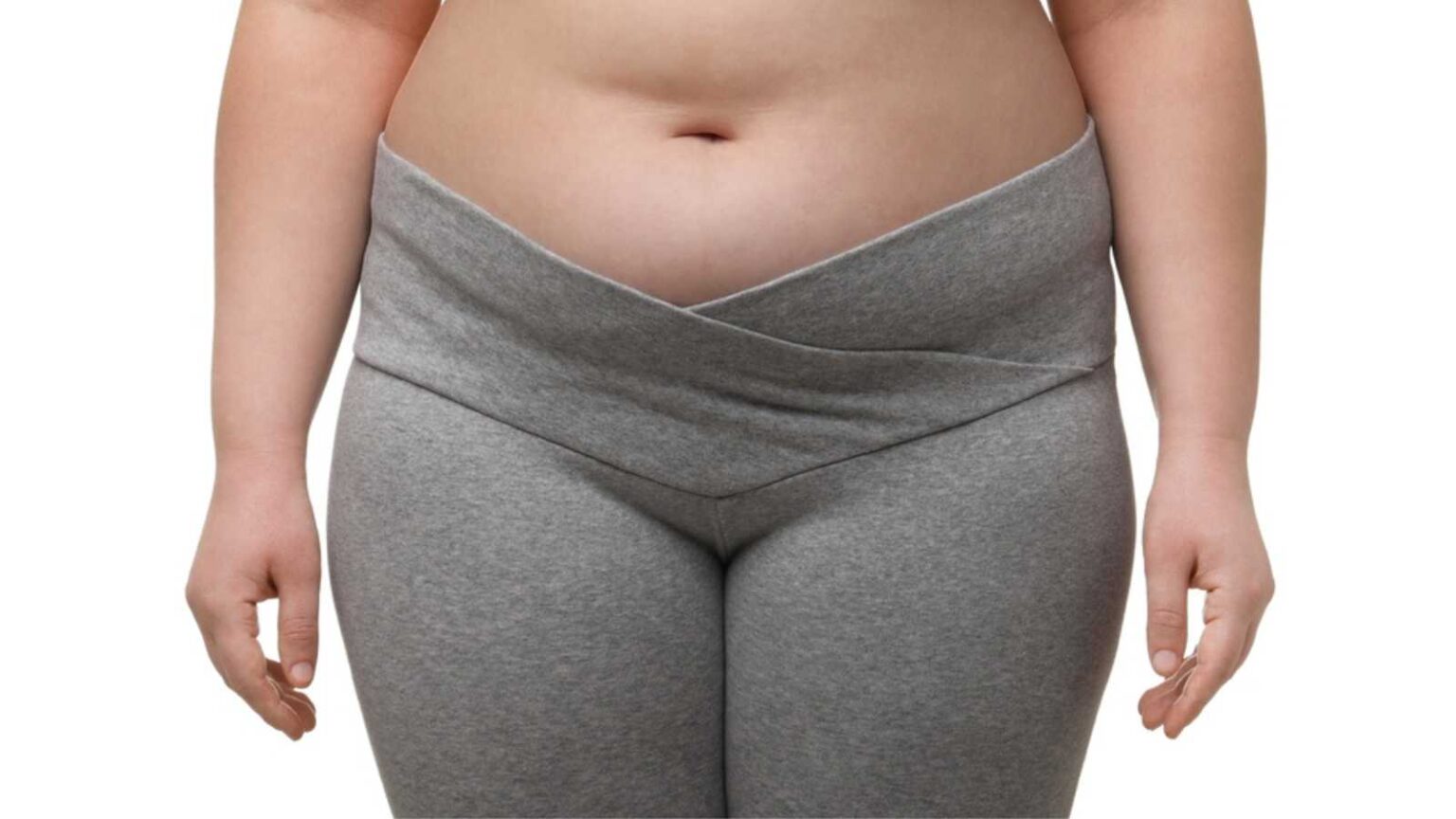
Stretch is the easy sell. Recovery, the fabric’s ability to snap back after hours of wear instead of bagging at the knee by week thirty, is the harder test and the one most legging fail.
When Forbes Vetted tested a dozen pairs across a twin pregnancy, the winning pair held its shape through repeated washes while several competitors sagged within weeks.
For plus-size buyers specifically, the Shapermint Essentials Embrace line built with belly-support ribbing was the standout, and the takeaway is simple. Buy for the fabric’s memory, not its first-day feel.
Start With a White Tank

One maternity-length white tank does more structural work than any other single item in this wardrobe. It adds inches of coverage so non-maternity tops stop riding up over a growing bump, it layers under button-downs left open at the last two buttons, and it functions as a slip beneath sheer maternity dresses without anyone noticing the workaround.
Blogger Maxey Greene, writing about her second pregnancy, called this layering piece nearly as essential as the jeans themselves. Buy it in black too. It reads more polished for anything office-facing.
Prioritize Pocketed Activewear
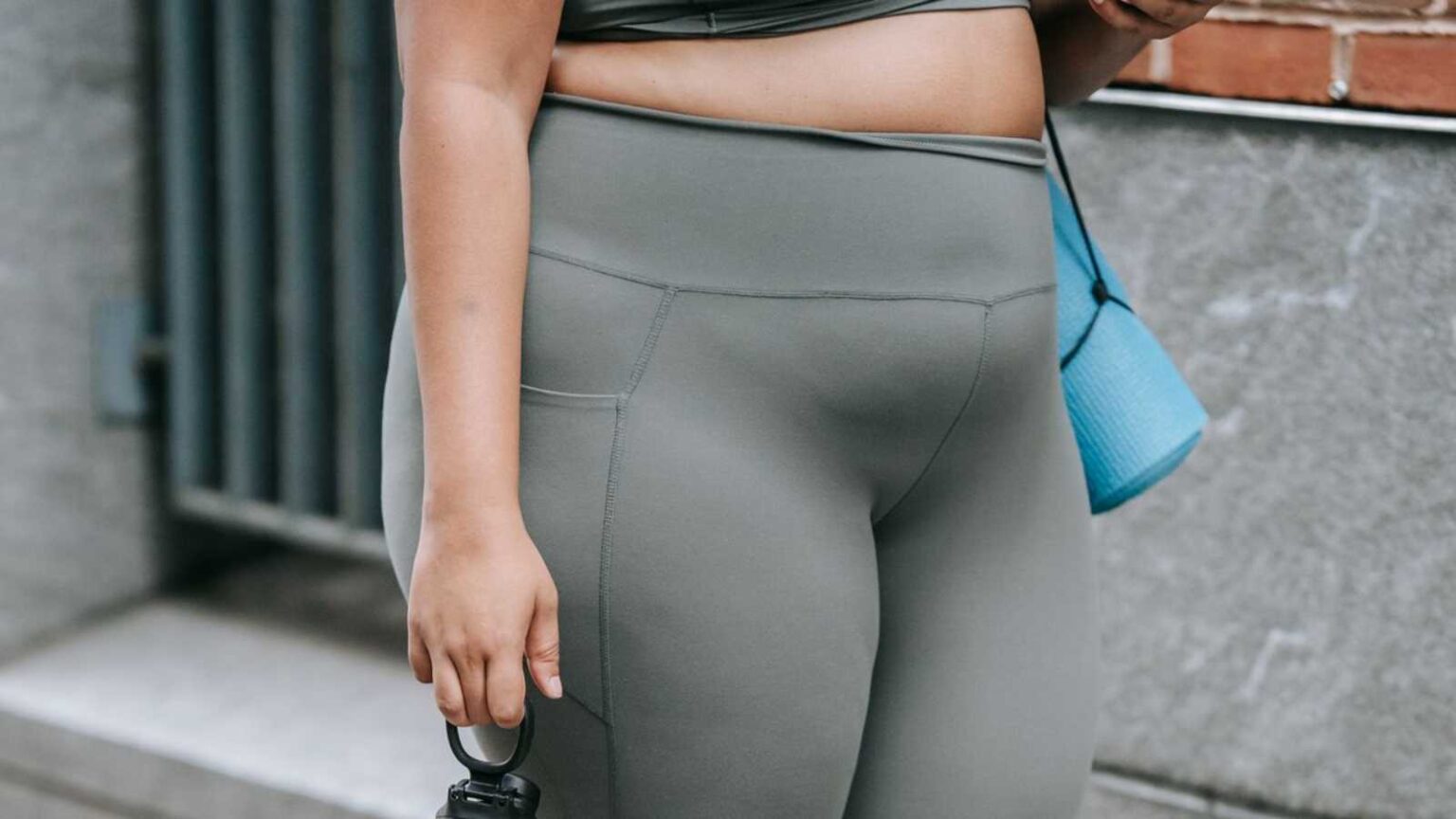
A legging with real pockets quietly replaces three other garments, since it moves from a workout to errands to lounging without a costume change in between.
Active Truth, founded by two mothers navigating postpartum life themselves, designs maternity activewear specifically for this kind of crossover use, rather than treating pregnancy as a temporary detour from a woman’s regular wardrobe.
Pop Fit’s inclusive sizing up to XXXL extends the same logic further. The unglamorous detail, pockets that actually fit a phone, ends up mattering more than any print or color story.
Buy Real Maternity Denim
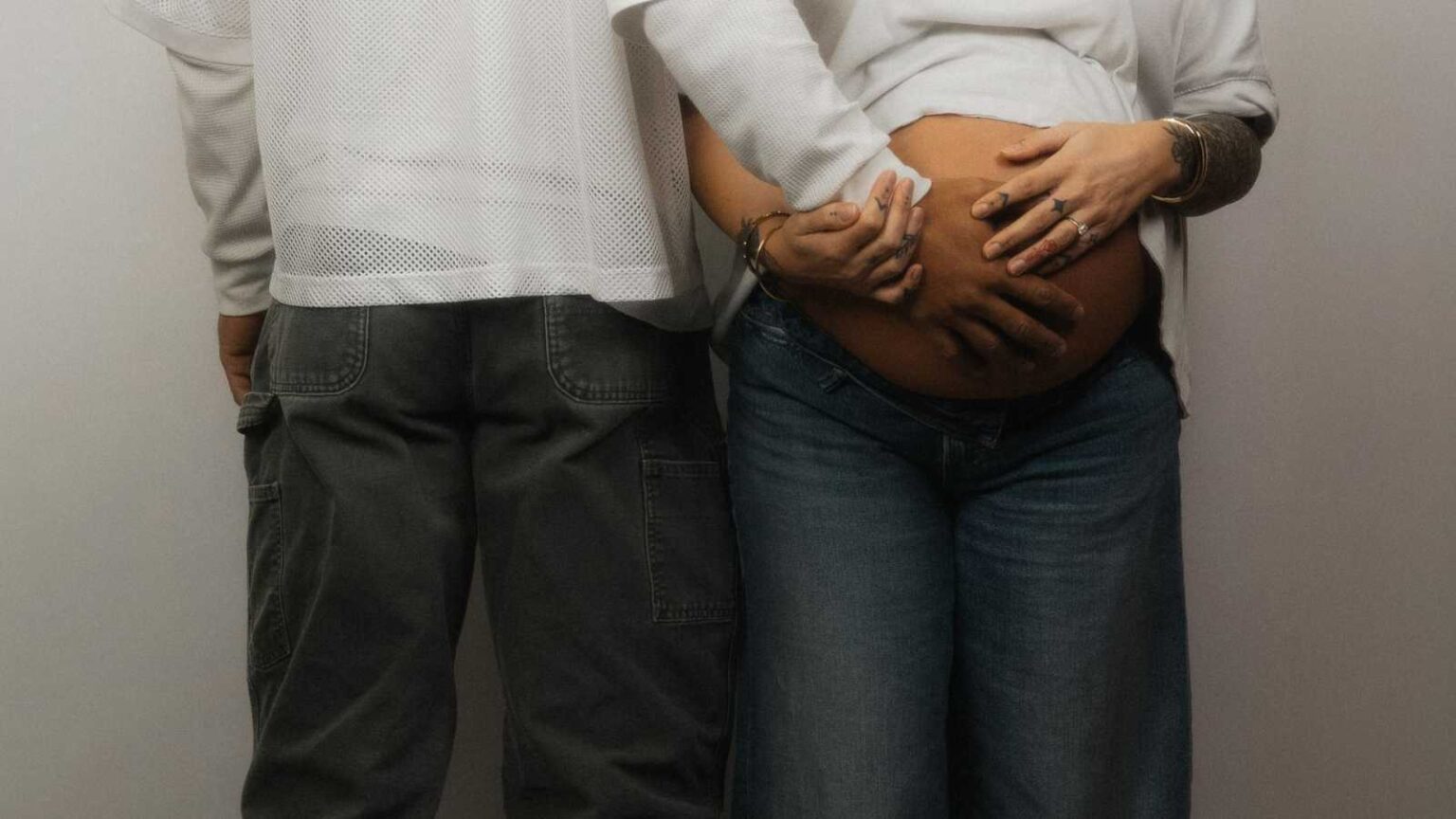
Sizing up a regular pair of jeans rarely works past the second trimester because the panel, the stretch insert that actually accommodates the bump, was never engineered into the pattern.
Torrid built its maternity denim around this problem directly, extending its plus-size jean construction up to a 6XL and 30 waist, a range most maternity-specific brands still stop well short of. Good American’s plus-size maternity jeans have earned praise for fit, even though their largest listed size runs smaller than advertised.
The lesson holds regardless of brand. Shop maternity-specific construction first, and treat sizing up as the fallback, not the plan.
Invest in a Wrap Dress
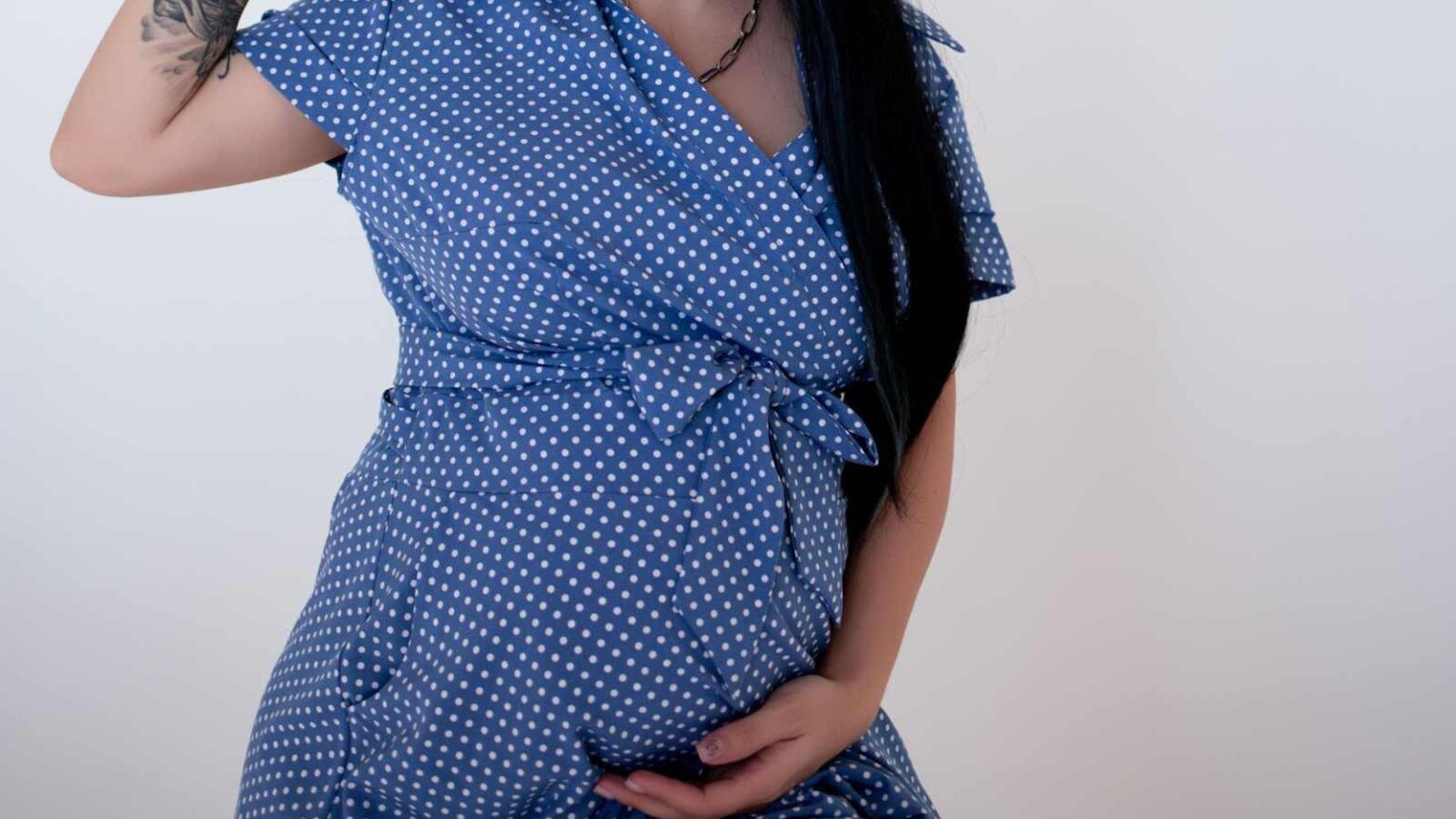
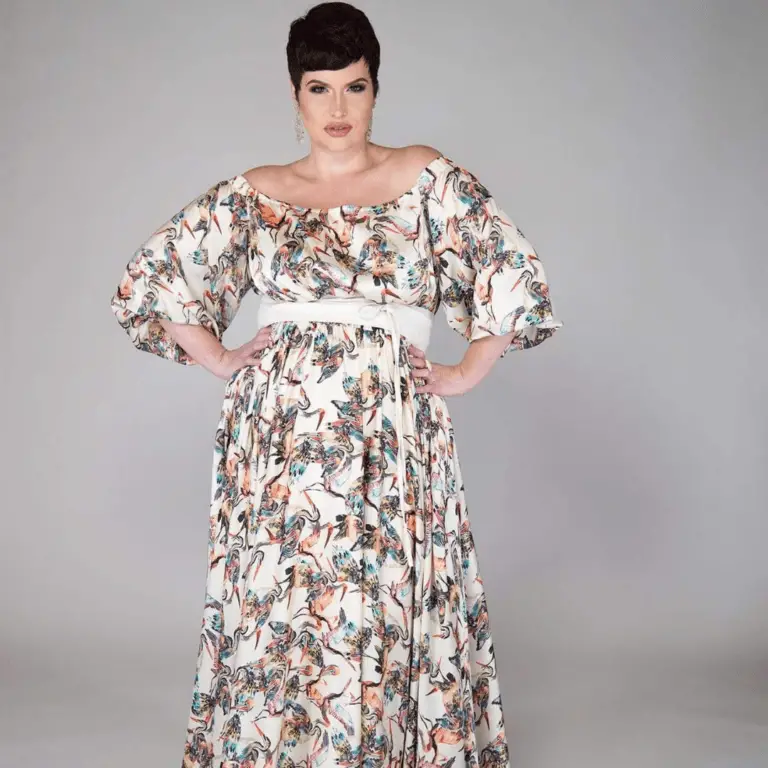
Ruching and wrap fronts are not decorative choices. They are adjustment mechanisms, engineered slack built into a garment so it can expand without losing shape as a bump moves through three trimesters.
Ingrid & Isabel builds its maternity dress line around exactly this logic, using smocked panels and tie waists instead of fixed seams. Anita Rajendra points to the same principle, explaining that an item made of stretchy fabric gives you more flexibility as the bump grows.
One dress in this style covers date nights, work, and the hospital bag, all without a second purchase.
Choose Interlock Knit Dresses
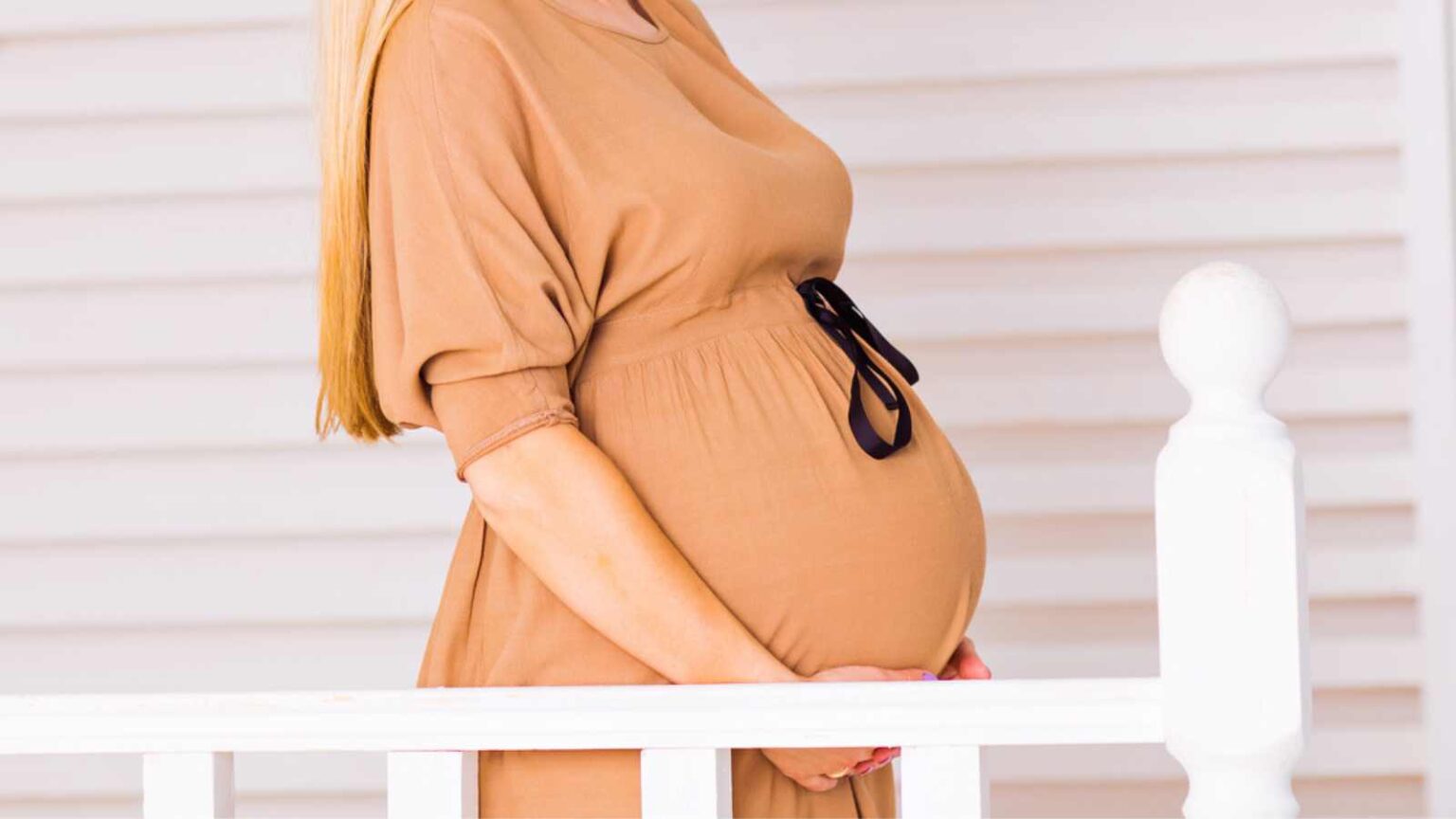
Not all stretch fabrics behave the same way, and the difference lies in the knit structure rather than in the fiber content alone.
Interlock knit, thicker and more stable than standard jersey, is the construction of choice for maternity dresses that need to hold shape through months of daily wear and washing.
Jersey still wins for lightweight tops and warm-weather basics. But for the one dress meant to survive a full pregnancy without stretching out at the seams, interlock is the fabric term worth learning before you shop.
Buy Nursing-Ready Pieces
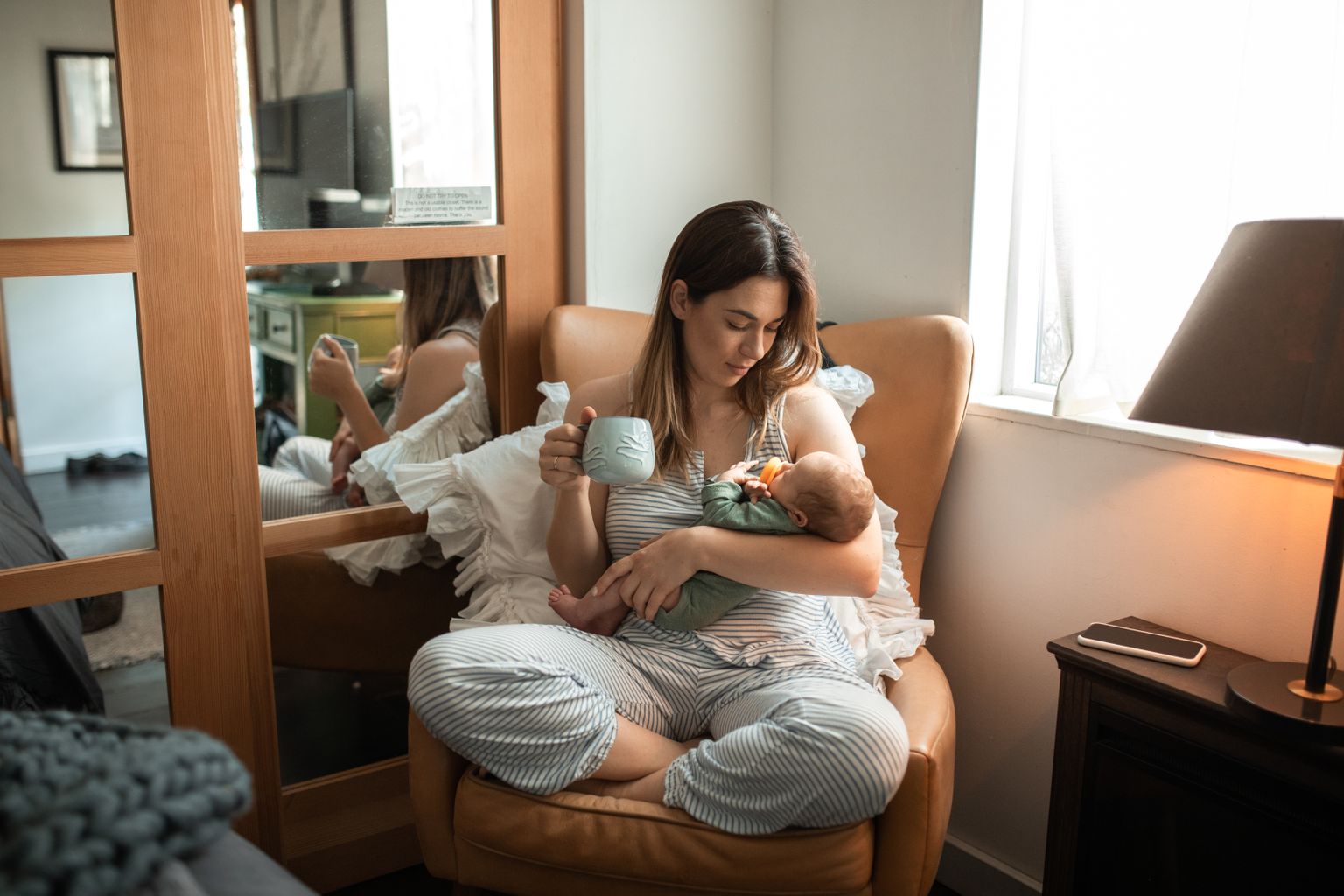
Buying twice, once for pregnancy and again for the fourth trimester, is the quiet cost most capsule wardrobe advice ignores.
Wrap-front and button-down dresses solve this by doubling as nursing wear, since the same opening that accommodates a bump also allows discreet feeding access later.
Ingrid & Isabel designs its maternity dress collection with this crossover built in, rather than treating it as a bonus feature. One well-chosen piece here quietly erases an entire second shopping trip most new mothers do not have the budget or bandwidth for.
Seamless Shapewear Shorts to Solve Chafing
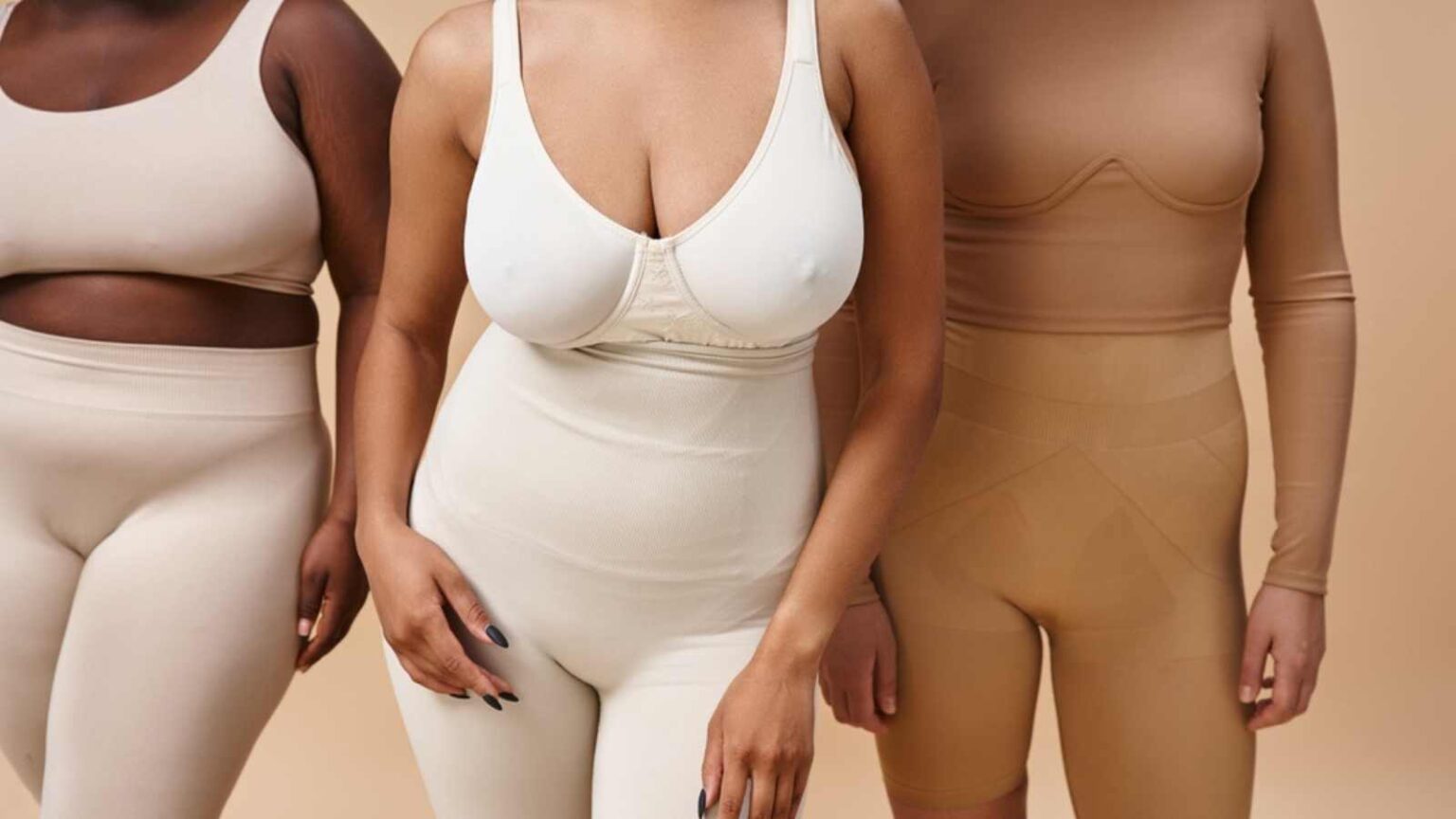
Shapewear during pregnancy sounds counterintuitive until you consider what it is actually solving for, which is thigh chafing, dress static, and the need for a smooth line under fitted fabric, none of which require compressing the bump itself.
Ingrid & Isabel’s maternity shapewear shortie uses targeted ribbing at the belly and back instead of uniform compression, a distinction that matters for anyone who has tried on regular shapewear while pregnant and immediately regretted it.
It transitions to postpartum wear, too, making it one of the few double-duty pieces on this entire list.
Build a True Capsule
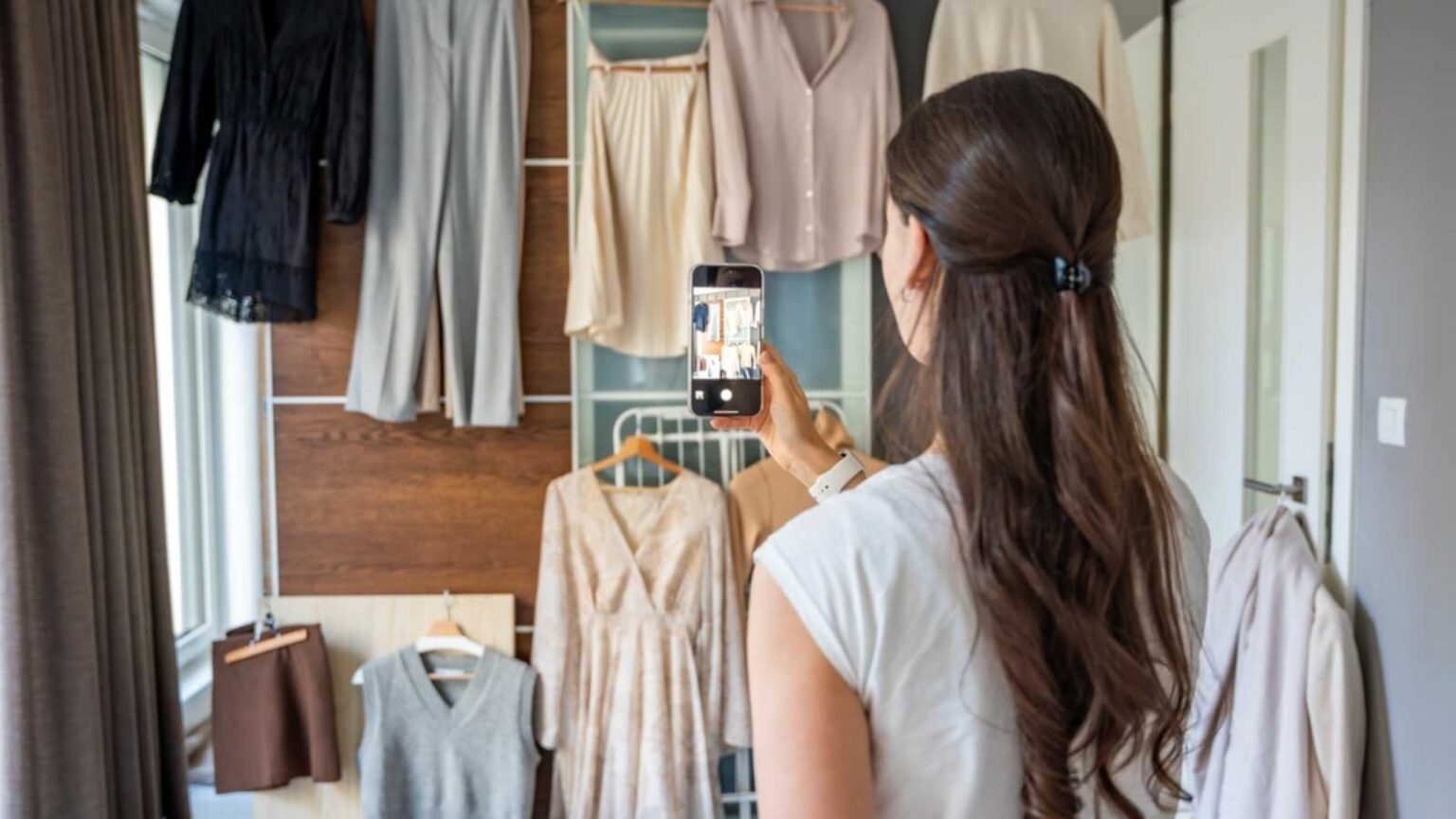
Susie Faux coined the term capsule wardrobe in the 1970s in London after watching customers buy too much poorly fitted clothing to solve a fit problem that better construction would have fixed the first time.
Her original framework, a small set of high-quality pieces that outlast trend cycles, maps almost perfectly onto pregnancy, a period defined by exactly the kind of body change she was designing around before maternity fashion existed as its own category.
Donna Karan’s Seven Easy Pieces collection later proved the same principle at scale in 1985. A pregnancy capsule is not a workaround. It is the concept in its purest form.
Choose Plant-Based Fabrics
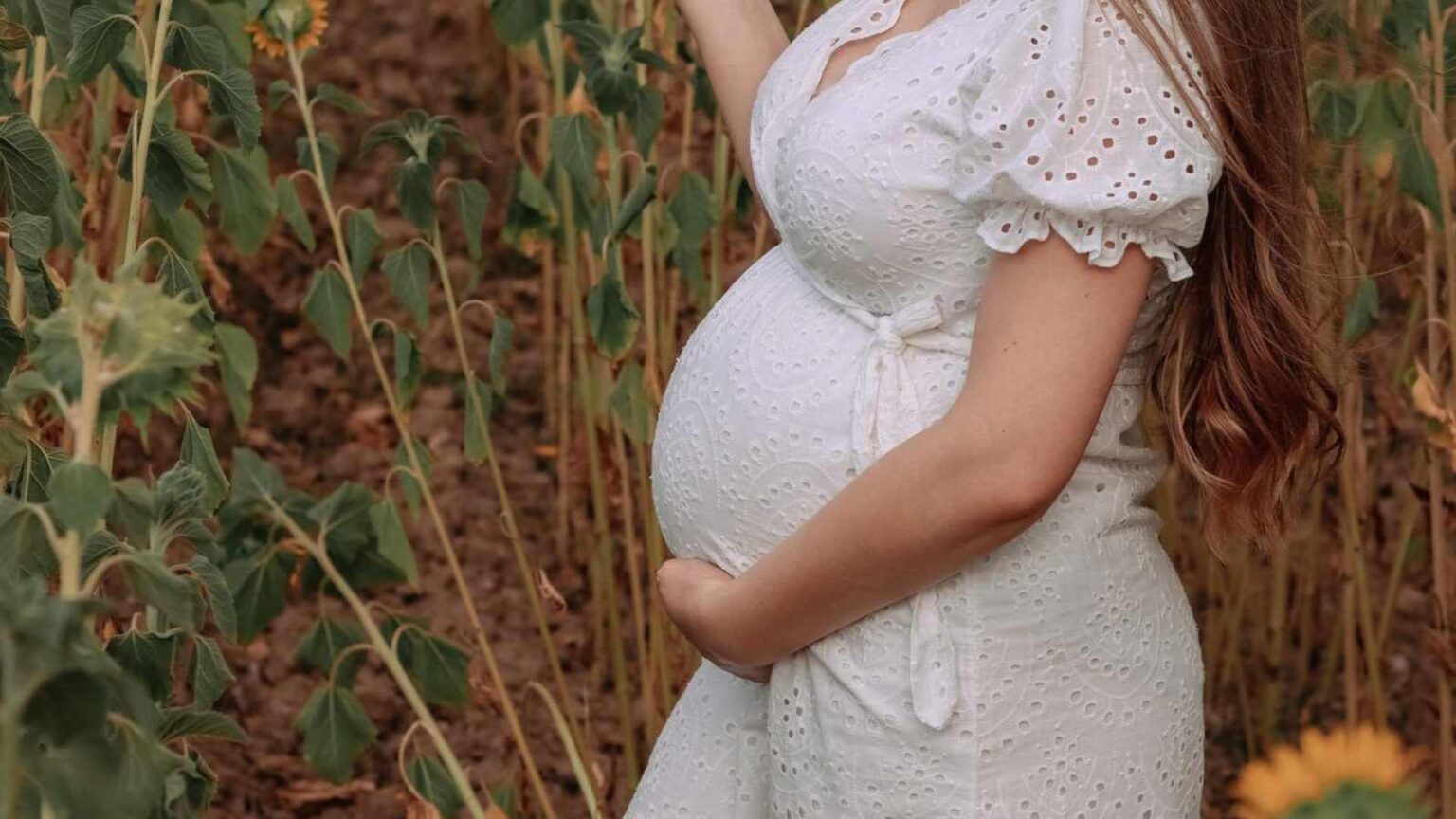
Spandex has dominated stretch fabrics for decades, but Tencel and organic cotton blends are closing the performance gap while addressing the environmental costs associated with synthetic fibers.
Reprise Activewear, a size-inclusive line running XS to 6XL, builds its collection around plant-based fibers specifically to avoid the oil-based synthetics that dominate maternity activewear. The breathability trade-off once associated with sustainable fabric has largely disappeared as production has improved.
For anyone building a capsule with half an eye on longevity, this is where fabric innovation is actually headed next.
Consider Clothing Rentals
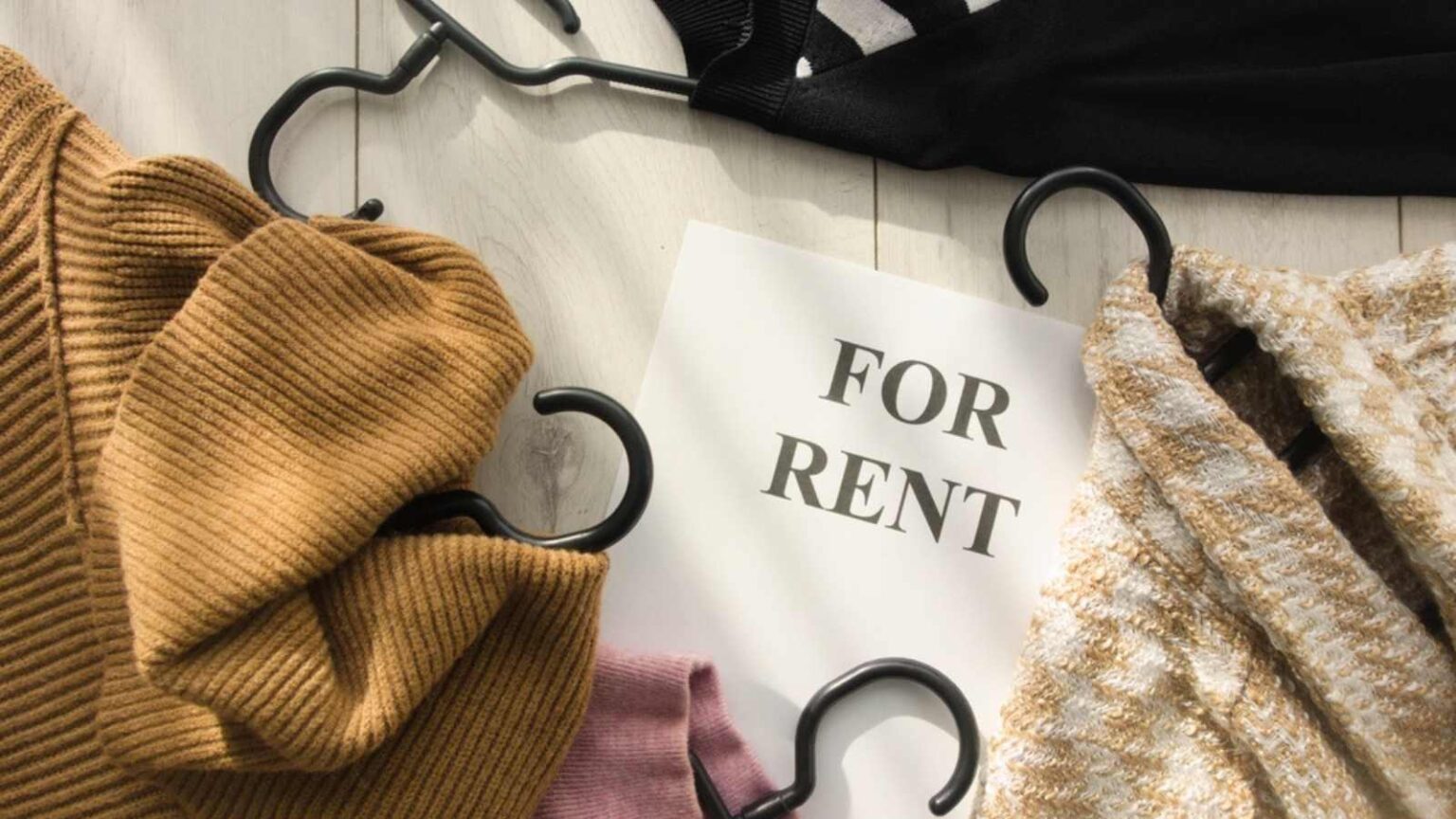
Nine months is a strange amount of time to invest heavily in clothes built for a body in transition, which is why rental services like Nuuly have found real traction among expecting mothers.
Faux herself, decades before rental fashion existed, pointed out that 30% of internet shopping is returned, largely because of fit.
That number lands harder for plus-size shoppers who already face a shrinking pool of options the further up the size chart they go. Renting turns a wardrobe problem into a subscription, rather than a closet full of clothes worn twice.
Shop Brands That Fit
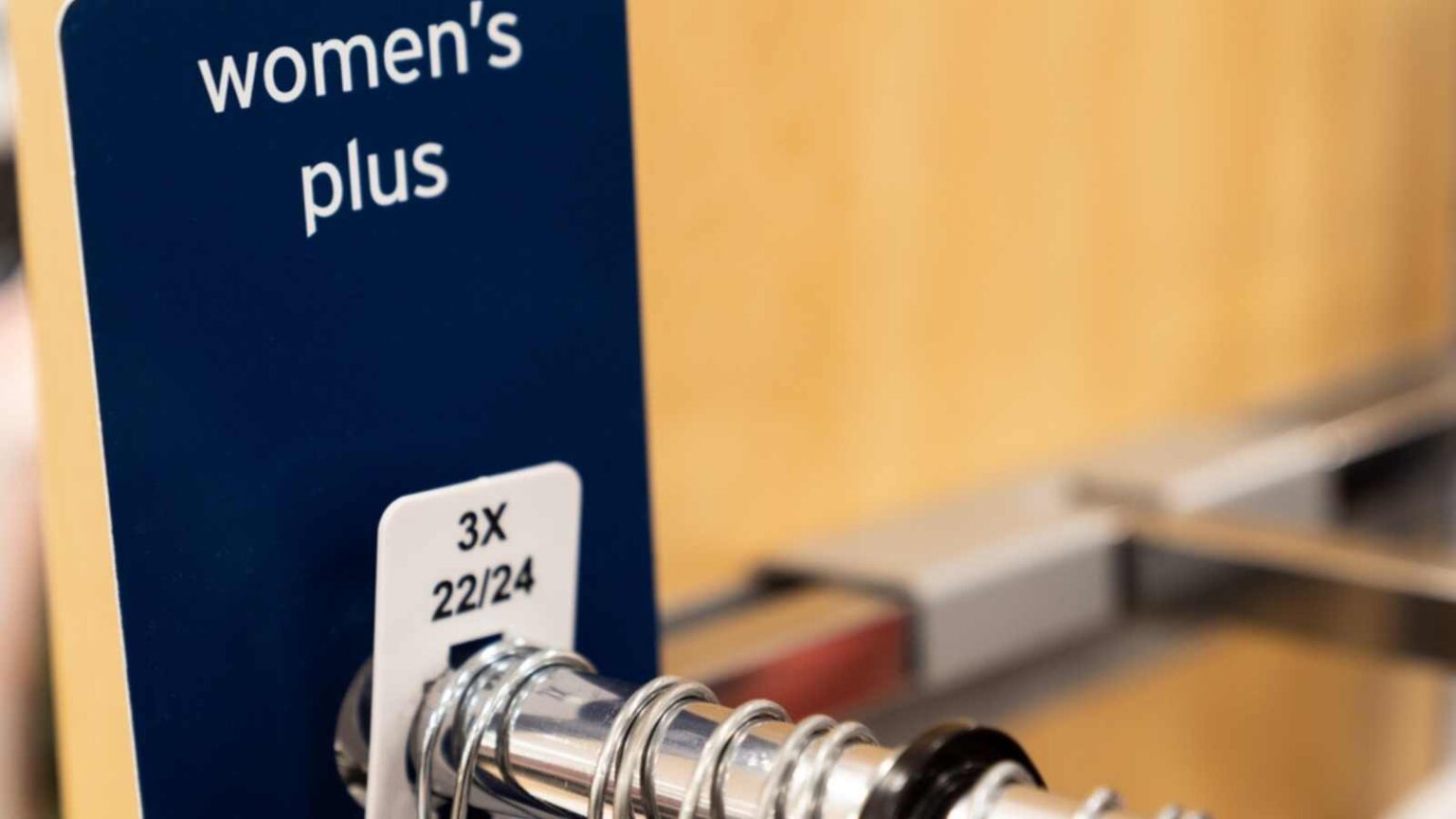
Most maternity capsule advice assumes a size range that quietly excludes a huge share of pregnant women, since brands like Target cap out at XXL online while general maternity retailers still average around a size 24 at best.
Torrid remains a rare exception at 6XL, and Shapermint’s seam-free line extends to 4XL, but the gap above that is still mostly empty shelf space.
Plus-size maternity wear barely exists past a certain point. Building a real capsule means shopping the handful of brands actually solving for this, not assuming the rest of the market already has.
Key Takeaways
- Fit beats sizing up: maternity-specific construction (true belly panels, ribbing, ruching) outperforms simply buying a larger regular size, especially in denim and leggings.
- Fabric knowledge is a lever: knowing the difference between jersey, interlock, and true stretch-recovery lets you shop for garments that hold their shape past week thirty, not just ones that feel soft on day one.
- Multi-stage pieces cut costs and clutter: wrap dresses, nursing-ready tops, and transitional shapewear carry a woman from pregnancy through the postpartum period without a second wardrobe purchase.
- The size ceiling is still the real gap: most maternity brands stop well short of the plus-size range they claim to serve, so the handful (Torrid, Shapermint, select indie activewear lines) that actually extend further are worth prioritizing.
- Comfort and construction were always the point: from Liz Lange’s stretch-fabric breakthrough to today’s capsule approach, the throughline is dressing the body as it is, not concealing it.
Disclaimer: This list is solely the author’s opinion based on research and publicly available information. It is not intended to be professional advice.
Like our content? Be sure to follow us
MORE TCF GAMES