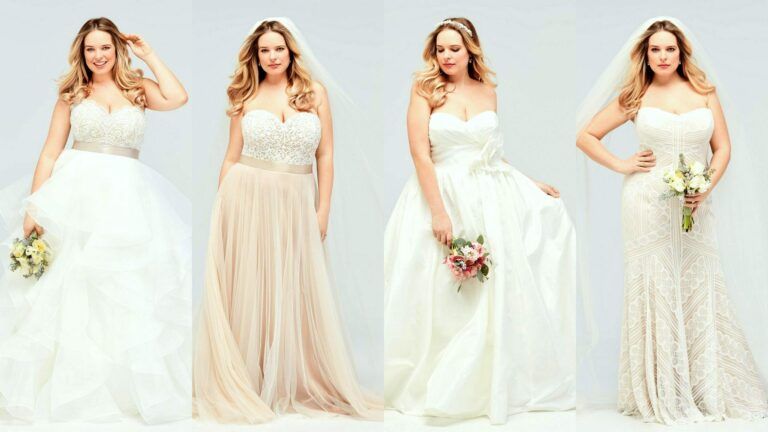
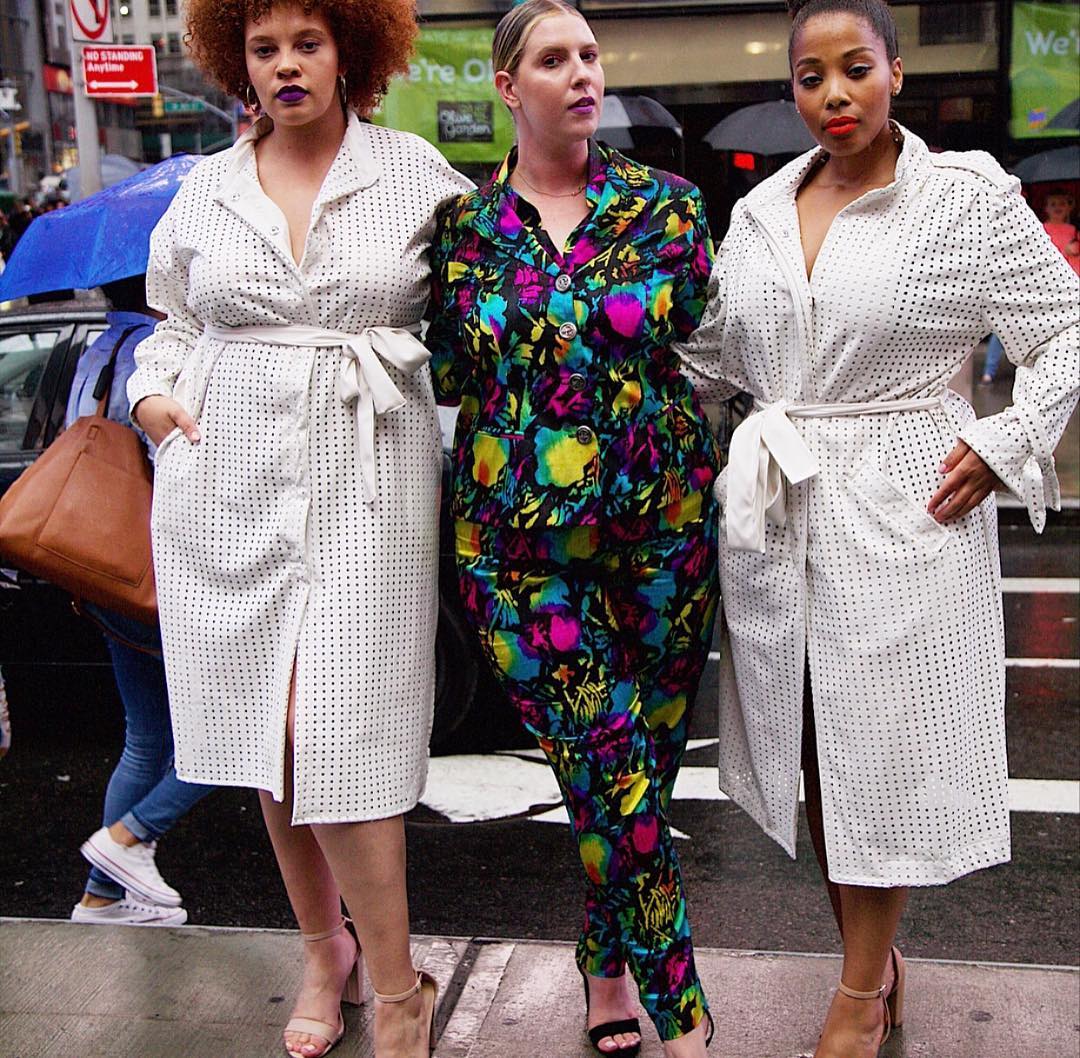
Let’s start with a truth that plus size women have known for years. The market was never the problem. The imagination was.
Did you know the plus size apparel market hit roughly $199 billion globally in 2024 and is projected to climb past $320 billion by 2032? I came across those numbers while digging into why it still feels like shopping options don’t match the demand. The math has always math-ed. What hasn’t is the industry’s willingness to build for us.
That gap is exactly where independent plus size fashion designers stepped in, heels first, credit cards maxed, and vision fully intact.
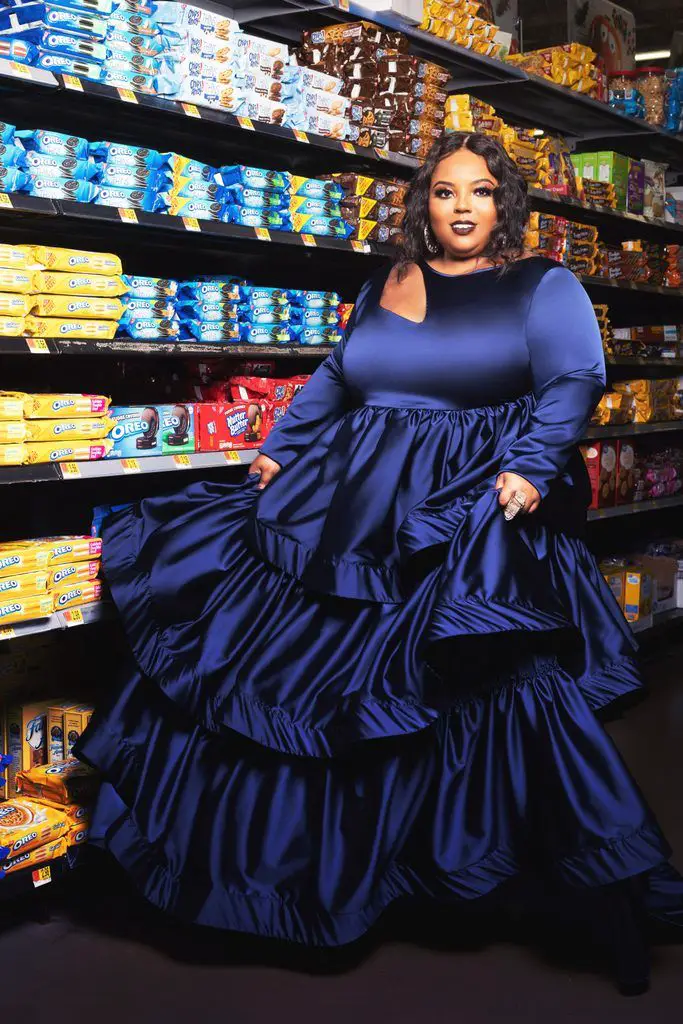
Because while the industry was busy pretending plus size fashion was “complicated,” indie designers were busy building businesses that actually worked.
And they are not asking for permission anymore.
How Independent Plus Size Fashion Designers Are Reshaping the Industry

Yes, There’s a Database for That
Did you know there’s a literal database tracking independent fashion brands, including plus size designers? I know, shocking. Because if you listened to traditional fashion narratives, you would think we were all just winging it.
But platforms like FashionUnited, Crunchbase, and The Business of Fashion don’t run on feelings. They run on data. And that data shows there are just over a hundred globally recognized brands intentionally designing for plus size consumers.
Which tells us two things very clearly.
One, the demand has always been there.
Two, the industry chose not to meet it until independent designers forced the conversation.
And once they did, there was no unseeing it.
Before Access Came Imagination
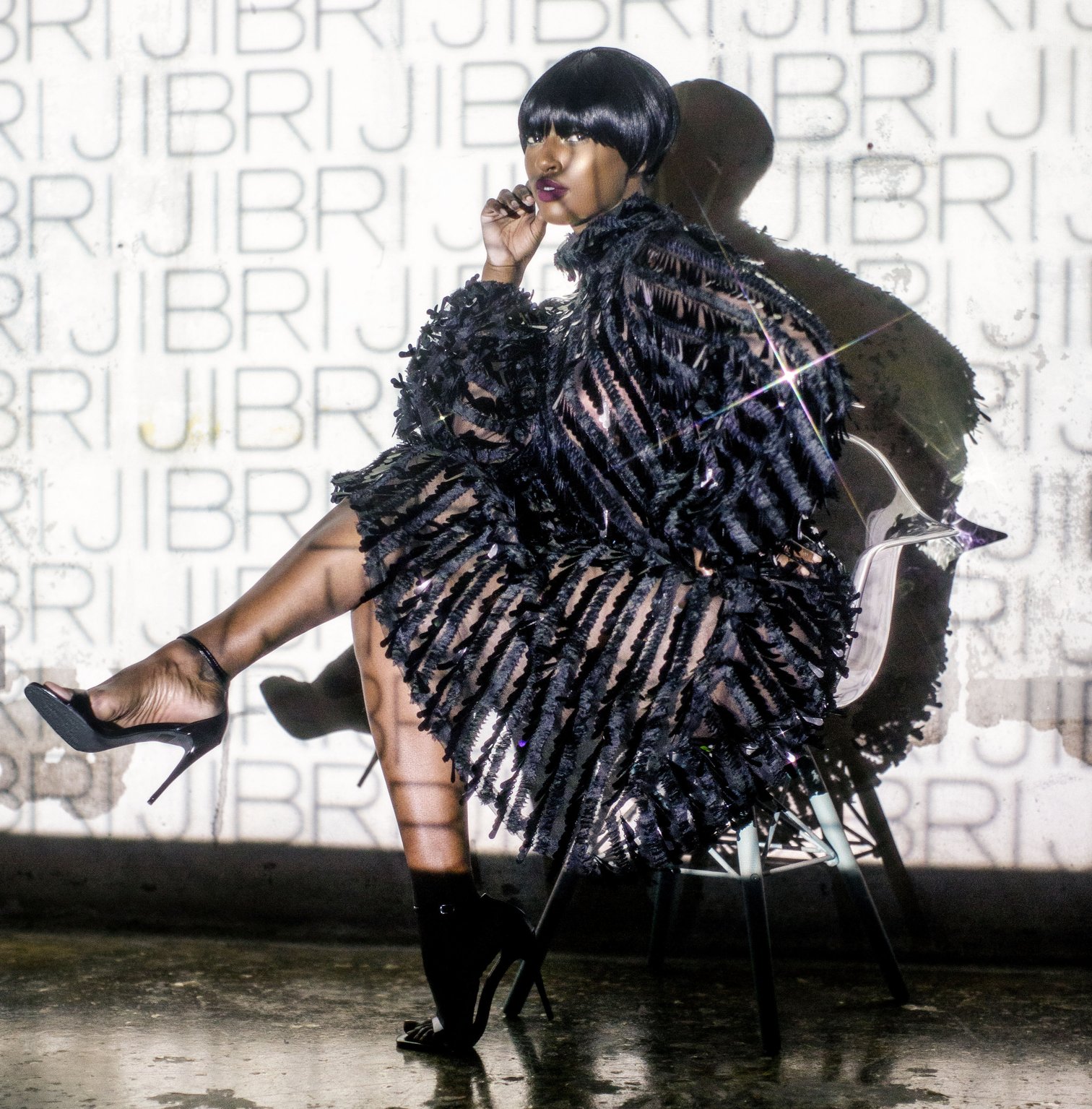
Before size inclusivity became industry language, plus size fashion designers like Monif C and Jibri were already expanding what plus size fashion could look like.
Monif C splashed onto the scene with bold color, body-celebrating silhouettes, and unapologetic glamour, especially in swim and eveningwear where plus size women were often told to tone it down. Jibri brought an entirely different but equally radical energy, using architectural shapes, vibrant hues, and editorial drama to position plus size fashion as art, not compromise.

At the same time, Gayla Bentley was redefining what plus size women could wear to work. With sophisticated lines, tailored silhouettes, and an understanding that professionalism should never require shrinking yourself, Gayla Bentley proved plus size fashion could be polished, authoritative, and aspirational.
What these designers did was shift the visual language. They showed that plus size fashion could be sensual, experimental, expressive, and boardroom-ready long before the industry caught up.
They didn’t wait for access. They expanded imagination first.
The Independent Uprising Was Built on Lived Experience
Independent plus size fashion brands didn’t appear because the industry suddenly became enlightened. They appeared because plus size women got tired of waiting.
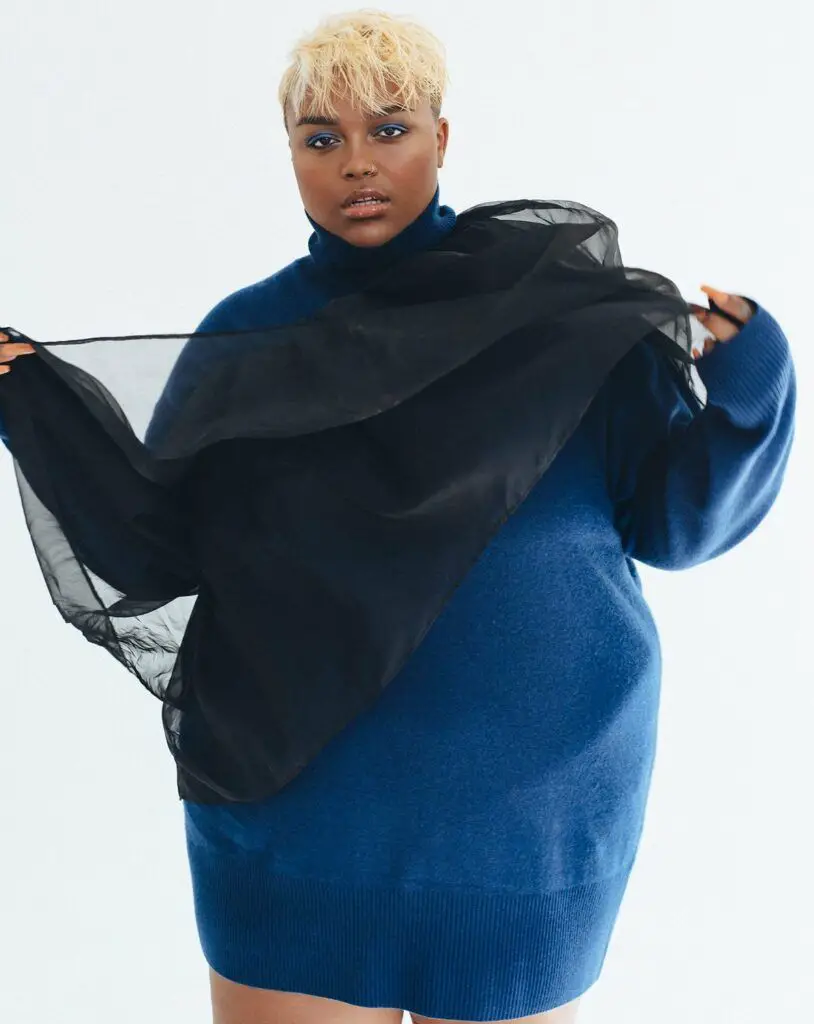
Brands like Universal Standard showed that offering consistent quality and design across an expansive size range could work at scale. Eloquii demonstrated what happens when plus size shoppers are treated like trend-driven consumers instead of an afterthought.
And then there are designers designing from the inside out.
You see that intentionality from Christian Omeshun, whose sculptural, made-to-measure pieces approach plus size bodies with couture-level respect. Or Courtney Noelle, where tailoring, versatility, and fit are the foundation, not an afterthought.
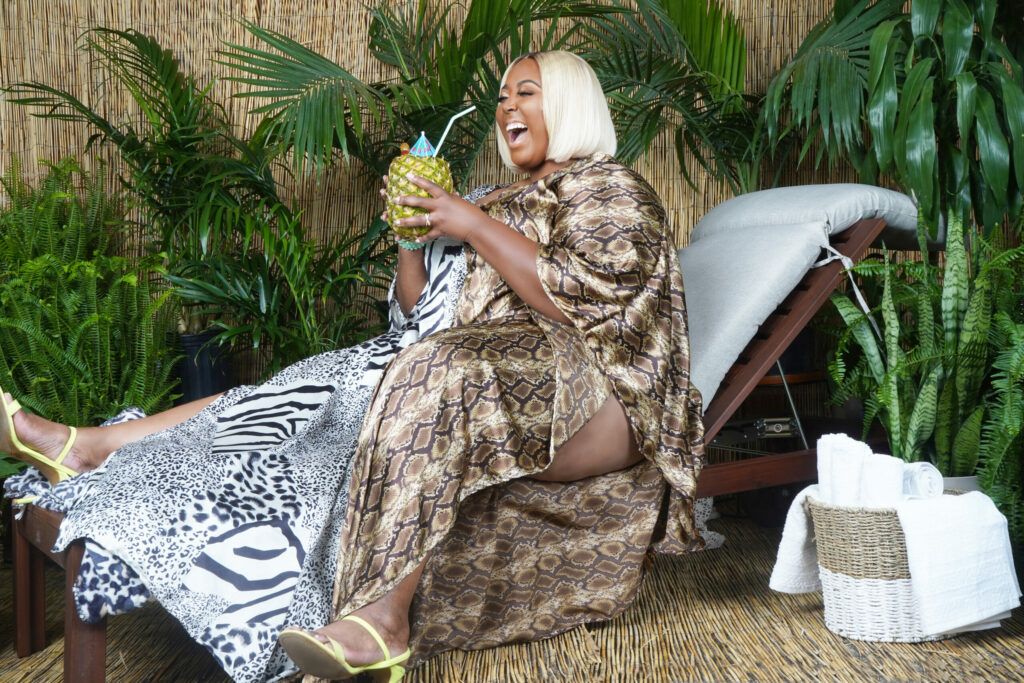
Designers like Shantress Sada and Bella René are also building brands rooted in lived experience, cultural perspective, and a deep understanding that plus size fashion should feel intentional, expressive, and well made, not just available.
This is what happens when the people designing the clothes actually understand the bodies wearing them.
Luxury Finally Stopped Ignoring Plus Size Shoppers
One thing became very clear while researching this piece. Plus size consumers were never hesitant to invest in quality. They were hesitant to invest in clothes that did not respect them.
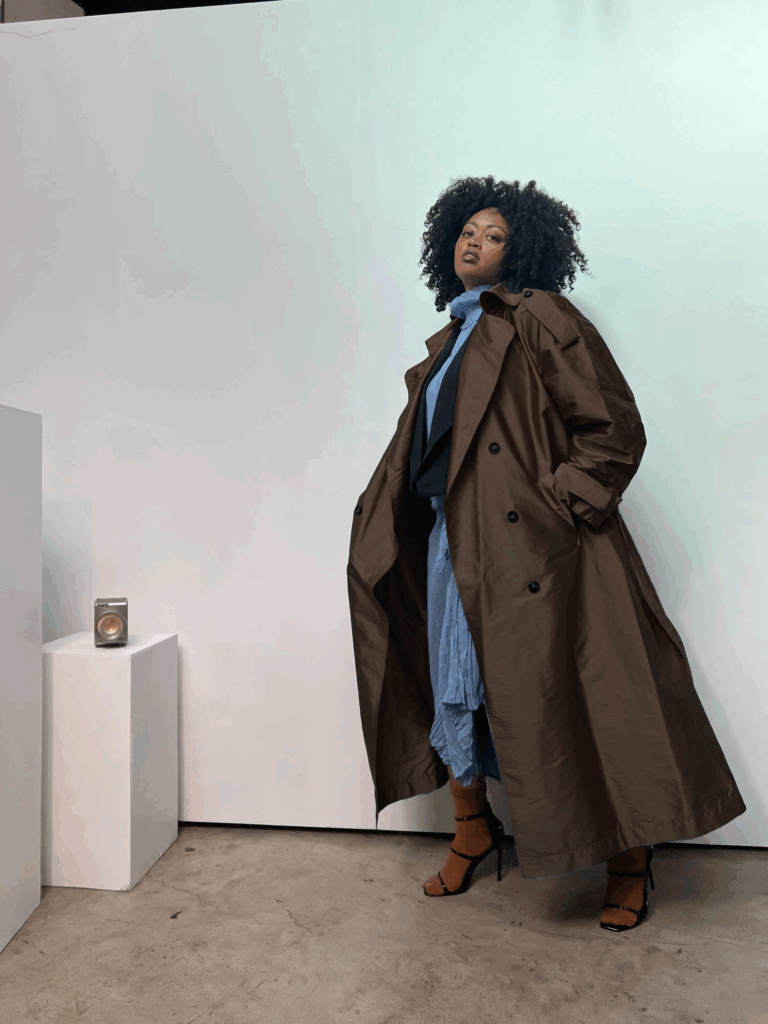
Industry projections show premium and luxury plus size fashion growing faster than mass market. Independent designers led that shift by proving that plus size fashion could be elevated, editorial, and worth the price.
That shift helps explain why we are now seeing contemporary plus size designers thrive.
Designers like Baacal, founded by Cynthia Vincent, are delivering clean lines and modern tailoring that feel intentional, not adapted. GiaIRL brings bold, fashion-forward energy designed specifically with plus size bodies in mind.
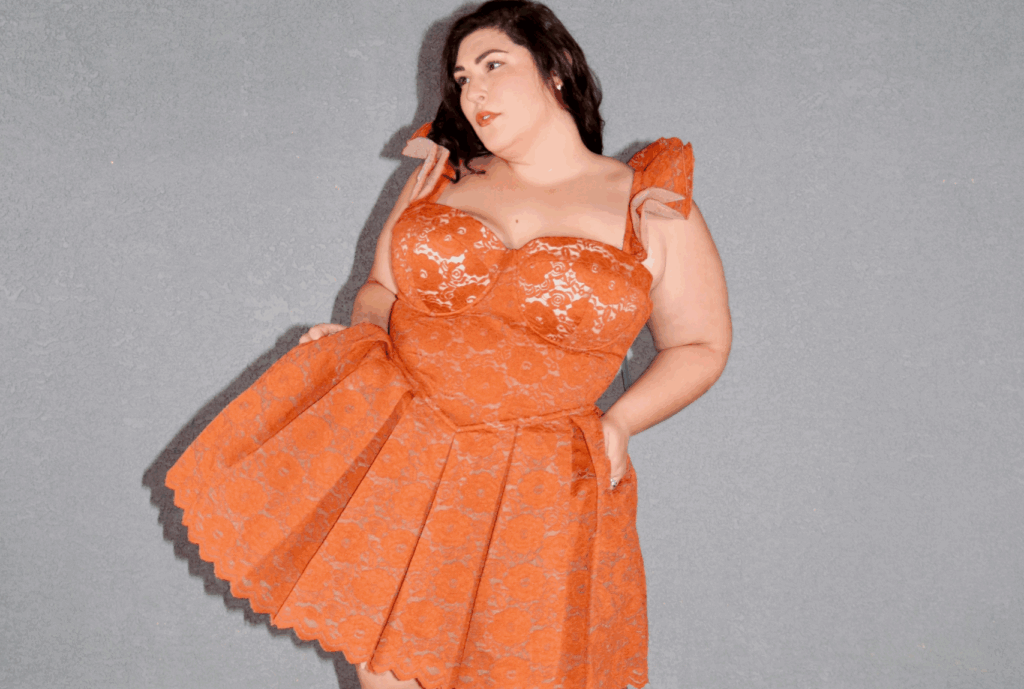
Brands like LeaLeaLove Clothing and Sante Grace continue to blur the line between statement dressing and everyday wear, while Hilary MacMillan proves that tailoring, structure, and sustainability can coexist beautifully in plus size fashion.
These designers didn’t appear out of nowhere. They exist because earlier indie designers proved that plus size fashion deserved the same design integrity as any other category.
This isn’t a trend cycle. It’s a through-line.
Technology Is Solving Problems the Industry Ignored
Another thing that kept showing up in my research was how deeply technology is reshaping plus size shopping experiences. Fit has always been the friction point, and now it is finally being treated like the business-critical issue it is.
Industry analysts estimate the AI fashion market could reach well over $15 billion in the coming decade, driven largely by personalization and fit technology. That didn’t surprise me. Plus size shoppers have been asking for better fit long before AI entered the conversation.
Tools like True Fit help shoppers find better sizing based on body data rather than guesswork, reducing returns and increasing confidence at checkout. And once you see how closely fit accuracy is tied to trust and loyalty, you realize this is not a “nice to have.” It’s the baseline.
And we have actually seen this model work before.
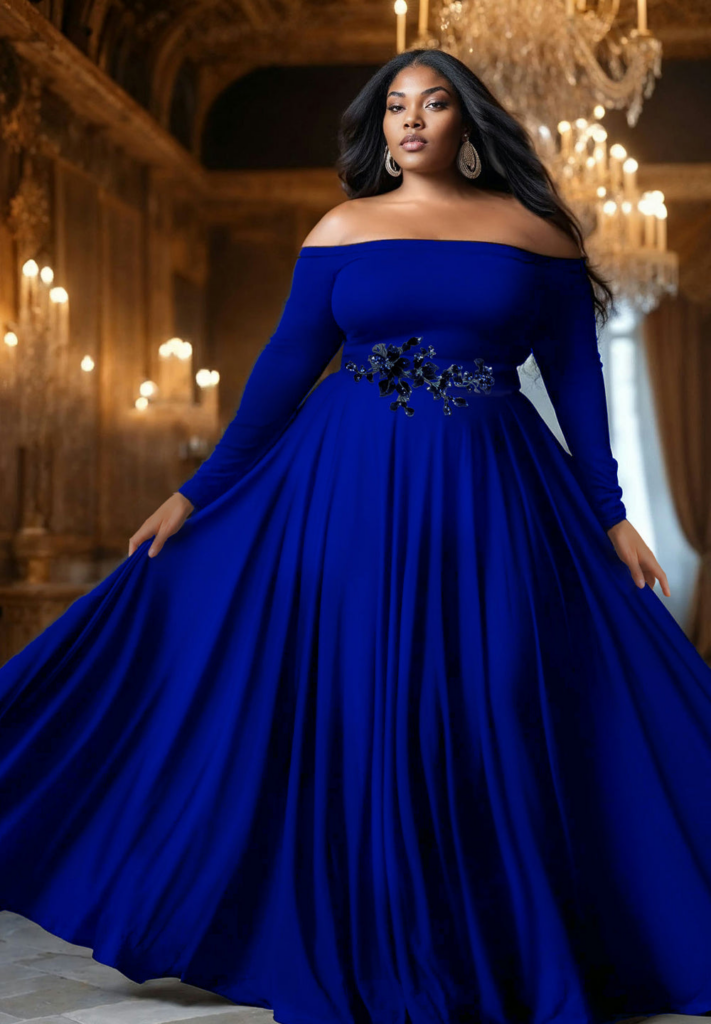
Long before today’s AI-powered sizing tools, indie designer and comeback brand IGIGI built its business around custom sizing and made-to-order production. IGIGI understood early that plus size women didn’t need more options. They needed better fit.
Their return to the market reflects what the data now confirms. Personalization is not a luxury. It is an expectation.
Technology didn’t invent the need. Independent plus size designers identified it years ago. AI is simply catching up.
Sustainability Is Expanding Its Size Range
For years, sustainability conversations quietly excluded plus size shoppers. Fewer sizes were framed as more efficient. That logic did not hold.
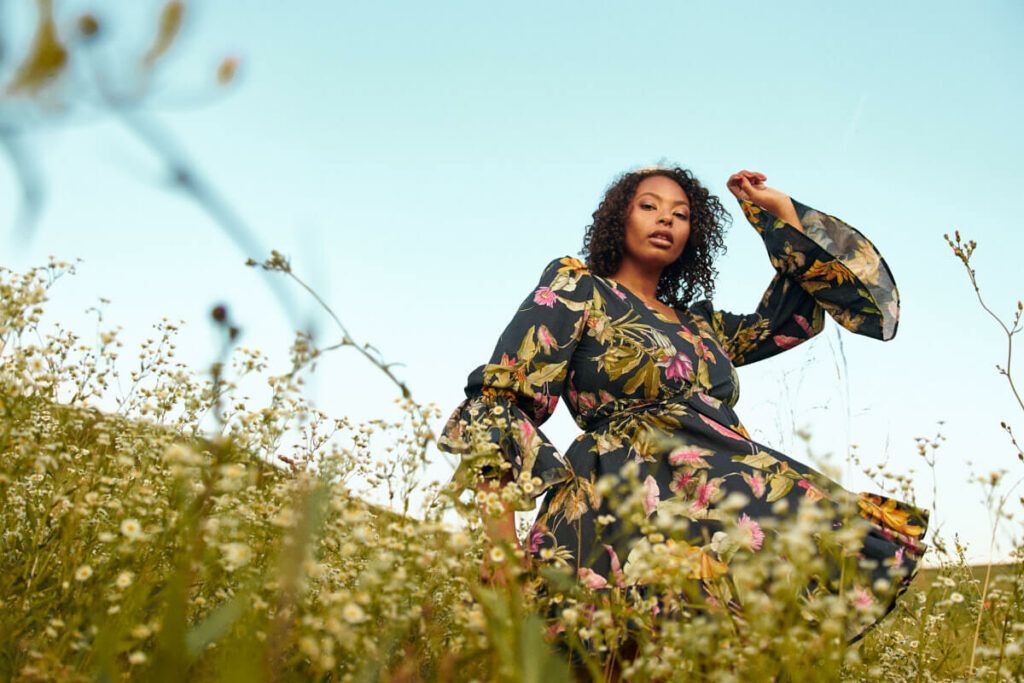
Brands like Girlfriend Collective and Loud Bodies are proving that extended sizing and responsible production can coexist. Big Bud Press builds ethical, inclusive clothing with joy and color at the center.
Sustainability without inclusivity was never sustainable. Independent plus size fashion designers are proving that now.
Direct to Consumer Changed Who Holds the Power
Direct to consumer brands reshaped the plus size fashion landscape by removing traditional retail gatekeepers. But more importantly, they shifted who actually gets listened to.
And one of the clearest examples of that power shift is ELOQUII.
When Eloquii was originally shuttered in 2018, it wasn’t because the brand lacked customers. It was because legacy retail systems failed to understand the value of an engaged plus size audience. What happened next should be required reading for anyone who still underestimates this market.
The community did not let Eloquii disappear quietly.
Through social media, direct outreach, and consistent demand, plus size shoppers made it clear that this brand mattered and that they expected to be heard. Eloquii’s eventual return wasn’t just a relaunch. It was a response. The brand came back with a clearer commitment to listening, faster feedback loops, and deeper engagement with the people it was built for.
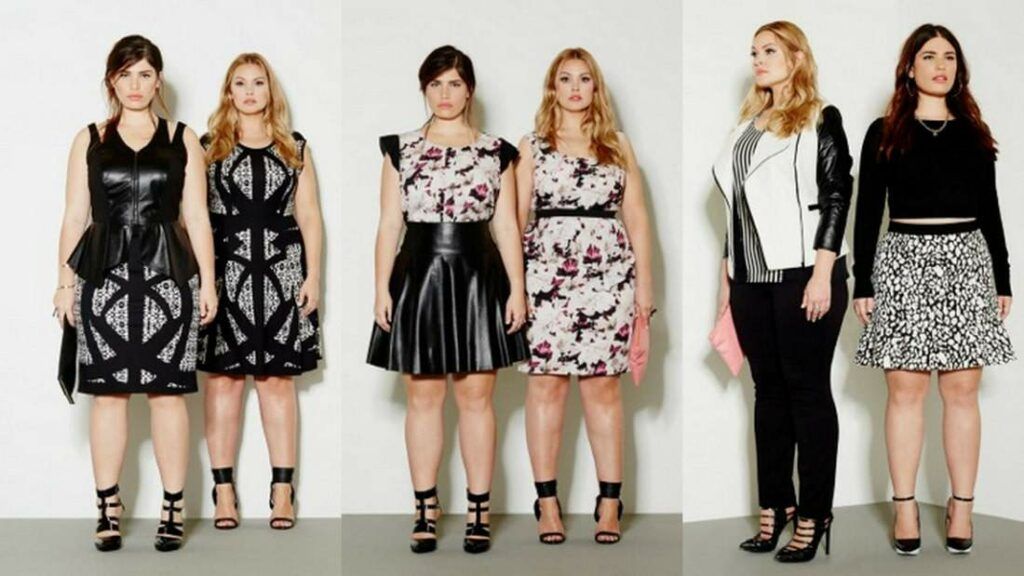
That comeback proved something critical. Plus size consumers are not passive buyers. They are active stakeholders.
You see the same pattern with newer direct to consumer brands like BloomChic, which scaled rapidly by prioritizing customer data over legacy buyer assumptions. Its 2024 investment from L Catterton confirmed what the community had already demonstrated. Plus size fashion is not a gamble. It is a growth strategy.
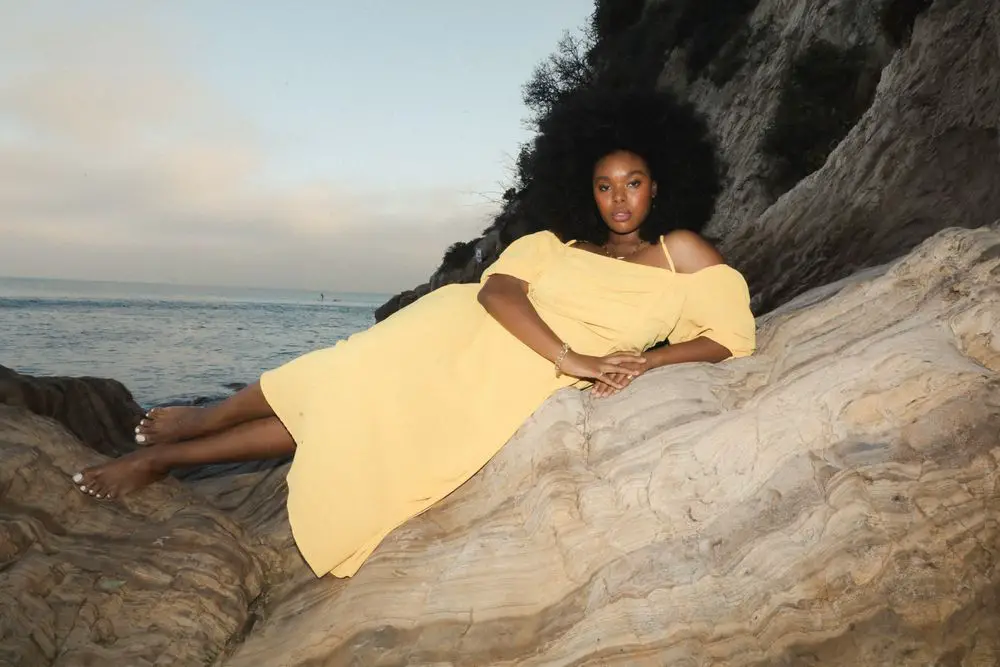
And partnerships like the Henning collaboration with Universal Standard further prove the point. When brands expand access while staying responsive to their audience, inclusion scales without losing integrity.
Direct to consumer didn’t just change how plus size fashion is sold.
It changed who gets to shape it.
Community Is the Real Competitive Advantage
Plus size shoppers have always known what they want. Now they are being listened to.
As plus size writer and editor Nicolette Mason once shared, “Visibility is not about being seen once. It’s about being seen consistently.”
Independent designers build community because they are part of it. That connection is not a marketing tactic. It is the foundation.
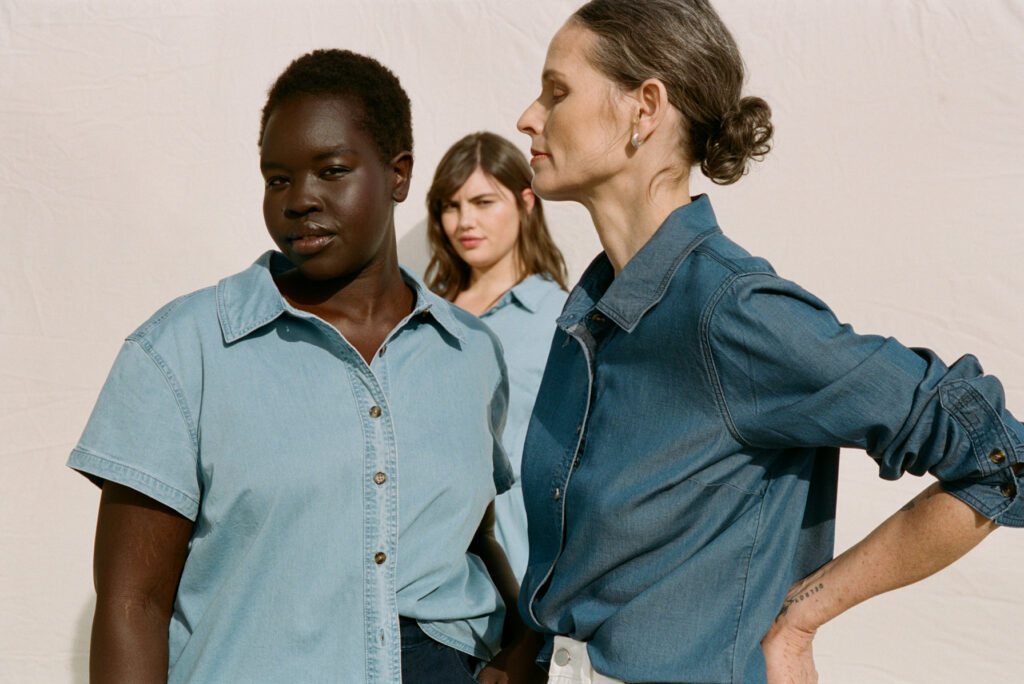
This Was Never a Niche
North America currently leads the plus size apparel market, but Asia Pacific is projected to grow the fastest as beauty ideals shift and middle-class spending increases. Brands like Big Hello in India are expanding physical retail because demand already exists.
Independent designers are not filling a gap. They are exposing how unnecessary that gap was in the first place.
Plus size fashion has always been profitable.
What changed is who decided to believe it.
And once they did, there was no going back.