The Short Story: The plus size fashion market is worth over $282 billion globally and growing. And yet the indie designers who built this space from the ground up are being squeezed from every direction at once: tariffs driving up production costs, algorithm changes collapsing organic reach, GLP-1 drugs giving larger brands a convenient excuse to contract, fast fashion stealing their designs, retail gatekeeping blocking their growth, and a capital access gap that falls hardest on Black and Brown women founders. Your dollars and your attention are more than shopping decisions right now. They are survival votes.
I have been covering plus size fashion since 2008. Seventeen years of watching this industry expand, contract, overpromise, underdeliver, and every so often, get something genuinely right. This moment is not one of those times. This is me, as someone who has had a front-row seat to this industry for nearly two decades, telling you plainly: the plus size indie brands who built this community need us right now in a way they have not before. Here is why.
The global plus size clothing market is currently valued at over $282 billion, and is projected to reach $426 billion by 2030, according to Research and Markets. North America alone commands nearly 44 percent of that market share. The average American woman wears a size 16 to 18. Between 68 and 72 percent of U.S. women wear plus sizes, depending on which study you cite.
And the industry’s own data tells the story. Roughly one eighth of the clothing available at U.S. department stores comes in plus sizes. Meanwhile, plus size shoppers spend nearly $300 less annually on clothing than their non-plus size counterparts, a spending gap that reflects limited options far more than limited appetite.
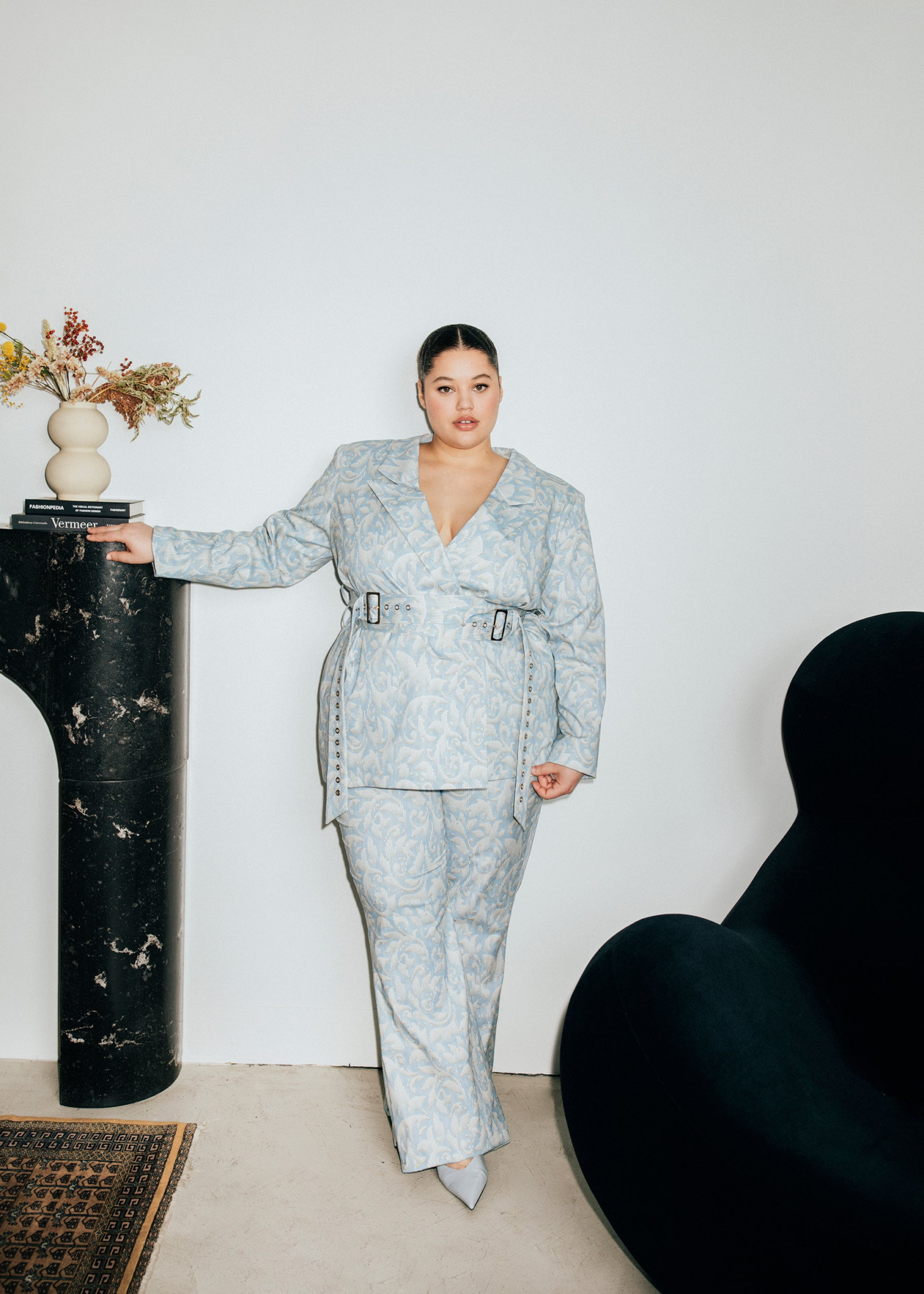
We have always been the majority that the industry treats like a niche. That gap, between who we are and how we are served, is the entire reason plus size indie brands exist. They did not wait for permission from the industry. They built what we needed themselves.
How We Got Here: The Rise, the Rush, and the Retreat
To understand why this moment is so precarious, you need the full timeline.
In the early years of this platform… circa 2008 to 2013, plus size fashion was a desert. A handful of mall brands, a sea of poorly constructed basics, and almost no design ambition directed at our bodies. The indie designers who were working in this space were doing it out of necessity and community love, largely invisible to the mainstream industry.
Around 2015, something shifted. The body positivity movement had been building critical mass online, plus size bloggers and influencers were demonstrating real purchasing power, and the industry finally started paying attention.
What followed was a rush. Mainstream brands began extending their size ranges. International labels, particularly from Australia, the UK, and Europe, recognized the underserved U.S. plus size market and moved in aggressively.
Brands like City Chic, Simply Be, Addition Elle, navabi, and others built significant U.S. customer bases almost entirely through digital direct-to-consumer channels, offering trend-forward options that American retailers were still sleeping on.
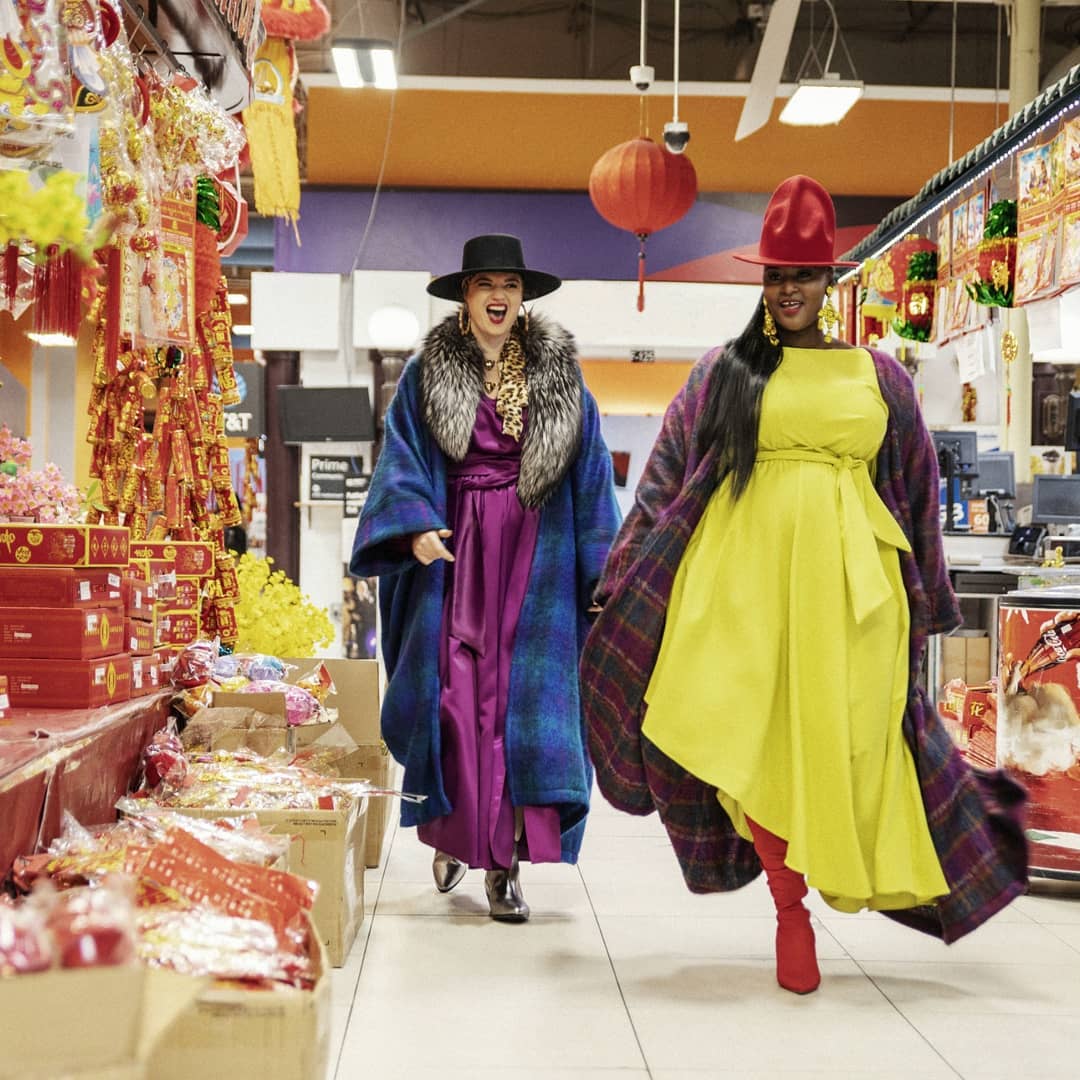
Simultaneously, a new wave of plus size indie brands launched, founded primarily by Black and Brown women who had been wearing and loving fashion their entire lives and were simply done waiting for the industry to serve them. These designers were scrappy, intentional, community-connected, and building something real. They did not have Eloquii’s marketing budget or Lane Bryant’s floor space. They had Instagram, they had talent, and they had a community hungry for what they were making.
By 2019 and into 2020, mainstream fashion was loudly celebrating size inclusivity. Vogue was running think pieces. Major retailers were expanding size ranges. Runways were getting (slightly) more diverse. The narrative had fully flipped from “plus size is niche” to “plus size is the growth market.”
And then, quietly, they started retreating.
Post-pandemic inventory overcorrection gave brands a reason to pull back size ranges. The GLP-1 conversation gave them another. The same industry that rushed toward plus size when it felt profitable is now hedging its bets, shrinking its commitments, and moving extended sizes to online-only channels, out of sight, easier to eventually eliminate.
The plus size indie brands are still here. They did not chase the trend in, and they are not chasing it out. But right now, multiple forces are colliding in a way that threatens to dismantle what they have built.
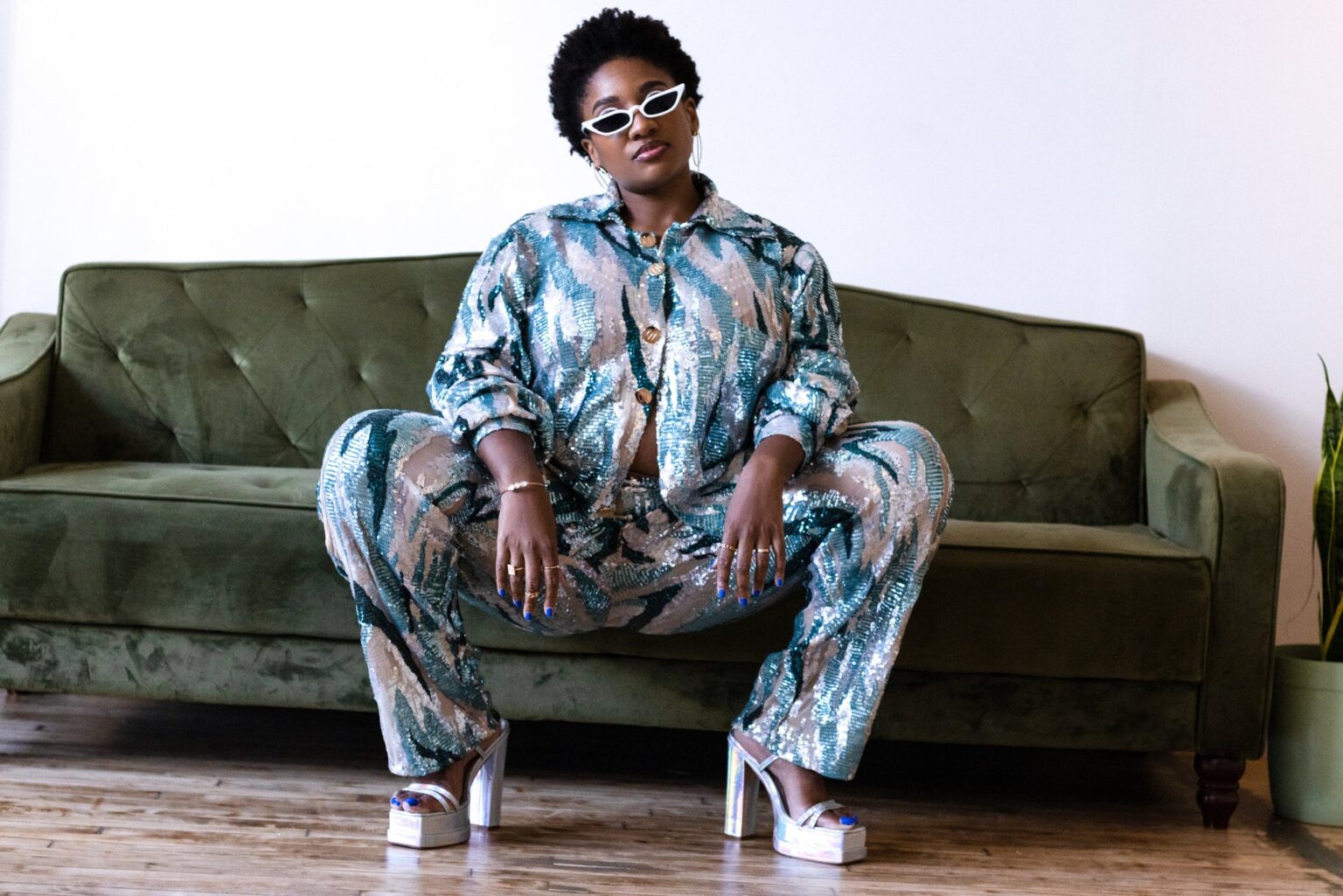
Force One: Tariffs Are Hitting Small Designers Hardest
Nearly 98 percent of clothing sold in the United States is imported. When tariff rates on apparel imports climb into the 15 to 30 percent range, as they have under the current trade policies, the entire industry absorbs higher costs. But it does not absorb them equally.
Plus size indie brands are oftentimes running a small label, sourcing premium fabric, working with small-batch manufacturers, often handling fulfillment personally, has none of that cushion. As Fashionista reported from New York Fashion Week in September 2025, small, independent, and emerging fashion labels are hit especially hard when suddenly faced with rising shipping fees and higher prices for materials that cannot be sourced locally.
“We’re not a billion-dollar company that can absorb this,” one small brand founder, Dacey Trotta, founder of Rumored, told Glossy earlier this year. “Our manufacturers are partners, we’ve worked with them for years. These are people we trust, not just transactions.”
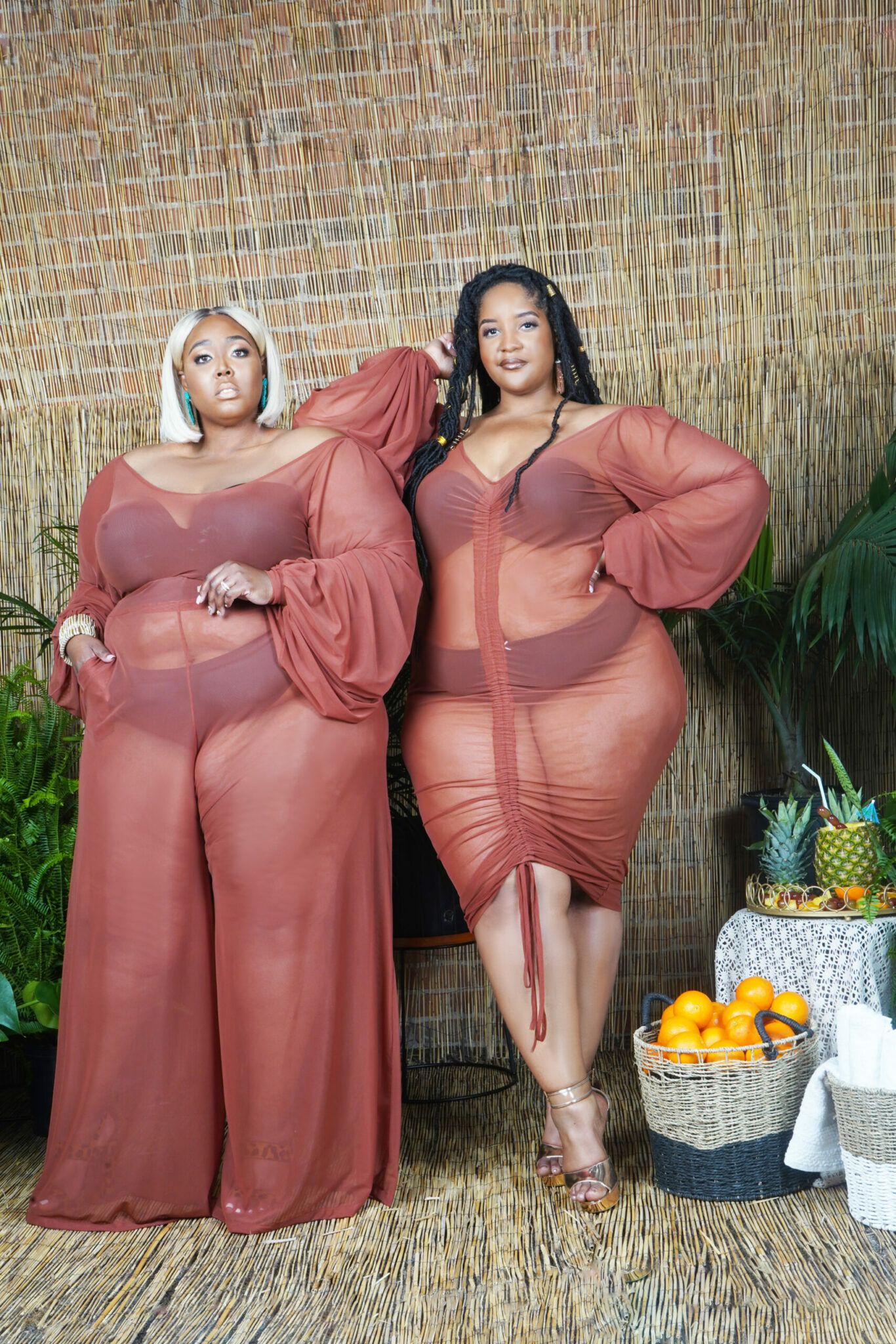
That is the indie brand reality. Every tariff increase is a personal financial decision: raise prices and risk losing customers who are already budget-stretched, or absorb the cost and operate at a loss. Neither is sustainable.
Force Two: The Algorithm Has Made Indie Brands Invisible
The plus size community found its indie brands on social. That is not nostalgia, that is a documented fact. Before algorithmic timelines, a small brand could post a beautiful look and reach thousands of new potential customers organically. That era is over.
The growth of plus size fashion and the growth of social media were never separate stories. They were the same story. Facebook, Instagram, and Twitter gave plus size indie brands what traditional retail never would, direct access to a community that was hungry, loyal, and ready to spend. No buyer approval. No floor space negotiation. Just a beautiful image and a link in bio. That democratization of discovery built an entire ecosystem of brands, designers, and creators who would not exist otherwise.
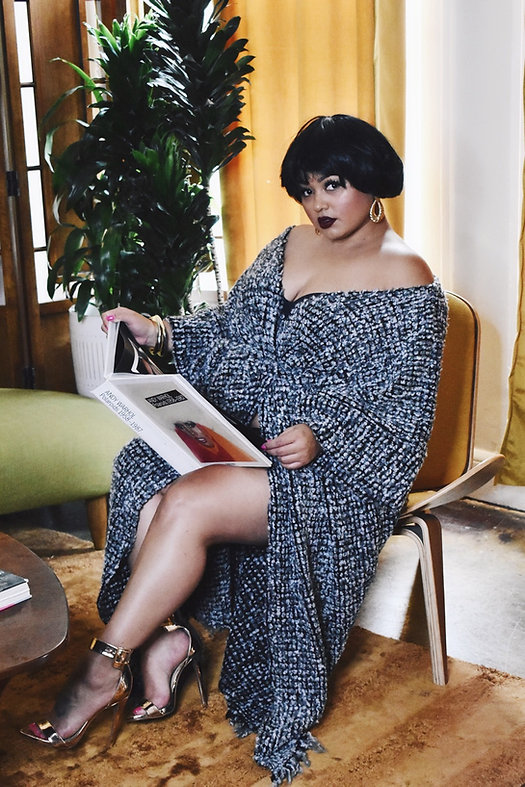
The algorithm did not just change the rules of that ecosystem. It dismantled the infrastructure that made it possible and left the smallest, most community-dependent brands holding the largest share of the damage.
Organic reach is down 18 percent year over year, engagement per post has dropped 28 percent, and 87 percent of businesses report significant reach decline over the past 18 months, meaning fewer than 1 in 10 followers typically see a brand’s post on any given day.
Brands like Torrid and Lane Bryant bridge that gap with paid advertising budgets and marketing teams. A plus size indie brand bridges it with nothing, because there is nothing to bridge it with. No ad spend. No agency. Just a post going out into a feed engineered to suppress it, while her production costs continue to climb and the customers who would have found her organically never do.
This is not a complaint about social media. It is a structural problem with direct consequences for the community’s access to the brands who serve us best. If we cannot find them, we cannot support them. And if we cannot support them, they cannot survive.
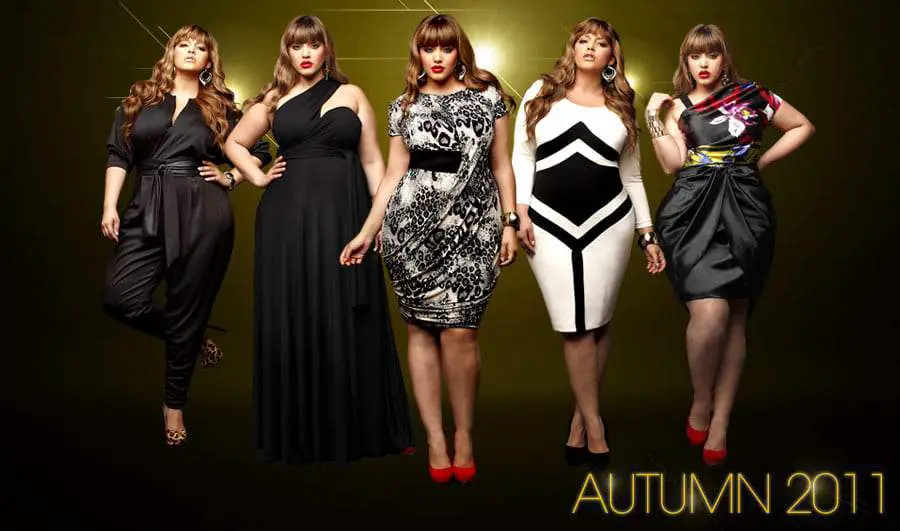
Force Three: GLP-1 Drugs Are Giving Brands an Excuse to Contract
This is the one that needs to be named directly. And before we get into the numbers, let us be honest about something: we have been here before.
Fen-phen in the 1990s. The South Beach Diet. Weight Watchers at its peak. Every decade brings a new weight loss moment that the fashion industry quietly uses as permission to shrink its plus size commitments; to pause, to pull back, to wait and see if our bodies stop being inconvenient. The script does not change. Only the pharmaceutical branding does.
GLP-1 adoption in the U.S. grew from 11 percent of adults in November 2024 to 16 percent by November 2025, according to Bernstein’s annual shopper survey. JPMorgan estimates that by 2030, more than 30 million Americans will be on a GLP-1 treatment.
The fashion industry has noticed and some of what it is doing with that information is deeply, frustratingly familiar: using it as a reason to serve plus size women less.
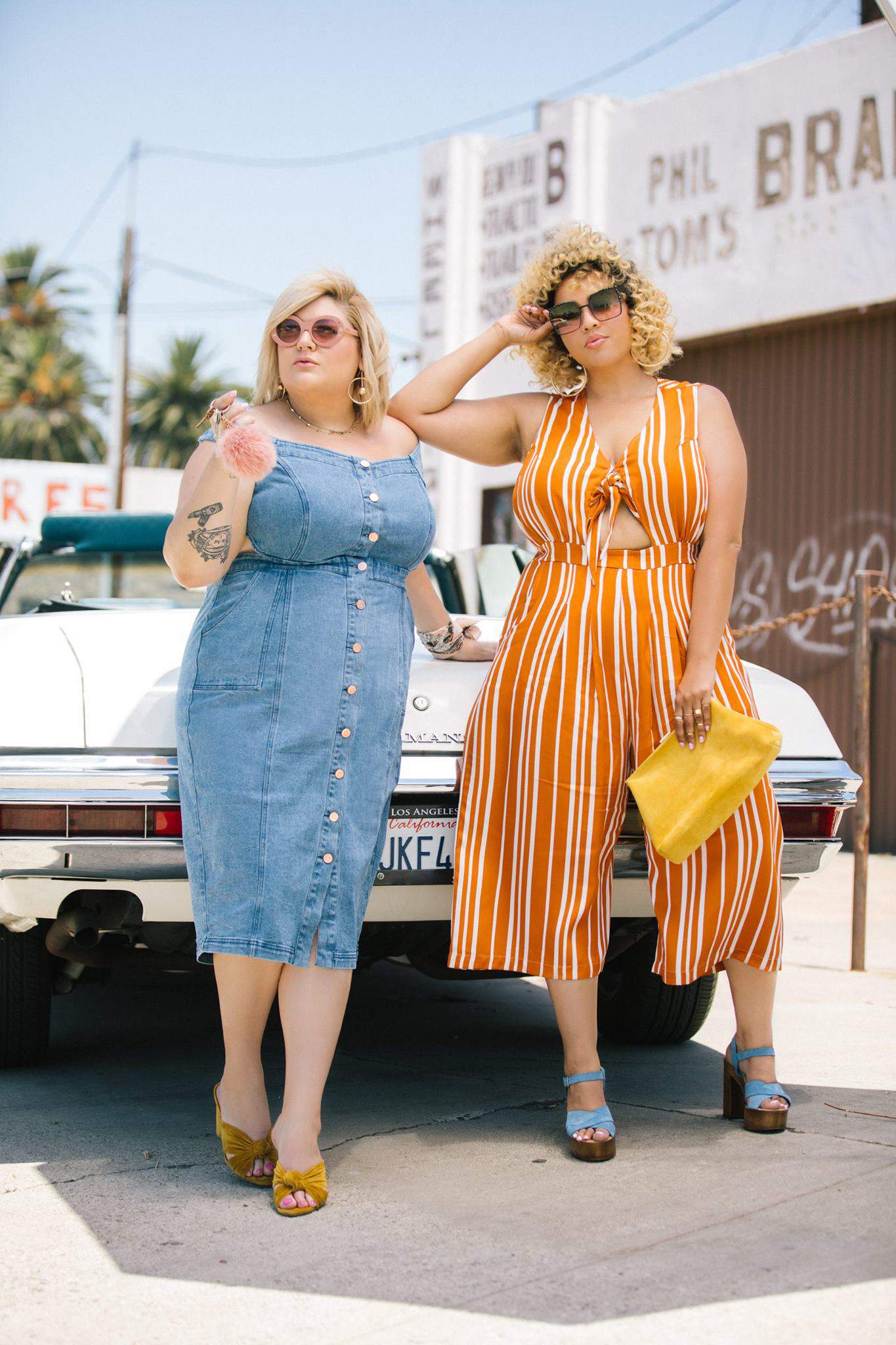
Torrid reported a 14.3 percent year-over-year sales decline in Q4 of fiscal 2025 and announced plans to close 30 additional stores in early 2026. The mainstream retail conversation has already started framing GLP-1 drugs as justification for rethinking plus size inventory: quietly pulling back on size ranges, migrating extended sizes to online only, and hedging on any further expansion. It is the same retreat. New packaging.
The math is NOT mathing. Mallorie Dunn, founder of SmartGlamour and adjunct faculty at the Fashion Institute of Technology, said it plainly in a CNBC interview: retailers should not be making less plus size clothing because of GLP-1 drugs; the community is already grossly underserved, and even a significant reduction in the plus size consumer base would still leave the industry nowhere near overproduction.
The demand has always outpaced the supply. A pharmaceutical trend does not change that math. It just gives brands cover to pretend it does.

Plus size indie brands are not running that calculation. They did not build for us when it was convenient, and they are not abandoning us now that it is not. That is the difference between a brand that designed for this community and a brand that tolerated us during a growth cycle. One of those is still here. The other is closing stores.
Force Four: Fast Fashion Is Stealing Their Work
This one is personal. And the plus size community needs to know it is happening.
This one is not a metaphor. It is not hyperbole. It is a business model.
An indie plus size designer spends months developing an original piece: concept, fit development, fabric sourcing, small-batch production. She posts it. Within days, sometimes hours, a Shein or Temu listing appears with a nearly identical garment at a fraction of the price.No credit. No compensation. No call. Just a copy.
This is not accidental. Court filings against Shein allege the company uses sophisticated algorithms and AI to algorithmically scour social media for trending designs, then sends them directly to factories for production, with no human review and no intellectual property compliance function.
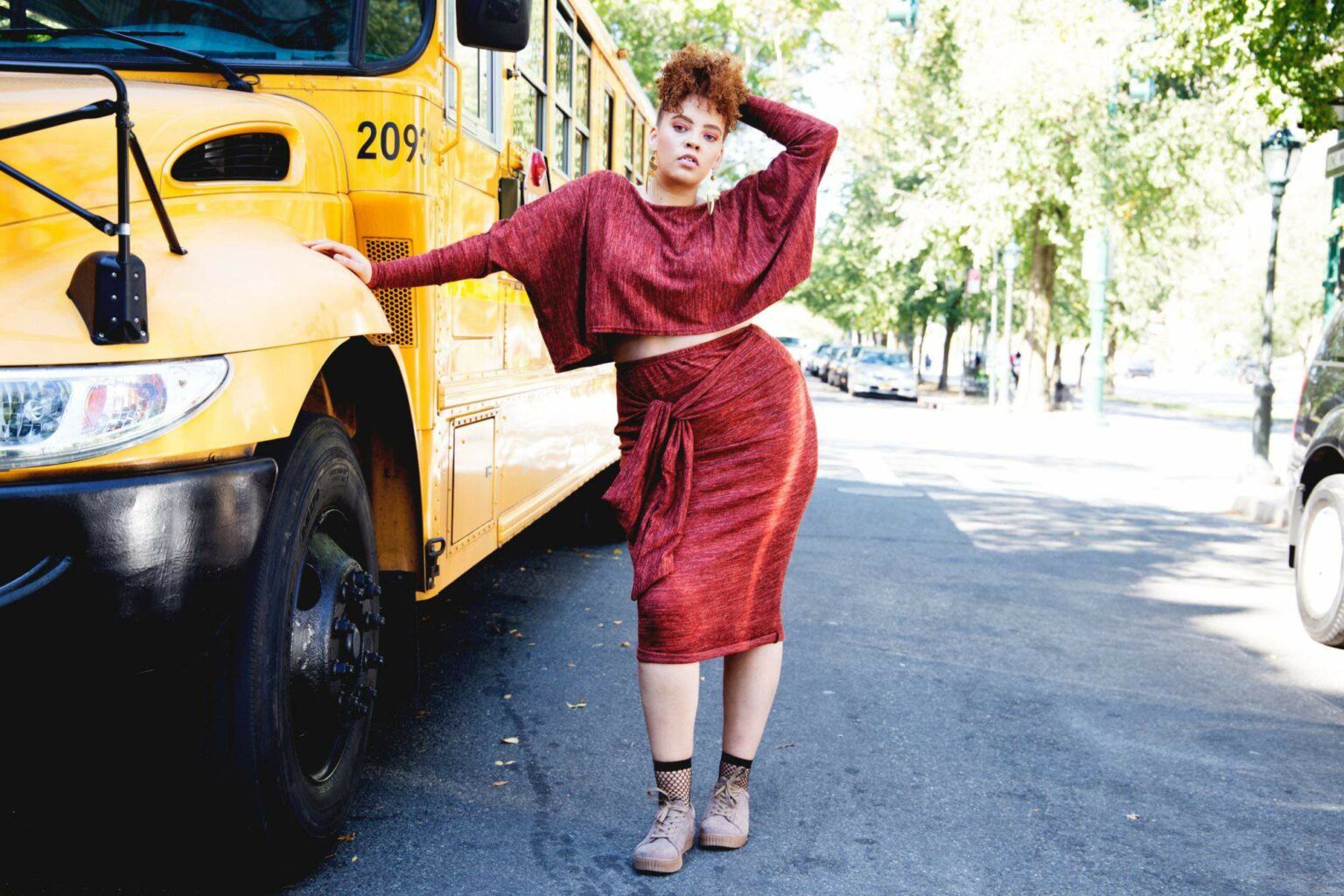
As one lawsuit put it plainly: Shein does not design thousands of products daily. It copies them. Independent designers, who are often the ones defining the trends the algorithm hunts, are the most vulnerable and the least equipped to fight back.
And here is where it gets worse: U.S. copyright law explicitly excludes “useful articles” from protection, which means garment designs are largely not protectable under copyright law. The cut, the silhouette, the construction… none of it.
Fast fashion companies are not just aware of this gap. They built their entire business model around it. An indie designer with no legal team and no IP budget has essentially no path to recourse.
What makes this especially damaging for plus size indie brands is what gets lost in the copy. The original piece was not just a design, it was the result of months of fit development specifically for plus size bodies. The grading. The seam placement. The construction decisions that make a garment actually work on the body it was designed for.
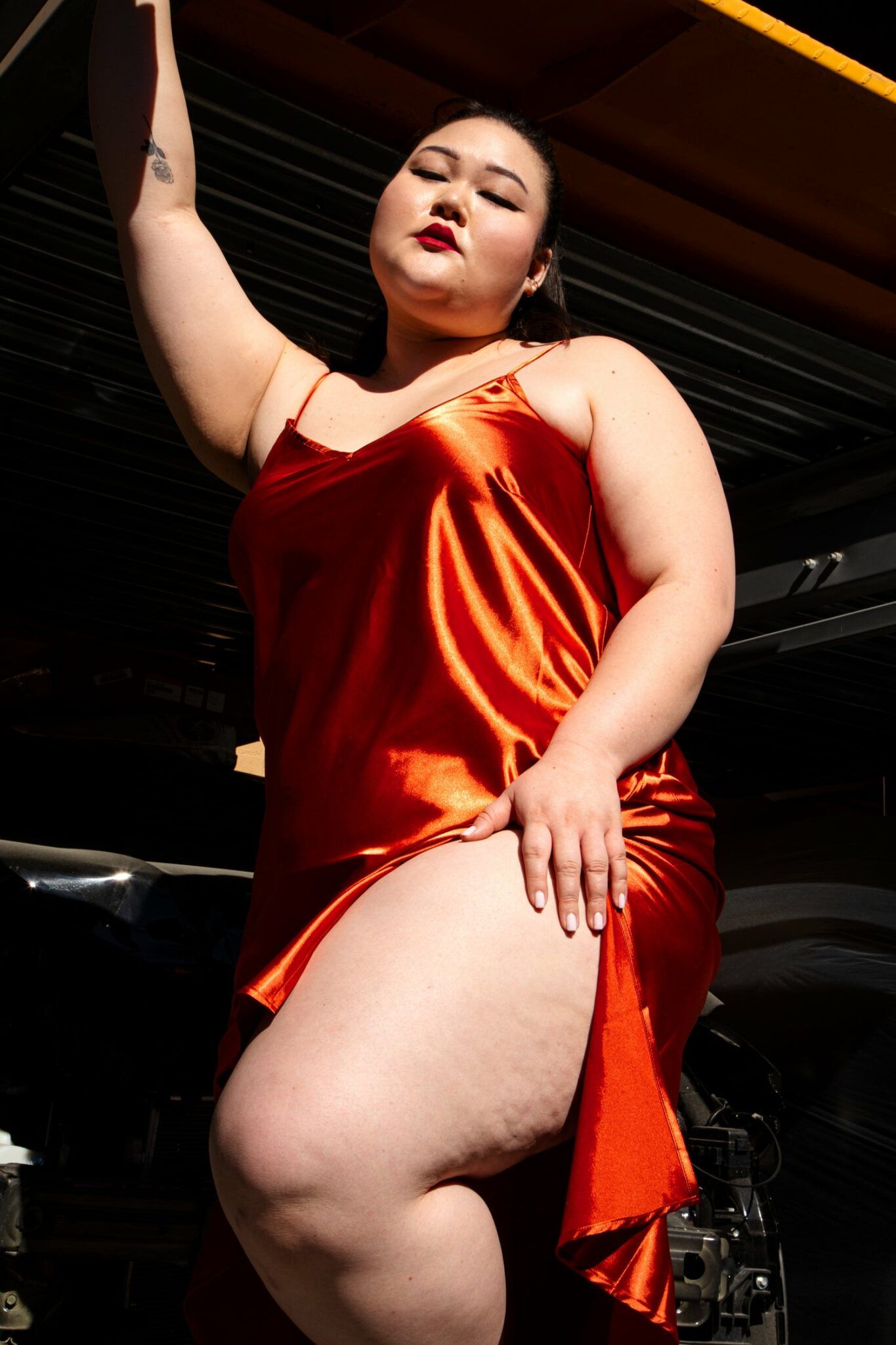
The knockoff is a visual duplicate with none of that intentionality. So, the community ends up with a cheaper version of a design that was made for us, in a garment that was not. The indie brand loses the sale. And her work gets associated with a poorly made product she had no hand in creating.
Scroll through any plus size fashion community group and you will find members posting Shein finds that look remarkably like pieces they saw from small indie labels the season before.
Most of the time, people do not connect the dots.
That is exactly how the model is designed to work.
Force Five: Wholesale Gatekeeping Keeps Indie Brands Locked Out
Getting into boutiques or department store buyers is how most indie brands scale; broader distribution, wider reach, real business stability. And the path has never been easy. Buyers at retail accounts want proven sell-through data, which indie designers rarely have at launch.
Post-pandemic inventory overcorrection made buyers more conservative. The current tariff climate is making them even more risk-averse.
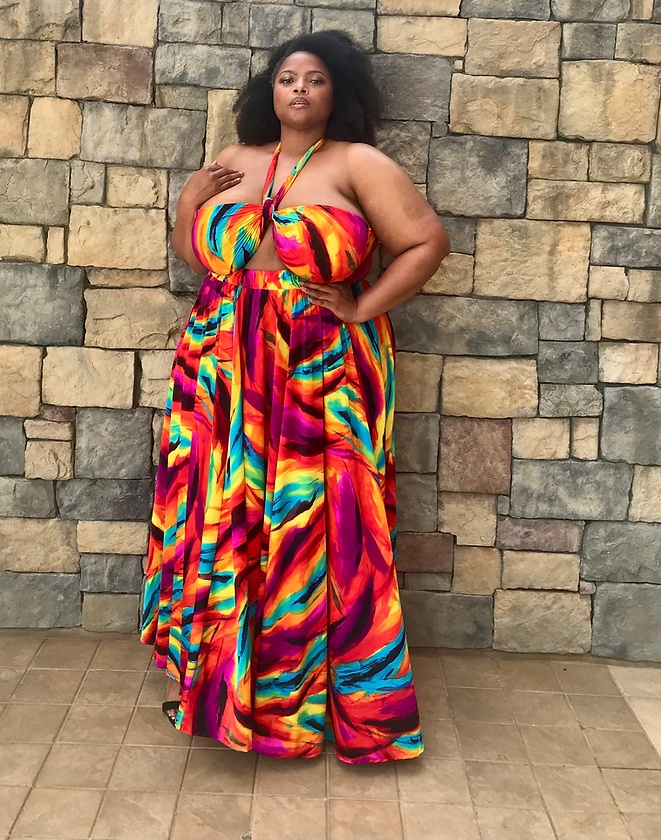
The result is that plus size indie brands are almost entirely reliant on direct-to-consumer sales, which puts them at the mercy of exactly the algorithm problems already discussed.
No wholesale relationships to supplement online revenue. No floor space to drive discovery. No buyer relationships that open doors to press or larger retail partnerships. The gatekeeping is structural and it compounds every other challenge on this list.
Force Six: The Capital Access Gap Falls Hardest on Black and Brown Women Founders
Here is something the fashion industry rarely says out loud: the women who built plus size fashion from the ground up largely did it with their own money, their own credit cards, and their own nerve. Not because that is how they wanted to do it. Because the traditional funding system was not built with them in mind.
61 percent of Black women self-fund their startup capital and it’s not because they are flush. Only 29 percent of Black women entrepreneurs live in households earning over $75,000, compared to 52 percent of white male entrepreneurs. They are not choosing to bootstrap out of preference. They are bootstrapping because the doors that open for other founders stay closed for them. Black business owners who apply for funding face a rejection rate three times higher than white business owners.
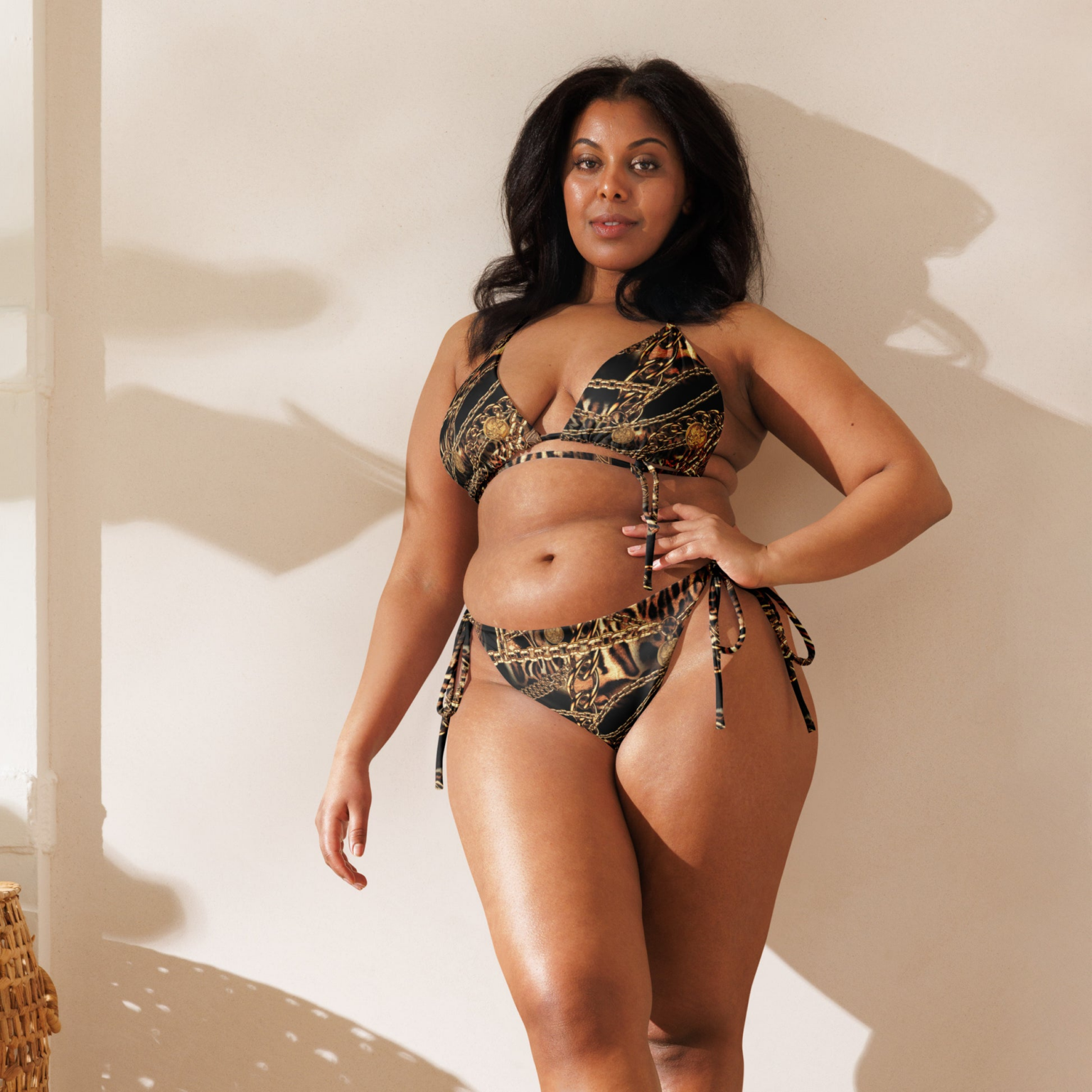
And before anyone thinks this is a tech startup problem, oh no… it is not. Less than 1 percent of venture capital funding reaches Black women founders. Traditional lenders are not any friendlier. The collateral requirements, the credit scoring systems, the pattern recognition biases baked into every loan committee; all of it stacks against a Black woman founder who has built something real, serves a real community, and has the receipts to prove it.
Even research from the Kauffman Foundation confirms that the racial and gender wealth gap, combined with bias in lending and investor networks, creates compounding barriers that are not about qualifications… they are about access.
The plus size indie space is disproportionately made up of Black and Brown women founders. That is not a coincidence. It is a direct reflection of who saw the gap in this market most clearly and moved to fill it, often because the mainstream industry had no intention of serving them.
These founders did not get into this space because it was easy or because it was funded. They got in because they needed what they built, and they were tired of waiting for someone else to build it.
What that means practically is this: when a tariff hits, when a shipment is delayed, when an algorithm buries their posts, when a Shein dupe kills a launch, there is no cushion. No line of credit to draw from. No investor to call. No runway.
Just a founder running the math at midnight and deciding whether to keep going. That is the reality of plus size indie fashion for far too many of its most important builders. And it is the part of this conversation that the industry consistently refuses to name.

I Have Watched This Pattern for 17 Years, and I Tried to do Something About It
I launched The Curvy Fashionista in 2008 because the industry was failing us. I watched the 2015 wave arrive; the international brands moving into the U.S. market, the mainstream labels suddenly finding religion on size inclusivity, the community energy that felt like finally, we are being taken seriously. I watched the runway shows briefly diversify. I watched the think pieces get written. I watched brands compete to show they understood us.
And, I watched them retreat when the conditions changed. Before GLP-1, it was post-pandemic inventory correction. Before that, it was “our plus size customer shops differently.” The industry has always found a reason to underserve us when business conditions tighten. What has never changed is that plus size indie brands built for us when no one else would, and they are still here.
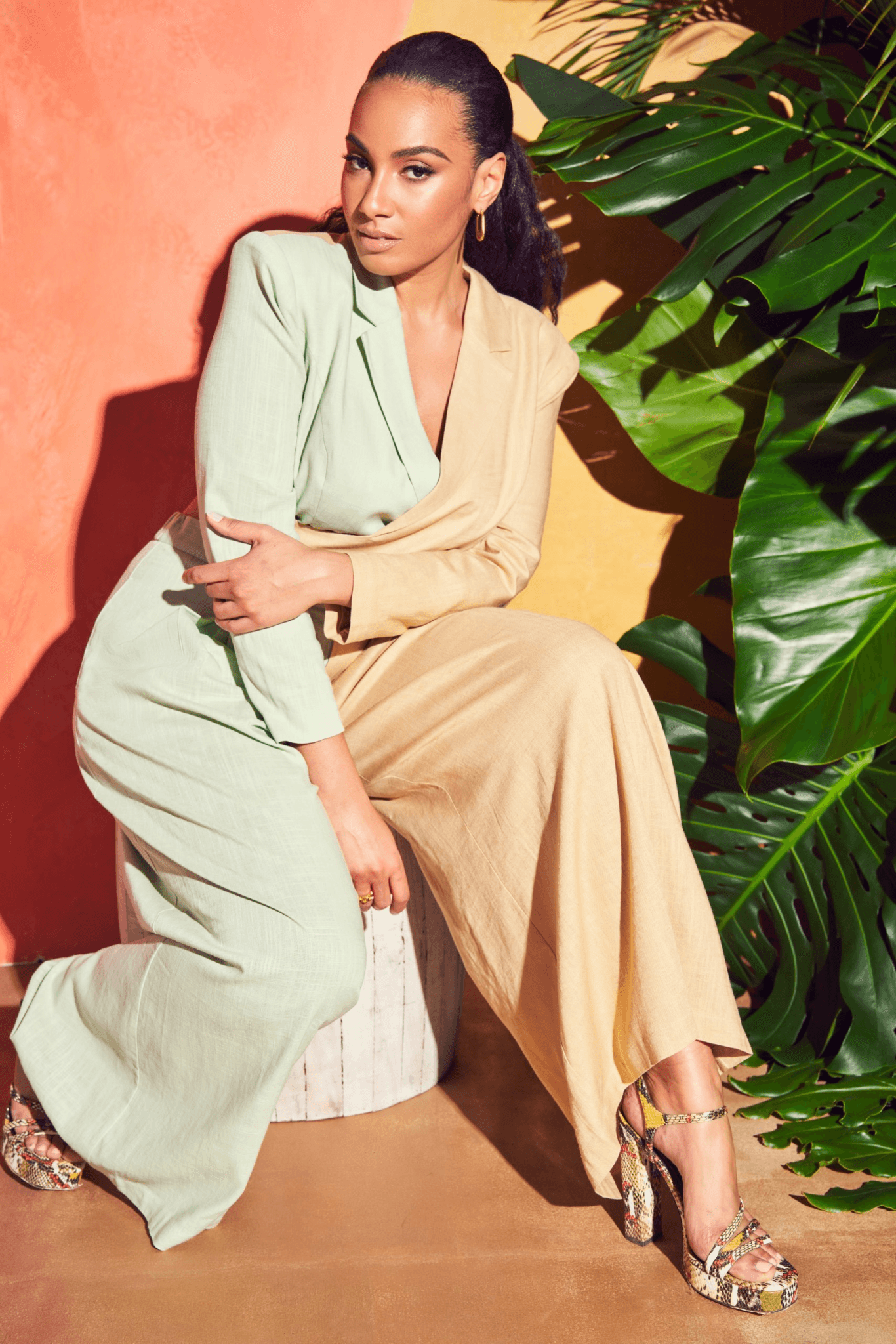
In 2021, I decided that observation was not enough. I created The Cultivate Awards, an initiative presented by The Curvy Fashionista, with founding sponsor Eloquii, specifically designed to support and nurture the next generation of BIPOC indie designers in the plus size fashion community.
The winner received a $10,000 grant, a full year of professional mentorship, and a capsule collection with Eloquii. Runners-up received $2,500 grants. The inaugural winner was LA-based designer Melissa Mercedes and for 2022, Charneice of Barkwood Clothing won, both designers whose work captured exactly the vision the award was built around.
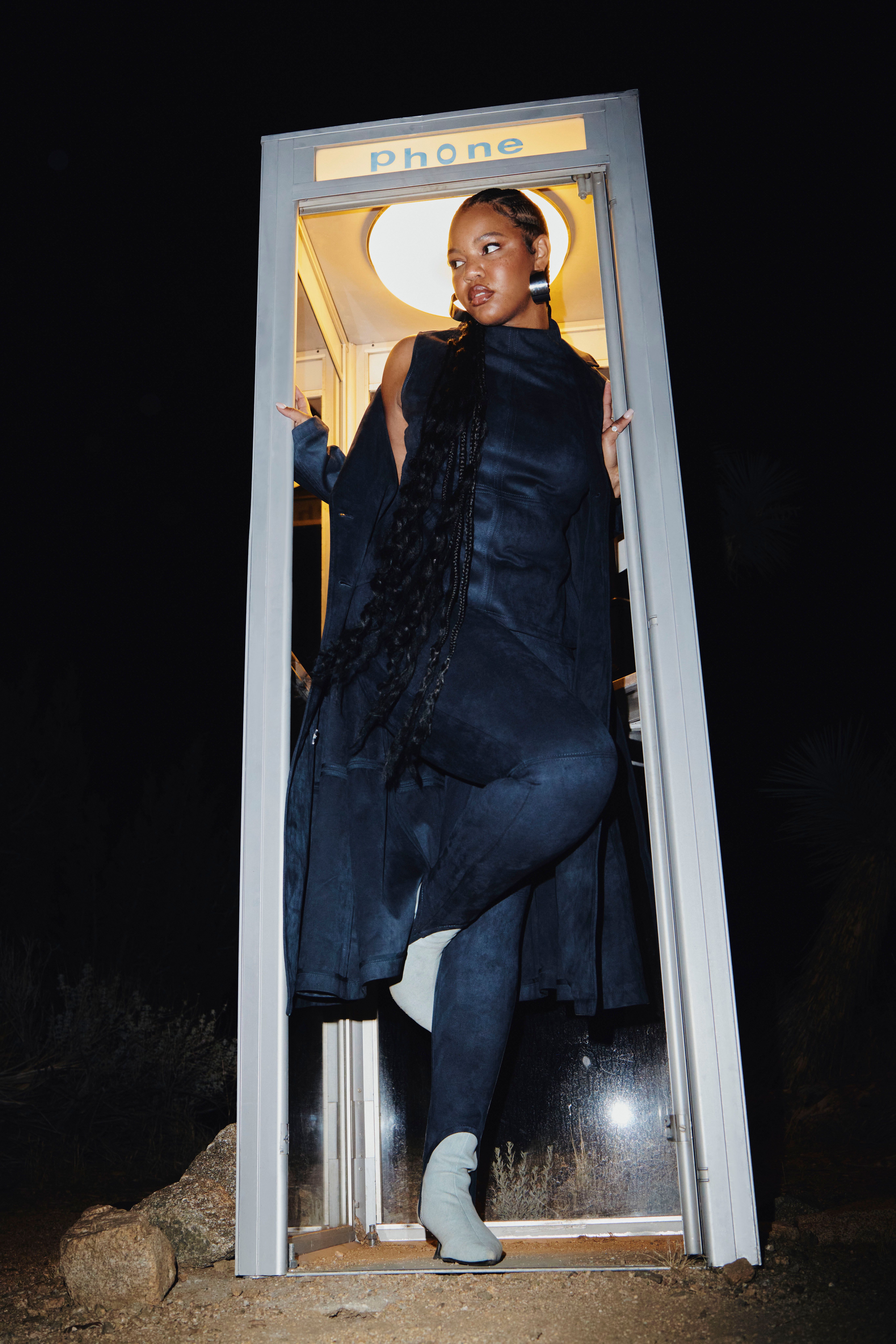
The Cultivate Awards need to come back. The access gap is wider. The capital gap is deeper. The structural challenges are more acute. And I am actively working to make that happen… on a grander scale than before. More details are coming. Stay close to TCF and make sure you are on our email list!
Tracy Christian, founder of Sante Grace, a Los Angeles-based sustainable luxury plus size label built on the mission of “accessible high fashion,” using washable silk charmeuse, cashmere, silk chiffon, and Italian silks, produced domestically at fair wages, is exactly the kind of brand this community was built to support. She launched during a pandemic with no institutional backing, no large-scale manufacturing relationships, and no marketing budget.
As she explained in a piece for TCF: “Don’t settle for clothes that almost fit. A nip and tuck at the tailor can turn a bargain into couture.” That is not a brand talking to a demographic. That is a designer who built her business on the belief that plus size women deserve quality and fit at the same time.
How to Support Plus Size Indie Brands When Your Budget Is Tight
We are not going to pretend the budget reality does not exist. Tariffs are making everything more expensive, and consumers are feeling it too. Here is how to make your support go further without overextending yourself.
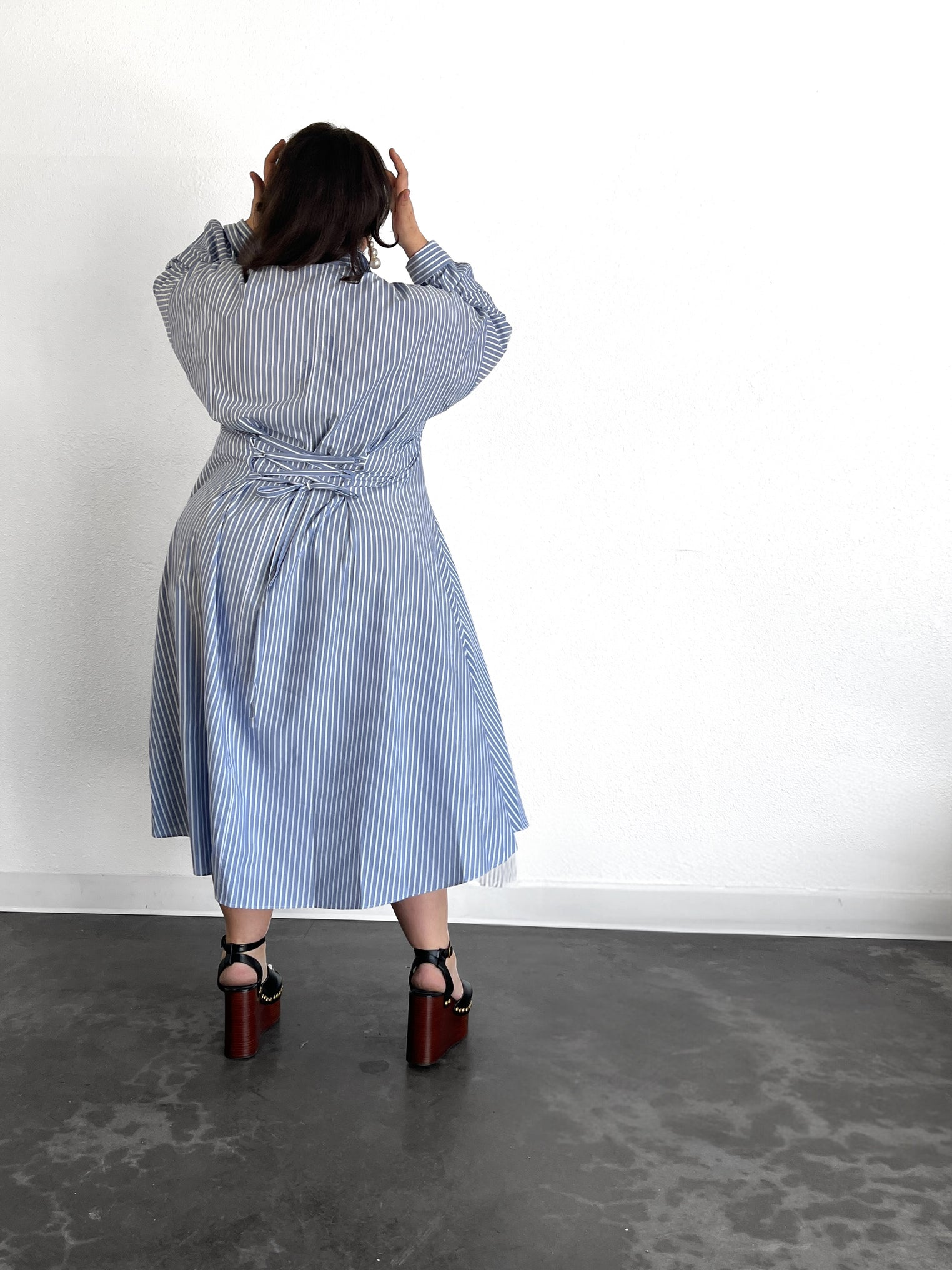
Buy one piece, buy it right. One well-made piece from a plus size indie brand will outlast four pieces from a mass retailer. Before you spend $30 four times, consider spending $90 once on something designed specifically for your body and built to last. Cost-per-wear is the metric that matters.
Get on their email list, not just their Instagram. Most plus size indie brands offer end-of-season sales and early access through email. Their list is the one channel they still own and control regardless of what the algorithm does. Get on it.
Ask about payment plans. Many small indie brands will work with loyal customers on payment arrangements for higher-investment pieces. It does not hurt to ask.
Invest in versatility. A well-cut silk blouse, a tailored blazer, a wrap dress… these are wardrobe foundations, not impulse purchases. Plus size indie brands tend to do these exceptionally well.
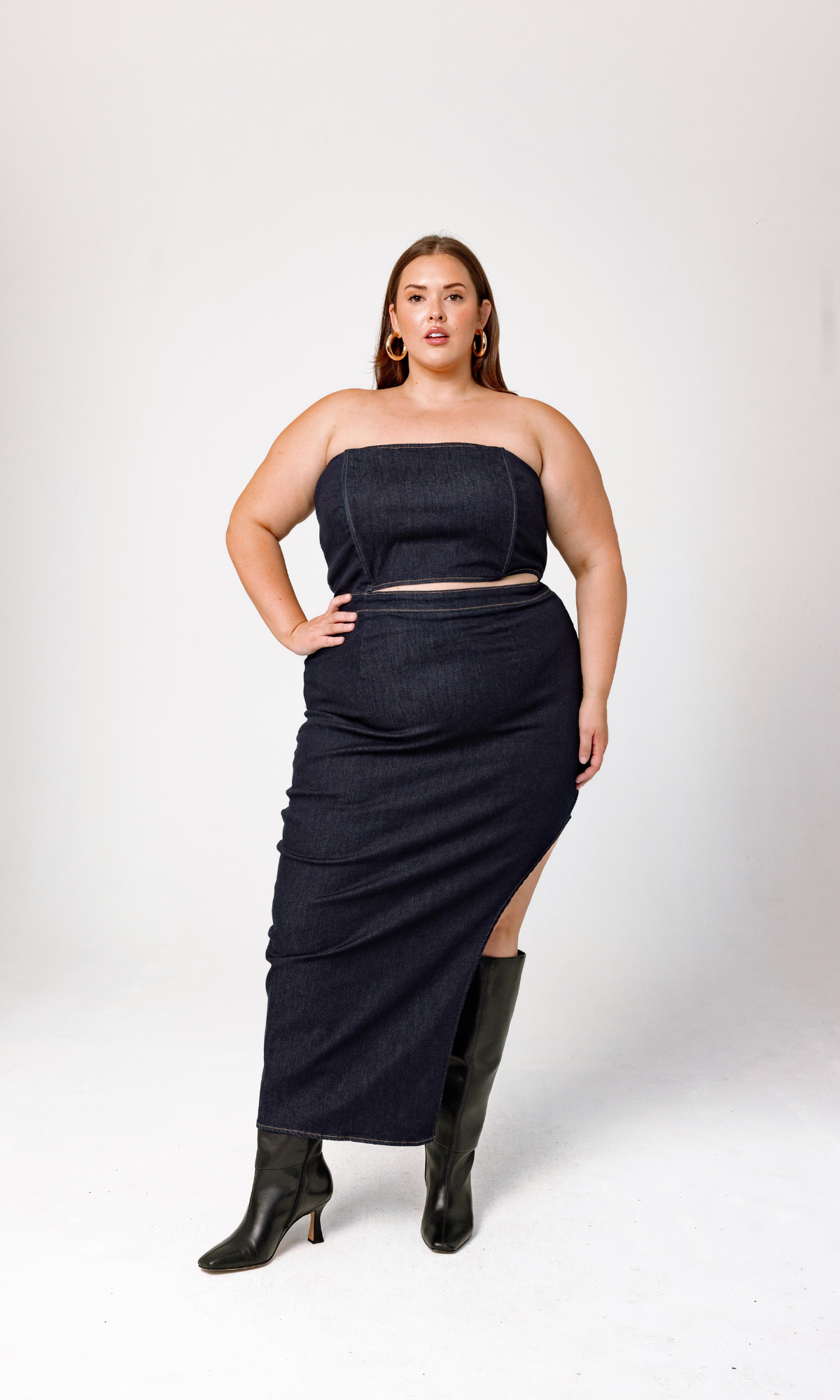
Engage even when you cannot buy. Share their posts. Leave a genuine comment. Tag a friend. Save their posts; saves signal value to the Instagram algorithm more than likes do. When you cannot spend money, spend attention. In the current environment, that genuinely moves the needle.
Shop directly through their website. Every dollar spent on a plus size indie brands’ own site goes further than a marketplace purchase. Direct-to-consumer means they keep more margin, which means they stay in business longer.
Leave a review. For a small product catalog, customer reviews are social proof that converts. Take five minutes. It costs nothing and it matters more than you know.
Do your homework before buying a dupe. Before you add that $15 Shein version to your cart, take thirty seconds to search the original. You may be looking at a stolen design. If you can afford the original, buy it. If you cannot right now, bookmark it. Come back. That thirty-second search at minimum puts a name and a face to the work that was taken.
Why Right Now and Not Later
The plus size fashion market is projected to grow. The consumer is here. The demand is documented. 70 percent of plus size consumers say they are more likely to buy from brands that consistently champion body diversity in their marketing. The spending power is real and it is not going away.
But here is what I need you to understand: this convergence of forces: tariffs, algorithm collapse, GLP-1 cover, design theft, wholesale gatekeeping, and capital gaps, is not a typical hard period with a natural recovery on the other side. It is a structural clearing. And the plus size indie brands that close in 2026 are not coming back in 2027.
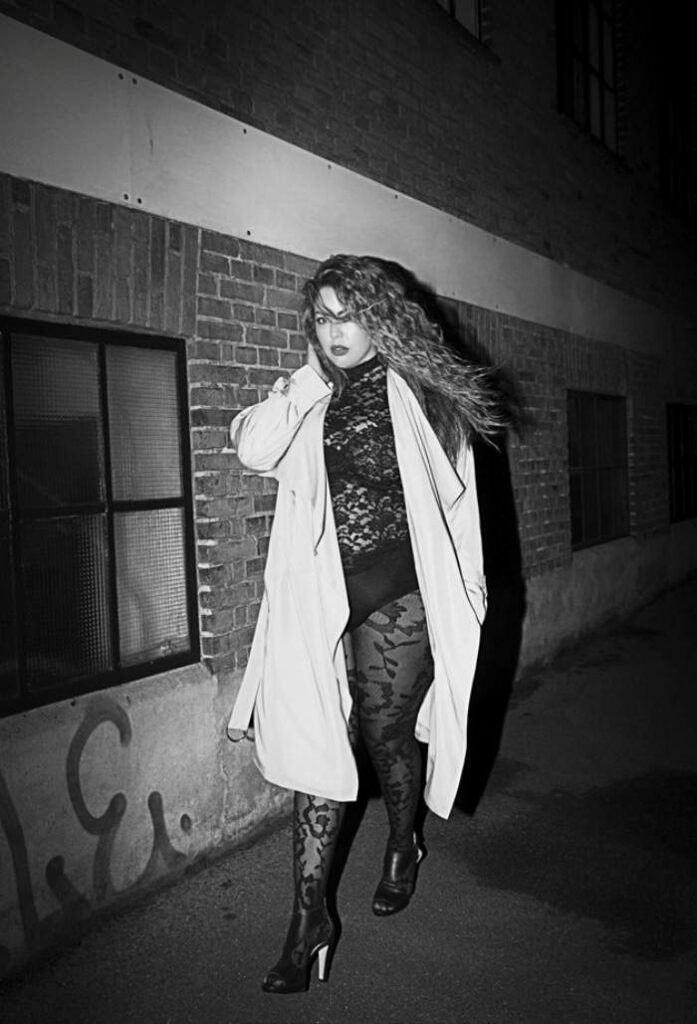
When an indie brand shuts down, it is not just a business closing. It is a decade of fit knowledge, community relationships, design vision, and cultural investment that disappears with it. The grading she developed for our bodies. The relationship she built with her manufacturer. The community she grew one customer at a time.
That does not transfer to a larger brand. It is gone.
Who survives this moment will define what plus size indie fashion looks like for the next decade. The brands, the retail buyers, the algorithm; none of those systems are going to fix this. The community buying directly, engaging loudly, and showing up financially is the only lever that works in real time for a brand with no runway.
You are the market correction. The Cultivate Awards exist because I believe this community and this industry are worth fighting for. This letter exists for the same reason.
Explore our coverage of plus size indie brands starting with Sante Grace, and stay close to TCF for the Cultivate Awards relaunch details. This is bigger than any one brand. It is about whether the space that built plus size fashion as we know it survives to keep building it.
MORE TCF GAMES