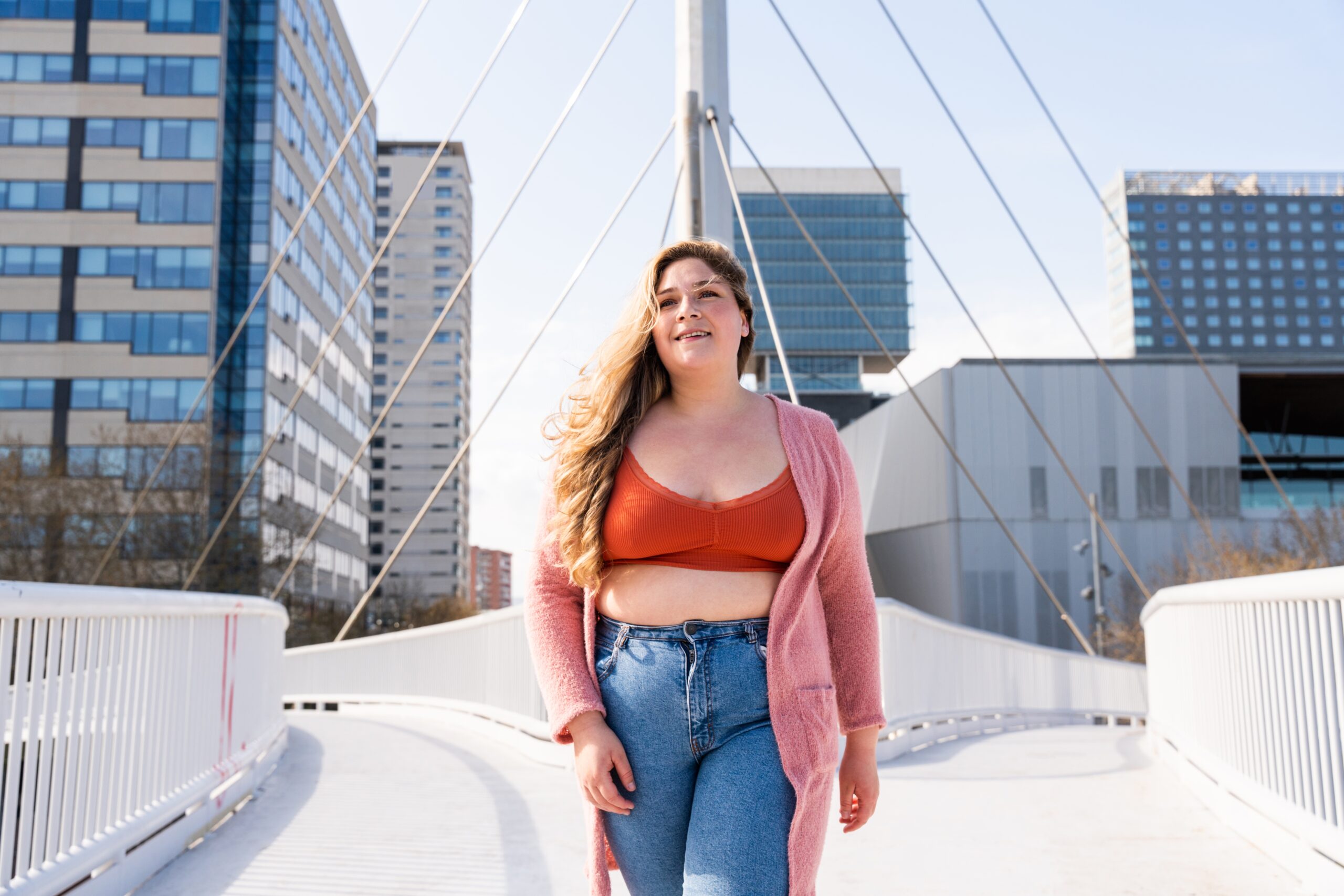
Fashion has become more inclusive over the past decade, but many plus-size women say the everyday shopping and styling experience still comes with a different set of expectations than it does for smaller-bodied consumers.
According to the 2024 State of Size Inclusivity Report by Vogue Business, demand for extended sizing continues to outpace supply, even as the global plus-size apparel market grows. Meanwhile, market research from Allied Market Research projects that the global plus-size clothing market will surpass $696 billion by 2031, fueled by rising consumer demand and increased fashion spending.
Despite that growth, McKinsey & Company has reported that size inclusivity remains one of fashion’s biggest unmet opportunities, with many brands still offering limited selections beyond standard sizes. When consumers repeatedly encounter barriers due to body size, the experience often extends beyond inconvenience to questions of representation and self-expression.
Many plus-size women say the challenge isn’t simply finding clothes. They describe navigating assumptions about what they should wear, what looks “appropriate,” and which trends they are expected to avoid.
Social media has amplified these conversations, allowing women to compare experiences and call attention to inconsistencies that might have gone unnoticed years ago. Here are twelve double standards that plus-size women say they continue to encounter in everyday fashion.
Wearing Crop Tops Is Called “Brave” Instead of Normal
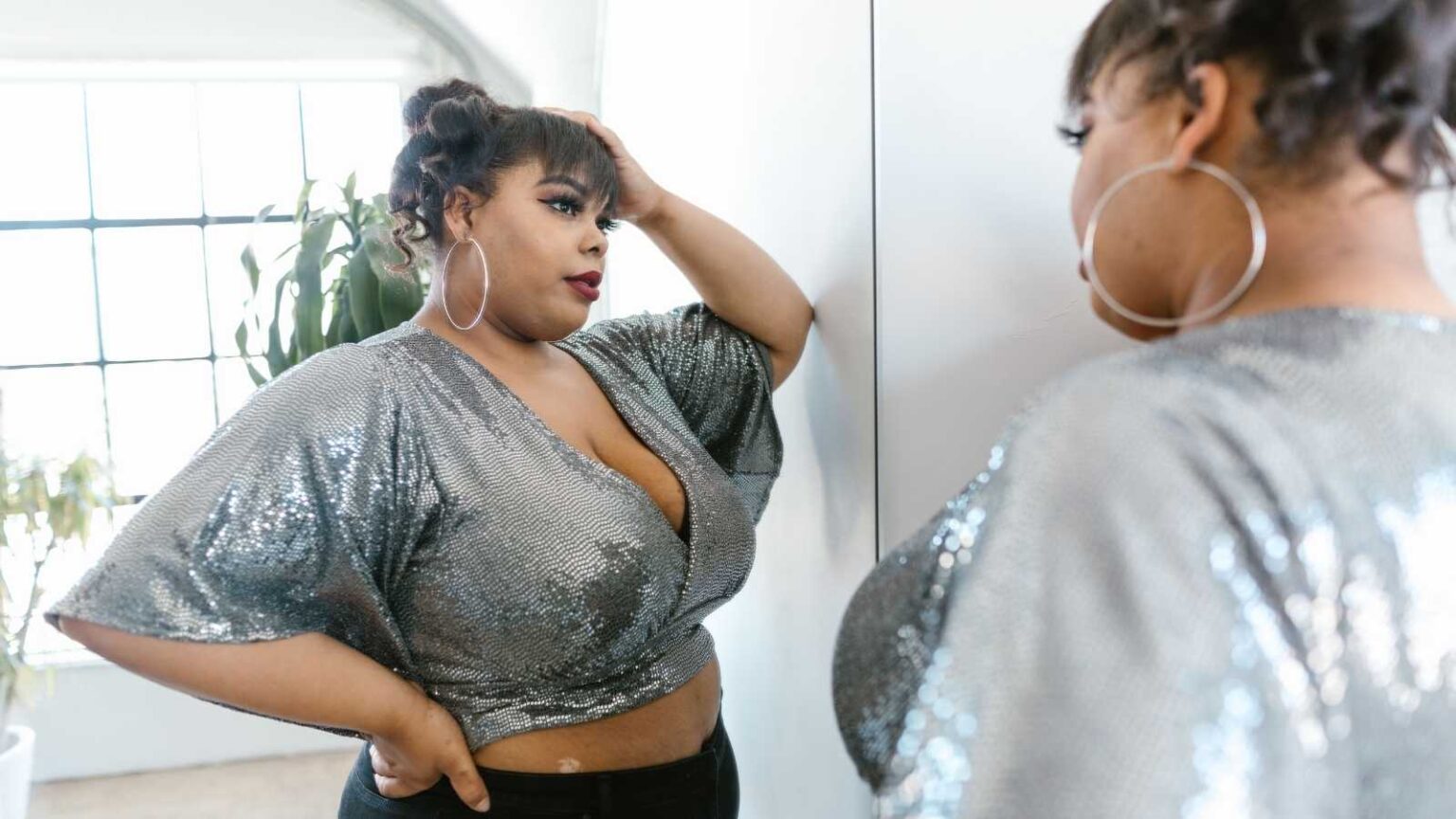
Crop tops have become a wardrobe staple across nearly every age group, yet plus-size women frequently say their choice to wear one attracts comments that thinner women rarely receive. Compliments framed around “confidence” or “bravery” may sound supportive, but many women argue they reinforce the idea that showing a larger body requires extraordinary courage.
Fashion editors increasingly note that crop tops are simply another garment, and their popularity across brands suggests they are no longer reserved for a particular body type. Many plus-size influencers emphasize that clothing should be judged by personal style and comfort rather than body size alone.
Body-Hugging Clothes Are Viewed Differently
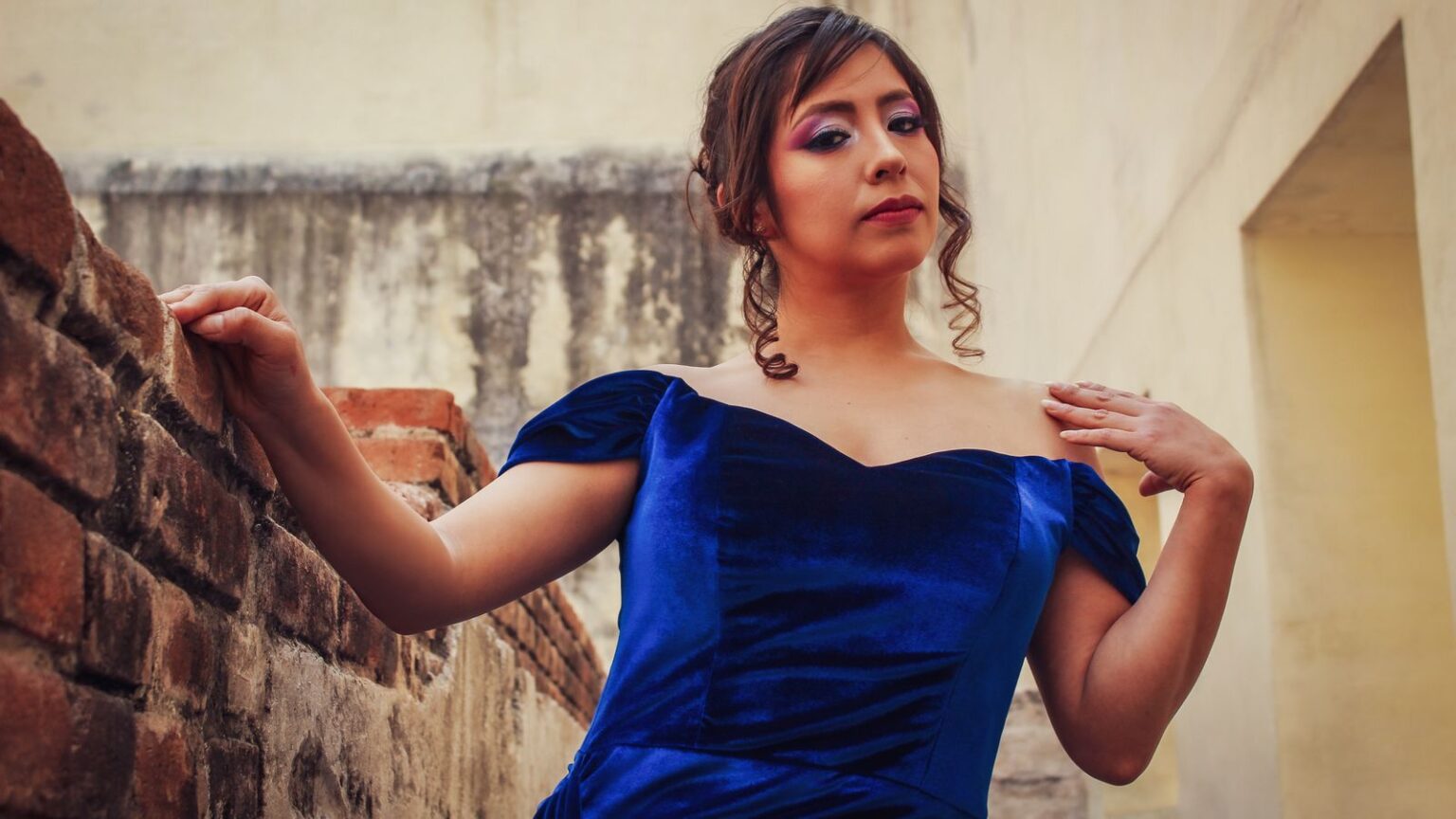
A fitted dress on one person may be described as elegant or fashionable, while the same silhouette on a plus-size woman is sometimes labeled “too tight” or “unflattering.” Stylists point out that properly fitted clothing is generally more polished than oversized garments that overwhelm the body’s proportions.
Fashion experts frequently recommend selecting garments that fit comfortably rather than automatically sizing up to satisfy outdated expectations. Many plus-size consumers say they simply want the freedom to wear tailored clothing without attracting disproportionate criticism.
Oversized Clothing Is Interpreted as “Trying to Hide”
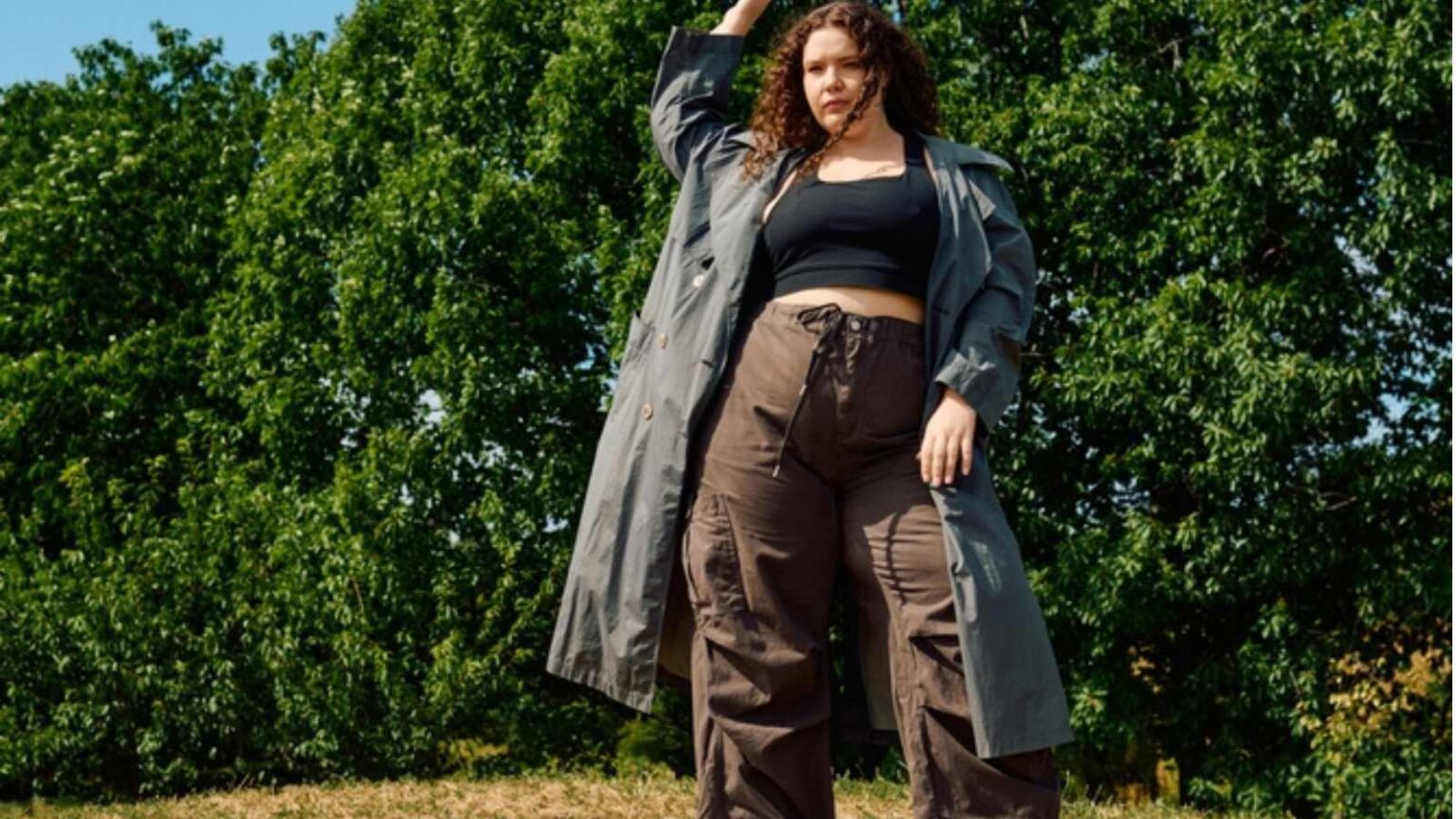
Ironically, plus-size women often describe receiving criticism regardless of which direction they choose. Loose clothing may prompt comments suggesting they are attempting to conceal their bodies, while fitted clothing invites separate criticism for drawing attention to them.
Professional stylists explain that oversized silhouettes have become a mainstream fashion trend embraced by people of all body sizes. Blazers, relaxed trousers, and loose button-down shirts regularly appear on runways because they create modern proportions, not because they hide the wearer.
Bright Colors Are Sometimes Discouraged
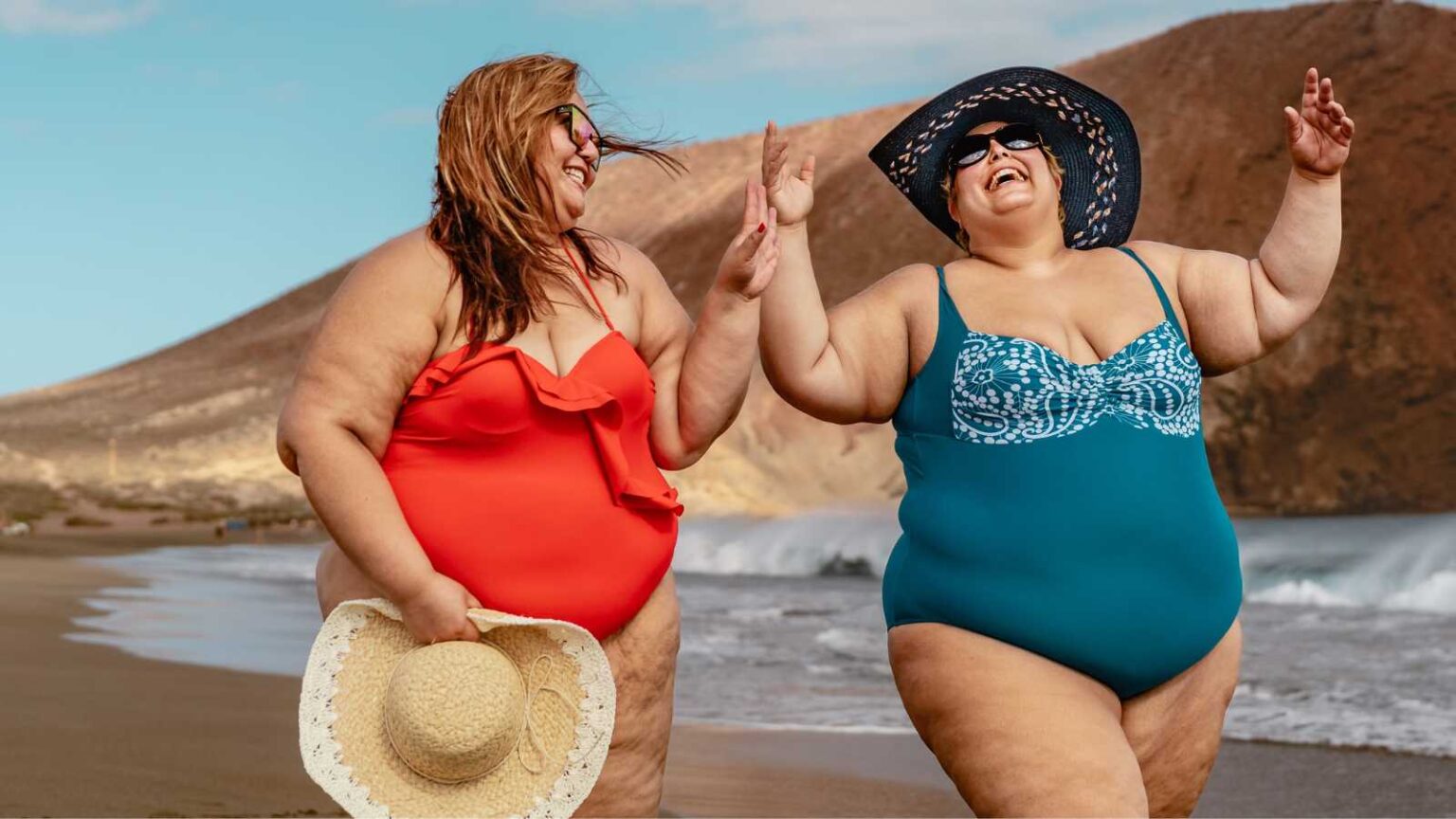
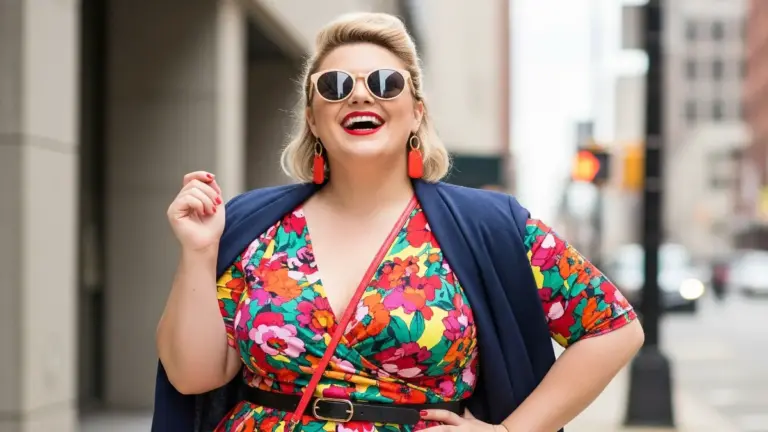
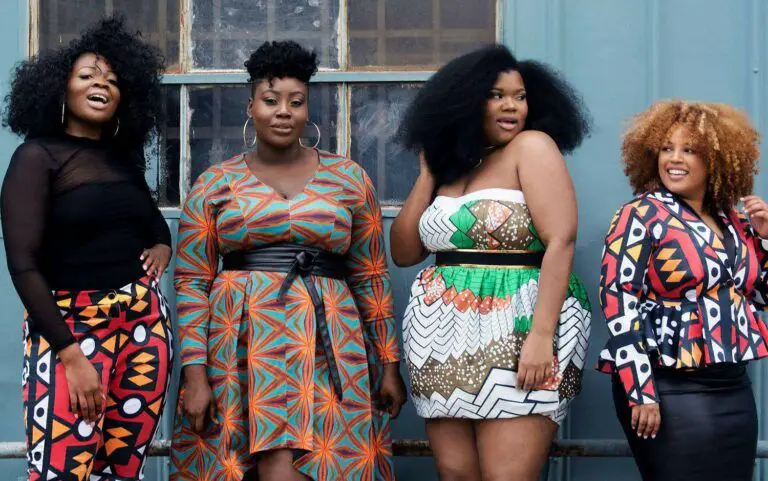
Many plus-size women say they were encouraged for years to stick with black because darker colors were considered “slimming.” Contemporary fashion largely rejects that advice. Designers consistently feature bold shades, saturated monochromes, and vibrant prints across extended-size collections.
Color theory focuses on harmony, contrast, and personal preference rather than body size. Rich cobalt blues, vivid reds, emerald greens, and sunny yellows can create striking outfits regardless of the number printed on a clothing label.
Trendy Pieces Are Considered “Off Limits”
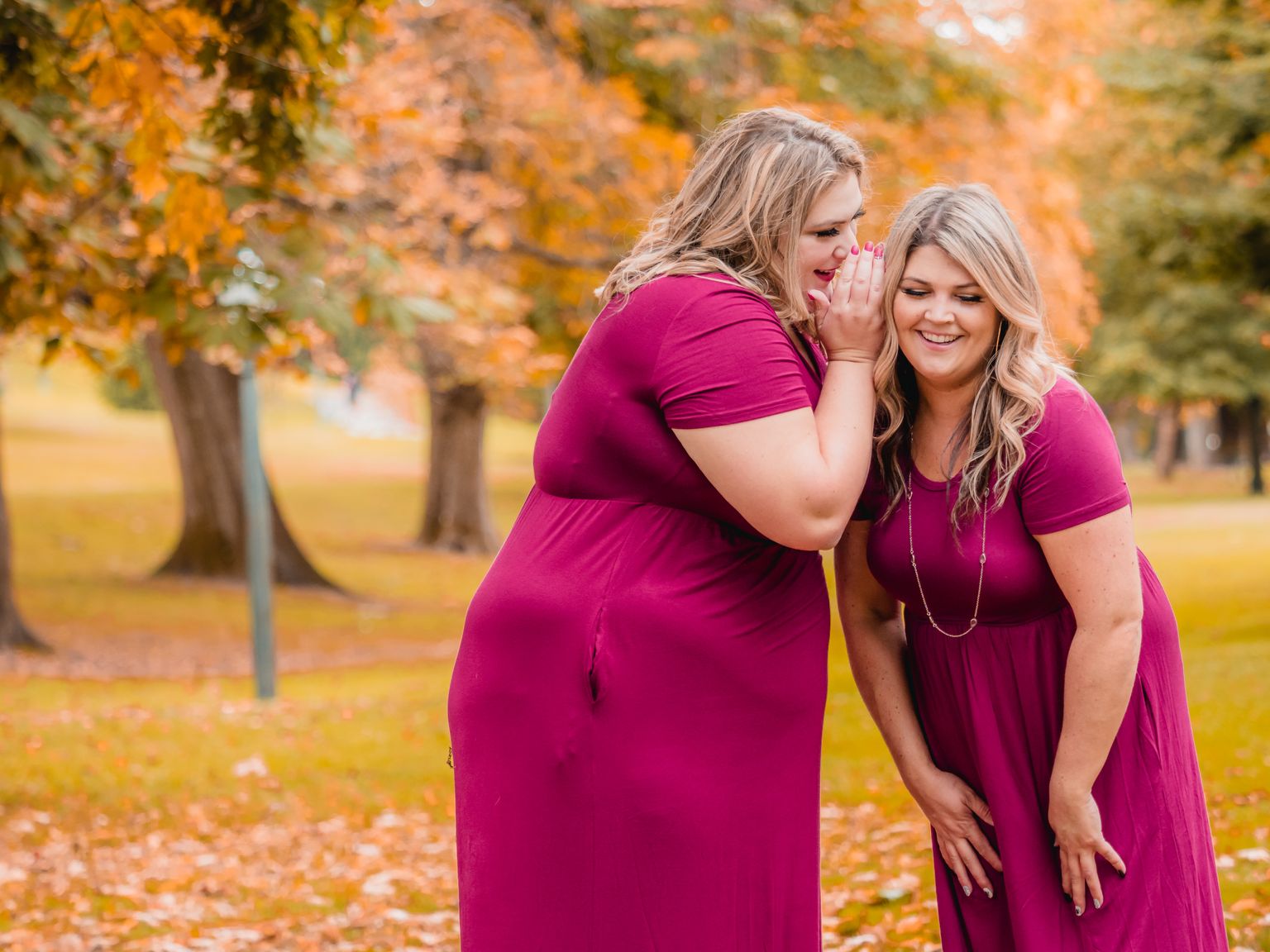
Fashion trends often arrive in extended sizing months after standard-size collections, if they arrive at all. Even when trendy garments become available, some plus-size women say they encounter opinions suggesting certain looks are reserved for thinner bodies.
Industry analysts continue to identify delayed size inclusivity as a major retail challenge despite growing consumer demand. Fashion professionals increasingly argue that trends succeed because they inspire creativity, making body size an unnecessary limitation on personal style.
Athletic Wear Faces More Scrutiny
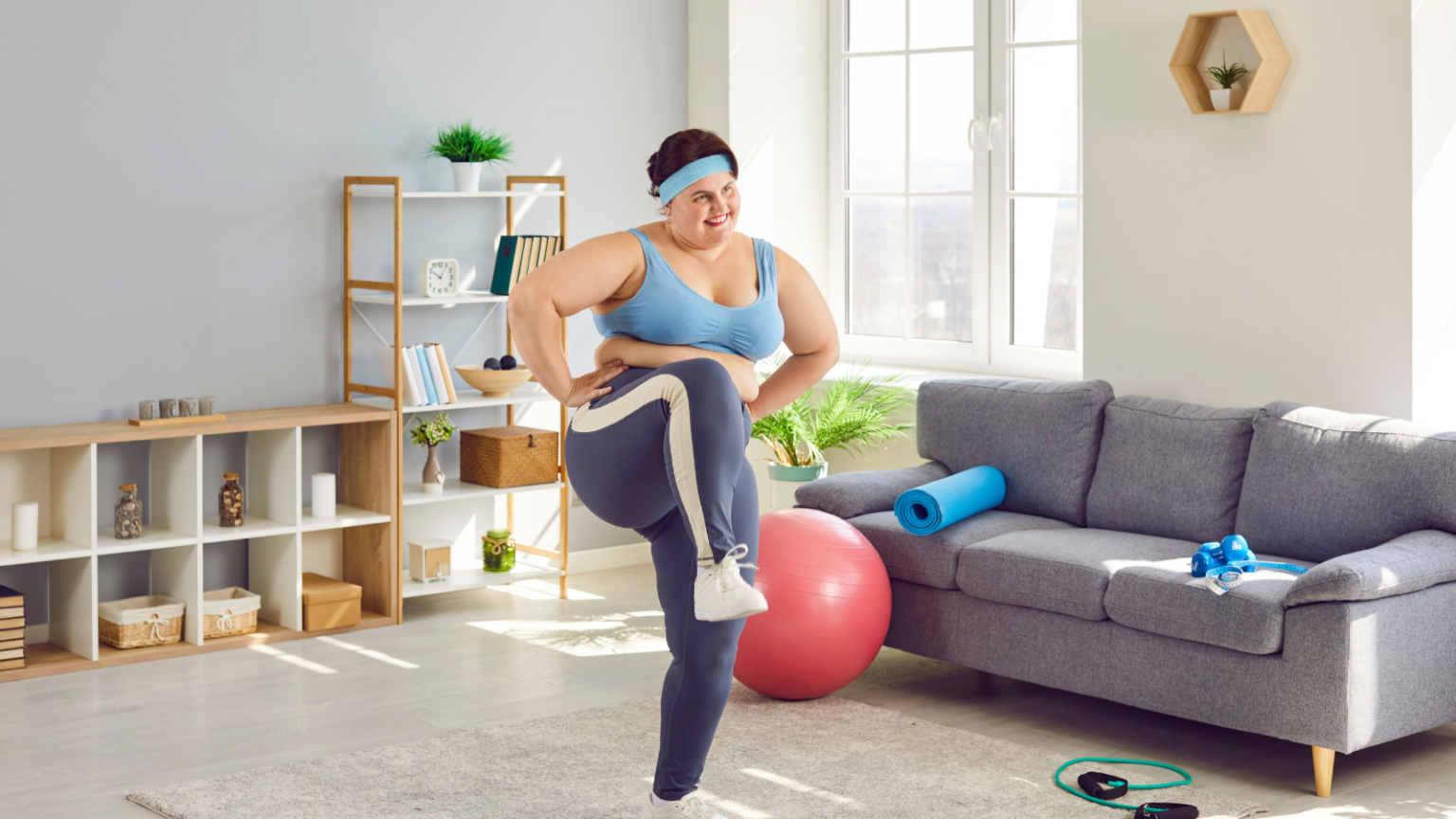
Athleisure has become everyday clothing for millions of Americans, yet many plus-size women report feeling judged more frequently while wearing leggings, bike shorts, or sports bras in public. Fitness experts consistently emphasize that comfortable, functional clothing supports physical activity regardless of body type.
Brands have expanded performance fabrics into extended sizing, recognizing that athletes and active consumers span the full size spectrum. Many women argue that workout clothing should be evaluated by comfort and performance rather than assumptions about the person wearing it.
Fashion Risks Are Judged More Harshly
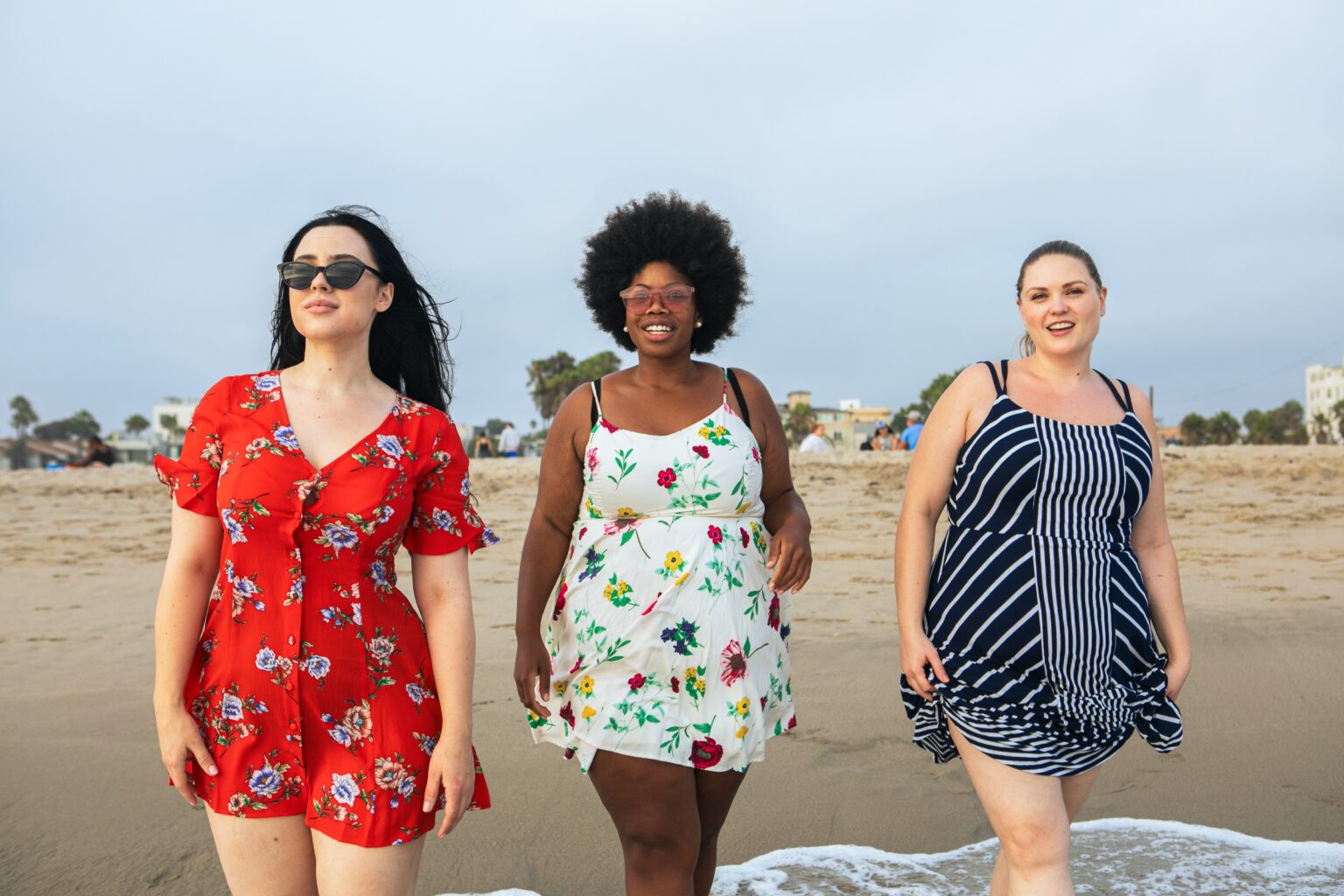
Statement sleeves, dramatic prints, sequins, leather, fringe, and unconventional silhouettes often receive praise when worn by straight-size consumers. Plus-size women, however, frequently describe being advised to “play it safe.”
Personal style naturally develops through experimentation, making bold choices valuable for every consumer. Accessories, texture, and proportion influence the success of an outfit far more than body size alone.
Focus on confidence and intentional styling rather than limiting yourself to supposedly “safe” options.
Shopping Choices Are More Limited
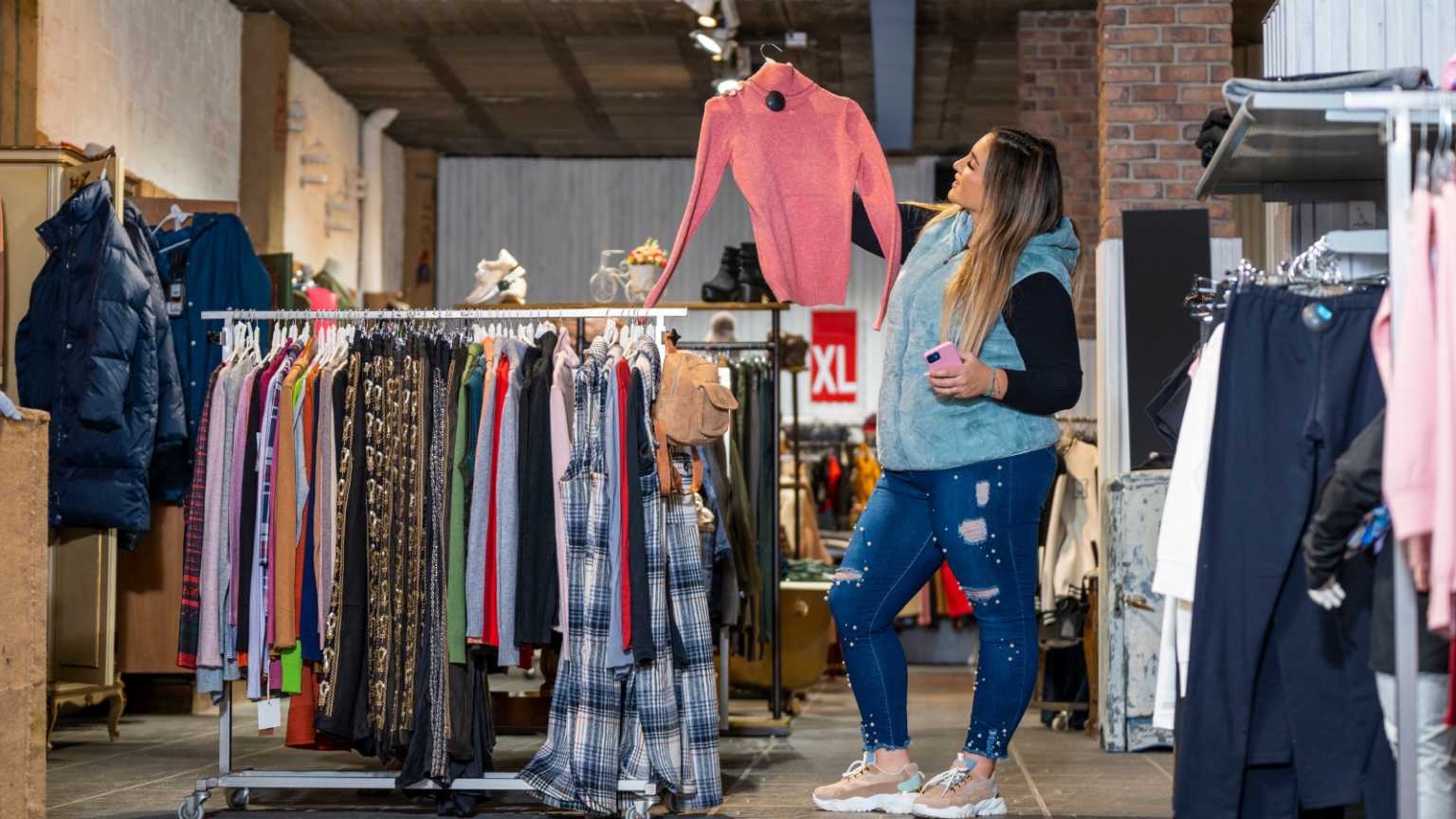
One of the most frequently discussed frustrations involves simple availability. Many retailers still carry only a portion of their extended-size inventory online, preventing shoppers from trying garments on in stores.
Industry reports continue to identify inconsistent sizing and limited stock as persistent barriers for plus-size consumers. Shopping becomes significantly more difficult when customers cannot compare fabrics, cuts, or proportions in person, creating an experience that differs substantially from that of standard-size shoppers.
Compliments Often Carry Hidden Assumptions

Many plus-size women say compliments sometimes include qualifiers such as “You look slimmer in that,” or “That outfit is surprisingly flattering.” Although usually intended positively, these comments can imply that looking smaller is the ultimate goal.
Fashion psychologists note that compliments centered on creativity, color coordination, or individual style often feel more meaningful because they acknowledge fashion choices rather than body size. Clothing serves as self-expression, making thoughtful observations more valuable than comparisons to appearance.
Professional Dress Codes Can Feel Different
Tailored blazers, pencil skirts, sleeveless dresses, and fitted trousers may be considered polished on one employee while attracting comments about professionalism on another. Workplace dress expectations continue evolving as offices adopt more flexible standards, yet some plus-size professionals say perceptions remain inconsistent.
Human resources specialists generally recommend evaluating attire based on workplace guidelines rather than on subjective opinions about body shape. Equal standards create clearer expectations for everyone.
Confidence Is Sometimes Misinterpreted
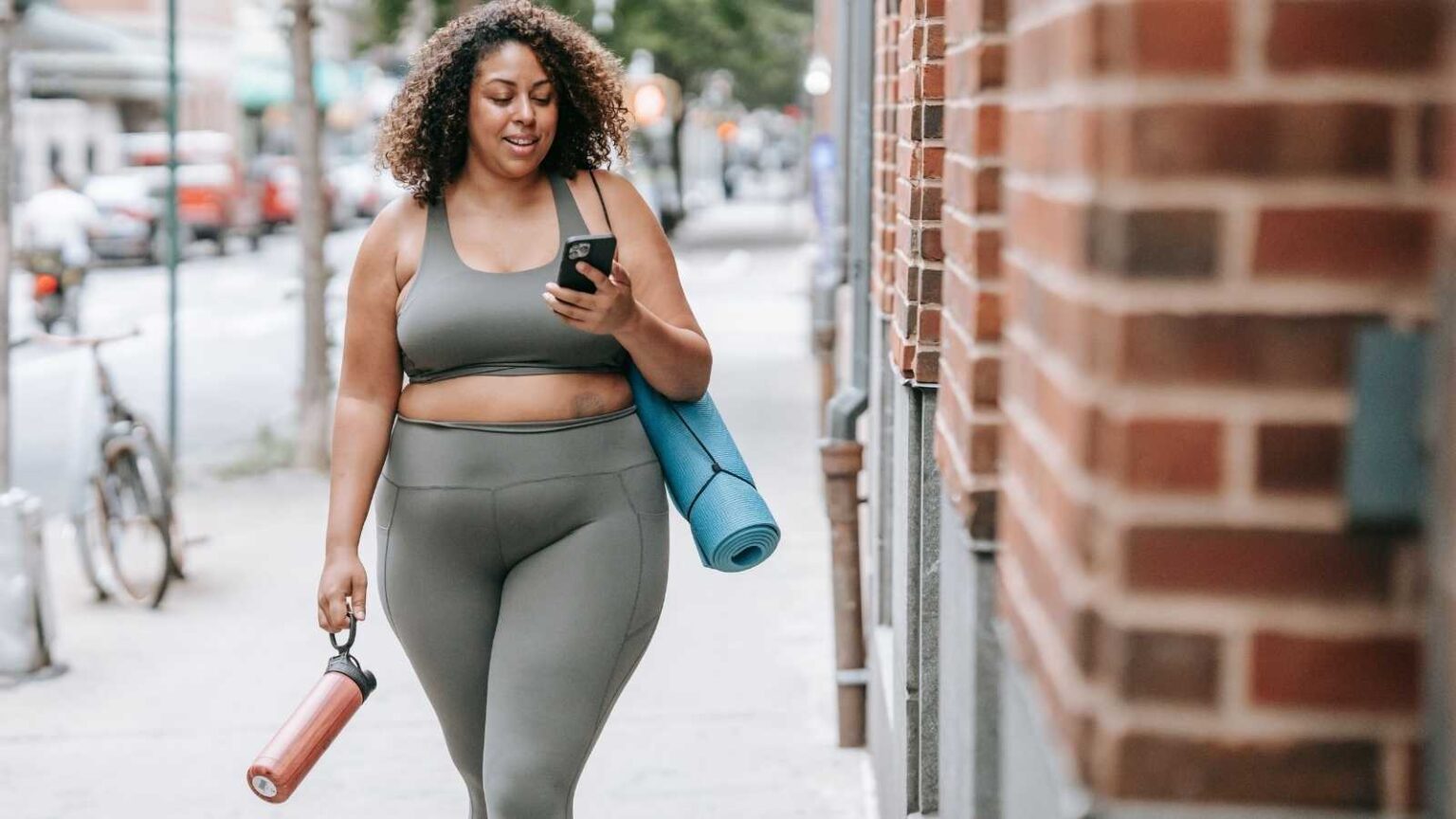
Confident dressing often receives praise until it challenges long-standing assumptions. Plus-size women frequently describe being labeled “attention-seeking” for wearing fashionable outfits that would be considered ordinary on someone else.
Fashion psychologists explain that confidence develops through authenticity and repeated positive experiences rather than external approval. Wearing clothing that reflects personality should not require justification based on body size.
Personal style flourishes when confidence becomes an internal choice instead of a public performance.
Size Inclusivity Is Still Treated as a Niche Issue
Extended sizing represents millions of consumers, yet plus-size fashion is sometimes discussed as though it serves a small specialty audience. The numbers tell a different story. Market analysts continue to report strong growth in the plus-size apparel sector, alongside increasing consumer demand for stylish, well-designed clothing across broader size ranges.
Fashion professionals argue that size inclusivity benefits retailers as well as shoppers because broader product offerings expand customer loyalty and purchasing opportunities. Many consumers view inclusive sizing as good business rather than a temporary trend.
Key Takeaways

- Plus-size women say fashion double standards often extend beyond clothing into assumptions about confidence and appropriateness.
- Research shows consumer demand for inclusive sizing continues to grow faster than many retailers have responded.
- Modern stylists increasingly reject outdated ideas that certain colors, trends, or silhouettes belong to specific body types.
- Shopping accessibility remains one of the industry’s biggest opportunities for improvement.
- Confidence, fit, quality, and personal taste play a greater role in successful style than clothing size.
- Inclusive fashion benefits consumers and brands by expanding choice and representation.
- Personal style becomes stronger when individuals dress according to their preferences instead of outdated expectations.
Disclaimer: This list is solely the author’s opinion based on research and publicly available information. It is not intended to be professional advice.
Like our content? Be sure to follow us
MORE TCF GAMES