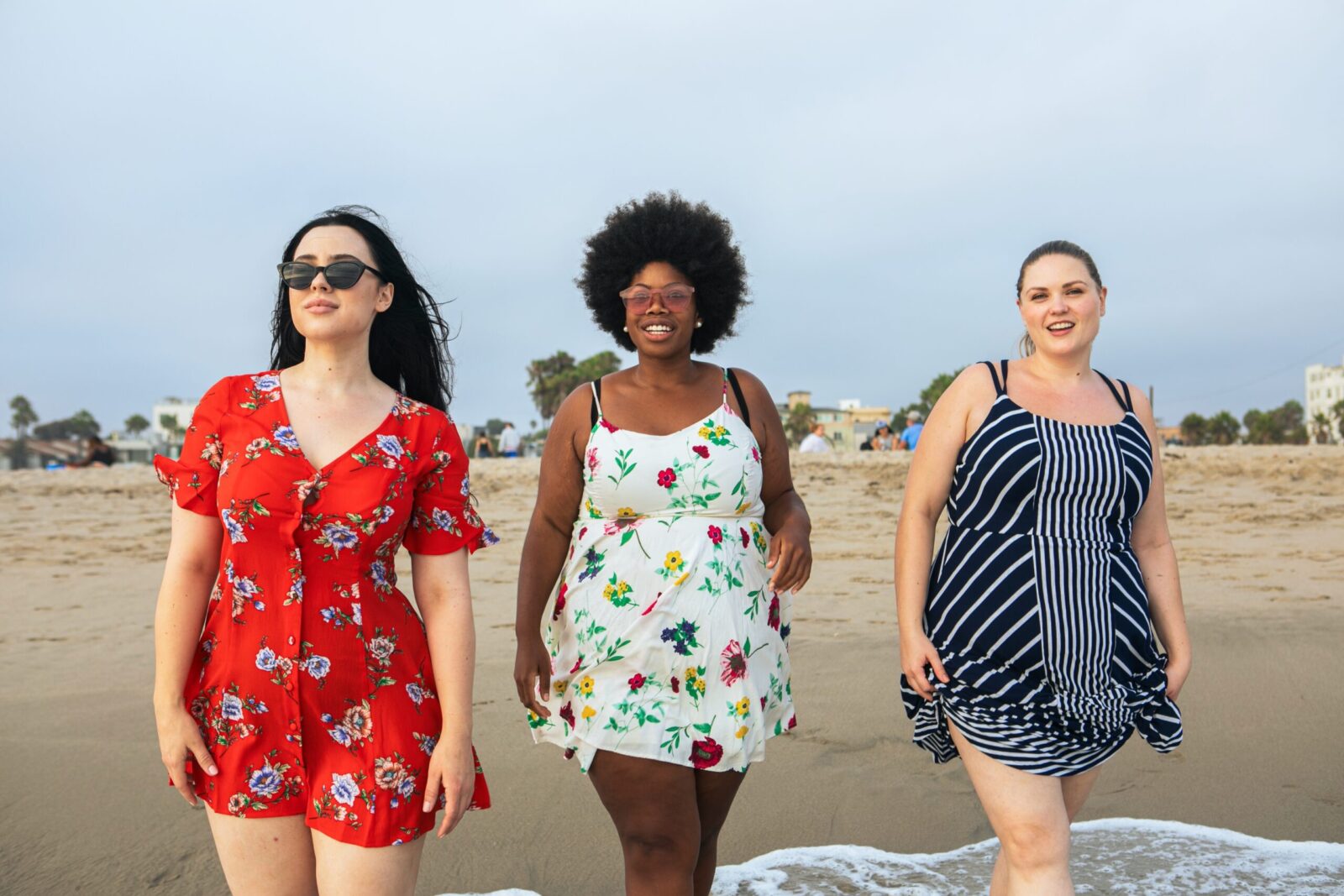
The nagging voice that tells you something is wrong with your body may not have started with you. If it sometimes feels like everyone is unhappy with the way they look, the numbers suggest you’re not imagining it.
A 2023 survey by the Mental Health Foundation found that 34% of adults have felt anxious or depressed because of concerns about their body image, while 40% of teenagers said images on social media caused them to worry about the way they look.
Meanwhile, the American Psychological Association (APA) says repeated exposure to idealized images online is linked to greater body dissatisfaction, particularly among young people. Those figures help explain why a growing conversation has emerged across social media, podcasts, therapy offices, and even dinner tables: What if many of the insecurities we carry about our appearance were never truly ours to begin with?
It’s a question that has resonated with millions because it shifts the focus away from fixing individual bodies and toward understanding the culture that shapes how people see themselves. Rather than asking why someone dislikes their nose, stomach, wrinkles, or skin, more psychologists are encouraging people to ask a different question: Who taught me that this was a problem?
The Body Image Conversation Has Changed
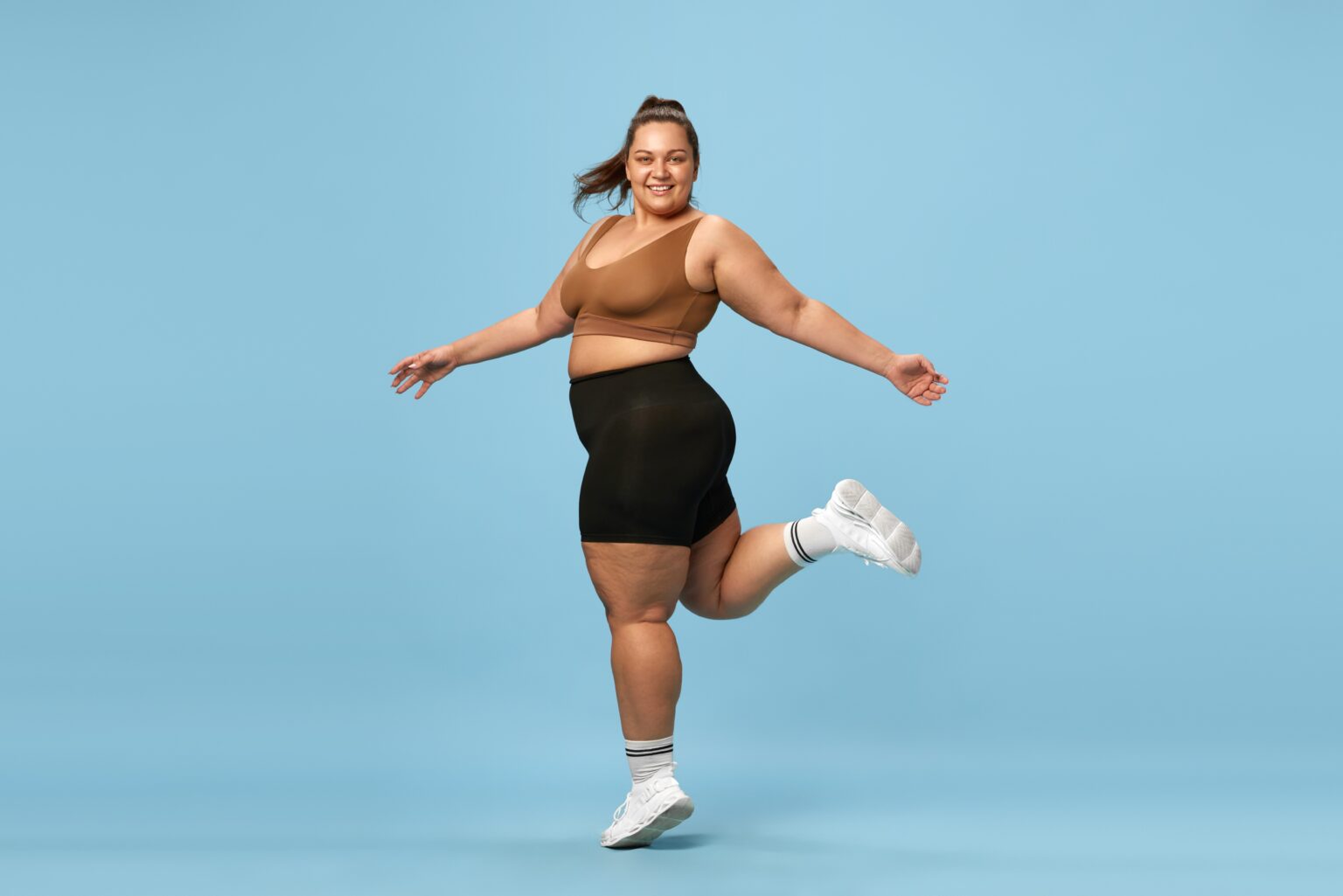
For decades, discussions about body image often centered on confidence or self-esteem, with the assumption that individuals simply needed to think more positively about themselves. Today’s conversation is noticeably different.
Mental health professionals increasingly recognize that body image is influenced by a combination of biology, family experiences, cultural expectations, advertising, and digital media. Instead of treating insecurity as a personal failing, researchers now view it as shaped by the environment in which people grow up.
That shift is happening alongside an explosion of social media platforms where appearance has become a form of currency. Filters, editing tools, cosmetic procedures, and highly curated lifestyles have created a world where unrealistic beauty standards can feel surprisingly ordinary.
For many people, especially younger generations, comparing themselves to polished online images isn’t an occasional experience; it’s part of daily life.
The Beauty Standards We Chase Are Constantly Changing

One of the strongest arguments that body insecurities are socially constructed is how dramatically beauty ideals have changed throughout history. Different eras have celebrated completely different body types, skin tones, hairstyles, facial features, and even signs of aging.
Fuller bodies have represented health and prosperity in some cultures, while thinness became fashionable in others. Curves that were once criticized later became celebrated. Thick eyebrows disappeared from fashion before making a dramatic comeback.
These rapid shifts reveal something important. If beauty standards can change within a single generation, then many of the physical traits people criticize about themselves cannot be objectively flawed. Instead, they often reflect temporary cultural preferences.
What feels like a deeply personal insecurity may actually be a response to changing social expectations.
Children Begin Absorbing These Messages Surprisingly Early
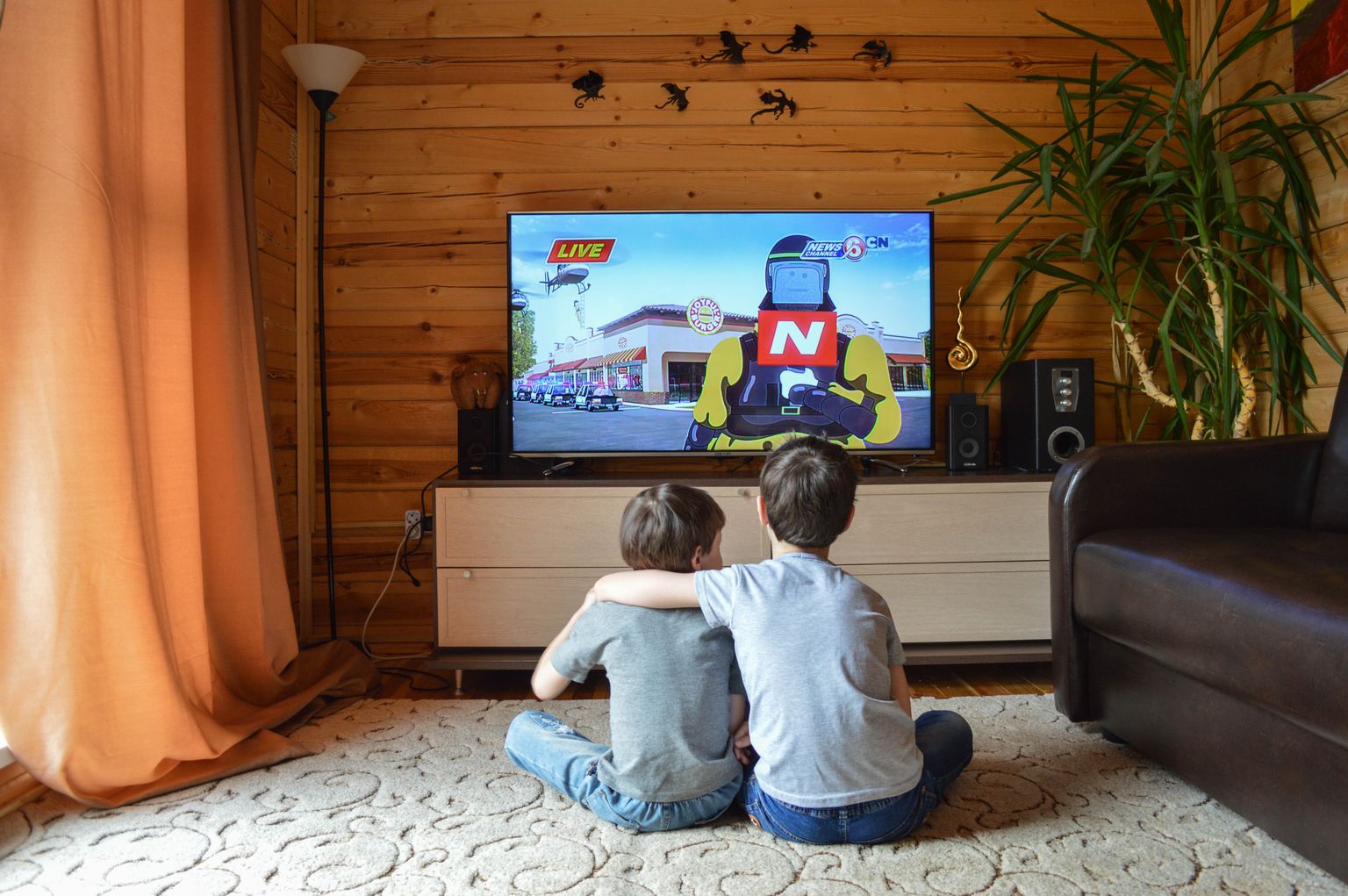
Body image doesn’t suddenly appear during adolescence. According to research from the American Psychological Association, children begin developing beliefs about appearance at very young ages through family conversations, television, classmates, advertising, and increasingly, digital media.
A child who repeatedly hears adults criticize their own weight may begin to believe that appearance determines self-worth long before they understand nutrition or health. Similarly, praise focused primarily on looks can unintentionally reinforce the idea that physical appearance is a person’s most valuable quality.
These lessons often become so deeply internalized that they feel like personal opinions by adulthood.
Social Media Has Intensified an Old Problem
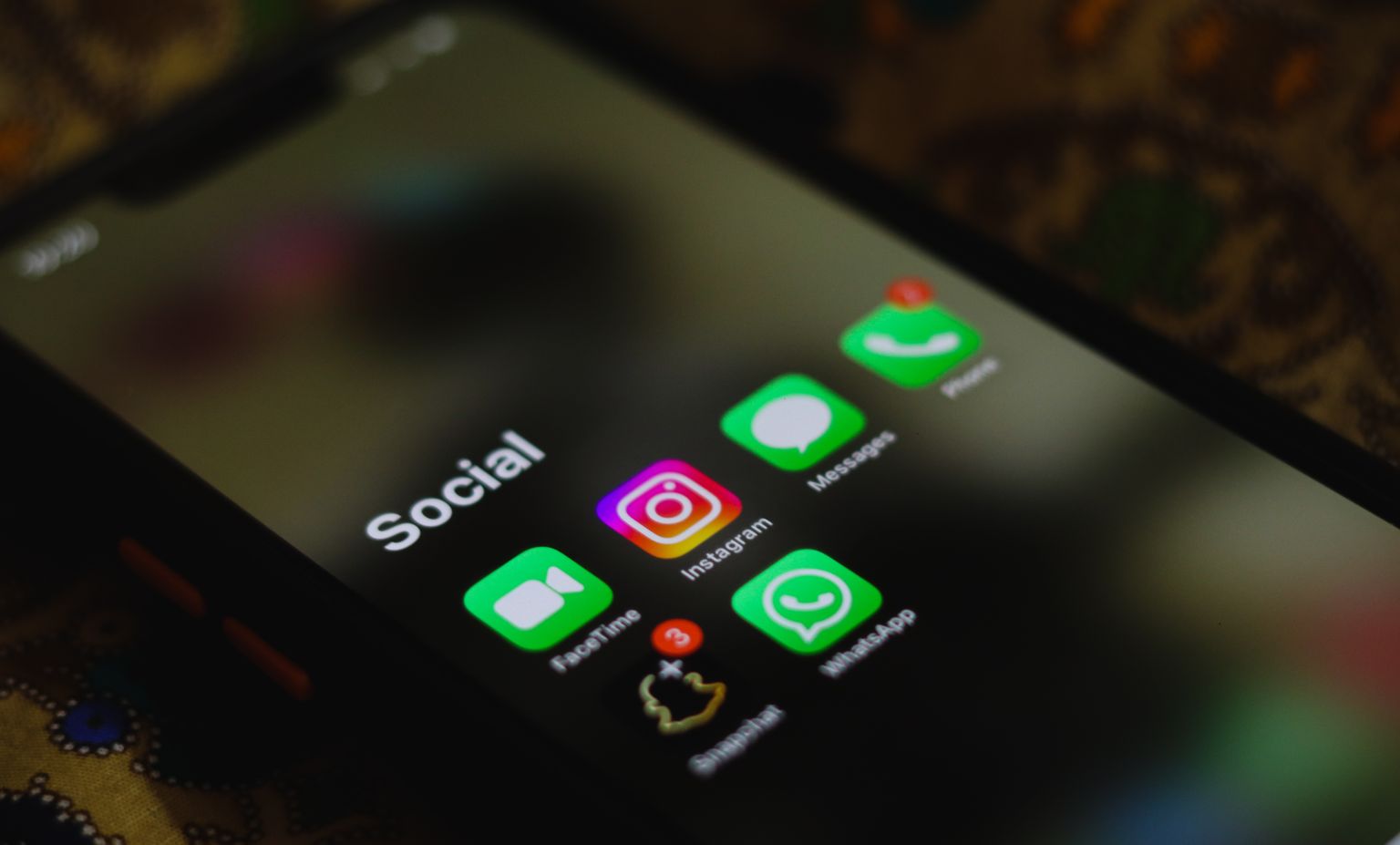
Comparing ourselves with others isn’t new. Humans have always evaluated themselves against friends, coworkers, classmates, or neighbors. What’s different today is the scale. Instead of comparing themselves to a handful of people, users now scroll through hundreds or even thousands of carefully selected images every week.
Many influencers, celebrities, and creators use professional lighting, editing software, cosmetic treatments, filters, or strategic posing. Even when audiences understand that intellectually and emotionally, those images still influence perceptions of what “normal” should look like.
Research published in the journal Body Image has repeatedly found associations between appearance-focused social media use and lower body satisfaction, particularly among adolescents and young adults.
The issue isn’t simply social media itself. It’s the constant exposure to unrealistic comparisons without seeing the ordinary moments that exist outside the camera frame.
The Business of Insecurity Is a Very Profitable One
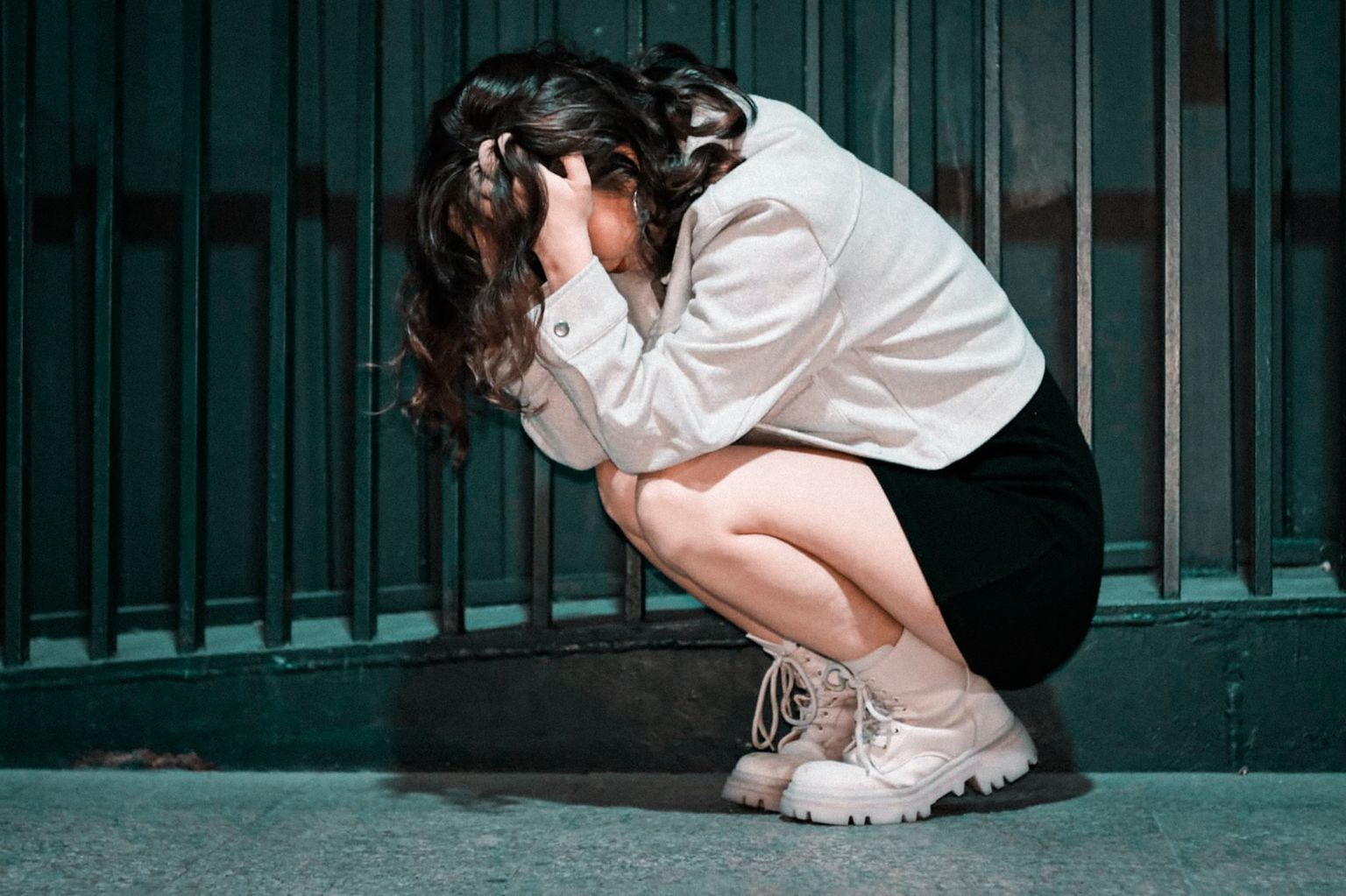
Beauty itself isn’t the problem. The beauty and personal care industry offers products that many people genuinely enjoy and that can boost confidence. However, marketing often works by identifying or creating a perceived flaw before offering a solution. Gray hair becomes something to hide.
Wrinkles become something to erase. Stretch marks become something to fade. Natural skin texture becomes something to smooth. According to Statista, the global beauty and personal care market generates hundreds of billions of dollars annually, making appearance one of the world’s largest consumer industries.
While there’s nothing inherently wrong with wanting to improve one’s appearance, critics argue that constantly expanding the definition of what needs “fixing” can leave consumers feeling as though they’re perpetually falling short.
Many Therapists Are Encouraging a Different Goal

One of the biggest changes in mental health discussions has been the growing popularity of body neutrality. Unlike body positivity, which encourages people to love their appearance, body neutrality suggests that appearance doesn’t always need to be the focus.
Instead of asking whether you love your stomach or your wrinkles today, body neutrality asks whether your body allows you to experience life.
Can it hug your children? Take you hiking? Dance at a wedding? Recover after illness? Laugh with friends? For many people, appreciating what the body does rather than constantly evaluating how it looks feels more realistic than trying to maintain unwavering body confidence every day.
Not Everyone Agrees With the Cultural Explanation
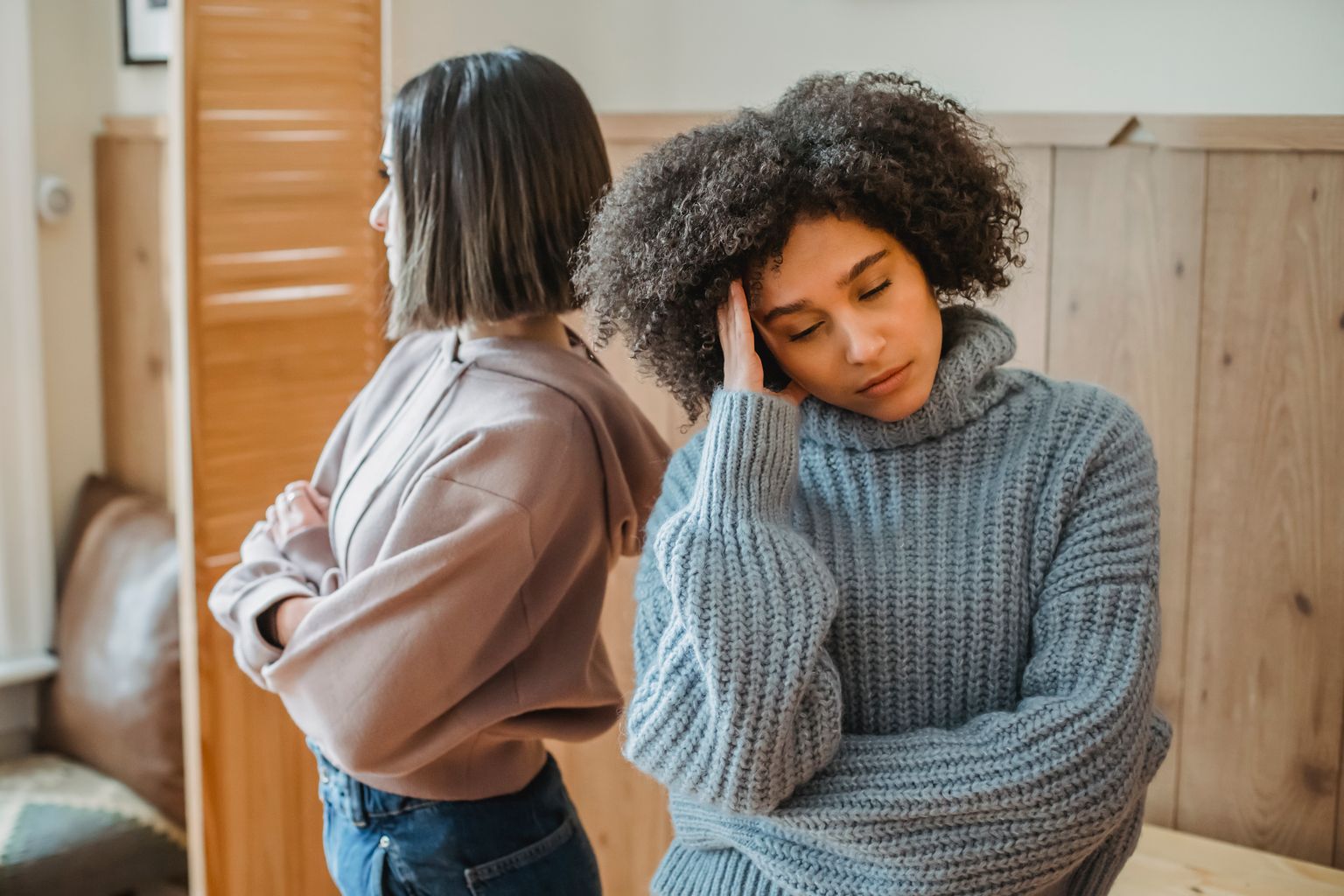
Of course, body image isn’t shaped entirely by society. Some researchers point out that biology, personality, mental health conditions, and genetics also influence how individuals perceive themselves.
Others argue that improving physical health, fitness, or grooming can genuinely increase confidence without necessarily reflecting unhealthy beauty standards. The discussion isn’t about pretending appearance doesn’t matter.
Rather, it’s about recognizing that many standards people use to judge themselves were inherited from culture rather than chosen independently. Understanding that difference can reduce shame while allowing people to make personal choices from a healthier mindset.
Why This Conversation Resonates Now

The growing discussion around body insecurities reflects a broader cultural shift. People are becoming more willing to question assumptions that previous generations often accepted without challenge.
Just as conversations around work-life balance, mental health, and relationships have evolved, body image is increasingly viewed through the lens of social influence rather than individual weakness. Recognizing where insecurities come from doesn’t automatically erase them. But it can make them easier to challenge.
Key Takeaways

The mirror may show our reflection, but it doesn’t tell us how to interpret what we see. That interpretation is often shaped by childhood experiences, advertising, social media, family conversations, peer comparisons, and cultural trends that change far more quickly than our bodies ever could.
The growing body image conversation isn’t asking people to stop caring about their appearance. Instead, it’s encouraging a more important question: Which of our insecurities genuinely belong to us, and which ones were quietly handed to us by the world around us?
As more people ask that question, they’re discovering that the harshest voice in the mirror may never have been their own in the first place.
Disclaimer: This list is solely the author’s opinion based on research and publicly available information. It is not intended to be professional advice.
Like our content? Be sure to follow us
MORE TCF GAMES