

I had this conversation twice this week.
Not a similar conversation. The same one. Almost word for word- about the plus size fashion market. An executive, someone whose brand literally depends on plus size women opening their wallets, asking whether GLP-1s are going to “kill” the market.
And both times, I had to pause. Take a breath. And decide how to respond to someone who, despite years in this industry, still fundamentally does not understand the community they are supposed to be serving.
The first time this happened to me wasn’t this week. It was four years ago. A phone call. An executive sitting in a C-suite role, overseeing the direction of a plus size brand, asked me a question that stopped me cold. I don’t remember exactly how they phrased it, but the substance of it was clear: they genuinely did not understand that the plus size consumer wanted connection. Community. To be seen. Not just to be sold to.
That paralyzed me for a second. Because this was not a junior marketer finding their footing. This was someone with real decision-making power over a brand that plus size women were trusting with their dollars. And the fundamental reality of who that customer was, what she needed, what she remembered, what made her stay or walk away forever, was not in their frame at all.
That conversation changed how I see this industry. And it’s part of why I’ve watched with genuine respect as some brands have started adding community-focused roles at the C-suite level, because the smartest ones are finally acknowledging what the rest of us have known for years: you cannot lead a plus size brand off an outdated playbook written for a consumer who was never your customer to begin with.
What I’m watching right now, with all the GLP-1 anxiety rippling through boardrooms and buying meetings, is that same blind spot, just louder, and with pharmaceutical vocabulary attached.
So, let’s talk about it.
We Have Been Here Before
Let me offer a brief history lesson, because apparently we need one.
Fen-Phen. Phen-Phen. The Atkins Revolution. South Beach. Weight Watchers. Jenny Craig. HCG drops. Beachbody. Slim-Fast. The cabbage soup diet. Low-fat everything. Low-carb everything. Keto. Noom. The 21-Day Fix. Every magazine cover promising a new body by summer since approximately 1987.
Diet culture is not new. Weight loss as a billion-dollar industry is not new. The promise that this time, this program, this pill will finally fix the problem, that has been the background music of plus size women’s lives for decades.
And through every single one of those cycles? The plus size market grew.
The global plus size clothing market is valued at $244.85 billion in 2025 and is projected to reach $395.60 billion by 2034. That trajectory didn’t appear despite decades of diet culture. It appeared alongside it.
Right now, approximately 10 million Americans are on GLP-1 medications. Projections put that number at 25 million by 2030, and that’s the optimistic end of the estimate. In a country of 330 million people, with a market built on a customer base that represents the majority of American women, executives are treating this like a four-alarm fire.
Here’s what the data actually says: non-diabetic GLP-1 users plan to stay on the medication for an average of about 18 months, with side effects being the primary reason people stop. These are not permanent, at-scale, demographic-shifting transformations. They are individual health choices, happening in varying timelines, with varying results, in a community that has seen every iteration of this story before.
And even among people actively losing weight on GLP-1s? They still need clothes. According to CNBC, purchase volume for large, extra large, and plus size apparel combined grew 6% in March 2026 compared to the prior year, on resale platforms alone! The market doesn’t disappear when people change sizes. It shifts. Clothes still need to be bought. Bodies still need to be dressed.
The panic isn’t based on the data.
The panic is based on a fundamental misunderstanding of who this customer is and how she moves, and if we’re being honest, on a deeply ingrained ignorance and bias about plus size people that the industry has never fully reckoned with.
The Real Problem Has Nothing to Do with GLP-1s
Here is what I need you to understand: the executives losing sleep over Ozempic are the same ones who never built real relationships with this community in the first place.
That’s not an accident. That’s the actual problem.

And it’s exactly why I have been preaching, for years, about the urgent need for plus size people in leadership at plus size brands. Not as a diversity checkbox. Not as a token hire. In the rooms where the decisions get made.
Because how can you serve a customer you do not understand, or worse, do not care to understand? When you refuse to walk in her shoes, or even take the time to understand how she feels navigating a world and an industry that has historically treated her as an afterthought?
You can’t. And the GLP-1 panic is the proof.
The plus size fashion market has always operated differently than mainstream fashion. The metrics are different. The decision-making process is different. The role a brand plays in someone’s life is different, because for decades, plus size women were told by the industry that they didn’t deserve to be there. So when a brand actually showed up? Consistently, authentically, with real investment? That loyalty went deep. And it stayed.
You cannot run a plus size brand or operate in the plus size fashion market with the same emotional detachment you’d apply to a straight-size category and expect the same results.
In this space, emotional intelligence is not a soft skill. It is a business strategy. It is the moat.
Research consistently shows that when customers develop an emotional connection with a brand, especially in communities built around shared identity and belonging, they become loyal in a way that traditional acquisition models can’t replicate. They spend more. They stay longer. They bring people with them.
A study published in the Asian Journal of Public Opinion Research found a significant relationship between brand community belonging and purchasing loyalty, when emotional bonds exist within a brand’s community, they directly influence buying decisions.
Research on emotional branding further confirms that brands creating communal spaces build the highest degrees of customer commitment and advocacy, and that community members spend significantly more than non-members over time.
This is not theory. We’ve watched it play out in real time.

Eloquii is the example I keep coming back to. They invested in the community. They showed up at events. They put plus size women in their marketing, not as a token gesture, but as the entire point. They celebrated the community and let the community celebrate them back.
The result?
Eloquii customers had a Customer Lifetime Value of $251 compared to $204 at Torrid, measured one and a half years after a customer’s first purchase. A smaller brand, with deeper value per customer, because trust has a dollar value.
That’s what emotional investment looks like on a balance sheet.
The Metrics You’ve Been Using Were Never Right for This Plus Size Fashion Market
Let’s define something first, because it keeps coming up in this conversation and deserves more than a buzzword: emotional intelligence, or EQ.
In psychology, EQ is the ability to recognize, understand, and respond to the emotions of others in ways that build trust and connection. In business, it’s the capacity to understand what your customer actually feels, not just what she buys, and to act on that understanding consistently and authentically.
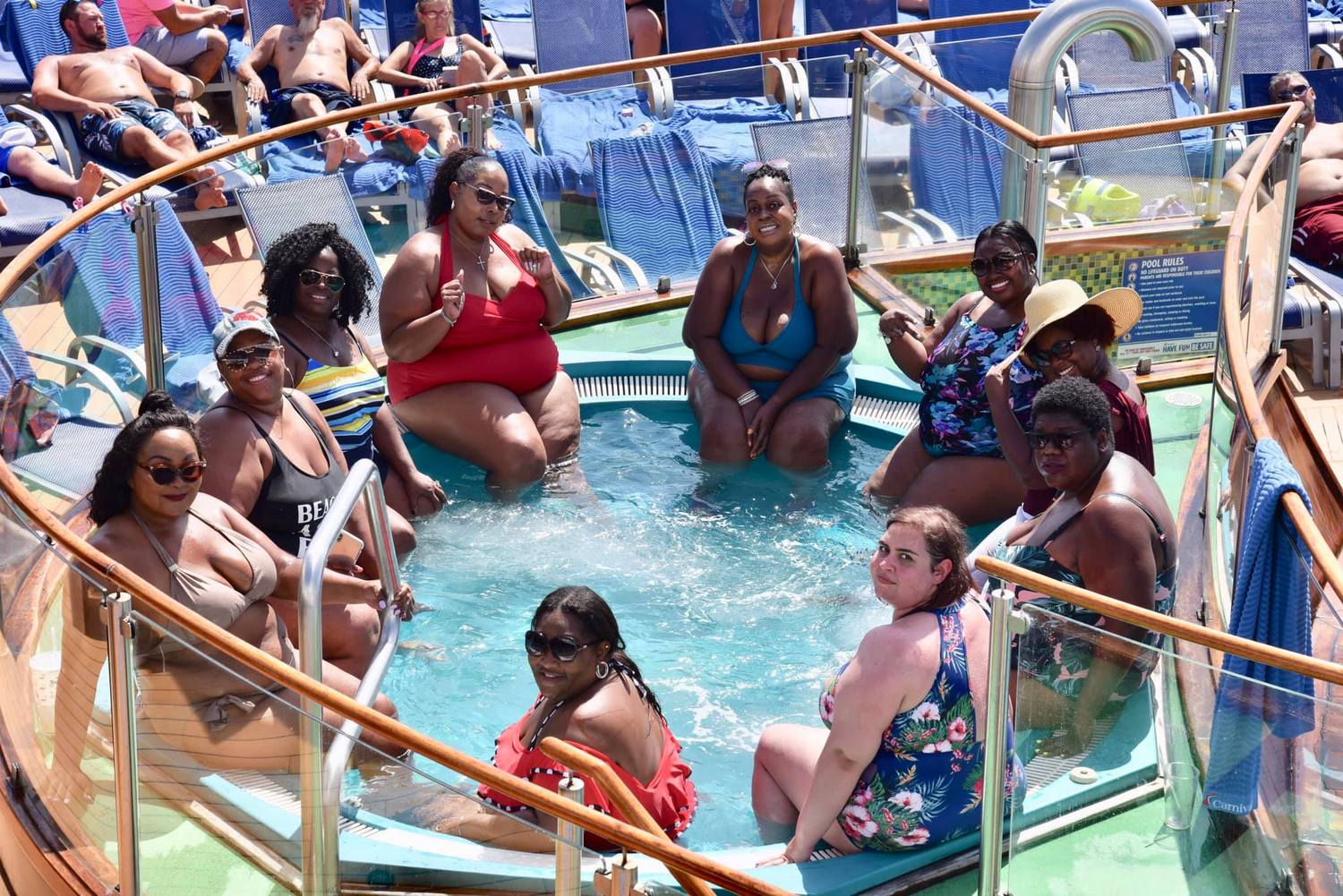
In plus size fashion? EQ is the whole game.
Here’s why this market is different. The plus size shopper has not been a neutral consumer with neutral shopping experiences. She has spent years, in many cases decades, being told by the fashion industry that her body was the problem.
She has walked into stores and found one rack in the back. She has ordered online in her size only to receive something that clearly wasn’t designed for her body. She has watched brands use her in a campaign and then quietly discontinue her size range when it got inconvenient.
She has watched brands like Forever 21 and Anthropologie, brands that take her money, treat her like a footnote in their visual identity while centering every campaign around bodies that don’t reflect her. Plus size clothing shot on straight size models. Her size tucked into a corner of the website with zero representation. A whole category of erasure dressed up as commerce.
That history is not background noise. It is the operating context for every purchasing decision she makes.
When a brand actually shows up, with real investment, real representation, real consistency, she notices. And that trust, once earned, converts into something no standard acquisition model can replicate: loyalty that is deep, durable, and vocal.
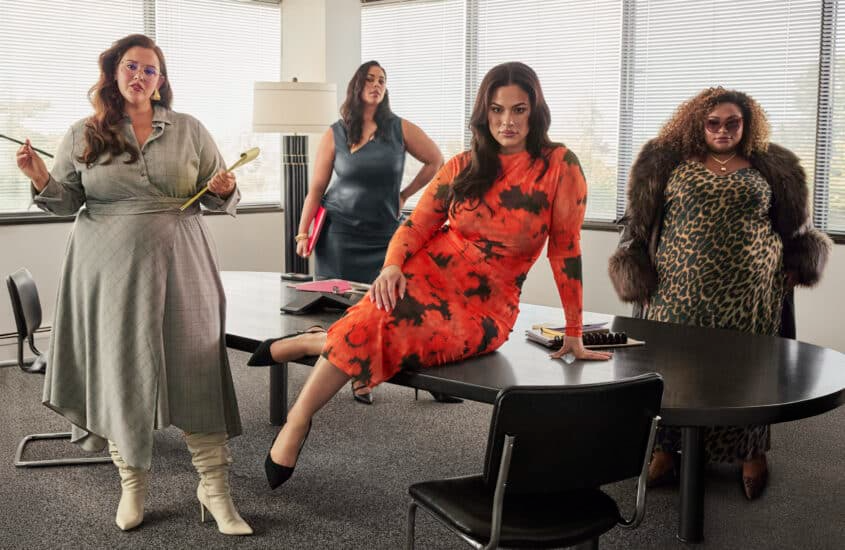
She does not just come back. She brings people with her. She defends the brand in comment sections. She posts the unboxing. She tells her community. Word of mouth in this space has always been more powerful than any ad spend, because the bar for genuinely earning it has always been so high.
That is EQ functioning as a business strategy. And the data backs it up.
Research into the U.S. plus size fashion market shows that brands aligning with inclusivity create stronger emotional connections with customers, connections that strengthen trust and loyalty by demonstrating real commitment to diverse body types.
Okay, can I nerd out with you for a second? Puts on my walking wiki for plus size fashion hat…
Because the numbers here are not subtle, and this is not a feeling. This is financial data making the case that EQ is a revenue strategy.
Now look at what that actually plays out to in real numbers.
The Earnest Analytics data comparing Torrid, Eloquii, Lane Bryant, and Dia & Co found that Eloquii customers had a Customer Lifetime Value of $251 compared to $204 at Torrid, measured 18 months after a customer’s first purchase. Eloquii, a smaller brand by every volume metric, generated more revenue per customer over time. That gap is not a pricing story. It is a relationship story.
Zoom out to the broader apparel industry for context. The average order value across fashion and apparel e-commerce broadly sits around $97. The repeat customer rate for apparel industry-wide runs roughly 20 to 26%.
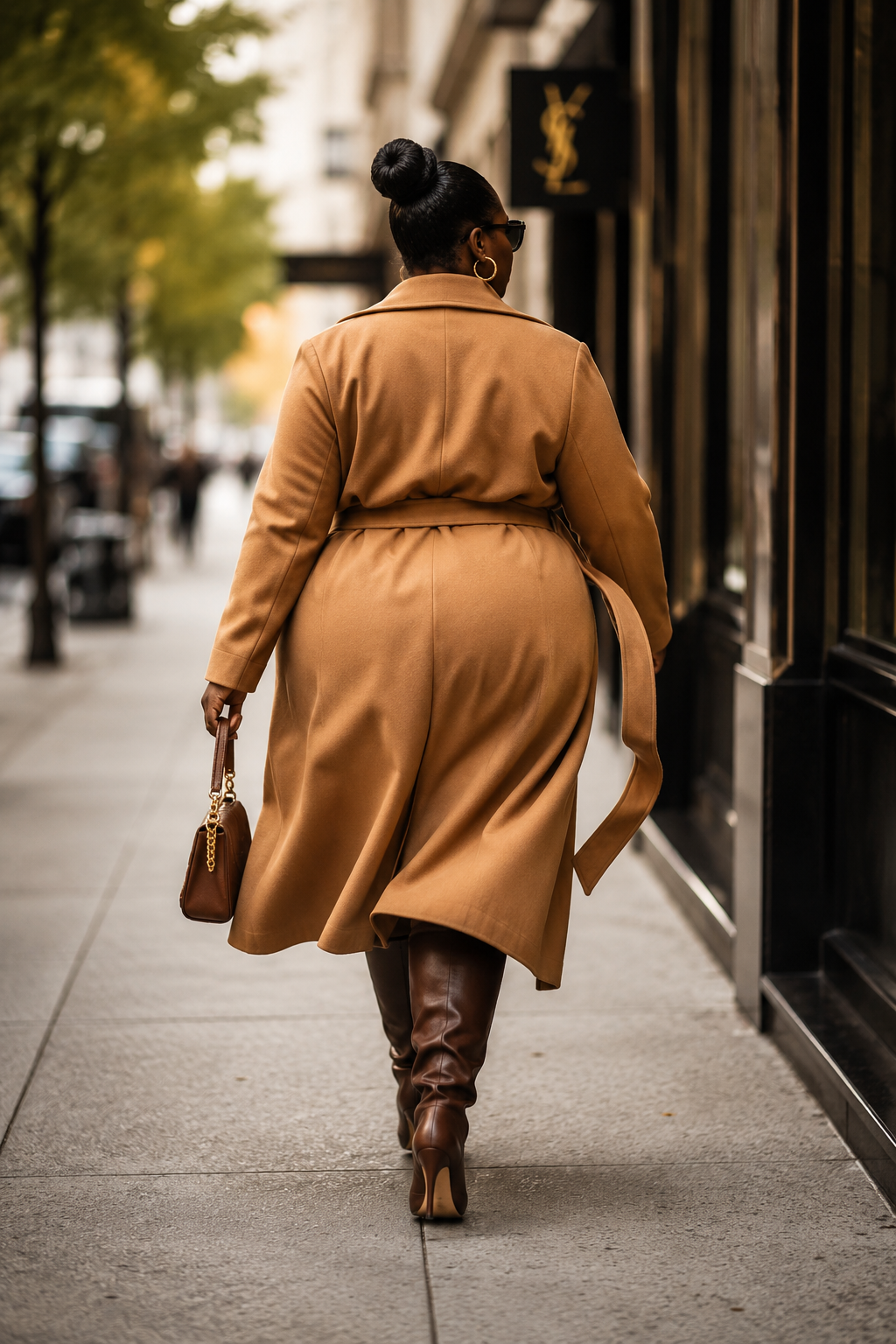
Now consider that Torrid’s loyalty program penetration exceeds 80% of transactions, more than triple the industry average repeat rate. That number was built on years of community-first marketing: real bodies in campaigns, influencer partnerships with actual plus size creators, and a brand identity that made the customer feel like the point, not an afterthought.
The brands outperforming on retention and lifetime value in this space are not doing it through better discount codes or smarter email flows. They are doing it by consistently demonstrating that they understand who their customer is and why she deserves to be here.
That is EQ in practice. And it shows up directly in the P&L.
Not emotional intelligence as a buzzword. Emotional intelligence as a practice: the consistent, sustained, authentic decision to treat the plus size community as a sophisticated, culturally-aware consumer base with real purchasing power and even realer long-term memory.
Not the random executive with zero experience in this space who takes the reins of a plus size brand and immediately tries to apply 1980s stereotypes to a 2026 consumer. Because that is exactly what we are watching play out, and the sizeism and classism underneath it is showing.
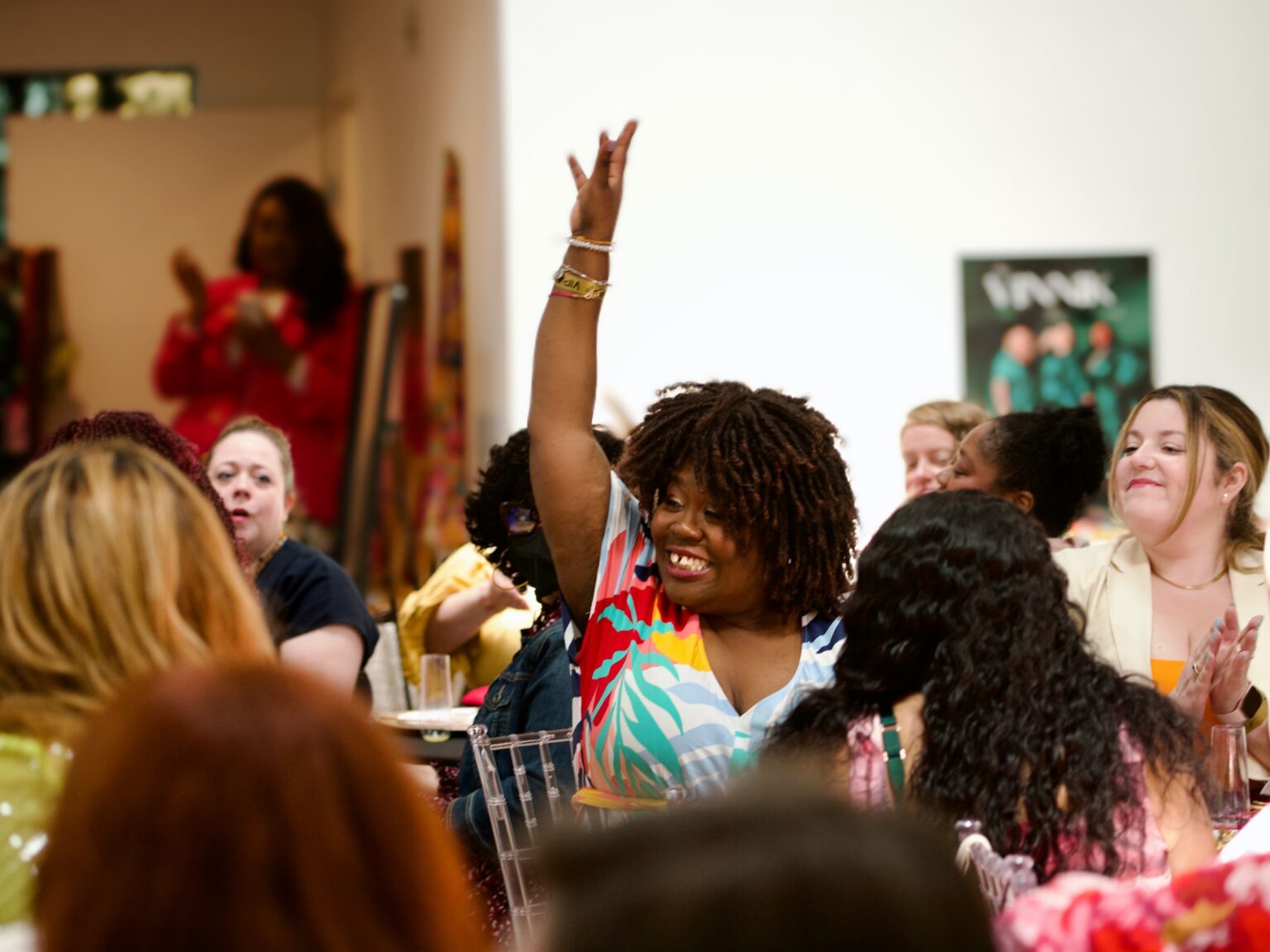
The assumption that plus size women are temporary customers just waiting to become smaller ones? That is not a market insight. That is a bias dressed up in a spreadsheet.
She Remembers. And She Talks.
The plus size shopper has a long memory. She remembers who was there when the industry wasn’t. She remembers who quietly reduced their size range the moment sales slipped. She remembers which brands take her money and won’t put her body in their campaigns. She remembers who stopped carrying her size in stores while still running her image in the ads.
She doesn’t forget. And she talks. Loudly. To everyone she knows.
So let’s be really clear about the two conversations happening in this industry right now.
The brands asking the wrong questions:
- What happens to our numbers if our customers lose weight?
- How do we protect our margins if GLP-1 adoption accelerates?
- Should we start pulling back on extended sizing inventory?
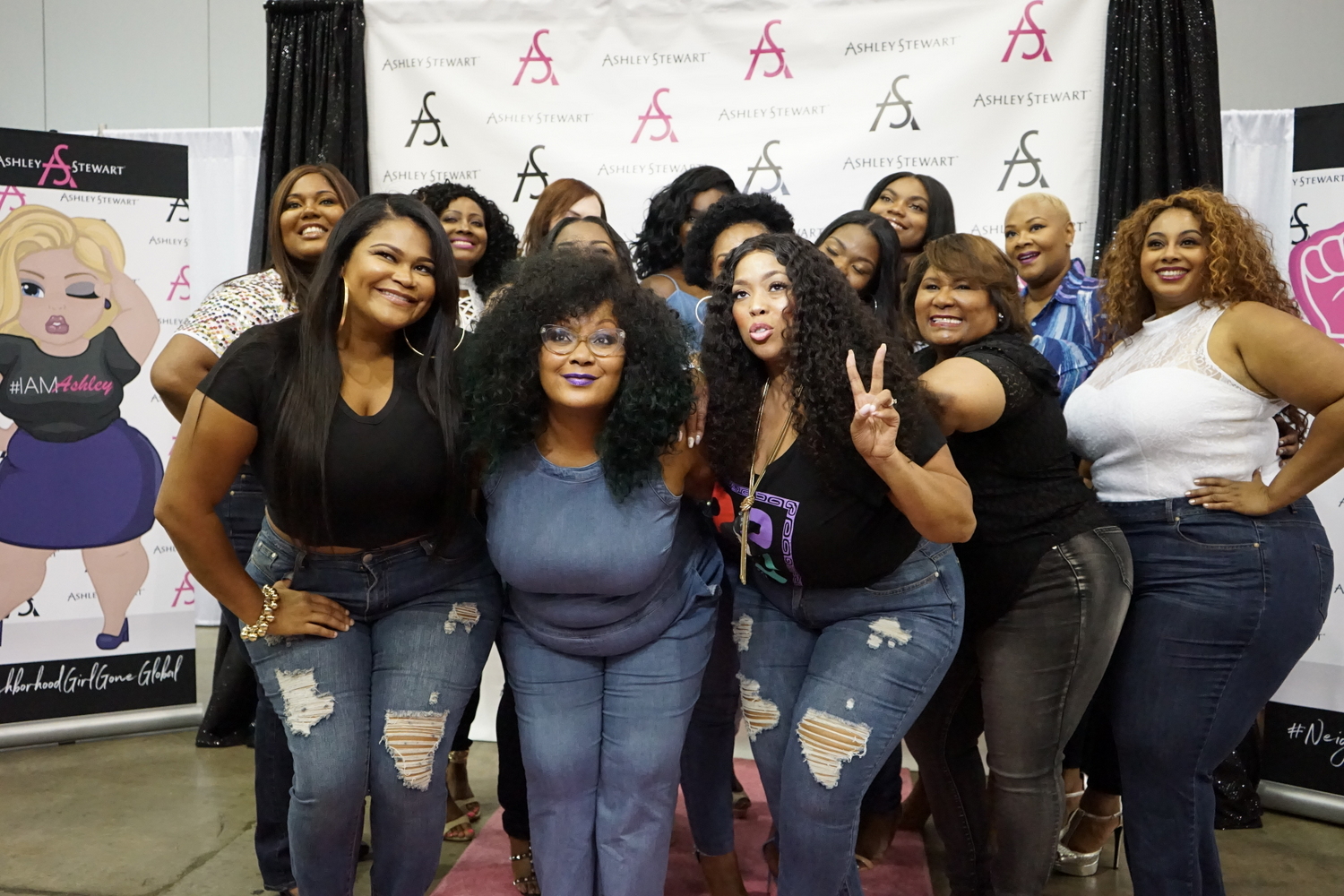
The brands that actually get it are asking something completely different:
- What does our customer need from us right now?
- How do we show up for someone navigating a health journey, a size change, a life in motion?
- What is the actual cost of losing her trust, permanently, because we treated her like a demographic instead of a person?
Those are not the same conversation. They never were.
Brands with 80%+ loyalty program penetration and customers who spend 1.3 to 1.5 times more than non-members didn’t build that by running a cute Instagram grid. They built it by making someone feel like she belonged, consistently, authentically, over time. That belonging is the product. The clothes are just how she experiences it.
You want better numbers? Start there.
What Getting It Wrong Actually Costs
Before we even get to fashion, let me show you this pattern playing out somewhere completely different. Because sometimes the clearest mirror is the one you least expect.
Tim Sparks started as a Pizza Hut dishwasher in 1983. He worked his way up, eventually becoming President of Daland Corporation, one of the largest Pizza Hut franchisee groups in the country. And in 2026, he is converting 80 locations back to the original 1980s format. Red cups. Salad bars. Stained glass lamps. Vinyl booths. The whole thing.
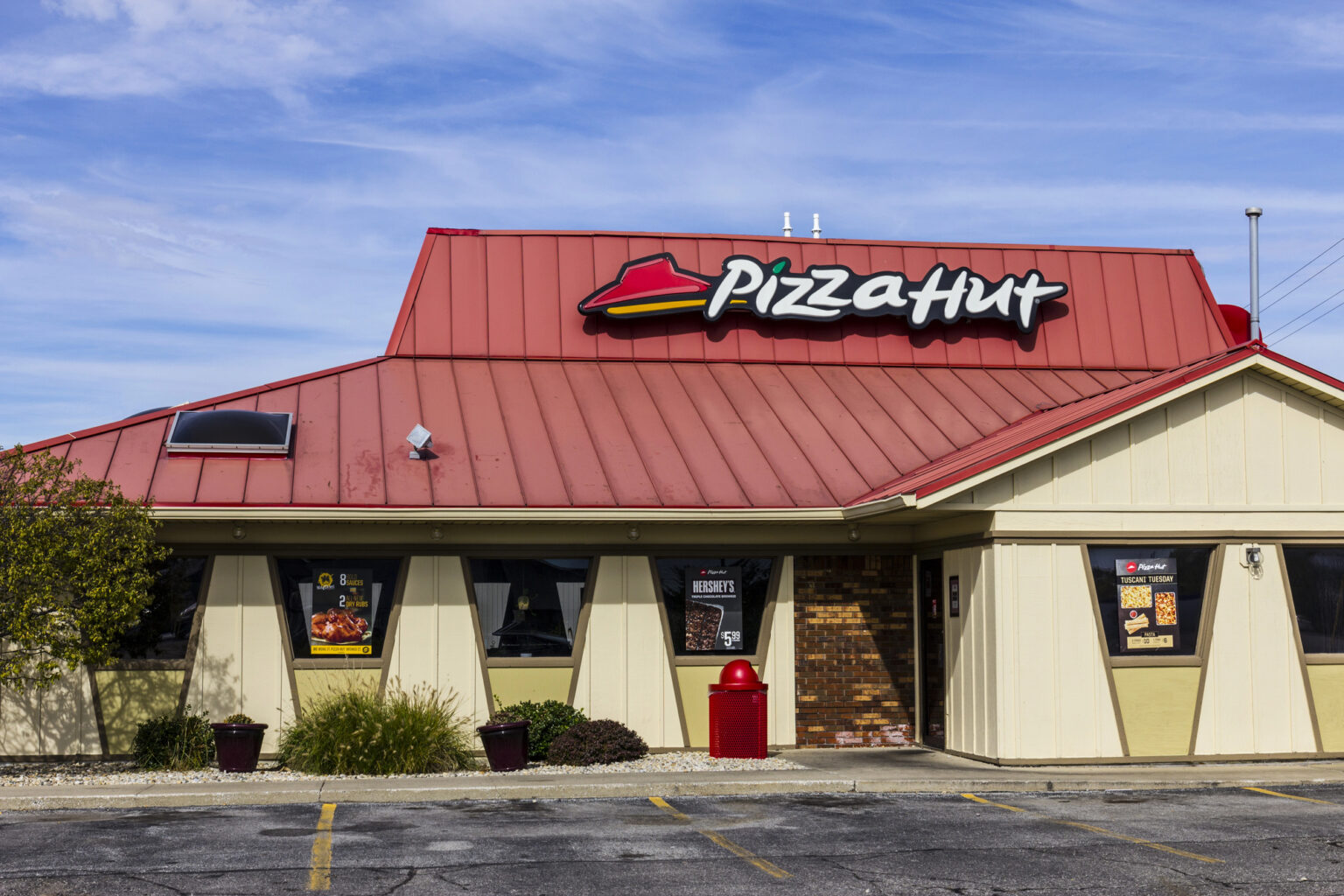
The Pizza Hut Classic locations are now among the top performers in the entire chain. Customers are driving two and three hours to eat there. Not because the pizza changed. Because the experience came back.
Meanwhile, Pizza Hut corporate has been doing the exact opposite. 250 store closures were announced in early 2026. The dine-in format has been largely abandoned. The strategy was to strip out the booths, the salad bar, the lamps, and the experience, and compete with Domino’s on delivery logistics.
The problem with that strategy? Domino’s is a technology company that happens to sell pizza. Their competitive advantage is order tracking, delivery optimization, and franchise efficiency. When Pizza Hut eliminated the experience, they didn’t become more competitive. They became a worse version of a brand they were never built to be.
One franchisee who grew up inside the original experience understood what the spreadsheet couldn’t measure. Inc. Magazine framed it perfectly: by evoking what the brand actually meant to people, Tim Sparks found a way to get them talking about Pizza Hut again. And coming back.
Corporate optimized the soul out of the product and called it a strategy. A former dishwasher who never forgot what the experience felt like from the inside is the one bringing it back.
This is not a pizza story. This is an EQ story. And it is the exact same story playing out in plus size fashion right now.
Old Navy.
Here is the full arc, because it matters: Old Navy pulled plus sizes from its physical stores in 2007. For over a decade, plus size women were told, by a brand that is supposed to be for the whole family, that their sizes existed online only. Then in 2018, after years of community pressure, they brought plus sizes back into 75 select stores. Cautious optimism. Progress, right?
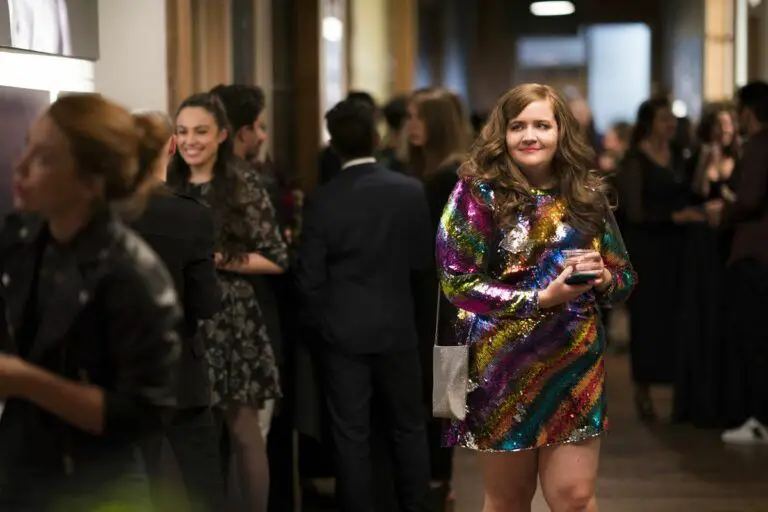
@oldnavy Aidy Bryant = basically a living, breathing, dancing ✨ emoji #BODEQUALITY #oldnavystyle ♬ original sound – Old Navy
Then in 2021, Old Navy launched Bodequality with enormous fanfare, a program that promised true size integration, same styles, same prices, sizes 0 through 30, all in one place. Press loved it. The community watched carefully. And what happened? Less than a year later, the program was scaled back. Extended sizes were pulled from dozens of stores. The reason cited? Low return on investment.
But here’s what they refused to acknowledge: plus size shoppers had been conditioned for over a decade to shop Old Navy online only. You don’t get to ignore a customer for ten years, quietly bring her back in through the side door with minimal marketing and no real community investment, and then declare her absent when she doesn’t flood your stores in under twelve months.
That is not a market failure. That is an execution failure. A patience failure. And frankly, a trust failure.
As I said at the time: “Old Navy had hard-core trained plus-sized people 10 years ago when they pulled plus sizes out that you have to shop online only.” You cannot undo a decade of conditioning in one fiscal year and call it a fair test.
The community noticed. The community remembered. And the community moved on.
FullBeauty Brands.
Then there is the question worth asking of FullBeauty Brands, a company whose entire business is built on the plus size consumer, whose model has historically centered catalog acquisition and volume over community.
In 2020, during a moment when the entire industry was being asked to reckon with its relationship to Black creators and customers, a group of Black plus size influencers, women who had supported these brands, promoted their products, and built audiences these brands directly benefited from, crafted an open letter calling them out directly for their lack of support and investment in Black creators.
I know because TCF was part of publishing it.
The question the letter raised then is the same question that applies now: can you build a brand on a community you have never truly invested in? Can you take the dollars and ignore the people? The plus size community, Black plus size women in particular, have been watching how brands answer that question for years. And they have their receipts too.

These are not ancient history. These are recent enough that the women who lived them are still shopping, still talking, and still deciding where to spend their money. GLP-1s did not create this trust deficit. Brands did. And no pharmaceutical trend is going to fix it.
EQ Is the ROI in This Space
I have spent 17 years watching this play out. And let me be clear, I am not new to this. I am a full on nerd for this space in the best way possible. I came up through 12 years in retail, from sales floors into management, watching how plus size consumers were treated in real time, up close, before there was even a conversation about inclusivity in fashion.
I went back and got my MBA in marketing and focused it specifically on plus size fashion, because I needed the academic framework to match what I was already living and observing. Then I built TCF, grew it from a blog into a full digital media brand, and spent 17 years inside this community every single day.
That combination, retail floors, graduate research, editorial publishing, and lived experience as a plus size woman in this world, is exactly what makes me say what I’m about to say with full confidence: the brands panicking right now never did the work. And the data I am about to show you is not a theory. It is a pattern I have watched repeat itself for nearly two decades.
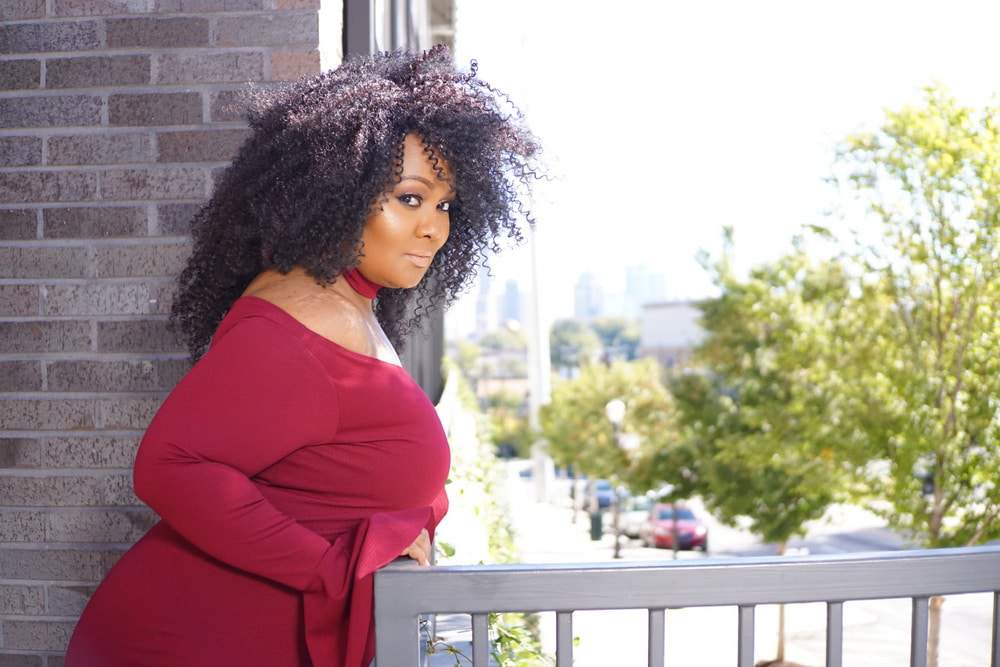
I have seen brands pour money into campaigns that performed beautifully by every standard metric and then quietly fold because the community never trusted them. I have watched brands with a fraction of the budget build decades of loyalty because they invested in being present, at the events, in the content, in the community conversations.
The difference is always EQ.
Not as a soft concept. As a competitive advantage. As the thing that determines whether a brand survives a market disruption, pharmaceutical, economic, cultural, or otherwise, because it has built something that cannot be replicated by a competitor overnight: genuine trust with a community that has been burned before and does not extend that trust lightly.
The brands that understand this aren’t worried about GLP-1s. They’re focused on deepening relationships. They’re asking how to meet a customer where she is, whatever size she wears today, whatever she’s navigating in her health and her life. They know that the customer who feels seen and served at every point in her journey doesn’t leave. She evolves with the brand.
The ones who are panicking never did the work to build that kind of loyalty. GLP-1s are simply making that gap visible.
What This Moment Is Actually Asking
To the brands and executives in a spiral right now: this isn’t the end of your market. This is an invitation.
The plus size customer is not monolithic. She is not disappearing. She is not waiting for you to figure out how to address her. She is fully living her life, making purchasing decisions every day, choosing the brands that have shown her the most respect with the most consistency.
Some of your customers may be on GLP-1s. Some are not. Some will cycle through sizes and back again. Some will stay exactly where they are and want the same great options they’ve always deserved.
All of them are watching how you respond right now.
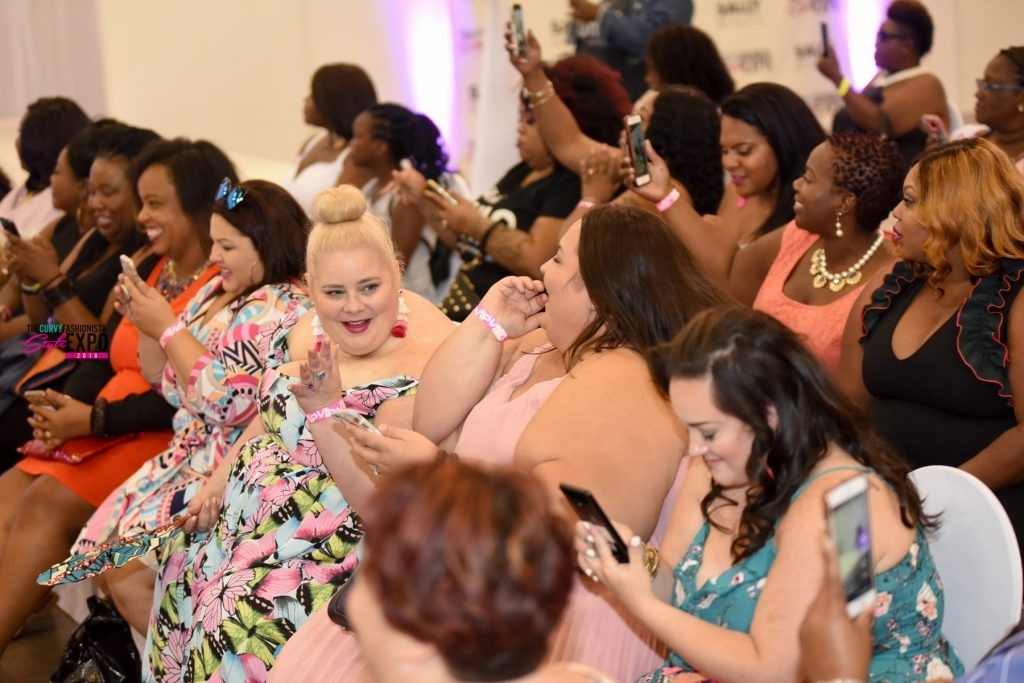
The brands that ask how do we serve our community through this moment will earn something no algorithm can manufacture: trust that outlasts a trend. The ones who quietly pull extended sizes, trim their range, and hedge their inventory bets based on pharmaceutical projections will lose something they cannot get back.
I’ve seen it happen. I watched it happen four years ago on that phone call. I’m watching it set up to happen again.
The plus size community doesn’t need brands to panic. It needs them to pay attention. It needed that 20 years ago too. The brands that actually did, the ones that built real relationships, real visibility, real community investment, are not having the GLP-1 panic conversation. They know who they’re for. They’ve been showing up.
The question for everyone else is simple: are you willing to do the work now, or do you need another decade of market data to convince you this community is worth it?
Because we have been worth it the entire time. The receipts are right there.
And if you’re a brand that’s finally ready to stop guessing and start actually getting it, hi, I’m Marie, and this is literally what I do. Let’s talk: contact me here.
MORE TCF GAMES

I don’t know, I get it but what about all that body positivity?