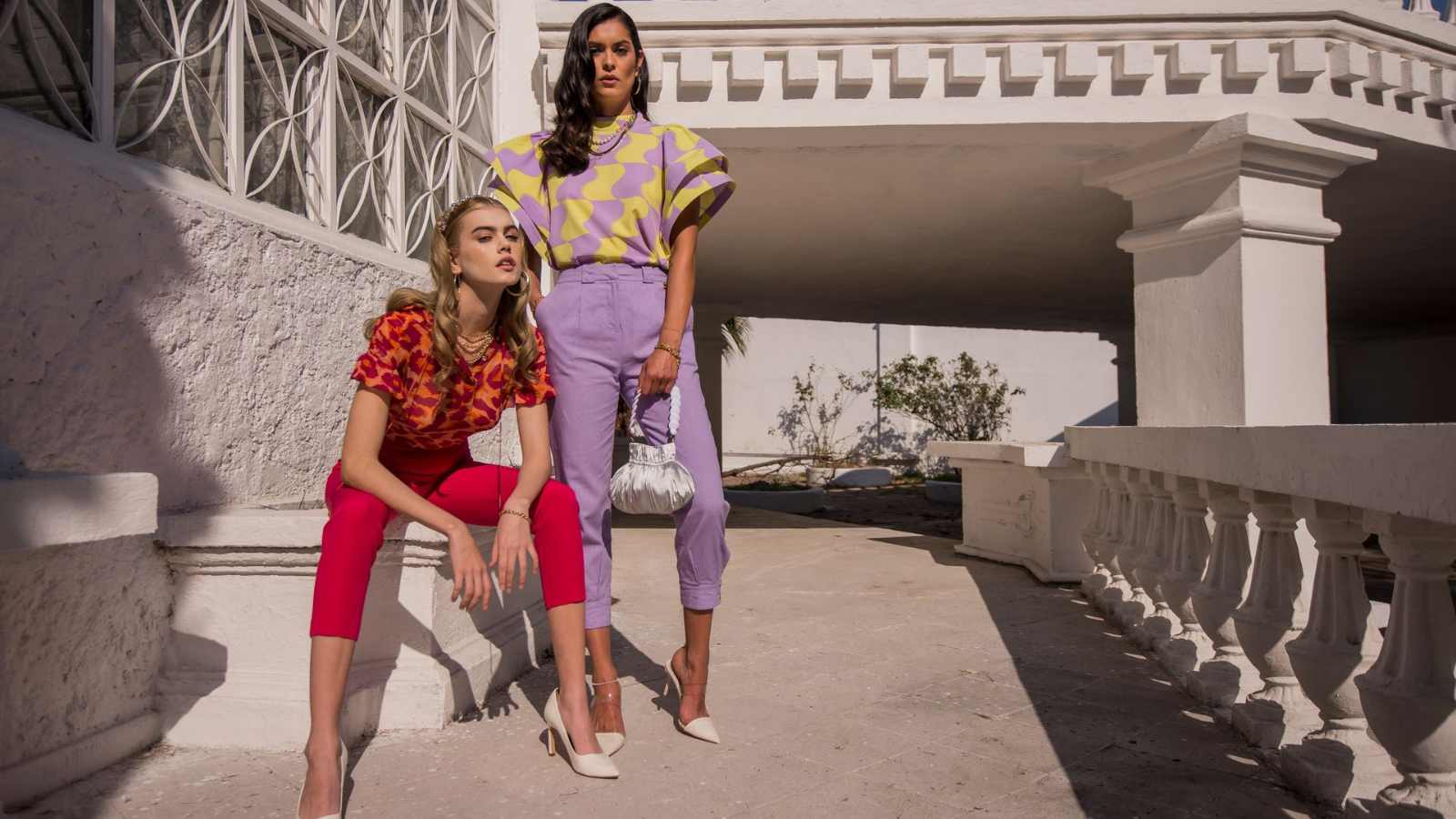
Fashion no longer waits for nostalgia to build on its own; it manufactures the timeline.
According to a report published in the International Journal of Home Science, retailers now run on more than 52 micro-seasons a year, releasing new collections weekly. Brands like Zara and Forever21 trained consumers to visit stores frequently to catch new, limited-run items. That pace burns through archives fast.
Social media hands designers and stylists a shortcut; it lets them mine any decade for content the moment the current one runs dry.
Capris did not resurface because taste quietly circled back to them. They resurfaced because a weekly release schedule needed a silhouette it had not exhausted yet, and 2004 was sitting right there waiting.
Leïla Bekhti into the Pants’ Coronation
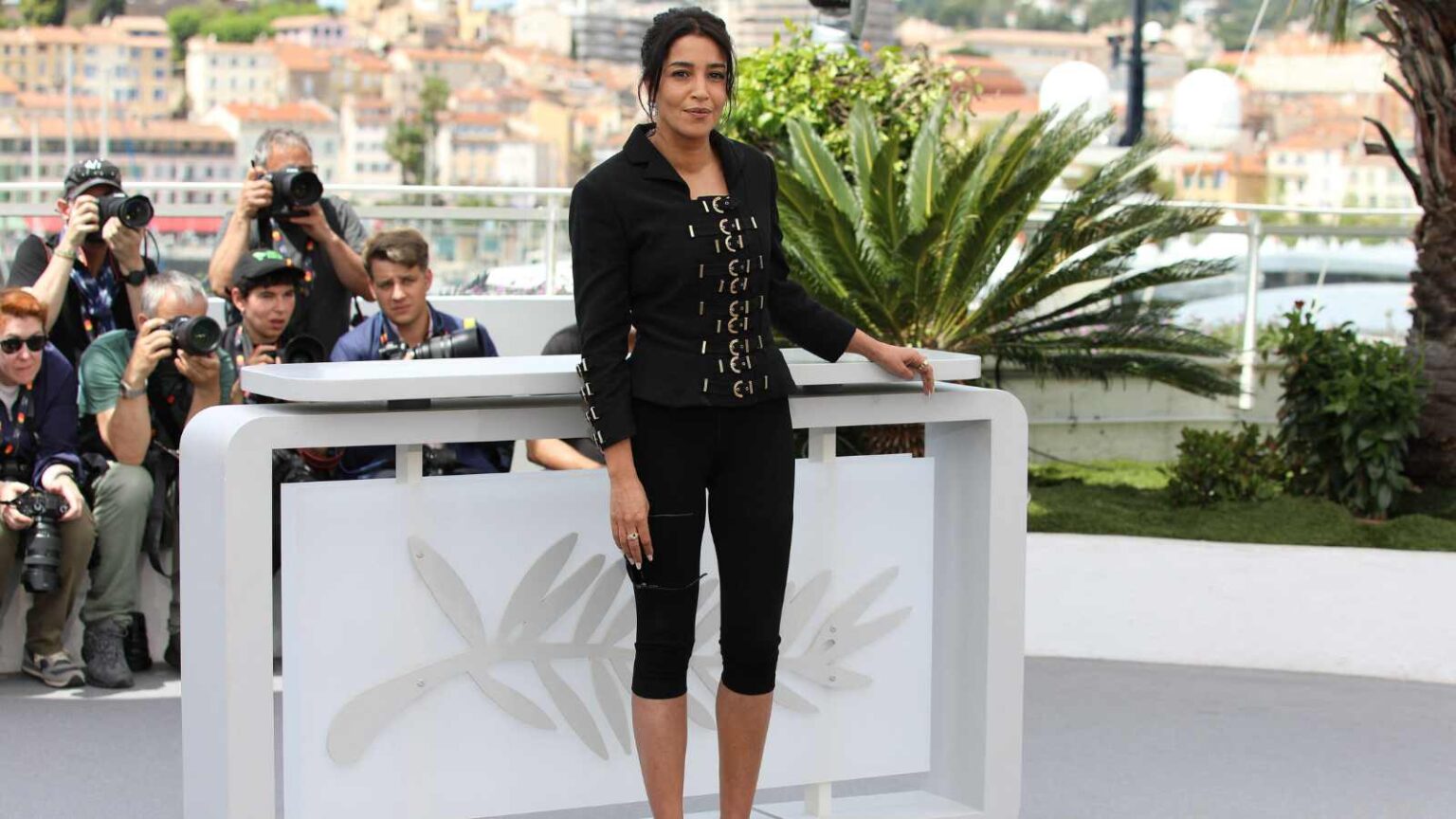
Cannes did not just tolerate capris this year. It staged their comeback on the official record. Jury president Leïla Bekhti wore a pair to a photocall during the festival’s second day. She paired them with a jacket pulled from Versace’s archive, a piece originally shown in the label’s autumn-winter 1992 collection.
The combination mattered. It placed a cropped, unglamorous silhouette next to a documented piece of fashion history, borrowing credibility the pant has never fully had on its own. A capri paired with archival tailoring reads as considered rather than accidental.
That is the entire difference between 2004 and now. Runway archives function like citations in editorial writing. They tell the audience this choice has a lineage. A jury president wore the look at a professional function, not a party. That single choice moves the pant from costume to clothing.
Bella Hadid Proved Capris Work Off Duty

A red carpet moment can be styled by a team with a rack of options. Off-duty dressing has no such safety net. That is what made Bella Hadid’s choice more instructive than any gown on the steps. She wore an archival Prada capri set through the streets of Cannes this year. Hadid has been called the festival’s reigning presence for several seasons running.
Her off-duty looks tend to set the template that street style photographers chase for the rest of the week. A capri set worn without the pressure of a photocall signals something specific. It shows the wearer trusts the silhouette enough to live in it, not just pose in it.
That distinction is the one most shoppers actually need. A trend survives its first season on the strength of a red carpet cameo. It earns a second season on the strength of what people choose to wear when nobody is grading them.
Capris Are Older Than the Y2K Era

Capri pants were not born in 2004. Designer Sonja de Lennart created them in 1948. De Lennart was German and she named the style after the Italian island it evokes, not after any decade. She built the silhouette around the loose, breezy ease of Mediterranean summer life.
The low-rise, skin-tight interpretation that dominated red carpets in the early 2000s was never her intent. Knowing this timeline matters. It reframes the current revival as a return to the original proportion rather than a nostalgia act for one specific decade. The 2004 version was already a distortion, tight through the hip and cropped high on the calf in a way the original silhouette never called for.
Fashion history rarely gets cited in casual style writing, but it is doing real work here. It gives permission to separate the pant from the decade people associate it with.
The Right Shoes Make the Outfit

Ask any stylist what separates a modern capri outfit from a dated one. The answer rarely starts with the pant. It starts with the foot. A clean sneaker, a substantial loafer or a low block heel grounds the look. The shoe needs enough visual weight to anchor a cropped hemline instead of leaving it to float above something delicate.
The logic is proportion. A cropped pant already draws the eye toward the lower leg. A flimsy shoe leaves that attention with nowhere to land. That said, not every stylist agrees on the direction. New York-based stylist Liz Teich, talking to TODAY.com, still favors sleek silhouettes and shoes like ballet flats, mules and kitten heels for their elongating, old Hollywood effect.
The disagreement itself is useful information. It means there is no single correct shoe, only a choice between two competing aesthetic philosophies.
Curvy Figures Need the Right Cut
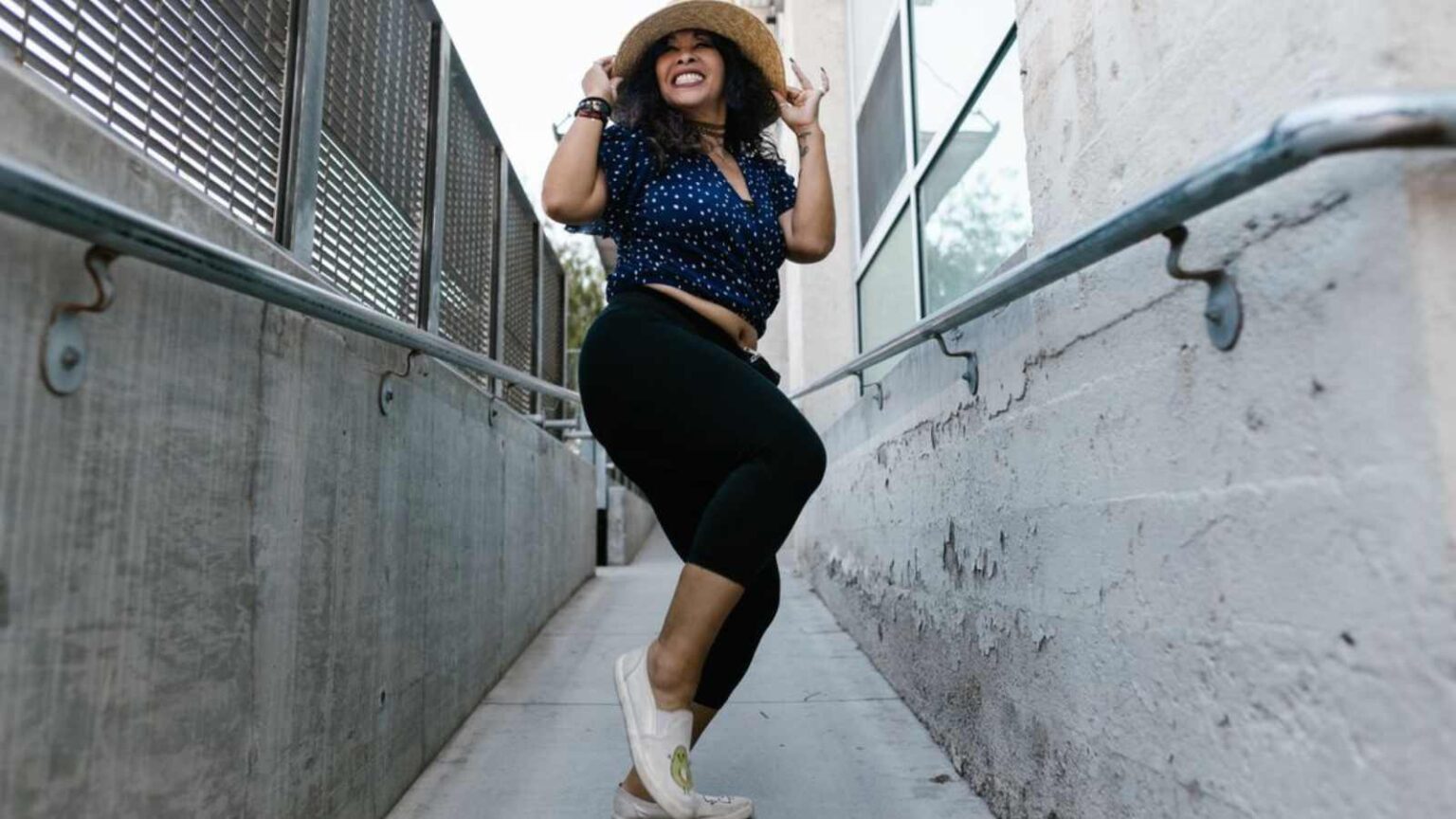
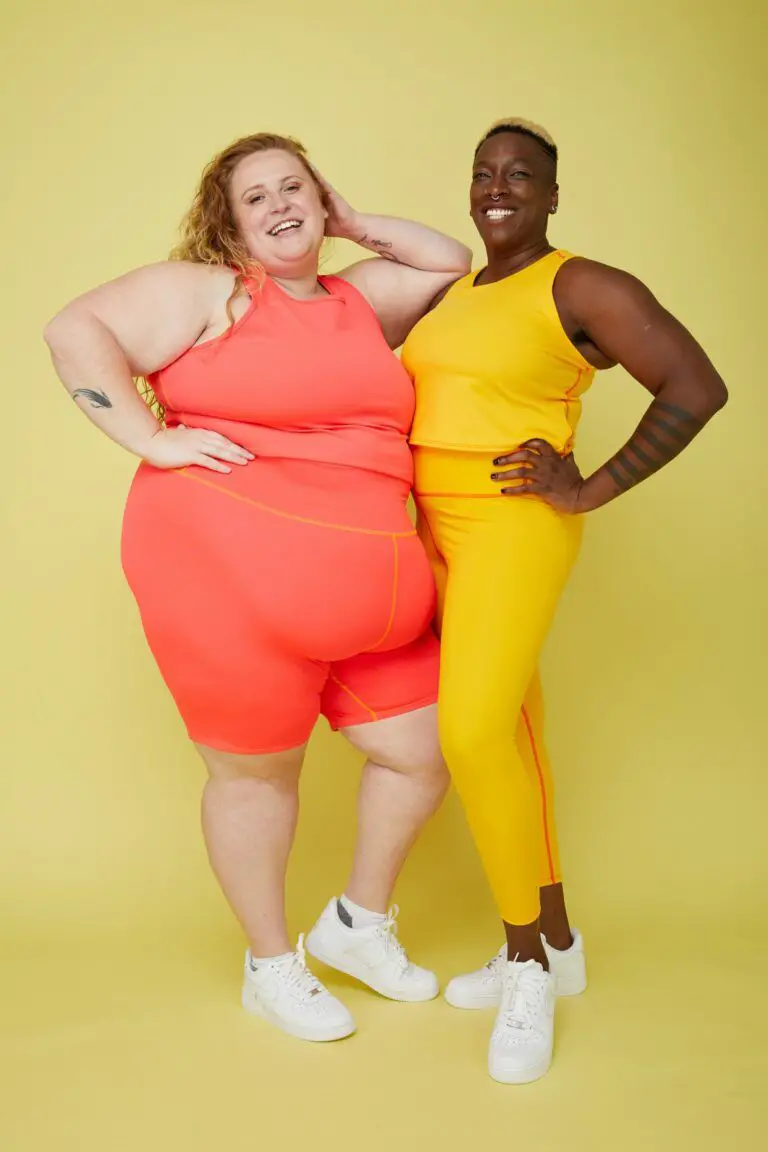
Body diversity changes which capri silhouette flatters. The guidance for curvy and plus figures is specific rather than vague.
A tapered cut that skims the leg rather than clinging to it is the holy grail. That cut should end at the narrowest point of the calf instead of the widest. This is a construction detail, not a body positivity slogan. The hem placement is what prevents the leg from reading shorter or wider than it is.
A wide-leg capri can work beautifully on a curvy frame, but it asks for a higher rise and a fitted top to keep the proportion intentional. Treating fit as an engineering question rather than a moral one is what separates useful style guidance from empty affirmation.
The goal is not to make a curvy body disappear into fabric. It is to let the construction do what tailoring has always done: direct the eye with intention.
Balance the Silhouette for a Modern Look

Nearly every stylist who has weighed in on capris in 2026 lands on the same structural principle even when their language differs. A fitted capri wants a slightly relaxed top, an oversized button-down or a loose tee. A roomier, wider-leg capri wants something fitted on top to keep the silhouette from swallowing the frame.
Teich, from the same TODAY.com talk, describes this balance as a way to add elegance without losing ease. Stylists writing for lifestyle outlets have echoed the same formula using different words: a ribbed tank with a straight-leg capri, a striped polo with a cream pair, a cardigan with a khaki version.
None of these formulas require expensive pieces. What they require is contrast, one half fitted, one half loose, so the eye reads intention instead of accident. Outfits that skip this rule tend to photograph as shapeless rather than styled.
Your Jeans Can Double as Capris
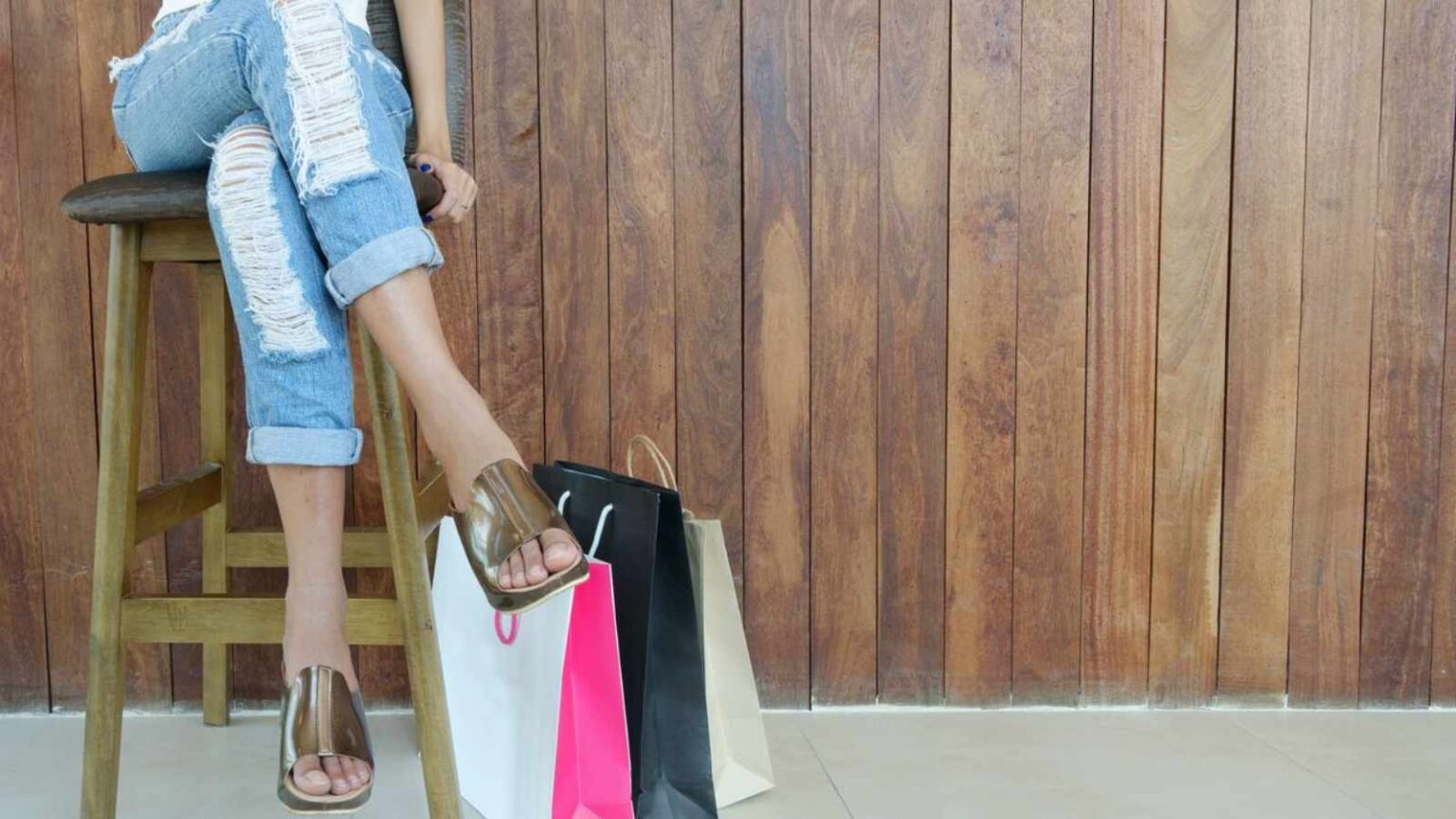
Not everyone wants to buy a dedicated capri this season. Stylists have offered a workaround that costs nothing. Take a pair of straight-leg jeans. Roll the hem once or twice until it lands just below the knee. That produces the same silhouette without the purchase. This hack works because the trend is defined by proportion rather than by fabric or label.
A cropped, tapered leg reads as capri whether it started life that way or not. Pair the rolled denim with a soft tee and woven flats and the look sits comfortably inside this season’s styling rules. It is a low-commitment way to test whether the proportion suits a wardrobe before spending on a piece built specifically for it. Denim also solves a texture problem. Its structure holds a crisp fold in a way that softer fabrics rarely manage.
Prints Give Capris New Life
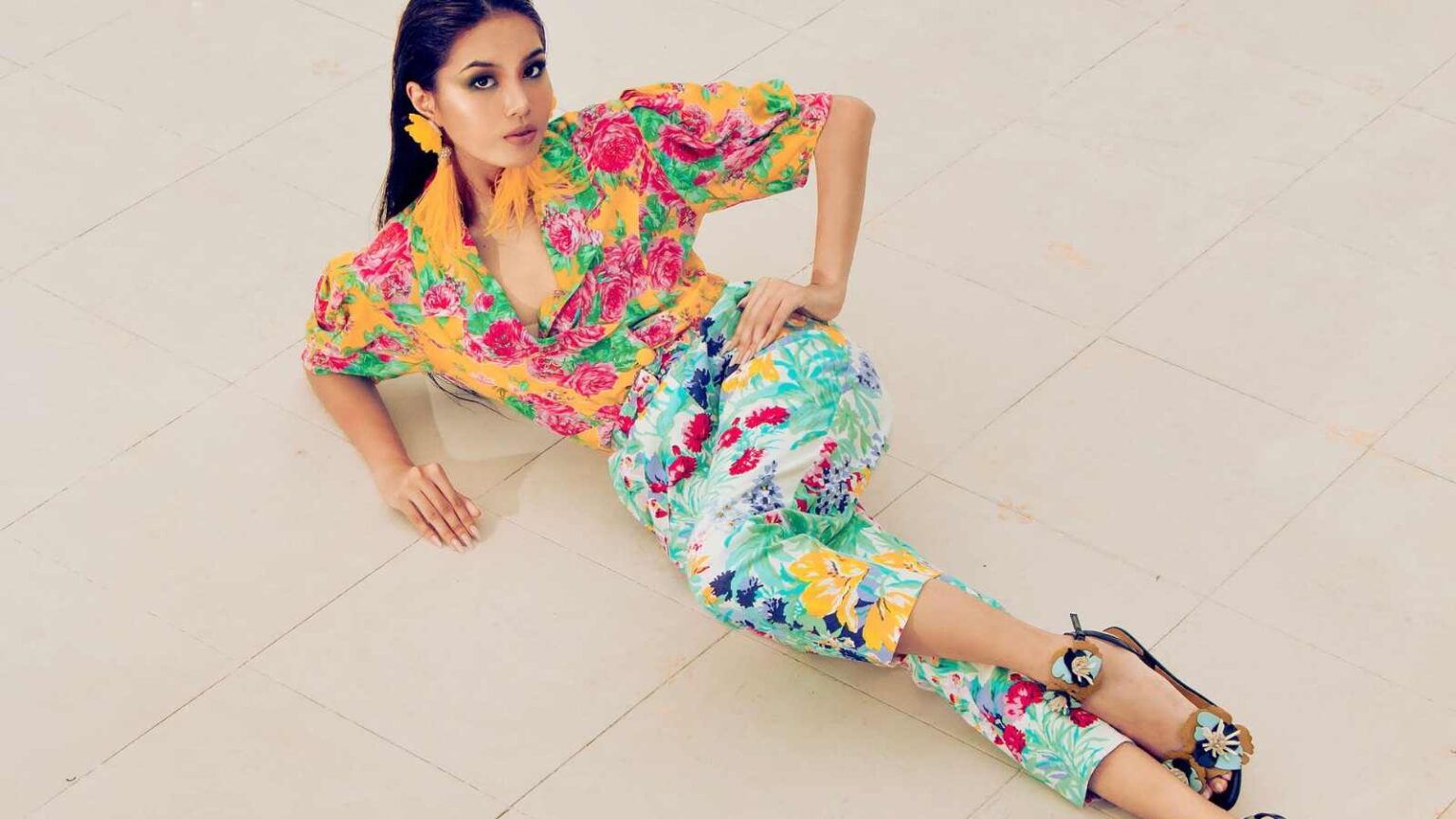
A plain capri is easy to defend but rarely interesting. This season’s styling guidance treats the silhouette as a canvas for pattern rather than a place to play it safe. Polka dots are currently one of the season’s dominant prints, and they work especially well on a cropped leg. The shorter hemline stops the pattern before it can overwhelm the frame the way it might on a full-length trouser.
A red-and-white check capri paired with a crisp white peplum top has been used to build a picnic-inspired, retro-leaning outfit without tipping into costume territory. That proves pattern and nostalgia can coexist without collapsing into each other.
Color theory supports the choice too. A busy print on a shortened leg reads as a deliberate accent rather than an overwhelming statement, the same way a patterned pocket square reads differently from a patterned suit.
Not Every Editor Is Convinced

Not every fashion writer has been converted. Julia Storm, an editor covering the return of capris this season, admitted she still associates the pant with early 2000s Disney channel style and Sarah Jessica Parker’s Sex and the City wardrobe.
She tried on a pair from a recent designer collaboration, but she has not fully committed to the look herself. That holdout matters more than universal enthusiasm would. A trend that only skeptics discuss becomes background noise. A trend that converts even reluctant critics earns real staying power.
The tension between nostalgia fatigue and genuine styling innovation is exactly what keeps a comeback from feeling like a costume. Capris in 2026 are not asking anyone to relive 2004. They are asking for a second look at a silhouette that was arguably misunderstood the first time around.
The Modern Capri Comes Down to Styling
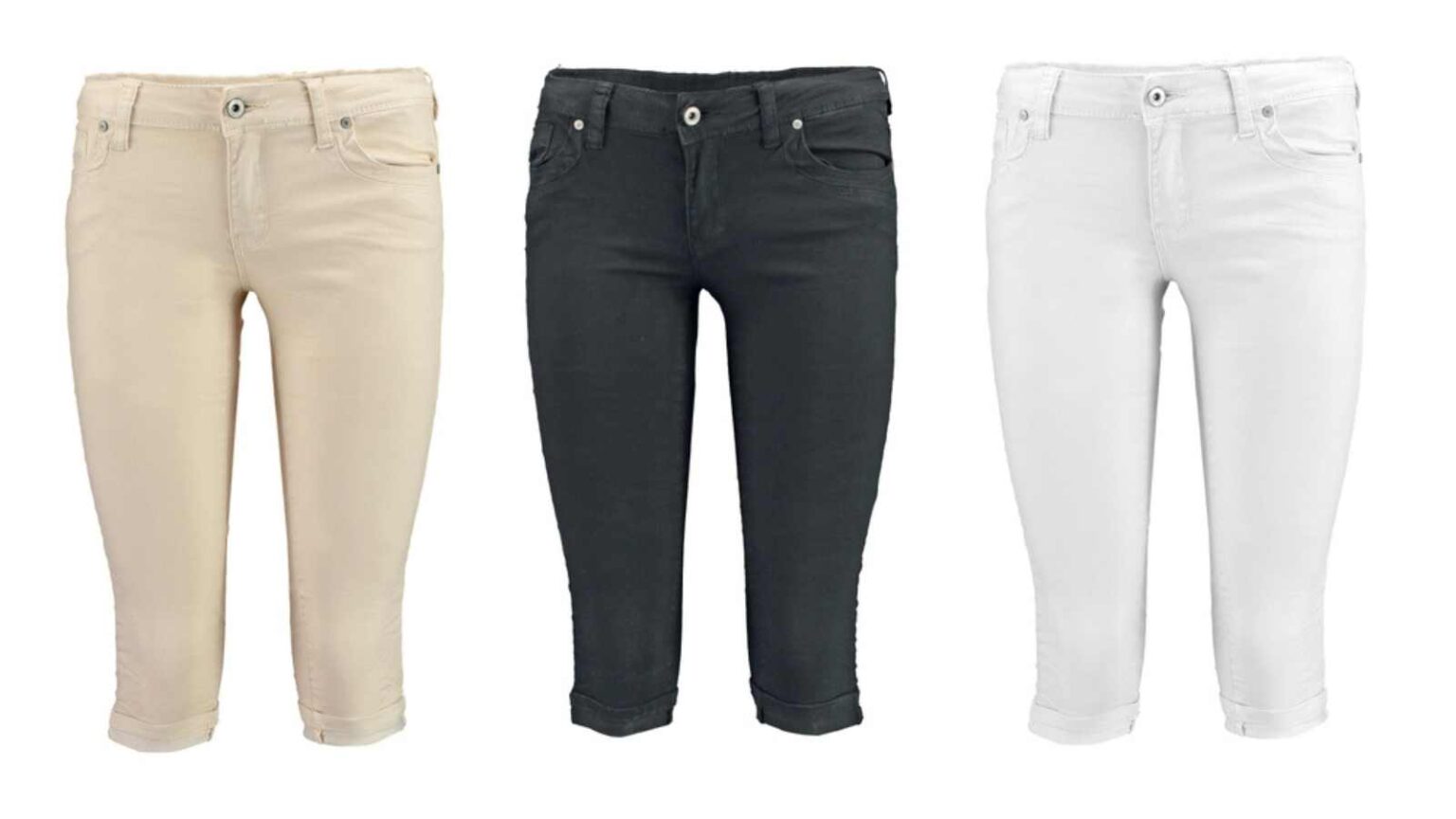
Capris did not return by accident. They did not return unchanged either. The 2026 version answers directly to the mistakes of the early 2000s take. It trades a tight, low-rise cut for a tapered or roomy leg, a higher waist and shoes with actual presence underneath.
Cannes gave the trend its most public endorsement yet. The real test happens off the red carpet, in the styling choices ordinary closets make every summer.
Whether the pant sticks around past this season depends less on any single celebrity look. It depends more on whether the proportion rules above get followed or ignored.
Key Takeaways

- Cannes made it official: jury president Leïla Bekhti wore capris at a photocall paired with an archival Versace jacket, and Bella Hadid wore an off-duty archival Prada capri set.
- The shoe matters more than the pant: grounded footwear like sneakers or loafers reads modern; delicate shoes read dated (though some stylists still push kitten heels for an elongating effect).
- Fit isn’t one size fits all: curvy and plus figures do best in a tapered cut that ends at the calf’s narrowest point, not a wide leg.
- Balance is the whole trick: pair a fitted capri with a relaxed top or a roomy capri with a fitted top to keep proportions intentional.
- You can test it for free: rolling straight-leg jeans below the knee gets the same silhouette before committing to a dedicated pair.
Disclaimer: This list is solely the author’s opinion based on research and publicly available information. It is not intended to be professional advice.
Like our content? Be sure to follow us
MORE TCF GAMES