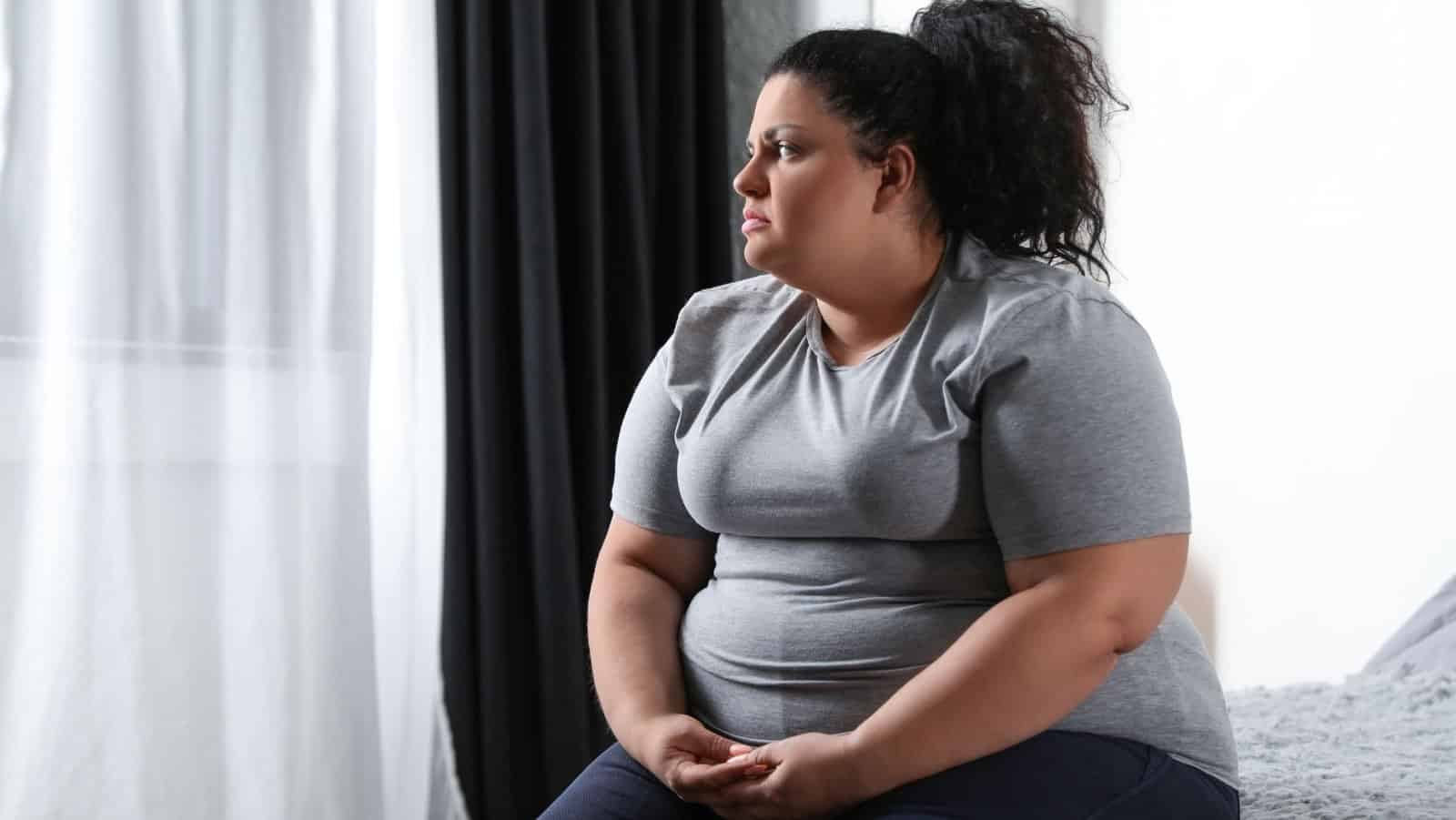
You say, “Sounds fun” in the group chat, but the real decision comes later, standing in front of the closet thinking, “What can I wear that will not make me feel like the biggest, most noticeable person in every photo?” For plus-size and curvy women, that pause has become its own kind of RSVP filter. It is not just about whether an outfit looks cute. It is about whether it feels safe enough to be seen sitting, standing, dancing, and tagged from every angle. This piece was sparked by a post in an online outfit community, where a woman shared a look with the caption “That’s it, I’m not going” after changing outfits until she gave up and stayed home. The flood of “same” and “I have done this” responses showed how common that moment really is.
At the same time, data from Mys Tyler Sizing Insights show that the average American woman wears around a size 14 and that more than half of American women fall at or below a size 14. When the majority of women are technically plus-size, yet still navigate limited sizing, fragile fit, and patchy shapewear and lingerie options, it makes sense that outfit anxiety has evolved into a real social barrier rather than just a bad closet day.
Size ceilings make last‑minute plans feel risky
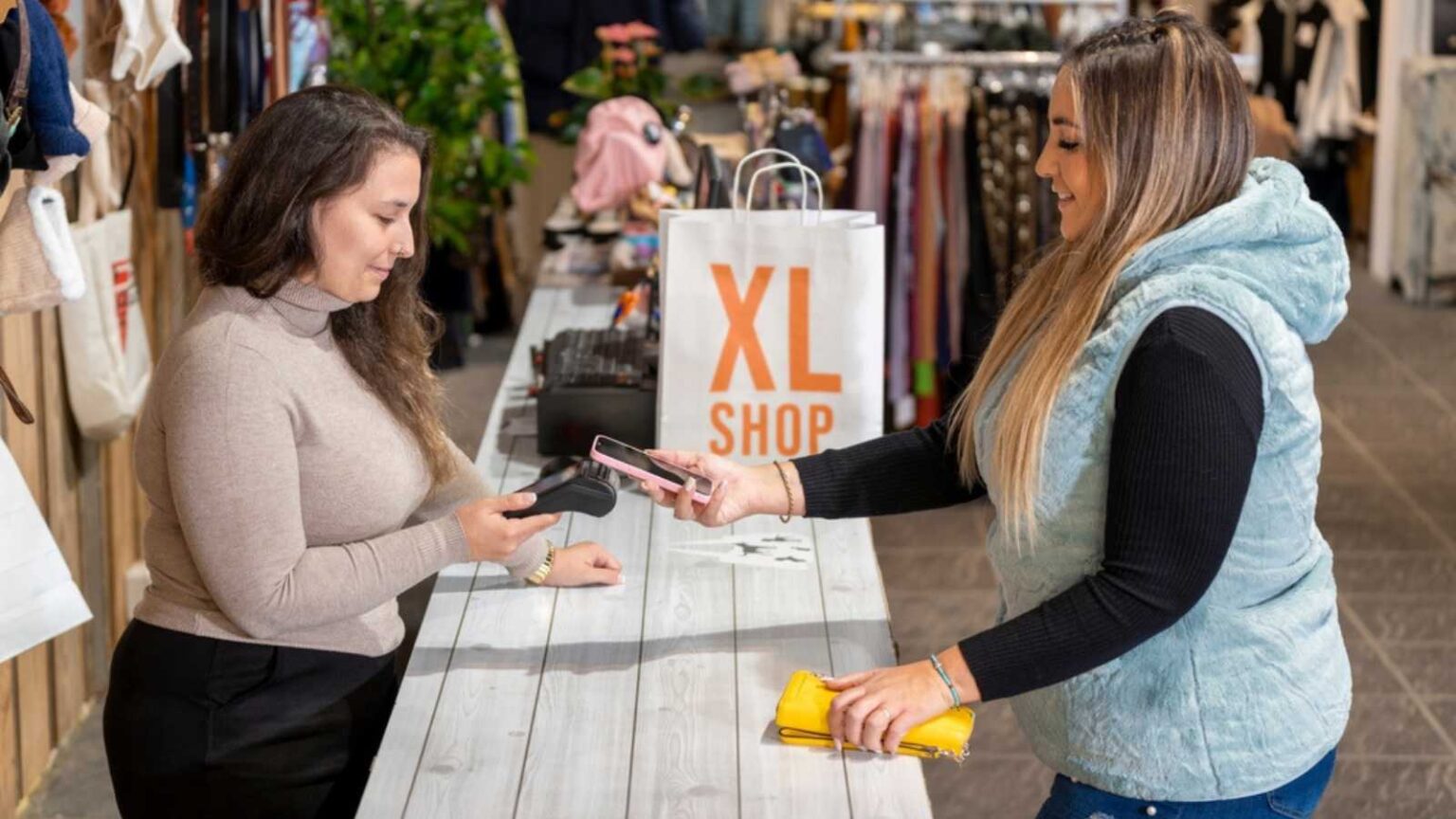
For many plus-size women, simple event dressing begins with a sizing obstacle. You know, a lot of mainstream brands still stop at a 12 or 14, even though recent sizing data show that the bulk of American women fall outside that range. You cannot just assume your size will be hanging on a rail when your friends say, “Let’s find something cute before tonight.”
That reality turns casual invites into logistical puzzles. If you want to say yes to a birthday dinner or a club night, you are mentally running through which stores actually go past a 16, whether your favorite plus‑friendly brand has anything that works for the dress code, and whether you have time for shipping.
When the odds of finding a dress that fits and feels right are low, staying home in the outfit you already trust can feel gentler than gambling on the mall.
Average bodies, non‑average patterns
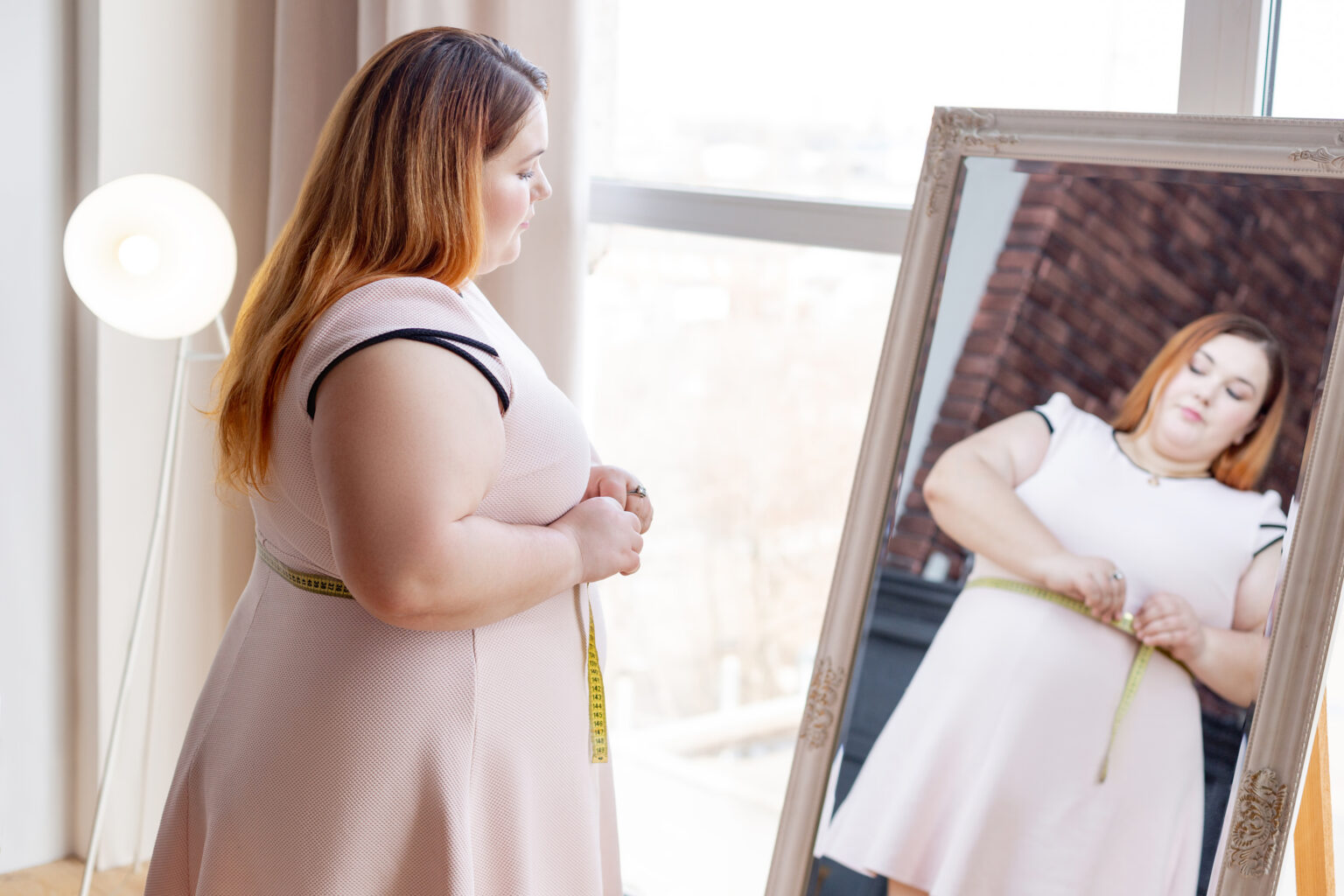
Even without quoting fresh numbers, you can see the disconnect between real bodies and the patterns clothes follow. The silhouette most plus-size women see in fitting rooms often does not match the silhouette brands design around: shoulders cut too narrow, waists too straight, and bust darts landing in the wrong place. Fit models and pattern blocks are still built on smaller frames first, then scaled up, rather than on the size‑14‑and‑up bodies that dominate the U.S. landscape.
You feel that mismatch every time you dress for a night out. Jeans that are fine when you stand but punish you when you sit through appetizers. Dresses that look easy in photos but cling in motion around your midsection or ride up over your hips. Tops that seem professional until you realize they will not close comfortably over your chest when you move. When patterns and fit decisions do not start from the shape you live in, outfit anxiety is not a “confidence issue”; it is the side effect of garments that keep asking your body to be something it is not.
A huge market still delivers small assortments
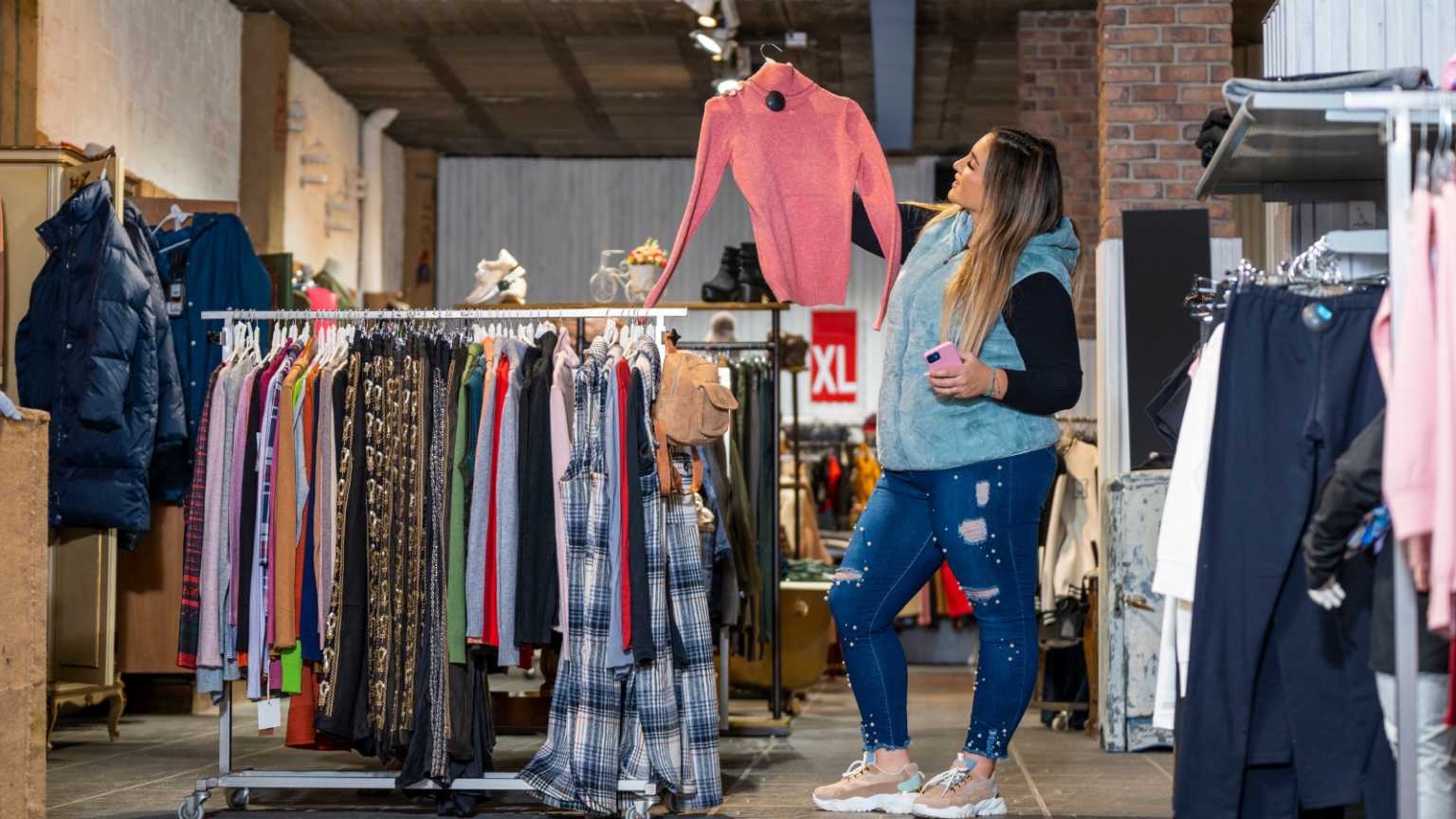
From a business perspective, plus-size clothing is big money. A 2024 plus-size clothing report estimates the global plus-size clothing market at about $311.4 billion in 2023, with projections reaching around $412.4 billion by 2030 at a 4.1% compound annual growth rate. Those numbers prove that curvy shoppers are central to growth, not a side note.
Yet when you walk into many stores, the plus offerings still feel thin. Event dresses in larger sizes are limited to a few silhouettes. Tailored pieces for nights out are rare, and lingerie walls often shrink as you move up the band and cup sizes. You know brands are profiting from bodies like yours, but you do not see that reality reflected on the racks.
That disconnect makes each outfit for a wedding, holiday party, or night downtown feel like a high‑stakes search. If the search keeps failing, it becomes easier to skip the event than confront the lack of choice in public.
Shapewear turns fun nights into compression math
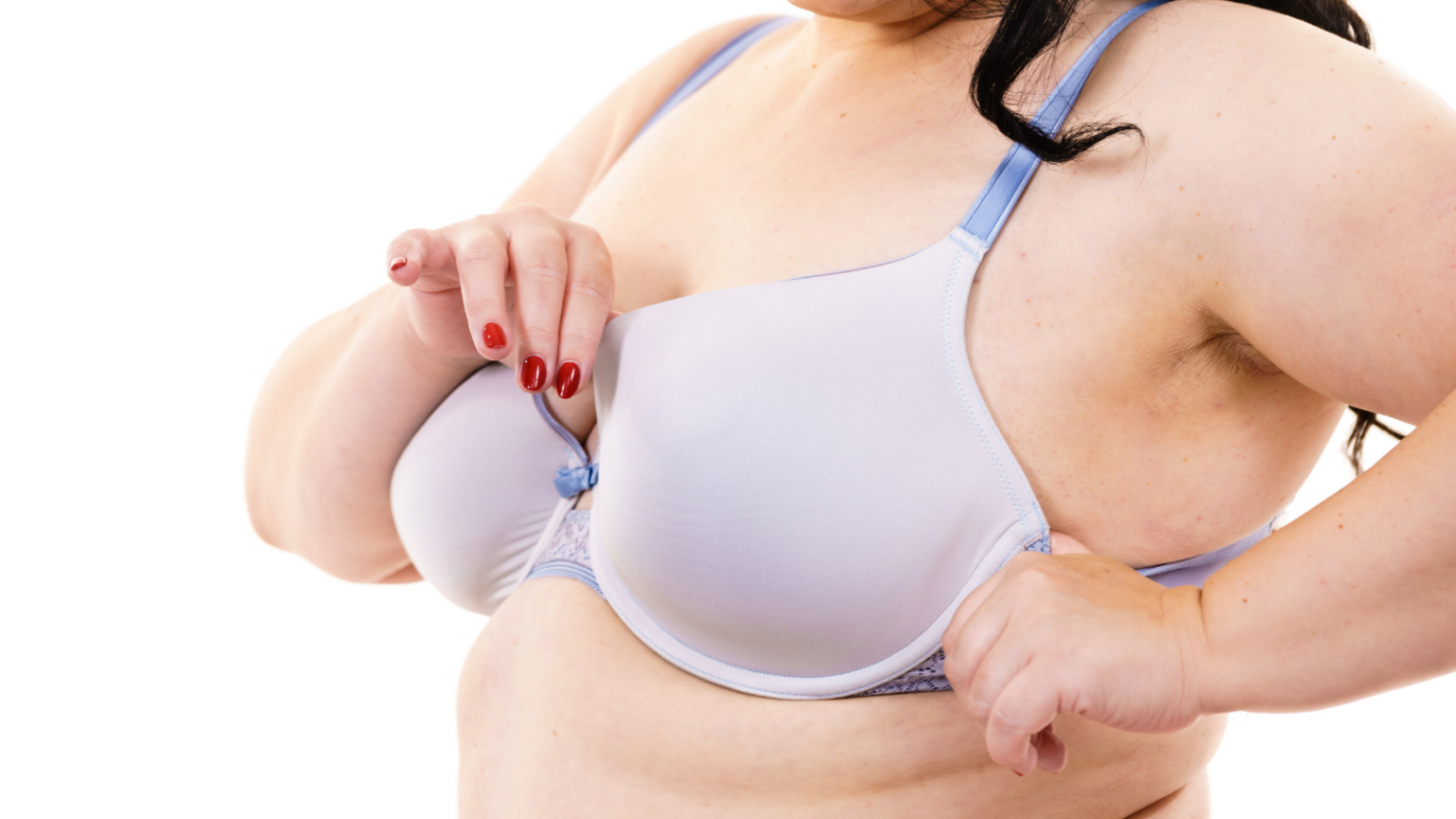
Shapewear promises security on nights when you want outfits to feel smoothed and supported. A 2026 breakdown in plus-size industry statistics notes that XL and plus sizes account for a substantial share of shapewear and bra sales, with larger sizes driving much of the growth in intimates and support garments. That gives you a clear picture of how heavily curvy women lean on underpinnings to feel “ready” for events.
At the same time, shapewear introduces a new layer of anxiety. You are asking yourself whether the night justifies being tightly wrapped, how you will manage bathroom breaks, and whether you can handle eating, dancing, and sitting while compressed. That calculus shows up most intensely around going‑out looks.
Maybe you have a bodycon dress you love, but only when you wear your strongest shapewear underneath. If you are bloated, sore, or already tired after work, the thought of spending hours in that garment can lead you to a reluctant “no” to the invite. Outfit anxiety here is not about vanity. It is about whether the physical cost of “presentable” feels worth the social payoff.
Lingerie gaps make dressing rooms and hotel rooms feel dangerous
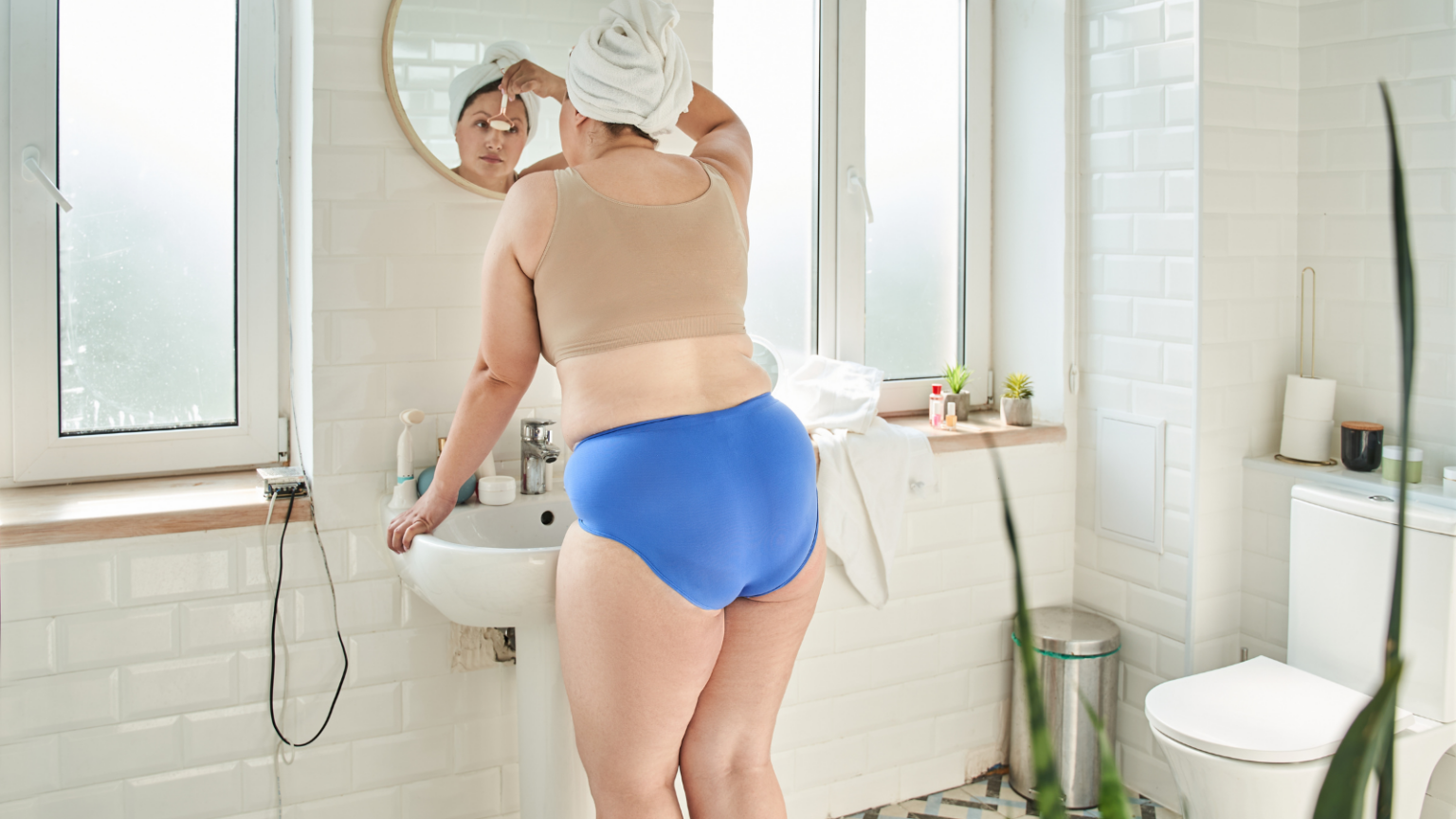
Plus-size lingerie is still often treated as functional rather than aspirational. You may find your band and cup size, but not in the same range of colors, lace, cuts, or lift as smaller sizes. Many curvy women keep wearing one or two bras that are “fine” but far from ideal because they are the only ones that do not hurt and actually fasten.
Those gaps matter when events involve changing clothes or sharing space. A girls’ weekend with wardrobe try-ons, a destination wedding with shared accommodation, or a trip that includes pool time can intensify outfit anxiety and affect mental health when you are not comfortable being seen in the underwear you own.
It is not only the dress you chose; it is what happens when it comes off. If the idea of being caught in a stretched‑out T‑shirt bra or basic beige shapewear feels humiliating, you may sidestep the entire situation by staying home.
Photo culture turns every outfit into a permanent record
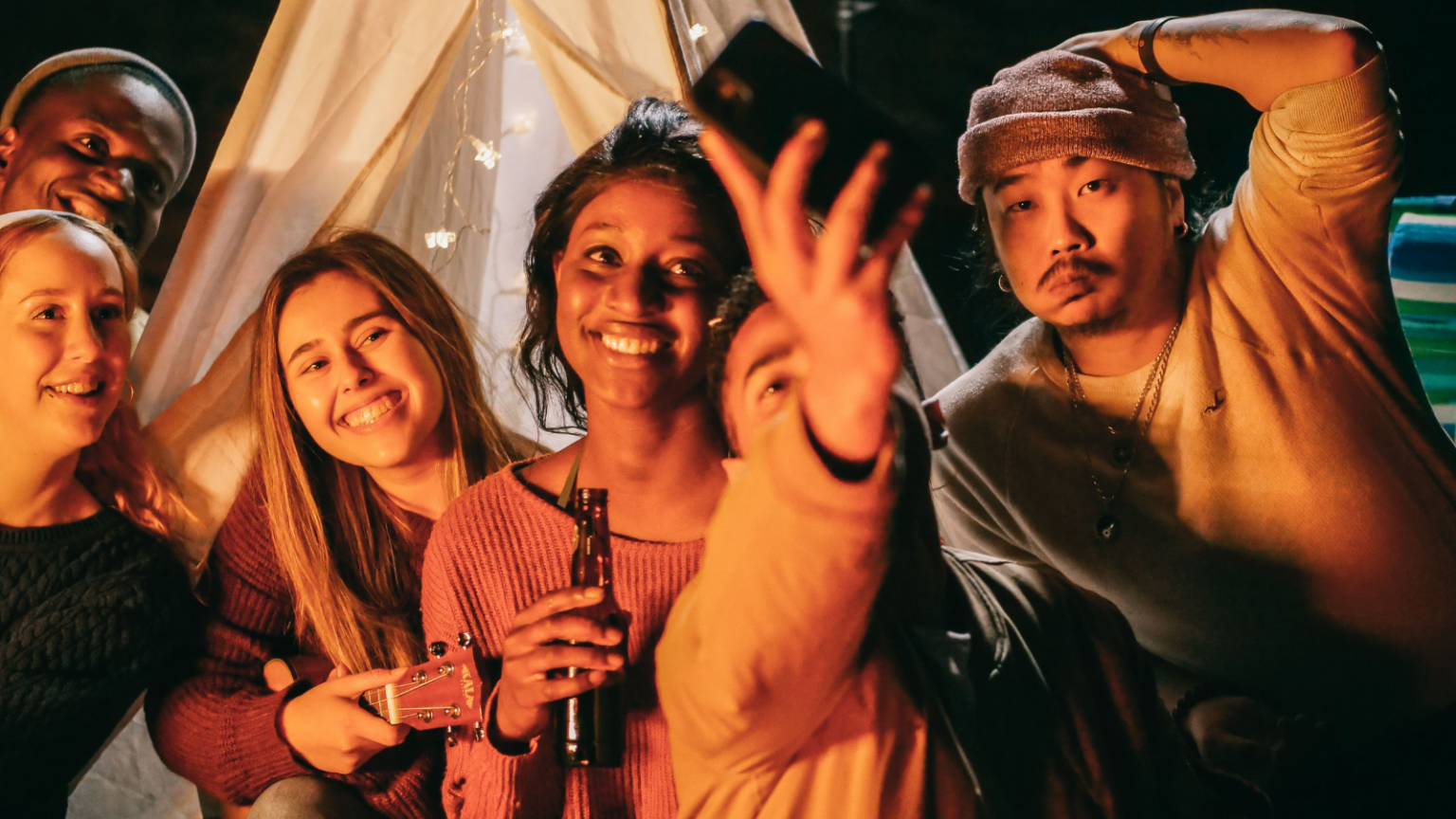
Even casual outings now produce visual receipts. Group selfies in bathrooms, “fit pics” in hallways, shots on dance floors, and photo dumps after the weekend are routine. A 2023 social appearance study found that increased focus on online images can heighten social appearance anxiety, especially for young women who worry about how they look in photos.
For plus-size women, that means every event outfit is weighed not only for the night but also for how it will live on in images. You are not only thinking about the mirror in your bedroom. You are imagining how your dress will cling when you sit at the restaurant, the angle of your stomach when you twist into a pose, or the way your arms look in a strapless top when your friend posts a carousel.
If your closet is full of looks that feel okay in one pose but questionable in candid shots, the idea of being tagged repeatedly can feel more threatening than fun. Outfit anxiety is the fear of seeing yourself later and hating what you see.
Microtrends rarely arrive cut for plus bodies
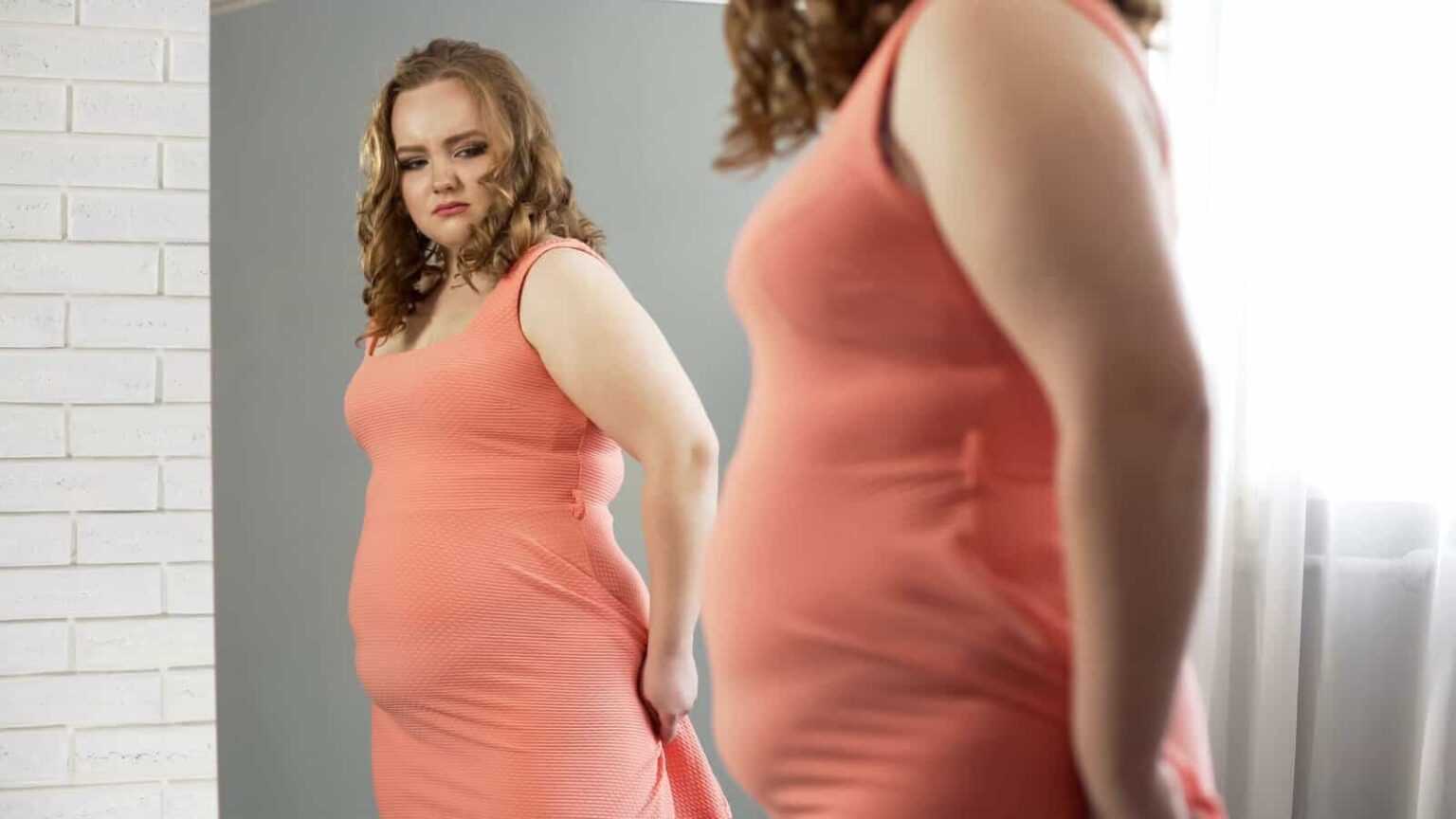
Trend cycles now move in weeks instead of seasons. Cut‑out tops, ultra‑low rises, bubble hems, and sheer layers show up all over feeds, often on thin or sample‑size bodies first. Shoppers describe buying trend pieces only to feel like they “still have nothing to wear” because the looks do not translate into their real lives or real bodies.
For plus-size women, stepping into a trend often feels like stepping into uncertainty. You might buy the dress everyone is wearing, only to find that the fabric stretches differently on your stomach, rides up your thighs, or exposes more than you expected when you move. That experience can sour you on entire categories of clothing.
After enough trend pieces fail, you stop believing that “this cut looks good on everyone,” and the idea of debuting a new silhouette at a public event becomes nerve‑wracking instead of exciting.
Event dress codes are written for imaginary bodies
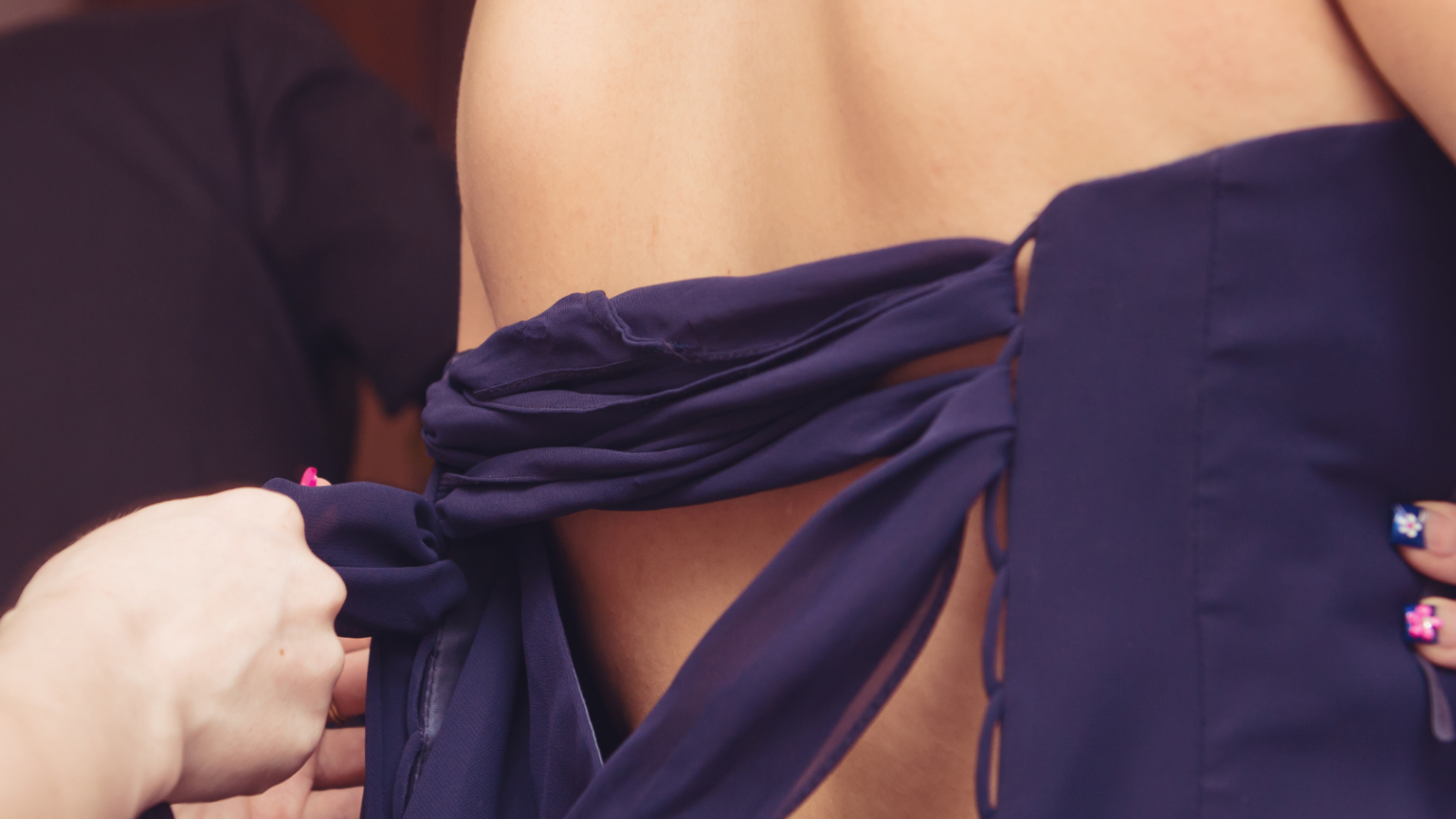
Dress codes for weddings, work parties, or “chic cocktail” nights often imagine a generic body wearing a generic dress: fitted at the waist, skimming the hips, hitting above the knee. In practice, curvy women have a different set of considerations. Fabric that hugs a smaller stomach might cling in ways you do not want it to. Necklines that are “tasteful” on a B‑cup might feel hyper‑exposed on a larger bust.
Runway coverage, like a 2026 size inclusivity report, has noted that plus-size looks make up only a small slice of total showings in major seasons, signaling that formalwear and event dressing are still imagined on smaller bodies first.
When every dress code seems to assume a different shape, each invite to a wedding, gala, or office event feels like a test. If the stakes feel too high and your wardrobe too limited, you may decide that not attending is safer than risking being “the one who did not get the memo” in photos or whispers.
Active social plans require outfits you may not own
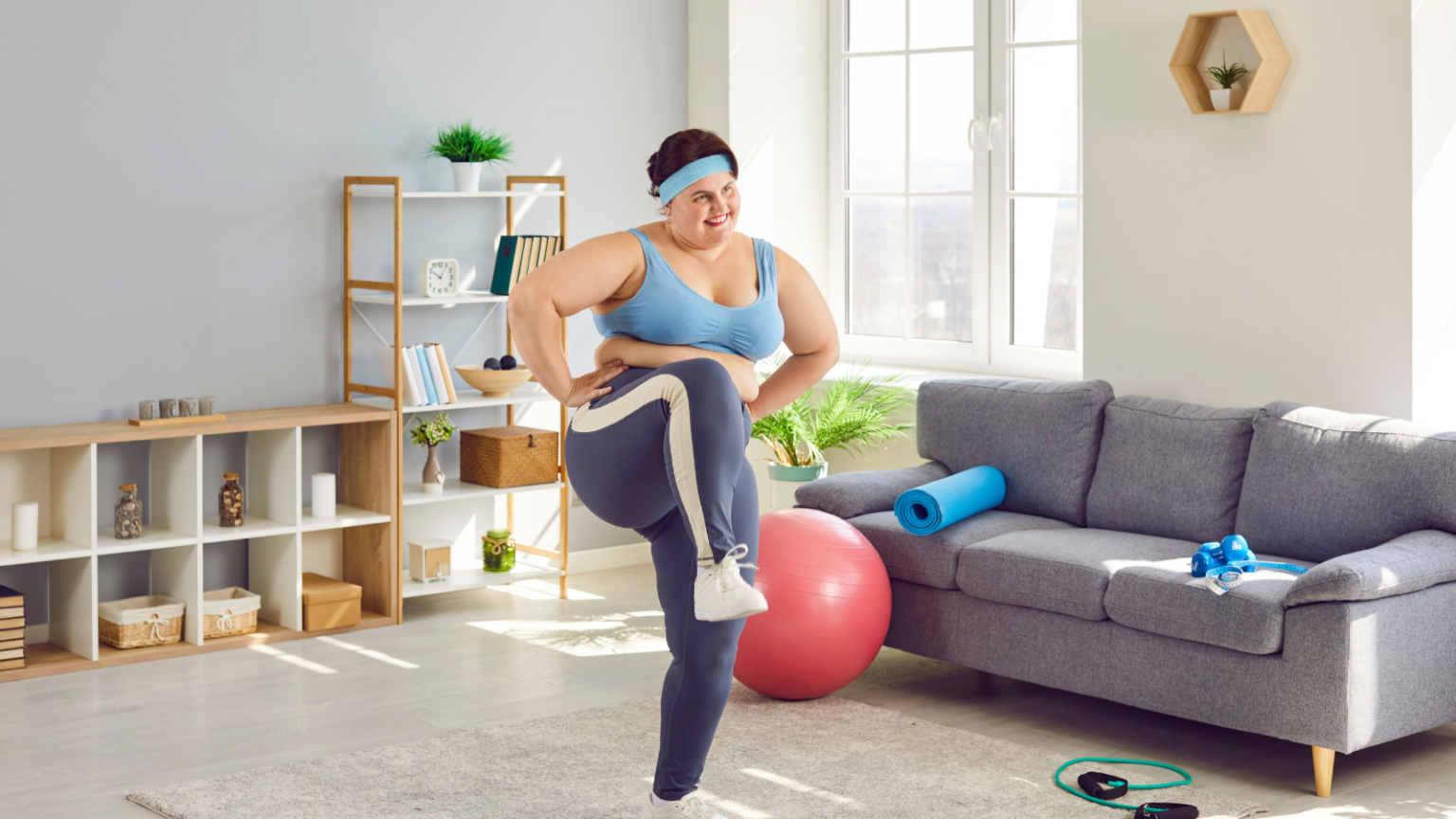
More social plans now include movement. Friends invite you to yoga, hikes, roller skating nights, dance classes, or long city walks. Those settings have their own outfit expectations: leggings that stay put, tops that do not ride up, and sports bras that actually contain motion.
If your plus-size activewear rides down, rolls up, or fails to support you, each invite feels less like a fun plan and more like a potential stress test. If your leggings slip when you sweat, your sports bra digs into your shoulders, or your top reveals skin in ways that feel exposing, you are not just thinking about the activity.
You are thinking about being seen in clothing that is not working for you. When you know that every squat, stretch, or step could turn into a wardrobe malfunction in front of others, the simplest solution is often to decline the invite altogether.
Work‑life blur highlights every wardrobe gap
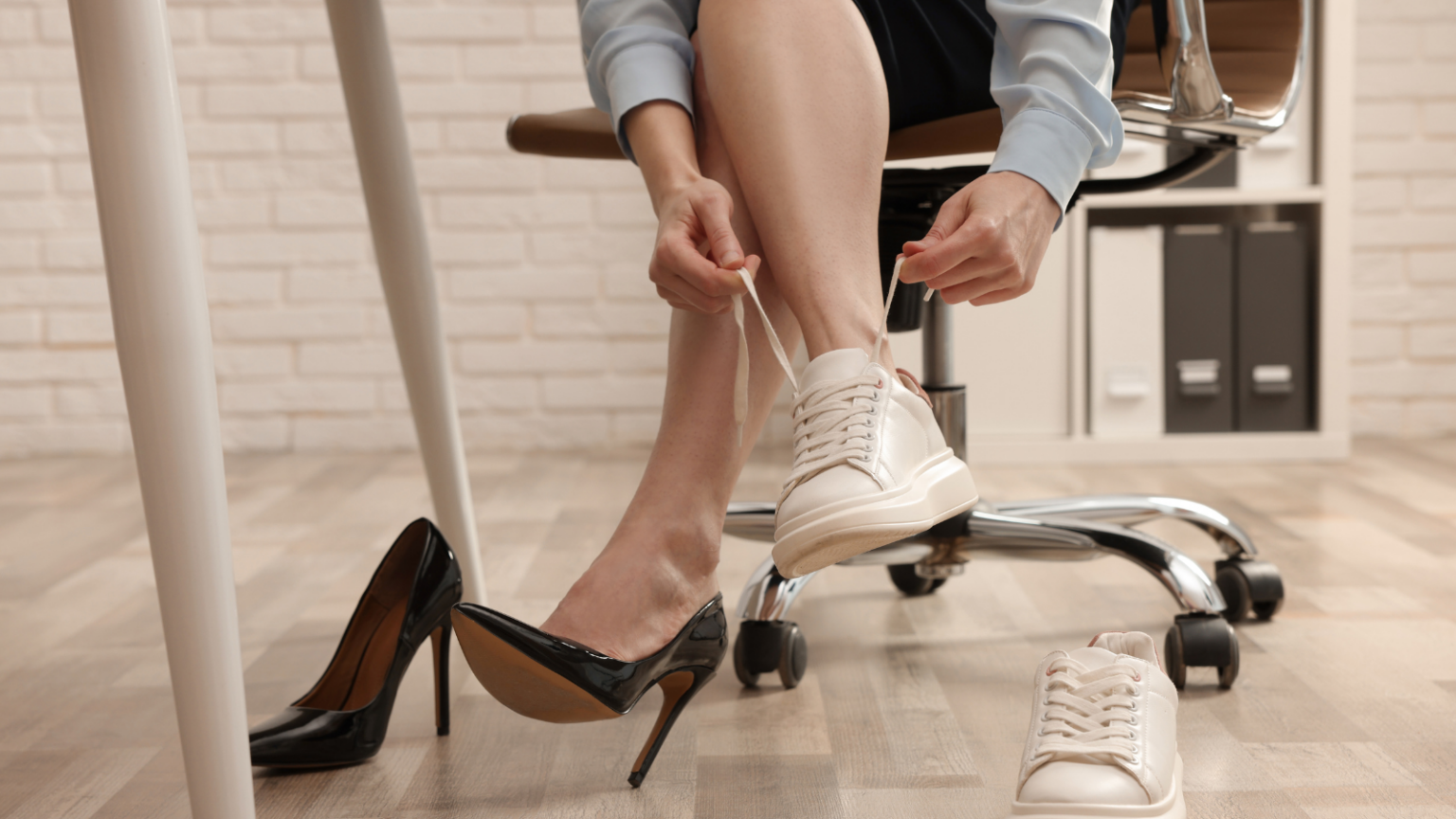
Work and social life overlap more than ever. You might go straight from the office to a bar, a networking event, or a birthday dinner. That means your clothes need to handle fluorescent lighting at noon and candlelight at eight. For plus-size women, the lack of polished, multipurpose pieces can turn those transitions into full outfit changes.
Retail analysis, such as retail visibility commentary, has noted that many U.S. retailers have quietly reduced plus-size offerings and in‑store quantities, even as data show most U.S. women wear larger sizes. If your office wardrobe is built mainly from those shrinking options, you may find that your work dresses skew too casual for upscale restaurants, while the more dressy pieces in your closet feel too revealing or uncomfortable for a day at your desk.
That makes saying yes to after‑work plans feel heavier. If you have to rethink your shapewear, swap bras, change shoes, and adjust your entire look before you feel socially “ready,” you might decide that going home and changing into loungewear is simply more appealing.
Closet history carries emotional weight into each decision
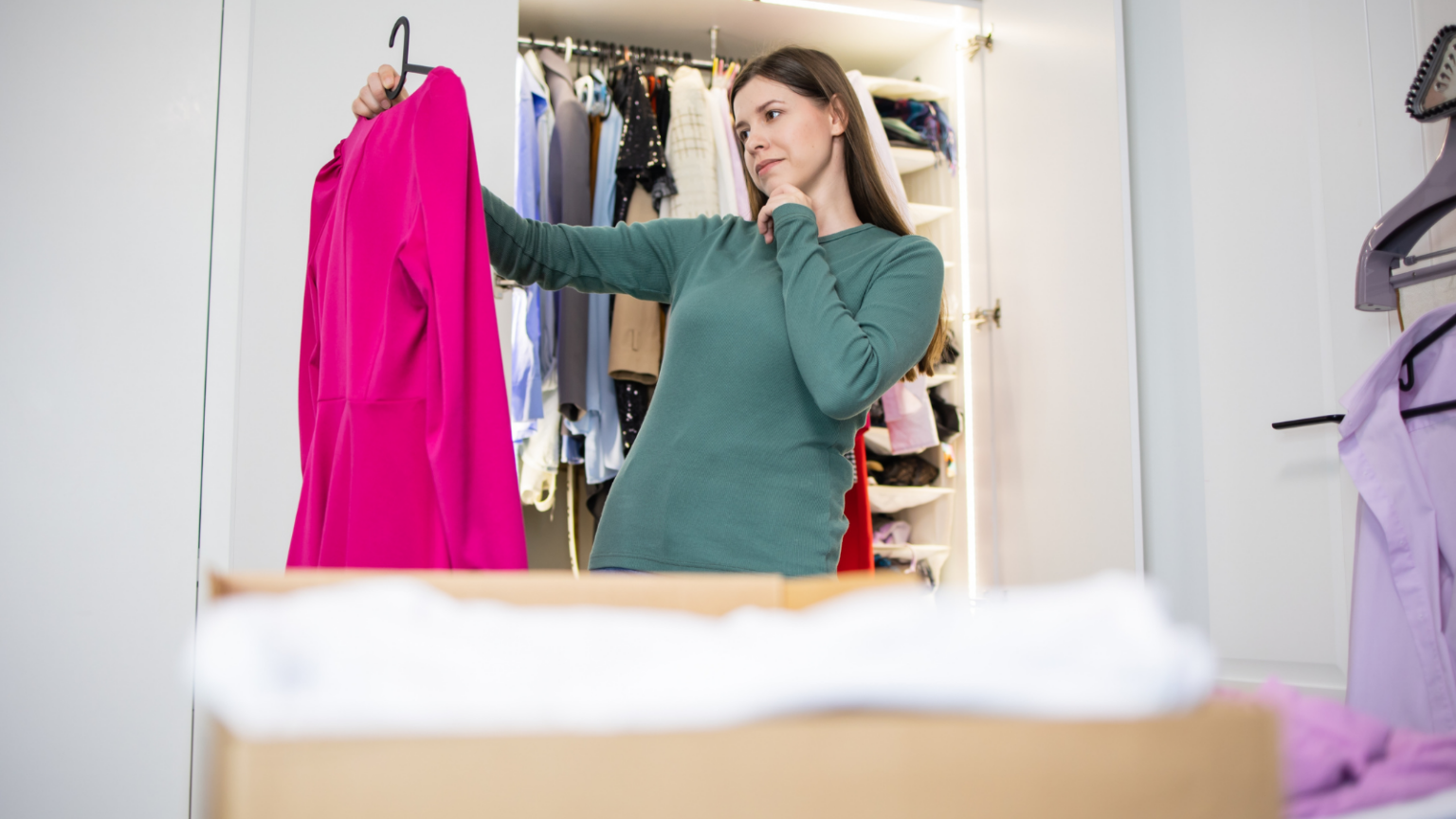
Every plus-size woman’s closet is full of stories. The dress fit differently before a health diagnosis. Jeans that no longer pull up after a medication change. A top you loved until someone made a comment about your arms.
Trying on outfits for an event can feel like flipping through chapters of your own past, and those memories sit alongside the garments you still own. You are not just evaluating colors and cuts. You are measuring your current body against older versions of yourself, deciding whether you are willing to see that comparison reflected in photos, mirrors, and other people’s eyes.
If every option pulls up uncomfortable memories, it becomes natural to protect yourself by saying “not this time,” even for events you were excited about at first.
Fashion still treats plus-size bodies as projects, not starting points
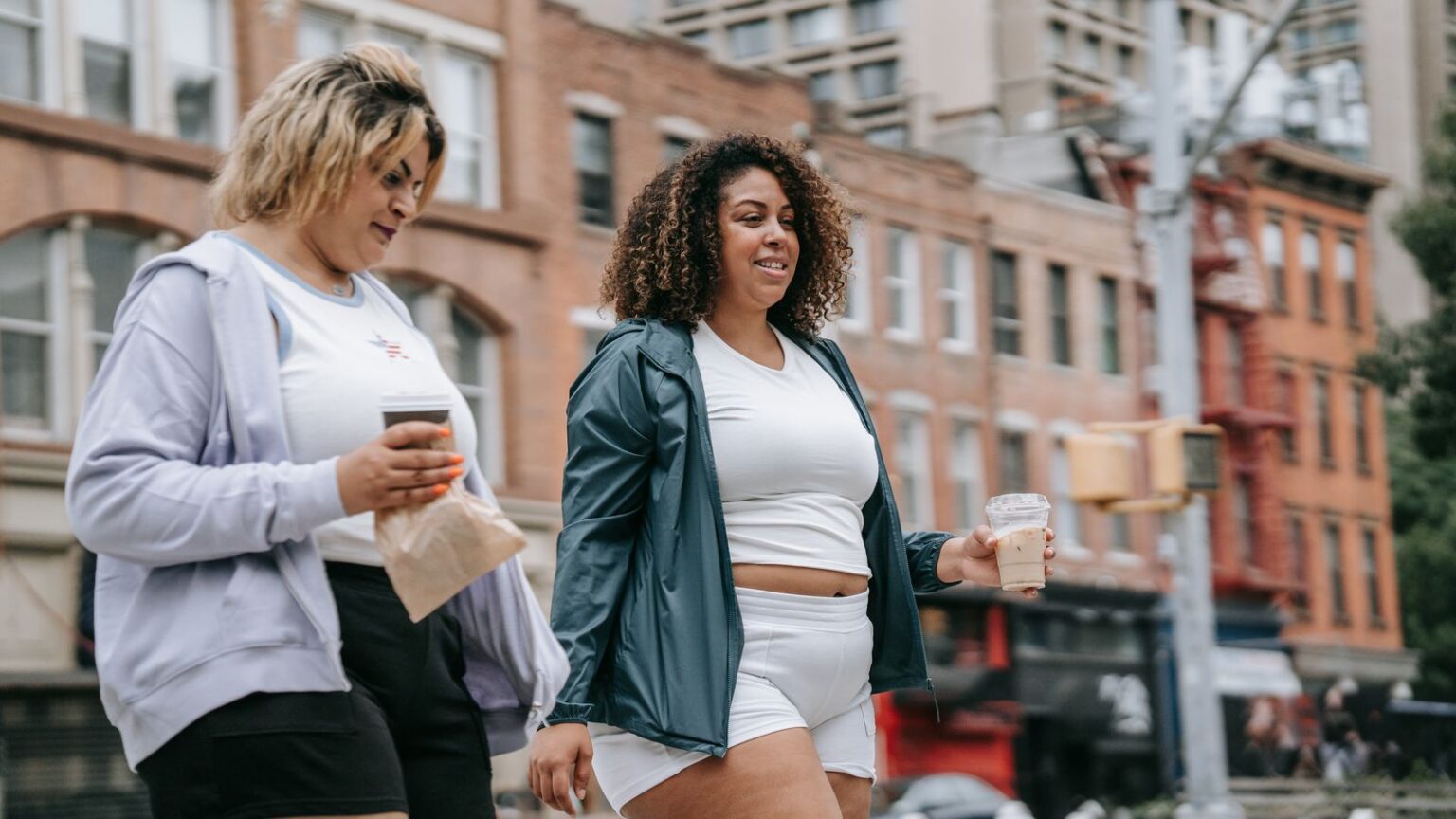
Much mainstream messaging about style and shapewear frames plus-size bodies as works in progress. You are told to smooth, cinch, hide, contour, and “fix” your silhouette before entering certain spaces. Outfits become proof that you tried hard enough to earn your place at the table, on the dance floor, or in the group photo.
A 2026 overview of fashion and anxiety explores how clothing is tied to feelings of visibility and social pressure. When clothes are treated as tools to correct you rather than support you, getting dressed for social events feels like preparing for a test. You worry that skipping shapewear or choosing comfort will be seen as failing, even if those choices are what your body actually needs.
Outfit anxiety is the fear that your natural shape is not acceptable for ordinary nights out. Until more fashion is cut and styled with plus-size women as the default, not the exception, many will keep protecting themselves from that fear by staying home.
Key Takeaways
Outfit anxiety for plus-size women in 2026 is not about indecision or vanity. It is a rational response to a fashion system that still makes event dressing, going‑out looks, shapewear, and lingerie feel conditional on squeezing, smoothing, and guessing. The most important shift is not forcing more outfits and more trends into your life. It is steadily building a wardrobe that treats your body as the starting point: clothes and underpinnings that fit without apology, so saying yes to being seen feels like a real choice, not a gamble.
Disclaimer: This list is solely the author’s opinion based on research and publicly available information. It is not intended to be professional advice.
Like our content? Be sure to follow us
MORE TCF GAMES