
Healthy hair doesn’t stop needing care after the lights go out. Every toss, turn, and shift across a pillow creates friction that can roughen the hair cuticle, encourage tangles, and increase breakage over time. Many people invest in premium shampoos, masks, and styling products, yet overlook the eight hours their hair spends rubbing against bedding each night.
Hair concerns remain one of the most common beauty issues in the United States. The American Academy of Dermatology (AAD) notes that it is normal to shed 50 to 100 hairs each day, yet excessive breakage caused by daily habits can make hair appear thinner and less healthy.
The AAD also warns that rough handling, excessive friction, tight hairstyles, and improper hair care practices can damage the hair shaft and increase breakage. A few adjustments to a bedtime routine can make a noticeable difference in how hair looks and feels by morning.
Sleep on a Silk or Satin Pillowcase

Your pillowcase makes contact with your hair for hours every night, making fabric choice more important than many people realize. Cotton pillowcases absorb moisture and create more surface friction as your head moves during sleep.
That repeated rubbing can roughen the cuticle, encouraging frizz, tangles, and split ends over time. Silk and satin provide a smoother surface that allows strands to glide more easily rather than catching on the fabric.
The American Academy of Dermatology encourages reducing physical stress on hair to prevent breakage, and minimizing overnight friction fits naturally into that approach. Many people notice fewer tangles, easier brushing, and improved shine after switching to smoother bedding materials, especially if they move frequently during sleep.
Never Go to Bed With Soaking Wet Hair

Moisture temporarily weakens the hydrogen bonds inside each strand, allowing hair to stretch farther than it normally would. That extra flexibility sounds helpful, but it also makes strands more susceptible to snapping under pressure.
Sleeping on wet hair adds hours of rubbing, twisting, and compression while the hair remains in its most fragile state. The result can include flattened sections, stubborn tangles, frizz, and increased breakage by morning.
Air-drying until hair is mostly dry, or using the lowest practical heat setting, shortens the period when strands remain vulnerable. The American Academy of Dermatology specifically advises gentle drying techniques because wet hair is more prone to mechanical damage during brushing, styling, and overnight movement.
Secure Long Hair in a Loose Braid
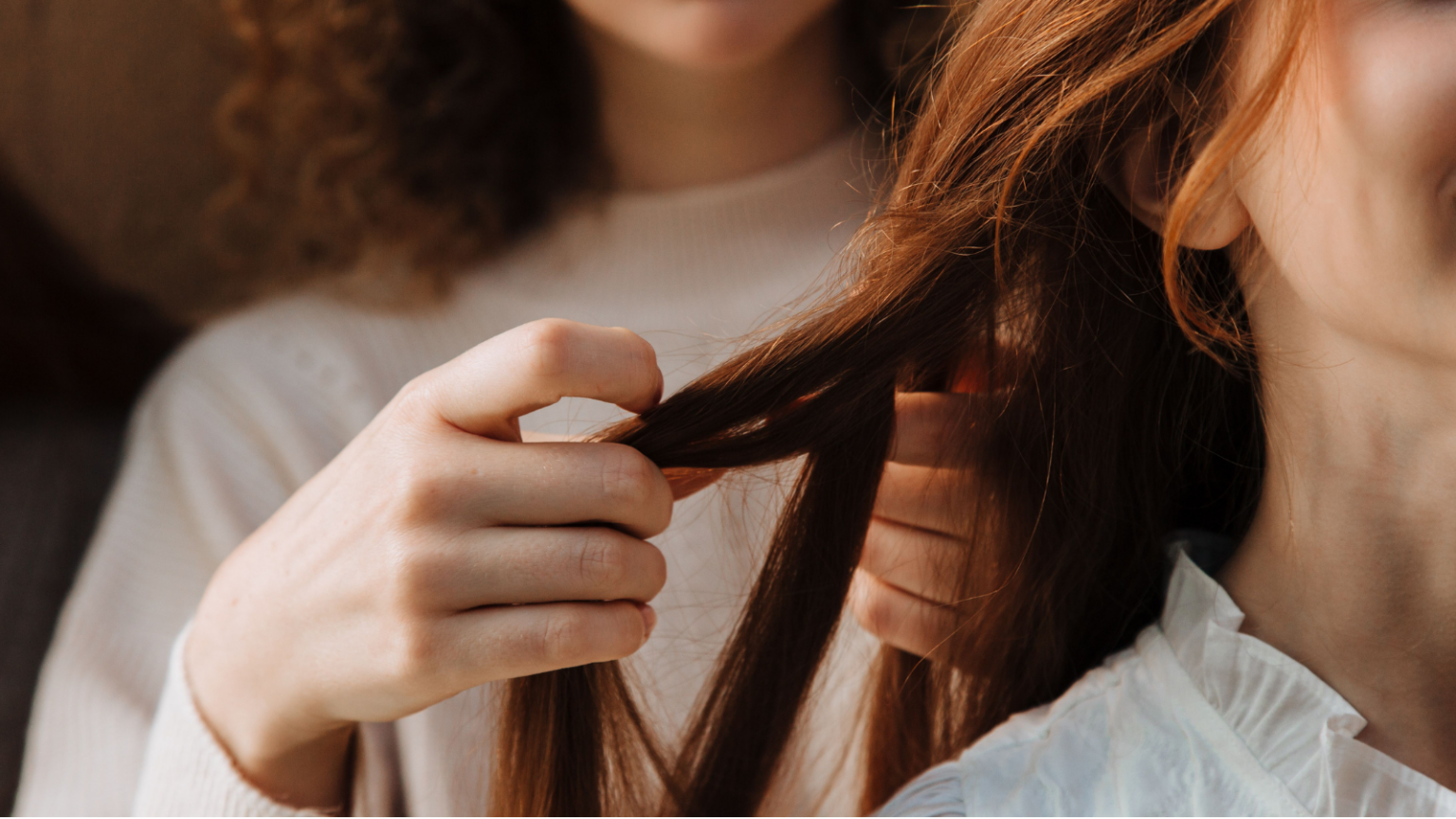
Hair left completely loose can wrap around itself repeatedly during sleep, creating knots that require aggressive brushing the next morning. A loose braid keeps strands aligned while allowing enough movement to avoid excessive tension on the scalp.
This simple style distributes pressure evenly rather than concentrating stress in one area, helping to reduce friction throughout the night. Braids also help preserve waves and curls, making morning styling faster and requiring less heat.
Tight braids should be avoided because excessive pulling can place unnecessary stress on hair follicles. The American Academy of Dermatology recommends choosing hairstyles that avoid constant tension, since repeatedly pulling hair tightly may contribute to breakage and traction-related hair loss over time. A relaxed braid strikes an effective balance between protection and comfort, making it one of the easiest additions to a healthy nighttime routine.
Dry Your Hair With a Microfiber Towel Before Bed
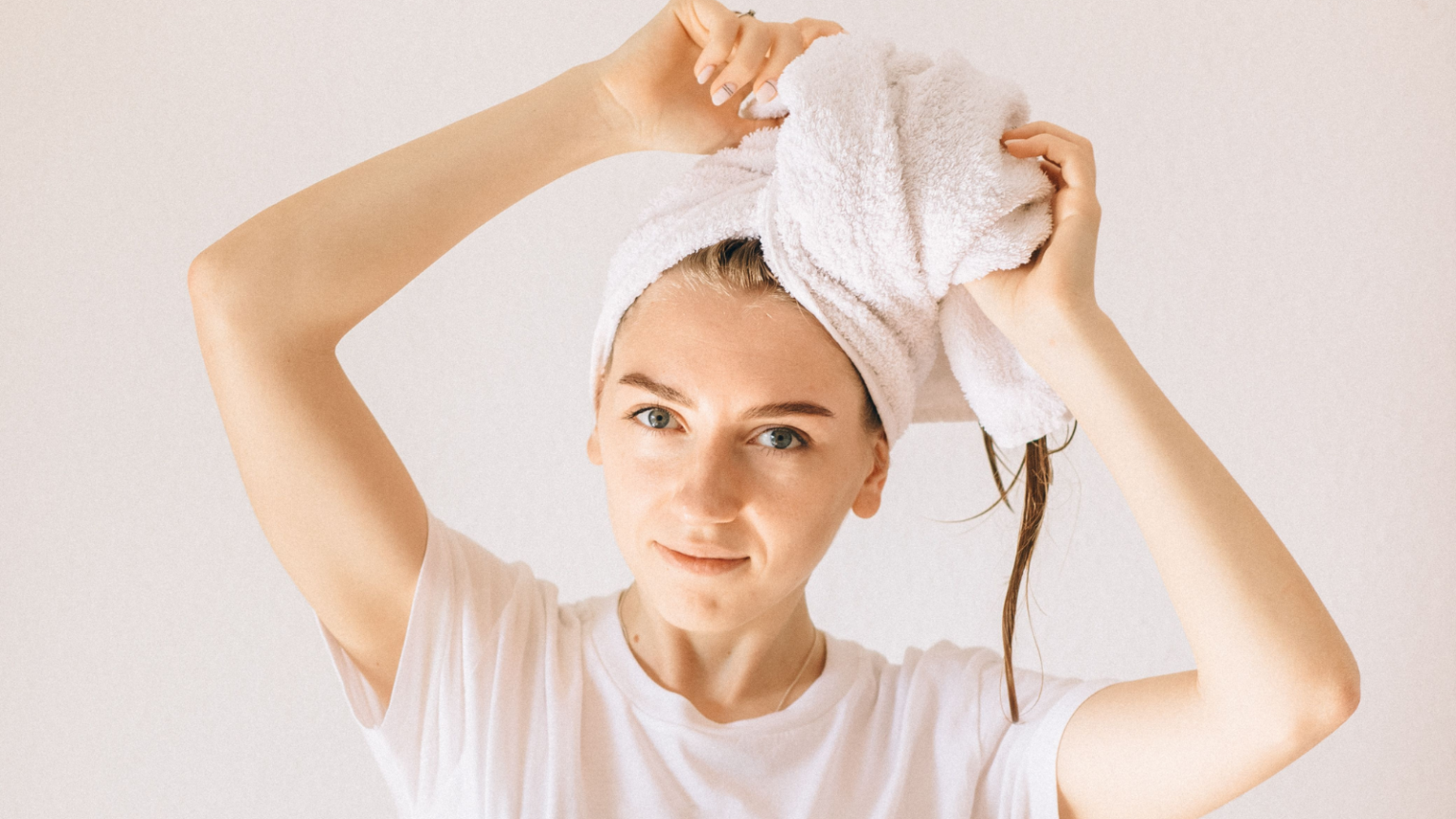
Reaching for the nearest bath towel after washing your hair seems harmless, yet the fabric can create more friction than your strands need. Traditional terry cloth towels have loops that catch on the hair cuticle, especially when you rub vigorously to speed up drying.
Repeated friction can roughen the protective outer layer of each strand, leaving hair more vulnerable to frizz, tangles, and split ends overnight. A microfiber towel absorbs water efficiently while requiring much less rubbing, allowing hair to dry with less mechanical stress.
Gently squeezing out excess water instead of twisting or scrubbing helps preserve the cuticle and keep strands smoother before your head hits the pillow. Spending an extra minute drying hair gently creates a stronger foundation for healthier hair throughout the night and reduces the need for intensive repair treatments later.
Apply a Lightweight Leave-In Conditioner

Hair loses moisture gradually through daily exposure to sunlight, heat styling, dry indoor air, and frequent washing. Nighttime offers an excellent opportunity to replenish some of that moisture before the next day’s activities begin.
A lightweight leave-in conditioner coats the hair shaft with conditioning ingredients that smooth the cuticle and reduce friction between strands while you sleep. Smoother strands slide past each other more easily, making tangles less likely to develop overnight.
Hair also feels softer the following morning and often requires less brushing, reducing additional mechanical stress. Fine hair generally responds well to lightweight sprays or lotions, while thicker or curlier textures may benefit from richer cream formulations used sparingly on the mid-lengths and ends.
Consistent hydration helps preserve elasticity, allowing hair to bend without snapping as easily during normal movement throughout the night. Building moisture gradually through regular care often produces more noticeable long-term improvements than relying solely on occasional deep-conditioning treatments.
Replace Tight Hair Ties With Soft Scrunchies
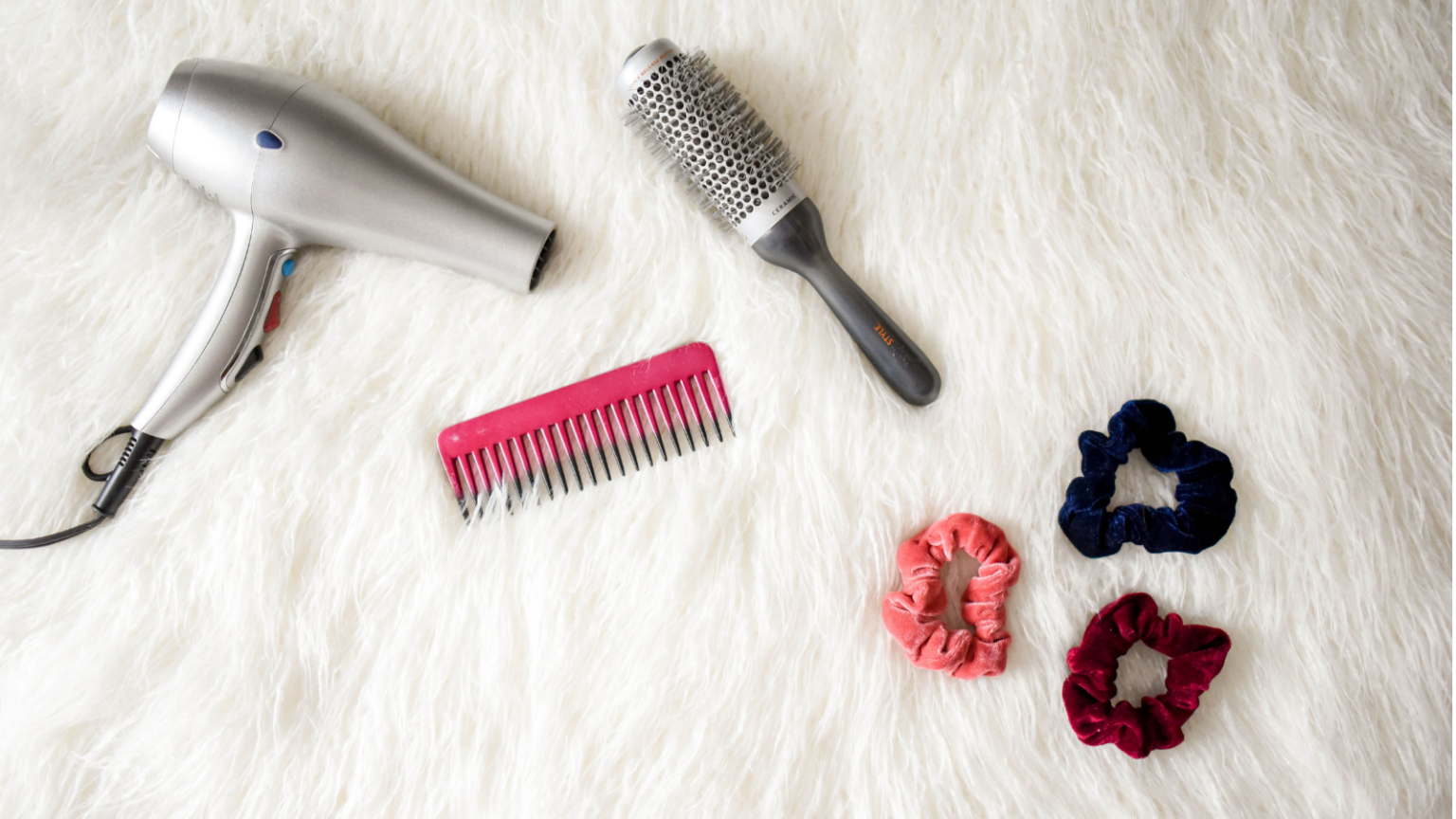
Small accessories can have a surprisingly large effect on hair health. Traditional elastic bands often grip hair tightly and create concentrated pressure in one location, increasing the likelihood of creases, breakage, and snapped strands after hours of continuous wear.
Fabric-covered scrunchies distribute that pressure across a wider surface, reducing stress on individual hairs while still holding styles securely. A loose ponytail or low bun secured with a soft scrunchie keeps long hair contained without creating excessive tension around the scalp or along the hair shaft. This approach also helps preserve curls and waves by minimizing flattening during sleep.
Switching to softer hair ties requires little effort, yet many people notice fewer broken hairs caught in the elastic each morning and smoother hair after several weeks of consistent use.
Wrap Textured or Curly Hair in a Silk or Satin Scarf
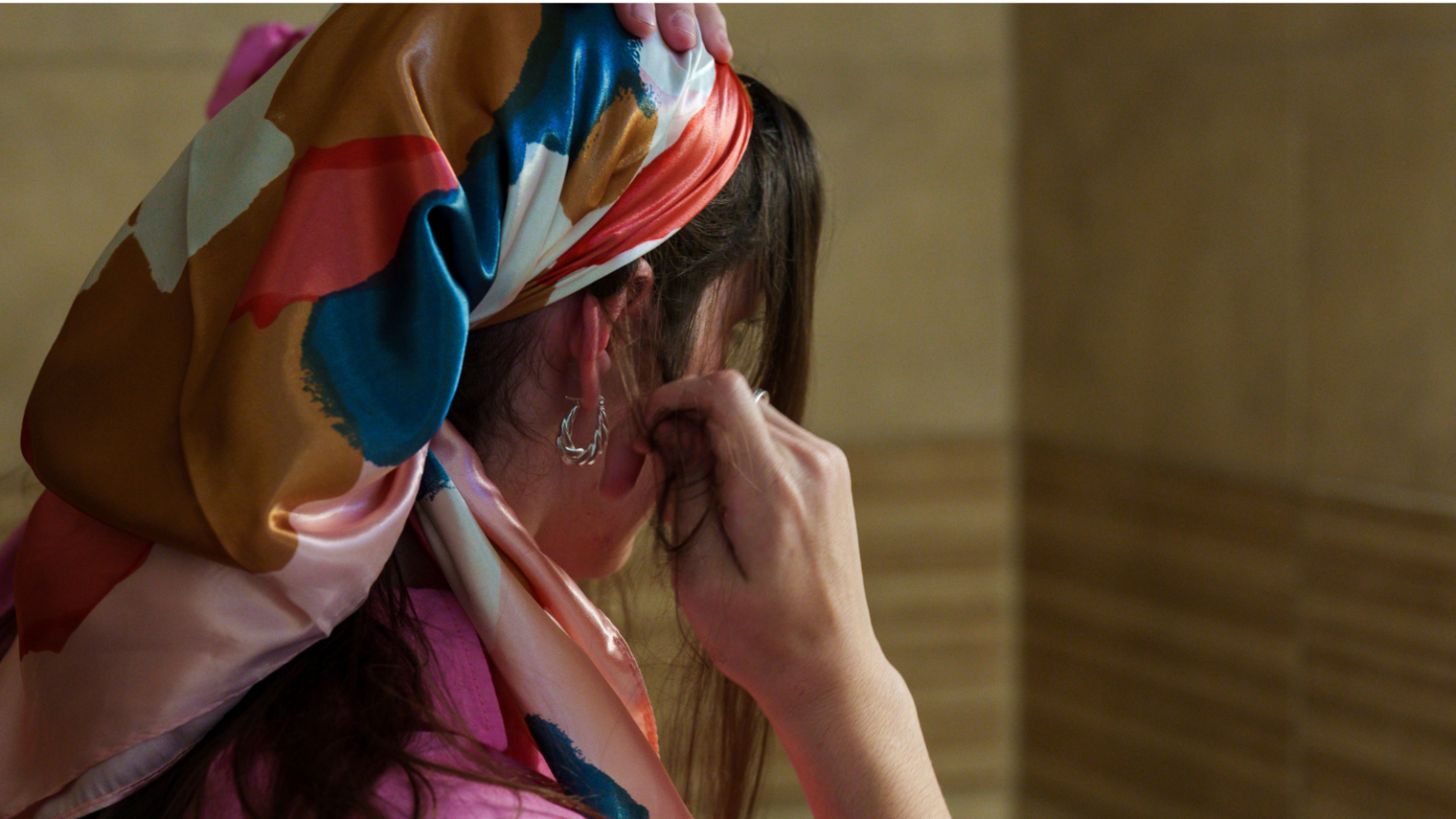
Curly, coily, and textured hair naturally follows a winding pattern, making it more susceptible to dryness because the scalp’s natural oils travel less efficiently along each strand. Overnight friction can separate curl clumps, lift the hair cuticle, and create tangles that require extra manipulation the next morning.
Wrapping hair in a silk or satin scarf creates a smooth, protective barrier that helps curls retain their shape while reducing moisture loss from repeated contact with bedding. Hair typically feels softer, appears shinier, and develops less frizz after consistent overnight protection.
A properly secured scarf also reduces the amount of brushing and styling needed the following day, lowering cumulative damage over weeks and months while helping curls maintain their natural definition between wash days.
Keep Your Bedroom Cool and Comfortable

The environment where you sleep influences more than your comfort; it also affects your hair. Excessively warm bedrooms encourage sweating, and moisture trapped between the scalp and pillow can leave hair limp, frizzy, or flattened by morning.
High temperatures may also increase scalp oil production in some people, causing freshly washed hair to lose volume more quickly. A bedroom temperature between 60°F and 67°F (15.6°C to 19.4°C) is widely recommended for optimal sleep quality, according to the U.S. Centers for Disease Control and Prevention (CDC) and the National Sleep Foundation.
A cooler sleeping environment also helps keep hair drier and more manageable overnight. Pairing comfortable room temperatures with breathable bedding reduces excess humidity around the scalp, helping hairstyles last longer while limiting unnecessary exposure to moisture that can disturb the hair cuticle during hours of sleep.
Detangle Hair Gently Before Going to Sleep
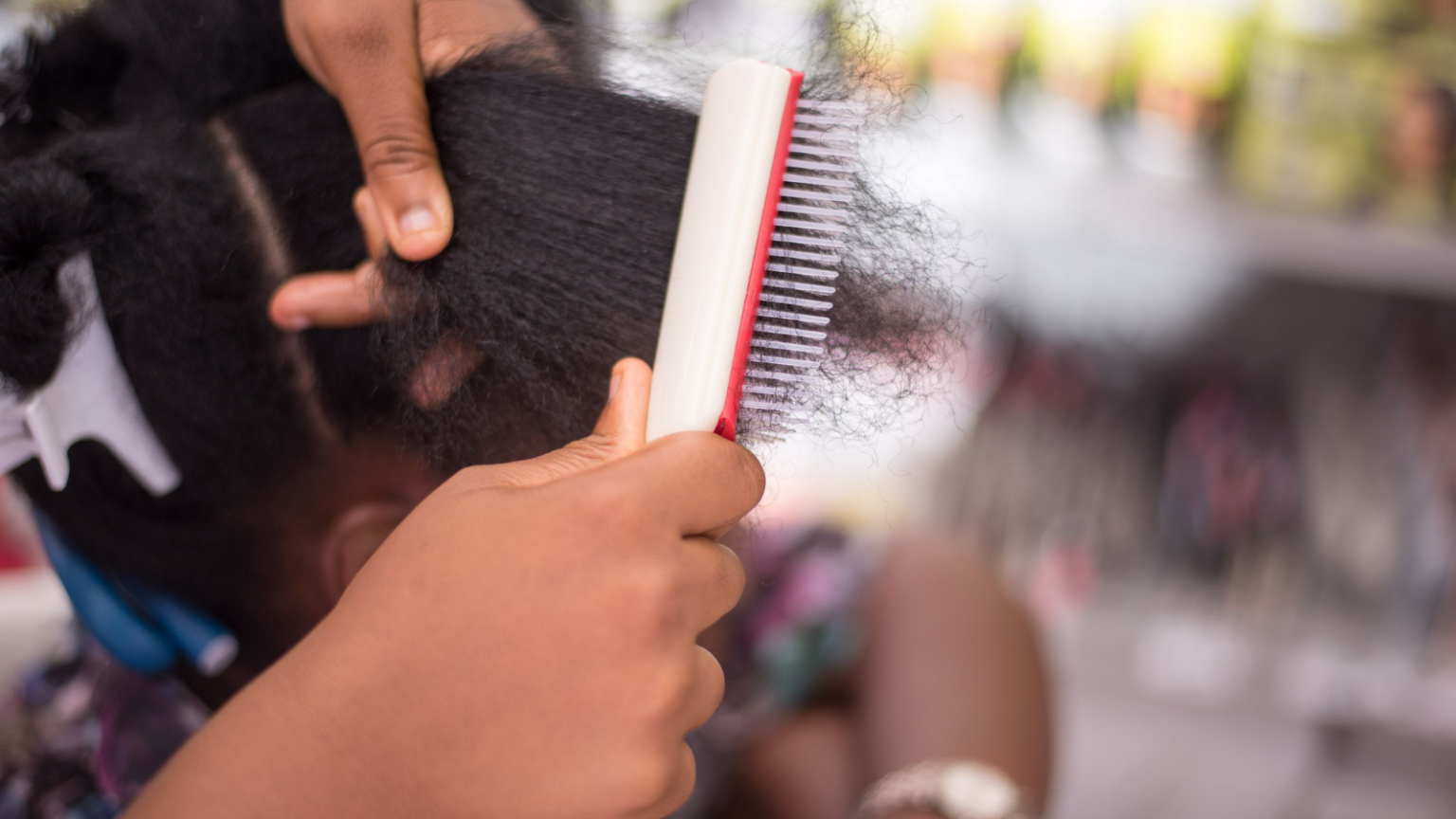
Small knots become much larger after several hours of tossing and turning. Running a wide-tooth comb or a detangling brush through your hair before bed removes minor tangles before they tighten overnight, making morning styling significantly easier.
Begin near the ends and gradually work upward in small sections instead of pulling straight through the entire length. This technique reduces tension on individual strands and lowers the risk of unnecessary breakage.
Applying a light detangling spray or leave-in conditioner beforehand can further reduce friction, allowing the comb to glide smoothly through the hair. Spending just a few minutes detangling before bed often saves considerably more time in the morning while preserving smoother, healthier-looking hair over the long term.
Choose Protective Hairstyles That Minimize Friction
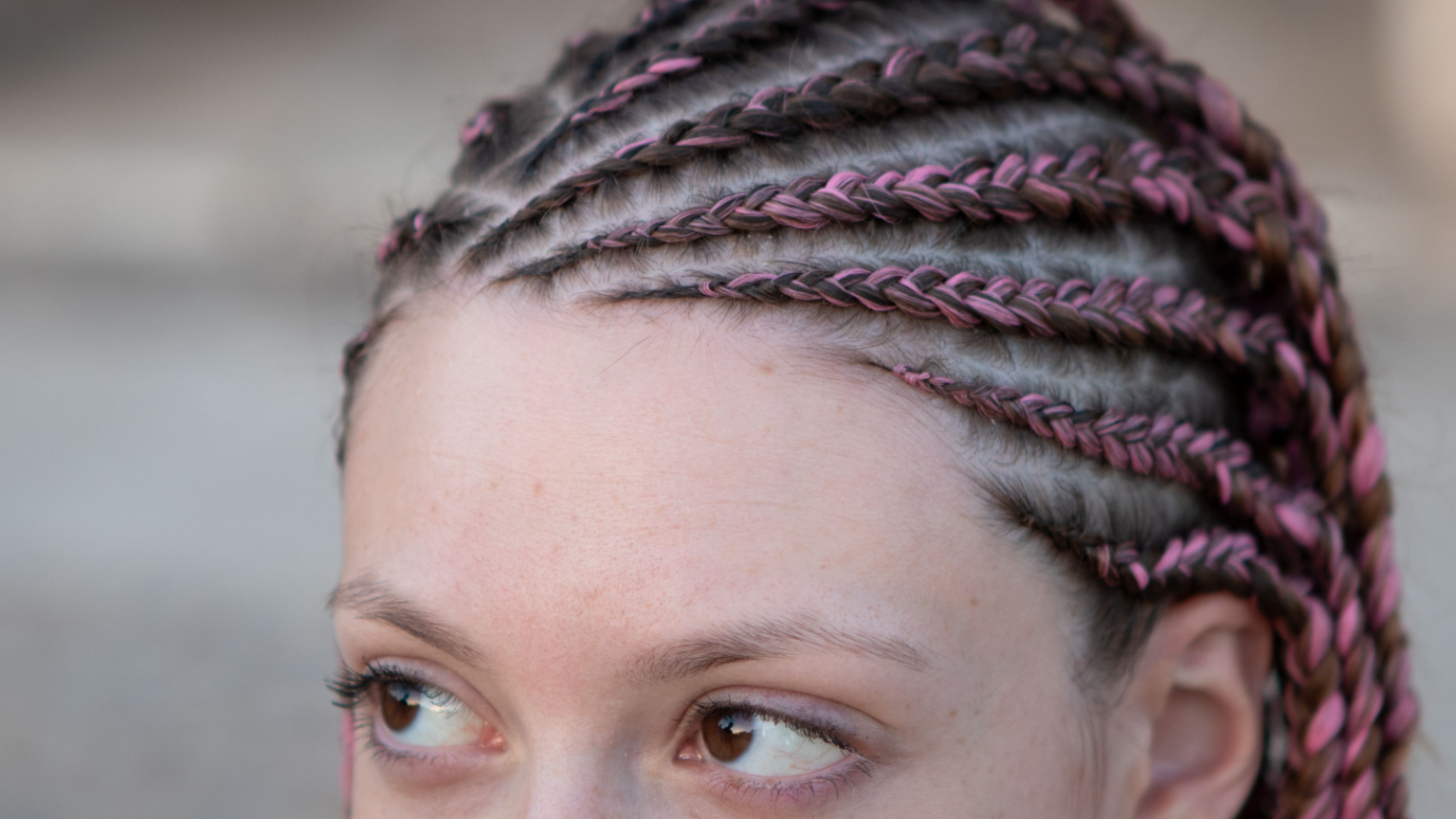
Leaving long hair completely loose while sleeping allows strands to rub against bedding for several hours, increasing the chance of knots, frizz, and breakage. Protective hairstyles help limit that movement while reducing unnecessary stress on the hair shaft.
A loose bun secured with a soft scrunchie, a low braid, or a pineapple hairstyle for curly hair keeps strands contained without creating excessive tension. Hair should feel secure rather than tightly pulled because constant pressure can weaken strands over time.
Rotating protective styles throughout the week also changes pressure points, helping distribute stress more evenly across the scalp.
Care for Your Scalp Before Turning In
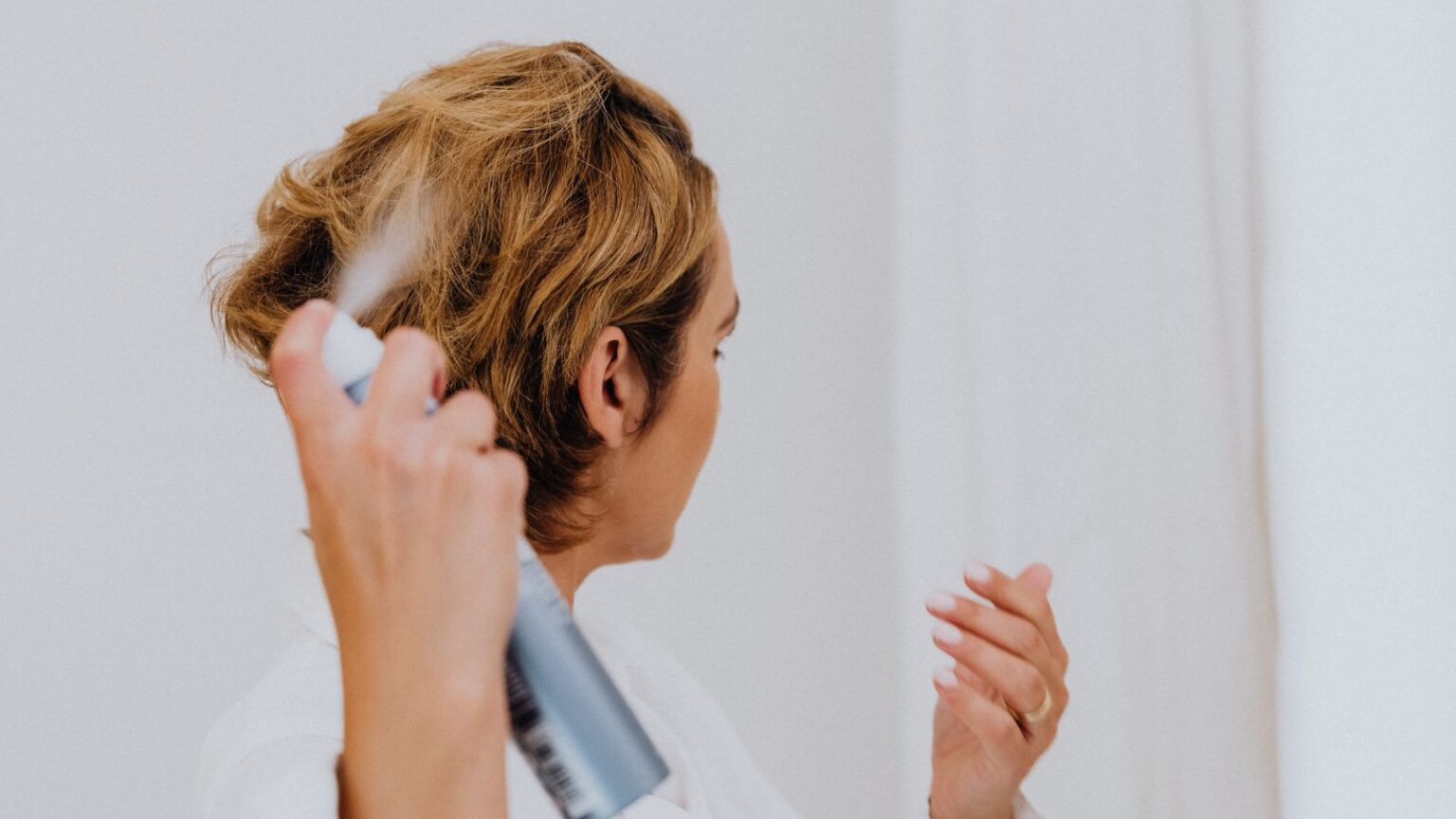
Healthy hair begins with a healthy scalp because every strand grows from a hair follicle beneath the skin’s surface. A clean, balanced scalp creates a better environment for normal hair growth while helping reduce product buildup, excess oil, and irritation.
Before bedtime, gently massage the scalp for a few minutes with your fingertips rather than your nails. Scalp massage increases local blood circulation and helps distribute natural oils through the hair, leaving strands better conditioned overnight.
People using overnight scalp serums or lightweight treatments should follow product directions and avoid heavy formulations that may clog follicles or transfer onto bedding. The American Academy of Dermatology encourages gentle scalp care and advises seeking medical evaluation for persistent itching, flaking, pain, or sudden hair shedding.
Making scalp care part of a nightly routine supports healthier-looking hair while reducing the need for corrective treatments later.
Key Takeaways

- Nighttime friction can contribute to tangles, frizz, and hair breakage.
- Wet hair is more vulnerable to stretching and snapping than dry hair.
- Loose hairstyles reduce unnecessary tension on the hair shaft.
- Smooth fabrics create less friction than rough cotton surfaces.
- Hydration and gentle handling help preserve the hair cuticle overnight.
- Small bedtime habits can improve hair health without adding significant time to your routine.
Disclaimer: This list is solely the author’s opinion based on research and publicly available information. It is not intended to be professional advice.
Like our content? Be sure to follow us
MORE TCF GAMES