The current financial landscape for American families is defined by a significant, unavoidable pressure point: the average annual cost of full-time center-based childcare for one child has reached approximately $15,000, according to 2026 American Family Survey data.
This figure frequently scales upward to $17,000 for infant care, often consuming over 20% of the median household income. Because these expenses often exceed the cost of rent in major metropolitan areas, many expectant parents are forced to re-evaluate their financial priorities early in their pregnancy.
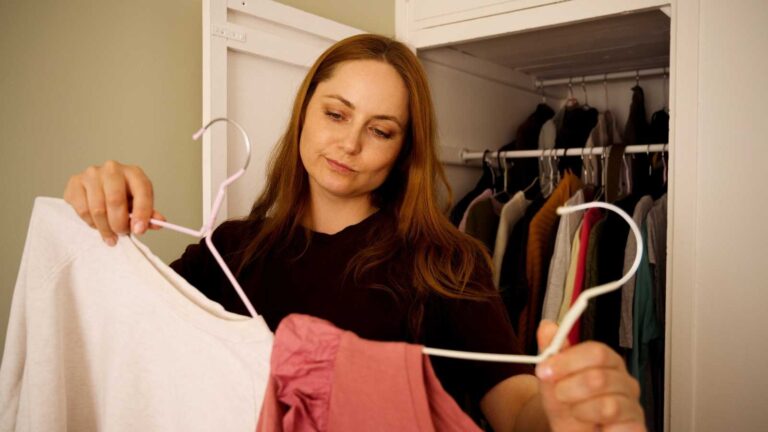
Redirecting these potential child care funds toward high-quality, existing wardrobe staples provides a practical way to manage the immediate economic strain while maintaining a personal aesthetic.
Choose Fluid Silhouettes
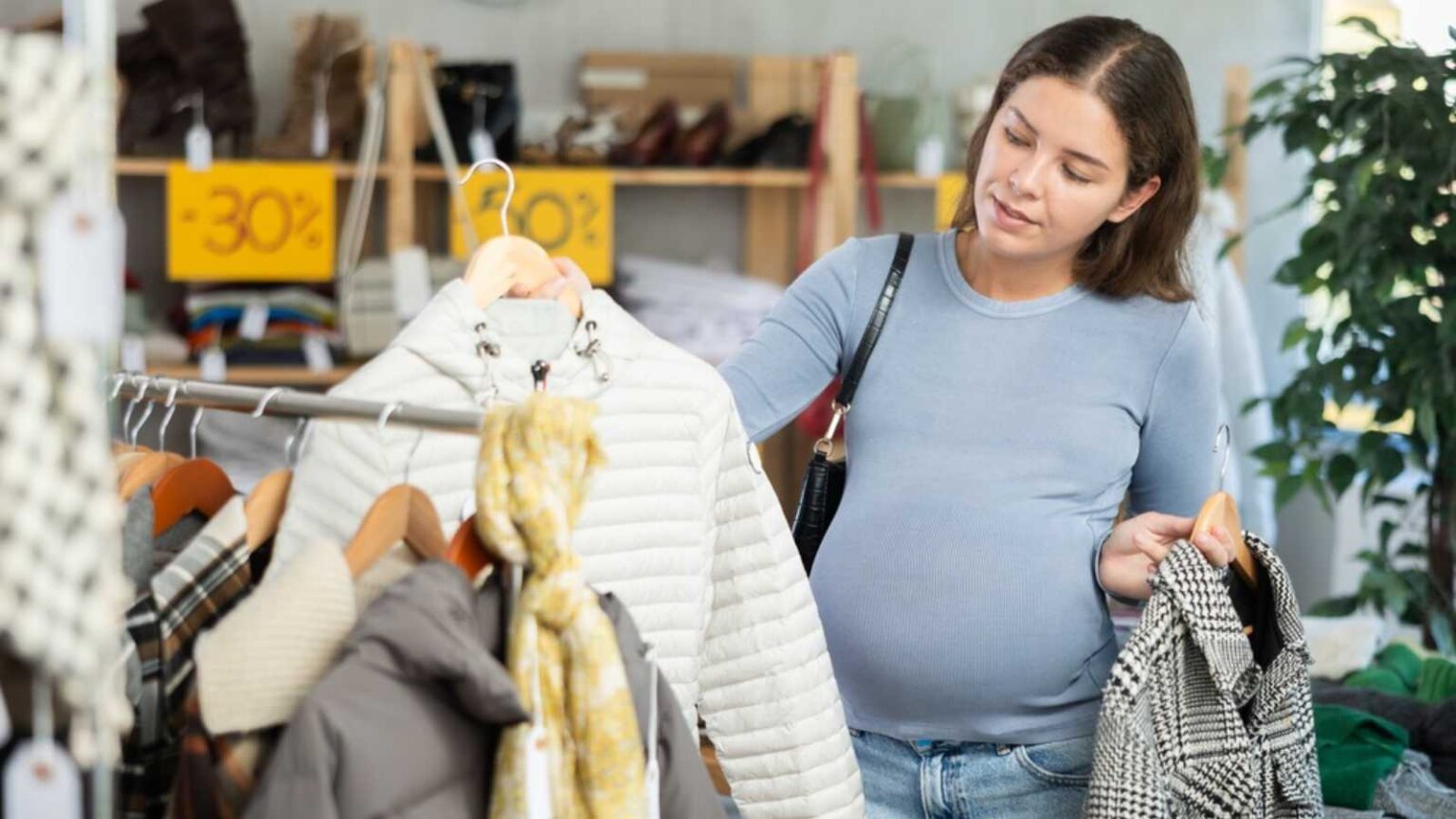
Strategic garment selection shifts focus from restrictive tailoring to pieces that offer inherent volume. A 2024 report by the International Textile Manufacturers Federation found that consumer preference for comfort-first luxury has surged, prompting design houses to incorporate more generous cuts into standard collections.
A-line dresses and trapeze silhouettes allow for structural integrity without requiring maternity-specific sizing. These shapes move with the body, easing physiological shifts while maintaining a sophisticated aesthetic.
Although voluminous garments lack definition, skillful layering with a belt or structured blazer provides the necessary architectural anchor. The focus remains on fabrics that possess movement, such as silk crepe or fluid viscose, which drape elegantly over an expanding midsection. Rather than concealing, these choices celebrate the evolving form through refined materiality.
Wear Stretch Knitwear
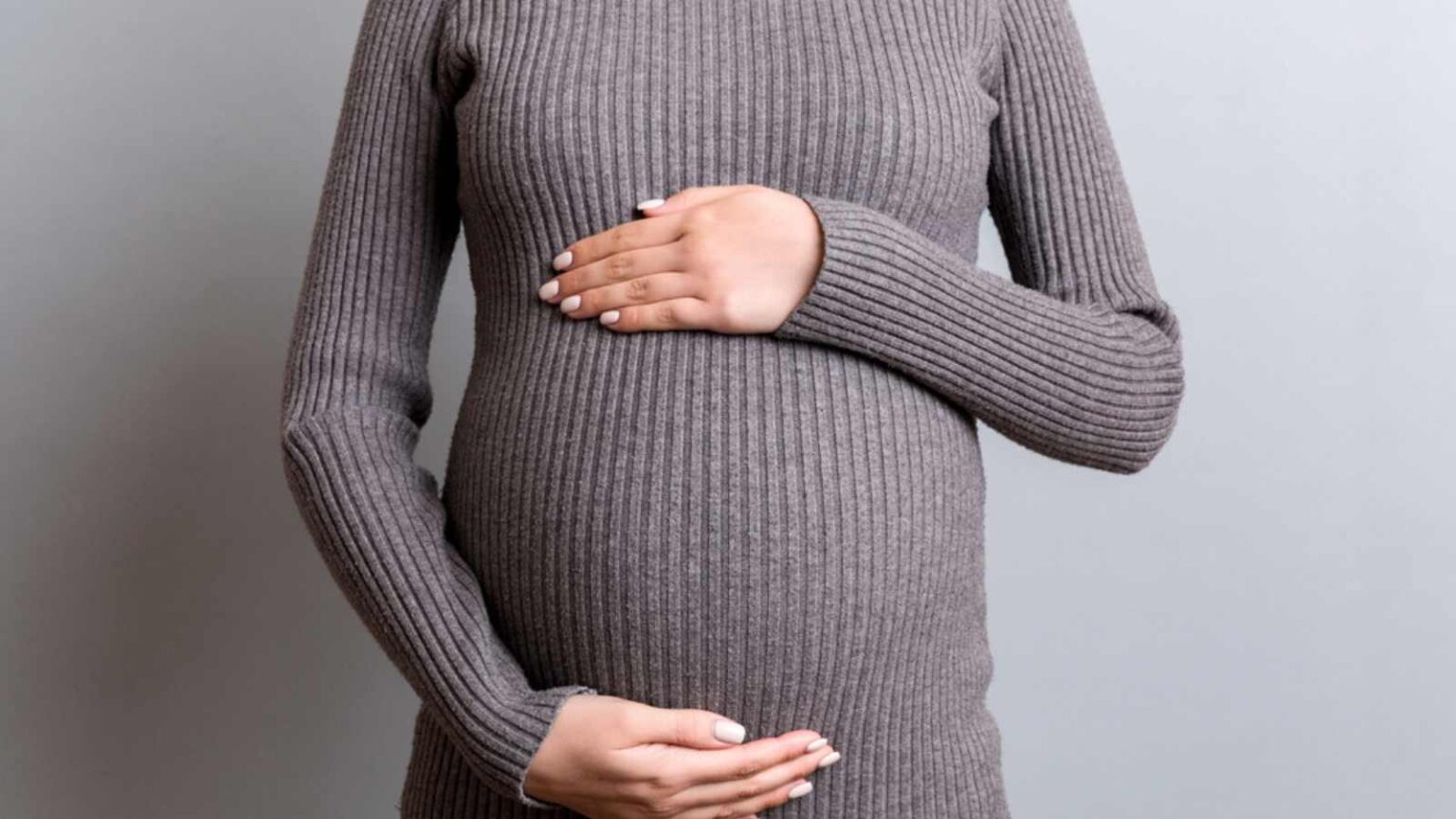
Knitwear is the foundation of an adaptable wardrobe because it has natural elasticity and structural memory.
High-density jersey blends retain their shape significantly longer than standard cotton weaves when subjected to repetitive stretching. Investing in premium merino wool or cashmere ribbing allows garments to expand with the body, eventually returning to their original form postpartum.
This longevity provides economic value, as documented in a 2025 retail analysis by McKinsey, which highlights that consumers are pivoting toward investment-grade basics that withstand sizing fluctuations. Wearing a long-sleeve knit midi dress creates a streamlined column effect, simplifying morning styling routines.
A more critical reading suggests that jersey can be unforgiving if the weave density is low, making fabric composition the defining variable for longevity and appearance.
Layer Oversized Shirts
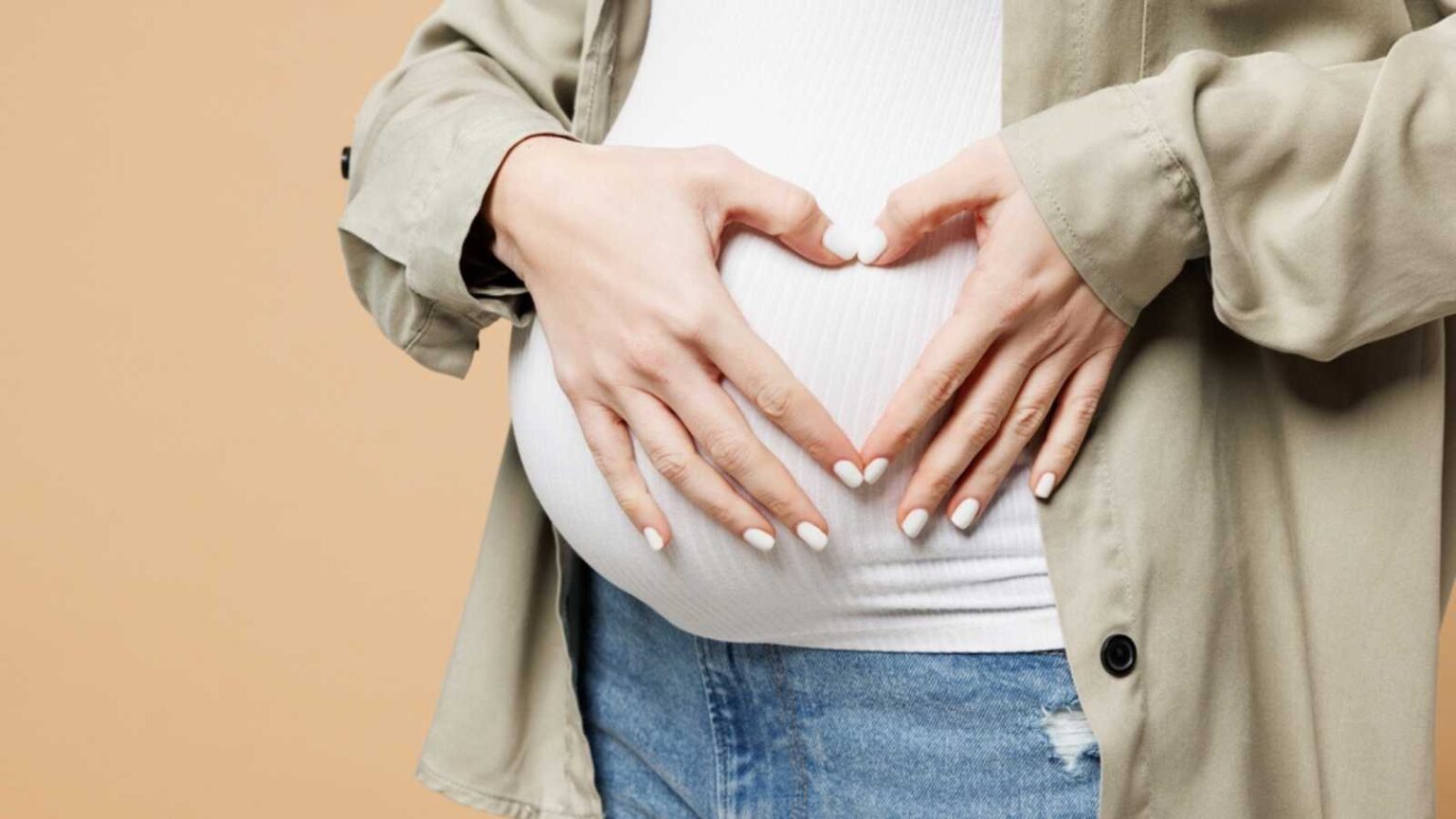
Men’s or boyfriend-cut button-downs are essential for creating layered looks that can mask or highlight specific areas. Oversized poplin shirts offer a crisp, architectural finish when paired with leggings or maternity denim, balancing proportions through contrast.
Fashion historian Valerie Steele notes in her analysis of the evolution of silhouette that the borrow-from-the-boys trend remains a persistent tool for achieving an effortless, intentional aesthetic. Leaving the shirt unbuttoned over a fitted tank top provides a vertical line that elongates the frame.
This technique uses the garment’s existing volume to frame the body rather than fight it. Such loose pieces overwhelm smaller frames; rolling the sleeves and tucking the front hem creates a controlled, intentional volume that feels balanced and sharp.
Rely on Wrap Dresses
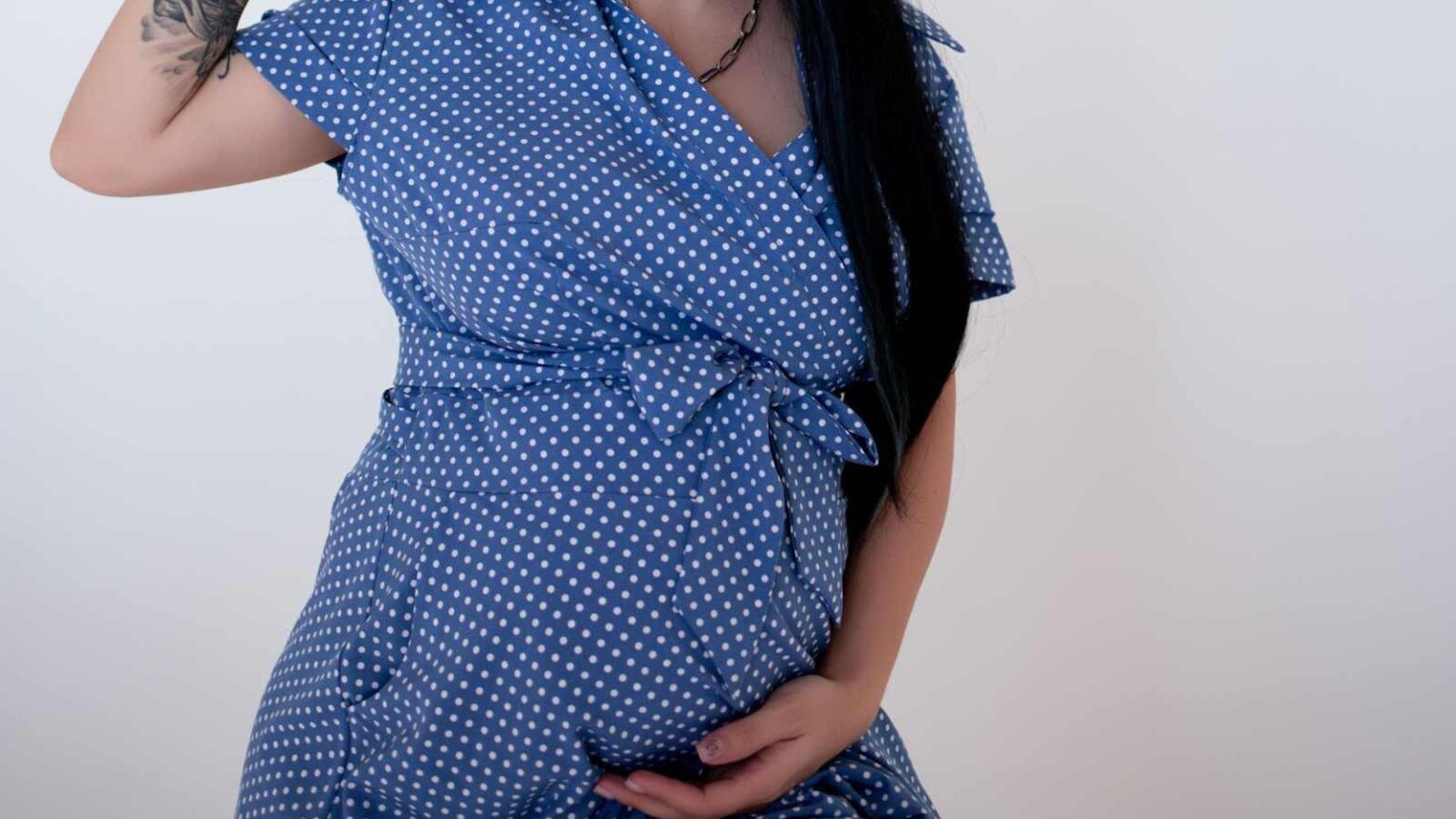
Wrap dresses offer unparalleled adjustability, functioning as a staple that adapts to changing waistlines. Diane von Furstenberg famously revolutionized this construction in the 1970s, emphasizing that the wrap provides a universal fit by allowing the wearer to dictate the tension and placement of the bodice.
Because the garment relies on a tie-waist mechanism, it remains functional throughout all trimesters. The V-neckline also draws the eye upward, highlighting the décolletage and balancing the lower silhouette.
Not all wrap styles are created equal; bias-cut silk or jersey provides the most successful drape over a growing bump. This design choice eliminates the need for frequent wardrobe turnover, as the garment remains perfectly wearable both before and after pregnancy.
Wear Elastic Waistbands
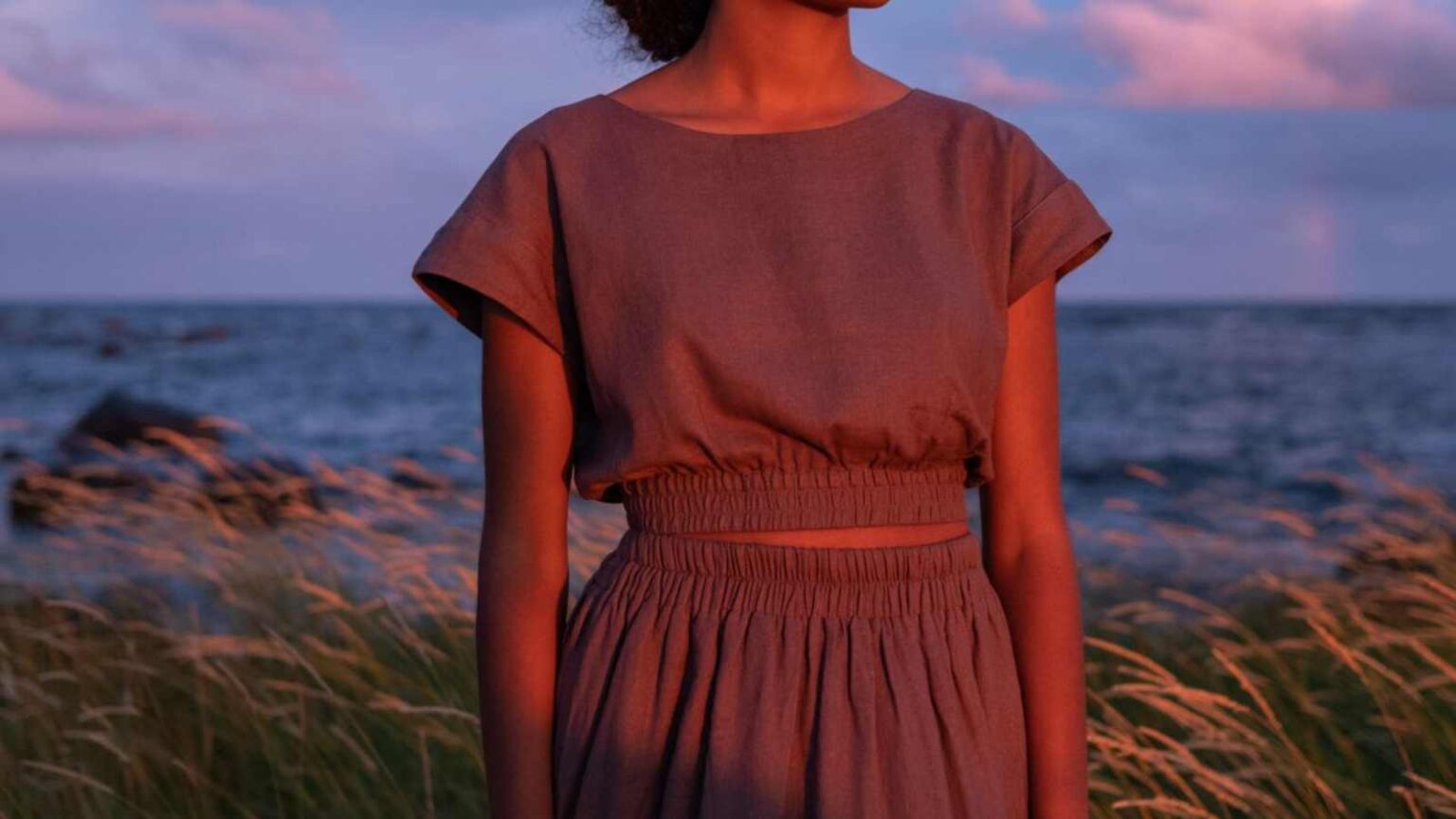
Elastic waists often carry a stigma of informality, yet modern design techniques mask these functional features behind refined fabrications. Selecting trousers or skirts with hidden elastic inserts allows for comfort without sacrificing a polished professional appearance.
The French tuck, tucking only the front portion of a blouse, creates a deliberate aesthetic while accommodating the waistband comfortably. This method balances the silhouette, providing a defined front profile while allowing the back to hang loose.
Visible elastic indicates poor quality, but high-end manufacturers now utilize hidden-band technology specifically to address this concern. By pairing these items with tailored outerwear, the look shifts from relaxed to professional, proving that utility and high-fashion sensibility can coexist seamlessly.
Dress Monochromatically
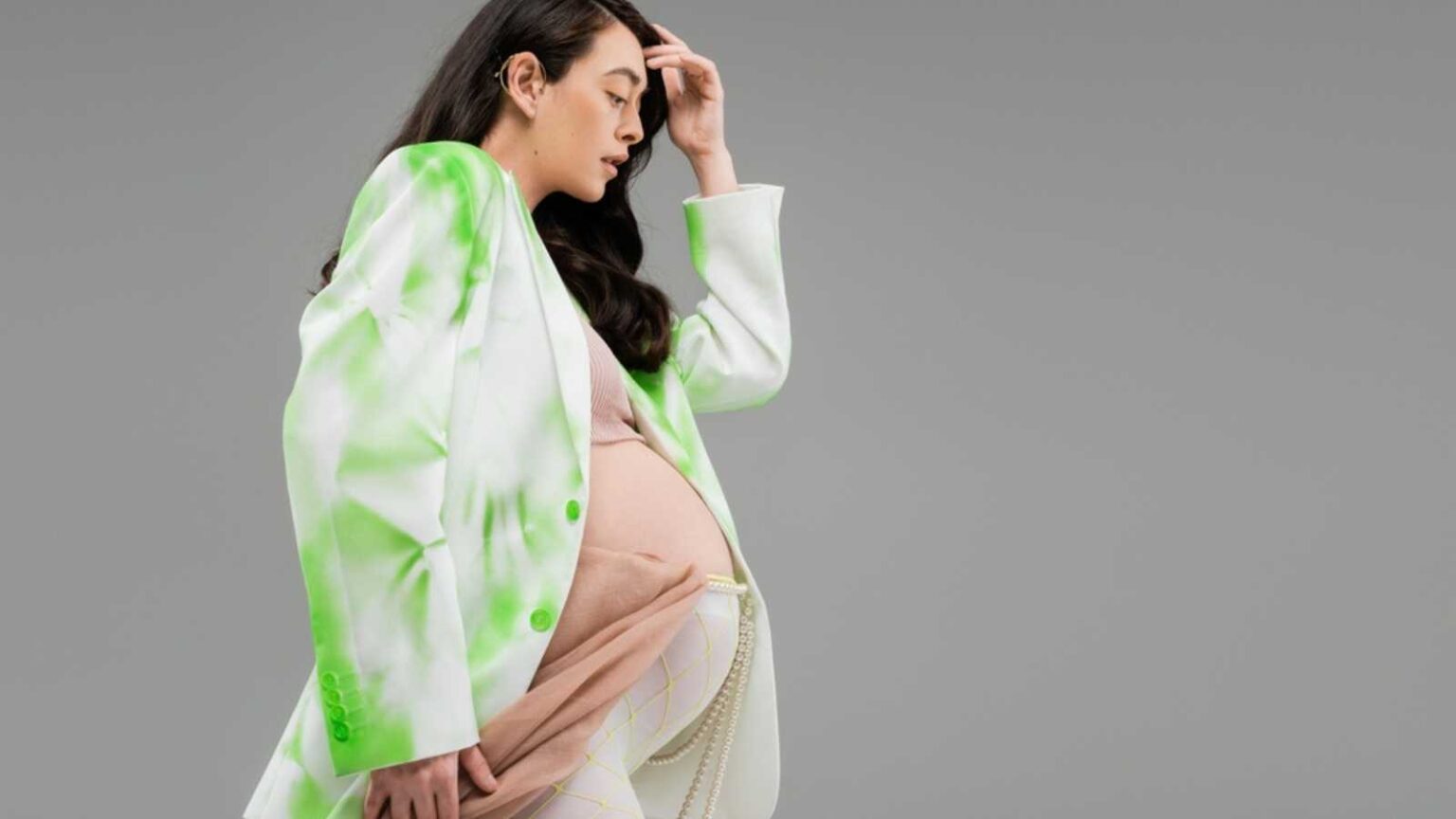
Monochromatic dressing creates an uninterrupted visual line, which minimizes the appearance of bulk while maximizing height. Wearing a single color palette from head to toe, such as charcoal, navy, or cream, offers a sophisticated, cohesive look that inherently feels expensive.
Color theory suggests that maintaining consistent tonal values prevents the body from being visually segmented, thereby creating an elongated silhouette. Fashion editors frequently utilize this styling trick to unify disparate pieces, such as a fitted camisole paired with a long, flowy skirt in a matching hue.
Minimalism risks monotony. Incorporating varied textures such as silk, wool, and leather within the same color family adds depth. This technique ensures that existing separates suddenly function as a cohesive, high-fashion ensemble.
Invest in Maternity Leggings
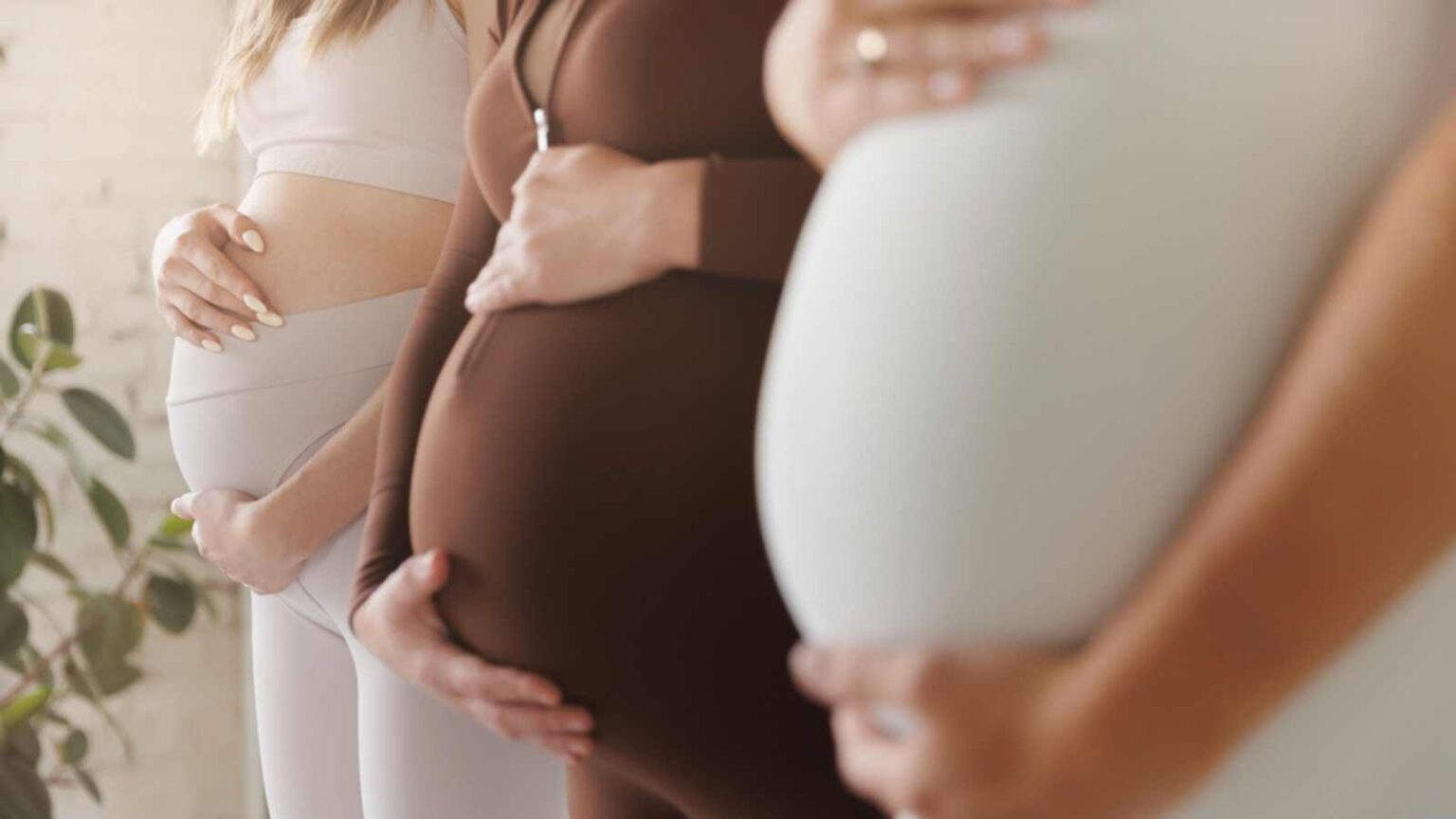
Quality engineering in legwear determines the success of an entire outfit. Premium maternity leggings featuring high-denier fabrics and non-compressive bands provide the necessary support while maintaining an opaque, matte finish.
Research published in the Textile Research Journal highlights that elastane-blended textiles must maintain a specific recovery threshold to avoid sagging after prolonged wear. Selecting pairs that mimic the look of tailored trousers or classic black denim makes them a foundation for blazers, oversized sweaters, or tunics.
While leggings might seem purely casual, pairing them with pointed-toe boots or leather loafers elevates the garment into a work-appropriate category. This piece serves as the essential anchor, providing comfort without compromising the overall polish of the curated outfit.
Restyle Your Blazers
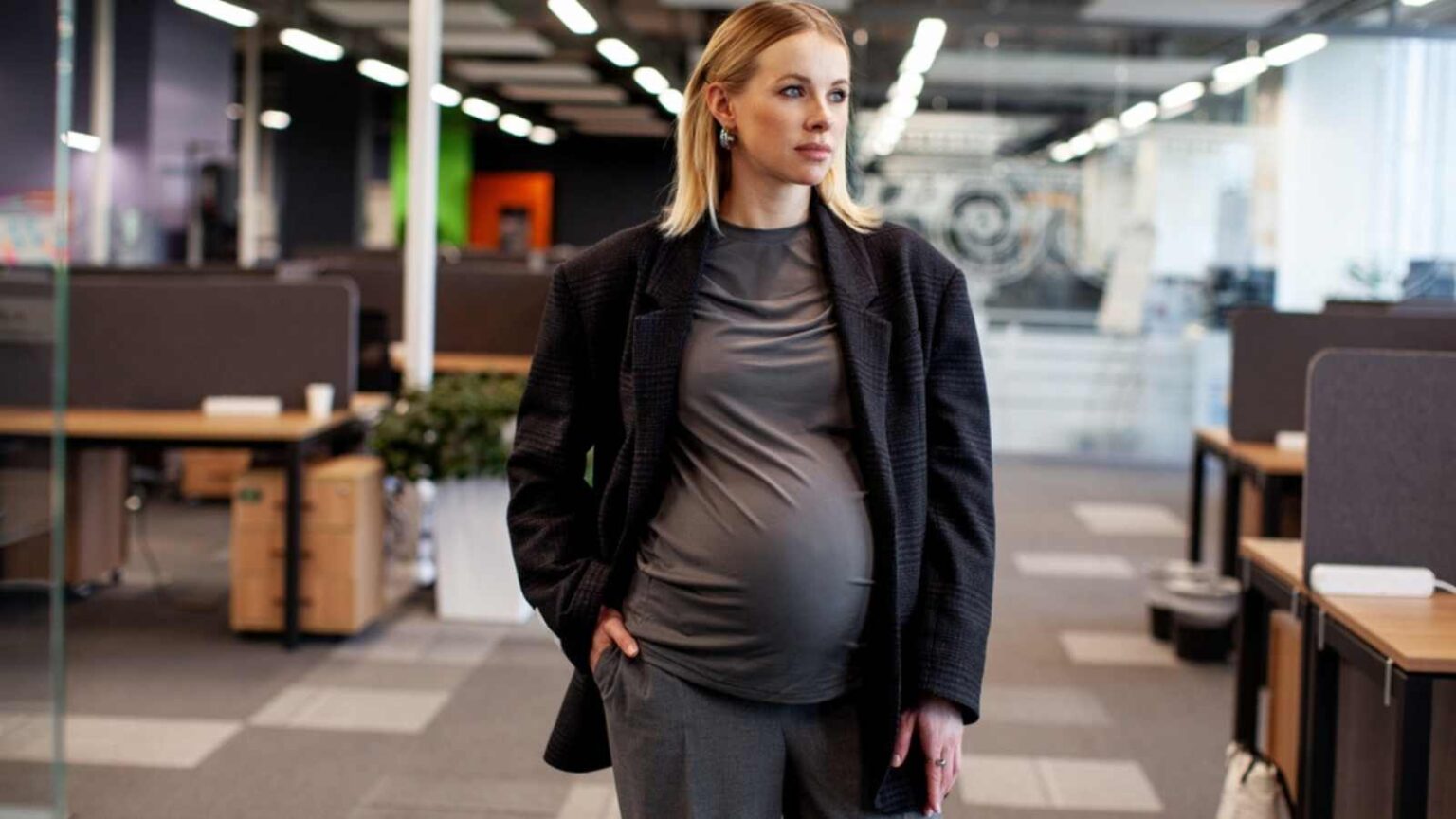
Structured blazers often remain in the wardrobe during pregnancy, though their function changes from closed to open wear. Layering a sharply tailored blazer over a simple slip dress or a maternity-friendly jumpsuit adds an immediate sense of authority and structure to the look.
The sharp shoulders of a blazer counteract the softness of the midsection, providing a balanced, deliberate silhouette. This approach allows the wearer to continue using high-investment items purchased before pregnancy.
The boxy, oversized blazer trend currently dominating runways actually makes this transition even simpler, as it naturally provides extra room in the torso.
The open blazer creates two vertical lines, further slimming the appearance while highlighting the stylish contrast between structured and soft elements.
Use Long Accessories
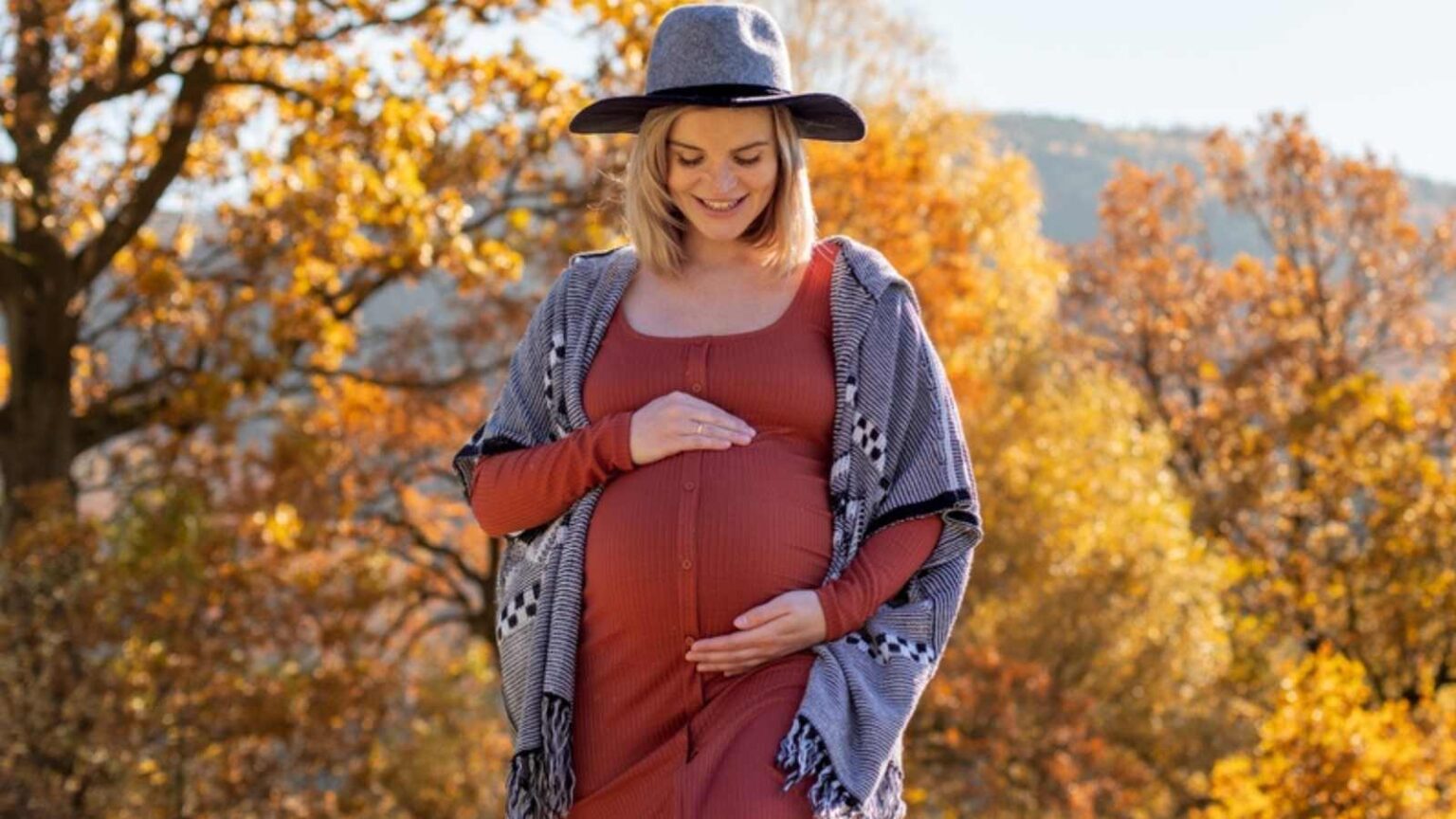
Accessories serve as intentional tools for directing the eye and creating balance.
Long necklaces, silk scarves worn hanging loose, or even elongated earrings introduce vertical lines that effectively combat the horizontal widening associated with pregnancy. These elements draw focus toward the face and décolletage, balancing the volume of the lower body.
Statement pieces can transform a basic, comfortable dress into a deliberate fashion statement, effectively shifting the focus from fit to styling intent.
Oversized accessories can clutter an outfit, but keeping to clean, geometric shapes ensures the look remains sophisticated.
This strategy demonstrates that refinement lies in the details, allowing the wearer to elevate simple, high-comfort basics into a curated ensemble.
Choose Supportive Shoes
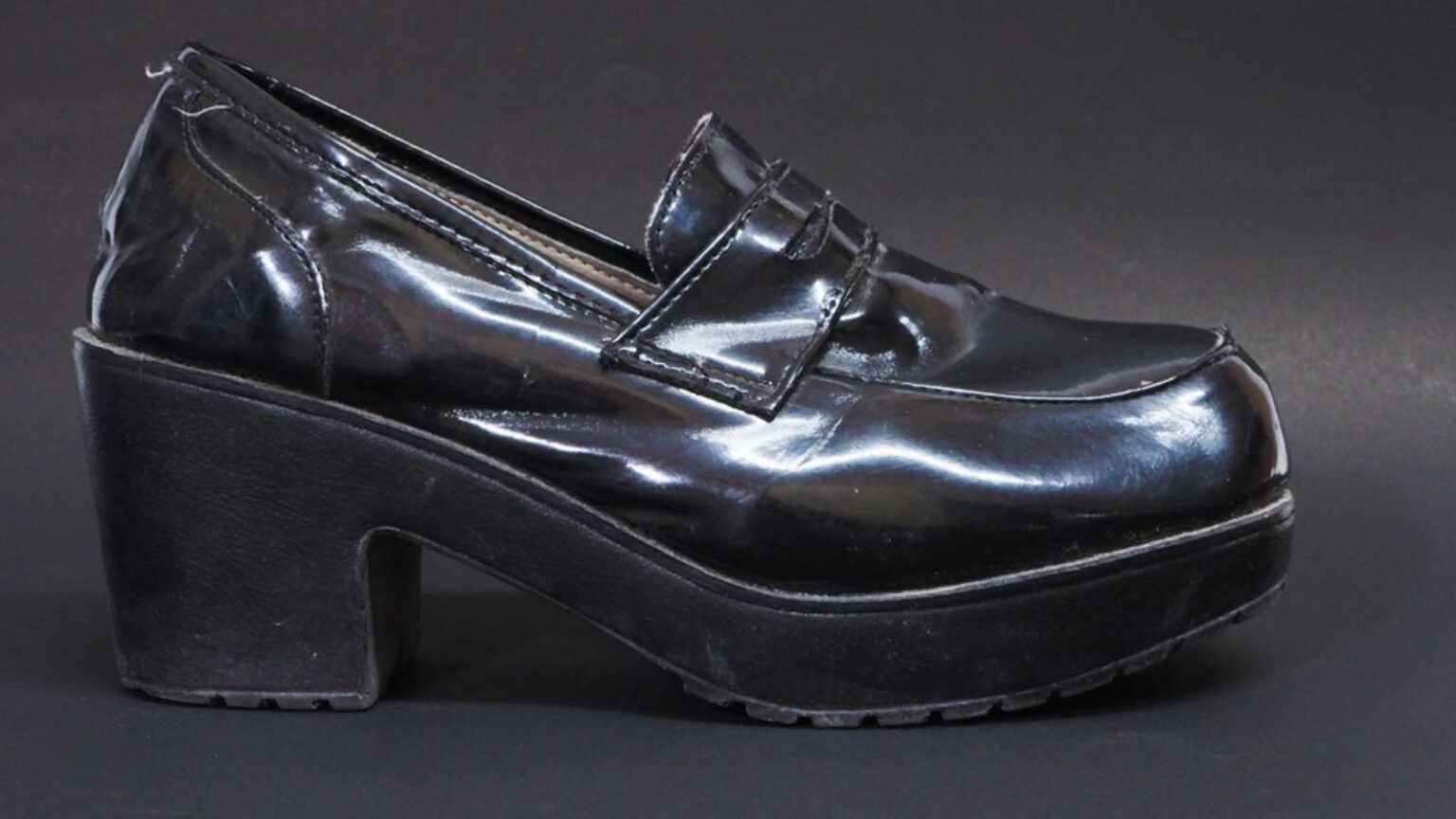
Footwear choices significantly impact the entire silhouette and the wearer’s physical comfort as the center of gravity shifts. Designers like Salvatore Ferragamo famously explored the relationship between anatomical support and aesthetic beauty, establishing that block heels provide stability without sacrificing the elongation offered by height.
Choosing stylish loafers, mules, or block-heeled ankle boots provides a contemporary aesthetic that remains grounded.
The chunky loafer and the sleek, square-toe boot provide a solid base for the body, ensuring both safety and aesthetic cohesion with the rest of the wardrobe. Investing in high-quality leather ensures longevity and comfort, making these pieces reliable companions for daily wear.
Wear Tie-Front Styles
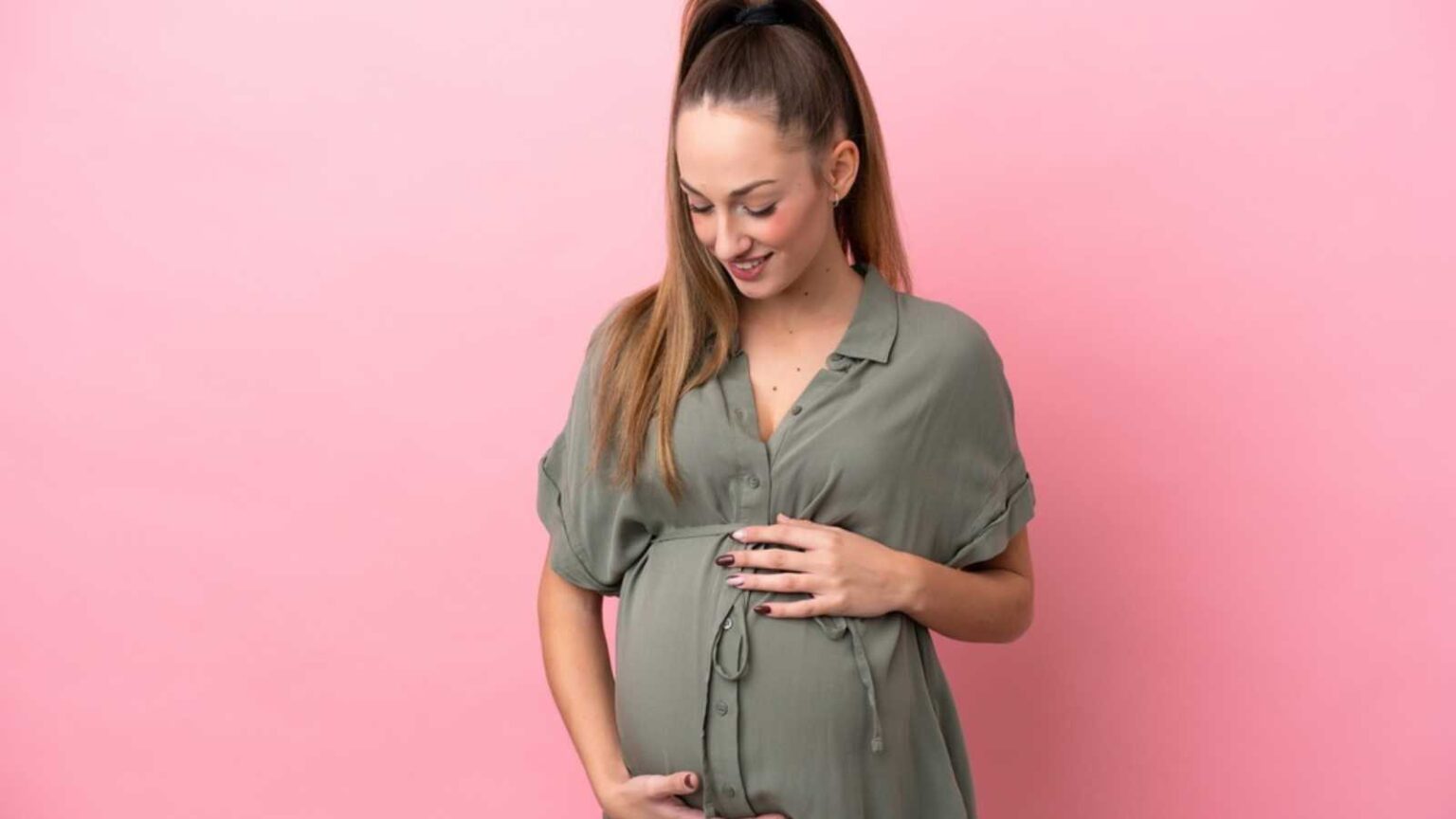
Garments featuring ties at the front or side offer a simple way to customize the fit as the body changes.
A blouse with a tie-front allows the wearer to tighten the garment during early stages and loosen it as pregnancy progresses, maintaining a custom silhouette throughout. This functional design feature adds visual interest and creates a natural gathering that disguises the transition between the bust and the waist.
Tied details can appear overly romantic. Selecting garments in neutral tones or structured fabrics maintains a modern, sharp aesthetic.
The ability to manipulate the fit manually provides a sense of agency, ensuring that clothes remain flattering rather than merely covering the body. This approach leverages existing design elements to solve sizing challenges effectively.
Mix Textures and Hardware
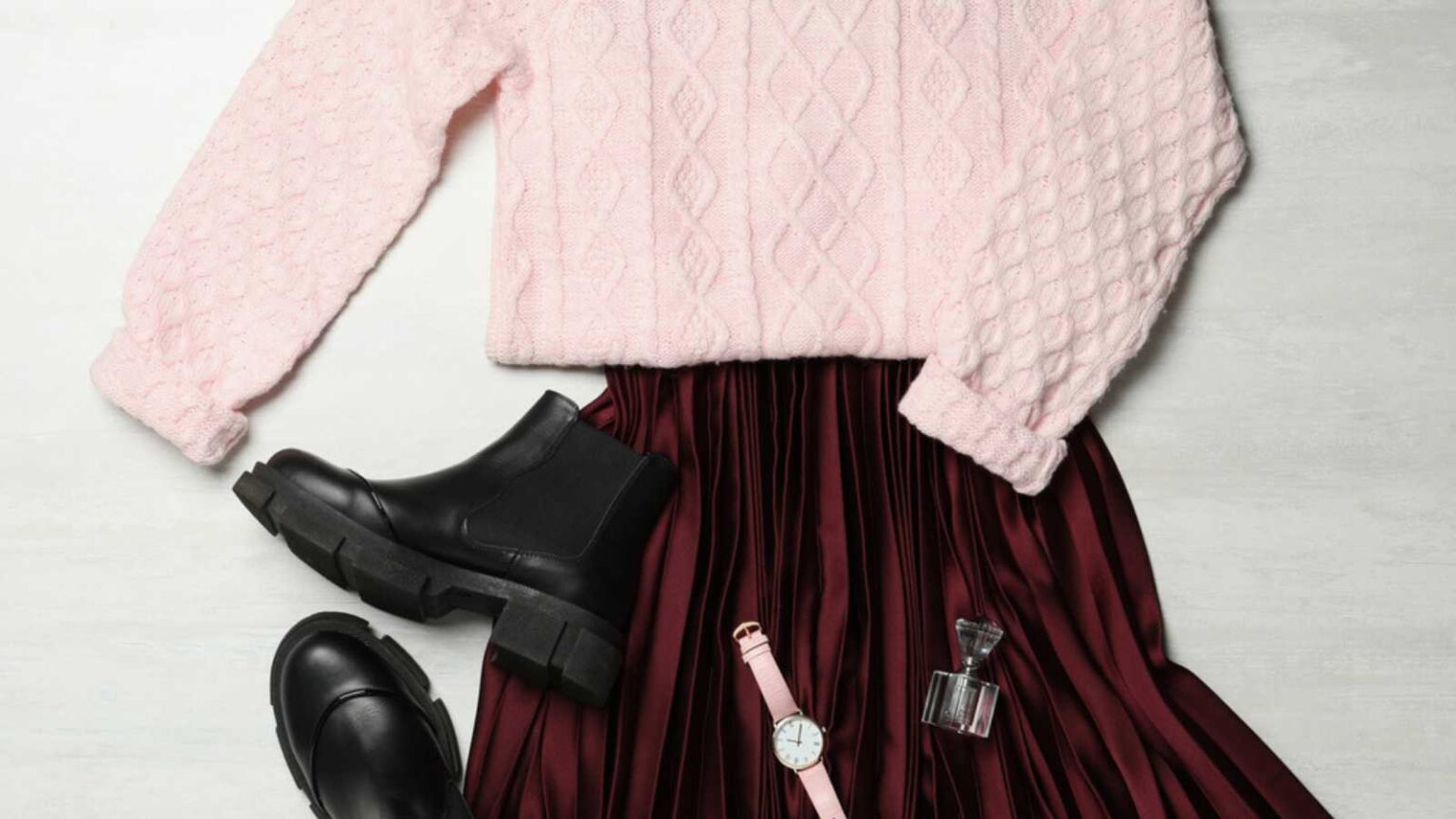
Mixing textures, such as pairing a chunky cable-knit sweater with a sleek satin skirt, creates visual complexity that distracts from minor fit imperfections.
Hardware, such as polished gold buttons on a cardigan or a metallic buckle on a belt, adds a focal point that signals intentionality.
Human attention is naturally drawn to high-contrast visual elements, meaning that a well-placed metallic accessory can redirect the eye entirely.
This method transforms a simple outfit into a curated look by using the existing wardrobe to create depth rather than relying on new, specific purchases. Through intentional layering of textures, the focus remains on the outfit’s aesthetic composition.
Key Takeaways
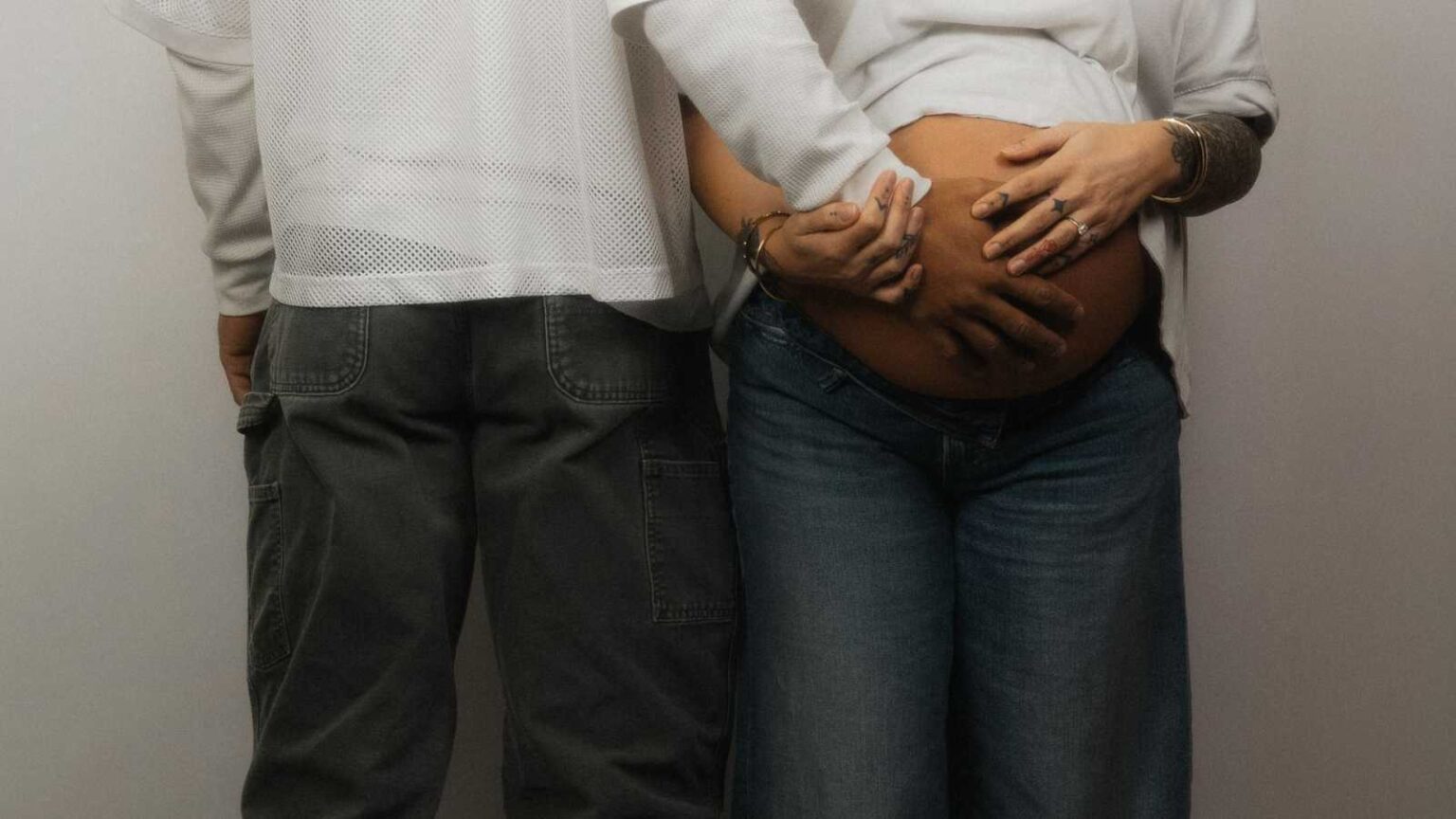
- Focus on high-stretch knitwear, fluid A-line silhouettes, and oversized shirting already in your closet, as these pieces naturally accommodate changing proportions without requiring a complete wardrobe overhaul.
- Utilize open blazers and long-line accessories to create vertical lines that balance and elongate the silhouette while maintaining a sophisticated, intentional aesthetic.
- Extend the utility of pre-pregnancy bottoms with simple, low-cost hacks like elastic hair ties to expand waistbands, helping you bridge the gap between early trimesters and maternity-specific sizing.
- Wear a single-color palette from head to toe to create an uninterrupted column of color, minimizing visual bulk and providing a polished, high-end look for any professional or social setting.
- Prioritize a limited number of high-quality, investment-grade basics, such as maternity-specific leggings or supportive, flexible undergarments, that provide essential comfort and can be repurposed postpartum.
Disclaimer: This list is solely the author’s opinion based on research and publicly available information. It is not intended to be professional advice.
Like our content? Be sure to follow us
MORE TCF GAMES