
A pair of Zara wide-leg trousers turned the hashtag deadlyzarapants into a TikTok phenomenon across the UK and Europe this month, with wearers filming falls, a broken knee and hospital waits after tripping on the hem.
The trousers weren’t badly designed on purpose. They were designed once for one size, then just scaled up or down for every other size, instead of being redrawn for each one. That’s the shortcut.
And it’s not just this pair of trousers; it’s how most plus-size clothing gets made. Patternmakers describe grading up a straight size block as the fastest route to a bigger garment, one that distorts crotch depth, leg angle and hem length the further a size sits from the block.
A hem cut for one body falls wrong on another. The habit reveals an assumption in design rooms that bigger sizes are easy to scale rather than a distinct problem, so extended sizes get less redraft and less testing than the sample size a range is built around.
Wrap Dresses Slip
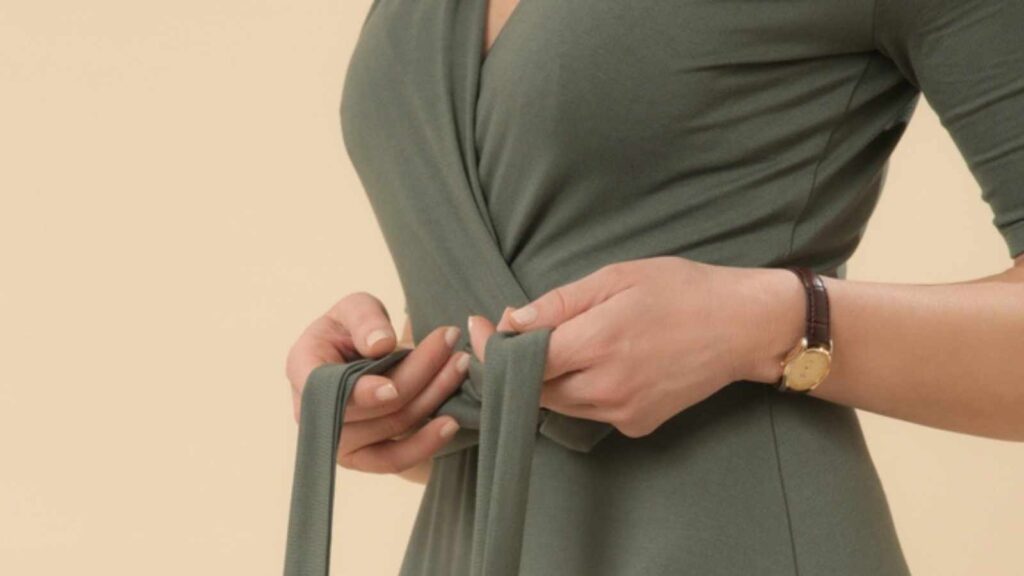
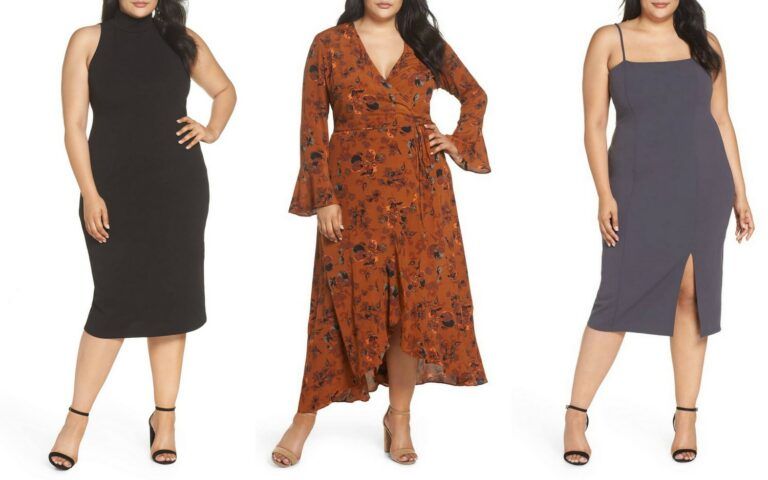
Diane von Furstenberg introduced the wrap dress in 1974 as a garment engineered around movement rather than a fixed silhouette, and the design still reads as the most forgiving cut in modern wardrobes. On a curvier frame though, the mechanics shift.
The sash that cinches neatly on a straight torso has to travel further around a fuller waist, which means it either sits too high and digs in or slips low and exposes more than intended by midday.
The wrap dress survived five decades of trend cycles precisely because it adapts to the body rather than forcing the body to adapt to it, yet that same adaptability can become unpredictable once the wrap has more real estate to cover.
A double knot or an interior snap solves the slippage, though few brands bother to add one.
Bodysuits Aren’t Practical
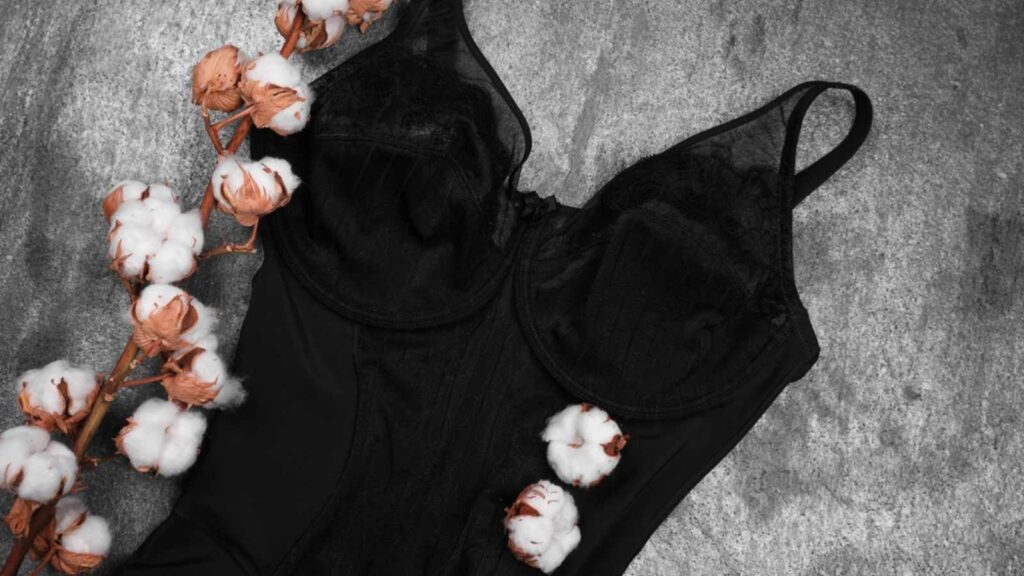
Rudi Gernreich popularized the bodysuit in the 1960s as an anti-fashion statement against restrictive tailoring, and today it functions as the quiet foundation under nearly every curvy outfit worth photographing.
A bodysuit tucks a top permanently, eliminates bulk at the waistband and gives a blazer-or-trousers combination a clean line that separates never quite achieved. The trouble surfaces the moment biology intervenes.
Snap closures at the gusset were designed for quick changes backstage, not repeated bathroom stops, and on fuller hips, the fabric that smooths the torso often digs a visible line at the thigh.
Shapewear engineers have started experimenting with side zip and magnetic closures to solve exactly this, though the fix has yet to reach mainstream price points.
Wide Legs Overwhelm

Wide-leg trousers are the great equalizer of proportion dressing, as a fuller leg opening balances a curvier hip rather than fighting it the way a skinny cut does. The logic holds on paper.
Loose fabric drapes past the widest point of the body, creating a single vertical line rather than stopping and starting at every curve, which is precisely why the silhouette dominated runways through the mid-2020s.
Petite curvy women describe a different experience. A trouser cut for a five-foot-nine frame pools at the ankle on someone five feet three, and the volume that flatters a taller body reads as swallowing on a shorter one.
A cropped, wide-leg, or a raised hem works as the fix most petite, curvy shoppers never think to request.
Corsets Need Better Fit

The corset has been rehabilitated by designers from Vivienne Westwood to Mugler as a symbol of reclaimed power rather than restriction, and its return to mainstream fashion over the past several years has leaned heavily on that reframing.
Worn as outerwear over a shirt or dress, boning and lacing carve a defined waist that reads as intentional rather than compressed. On a fuller ribcage, though, rigid boning built for a straighter torso can dig into the lower ribs long before the garment reaches a flattering cinch, and the structured points that curve a smaller frame simply sit flat against fuller hips instead of tracing them.
Historical corsetry was custom-boned to individual measurements, a level of tailoring that mass-market versions have never fully replicated.
Oversized Blazers Miss
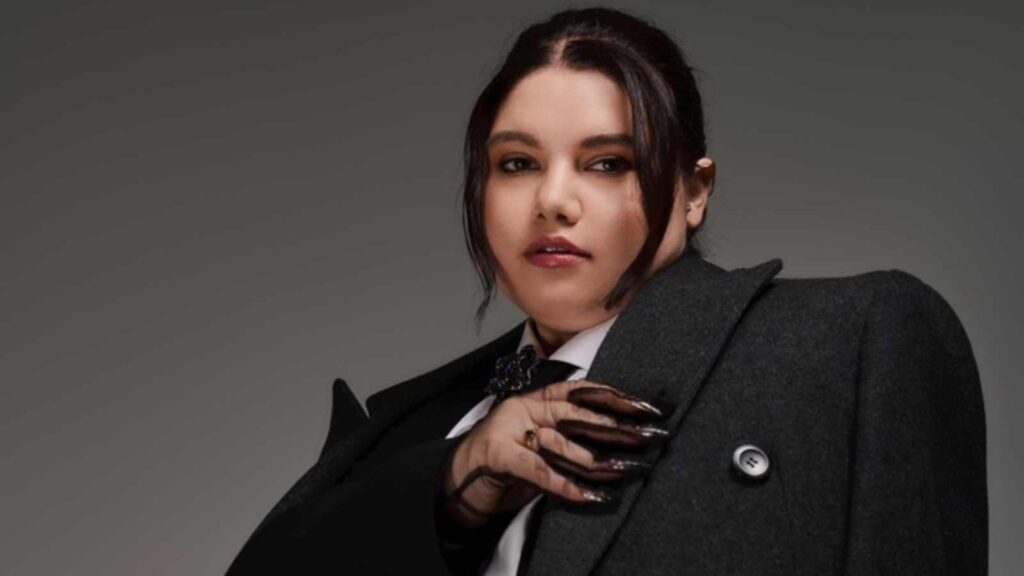
Power dressing built its second act on the oversized blazer, a silhouette borrowed directly from menswear tailoring and popularized on runways as a rejection of the fitted, body-conscious 2010s. Slipped over a slip dress or bike shorts, it reads as effortless and expensive at once.
Curvier women often find the opposite true. A blazer cut oversized on a straight frame still narrows sharply at the shoulder, and once that shoulder seam sits even slightly wrong, the entire jacket pulls across the back or gapes open at the bust, undoing the relaxed effect it was meant to create.
Shoulder placement, not overall size, is the single measurement most plus-size ready-to-wear brands still get wrong.
Slip Dresses Cling
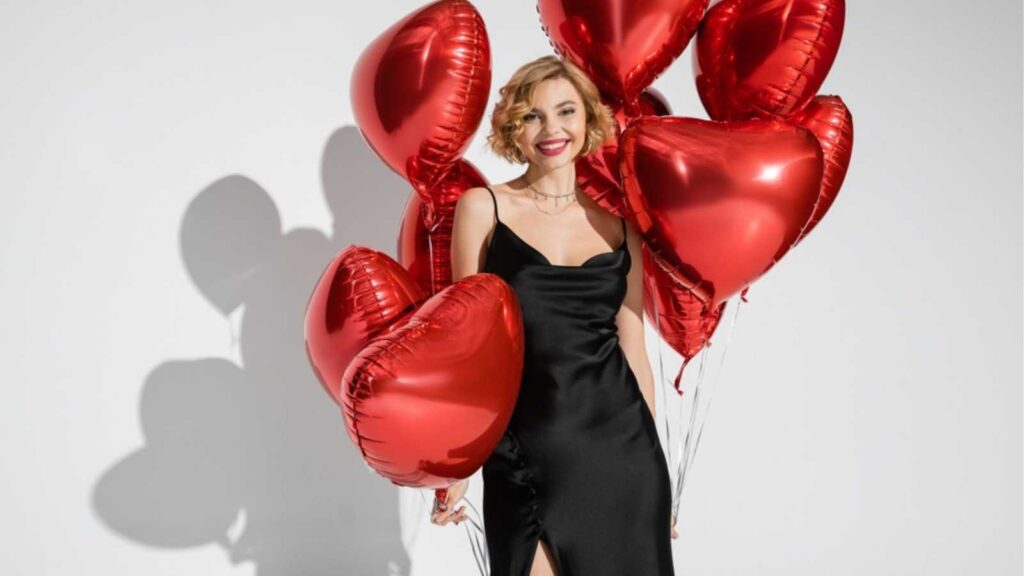
The slip dress traces its lineage to 1990s minimalism, when designers like Calvin Klein and John Galliano stripped eveningwear down to its literal foundation garment and let bias-cut silk do the styling work.
Decades later, it remains the fastest route to looking put-together with zero effort. Bias cutting was engineered to skim rather than cling, yet most contemporary slip dresses are produced in stiffer polyester blends that behave nothing like true bias-cut silk, clinging to a soft stomach instead of gliding past it.
Fabric weight determines whether a slip dress flatters or clings, which is why a heavier crepe often outperforms a lighter satin on a curvier frame despite costing the same.
High-Rise Jeans Miss
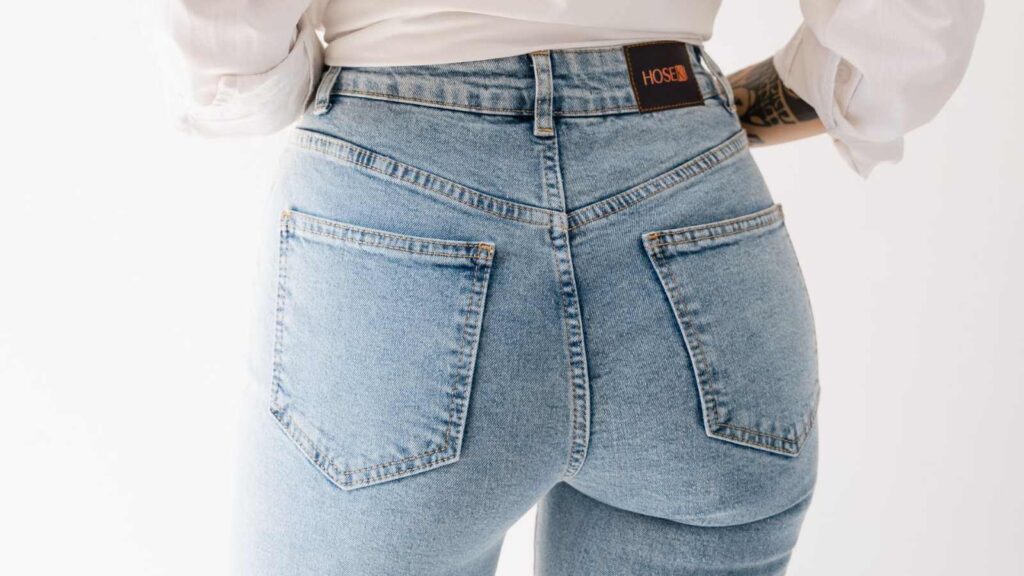
Denim brands market the high-rise as the universal fix for a curvier midsection, and that marketing is not entirely wrong.
A rise that sits above the natural waist smooths the stomach and elongates the leg in a way low-rise denim never could. What the marketing leaves out is the sheer range of curve types a single rise measurement is expected to flatter.
A high-rise engineered for a straighter hip-to-waist ratio gapes at the back on an hourglass frame and digs in at the front on an apple-shaped one, and few denim lines cut a rise curved enough to follow both.
Cutouts Miss the Mark
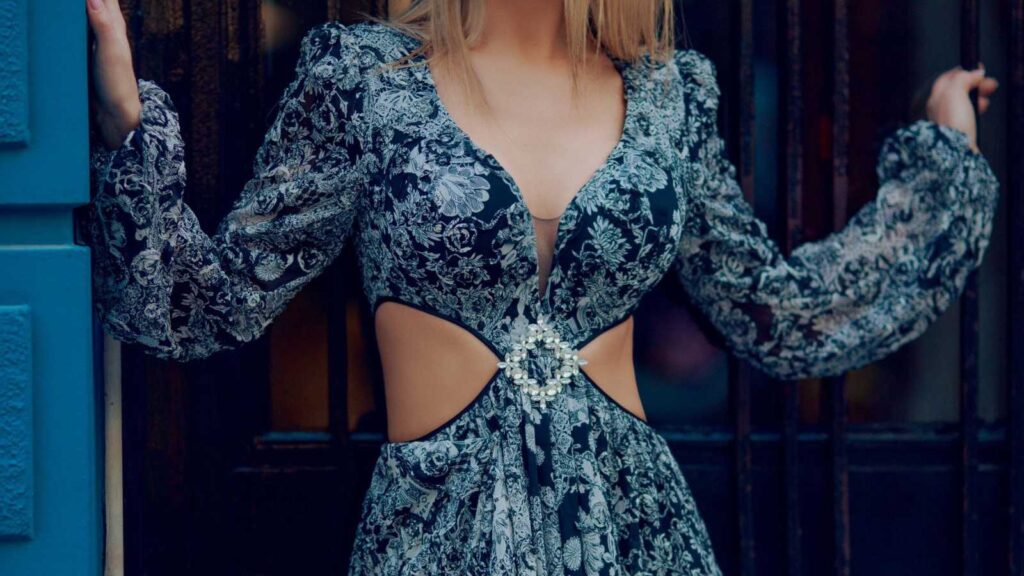
Cut-out detailing has moved from red-carpet novelty to an everyday staple, with designers using strategic negative space to sculpt rather than simply reveal skin.
Done well, a cut-out at the waist or side can carve a silhouette more precisely than fabric ever could. Done carelessly, it becomes the trend curvy women most often describe loving in theory and avoiding in practice.
Placement is everything. A cut-out positioned at the narrowest point of a straight torso lands directly on a curvier body’s fullest point instead, and the sliver of skin reads as accidental exposure rather than intentional design. A small number of size-inclusive labels have begun shifting cut-out placement higher on the ribcage to account for curve variation, an adjustment that changes the entire read of the garment.
Co-Ords Compromise Fit

Co-ord sets solve the getting-dressed equation by removing the guesswork of pairing separates, and EDITED data show that matching sets have become one of the fastest-growing categories in plus-size ready-to-wear, increasing by 75% between 2019 and 2022, due to 75% of women in the U.S. being above size 14.
The appeal is efficiency. One purchase, one silhouette, zero decision fatigue. The compromise is that a set is only as good as its weakest-fitting piece, and curvier bodies rarely scale evenly from top to bottom. A set sized for the hip often leaves the top oversized through the shoulder, while a set sized for the bust leaves the bottom straining at the waist.
Buy sets in two separate sizes and treat the matching print as coordinated separates rather than a single fixed garment.
Statement Belts Run Short
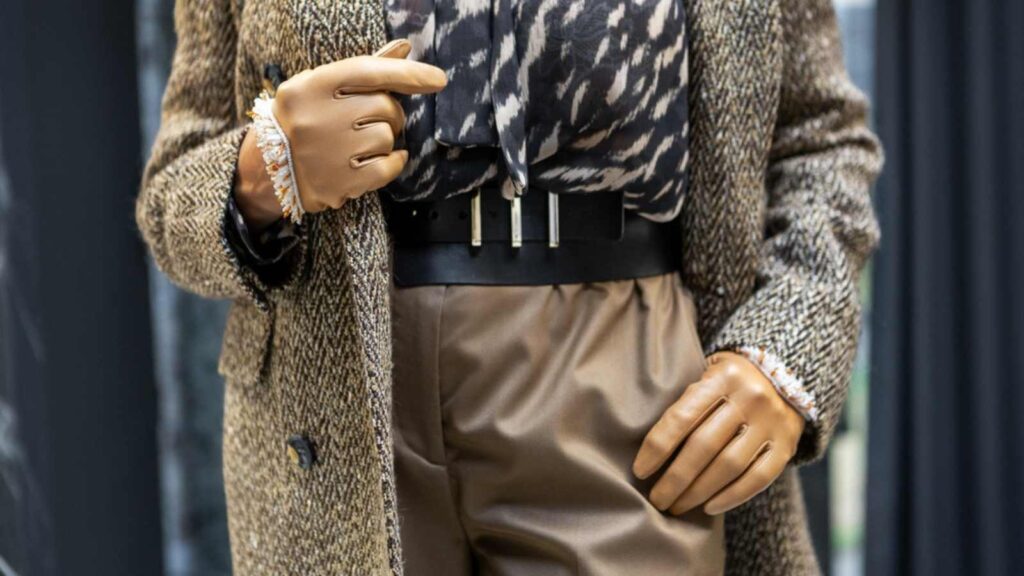
The statement belt has long served as a shortcut to waist definition, cinching a dress, coat, or oversized top into a shape that reads as intentional rather than shapeless. Color theory explains part of its power. A contrasting belt draws the eye to a single horizontal point and organizes an otherwise busy outfit around it.
The frustration for curvier shoppers is availability rather than concept, since a large share of statement belts on the market stop at a size that fits roughly an inch or two past a straight-size waist and were never engineered to close around a curvier one.
A handful of size-inclusive accessory brands have begun producing belts that extend beyond 50 inches, though the selection remains limited relative to demand.
Cropped Jackets Hit Wrong
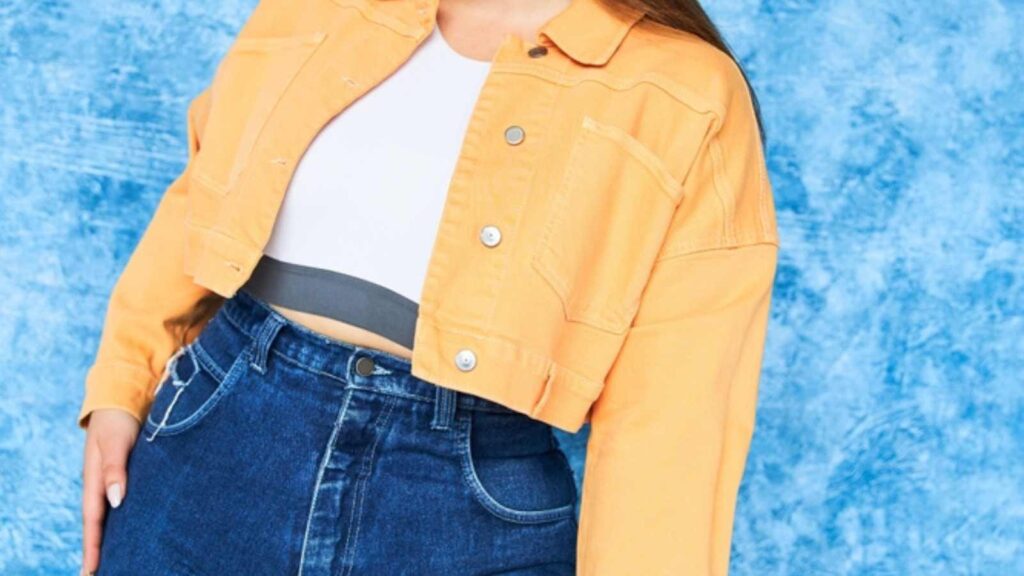
Cropped jackets and cardigans photograph beautifully because they draw a hard stop right where the eye wants to rest, creating the illusion of a shorter torso and longer legs that stylists have relied on for decades. On a straighter frame, the hard stop lands at the natural waist.
On a curvier frame, it frequently lands instead at the widest part of the hip, which entirely reverses the intended effect and adds visual weight exactly where the wearer was trying to remove it. A cropped length that ends a few inches higher, closer to the ribcage than the hip, tends to solve the problem, though most mass market cropped styles are cut to a single universal length regardless of size.
Jumpsuits Complicate Travel

Elsa Schiaparelli designed some of the earliest jumpsuits in the 1930s as functional workwear before the silhouette migrated into eveningwear, and the one-piece has stayed popular precisely because it eliminates the styling decision of matching a top to a bottom.
The romance ends at the bathroom door. A jumpsuit requires nearly undressing to use a restroom, a logistical tax every wearer pays but one that lands harder on curvier bodies moving through fabric with less give.
Hidden zip panels and drop-seat construction are fixes borrowed from costume design, yet these features rarely appear outside resortwear and even less so at accessible price points.
Key takeaways:
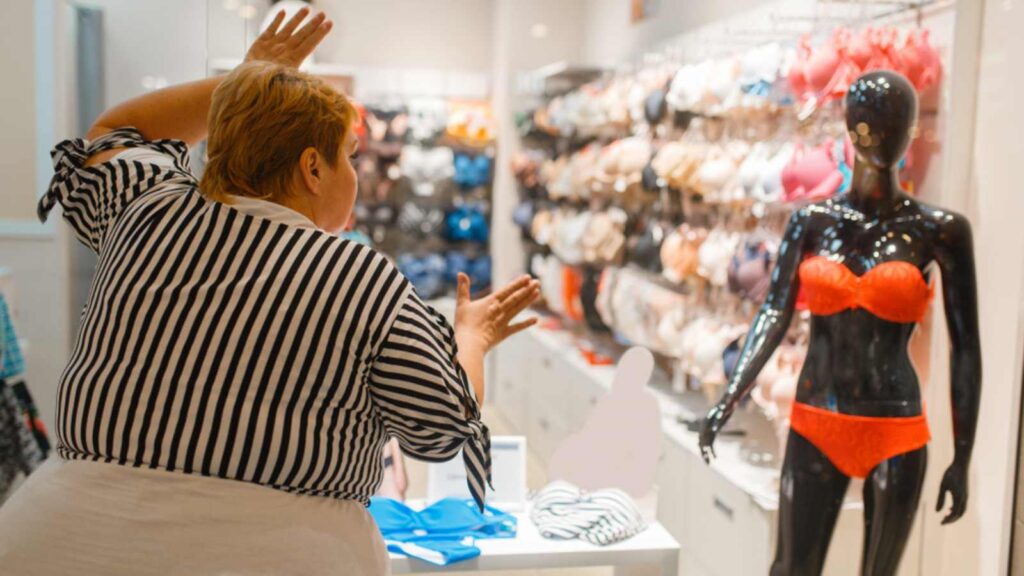
- Runway representation of plus-size bodies is currently near a five-year low, even as the average US women’s size has climbed to 16–18.
- Most of these trends were engineered for a straighter body first, which is why the fix is usually a construction detail (rise shape, boning, shoulder seam) rather than the trend itself.
- A handful of size-inclusive labels and denim technologists are already solving individual problems; they just haven’t scaled to mainstream price points.
- The strongest headline candidates for a pull-quote are the wrap dress, corset and jumpsuit items since they carry the clearest historical hook.
Disclaimer: This list is solely the author’s opinion based on research and publicly available information. It is not intended to be professional advice.
Like our content? Be sure to follow us