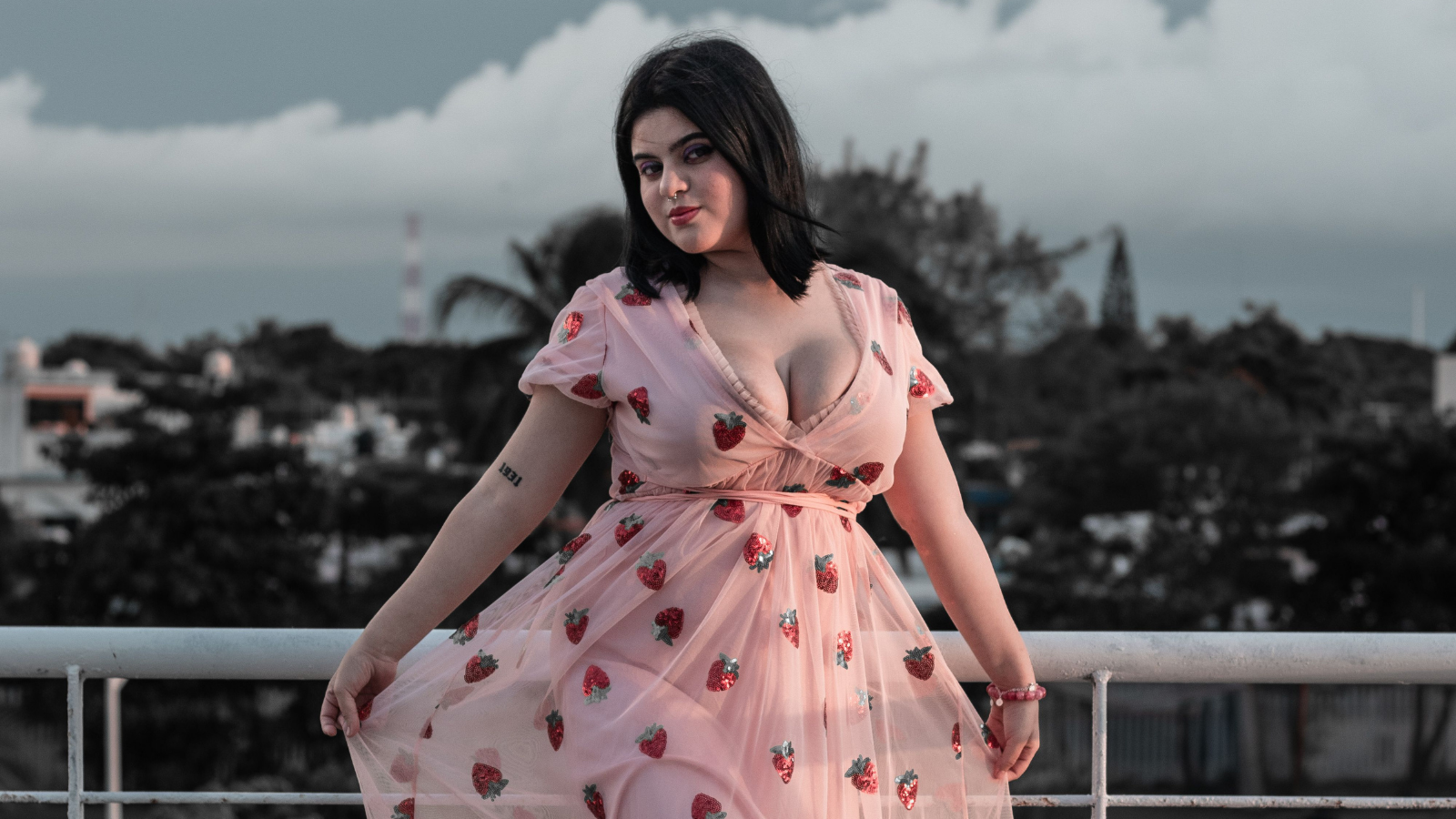
The heat dome that gripped the eastern United States through the Fourth of July pushed Washington, DC, to 102 degrees, breaking a record that had stood since 1872, while heat indices reached as high as 115 degrees across parts of the Mid-Atlantic and Northeast. With the National Weather Service warning that extreme heat remains the country’s deadliest weather hazard, breathable clothing has become more than a comfort issue this summer.
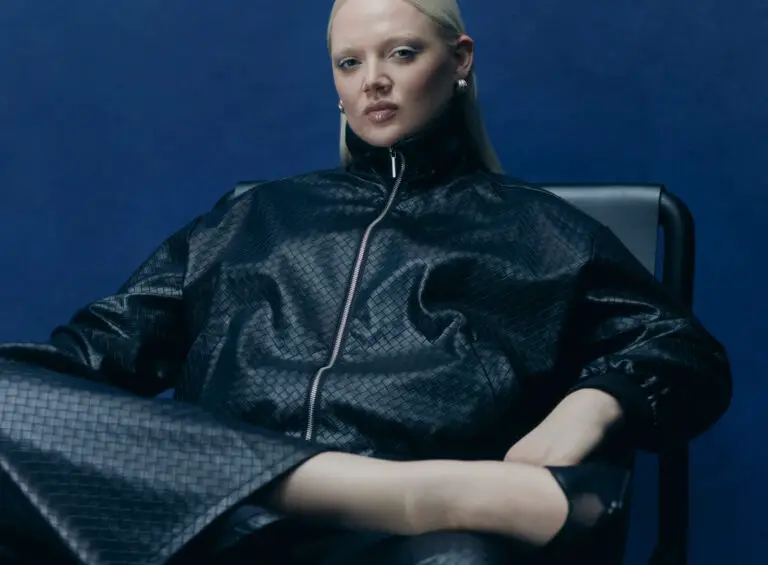
Oversized cotton and linen pieces create airflow that fitted synthetic fabrics often cannot, making loose silhouettes an obvious choice during prolonged heat. But the growing popularity of oversized fashion among curvy women is about far more than surviving high temperatures.
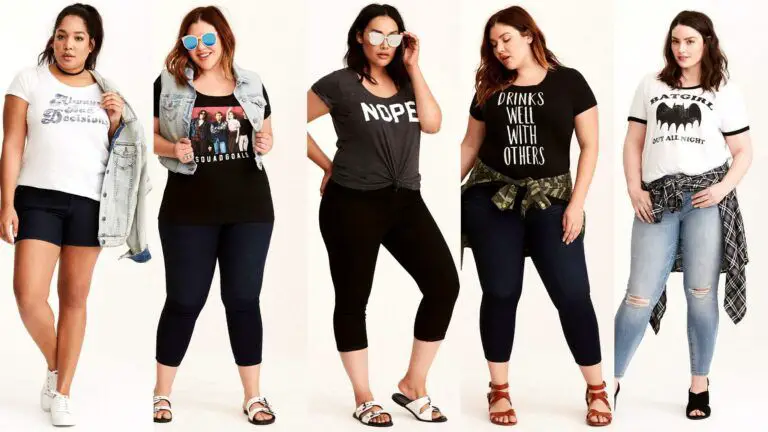
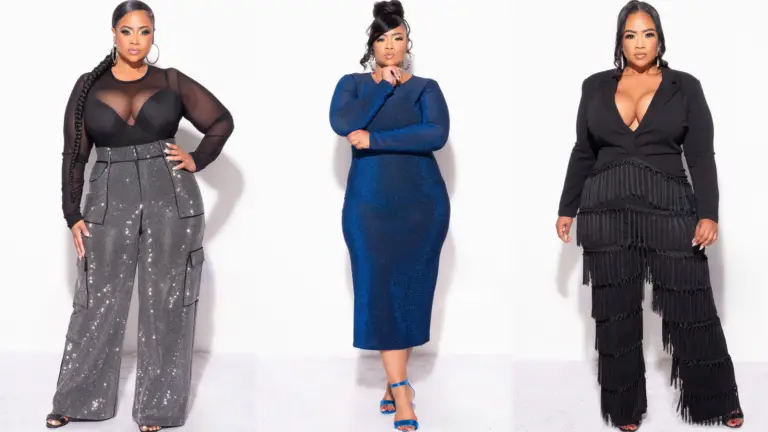
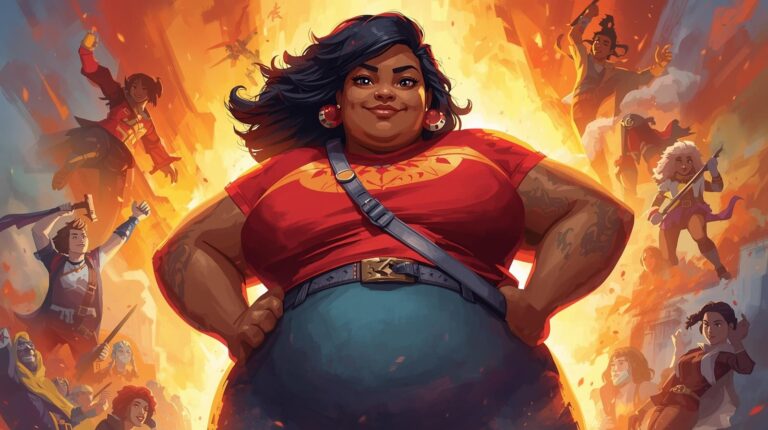
Better plus-size design, changing style priorities, social media, resale fashion, and a new approach to fit have all helped turn volume into one of the defining looks of the season.
These are the 12 reasons the trend is gaining momentum.
Better Plus-Size Patterns
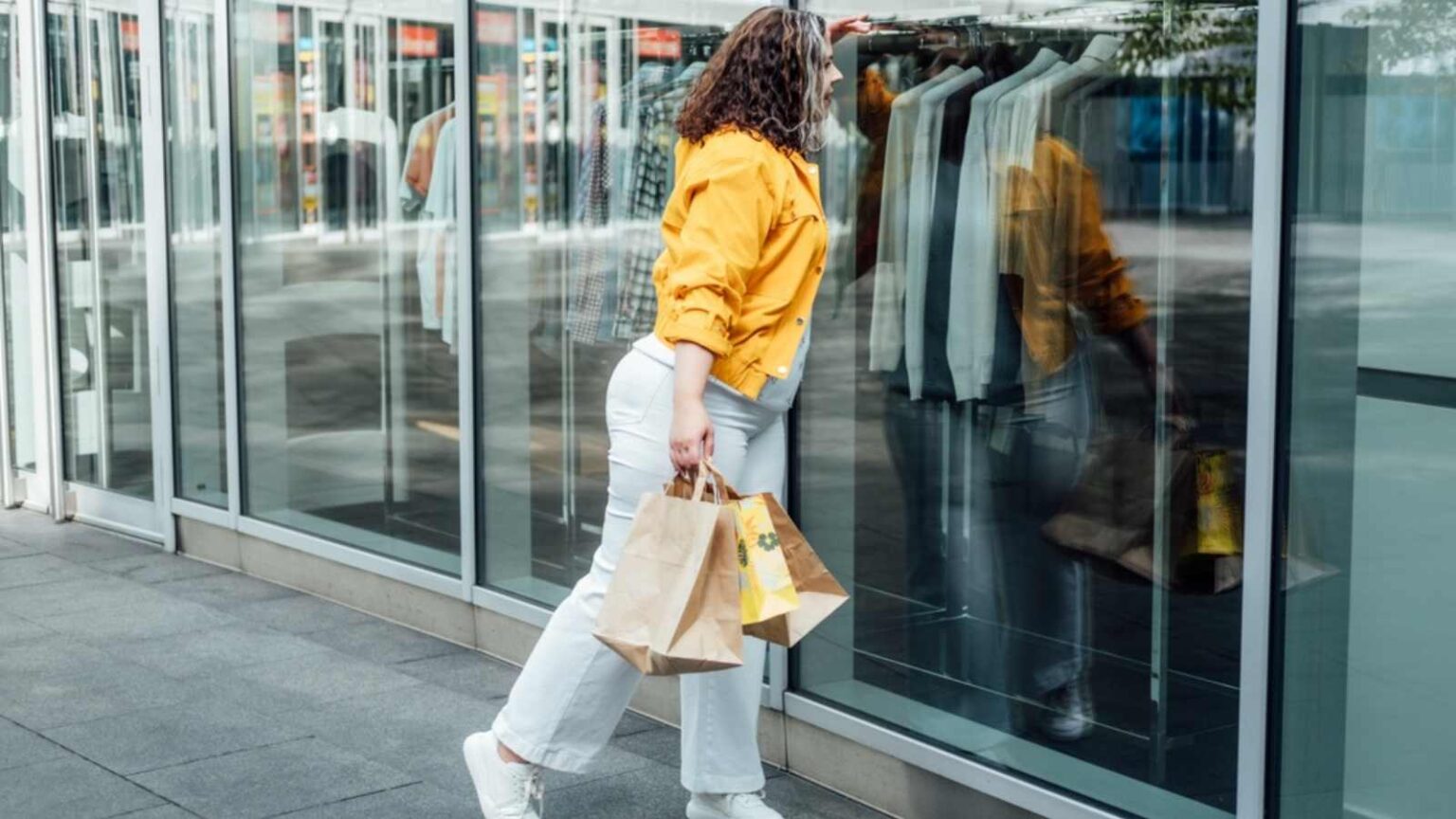
For most of the twentieth century, plus-size clothing was made by taking a straight-size pattern and mathematically enlarging it rather than redrafting it to reflect how weight actually distributes on a larger frame.
Fashion historian Lauren Downing Peters has documented how early design discourse treated the fuller female body as something to contain and correct rather than dress on its own terms. That correction era produced boxy, apologetic silhouettes that curvy women wore because nothing better existed.
Universal Standard co-founder Alexandra Waldman has spoken about designing directly from non-sample-size bodies instead of extrapolating from a size 4. Oversized pieces built this way drape with intention instead of just expanding to cover more surface area.
Summer Comfort Wins
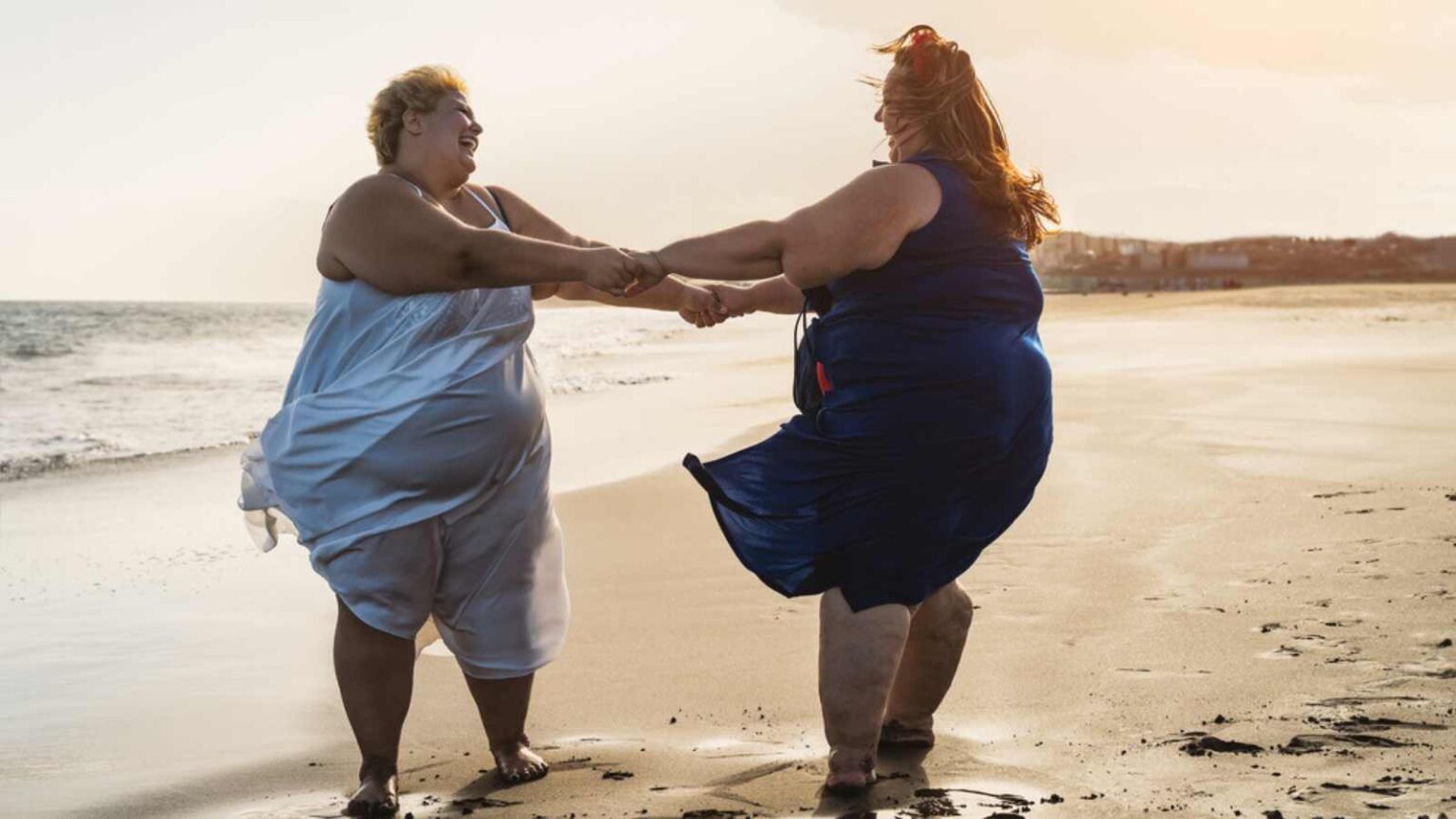
A loose garment reads as intentional rather than sloppy only when the material has the right weight and drape to move with the body, not collapse against it.
Lightweight cotton-and-linen blends do that job in warm weather, letting air circulate against the skin in a way that fitted synthetic fabrics cannot.
Curvy fashion advocates have started asking harder questions before recommending any trend piece, including whether the waist stays comfortable while seated and whether the fabric breathes through a full day of heat.
Oversized linen shirting answers both questions better than a bodycon dress ever could in July.
Caftans Already Proved It
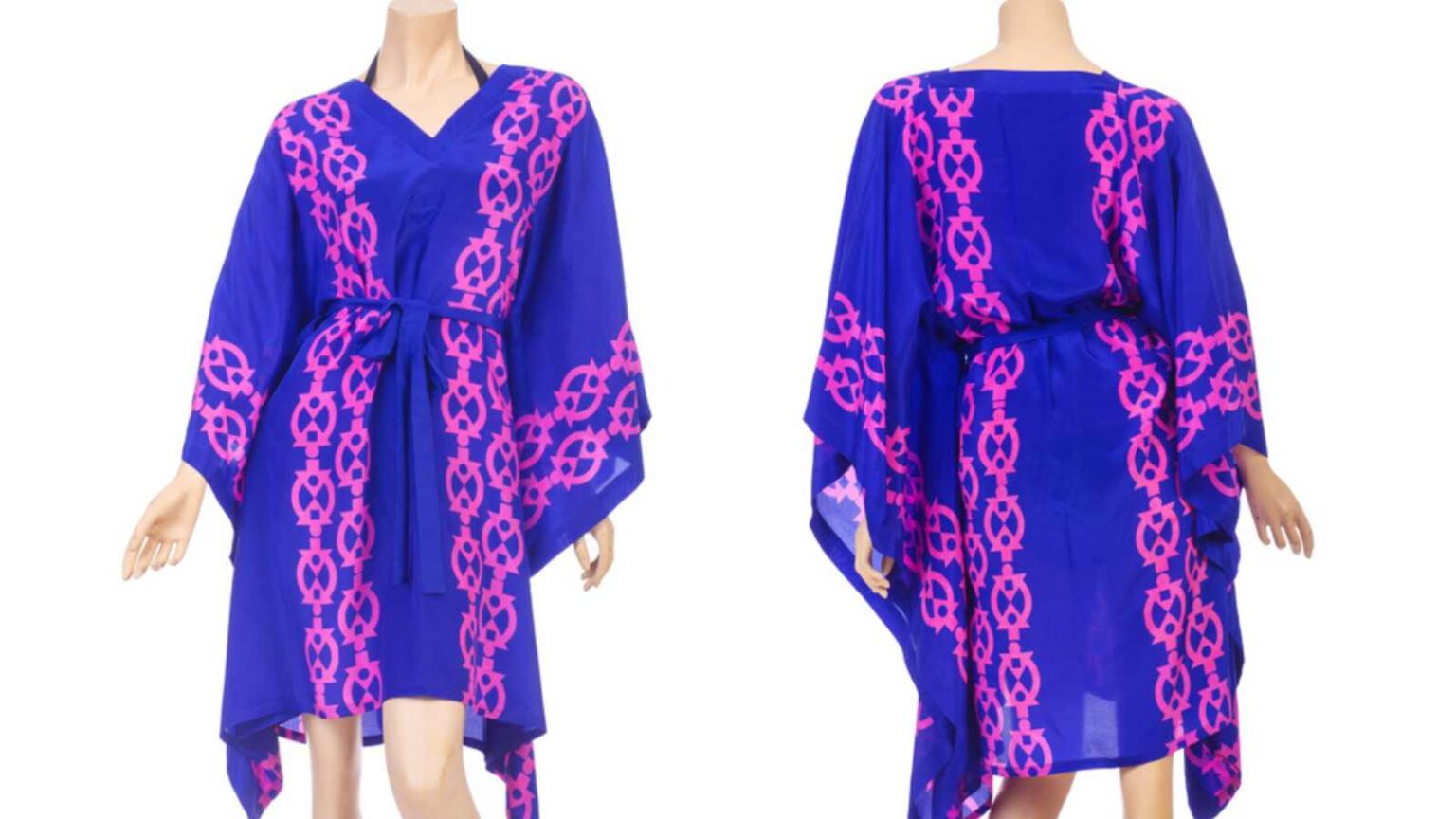
Long before comfort dressing had a marketing name, missionaries introduced modest Western silhouettes to Hawaii in the 1820s, and local seamstresses reworked those shapes into the voluminous, floral muumuu that became a wardrobe staple.
A parallel garment, the caftan, developed across the Middle East and North Africa with wider sleeves and richer draping.
By the 1960s and 70s, Halston, Yves Saint Laurent, and Christian Dior were sending both silhouettes down their runways, and television glamorized them through shows like Dynasty. Oversized summer dressing today is not a new invention. It is a revival of a shape that couture already validated twice.
Belts Create Shape
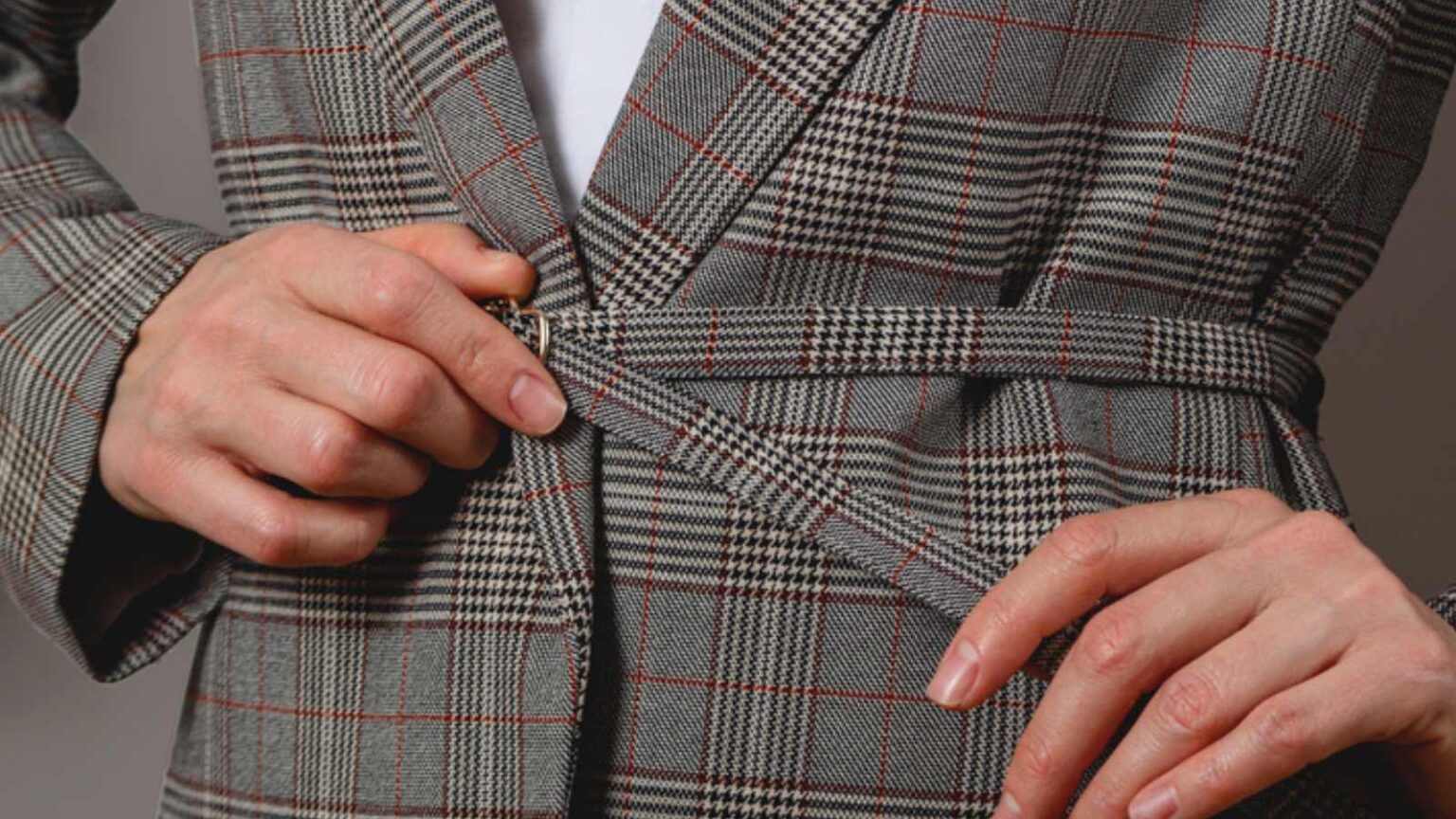
Stylists working with curvy clients have converged on the same practical fix for volume dressing: adding structure at a single point rather than relying on a fitted cut throughout.
A wide leather belt at the natural waist turns an oversized shirtdress or caftan into a well-defined shape without sacrificing the loose sleeves or breathable hem. This is a technique borrowed directly from 1980s power dressing, where boxy blazers were tailored to the eye through a cinched waist rather than a fitted seam.
The oversized piece stays roomy where the wearer wants room and structured exactly where she wants definition.
Color Shapes Proportions
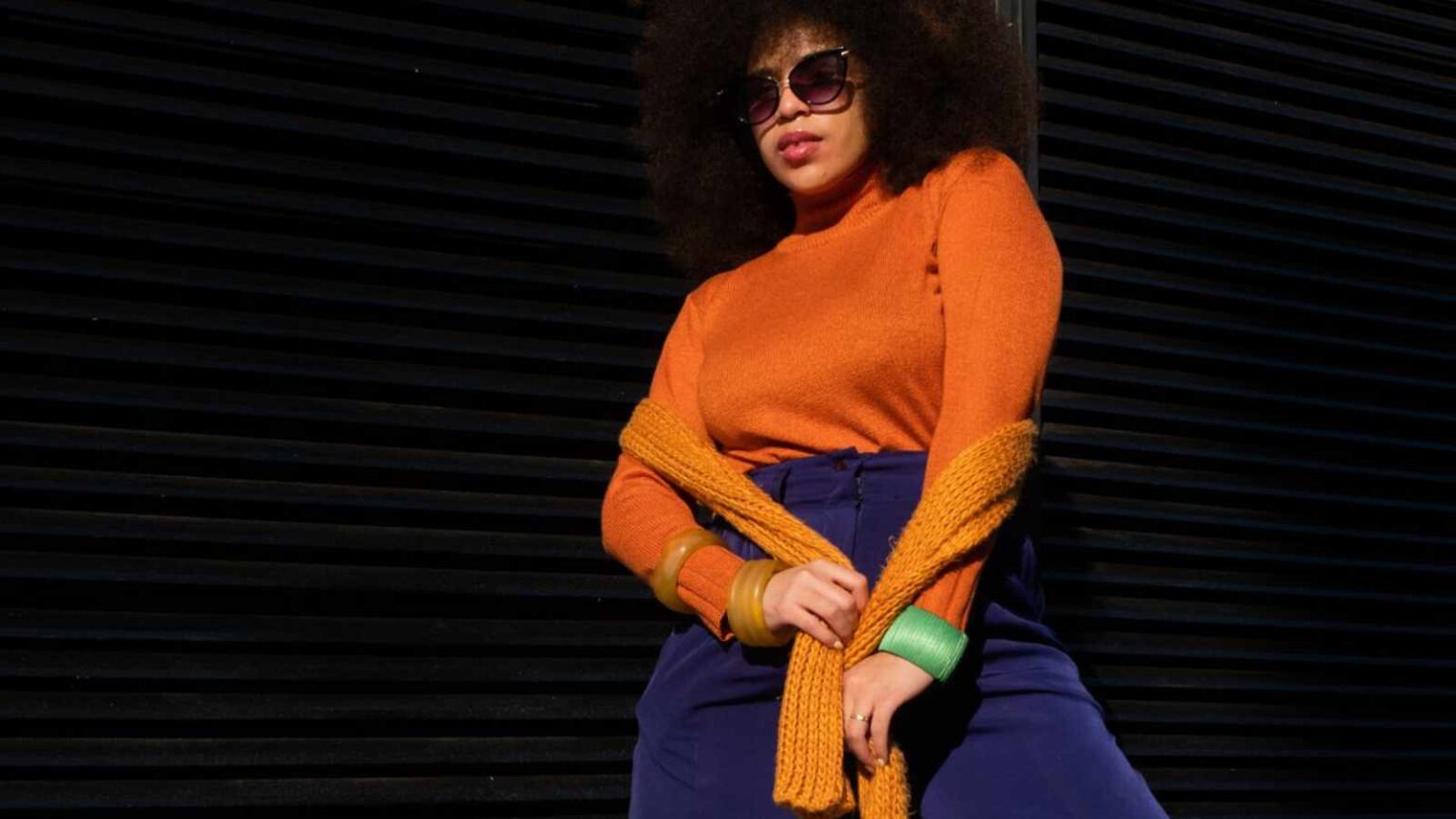
Loewe, Dior and Versace pushed saturated primary color palettes hard this season, moving the industry away from years of quiet-luxury neutrals.
In plus-size design specifically, color placement carries more weight than in straight sizing because contrasting panels and vertical color lines can visually redirect where the eye lands on a larger frame.
An oversized rugby shirt in a solid saturated hue paired with contrasting side stripes reads intentional rather than shapeless. Earth tones like olive, sandy brown, and slate blue are doing similar work at the quieter end of the palette, grounding voluminous pieces so they read as considered rather than accidental.
Resale Made It Easier
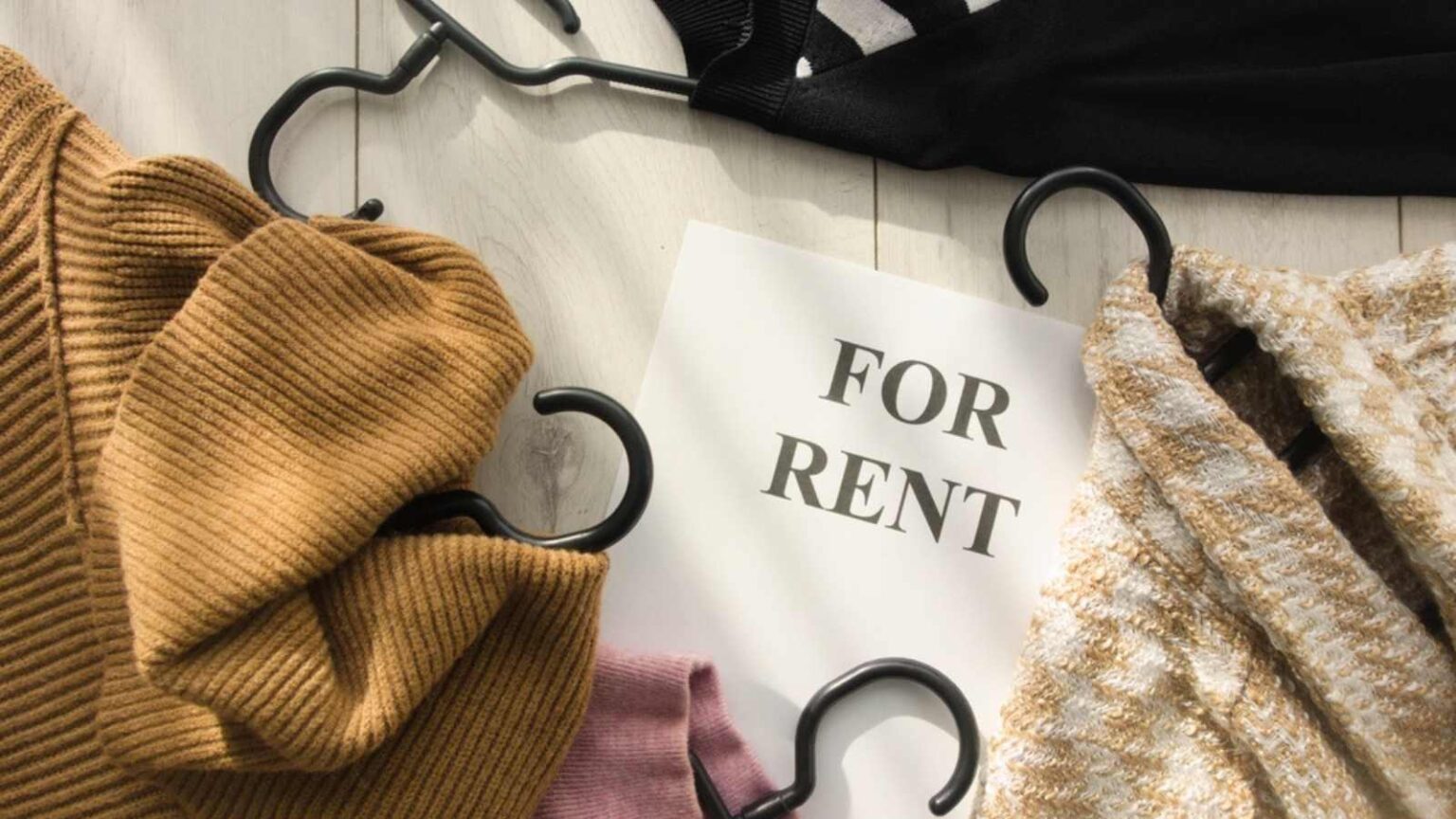
Oversized pieces ask a shopper to trust an unfamiliar proportion before she has worn it, which used to mean a full-price gamble on something that might not work.
ThredUp’s 2026 resale report found secondhand fashion growing faster than the broader apparel market, with younger shoppers driving most of that momentum. That growth curve matters specifically for volume dressing because thrifted caftans, oversized denim jackets, and vintage muumuus let curvy shoppers test drape and proportion on their own bodies before committing to a whole new wardrobe category.
Trying the trend secondhand removes the financial pressure that once kept women in familiar, fitted shapes.
Social Media Led

TikTok and Instagram outfit content normalized voluminous dressing well before plus-size retail caught up with sizing that actually worked. Once a visible creator demonstrates an oversized sweatshirt paired with sneakers, the look spreads so quickly that shoppers search for it, whether or not their usual stores carry it.
Celebrities amplify the same message on red carpets, trading fitted silhouettes for wide-leg suiting and voluminous outerwear in front of far larger audiences than any single influencer reaches.
That visibility created demand pressure that eventually forced extended-size retailers to expand their own oversized offerings rather than the other way around.
Comfort Became Fashion
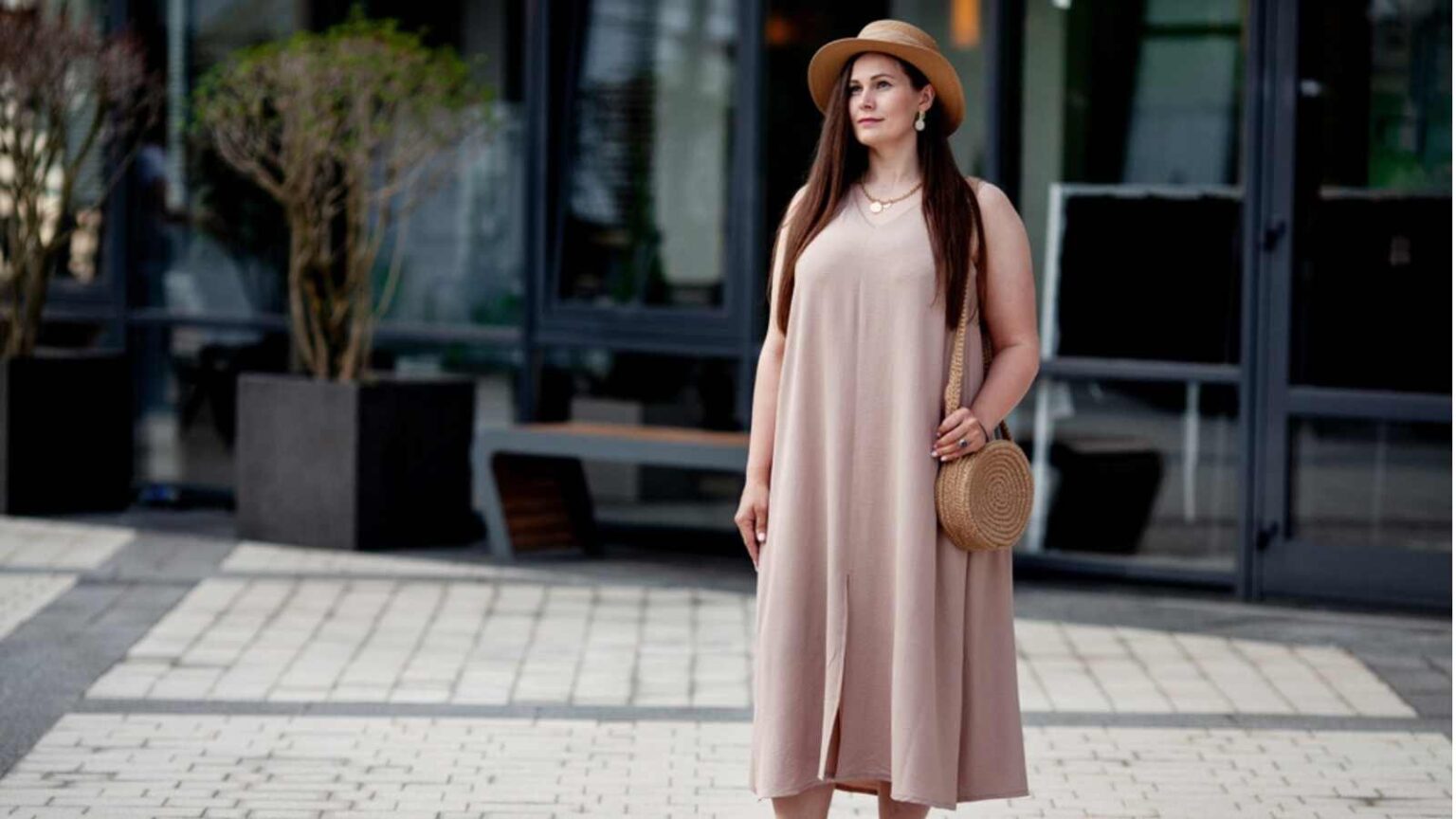
Apparel trend analysts describe the current moment as a fundamental change in American consumer psychology, where how clothing feels on the body now competes directly with how it looks as a purchase driver.
That is a different phenomenon than simply not trying. It reflects a wardrobe built around a genuine value shift, one in which curvy women are no longer treating comfort and style as mutually exclusive goals they must choose between every morning.
Drape Over Camouflage

Older plus-size design language leaned heavily on the word flattering, which usually meant minimizing rather than styling the body. Current design thinking treats drape, proportion, and movement as tools in their own right rather than disguises.
A voluminous organza layer over a fitted cami, for instance, adds visual depth through fabric weight and transparency rather than hiding anything underneath it. That distinction matters because it changes the garment’s intention. Oversized dressing done this way doesn’t make the body look smaller. It is asking the fabric to do something interesting on its own terms.
Better Plus-Size Design
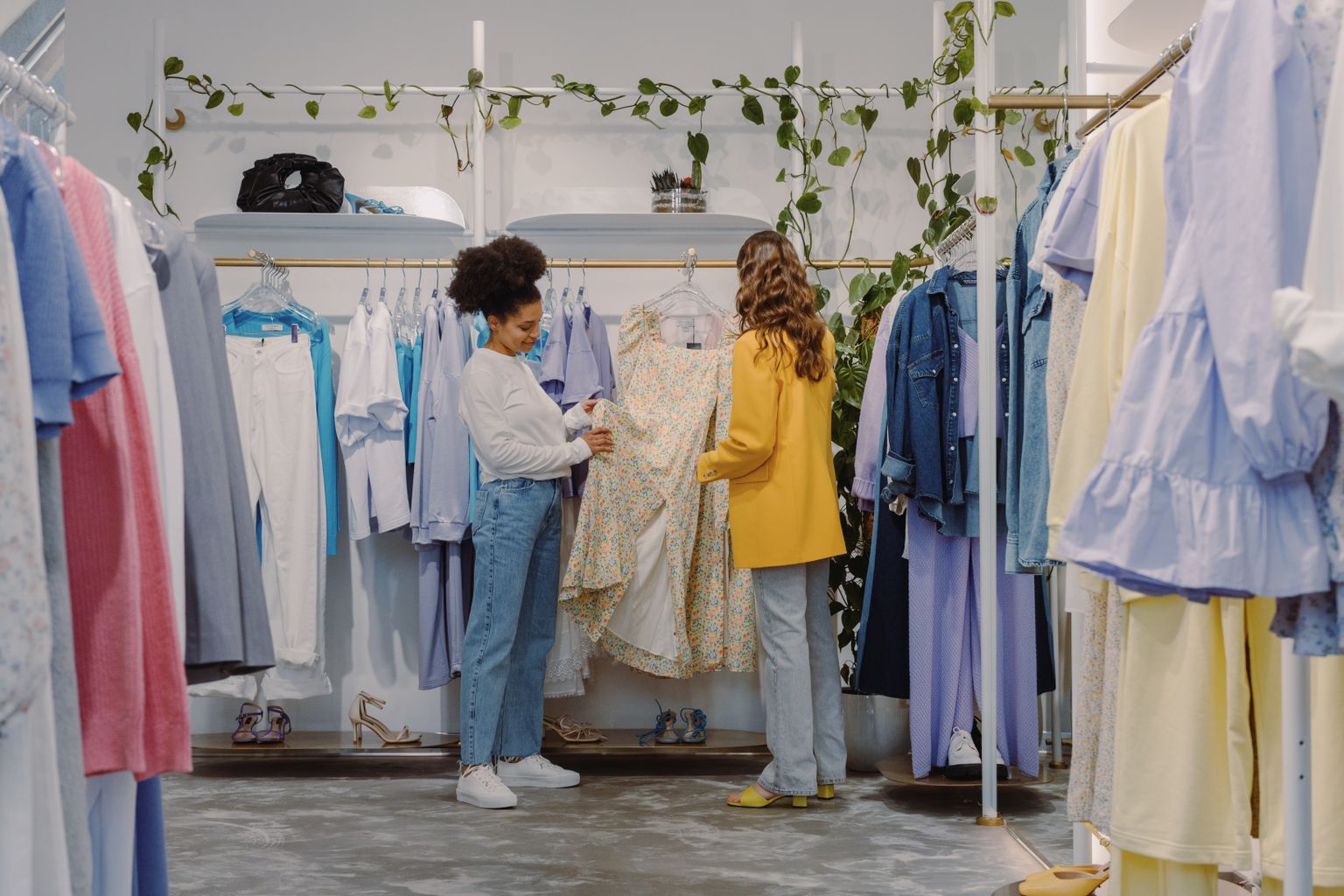
The global plus-size clothing market has been valued at 348.8 billion dollars and is projected to keep expanding over the next decade, a scale that finally justifies the cost of pattern redrafting rather than pattern scaling.
That kind of capital moves fabric research, fit testing, and construction quality in a direction smaller category budgets could never support.
Oversized pieces benefit disproportionately from this investment because a loose silhouette has almost nowhere to hide a badly engineered seam or an unbalanced drape. Money changed what plus-size design could physically attempt this season.
More Ways To Wear It
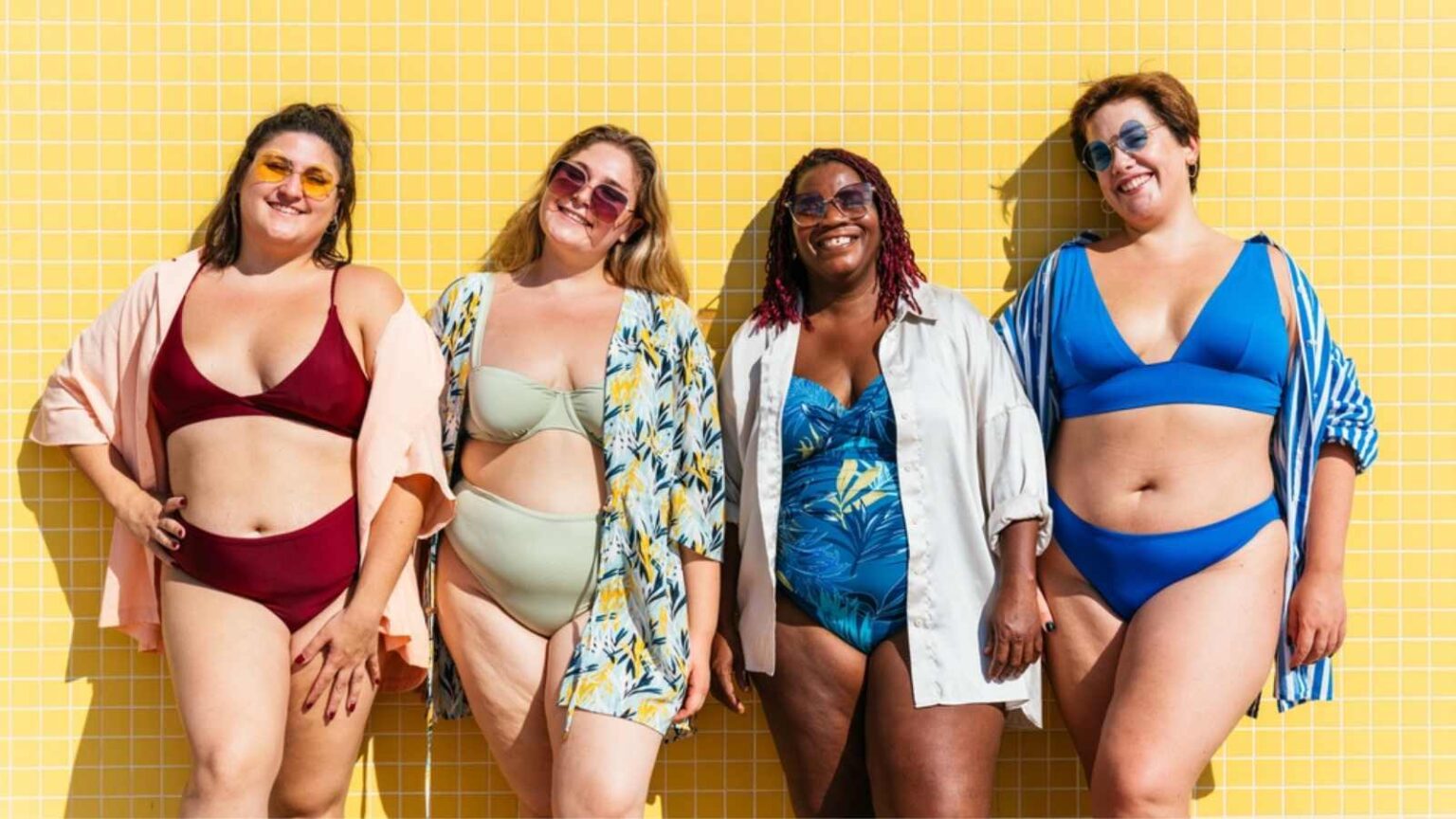
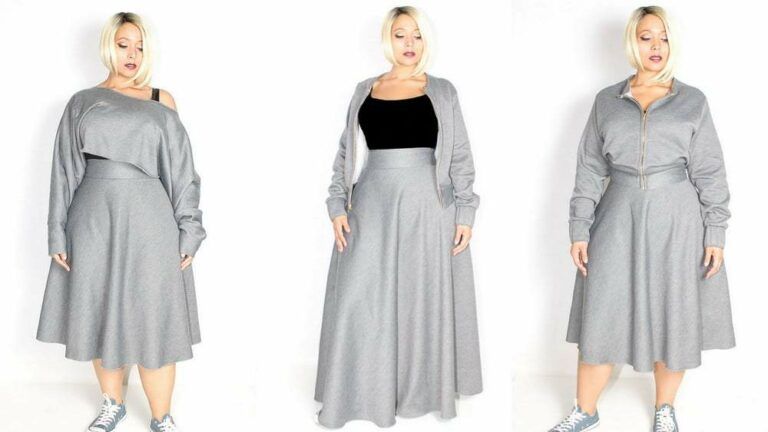
A single relaxed button-down or caftan can be worn open over a tank, belted as a dress, tucked into wide-leg trousers, or thrown over a swimsuit, making it one of the most cost-efficient categories in a curvy summer wardrobe.
Capsule wardrobe stylists have leaned into this specifically for plus-size shoppers, pairing structured accessories like belts and cropped jackets with the same oversized foundation piece to generate distinct looks without buying distinct garments.
That versatility carries real financial logic in a season when shoppers are already telling retailers they want fewer, better pieces. One well-cut oversized shirt is quietly doing the job that four separate fitted ones used to do.
Designed For Real Bodies

Academic research on body representation in fashion places the average American woman’s dress size at 14 to 16, which is squarely in plus-size territory rather than at its edge.
Oversized dressing built specifically around that reality, instead of around a sample size scaled up after the fact, fits differently because it was drafted from an accurate starting point. That is the quiet argument underneath every other reason on this list.
Curvy women are not embracing volume because they are hiding. They are embracing it because, for the first time in a long design history, someone actually measured the body they live in before cutting the cloth.
Key Takeaways:
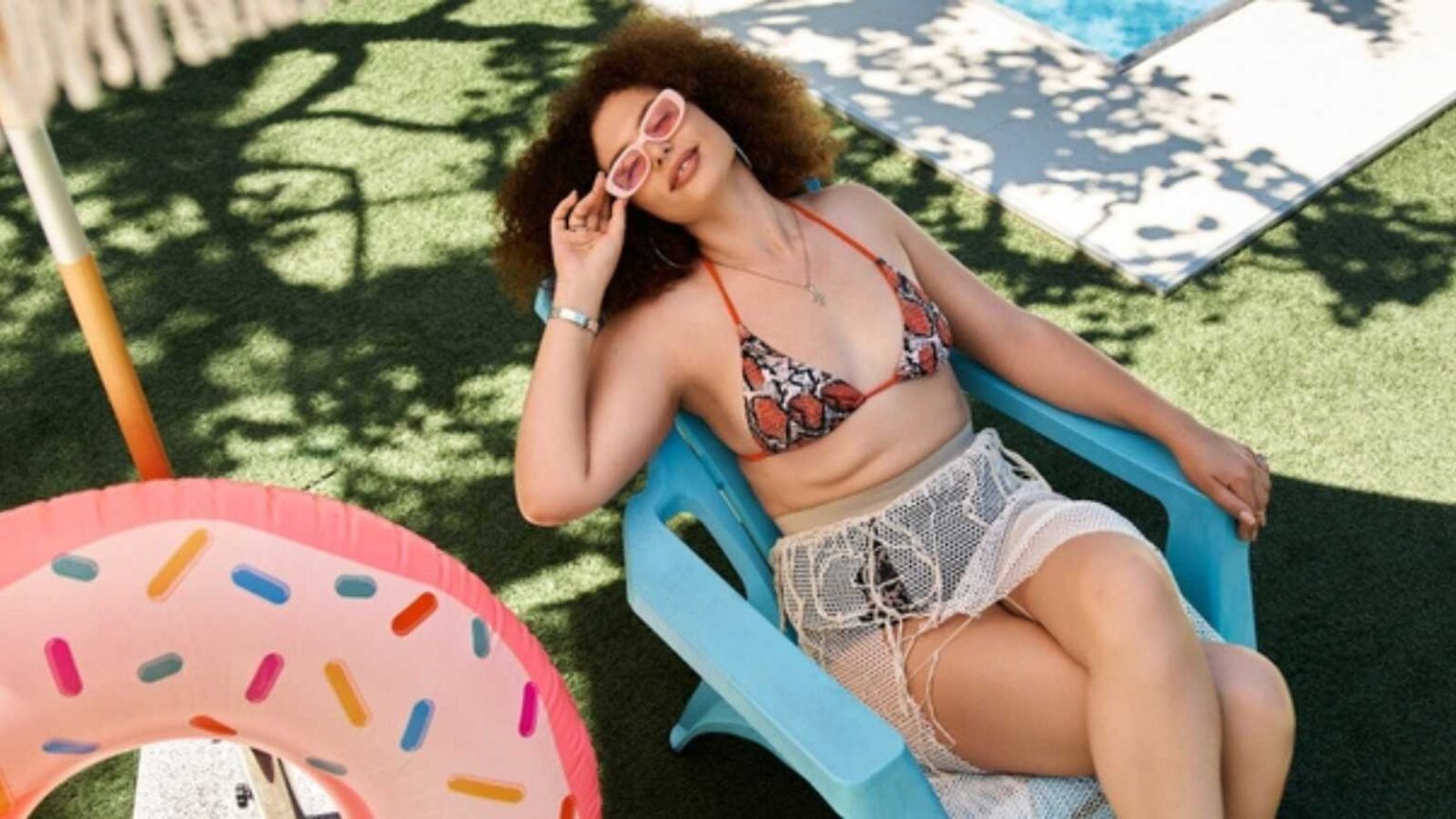
- This summer’s heat isn’t ordinary. DC hit 102°F (a record dating to 1872), heat indices reached 115°F, and 200+ million Americans sat under heat alerts, making fitted fabric a real physical liability, not just an aesthetic one.
- Plus-size design finally moved from scaled-up to redrafted. Historian Lauren Downing Peters and Universal Standard’s Alexandra Waldman both point to a shift away from enlarging straight-size patterns toward building garments around the actual curvy body.
- Oversized dressing has runway pedigree, not just TikTok virality. Halston, YSL, and Dior all sent caftans and muumuus down runways in the 1960s-70s, decades before comfort dressing had a name.
- The math backs the shift. A $348.8B plus-size market and a resale sector (via ThredUp) growing faster than retail overall mean brands can now afford real fit engineering, and shoppers can test volume dressing at low cost.
- Styling tools (belts, layering, color blocking) are doing the shaping work sizing used to. One oversized piece, cinched or layered differently, now replaces several fitted ones.
Disclaimer: This list is solely the author’s opinion based on research and publicly available information. It is not intended to be professional advice.
Like our content? Be sure to follow us
MORE TCF GAMES