Taylor Corrien here, Chief Story Stylist and your guide through the TCF Book Club.
We have been having a wonderful time discussing each story, and every month our conversations seem to take an unexpected turn: all the things about plus size representation in Hollywood.
During our recent Book Club meeting, a fascinating topic came up while discussing Big Girl Blitz by Danielle Allen: What if some of our favorite plus size romance novels became movies or television series?
Would we want that?
Would it be done well?
Would studios understand that our demographic would absolutely show up and support these projects?
Would the main character actually be plus size?
Would she be allowed to be desirable without her body becoming the entire plot?
The conversation sparked a lot of opinions, thoughtful debate, and a few uncomfortable truths about representation in entertainment.
Should Books Stay Just Books?
Our first concern was simple:
What if they mess it up?
Let’s be honest. Film adaptations do not always get it right.
Sometimes characters make choices that feel completely disconnected from who they were in the book. Their personalities shift. Their style changes. Entire storylines disappear. As readers, we have very little control over who ends up adapting a story we love.
Once a book enters Hollywood’s hands, all we can really do is hope the people behind the project understand what made the story special in the first place.
At the same time, adaptations could help address a larger issue: plus size representation in Hollywood.
There are so many talented authors writing compelling plus size heroines in romance fiction. Women who are funny, ambitious, messy, confident, vulnerable, sexy, and fully developed characters. Seeing those stories translated to the screen could introduce audiences to the kinds of representation many of us have been craving for years.
Would Plus Size Bodies Be Properly Represented?
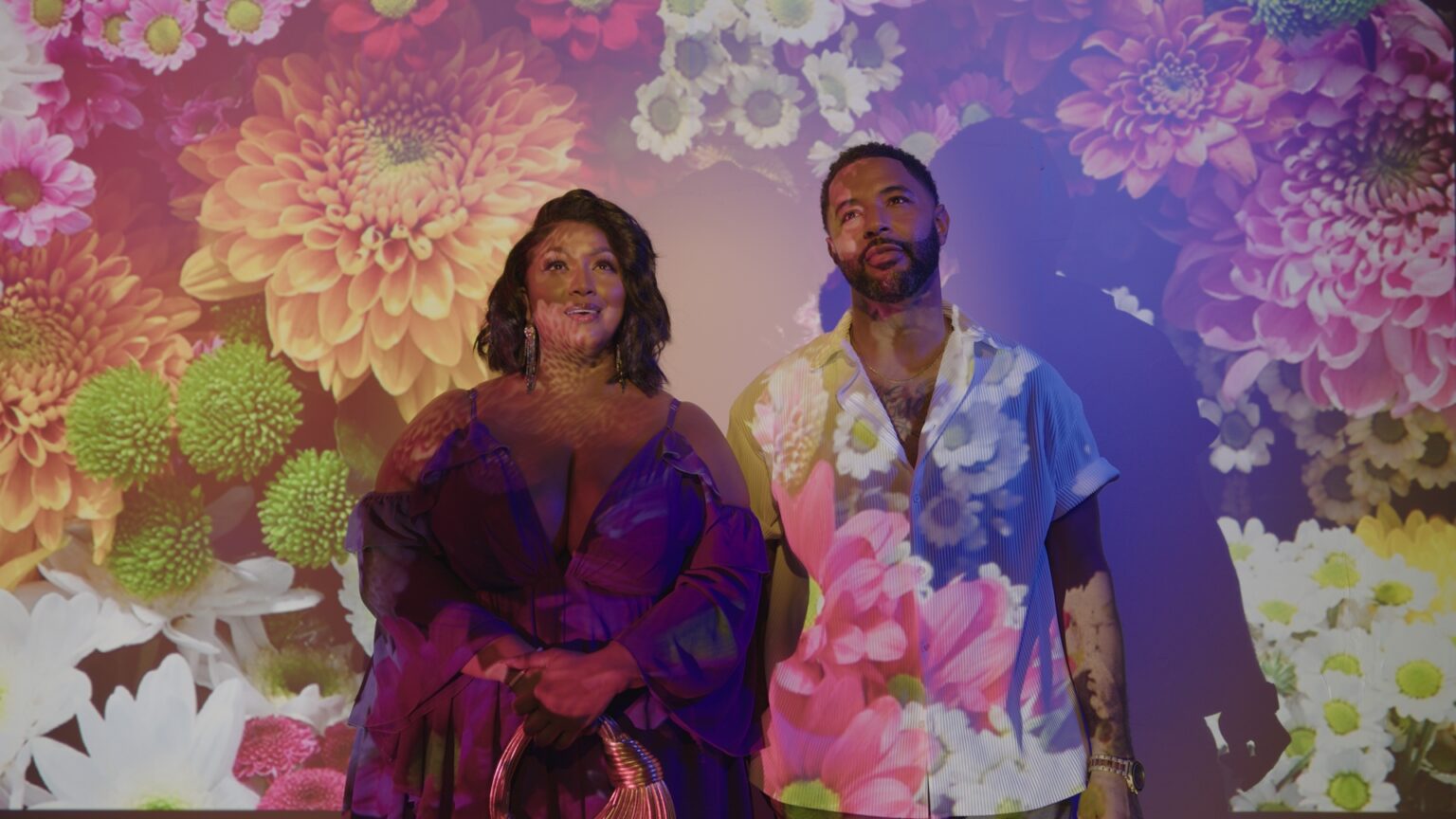
Plus size main characters are becoming more common in romance fiction, but even within the genre there is often an “acceptable” version of fatness being portrayed.
While reading, I sometimes notice that certain body features seem to disappear from descriptions altogether. Back rolls, apron bellies, double chins, and other very real body characteristics are often left out, particularly during romantic or intimate scenes.
I’ve even found myself Googling whether a heroine was actually plus size before buying a book because the illustrated cover left me unsure.
There are likely many reasons for this, but it raises an important question.
If publishing sometimes struggles to show the full spectrum of plus size bodies, can we trust Hollywood to do better?
Can we trust major studios to tell stories about fat women that go beyond simply casting someone who is “a little curvy”?
Some people argue that we should be grateful for any representation at all.
But should we?
Or should we ask for representation that reflects the full diversity of our community?
Is Hollywood Unaware We Exist, Or Do They Just Not Care?
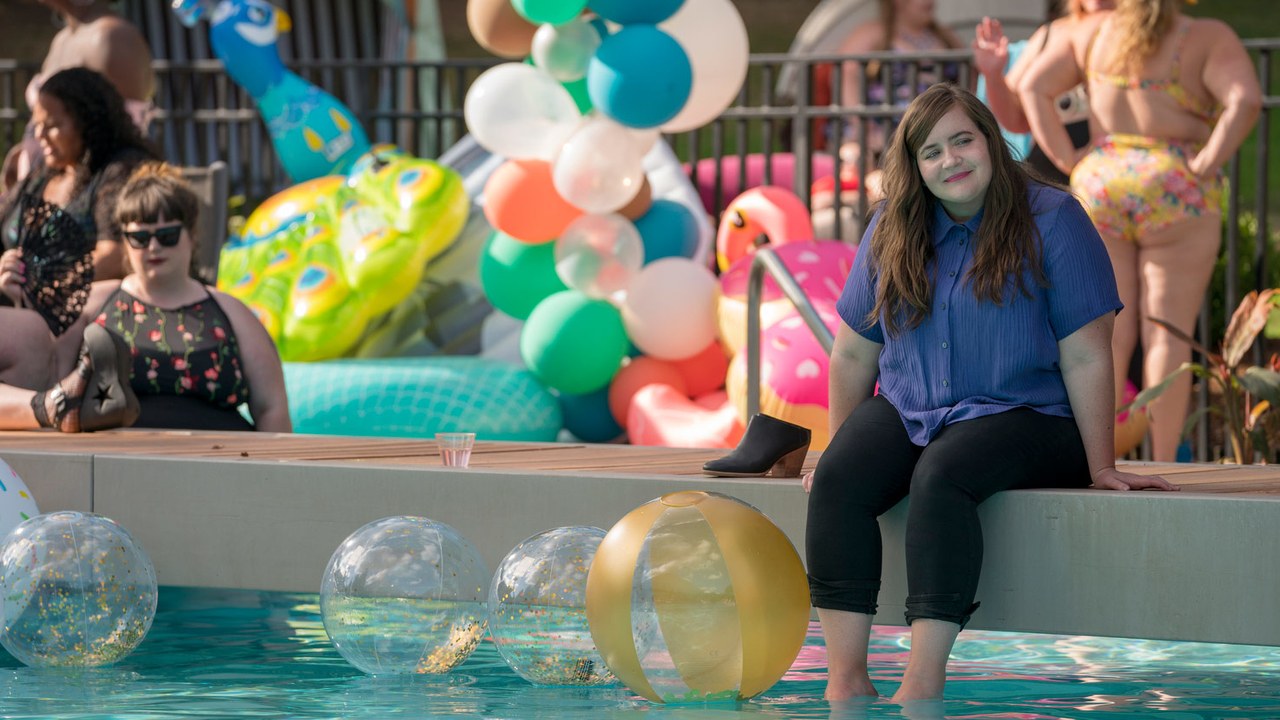
This was where our discussion became particularly interesting.
Some members believed major production companies simply do not have enough data to justify investing in projects centered on plus size women.
Others felt the issue is not a lack of information at all.
Instead, they questioned whether fat bodies continue to be viewed as commercially risky because of longstanding cultural biases.
The numbers make this conversation difficult to ignore.
According to The Representation Project’s 2022 All Bodies Report, non-fat women outnumber fat women in leading television roles by approximately fourteen to one. Fat women account for only 6.3 percent of television leads despite representing a much larger portion of the population.
The same report found that fat women make up only 6.7 percent of characters in top-grossing films, with even greater disparities affecting fat women of color.
That disconnect feels significant.
Because from where I’m sitting, plus size women absolutely show up for one another.
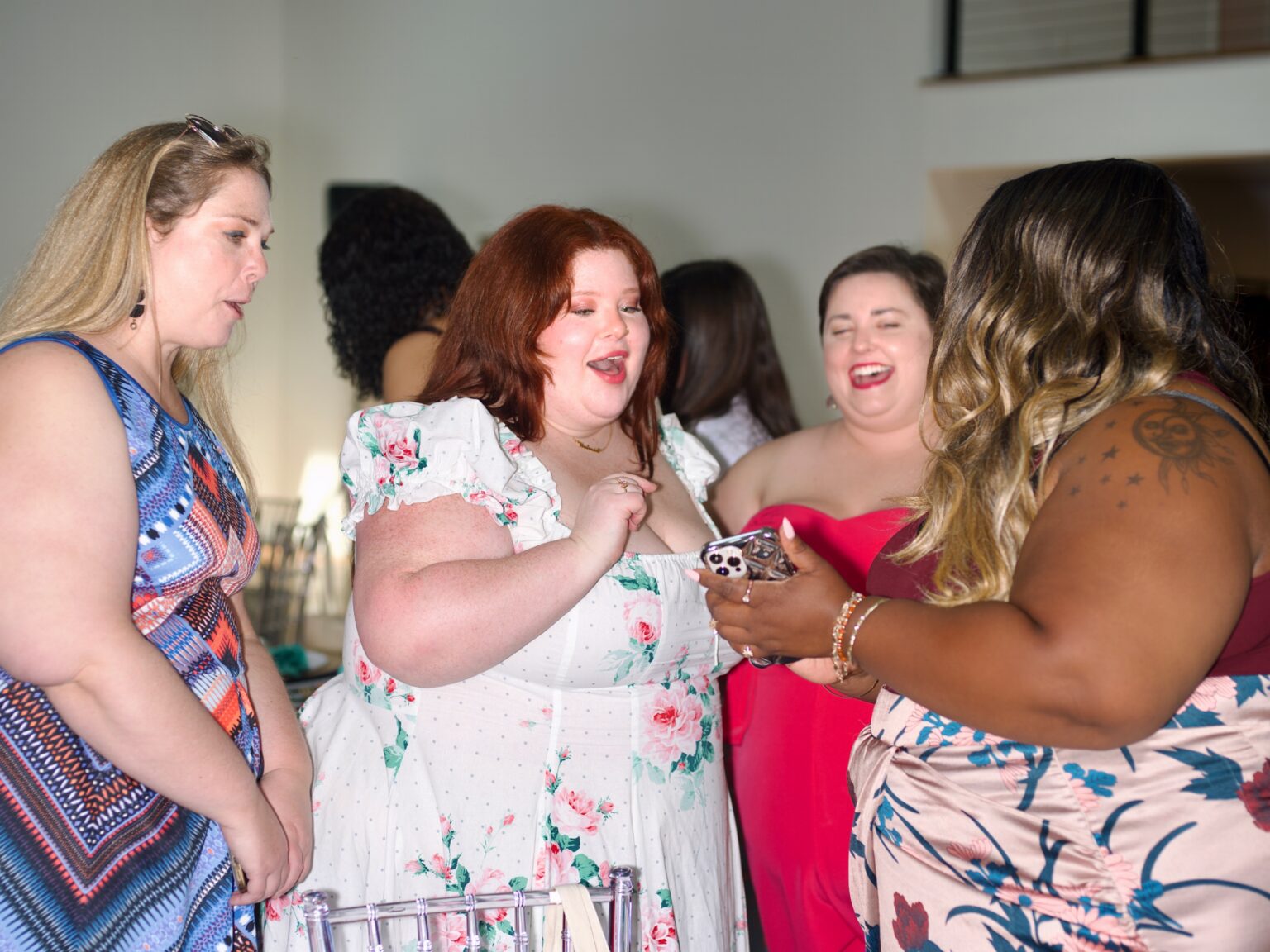
We build communities.
We support creators.
We celebrate one another’s wins.
In my own experience, plus size women, particularly plus size women of color, have consistently been some of my biggest supporters.
So, when the question came up of whether we would support entertainment centered on fat women, my immediate reaction was:
Why wouldn’t we?
A better question might be:
Why is it only our responsibility to prove the audience exists?
Plus size people have spent decades consuming media that rarely reflects our lived experiences. We watch stories centered on straight-size characters every day because those stories are often the only options available.
Why does a project about a fat woman suddenly become a risk that requires extra justification?
The Audience Already Exists
The irony is that readers have already proven there is demand for these stories.
Romance remains one of the most successful publishing genres in the world, and books featuring plus size heroines continue to build passionate fan communities.
The audience exists.
The question is whether Hollywood believes that audience deserves investment.
And we already have examples showing that stories centered on larger-bodied women can resonate with audiences.
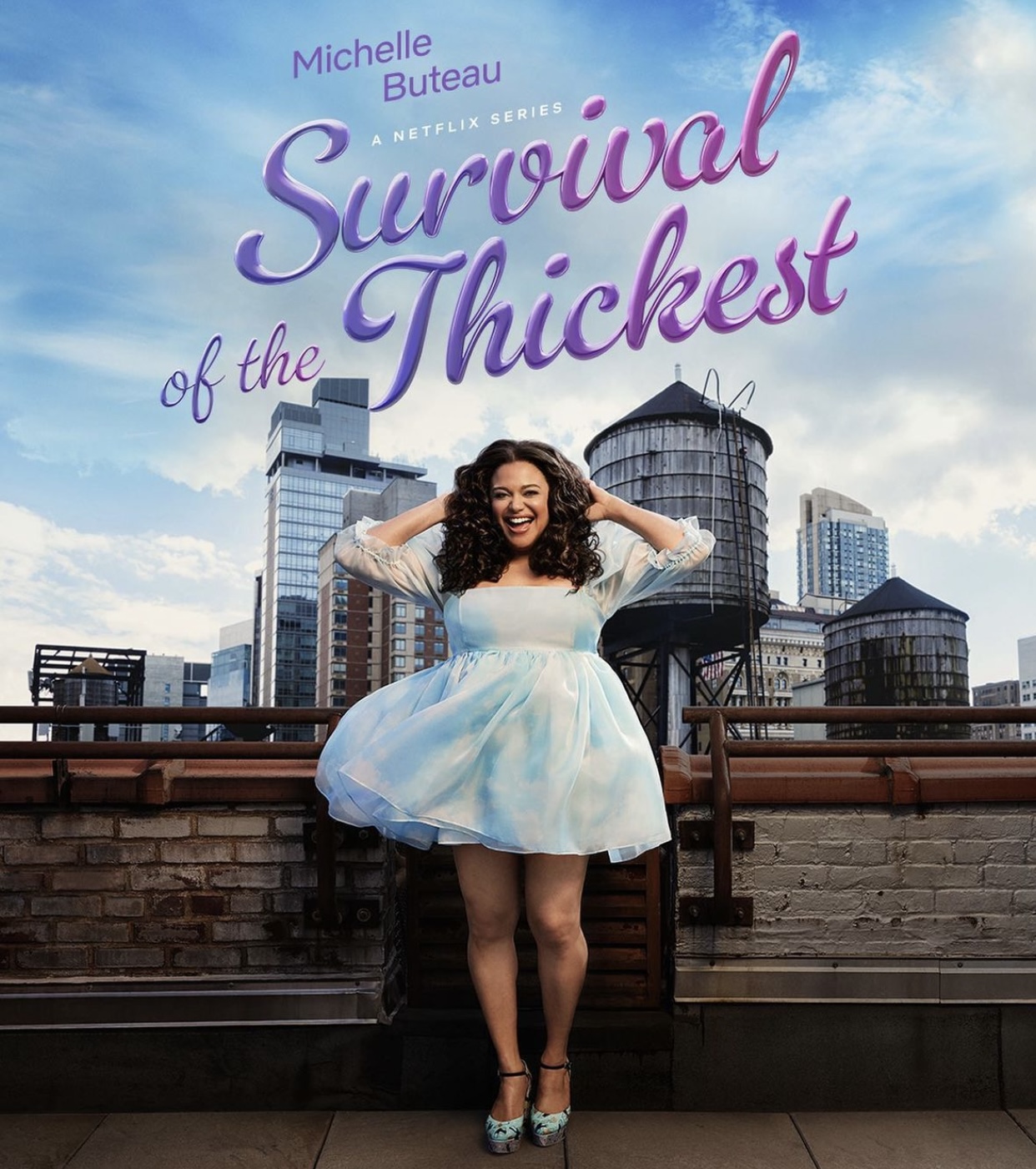
Netflix’s Survival of the Thickest, created by and starring Michelle Buteau, follows a plus size stylist navigating love, friendship, and career growth without reducing her body to a punchline.
Hulu’s Shrill, based on Lindy West’s memoir and starring Aidy Bryant, challenged assumptions about who gets to be confident, desirable, and worthy of taking up space.
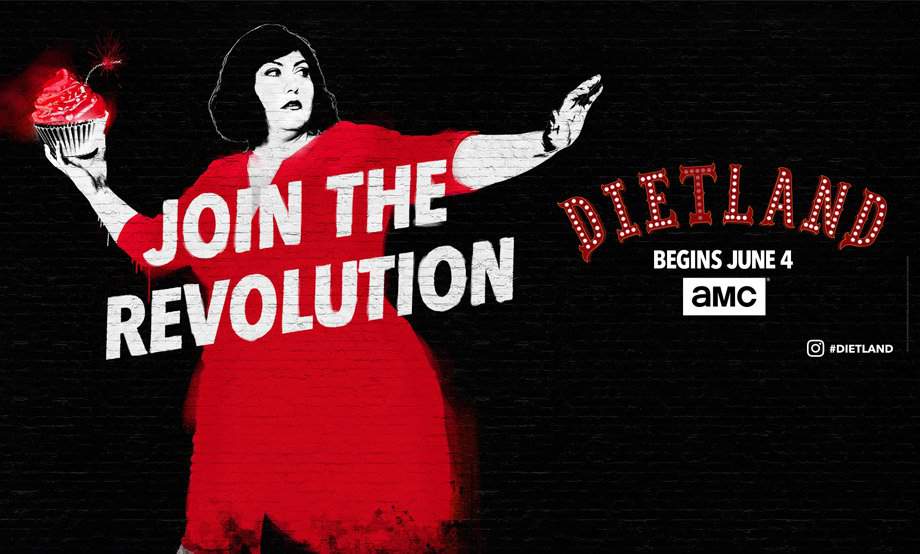
AMC’s Dietland explored beauty standards, body image, and societal expectations through a sharp, provocative lens.
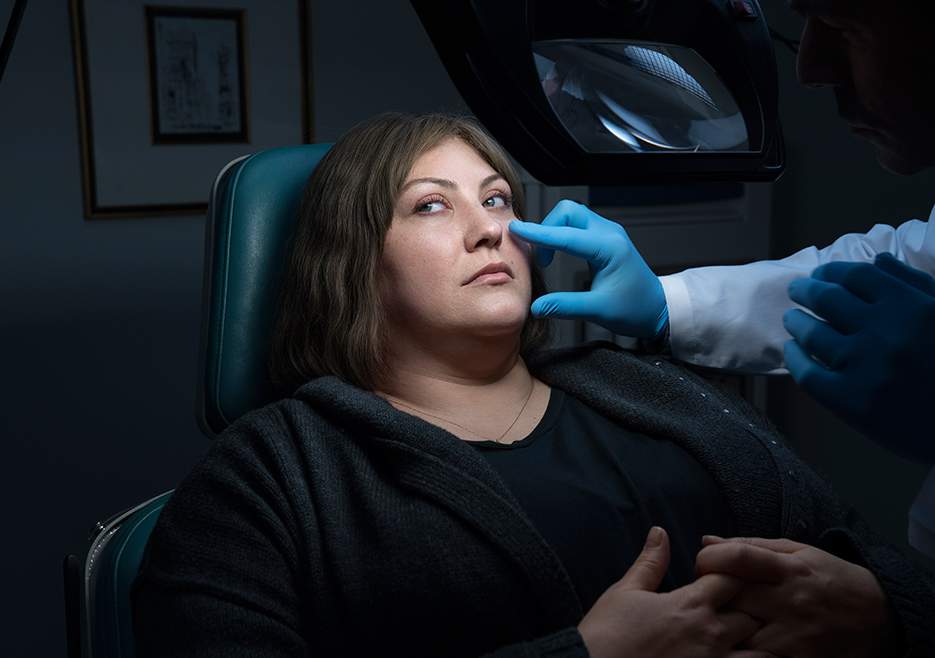
And HBO’s Somebody Somewhere, starring Bridget Everett, has earned praise for portraying a larger-bodied woman living a rich, complicated, joyful life without making her weight the central conflict.
None of these stories are perfect.
But they prove something important for plus size representation in Hollywood:
Audiences are willing to watch stories about fat women when those women are allowed to be fully human.
What We Want As Plus Size Readers
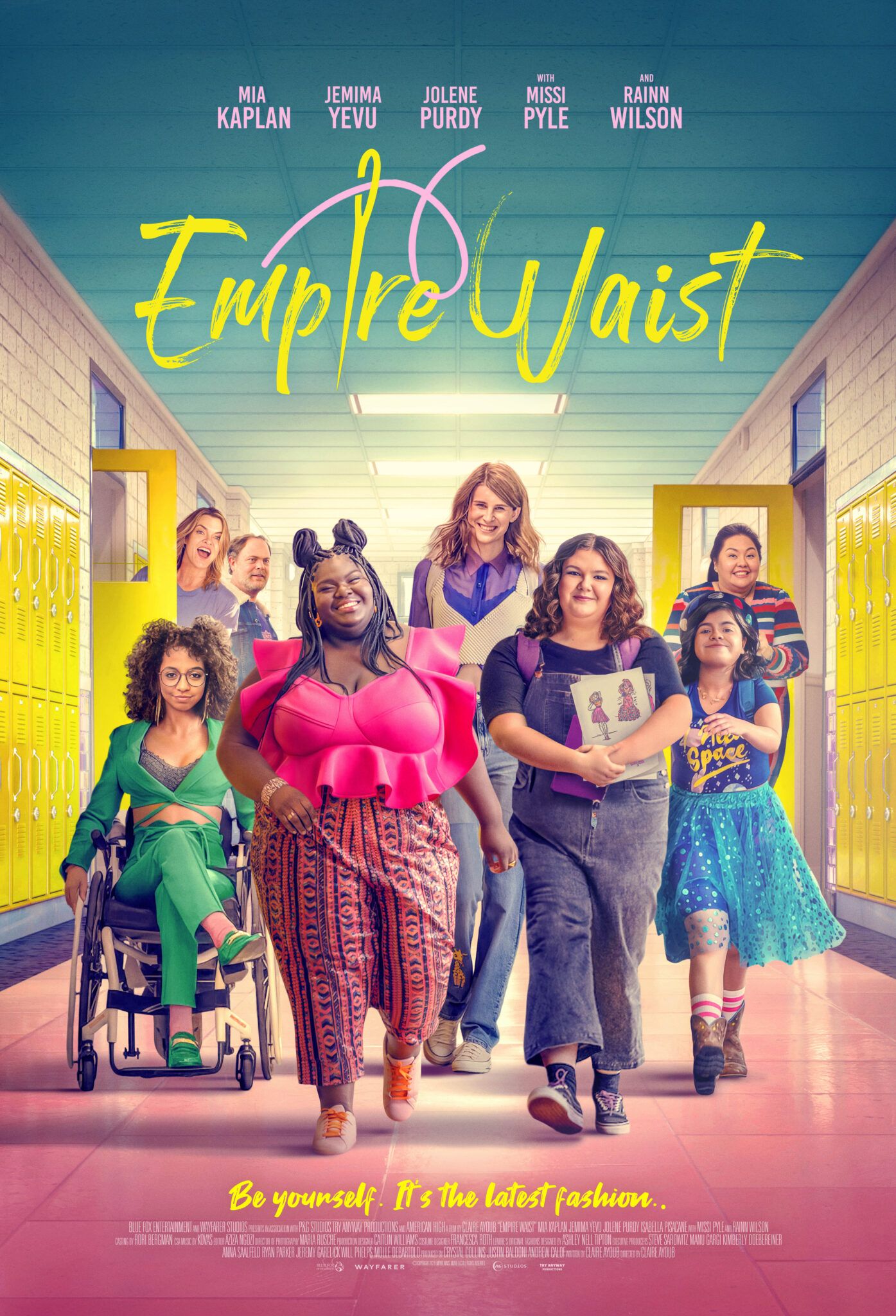
When it comes to adapting romance novels featuring plus size heroines, our hopes are actually pretty simple.
We want more stories centered on women with larger bodies.
We want a wider range of body types represented on screen.
We want characters whose lives are not defined entirely by weight loss, insecurity, or self-improvement.
We want stories where fat women get the romance.
The adventure.
The fantasy.
The happy ending.
Most importantly, we want studios to recognize something our community already knows:
We exist.
We have spending power.
We support stories that resonate with us.
And frankly, we are tired of being treated like a niche audience.
I think the bigger question isn’t whether plus size women will show up.
It’s why so many people seem convinced that nobody else will.
Join the Conversation
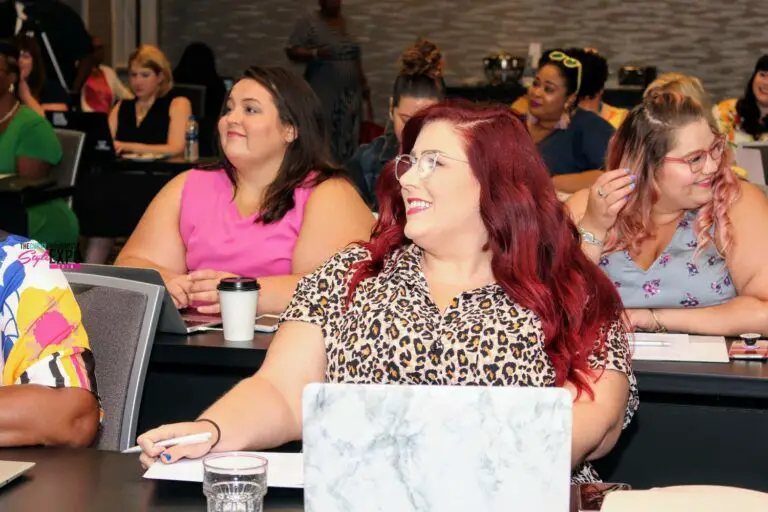
The TCF Book Club has become an incredible space for plus size readers to experience the magic of romance fiction together.
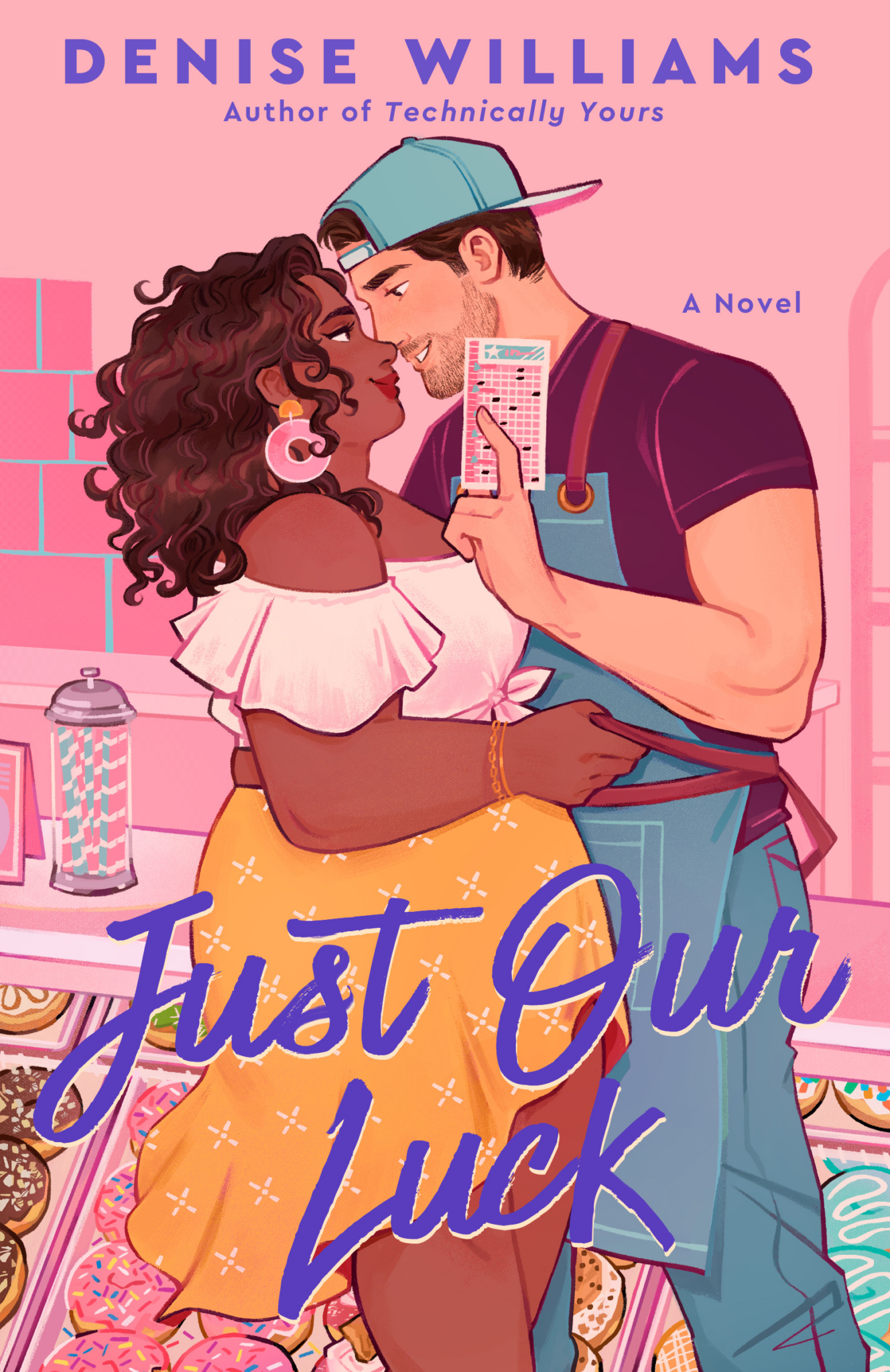
This month we’re reading Just Our Luck by Denise Williams, and our first discussion meeting will take place on Saturday, June 13, at 1:30 PM EST / 10:30 AM PST.
If you love books, big conversations, and exploring stories through a plus size lens, we’d love to have you join us.
MORE TCF GAMES