Before the viral jingles.
Before the brand deals.
Before tens of millions of views.
There was a kid in Tacoma, Washington, archiving videos on their computer, experimenting with rap lyrics, theater monologues, and humor simply because creating felt like freedom.
Romeoshow, the online persona of Romeo Bingham, may feel like an overnight success story. But as confirmed in national coverage by People, the viral Dr Pepper jingle that catapulted them into the mainstream was posted on December 23, 2025, and quickly amassed tens of millions of views before being turned into a national television commercial that aired during the 2026 College Football Playoff National Championship.
Yes. That happened.
But if you sit with @romeoshow, really sit with them, you quickly realize the jingle was just the ignition point. The fire had already been burning for years.
Before the Viral Moment: Romeoshow Was Already Creating
Long before brands were studying their cadence and comedic timing, romeoshow was posting videos for friends.
“Since middle school, I’ve been making videos of myself,” they told me. “Archiving them on my computer, then posting them on Instagram for friends and schoolmates.”
Theater followed. Complicated. Powerful. Formative.
“I was so big, and I was also always one of the few Black people doing theater. I had no problem being big, but I was always typecast as the mother characters or the funny side characters.”
That sentence right there? That’s a whole dissertation on size and performance politics.
But romeoshow didn’t shrink.
They sharpened.
Winning the August Wilson Monologue Competition and performing on Broadway became one of the first moments of external validation. They were also nominated for Best Supporting Performer in a musical, recognition that affirmed what they were already building internally.
“I realized… wow, maybe I do have not only talent, but the drive to create something big people in the industry recognize.”
So when the Dr Pepper idea struck, they trusted instinct.
According to People, that improvised jingle sparked brand engagement almost immediately, with Dr Pepper responding publicly and later licensing the content for national broadcast. The moment opened doors to additional partnerships, including campaigns with Vita Coco and Hyundai, and even a Times Square billboard feature.
From Tacoma to Times Square. Let that sit.
Creative Control Is Not a Luxury, It’s the Strategy
What makes romeoshow’s partnerships different isn’t just virality, it’s leverage.
“I let brands know off the bat, when we’re in negotiations: I have creative control.”
That’s not ego. That’s infrastructure.
The romeoshow brand is eccentric, musical, playful, what they lovingly call “tomfoolery and such.” Brands don’t hire them to sanitize that. They hire them because of it.
“Good brands will allow me to have my creativity. That’s what makes it work.”
And when brands reference non-sponsored content, when they show they’ve done deep research, that’s alignment.
This is a blueprint more creators should study.
Body Confidence, Mental Health, and Choosing Joy Over Shrinking
Now, let’s talk about what matters to this community.
Romeoshow grew up surrounded by big, beautiful women. At home, size wasn’t shameful.
“I looked around and saw very big, beautiful women, and it made me feel like a very big, beautiful person too.”
But school? College? Different story.
Comparison crept in. Disordered eating followed. Weight loss happened, not from empowerment, but pressure.
“Comparison is the thief of joy,” they said quietly.
And then came the unlearning.
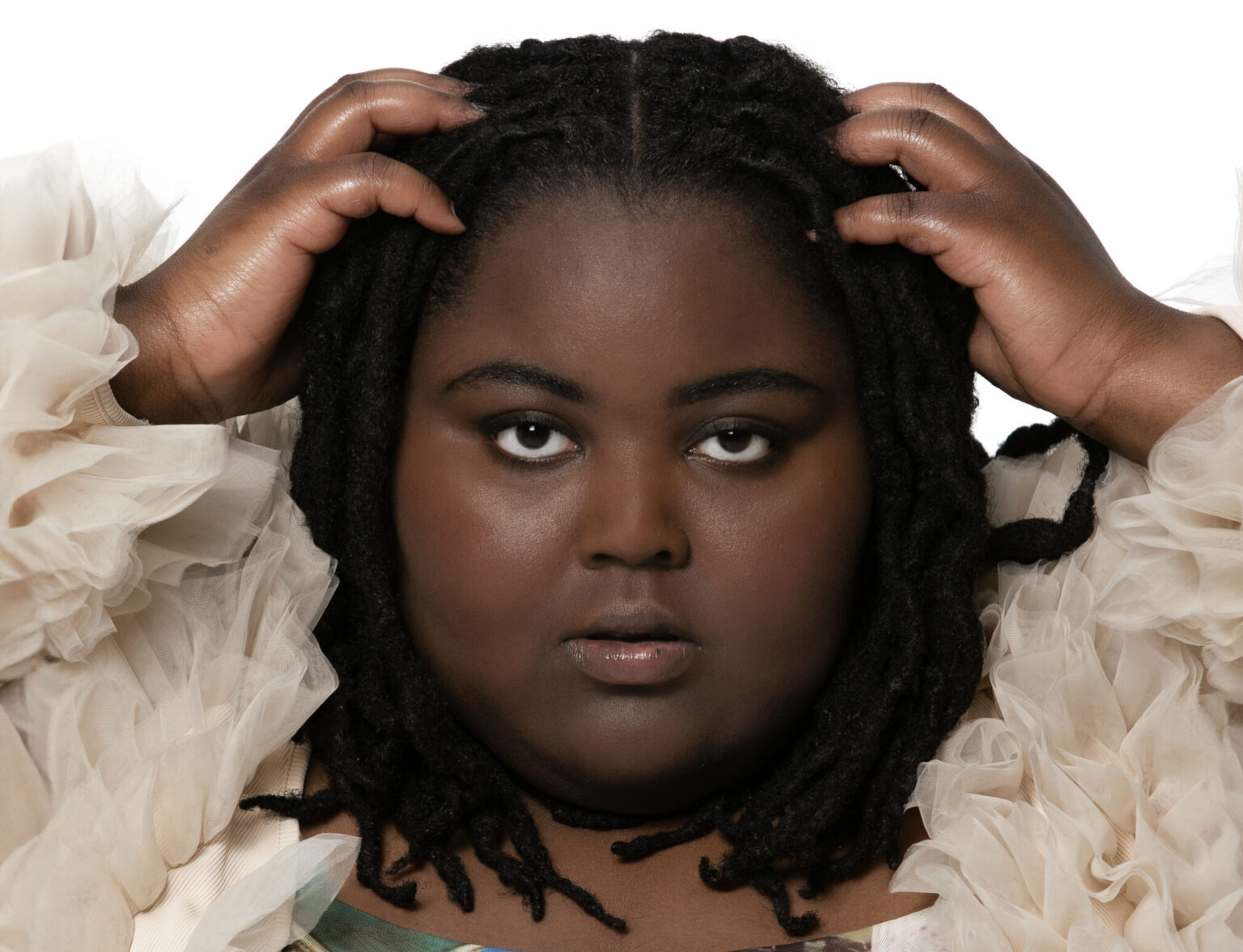
Today, Romeoshow speaks openly about psychiatric medication and how it affects their body.
“My psych meds, I can’t control what those do to my body. And I would rather be happy and a little bigger than miserable and smaller.”
Read that again.
For a plus size, non-binary, Black creator navigating hyper-visual digital spaces, that statement is revolutionary.
Mental health advocacy has long been part of Romeoshow’s platform. They have openly discussed therapy, depression, and emotional complexity, themes echoed in their broader interviews, including national press coverage.
And here’s the legacy thread forming:
“You can have emotional complexity and still be successful.”
That’s the message.
Non-Binary Visibility Without Performance
Romeoshow identifies as non-binary and uses they/them pronouns. They’ve been openly so for six to seven years.
But here’s what I appreciate: they don’t perform identity.
“I’m just me. I’m just Romeo.”
Visibility happens through presence.
Still, when followers comment about how meaningful it is to see a non-binary creator landing national campaigns and prime-time commercials, it resonates.
“We don’t have enough representation in spaces like these.”
Growing up, romeoshow wished for plus size leads who weren’t defined by their weight.
“Just existing. Just being the Disney princess.”
Not the funny best friend. Not the transformation storyline. Not the cautionary tale.
Just the lead.
And now? They’re building that reality for someone else watching.
Style as Extension, Armor, and Energy
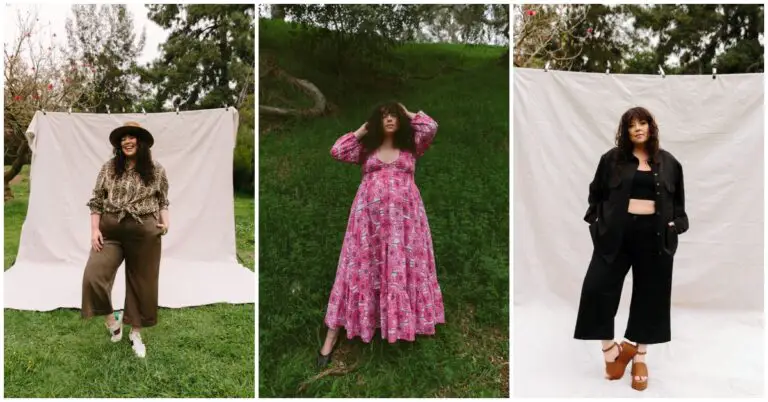
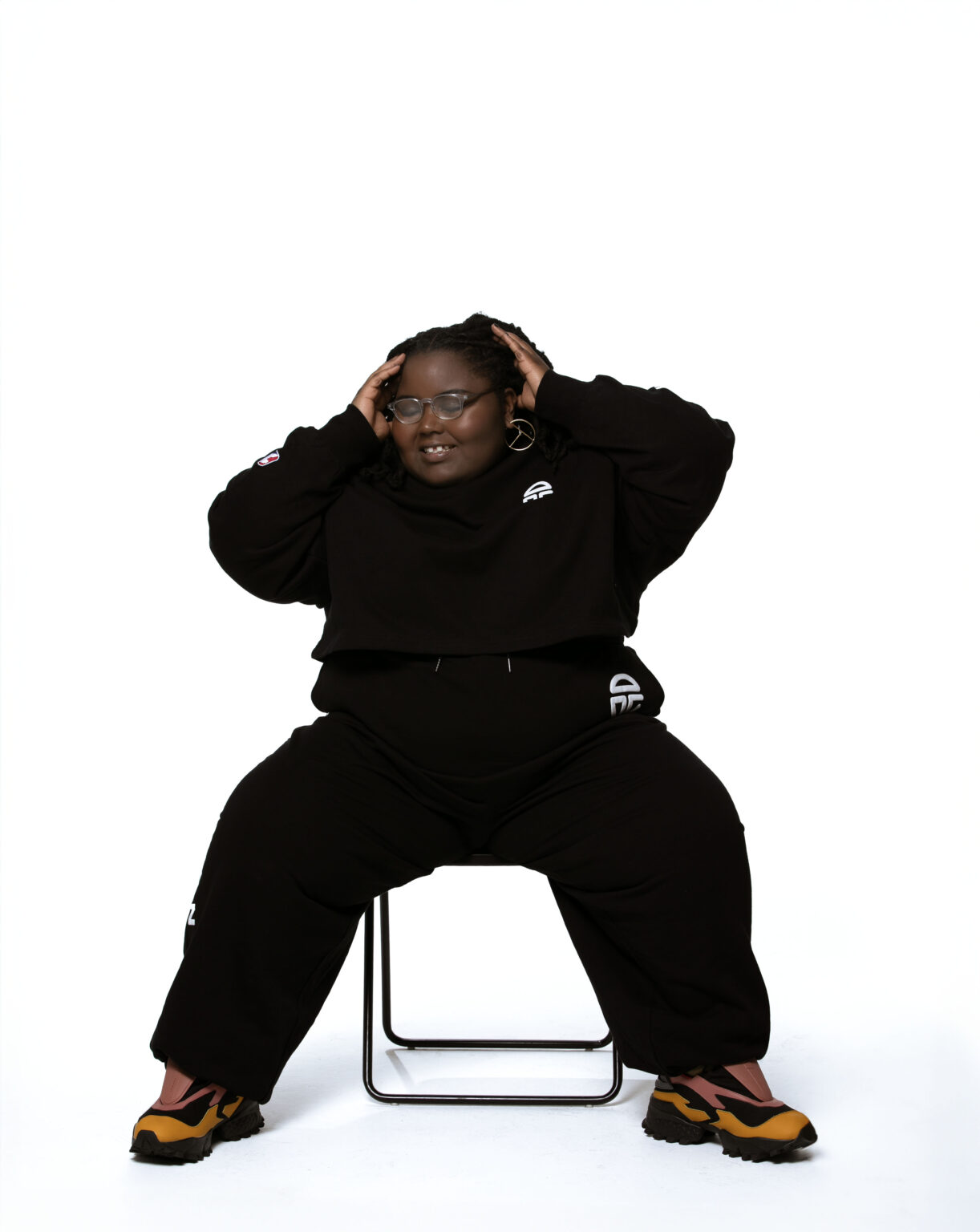
romeoshow’s style leans masculine, alternative, and streetwear-forward… with black as the anchor.
“I feel most powerful and confident in black.”
Silver over gold. Timbs over tennis shoes. Gloss over lipstick.
But the real flex?
“The beautiful thing about being non-binary is I can dress however I want, whenever I want, because social norms are out the window.”
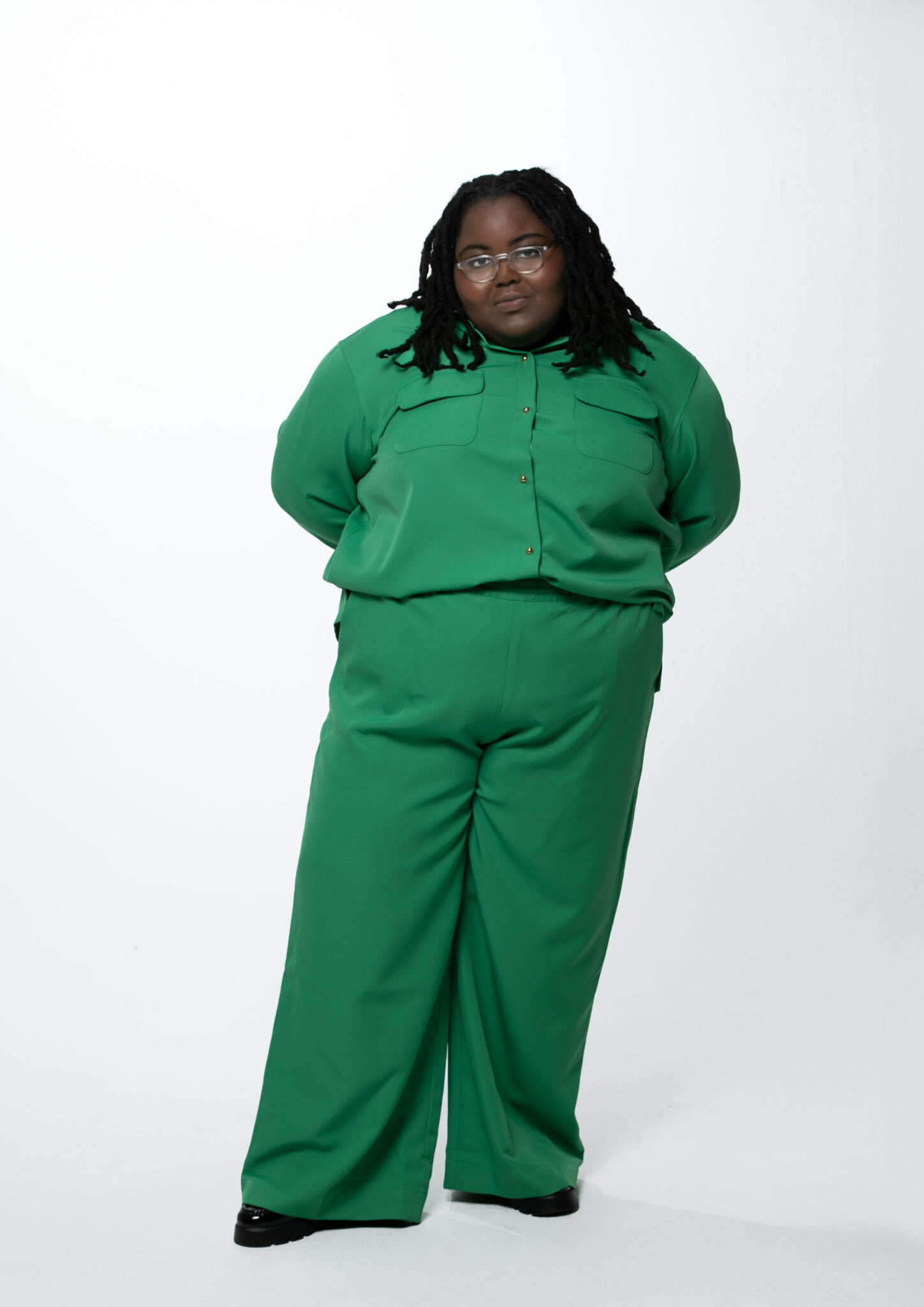
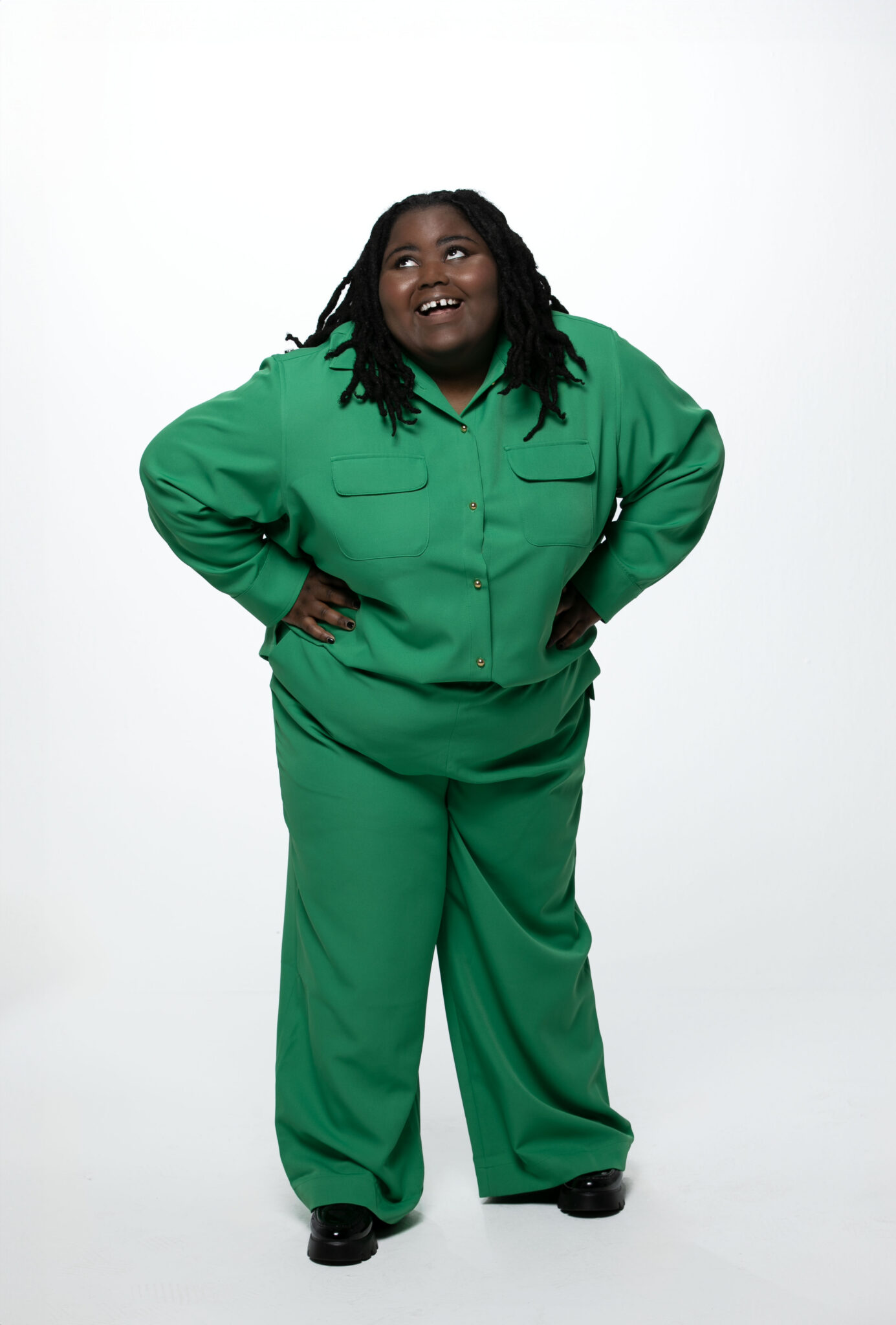
Their green Baacal two-piece moment on The Jennifer Hudson Show stood out: powerful, structured, subtly gender-neutral. But lightning-strike streetwear? That’s where their eyes light up.
“I felt so cool in that outfit.”
Fashion isn’t about validation.
It’s about alignment.
The Power of Just Being
When I asked romeoshow about legacy, the answer wasn’t about streams, charts, or red carpets.
“The legacy I want to leave behind is showing people that you can be authentic and still be successful.”
You can struggle and still win.
You can take medication and still thrive.
You can be plus size and still headline.
You can be non-binary and still land national campaigns.
You can be emotionally complex… and still be celebrated.
“I’m in spaces I’m not supposed to be in, spaces that weren’t built for people who look like me. And I’m rocking it.”
And maybe that’s the real story here.
Not the jingle.
Not the billboard.
Not the commercial slot during a national championship game (as confirmed by People).
But the fact that Romeoshow is proof; living, breathing proof, that authenticity is not a liability.
It’s leverage.
When I asked what they hope people feel watching their content, the answer was simple:
“I hope they feel like they can do anything they want to do… just truly be themselves and know that that’s enough.”
That’s not just virality.
That’s visibility.
That’s impact.
That’s legacy.
And that is very much a Curvy Fashionista story.
Photoshoot Details:
- Photographer: TeAndre Miles (@tdreexclusive)
- Makeup: Jameelah Quinland
- Lighting specialist: Ralph (@ralphyvalley)
- Stylist & Creative Director: Adriana Artukovich LeBaron @aartukovich
MORE TCF GAMES