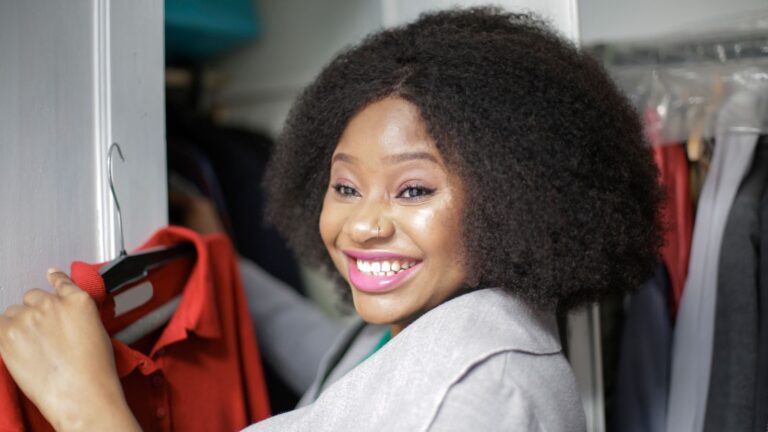
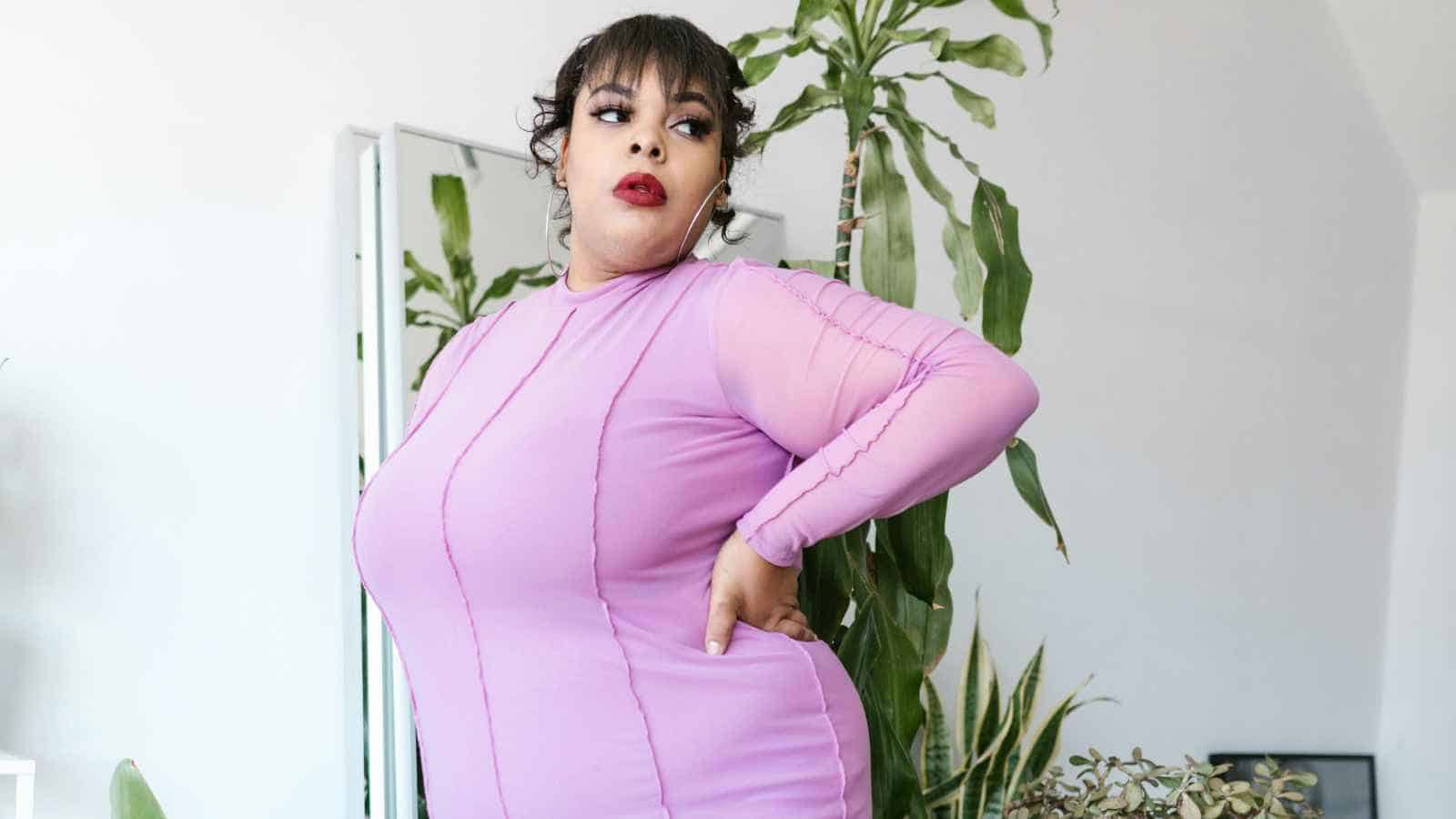
Great style rarely depends on buying an entirely new wardrobe. Instead, it comes from making the most of the pieces you already own, and layering remains one of the easiest ways to create balanced, polished outfits.
That approach also reflects today’s shopping habits, as more Americans prioritize versatile clothing that can be mixed and matched and worn in multiple ways. According to the 2025 State of Fashion report by McKinsey & Company, consumers continue to prioritize versatile clothing with a higher cost per wear over trend-driven purchases.
Strategic layering improves proportion, adds texture, creates visual balance, and helps extend the life of seasonal clothing without expanding your wardrobe. The most polished outfits often come down to thoughtful combinations, balanced silhouettes, and intentional proportions rather than the number of clothes you own.
For curvy women, even a few subtle layering adjustments can completely transform how an outfit looks and feels. Details such as jacket length, fabric weight, neckline placement, and accessory scale work together to create clean, flattering lines while prioritizing comfort.
The styling strategies below focus on simple, versatile techniques that make it easy to build polished outfits for work, weekends, travel, and special occasions using pieces already in your closet.
Build Every Outfit on a Smooth Foundation
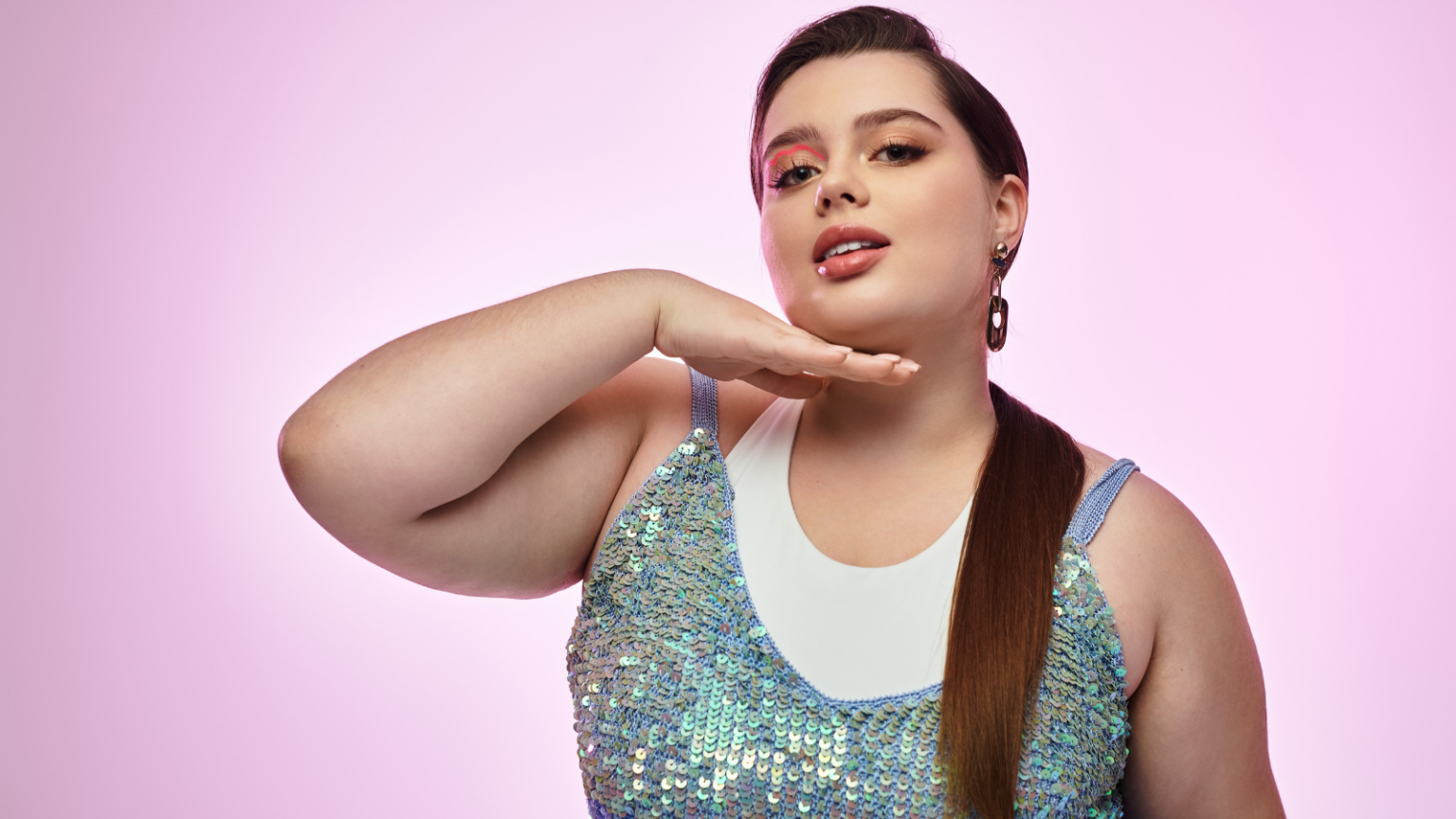
A polished outfit starts with a clean foundation because every additional layer builds on the one beneath it. Creating a balanced base makes jackets, accessories, and other finishing touches feel intentional and cohesive.
A fitted tank, bodysuit, or lightweight cotton T-shirt helps outer garments drape naturally rather than catching on the bulky fabric underneath. Technical garment construction explains why this works so well.
Smooth fabrics reduce friction between layers of clothing, allowing cardigans, blazers, and overshirts to drape closer to the body while preserving their intended silhouette. Cotton, modal, bamboo, and stretch jersey remain excellent choices because they combine breathability with flexibility throughout the day.
Pairing a neutral fitted top with tailored trousers and then adding a blazer creates cleaner proportions than layering oversized garments. The final outfit appears polished because every piece supports the next instead of competing for space.
Leave Jackets and Cardigans Open to Create Vertical Lines
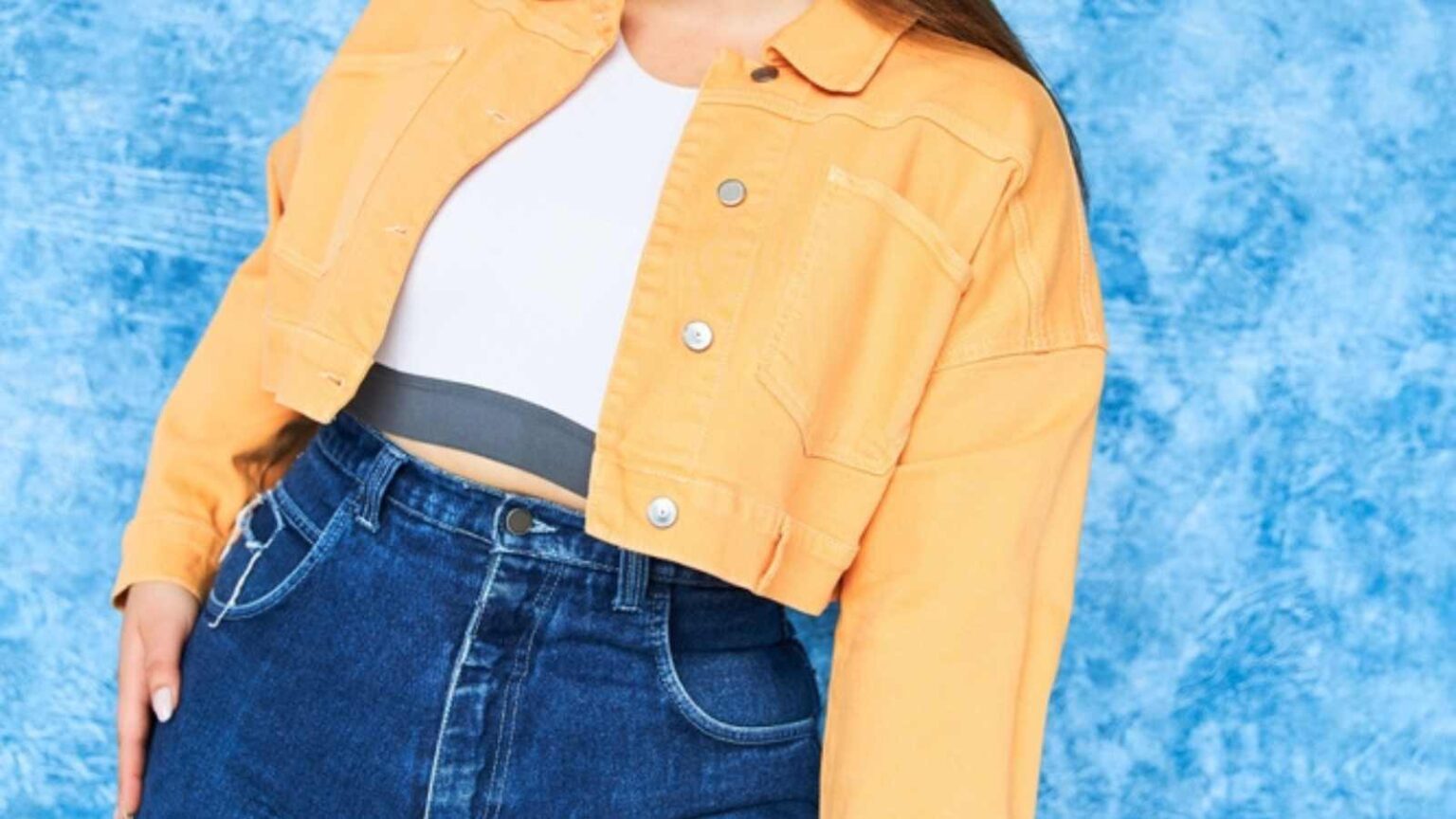
Leaving blazers, dusters, and lightweight cardigans unbuttoned naturally creates two uninterrupted vertical columns along the front of the body. Those clean lines guide the eye upward and downward rather than across the torso, producing a balanced visual effect that many professional stylists intentionally use during editorial shoots.
Vertical emphasis is one of the oldest principles in fashion design because uninterrupted lines create harmony without requiring complicated tailoring. Selecting an open camel blazer over a black knit top and matching trousers immediately demonstrates the effect.
The neutral outer layer frames the outfit while allowing the darker center column to remain visually continuous. Adding pointed-toe flats or loafers reinforces the elongated silhouette. Small details such as pushing the sleeves slightly upward introduce relaxed sophistication while revealing slimmer areas of the arm, preventing structured jackets from appearing overly formal.
The result feels contemporary, comfortable, and refined without demanding dramatic styling changes.
Belt Long Layers to Highlight Your Natural Waist
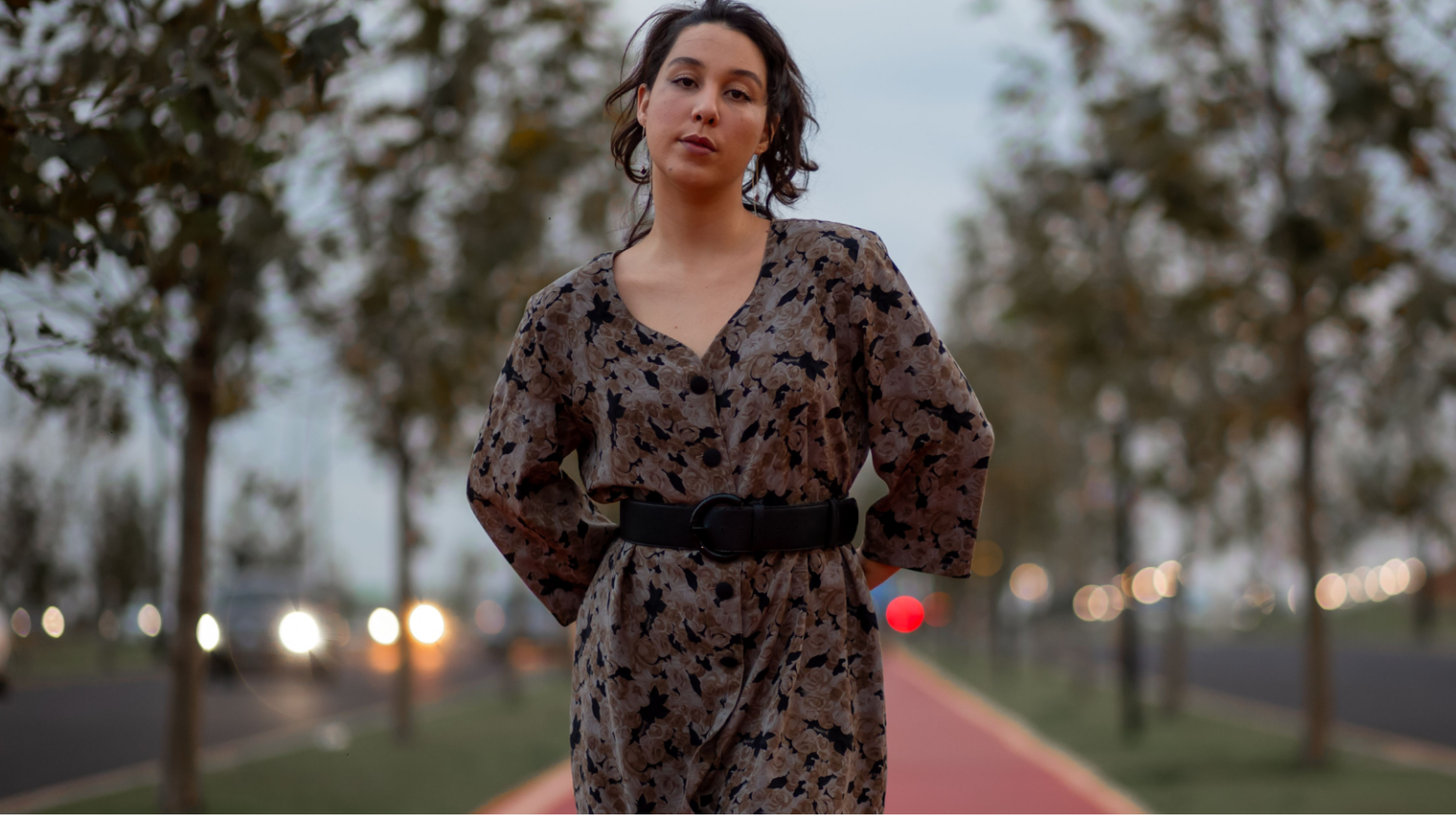
Long cardigans, shirtdresses, dusters, and oversized blazers lend elegance, yet they can occasionally conceal natural body proportions when worn without structure. A belt can solve that challenge by gently defining the waist while allowing the garment to retain its natural movement.
Belt placement also influences how the eye interprets body proportions, creating a more balanced and flattering silhouette. Positioning the belt near the natural waist creates a balanced upper and lower section, producing an outfit that feels intentional rather than oversized.
Leather belts in black, cognac, or taupe coordinate easily with most wardrobes and provide subtle contrast against neutral clothing. Pairing a belted knit cardigan with slim ankle pants and ankle boots creates a polished ensemble suitable for business-casual offices, dinner reservations, or weekend outings.
The belt becomes a quiet styling tool that organizes the entire outfit without distracting from its simplicity.
Mix Fabrics Instead of Adding Heavy Layers
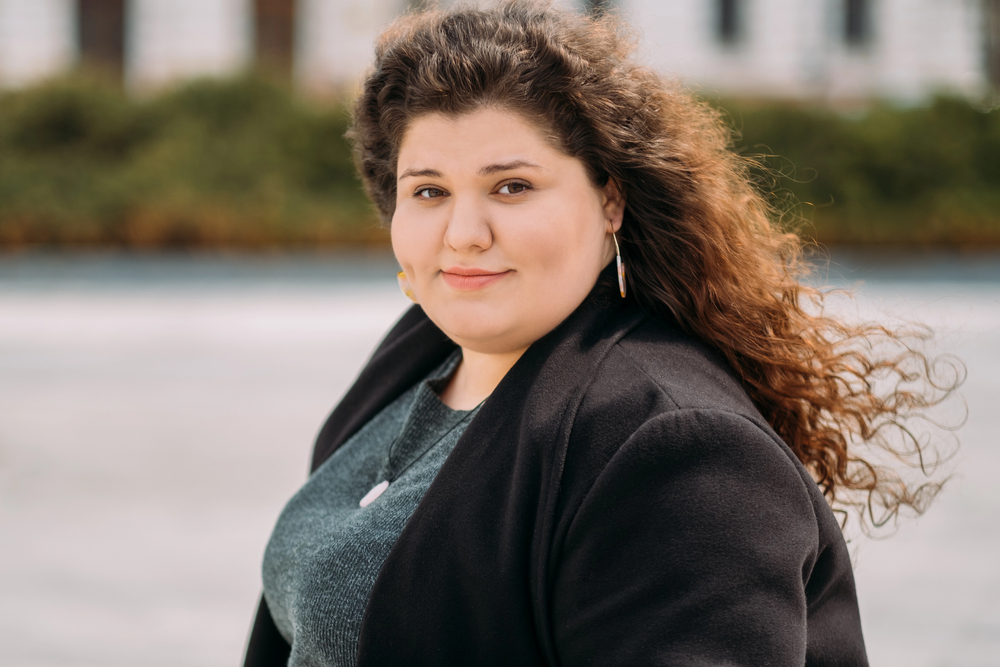
Contrast plays just as important a role as color in creating visually interesting outfits. Texture allows outfits to appear rich and dimensional without introducing additional weight. Combining ribbed knitwear with satin skirts, linen trousers with structured cotton shirts, suede boots with wool coats, or leather handbags alongside chunky sweaters creates depth while maintaining comfort.
Fashion collections consistently showcase these pairings because the eye naturally notices differences in surface texture before focusing on finer design details. Research published by Cotton Incorporated’s Lifestyle Monitor™ Survey continues to show that comfort remains one of the leading priorities influencing apparel purchases among American consumers.
Texture satisfies that preference beautifully because lightweight fabrics can still create sophisticated outfits through thoughtful combinations. A satin camisole layered beneath a chunky cardigan instantly balances softness with structure, while linen paired with fine-gauge knitwear creates effortless seasonal style.
Layering succeeds when fabrics complement one another rather than competing for attention, giving simple wardrobes a noticeably elevated appearance.
Balance Relaxed Layers With Streamlined Bottoms
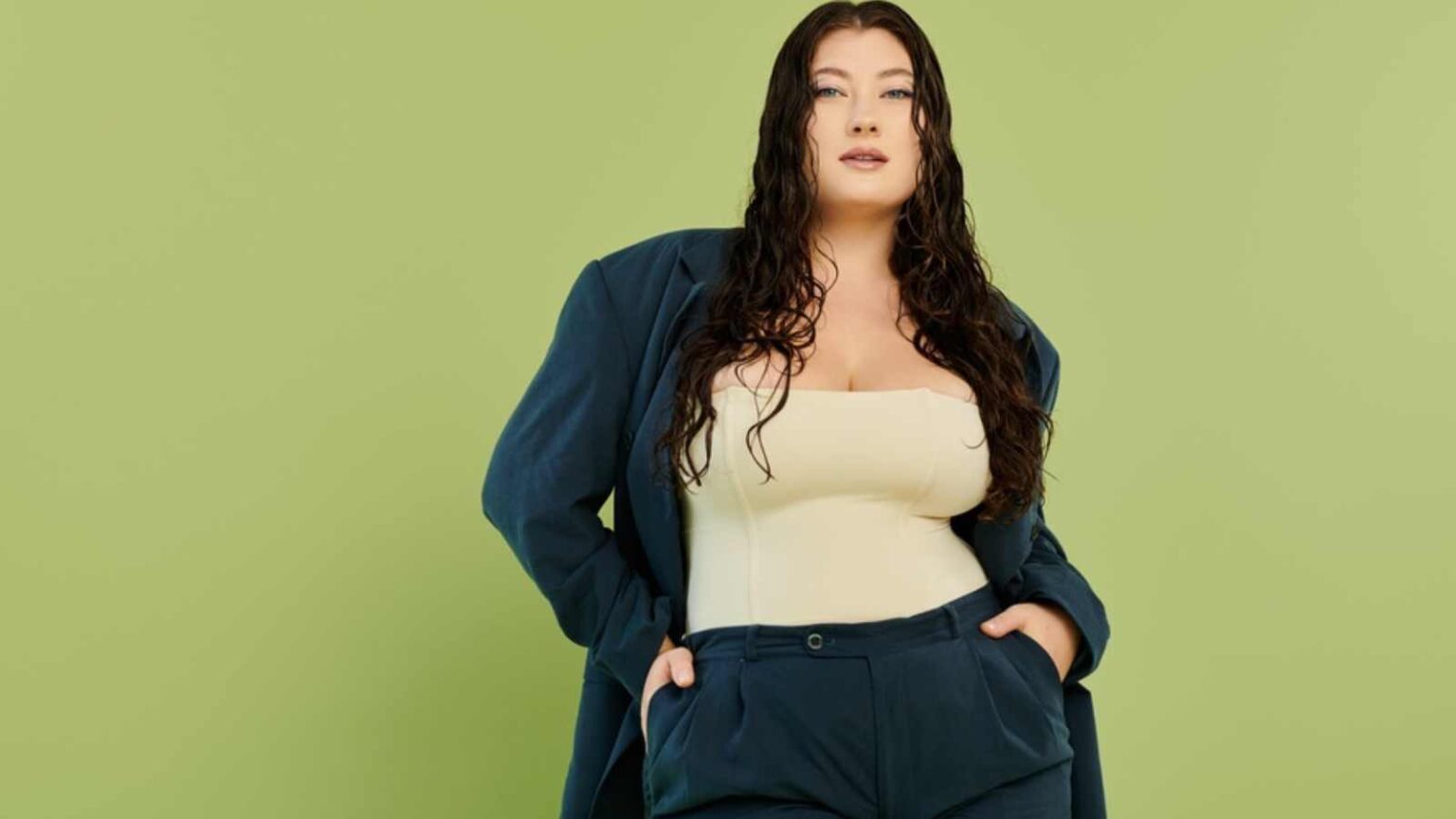
Successful layering depends more on visual proportion than on the number of garments you wear. One of the easiest ways to create balance is by pairing a relaxed piece with a more streamlined one. This simple combination prevents outfits from feeling overwhelmed by excess fabric while creating a polished, well-proportioned silhouette.
An oversized sweater, boyfriend blazer, or long cardigan naturally introduces volume across the upper body, making slim-cut trousers, straight-leg pants, leggings, pencil skirts, or tailored midi skirts an effective companion. This approach allows each garment to stand out without competing for attention.
Choosing slim ankle pants beneath an oversized knit immediately creates structure because the eye recognizes clear shape and proportion. Finishing the outfit with loafers, ankle boots, or pointed flats further strengthens that clean silhouette.
Clothing works most effectively when every piece plays a distinct role instead of trying to dominate the outfit, producing a polished appearance that feels effortless throughout busy workdays or relaxed weekends.
Choose Lightweight Layers That Work Across Every Season
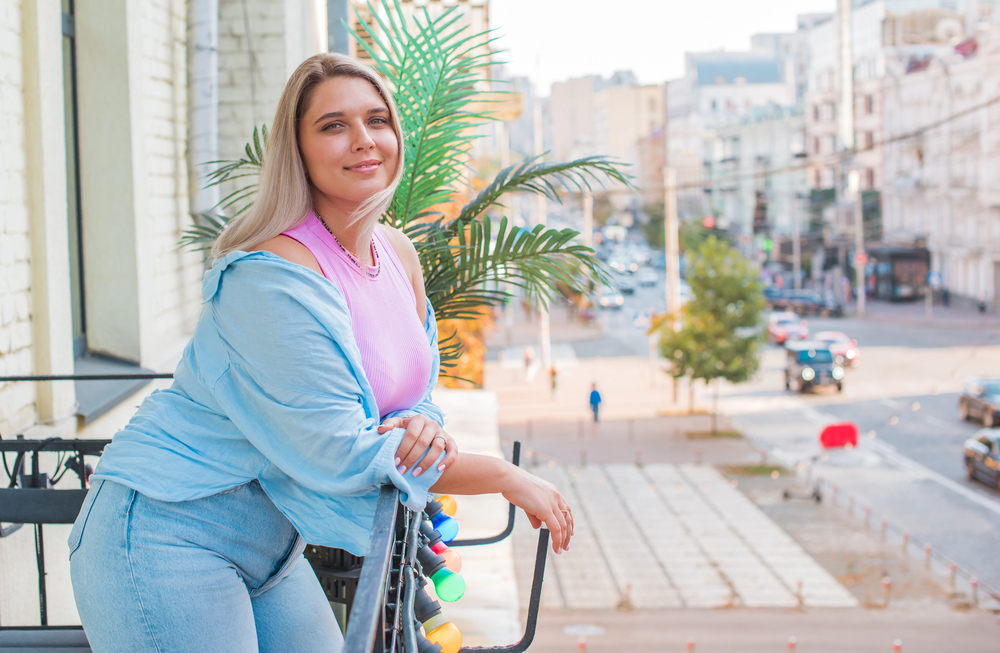
Heavy layering certainly has its place in winter, yet polished dressing year-round depends on choosing fabrics that add dimension without unnecessary weight. Lightweight cardigans, sleeveless vests, linen overshirts, cotton blazers, and breathable dusters have become wardrobe staples because they adapt easily to changing temperatures while adding versatility to everyday outfits.
Lightweight layers also improve outfit engineering by allowing garments to move independently instead of bunching together. A sleeveless linen vest over a fitted T-shirt, paired with wide-leg trousers, creates crisp vertical lines while remaining comfortable in warmer weather.
During cooler months, that same vest can sit beneath a trench coat or wool jacket without creating stiffness. Fashion stylist Tan France has often emphasized that thoughtful layering should feel comfortable throughout the day because clothing that constantly requires adjustment rarely projects confidence.
Breathable layers accomplish exactly that by combining function with refined style, making wardrobes work harder without becoming larger.
Invest in Longer Blazers That Create Clean Structure
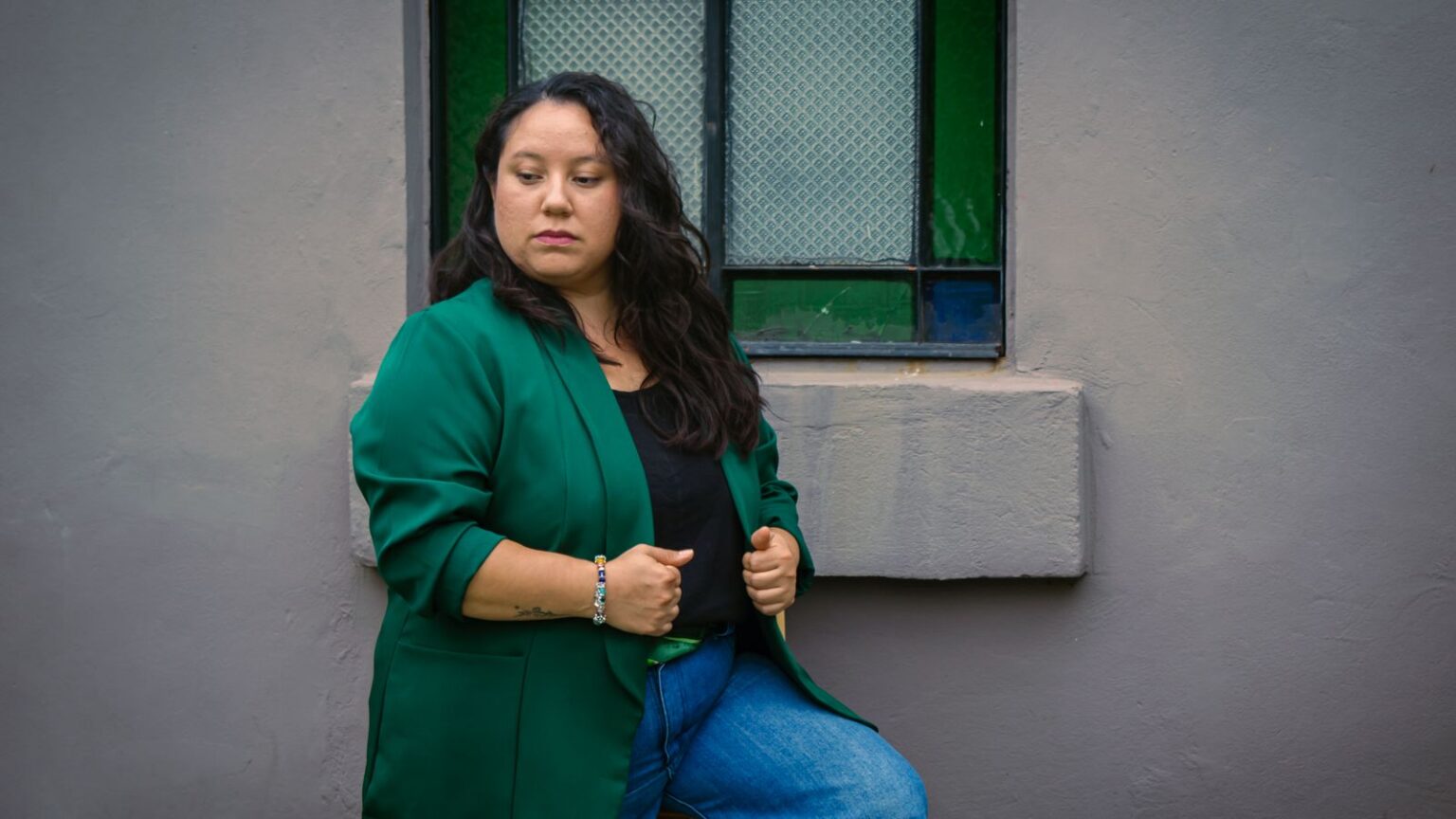
Few wardrobe pieces work harder than a well-tailored blazer that falls just below the hips. Longer blazers add clean structure to an outfit while maintaining balanced, flattering proportions, making them a versatile layering piece for a wide range of looks.
Garment construction plays an important role here. Extended lapels create strong vertical lines, gentle waist shaping introduces definition, and structured shoulders balance the overall silhouette without appearing stiff.
Pairing a navy blazer with a monochromatic knit top and tailored trousers immediately produces an outfit suitable for meetings, client lunches, conferences, or dinner reservations. Soft neutral shades such as camel, charcoal, ivory, and olive also expand outfit combinations because they coordinate with nearly every wardrobe palette.
A thoughtfully chosen blazer easily elevates denim alternatives, dresses, skirts, and trousers while maintaining exceptional versatility throughout the year.
Create Depth With Monochromatic Layering
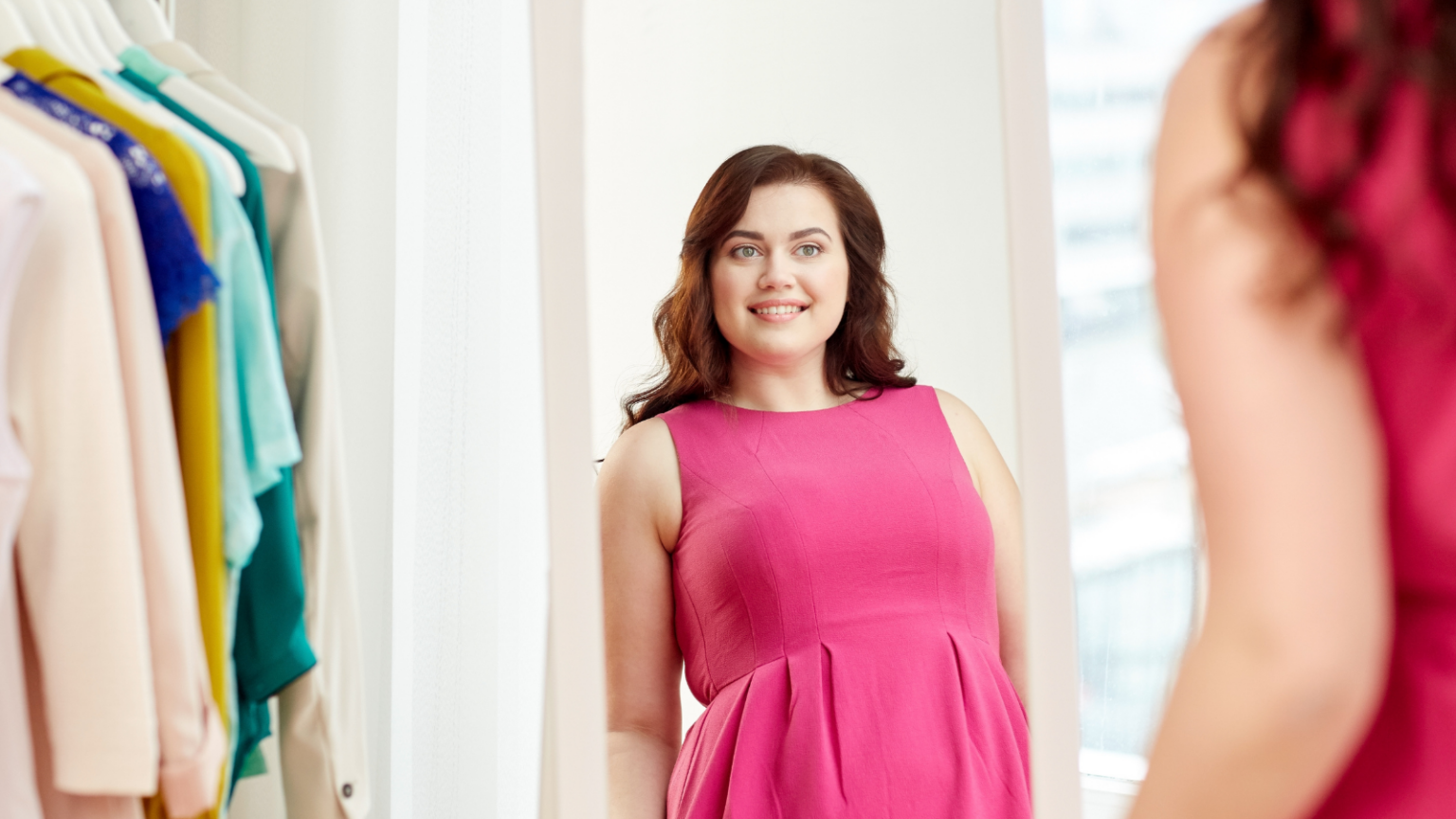
Monochromatic dressing consistently appears in runway collections because subtle color variation creates sophistication without relying on bold patterns or excessive accessories. Selecting several shades within a single color family allows each layer to contribute visual interest while maintaining harmony throughout the outfit.
Cream paired with ivory, chocolate combined with camel, charcoal layered over soft gray, or navy coordinated with lighter blue demonstrates this principle beautifully. Designers frequently vary fabric textures within these color palettes to create additional depth, combining wool, satin, cotton, suede, or leather to prevent monochromatic outfits from appearing flat.
Adding gold jewelry, a structured handbag, or pointed shoes completes the ensemble while preserving the clean visual flow established by the layered color story. The finished result appears refined, modern, and intentionally styled without requiring an overflowing closet.
Use Long Accessories to Reinforce Vertical Lines
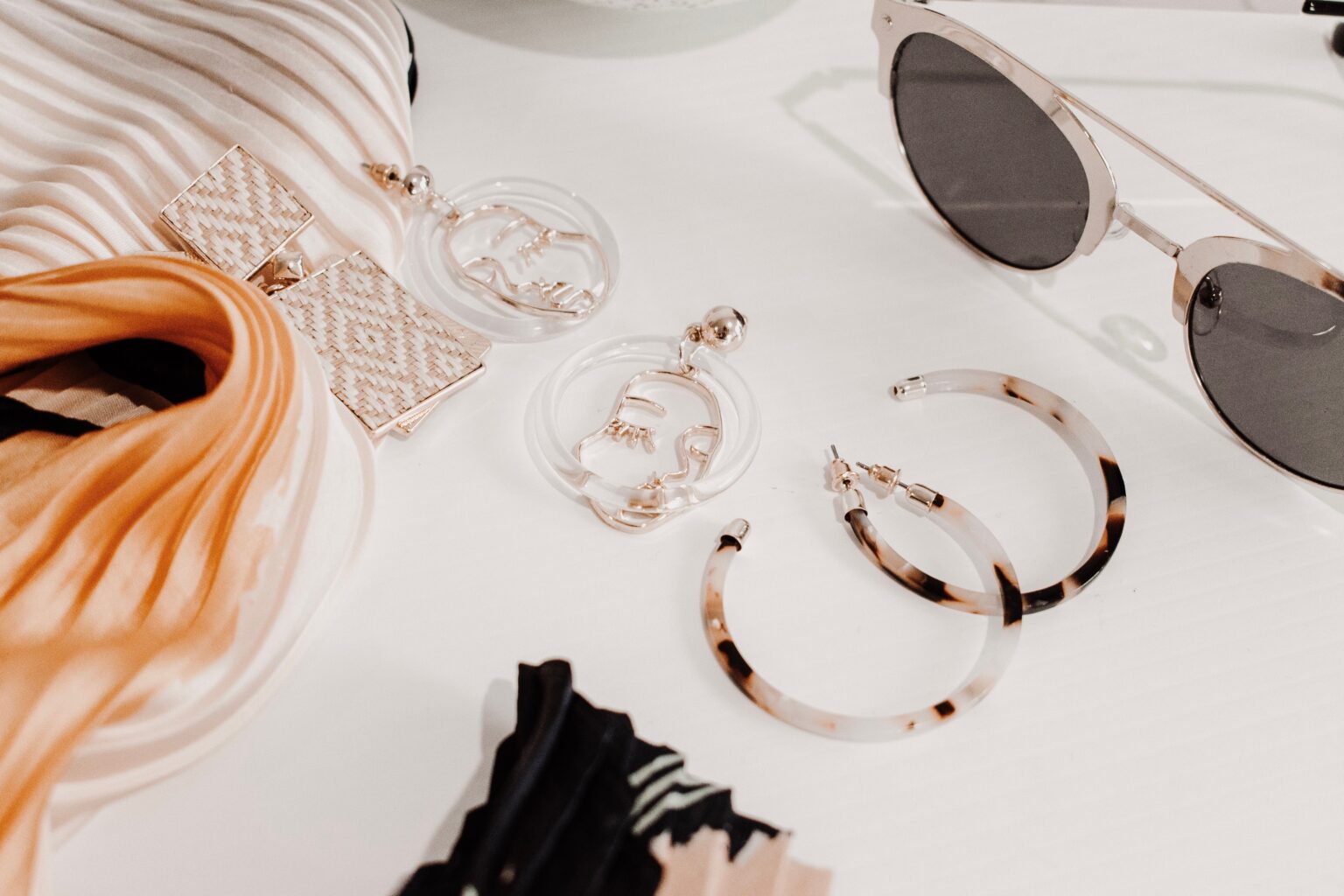
Accessories contribute far more than finishing touches when building layered outfits. Professional image consultants frequently use long pendant necklaces, narrow scarves, elongated handbags, and structured crossbody straps to reinforce the same vertical movement established by open jackets and dusters.
These details quietly guide the eye through the outfit, creating a clean visual pathway that enhances overall balance. Scale also matters. Medium-sized handbags typically complement layered outfits better than oversized totes because they maintain proportion without overwhelming the frame.
Fashion psychologist Dr. Carolyn Mair, author of The Psychology of Fashion, explains that clothing and accessories influence perception by directing attention through visual cues, making proportion one of the strongest tools available to stylists.
Pairing a camel cardigan with a long gold pendant necklace, black trousers, and loafers illustrates this principle beautifully. Each accessory supports the outfit’s structure rather than competing with it, producing an appearance that feels polished, intentional, and remarkably easy to achieve with wardrobe staples already found in many closets.
Show a Little Sleeve to Add Dimension
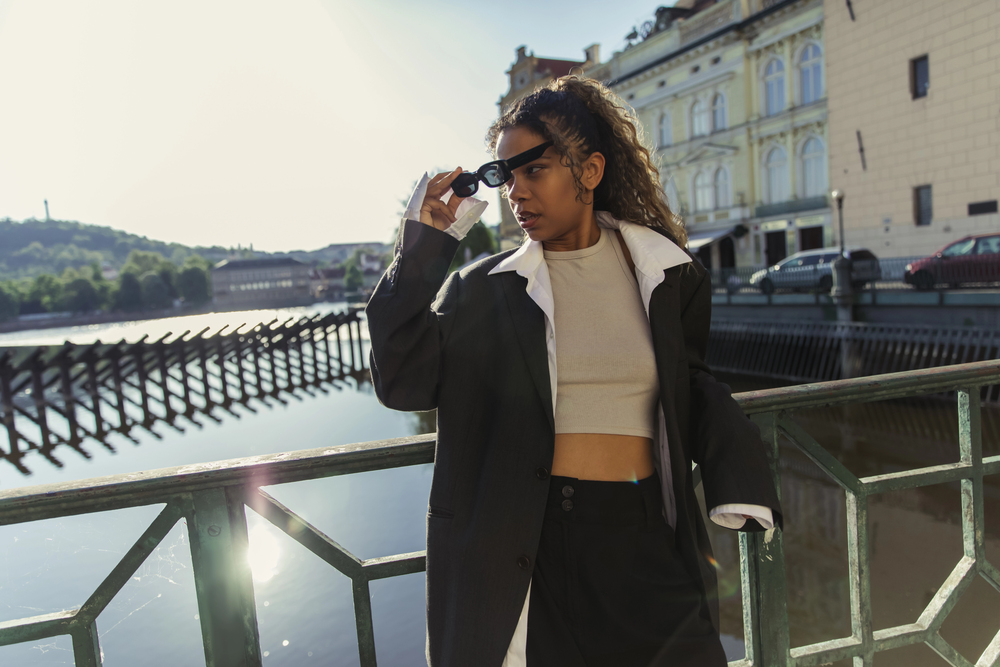
Small styling adjustments often create the biggest visual impact. Rolling blazer sleeves to expose a shirt cuff, allowing a lightweight knit sleeve to extend slightly beneath a trench coat, or folding cardigan cuffs introduces subtle layering details that fashion editors frequently use during photo shoots.
These finishing touches break up large blocks of fabric while adding texture and movement without increasing bulk. Garment designers intentionally vary sleeve lengths across collections because contrasting cuffs create depth around the wrists, one of the body’s naturally narrower points.
That subtle contrast contributes to a lighter, more refined appearance across the entire outfit. A navy blazer paired with a crisp white shirt instantly feels more relaxed when the cuffs peek through, while layered bracelets or a sleek watch add another level of sophistication. Those understated details communicate attention to craftsmanship and elevate even the simplest combinations.
Anchor Every Layered Outfit With Structured Footwear
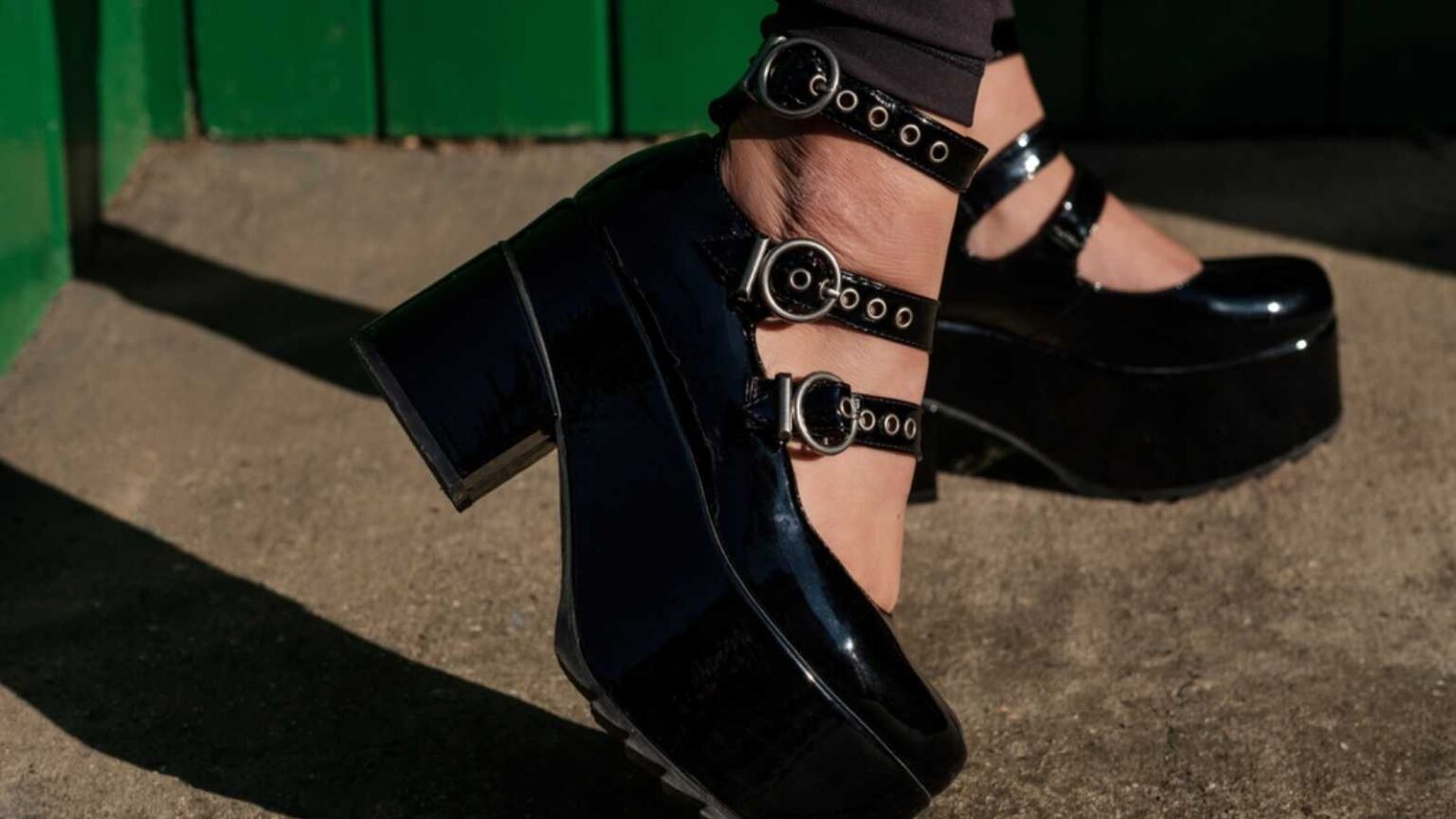
Shoes complete the visual architecture of an outfit, making them one of the most influential styling decisions in any layered look. Structured footwear introduces stability by balancing flowing fabrics, oversized knits, or relaxed tailoring with defined lines near the ground.
Pointed-toe flats, loafers, ankle boots, block heels, and clean leather sneakers each contribute a polished finish while complementing different outfit formulas. Footwear also affects proportion because shoe shape influences how the eye interprets leg length and overall silhouette.
Pairing wide-leg trousers with sleek loafers or a midi dress with structured ankle boots immediately grounds the outfit while preserving elegance. Every carefully chosen shoe reinforces the clean lines established through thoughtful layering, giving the entire ensemble a finished, professional appearance.
Key Takeaways
- Build every layered outfit on a smooth, well-fitting base.
- Open jackets and cardigans create clean vertical lines that visually streamline an outfit.
- Balance oversized garments with slimmer silhouettes to maintain proportion.
- Lightweight fabrics layer more comfortably across every season.
- Texture creates depth without adding unnecessary bulk.
- Longer blazers and defined waistlines introduce structure while maintaining comfort.
- Monochromatic color palettes deliver an elegant, cohesive appearance.
- Accessories and sleeve styling add subtle sophistication through thoughtful detail.
- Structured shoes complete layered outfits by reinforcing clean proportions.
- Great layering comes from understanding how garments interact, allowing timeless wardrobe staples to deliver maximum versatility with minimal effort.
Disclaimer: This list is solely the author’s opinion based on research and publicly available information. It is not intended to be professional advice.
Like our content? Be sure to follow us
MORE TCF GAMES