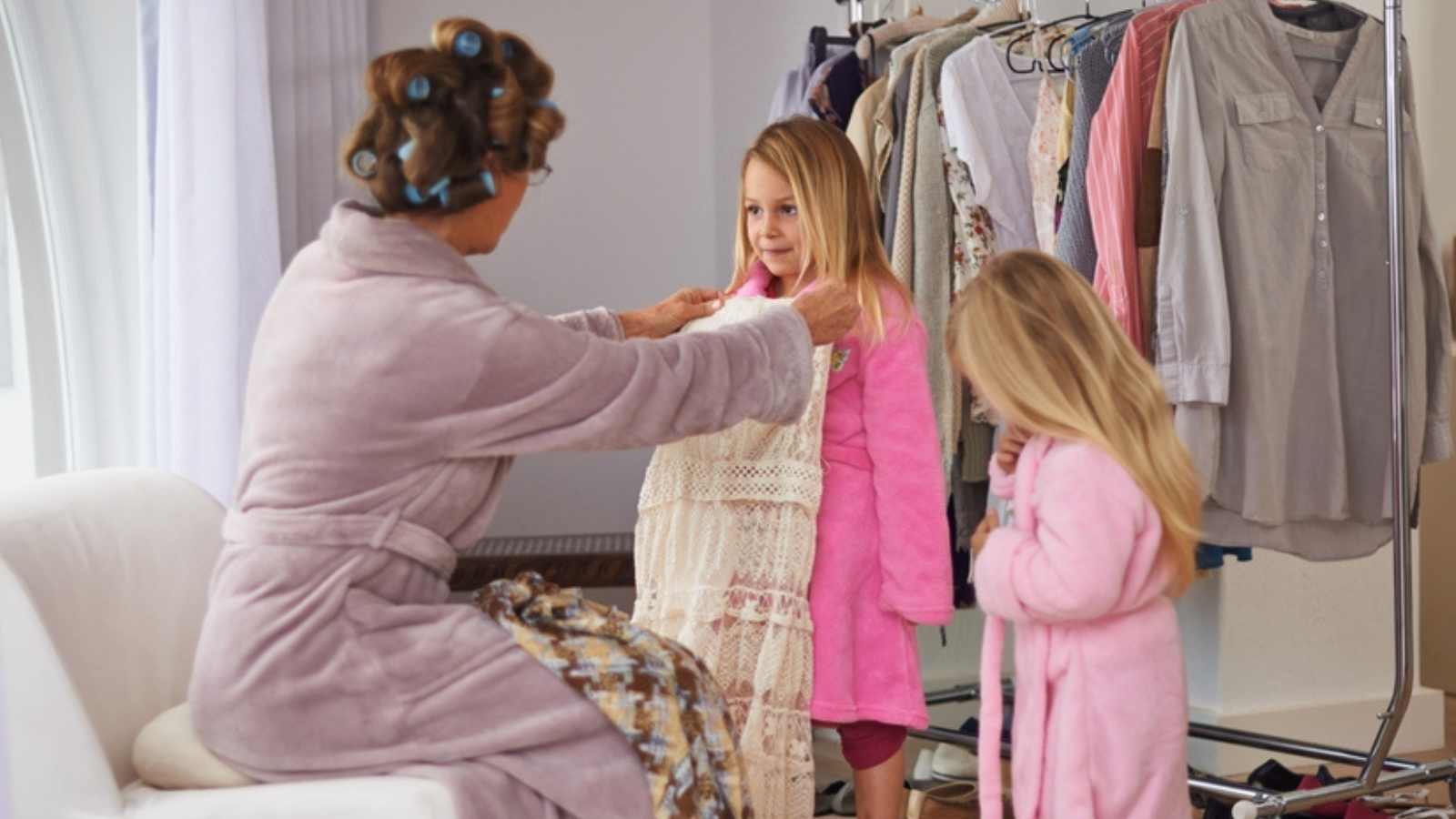
Nearly a quarter of parents are handing part of this year’s school wardrobe decisions to artificial intelligence. PwC’s 2026 back-to-school poll puts the share of parents turning to AI specifically to shop and compare products at 23%.
Apparel is where the money concentrates. Three in four families are spending at least $100 on clothing and shoes alone. The convenience case is obvious. Mornings are chaotic. Closets are chaotic. An assistant that can suggest an outfit in ten seconds sounds like relief.
But speed is not judgment. A chatbot pulling from a general fashion dataset misses almost everything that determines whether an outfit actually works for one specific kid on one specific Tuesday.
Here is what it consistently gets wrong.
Every School Has Its Own Dress Code
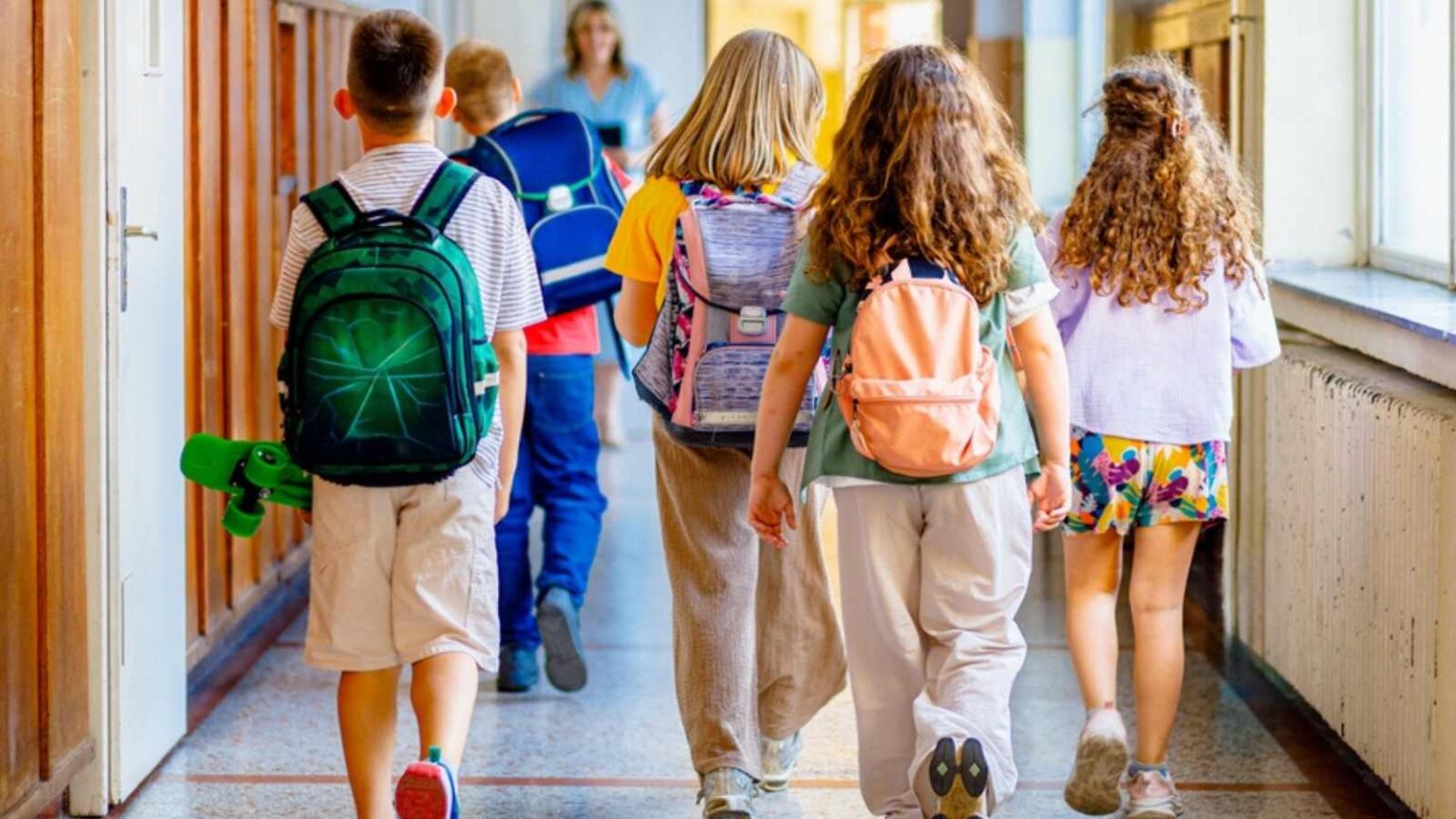
93% of American school districts operate under a formal dress code, according to a Government Accountability Office review of thousands of student handbooks. The specifics rarely match from one ZIP code to the next.
Henrico County requires shorts and skirts to reach fingertip length. Chesterfield bans anything that exposes the midriff. Loudoun County debated banning pajamas and slippers entirely this spring. A chatbot trained on general fashion trends has no access to any of that paperwork.
It will recommend a crop top or a hooded jacket exactly where a district has banned hoods for safety reasons.
The GAO also found dress codes disproportionately restrict items typically worn by girls, a nuance no algorithm is built to weigh before it hits add to cart.
AI Styles Kids Like Adults
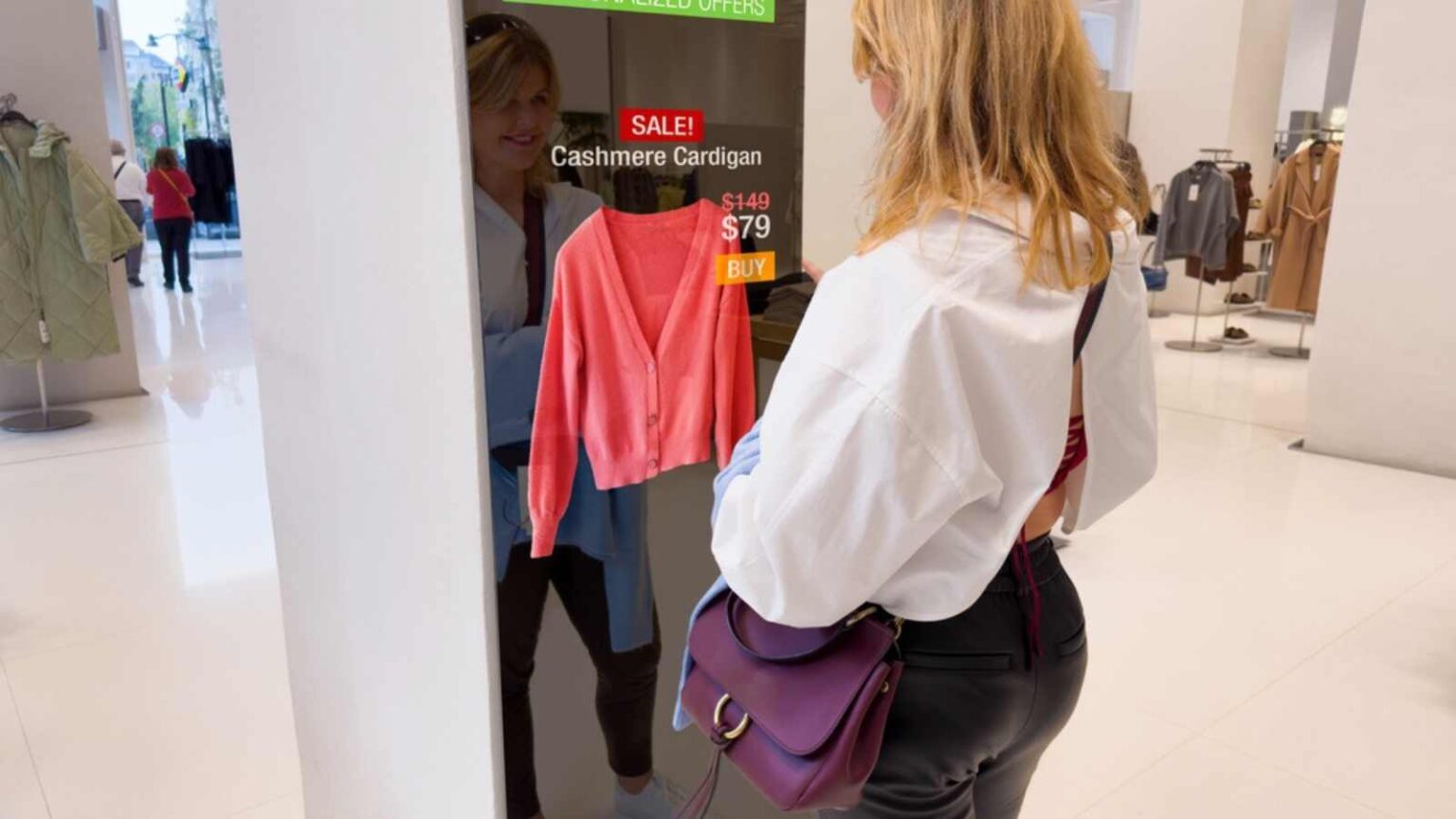
Fashion AI School describes the mechanism plainly. Models trained on datasets like ImageNet and DeepFashion skew Western and adult. A system asked to style an eight-year-old often reaches for silhouettes built for a twenty-five-year-old instead.
That shows up as cropped hoodies pitched for a fourth grader. It shows up as slogan tees lifted straight out of a womenswear trend report. Bias researchers testing Adobe Firefly, ChatGPT-4o, Midjourney and Stable Diffusion in 2025 found 89.8% of generated images defaulted to light skin.
That same representation gap quietly shapes which bodies and styles a recommendation engine treats as the default. Kids do not get a scaled-down version of adult style from these tools. They get adult style, badly translated, with none of the context for who actually has to wear it to homeroom.
AI Cannot Feel Uncomfortable Fabrics

Pediatric occupational therapist Courtney English spends her days untangling why getting dressed can wreck a child’s whole morning. Interviewed by Little Sleepies, she says fabric is usually the culprit. Seams, tags, and stiff waistbands can register as genuinely painful for a subset of kids, not merely fussy.
Research confirms that 5% to 13% of children ages four to six exhibit clinically significant sensory processing difficulties that affect their daily routines and learning. Tactile defensiveness is among the most common. An AI stylist working from a product photo has no way to flag which fabric will feel like sandpaper by 8 a.m.
It optimizes for how an outfit looks in a thumbnail. It cannot account for how that outfit survives contact with an actual nervous system for six straight hours.
It Ignores Future Growth Spurts
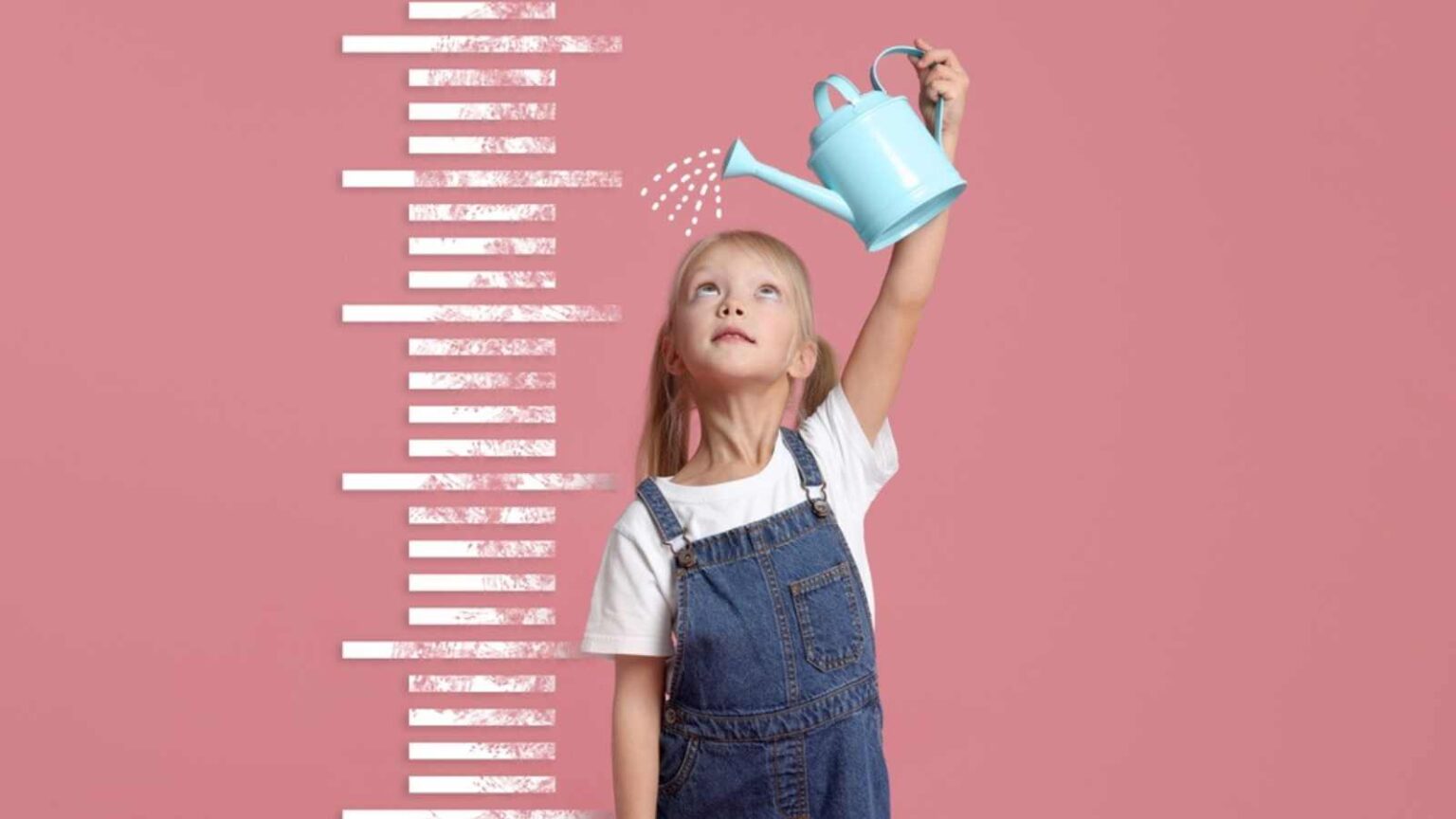
Children do not grow in a straight line. They grow in spurts, and most shopping algorithms are working off a single measurement entered once at the start of the season. Standard-fit kids’ clothing lasts roughly three to six months of wear before it is outgrown.
Garments built with adjustable waistbands and fold-over hems can stretch that window to nine or eighteen months, according to sizing data compiled by childrenswear brand PatPat.
An AI assistant optimized for today’s measurements will not flag a coat that is one growth spurt away from useless by Thanksgiving.
It is solving for fit at the moment of purchase. It is not solving for fit across a school year, which is the actual problem most parents are shopping to fix.
Plus-Size Kids Get Poorer Recommendations

AI stylists tend to treat plus-size kids the way they treat plus-size adults. Body size becomes a sizing problem to be solved with more fabric rather than a design problem worth solving well.
Analysts covering the $261 billion inclusive fashion market note that many models default to shapeless, safe recommendations once a size crosses a certain threshold. Bold silhouettes and prints stay reserved for straight-size peers.
That bias traces back to training data, the same imbalance that leaves darker skin tones underrepresented in AI-generated fashion imagery. A curvy nine-year-old deserves an outfit chosen for how she wants to look. She does not deserve one chosen for how the dataset assumes her body ought to disappear.
AI Misses The Psychology Of Clothing

Clothing does measurable psychological work that a prompt box cannot account for. Psychologists call it enclothed cognition, the idea that what a child wears actually shapes how they think and perform, far beyond how they look.
Researchers have documented what is often called the Batman Effect, where kids in a costume tied to competence persist longer on hard tasks. That is not vanity. It is a seven-year-old needing the red shirt on picture day because red feels like confidence to her that morning.
That variable lives entirely inside a kid’s head, and no algorithm can measure it. AI can match colors on a wheel. It cannot know which color a particular child needs to feel like themselves.
Shopping Algorithms Have Their Own Incentives
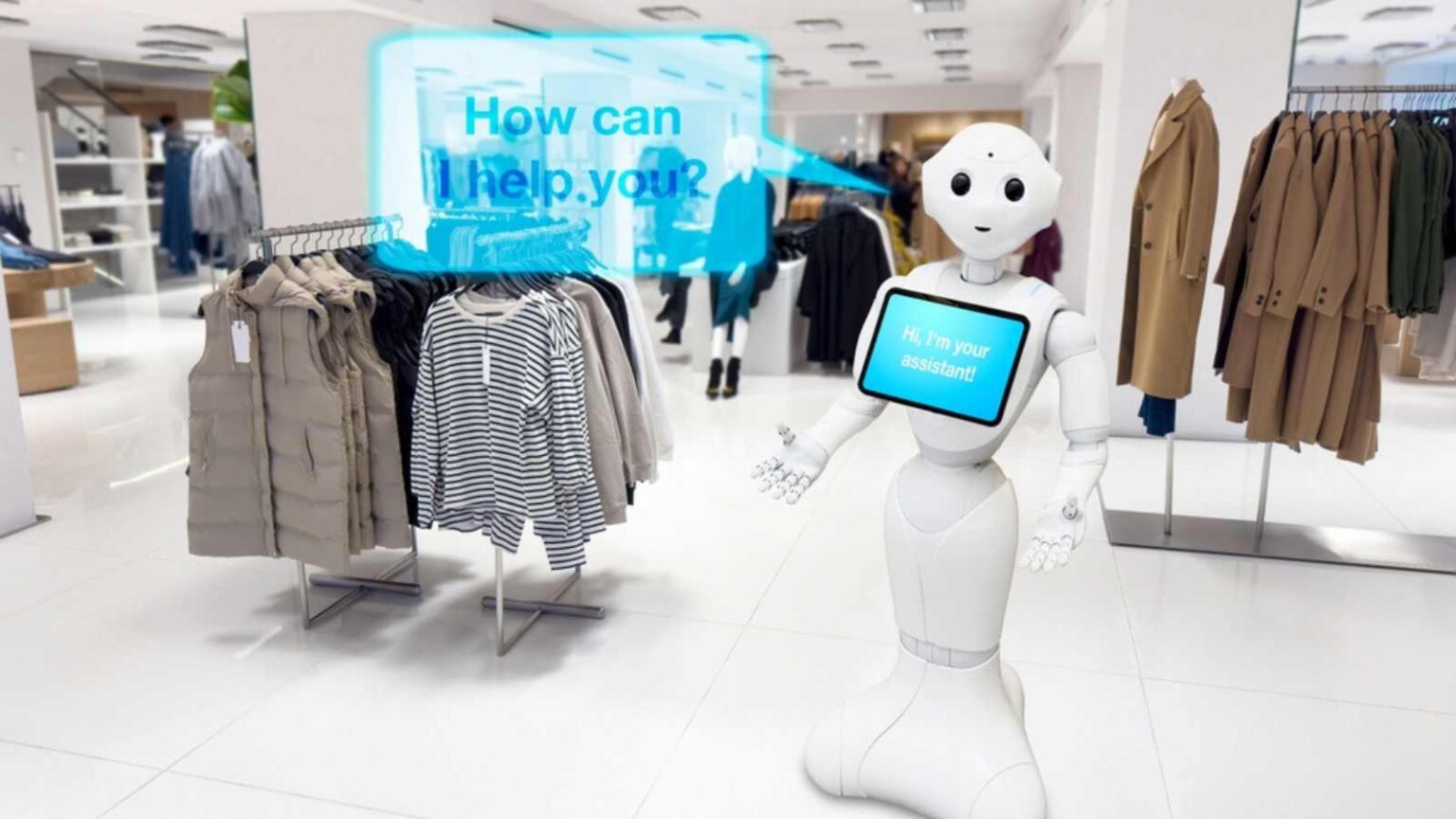
AI shopping tools are not neutral personal shoppers. They are built by companies with a financial stake in where the click lands. PwC’s 2026 back-to-school poll found that same 23% of parents plan to use AI specifically to hunt for deals this season.
Tinuiti’s research confirms the broader shift, with 33% of AI-assisted shoppers using the tools mainly to surface the best product deals rather than the best fit. That incentive structure rewards whichever retailer partnership pays for placement.
It does not reward the coat that will actually hold up to recess. Parents assuming the recommendation is objective are trusting a system that was never built to prioritize their child’s needs over a sponsor’s.
Choosing Clothes Builds Independence
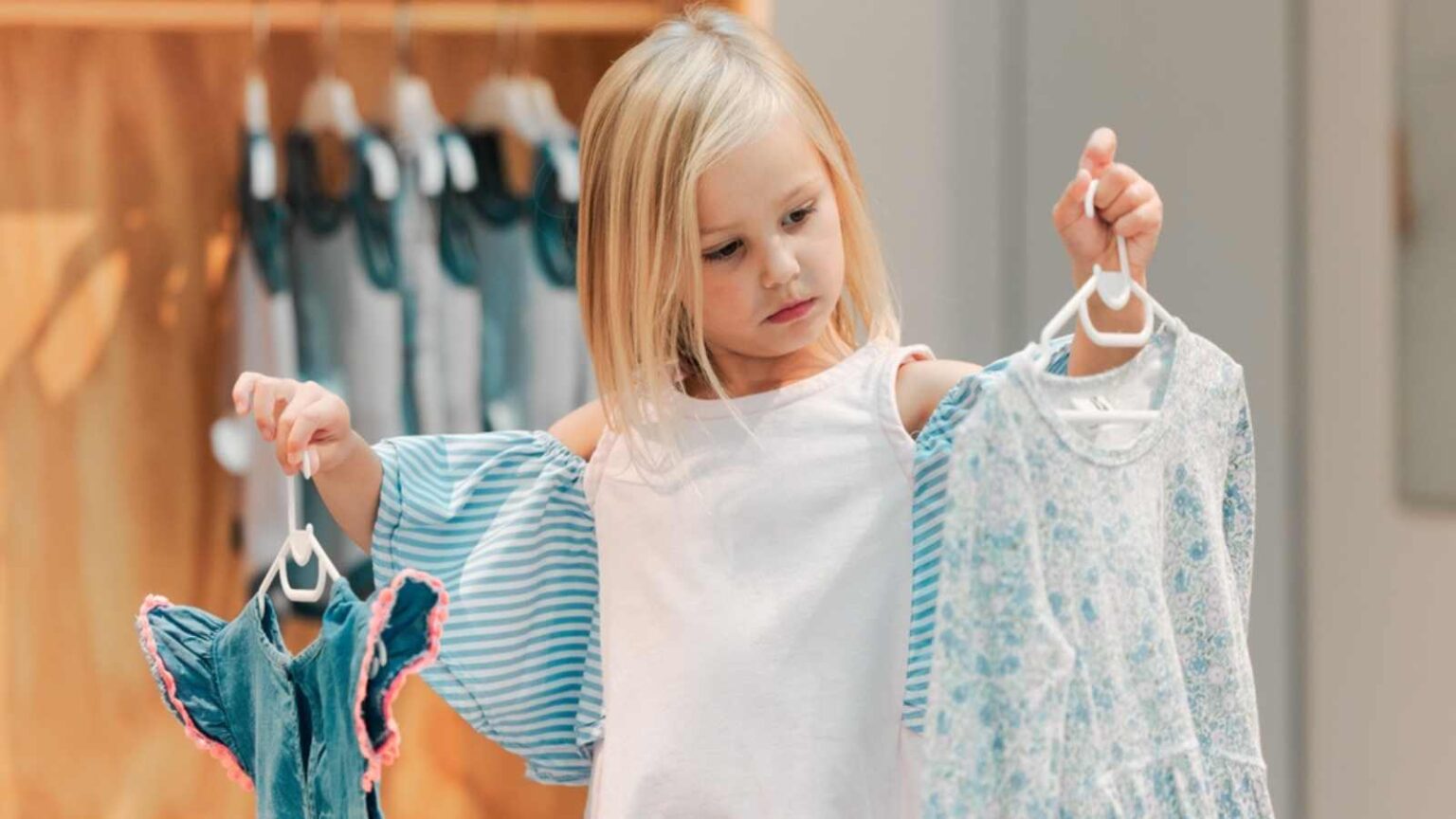
Handing over outfit selection erases a genuinely useful developmental task.
The Growing Independence guide by the AAP on HealthyChildren.org offers age-appropriate strategies to foster self-reliance. It emphasizes building daily routines, offering limited choices to build decision-making skills, and encouraging children to handle responsibilities like getting dressed and basic hygiene.
Psychologist Erik Erikson’s identity framework treats early-tween style experimentation as low-stakes rehearsal for bigger decisions later on.
Self-Determination Theory, developed by psychologists Edward Deci and Richard Ryan, lists autonomy among three core needs driving healthy development, alongside competence and connection.
Outsourcing the choice to a chatbot removes the rehearsal entirely. A kid who never picks a mismatched outfit and lives with it never quite builds the muscle for picking anything else on their own.
AI Cannot Read The Classroom

An algorithm can read a product catalog. It cannot read a classroom. PwC’s 2026 survey found 32% of parents say their kids now specifically request name-brand or trend-driven items.
That ask is driven by what a friend wore last Tuesday, not by what a recommendation engine surfaced last night. Social currency in elementary and middle school moves in real time. One popular kid’s new sneakers or a joke circulating in a group chat can shift it overnight.
AI has no access to any of that. It optimizes for style trends broadcast at scale while actual kids negotiate status in a much smaller, faster-moving room.
Key Takeaways
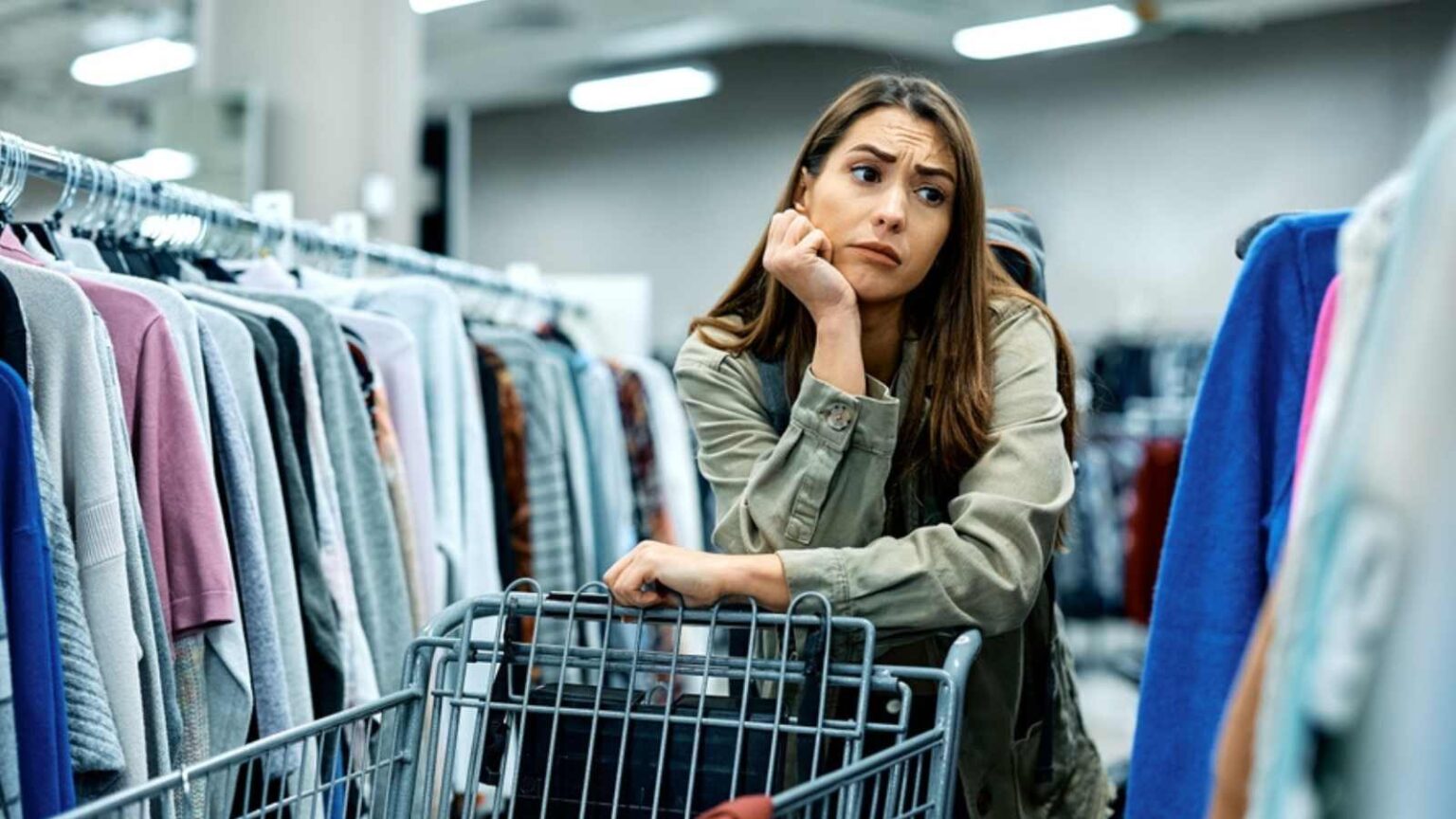
None of this means AI has no place in the school wardrobe. It is genuinely useful at logistics. It can track sizes across three kids, flag a cold snap before it hits, build a packing list at 11 p.m. so nobody forgets gym clothes.
Those are real problems, and an assistant solves them well. What it cannot do is replace the nine layers of judgment stacked underneath every outfit choice. It does not know the dress code by heart, only a generic version scraped from somewhere else.
It cannot feel a seam the way a sensory-sensitive kid feels it. It has no read on a fourth-grade classroom’s shifting social currency. It has no stake in whether a color makes a specific seven-year-old feel brave that day. A parent carries all of that context without thinking twice. An algorithm starts from zero every time.
The outfit is rarely just an outfit. It is a small daily negotiation between comfort, rules, identity and money. A chatbot trained on general fashion trends is only equipped to solve for one of those variables at once. Use the tool for what it is good at. Keep the actual decision, and the kid making it, in the room.
Disclaimer: This list is solely the author’s opinion based on research and publicly available information. It is not intended to be professional advice.
Like our content? Be sure to follow us
MORE TCF GAMES