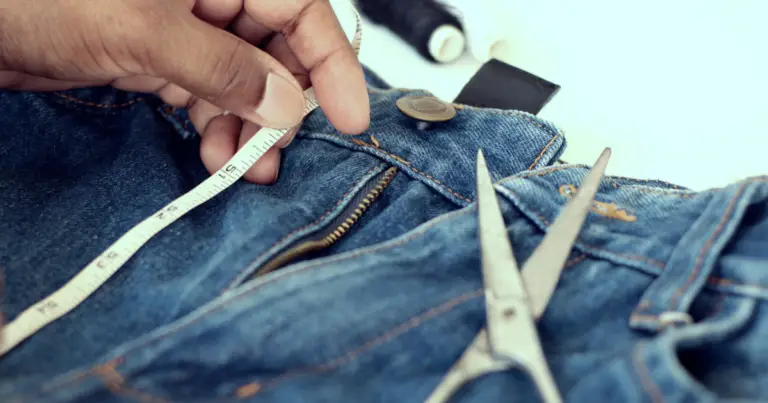

Fashion has always been connected to self-expression, but the modern shopping cycle can sometimes make it difficult to appreciate what is already hanging in your closet. Between constant trend updates, seasonal launches, and social media influencing purchase decisions, it is easy to believe that a new item is always needed to feel stylish.
However, a more intentional approach to fashion is changing how many consumers think about their wardrobes. According to an analysis from U.S. PIRG, Americans now buy about 53 new items of clothing per year on average, roughly four times as many as in the 1980s, showing just how easy it is to overconsume without realizing it.
This reinforces the idea that slowing down and getting more wear out of what you already own can be a powerful counter to fast-fashion habits. Shopping less does not mean abandoning fashion. It means learning how to create more outfits, make smarter purchases, and develop a wardrobe that reflects your personal style. These habits can help you get more value from every piece you own.
Audit Your Closet Before Buying Something New
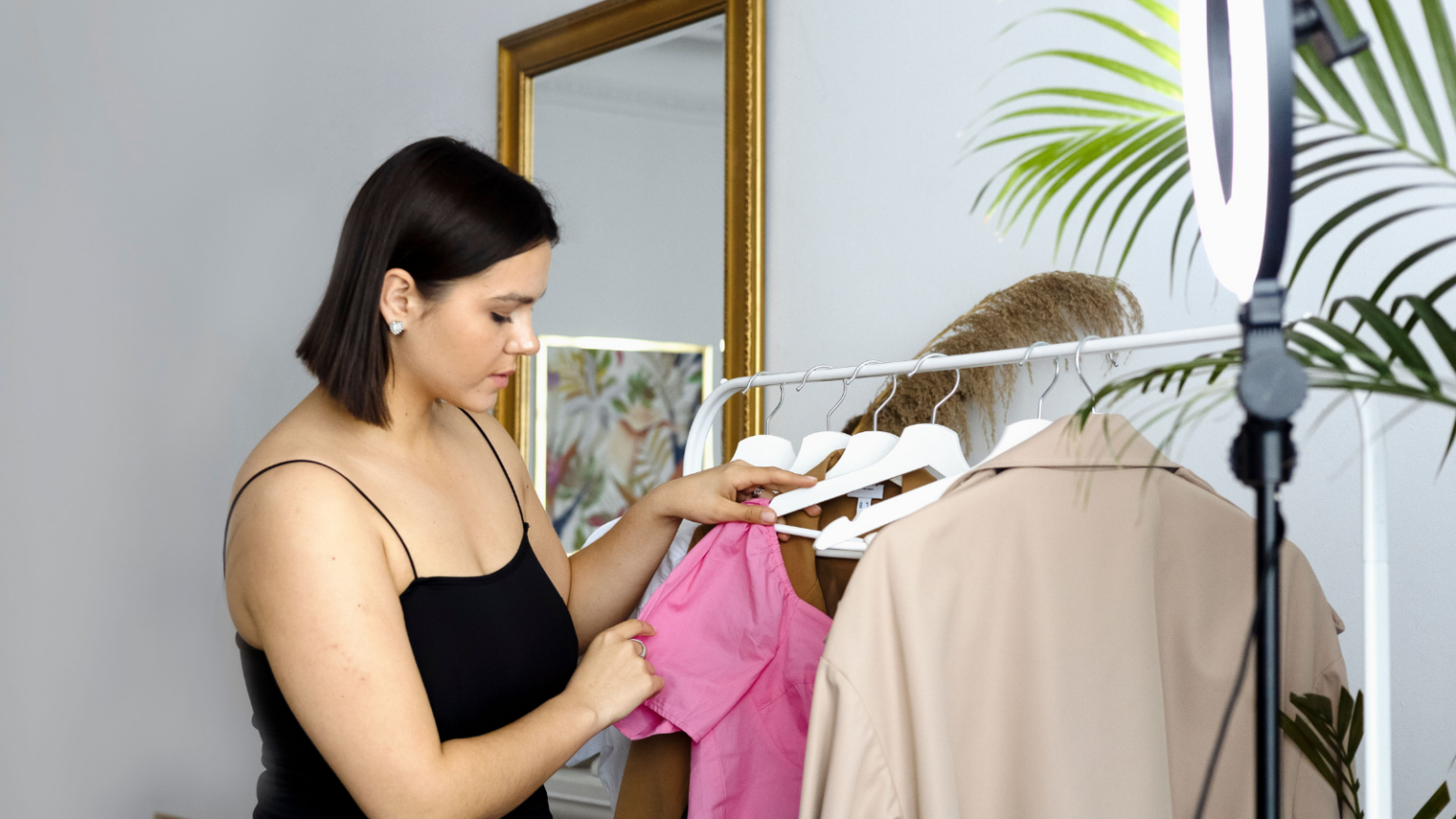
One of the most effective ways to shop less is to understand what is already in your wardrobe. A closet audit allows you to rediscover pieces you may have forgotten, identify items you constantly reach for, and recognize patterns in your personal style.
Many unnecessary purchases happen because shoppers do not have a clear picture of what they already own. Before buying another top, jacket, or pair of shoes, reviewing your closet can reveal that you already have similar pieces that need a fresh styling approach.
The goal of a closet audit is not to create a perfectly minimal wardrobe. It is about creating awareness. When you know what works for you, shopping becomes less about impulse and more about finding pieces that genuinely add value.
Create Outfit Formulas Instead of Chasing Every Trend
Having personal outfit formulas can make getting dressed easier while reducing the temptation to shop constantly. These formulas are combinations you know work well for your lifestyle, whether that means tailored trousers with simple tops, denim with statement accessories, or a favorite dress styled in different ways.
Many fashionable people are not constantly buying new clothes because they understand their style patterns. They know which silhouettes, colors, and combinations make them feel confident, allowing them to create fresh looks from familiar pieces.
Building outfit formulas also helps you become a more intentional shopper. Instead of purchasing something because it is trending, you can ask whether it fits into your existing wardrobe and whether it supports the style you already enjoy wearing.
Prioritize Quality When Buying Wardrobe Staples
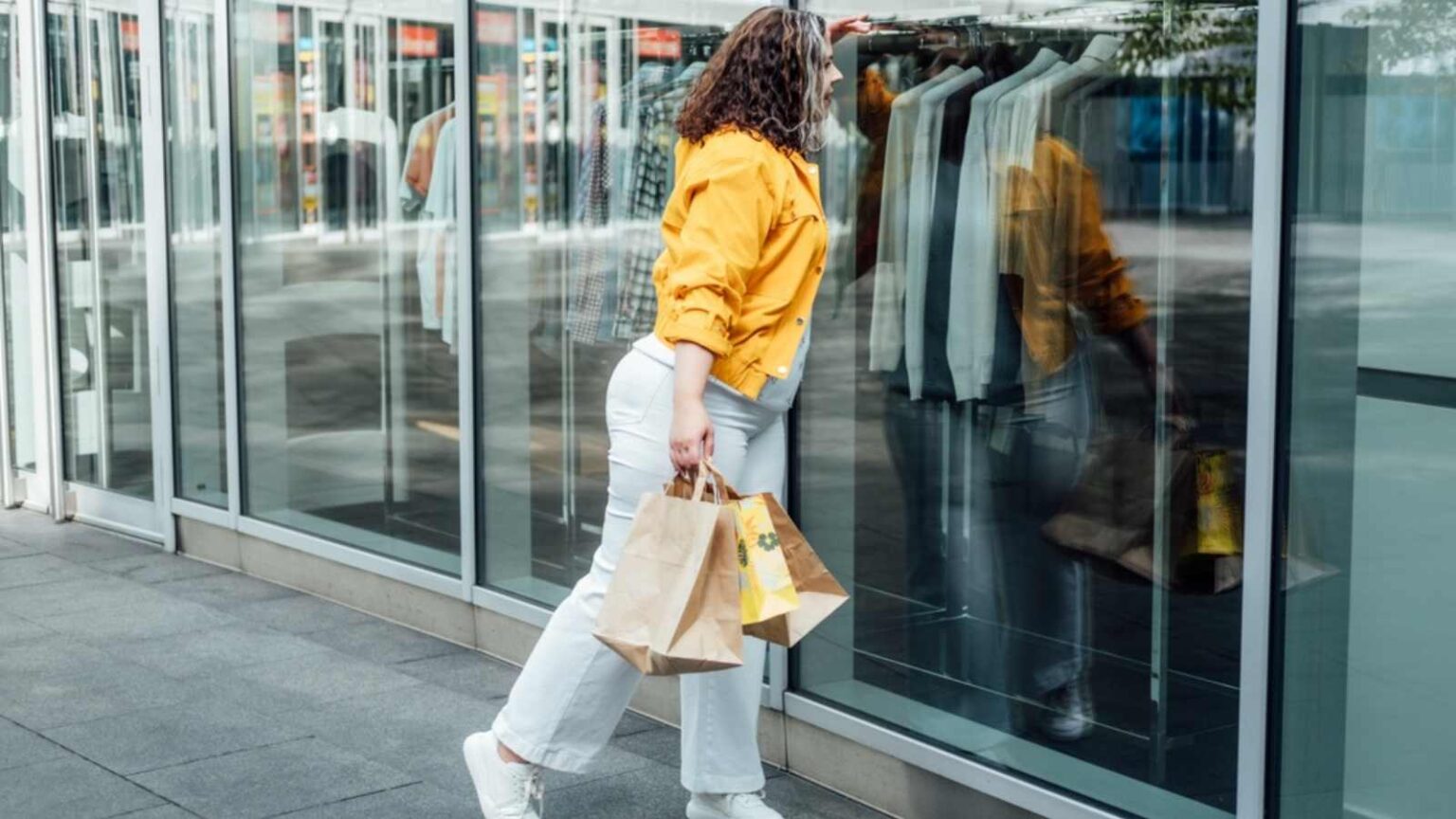
Shopping less often means becoming more thoughtful about the items you choose. While trendy pieces can add excitement to a wardrobe, staple items deserve careful consideration because they are usually worn repeatedly and expected to last.
Research from Circana’s 2023 Omnibus Survey found that dress pants are among the top three apparel categories where consumers say quality matters more than price. The research also found that more than one-quarter of U.S. shoppers prioritize quality over price when buying suits and dress shirts.
Investing in better-made pieces can reduce the need for constant replacement. A wardrobe filled with reliable essentials often creates more outfit possibilities because each item has a clear purpose and can be styled repeatedly.
Shop With Purpose Instead of Shopping Emotionally
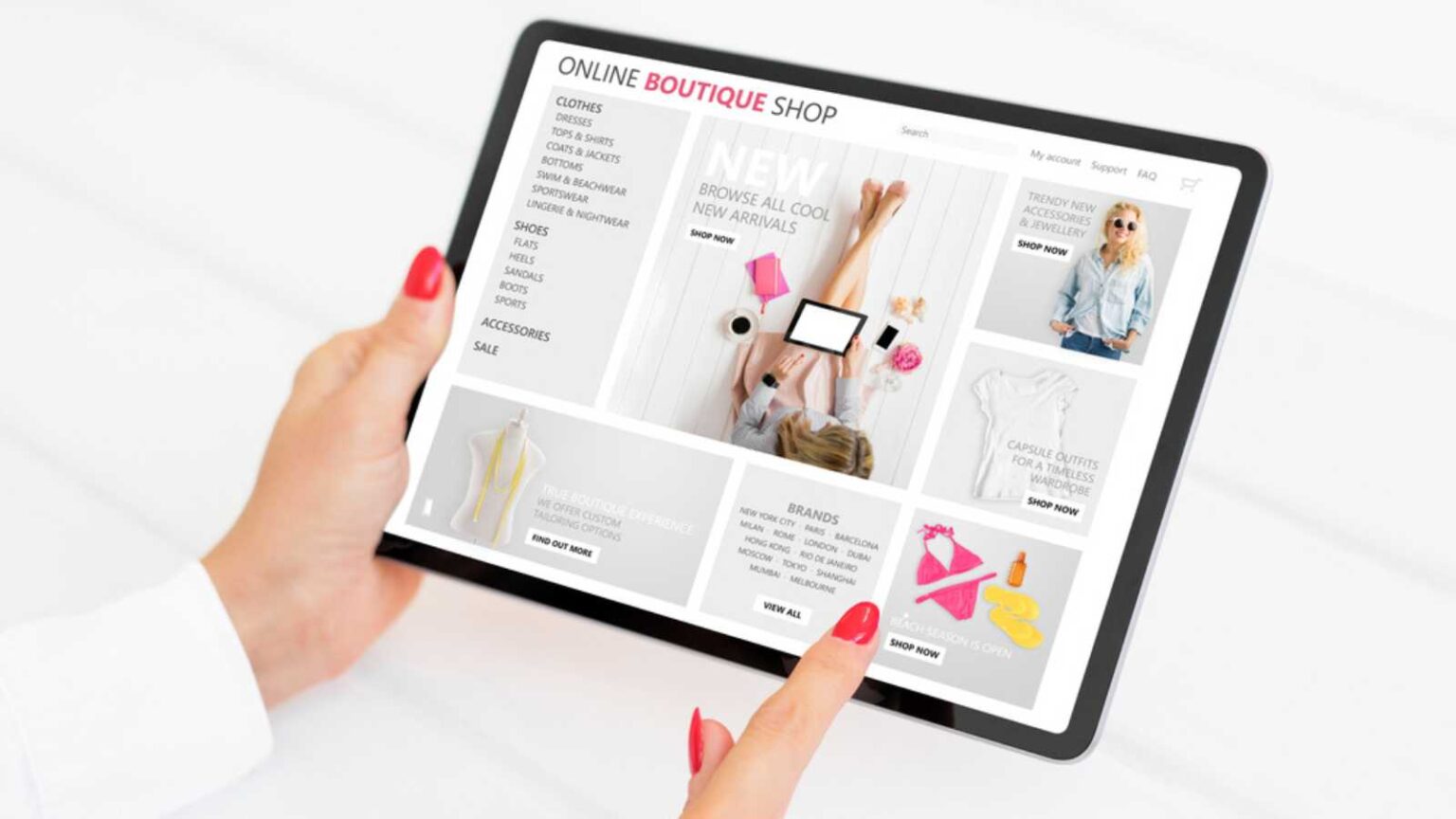
Shopping can sometimes become connected to emotions. A difficult day, a discount notification, or a trending item online can create the feeling that buying something new will improve your mood. However, emotional purchases often become items that receive little wear.
Creating a shopping list before purchasing helps you focus on what your wardrobe actually needs. It encourages you to look for specific pieces rather than buying whatever catches your attention in the moment.
Being intentional with fashion choices can also support your overall well-being. Creating order in your spending habits and reducing unnecessary clutter may positively contribute to mental health by helping people feel more organized and in control.
Give Yourself Time Before Making a Purchase
A waiting period can help you separate genuine wardrobe needs from temporary excitement. Instead of immediately buying something because it looks appealing, give yourself time to consider whether it truly fits your lifestyle and personal style.
During this period, ask yourself important questions. Will you wear this item often? Does it work with clothes you already own? Would you still want it if it were not on sale? These questions can prevent purchases that feel exciting today but become forgotten later.
This habit does not remove the joy of shopping. Instead, it makes purchases more meaningful. When you eventually buy something, you are more likely to choose pieces that you will enjoy wearing for years.
Shop Your Closet Before Shopping a New Collection
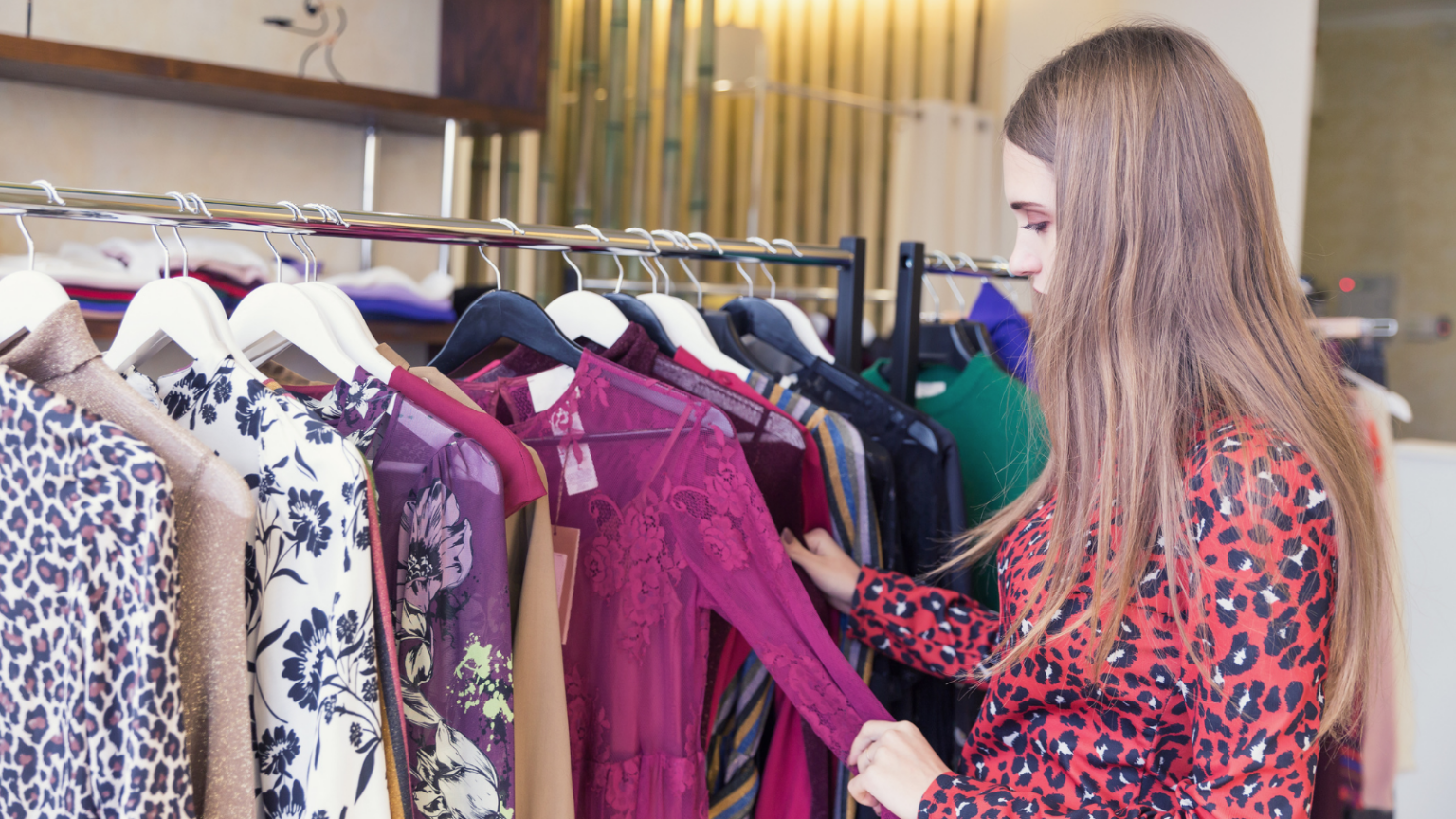
Seasonal changes often create pressure to buy new clothes, but your existing wardrobe may already contain enough options to create fresh looks. Before browsing a new collection, revisit pieces you already own and experiment with different combinations.
A lightweight jacket from last year may become the perfect layering piece. A pair of trousers you rarely wear may work better with a different top or accessory. Even a familiar outfit can feel completely different when styled in a new way.
This habit encourages creativity and helps you recognize the value of your current wardrobe. Instead of seeing older pieces as outdated, you begin to view them as styling opportunities. The result is a closet that feels refreshed without requiring constant spending.
Learn How to Rewear Pieces Creatively
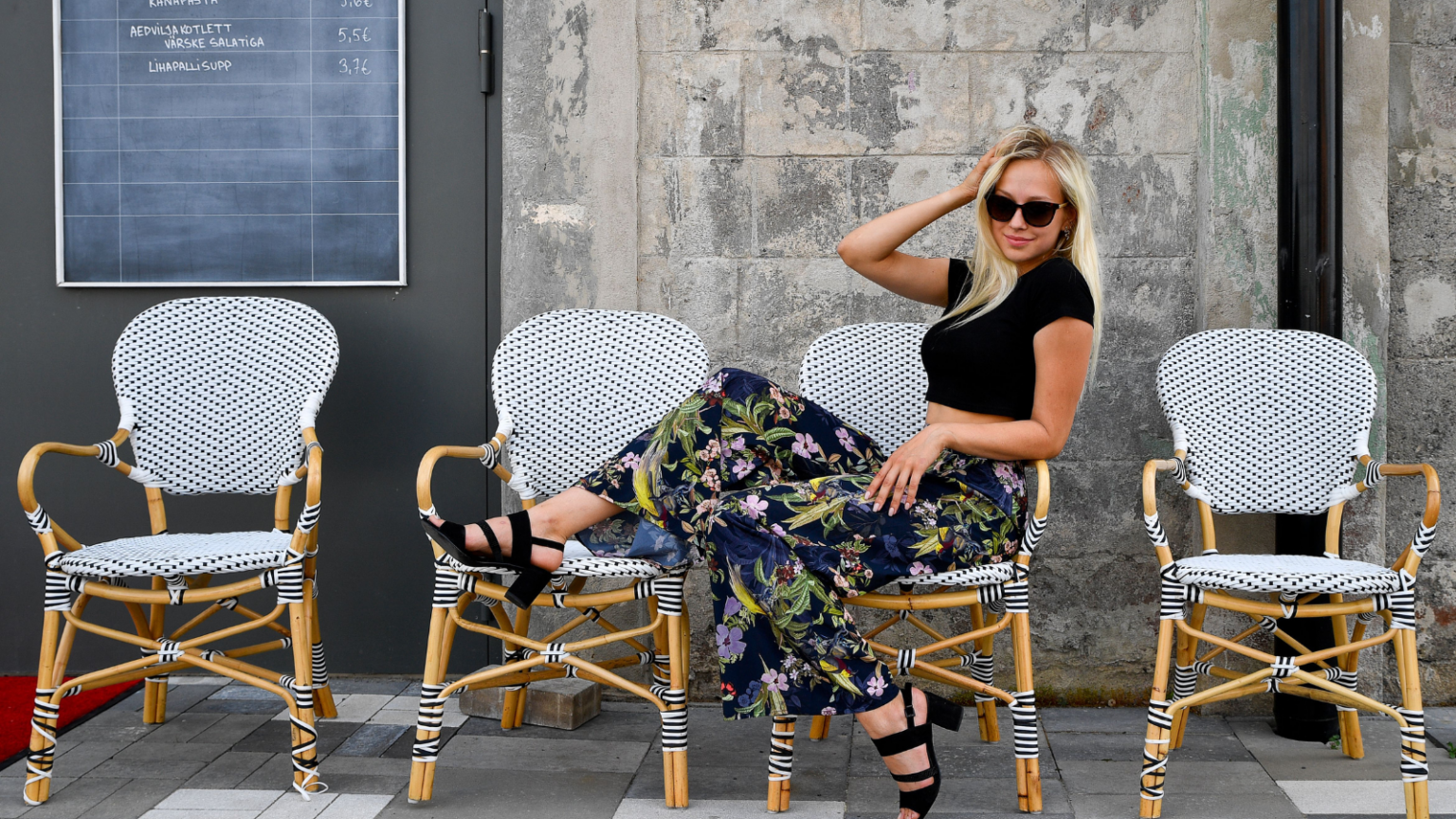
Repeating outfits does not mean your wardrobe lacks creativity. In fact, some stylish people are known for wearing the same pieces because they understand how to make familiar clothing feel fresh through styling. And with U.S. data showing that only about 13% of clothing and footwear is recycled while the vast majority ends up as waste, rewearing what you already own is one way to reduce your fashion footprint.
A simple change, such as adding a jacket, switching accessories, changing footwear, or layering pieces differently, can completely transform an outfit. Learning these styling techniques helps you see your wardrobe as a collection of possibilities instead of a list of items that have limited uses.
Rewearing also encourages a healthier relationship with fashion. It allows you to appreciate the pieces you already own while reducing unnecessary purchases. Style is not only about what you buy; it is about how creatively you use what you have.
Pay Attention to Fabric, Fit, and Care Before Buying
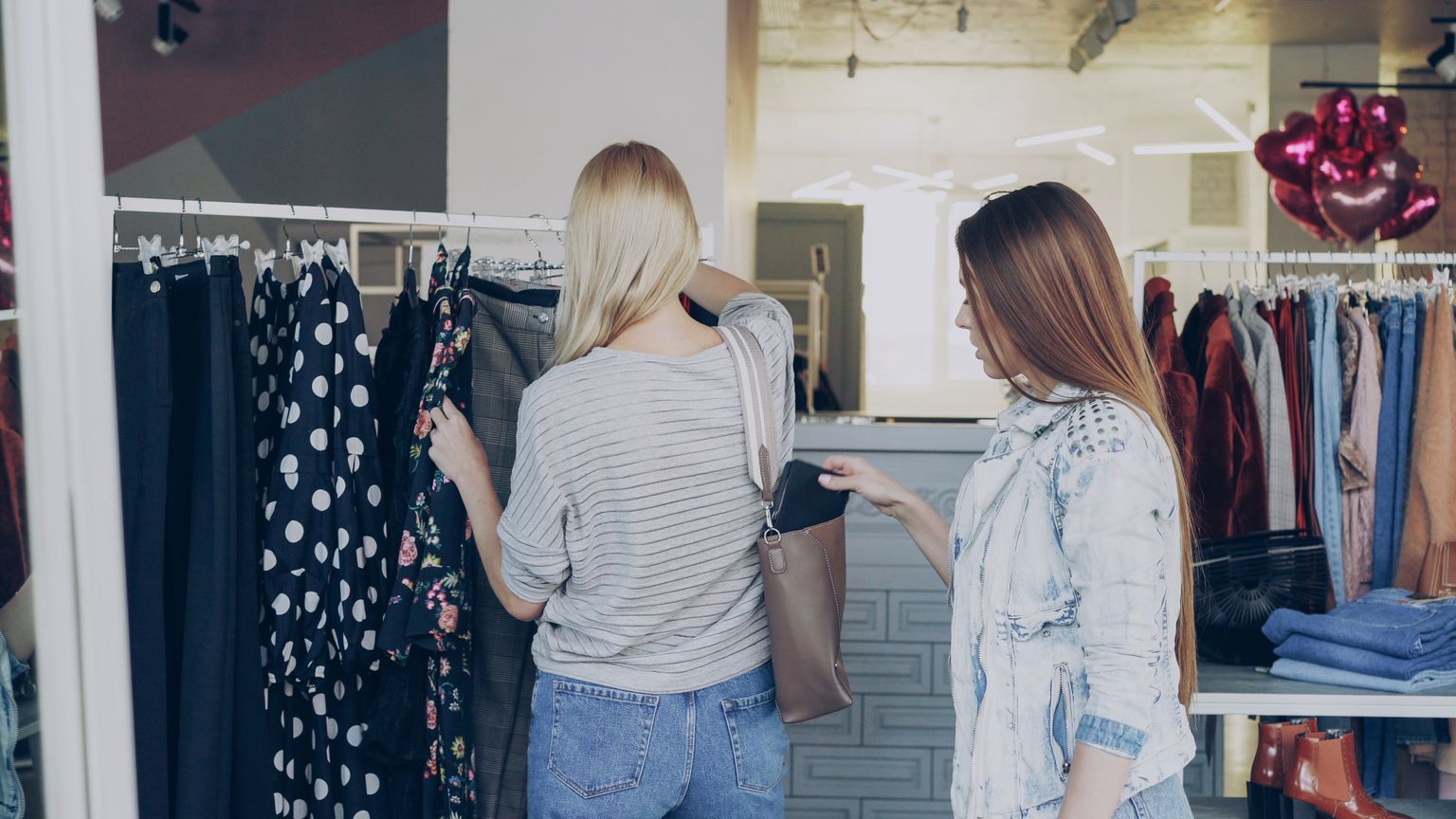
A stylish wardrobe is not only about how clothing looks when it is purchased. It is also about how well those pieces perform over time. Understanding fabrics, construction, and care requirements can help you make better decisions and avoid items that quickly lose their appeal.
Before buying something, consider whether the material suits your lifestyle. A delicate fabric may look beautiful but may not become a practical favorite if it requires more maintenance than you are willing to provide.
Taking proper care of clothing also extends its lifespan. Washing items correctly, storing them properly, and repairing small issues can keep your favorite pieces wearable for longer. A wardrobe that lasts is often one built on thoughtful choices rather than constant replacement.
Explore Resale and Secondhand Fashion Options
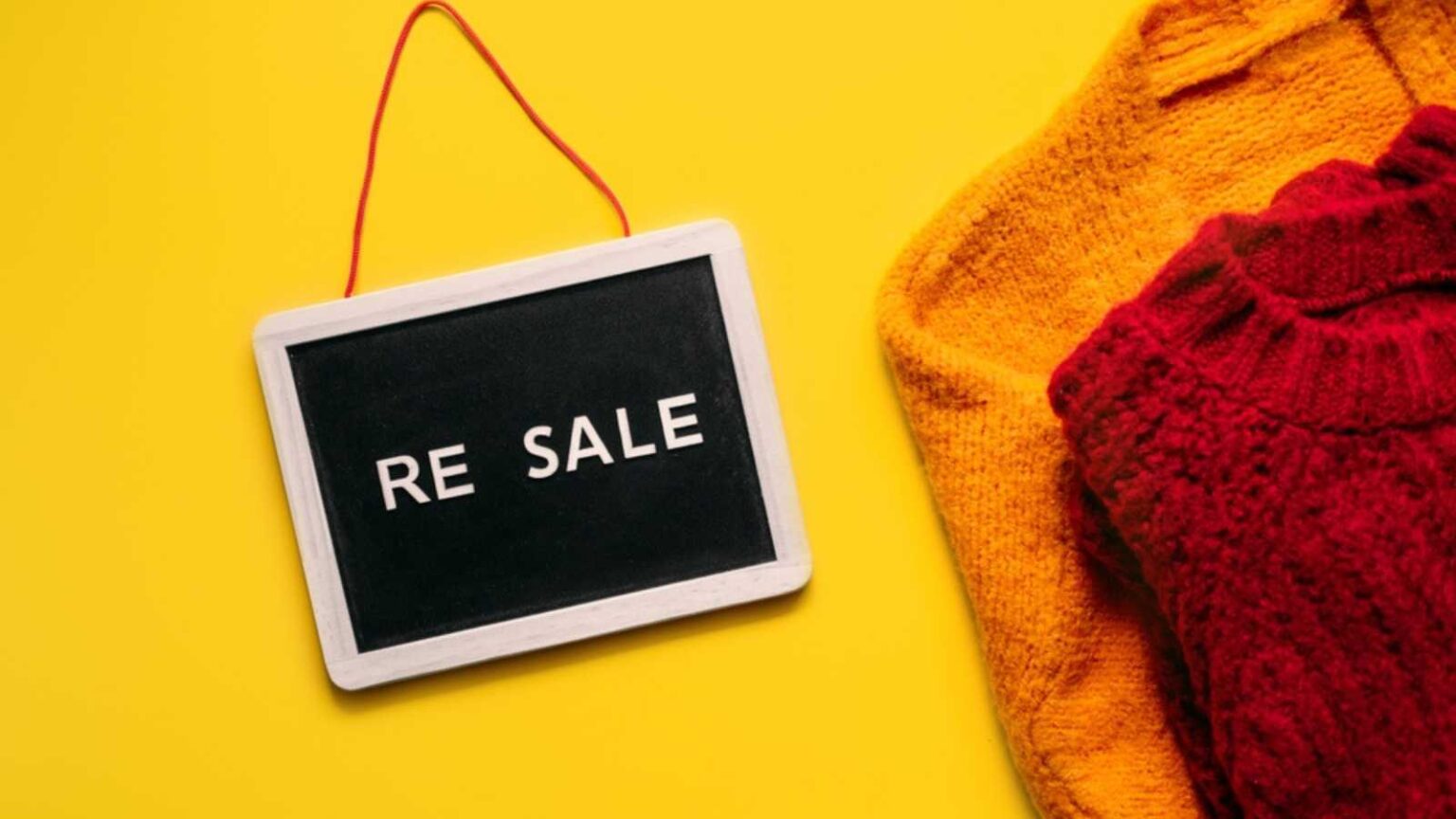
Shopping less does not mean you have to stop enjoying fashion. It can also mean changing the way you shop. Resale and secondhand platforms have made it easier to discover unique pieces while giving existing clothing a longer life.
According to McKinsey’s State of Fashion 2026, the secondhand fashion and luxury market is forecast to grow 2 to 3 times faster than the firsthand market through 2027 as consumer demand for resale continues to increase. The trend reflects a growing interest in extending the life of clothing while finding better value and unique pieces.
Buying pre-owned clothing can help shoppers find quality pieces, experiment with different styles, and make more sustainable choices. It also encourages a mindset where fashion is valued for longevity rather than constant replacement.
Use Accessories to Refresh Your Existing Wardrobe

Sometimes a wardrobe does not need more clothing; it simply needs new styling ideas. Accessories can completely change the mood of an outfit without requiring a major shopping trip.
A statement necklace, colorful handbag, scarf, belt, or bold pair of shoes can transform familiar pieces and make them feel different. These smaller additions often provide more flexibility because they can be used across multiple outfits.
This approach also helps you avoid buying unnecessary clothing simply because you want something new. Instead of replacing an entire look, you can update it with thoughtful details. Style often comes from the way pieces are combined, not from how many items you own.
Buy for Your Real Lifestyle, Not Your Imagined One
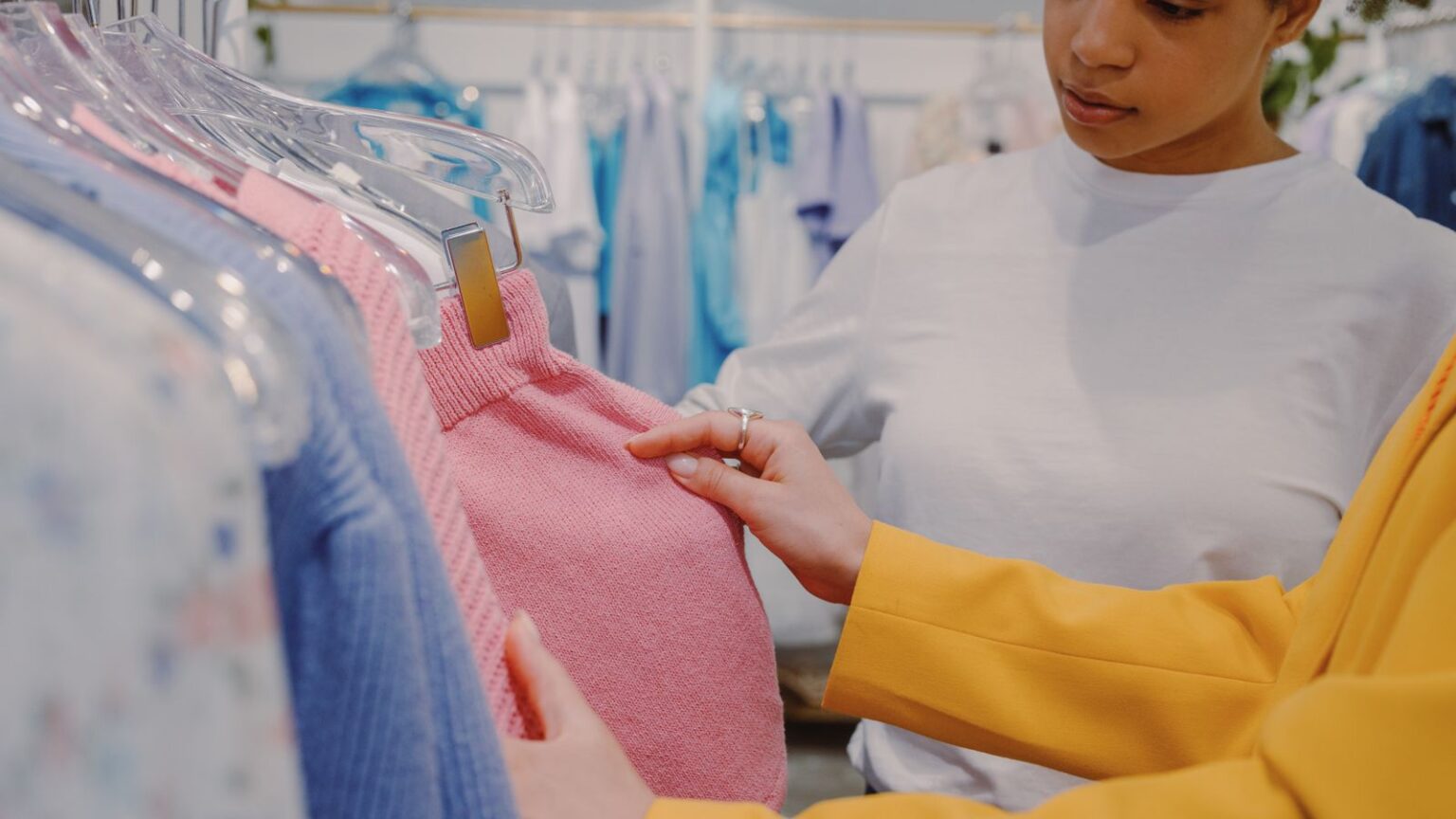
One common shopping mistake is buying clothing for a lifestyle you do not actually live. A glamorous outfit may look appealing online, but if it does not fit your daily routine, it may spend more time hanging in your closet than being worn.
Before purchasing, think about where and how you will realistically wear the piece. Consider your work environment, social activities, travel habits, and the outfits you naturally reach for most often.
A wardrobe becomes more useful when it reflects your real life. The best purchases are not always the most dramatic ones. They are the pieces that consistently support your everyday needs while making you feel confident.
Make Rewearing Part of Your Personal Style Identity
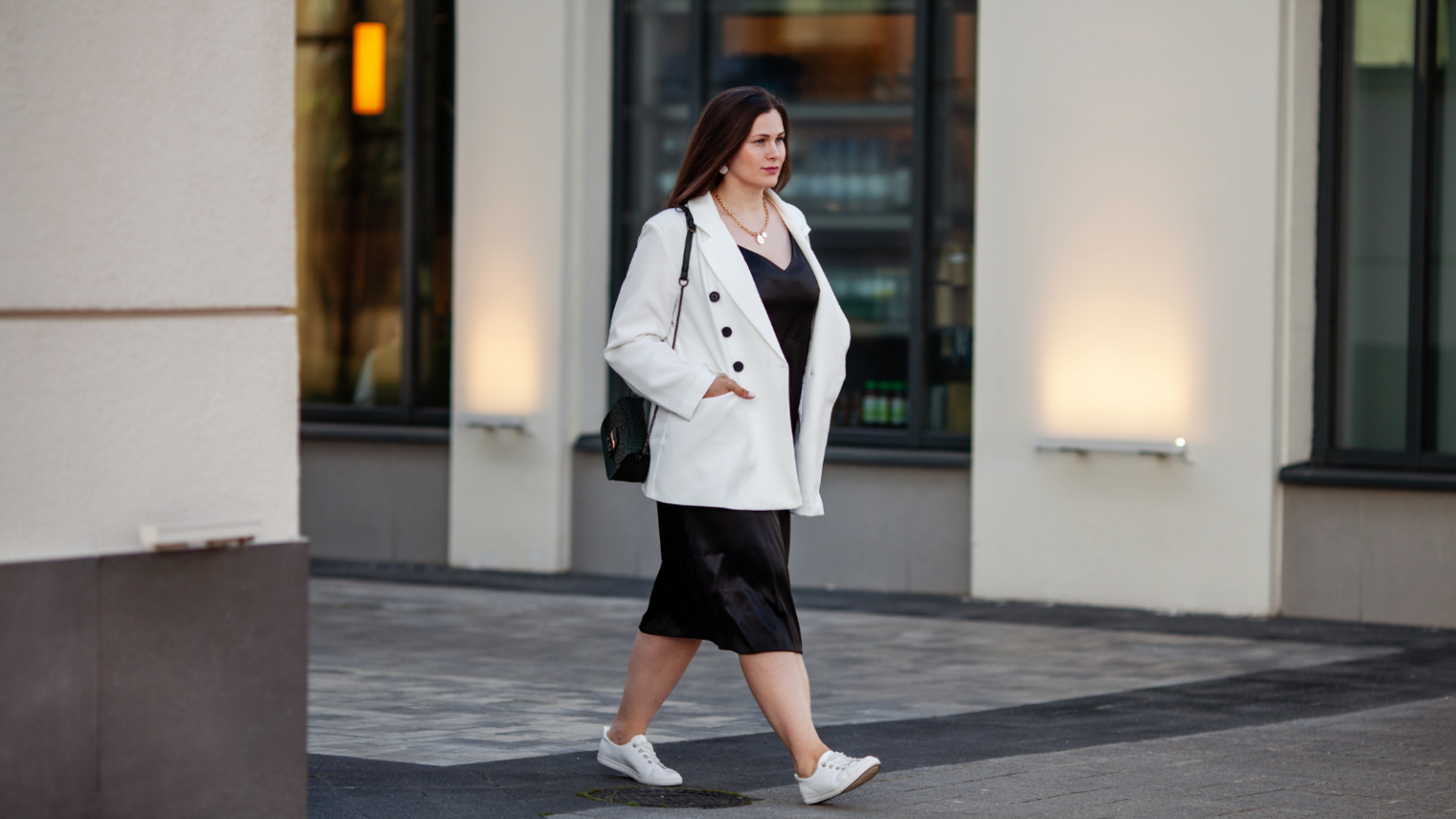
Many people worry that repeating outfits makes their wardrobe appear limited, but rewearing is actually a sign of confidence. Developing signature looks allows you to focus on what makes your style recognizable instead of constantly searching for something new.
A favorite jacket, pair of jeans, or plus-size fashion piece can become a signature item when styled in different ways. Your personal style is not measured by how often you change your clothes but by how intentionally you wear them.
Cotton Incorporated’s Lifestyle Monitor research found that 65% of U.S. consumers specifically seek cotton apparel as gifts, showing that shoppers continue to value comfortable, familiar, and trusted clothing choices. Choosing pieces you genuinely enjoy wearing creates a wardrobe that feels personal and practical.
Key Takeaway
Shopping less does not mean losing your personal style. It means making thoughtful choices, maximizing the pieces you already own, and building a wardrobe that reflects your lifestyle. A truly functional closet is defined by how often you wear and enjoy your clothes, not by how much you have. Intentional fashion can reduce clutter, save money, and help you create a more confident relationship with your wardrobe.
Disclaimer: This list is solely the author’s opinion based on research and publicly available information. It is not intended to be professional advice.
Like our content? Be sure to follow us
MORE TCF GAMES