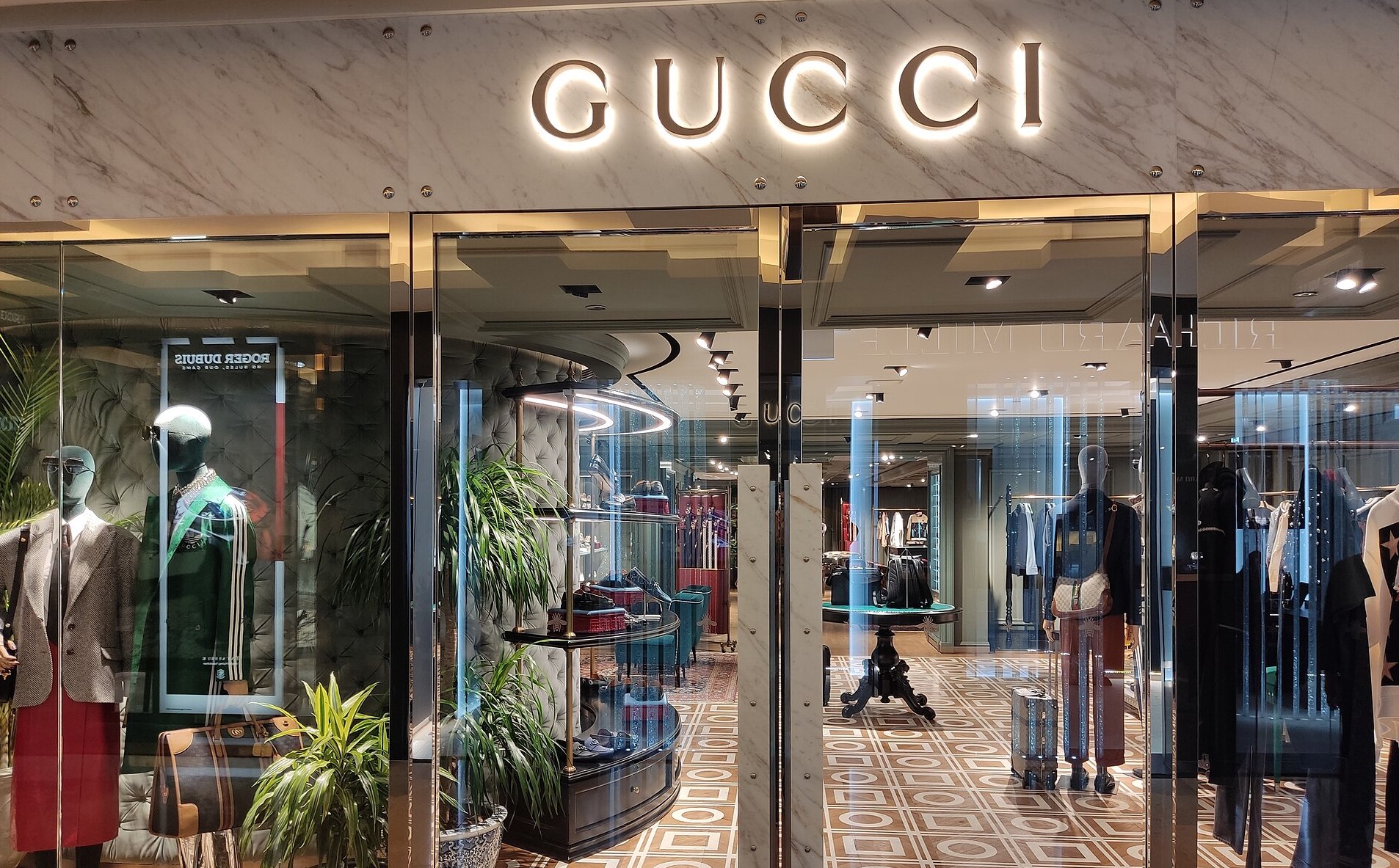
The global fashion industry is currently watching with bated breath as a massive financial earthquake shakes the very foundation of one of its most recognizable names. Kering has officially finalized the sale of its coveted beauty division to cosmetics giant L’Oréal for an absolutely eye-popping $4 billion, sending shockwaves through the financial markets.
This massive monetary maneuver is much more than a simple corporate brand exchange between two wealthy French conglomerates looking to swap assets. It actually represents a frantic and desperate effort by the Gucci parent company to patch up some incredibly deep financial wounds before things spiral completely out of control.
A Desperate Move To Slash Mounting Corporate Debt

The intense urgency behind this massive corporate selloff becomes painfully obvious the moment you take a closer look at the frightening financial statements currently coming out of their Paris headquarters.
The famous Gucci parent company is currently suffocating under a massive, crushing debt load of roughly €9.5 billion, which has completely terrified its primary investors. They simply had to find a fast and highly effective way to generate a massive amount of liquid cash before anxious shareholders completely lost faith in their long-term financial viability.
Wall Street analysts and European financial experts were completely stunned into silence when the company officially reported a staggering 46 percent drop in profits during the first half of 2025.
That catastrophic and highly publicized drop in revenue essentially forced terrified executives to immediately put their prized cosmetic assets on the auction block to the highest bidder. Selling off these incredibly lucrative and popular fragrance lines was undeniably a painful decision, but it was necessary to satisfy frustrated shareholders and steer the sinking ship away from potential bankruptcy.
How The Deal Shifts Power In The Cosmetics Industry
L’Oréal is already widely recognized as an absolute, undisputed titan in the beauty business, and this fresh acquisition firmly cements its total dominance over the high-end makeup sector. They are happily and aggressively absorbing these newly acquired prestige brands into their massive luxury division, giving them an incredible edge over their fiercest industry rivals.
This highly tactical corporate purchase provides them with a massive, almost unfair advantage in the highly competitive premium skincare and designer fragrance markets that continue to grow in popularity.
The timing of this massive acquisition is absolutely perfect for the French cosmetics powerhouse because they are currently flush with cash and looking to aggressively expand their influence. The company just recently posted an incredibly impressive €22.47 billion in total sales for the first half of 2025, marking a steady increase from the previous year.
That remarkably solid financial foundation easily allowed them to swallow up these new brands without batting an eye, while simultaneously expanding their massive global footprint even further into the luxury space.
Coty Cashes Out And Takes A Strategic Pivot
The widespread financial fallout from this massive transaction also triggered a major, unexpected shakeup for another prominent player operating in the highly competitive American beauty sector. Coty officially agreed to hand over its highly profitable and deeply beloved Gucci beauty license a full year ahead of schedule to help facilitate this massive transition.
The company happily walked away with a very sweet $400 million payout to help smooth over the sudden, jarring loss of such an incredibly prestigious and lucrative designer brand.
This surprisingly early exit actually provides a much-needed financial lifeline for the notoriously struggling New York-based cosmetics distributor as they try to keep their head above water.
The beleaguered company has painfully watched its overall stock value plummet by a devastating 80 percent since the beginning of 2024, leaving investors incredibly frustrated and demanding immediate answers. They now plan to use this unexpected, massive influx of liquid cash to aggressively pay down their own mounting debt and heavily promote their remaining core brands to consumers.
Revamping The Broken Strategy Under New Leadership

The difficult decision to completely abandon the lucrative cosmetics sector highlights a dramatic, sweeping shift in corporate philosophy under the direction of freshly appointed chief executive Luca de Meo.
He quickly realized that trying to stubbornly manage both complex clothing operations and highly competitive makeup divisions was spreading the company dangerously thin and burning through cash. His brand new, highly focused strategy centers entirely on fixing the crumbling core fashion business and desperately trying to restore the faded glory of their flagship clothing brands.
Successfully running a premium beauty line requires massive, ongoing financial investments in scientific research and a constant stream of fresh product innovation to keep picky consumers interested. The struggling fashion conglomerate simply did not have the spare capital or the necessary scientific expertise to directly compete with dedicated, state-of-the-art cosmetic laboratories.
By handing these complicated operations over to seasoned beauty experts, they can finally redirect their limited, highly precious resources back to attempting a rescue of their struggling apparel divisions.
What This Massive Change Means For Luxury Shoppers

Everyday consumers who regularly purchase these expensive, high-end cosmetics will likely experience some very noticeable changes the next time they visit their favorite luxury department stores.
The complicated transition of product manufacturing from one massive corporate entity to another means you might soon see completely new chemical formulations and totally redesigned packaging hitting the shelves.
The new parent company possesses a massive, incredibly well-funded research budget that will undoubtedly result in exciting new makeup collections and highly innovative skincare solutions for American shoppers.
The awkward transition period between the old distributors and the new corporate overlords could temporarily cause some minor, frustrating supply chain disruptions for certain highly popular cosmetic items.
However, the newly signed fifty-year licensing agreement practically guarantees that these beloved, high-status prestige labels will remain a permanent staple in premium boutiques for many decades to come.
American beauty enthusiasts can definitely expect a massive wave of aggressive marketing campaigns as the new owners try to quickly recoup their massive, multi-billion-dollar financial investment.
Disclaimer: This list is solely the author’s opinion based on research and publicly available information. It is not intended to be professional advice.
Like our content? Be sure to follow us
MORE TCF GAMES