Fashion is constantly evolving, but not every trend deserves a second chance. While nostalgia often inspires designers to revisit past styles, some looks are remembered less for their creativity and more for how quickly they fell out of favor. Today’s shoppers are becoming more intentional, choosing pieces that offer versatility instead of chasing every passing craze.
According to the 2026 U.S. Fashion Consumer Outlook by Informa, 66% of U.S. consumers say value for money is their top priority when shopping for fashion, while only 10% consider trendiness their main focus. That shift suggests shoppers are increasingly building wardrobes around longevity rather than short-lived hype.
Of course, personal style is always subjective, and fashion should remain a form of self-expression. Still, a few trends feel better left as memories than making another trip back into our closets. Here are twelve styles that many fashion lovers would happily leave in the past.
Micro Mini Skirts That Prioritize Shock Value
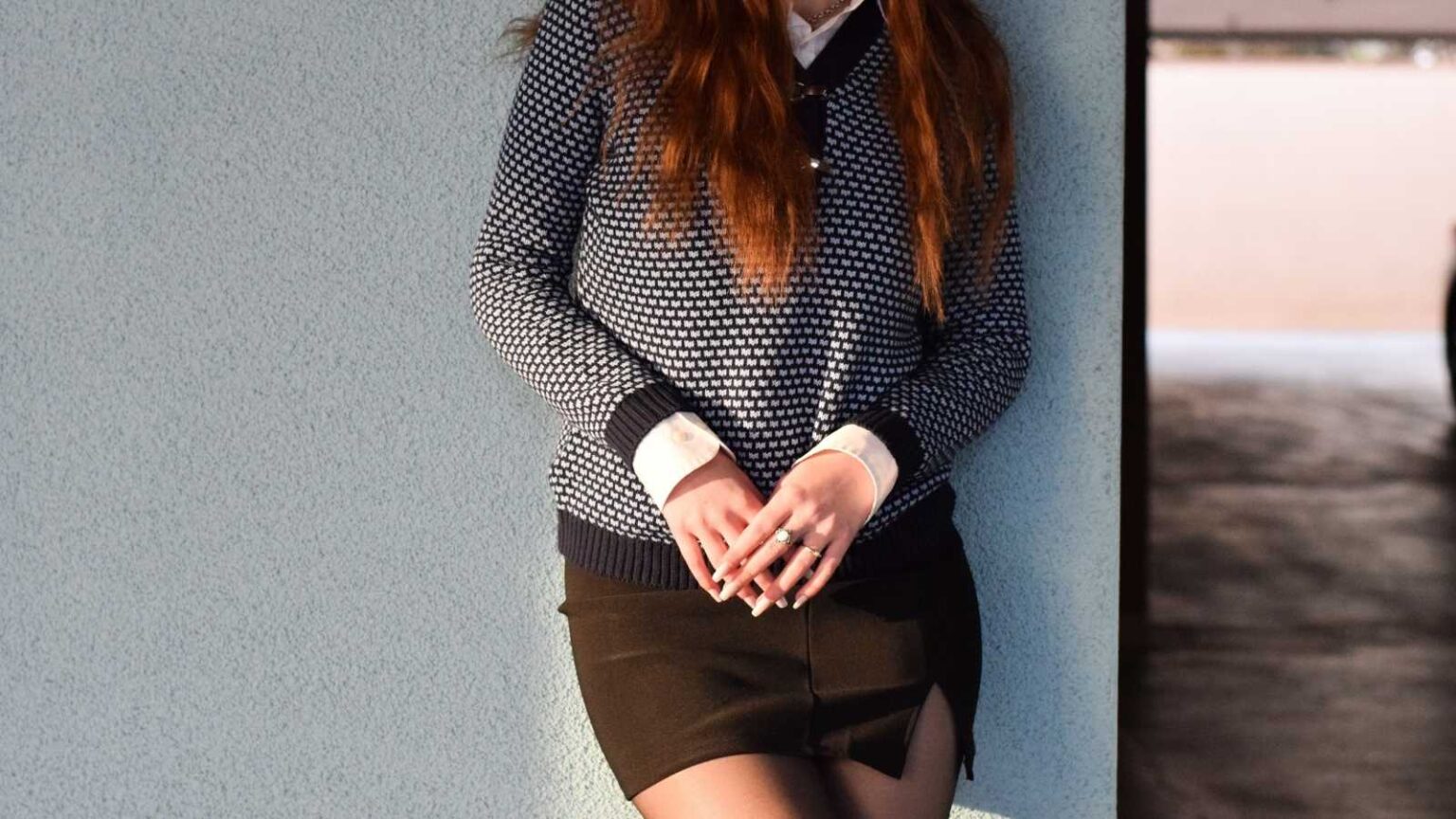
Mini skirts have always been part of fashion, and shorter hemlines will likely continue appearing in different forms. However, the ultra-micro versions that dominated some recent trends often focused more on making a statement than creating a wearable style.
Many consumers are now approaching clothing with a different mindset, choosing pieces that feel comfortable and practical alongside being fashionable. A growing focus on confidence and personal comfort also shows that style choices can influence how people feel about themselves.
The issue is not the length of a skirt itself but the pressure to follow trends that may not feel authentic. Fashion works best when people choose pieces that reflect their personality, lifestyle, and comfort level rather than wearing something simply because it is currently popular.
Parachute Pants
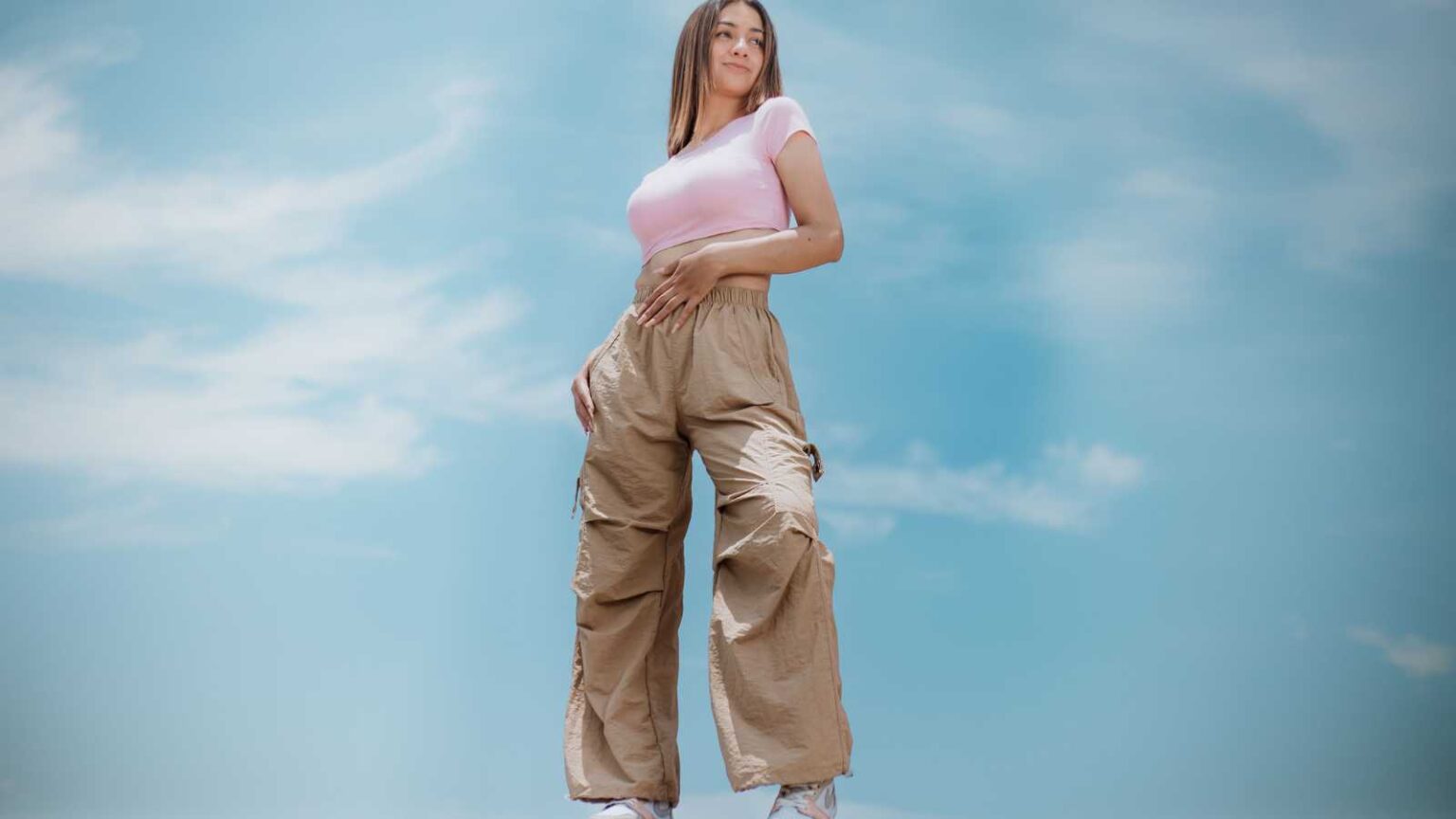
Parachute pants once symbolized bold street style, with their oversized shape, shiny fabric, and exaggerated volume. While they captured the energy of their era, the dramatic silhouette often overwhelmed the rest of an outfit, making everyday styling surprisingly difficult.
A 2023 YouGov poll found that about half of the 40 fashion trends surveyed were viewed more negatively than positively, with parachute pants ranking among the least-liked styles. The results suggest that some nostalgic trends do not resonate with today’s consumers.
Modern wardrobes are leaning toward cleaner proportions and pieces that can be styled repeatedly. Relaxed trousers can still make a statement, but parachute pants often feel more like a costume than a practical wardrobe essential.
Extreme Low-Rise Jeans
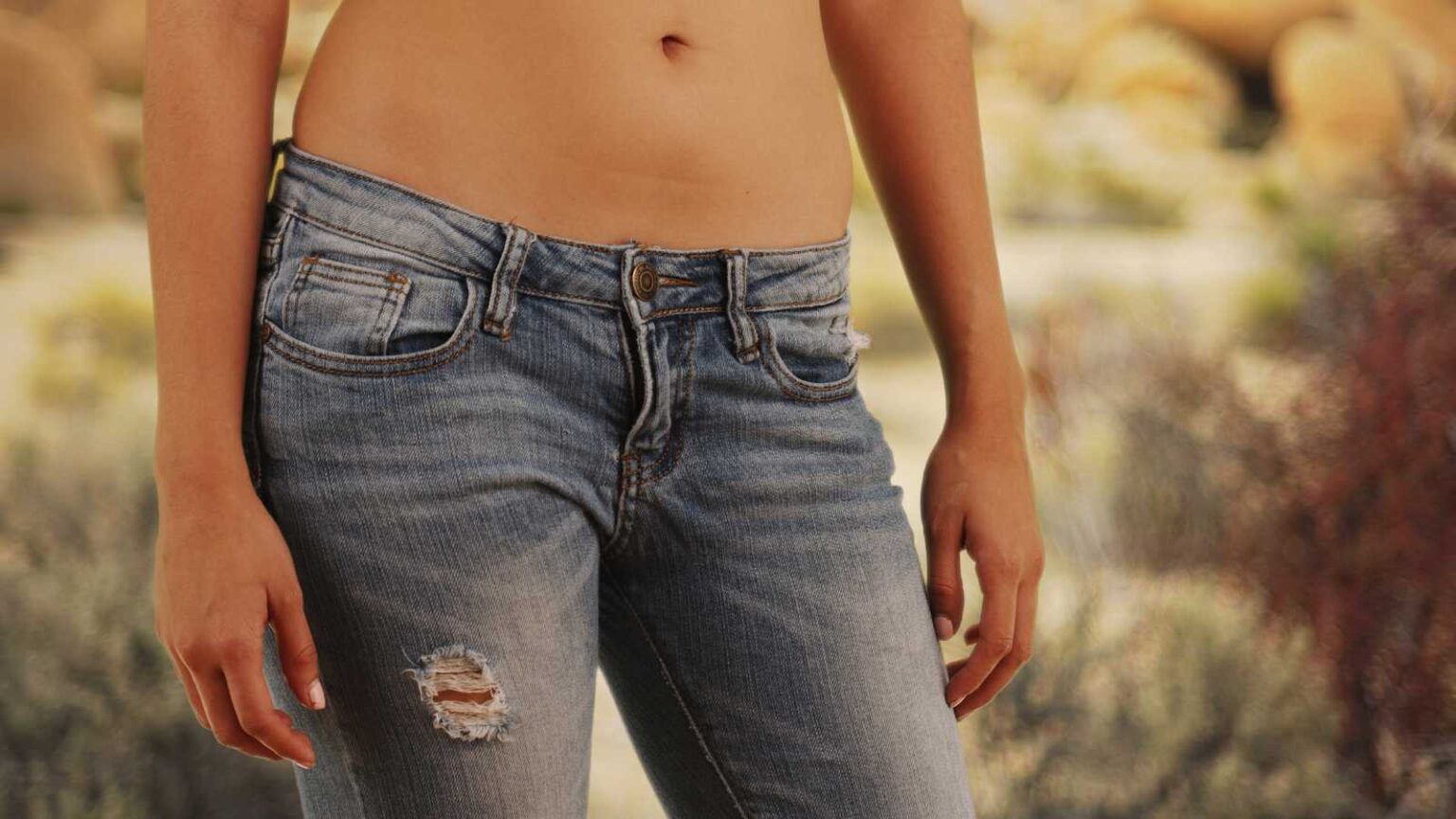
Low-rise jeans defined much of the early 2000s, but the most extreme versions rarely offered comfort or versatility. Many required constant adjustment, limited styling options, and left little room for confidence during everyday activities.
According to Euromonitor, low price ranked only fifth among the factors influencing apparel and footwear purchases in the United States during 2024, with fewer shoppers considering price crucial than they did in 2022. Consumers appear to be placing greater emphasis on overall value rather than impulse-driven purchases.
Today’s denim trends celebrate comfort alongside style. High-rise, mid-rise, and relaxed fits allow shoppers to create a flattering outfit without sacrificing ease of movement, making extreme low-rise jeans feel increasingly out of step with current preferences.
Overly Matching Sets That Leave No Room for Creativity
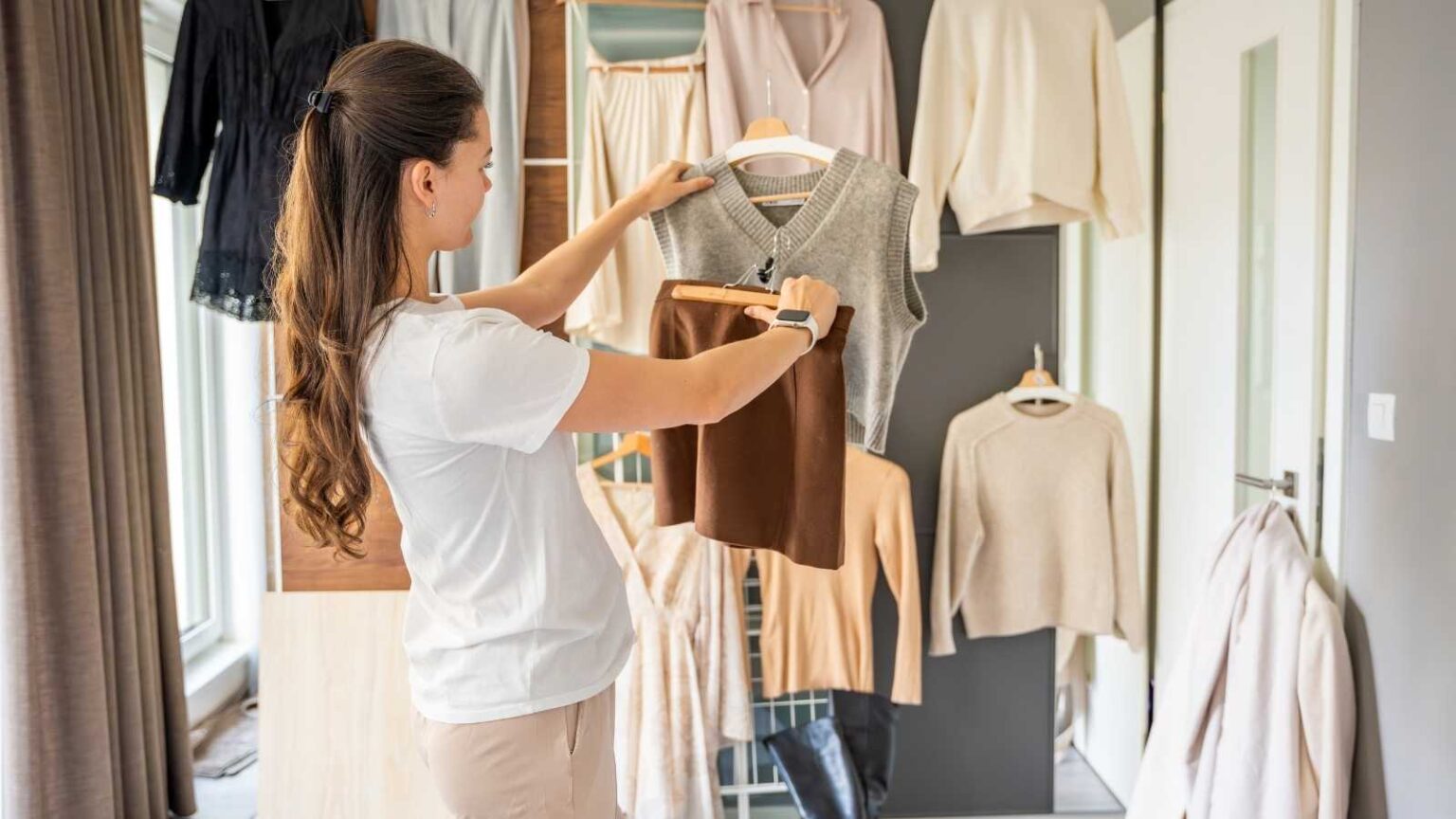
Matching sets became popular because they offered an easy styling solution. A coordinated top and bottom could create an instantly polished look without requiring much effort, making them appealing for busy shoppers who wanted a complete outfit quickly.
However, the most extreme versions of matching sets sometimes removed the creativity that makes personal style interesting. Instead of mixing textures, colors, and unexpected combinations, some wardrobes became filled with pieces designed only to be worn together.
The best wardrobes usually include items that can work in multiple ways. A matching set can still be useful, but shoppers are increasingly looking for clothing that offers more styling possibilities rather than pieces that limit how they dress.
Excessively Distressed Jeans
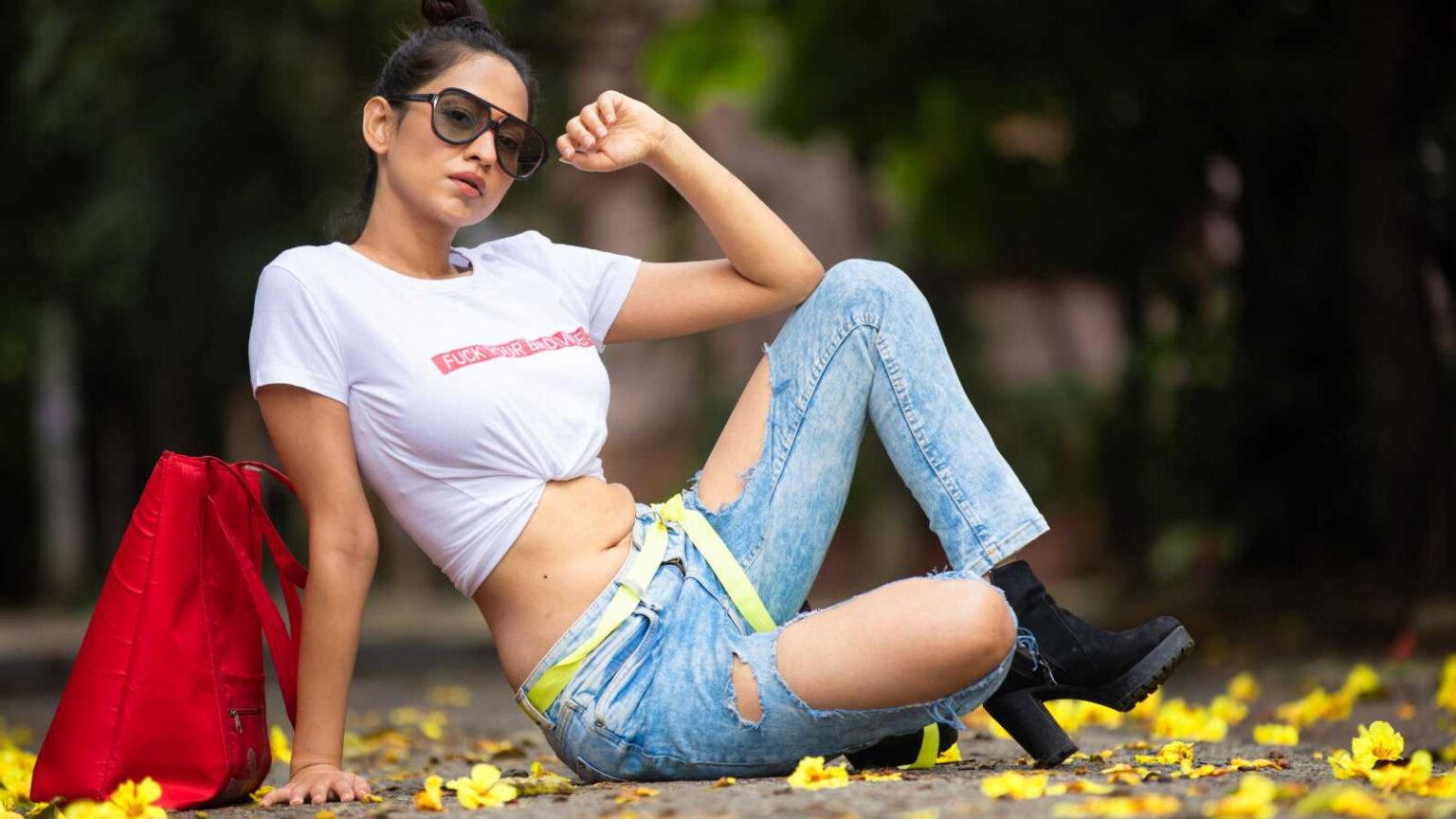
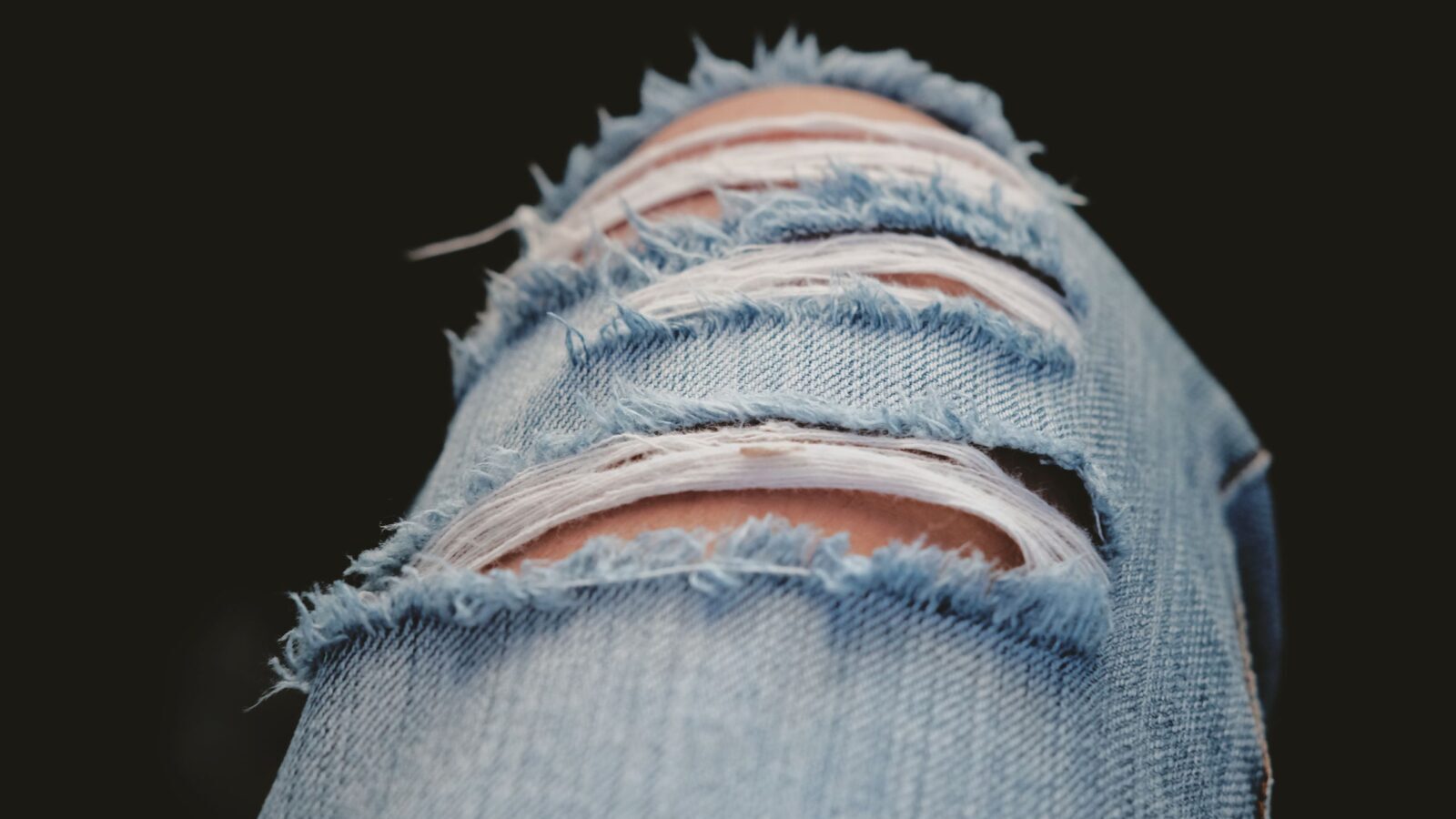
A few carefully placed rips can add personality, but there was a period when jeans featured more openings than actual denim. Oversized tears across the legs often made the style feel less polished and harder to wear beyond casual settings.
A Consumer Edge 2026 Apparel, Accessories, and Footwear Outlook found that U.S. apparel spending declined modestly during 2025 while value-driven brands and resale platforms such as Depop, Poshmark, and The RealReal gained market share. The findings suggest shoppers are becoming more selective about purchases that deliver lasting value.
Well-made denim remains one of the hardest-working pieces in any wardrobe. Instead of paying for jeans that appear heavily worn from the start, many consumers now prefer classic styles that can transition easily between casual and elevated looks.
Dresses Covered in Cold-Shoulder Cutouts
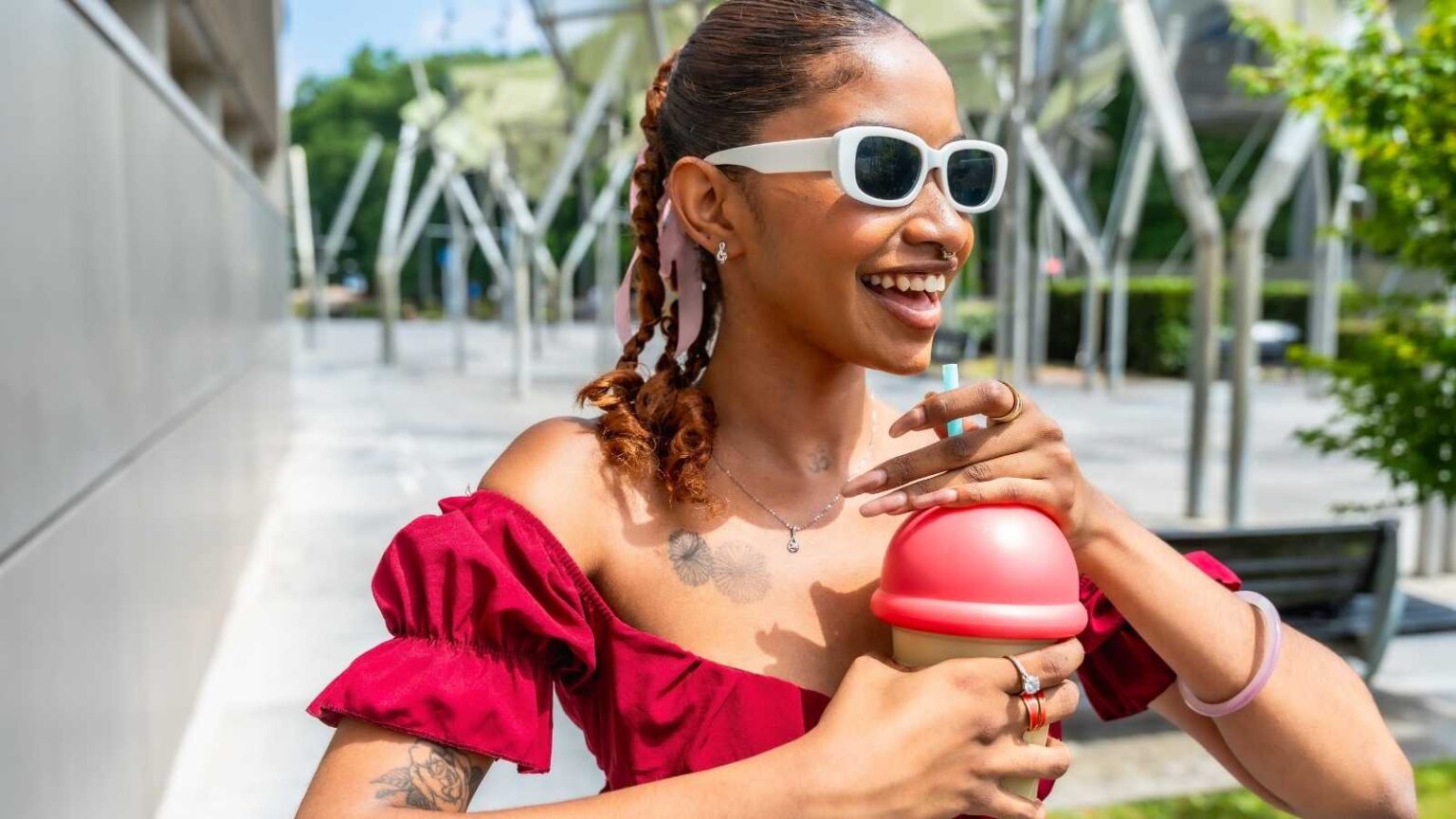
Cold-shoulder designs seemed to appear on every dress, blouse, and jumpsuit almost overnight. While the detail initially felt fresh, it quickly became overused, making many garments look tied to one specific moment in fashion history.
The McKinsey and Business of Fashion State of Fashion 2026 report states that consumers are increasingly prioritizing value, quality, and functionality over trendiness and impulse purchases. That shift helps explain why timeless silhouettes are continuing to outperform highly specific trend pieces.
A classic dress with thoughtful tailoring usually has far more staying power than one built around a single design fad. Choosing versatile styles often means getting more wear from every purchase while keeping a wardrobe feeling current for longer.
Peplum Tops With Overly Dramatic Flares
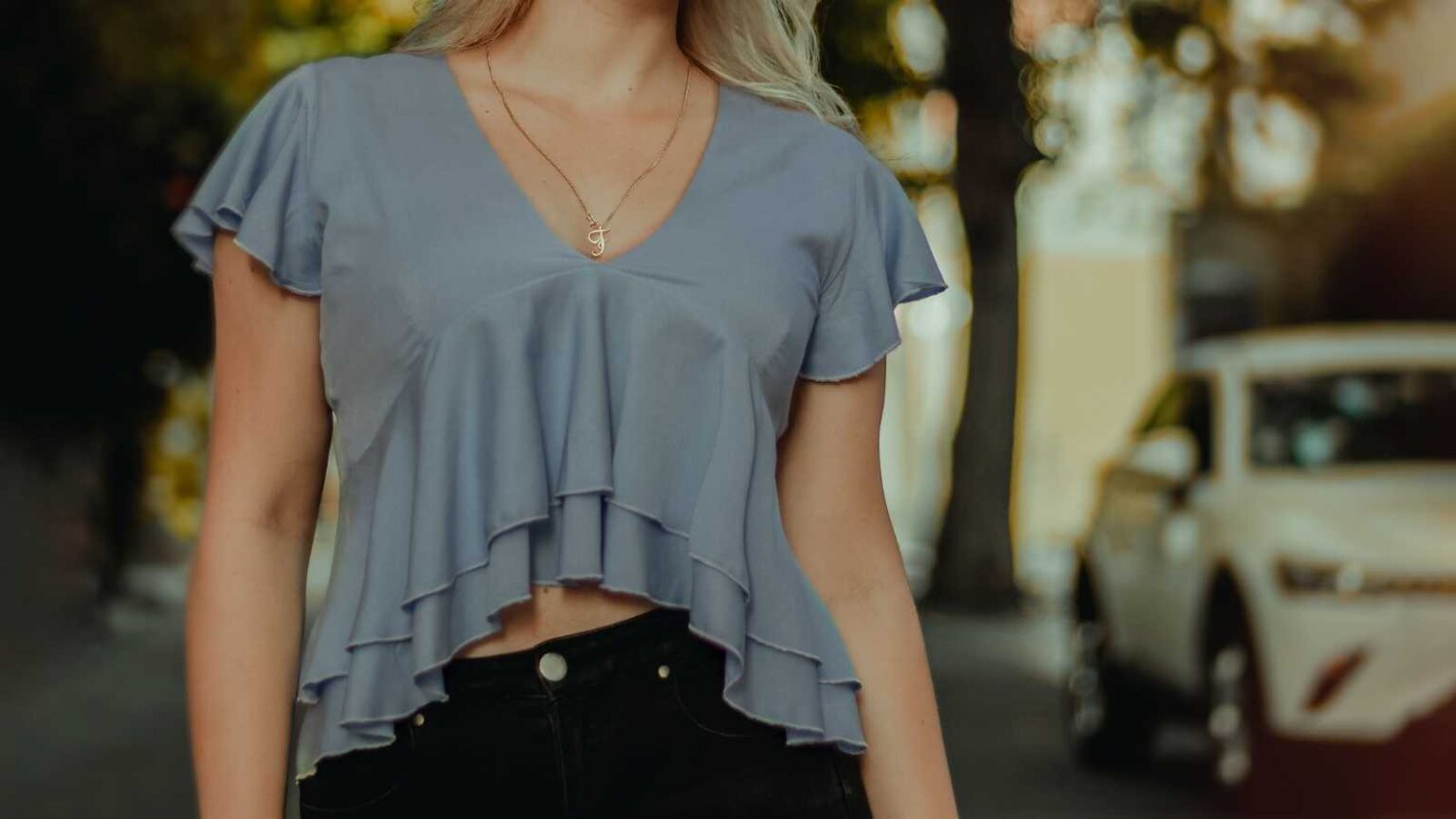
Peplum tops had a major fashion moment because they promised an easy way to create shape and structure. The fitted waist and flared hem appeared everywhere, from office wear to evening styles. However, the most exaggerated versions often made outfits feel overly styled and difficult to pair with other wardrobe pieces.
The issue with many short-lived trends is that they are designed around one specific silhouette rather than everyday versatility. As shoppers become more intentional, they increasingly look for clothing that works across different occasions rather than pieces that suit only one particular aesthetic.
A modern wardrobe does not need excessive shaping details to feel polished. Structured blouses, tailored shirts, and simple layering pieces often provide the same confidence while offering more styling flexibility. The best fashion choices are usually the ones that allow people to create multiple looks from a single item.
Logo-Heavy Designer Fashion
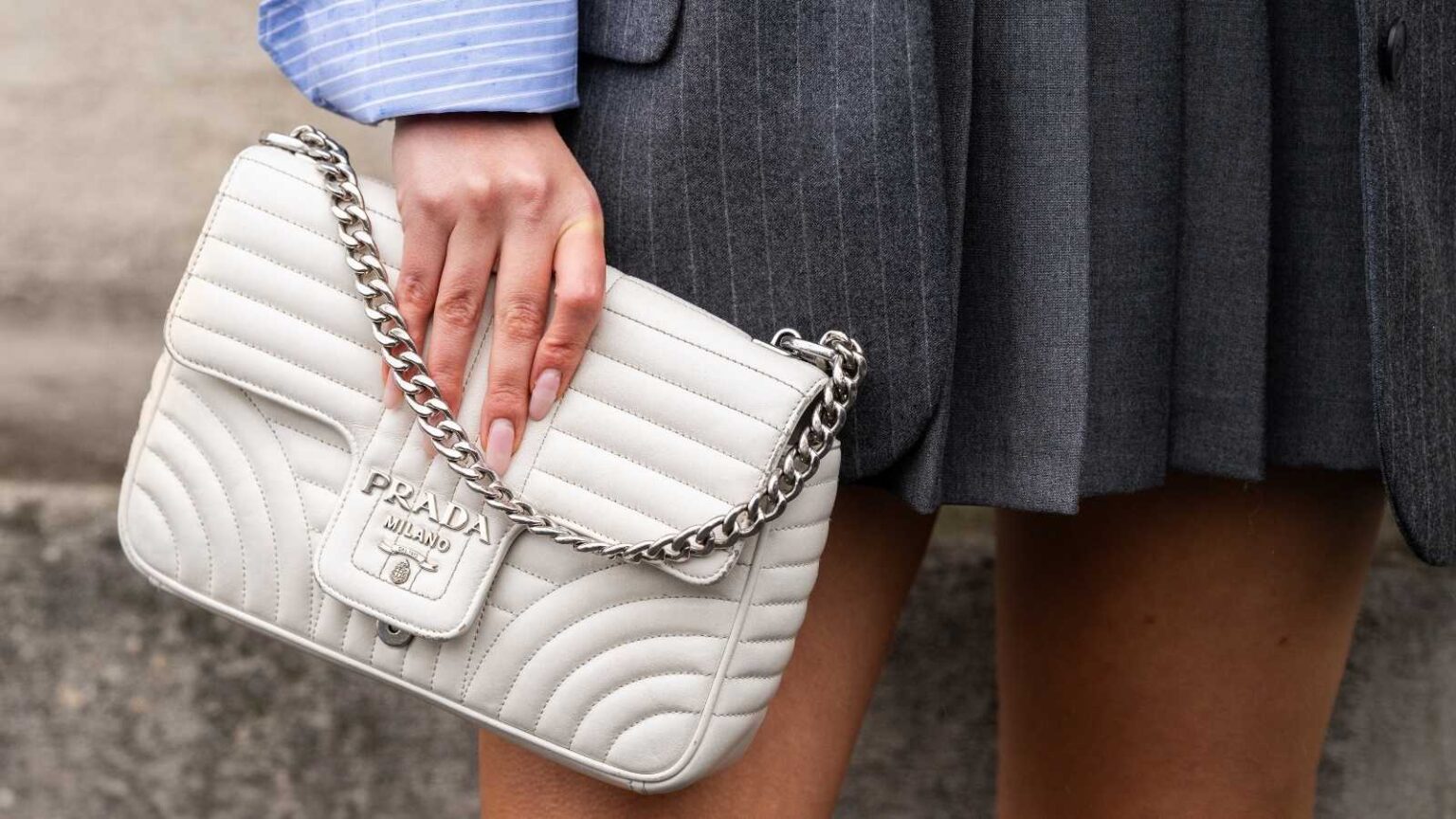
There was a time when oversized logos dominated luxury fashion. From clothing covered in repeated brand patterns to accessories designed mainly to display labels, logo-heavy pieces became a way for shoppers to communicate status through what they wore.
The popularity of visible branding has changed as many consumers look for fashion that feels more personal. Instead of choosing pieces because a name is recognizable, shoppers are increasingly interested in craftsmanship, comfort, and whether an item fits their lifestyle.
A quality garment does not need a large logo to make an impact. Many modern fashion lovers choose understated pieces that let their personality stand out rather than letting a brand name become the main focus of their look.
Ultra-Low-Rise Cargo Pants
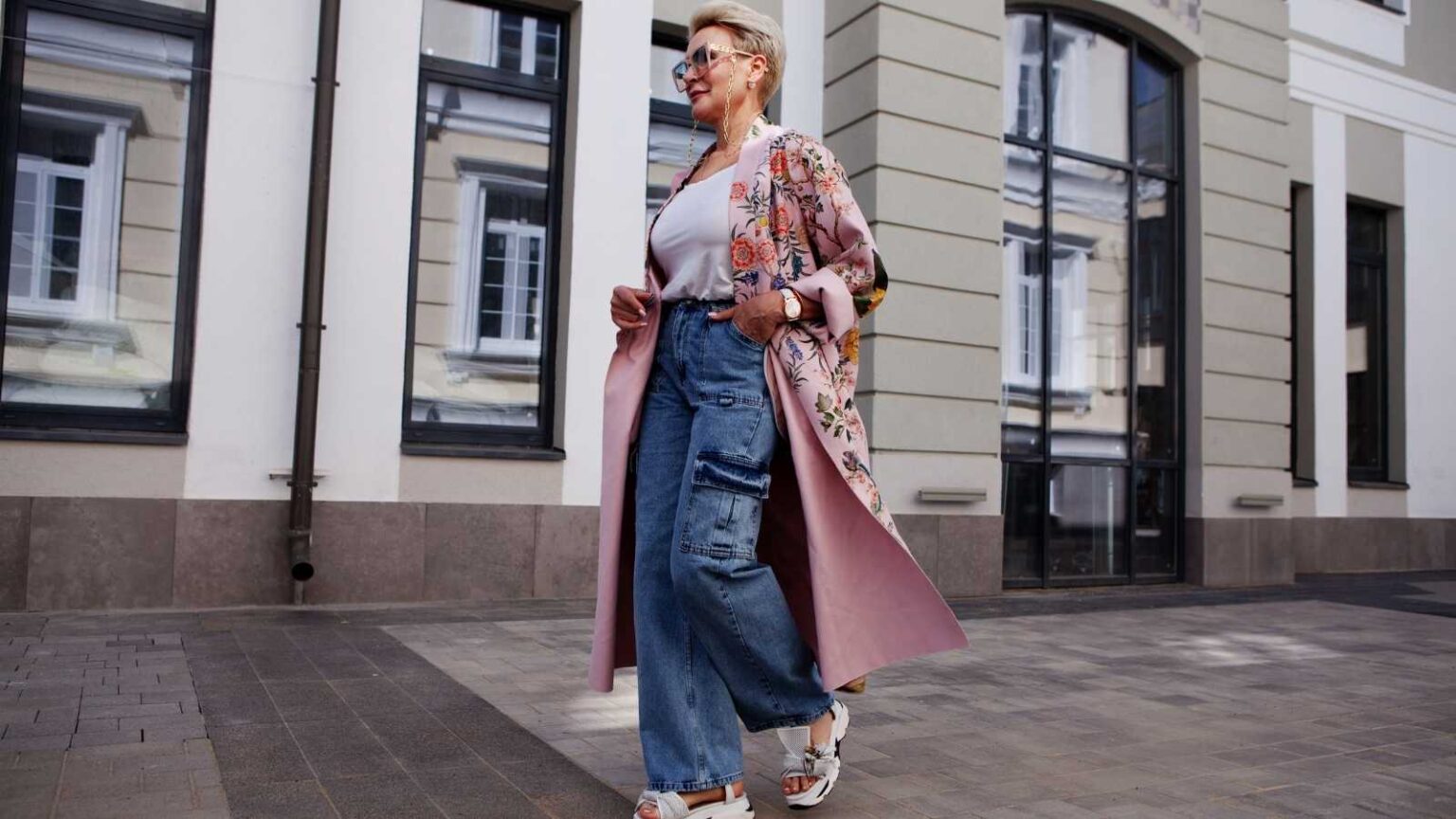
Cargo pants have gone through many fashion cycles, but the ultra-low-rise versions that gained attention during the Y2K revival are a trend many shoppers may not want to revisit. While traditional cargo pants offered practicality with their roomy pockets and relaxed fit, the extremely low-cut versions often prioritized nostalgia over comfort.
The return of certain trends does not always mean consumers want the original version back. As shoppers become more selective, many are looking for pieces that combine style and function rather than simply recreating past aesthetics.
A modern cargo pant works because it balances utility and fashion. Higher rises, relaxed silhouettes, and thoughtful details make the style easier to wear across different occasions, while the ultra-low-rise versions often feel more like a costume from a specific era.
Overused Animal Prints That Became More Costume Than Classic
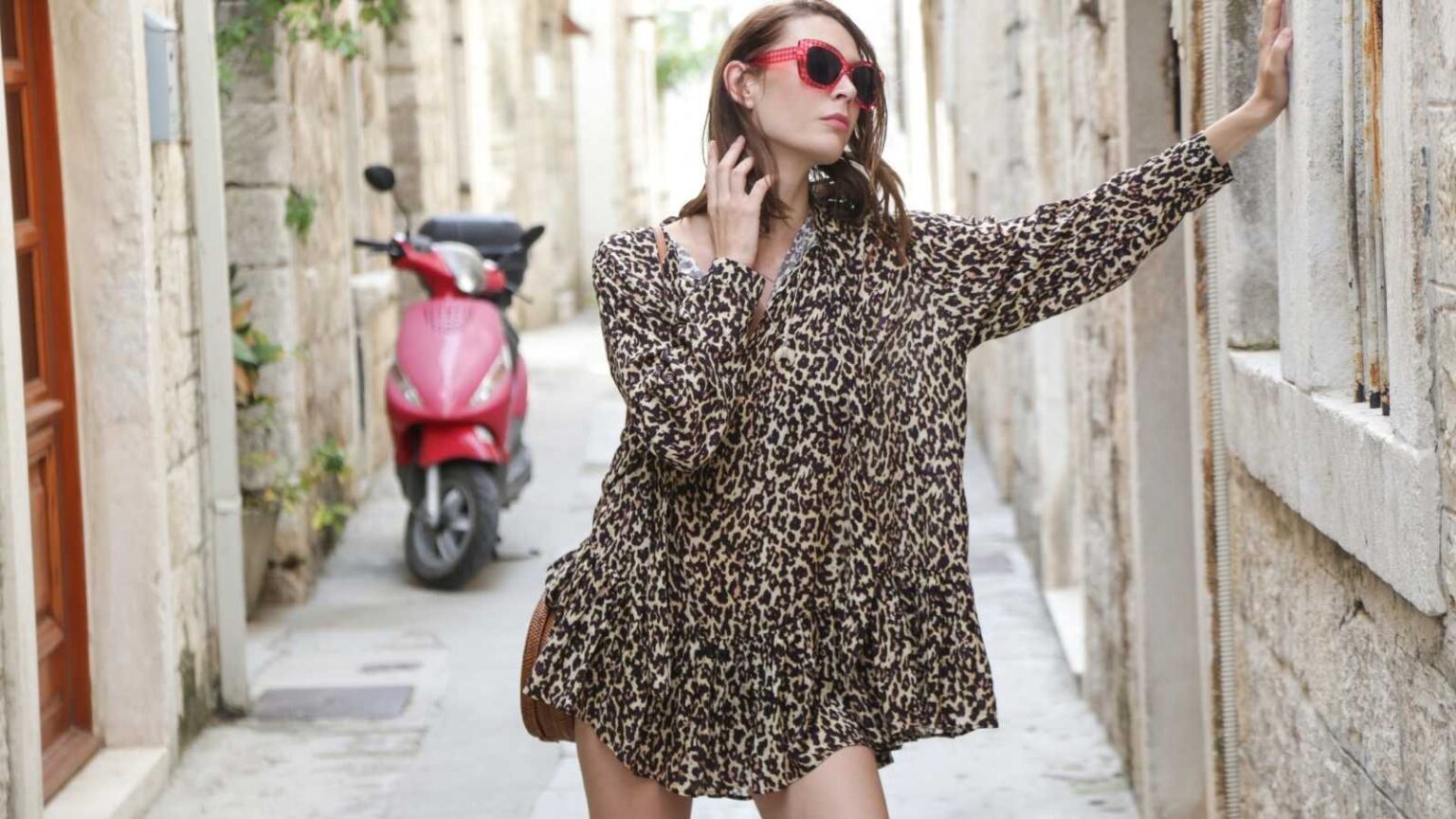
Animal prints have always had a place in fashion, but there is a difference between a timeless leopard accent and a head-to-toe animal print look that dominates an entire outfit. At their peak, bold animal patterns appeared everywhere, from dresses and coats to accessories, but the trend eventually became difficult to separate from costume-like styling.
A 2025 Statista chart based on U.S. consumer data found that among 18- to 29-year-olds, animal prints ranked among the least liked patterns out of 20 fashion patterns measured, while plaid and pinstripe performed much better. The results suggest that younger shoppers may be moving toward patterns that feel more classic and easier to incorporate into everyday wardrobes.
Animal prints are unlikely to disappear completely because fashion constantly reinterprets them. However, many shoppers now choose subtle details, such as a printed accessory or a statement piece, instead of letting the pattern overwhelm an entire look.
Excessive Fast-Fashion Hauls
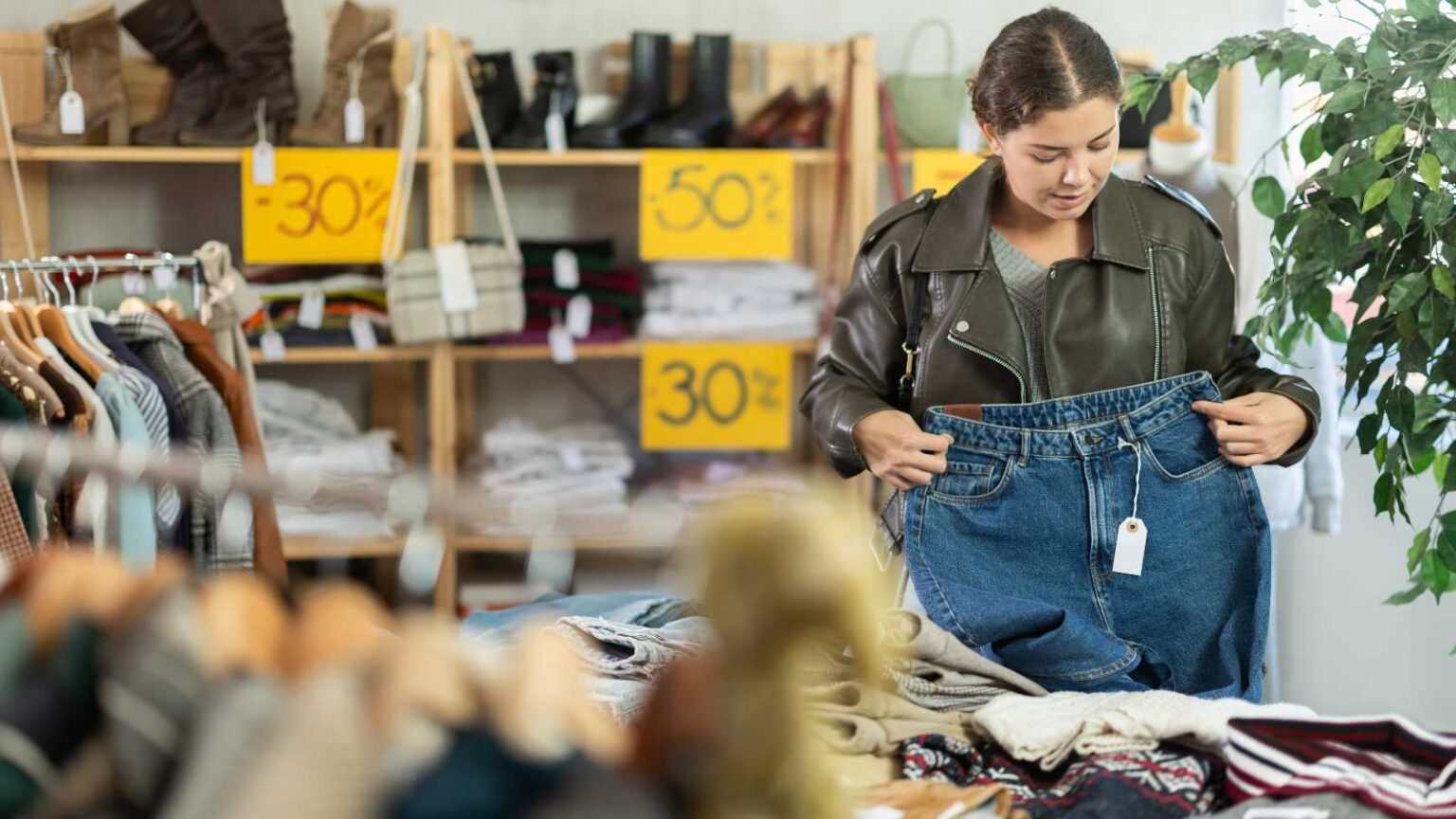
Massive fashion hauls became a major part of online shopping culture, with shoppers and creators showcasing large amounts of clothing purchased at once. While these videos offered inspiration, they also encouraged the idea that constantly buying new pieces was necessary to stay stylish.
The conversation around shopping has changed as many consumers begin questioning whether more clothing automatically creates a better wardrobe. People are increasingly thinking about how often they will wear an item, whether it fits their lifestyle, and whether it adds something meaningful to their closet.
Fashion should not be measured by the number of pieces someone owns. A thoughtful wardrobe built around pieces that are genuinely loved can create more confidence and satisfaction than a closet filled with items that rarely leave their tags.
Trends That Ignore Real-Life Bodies
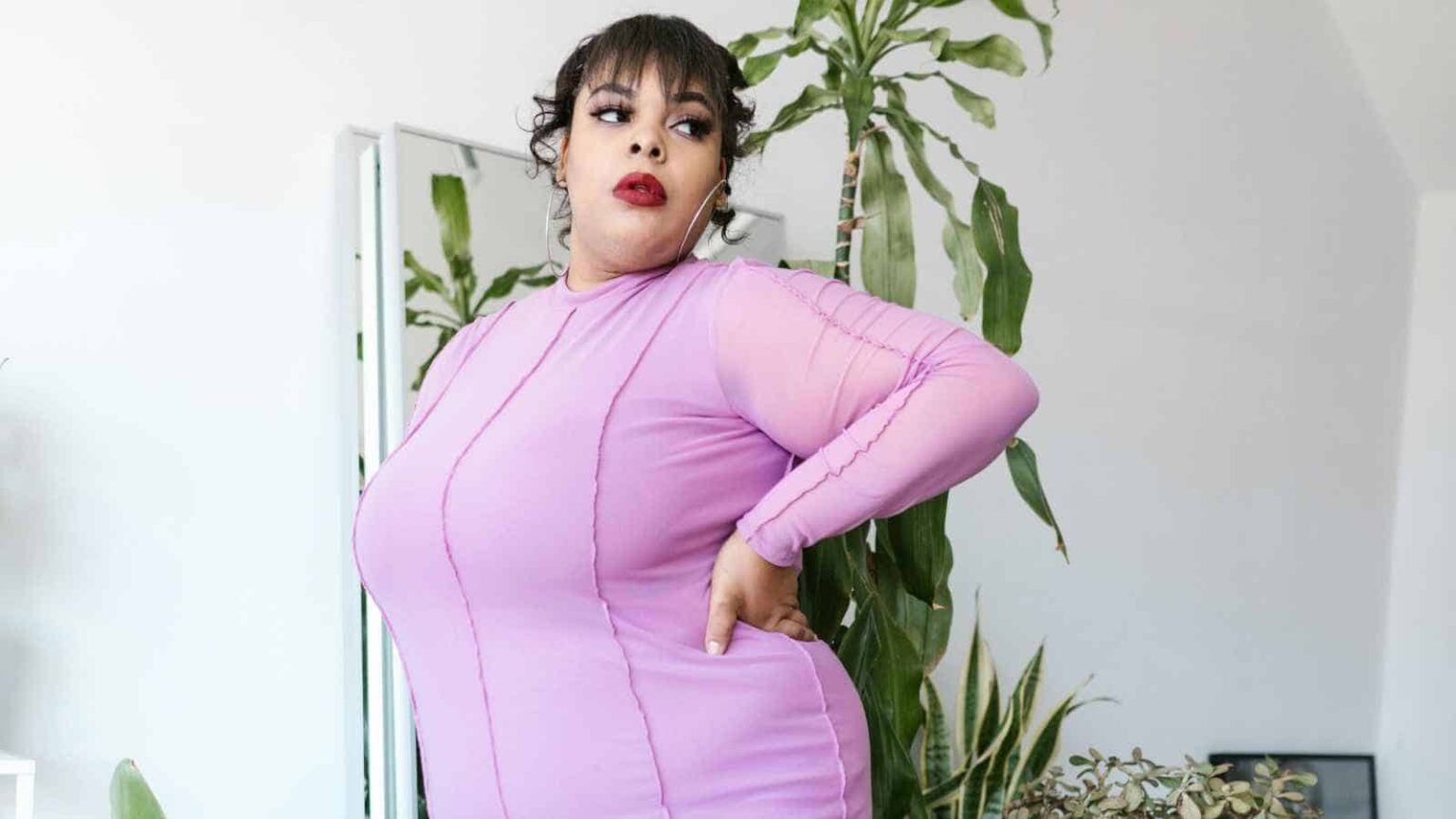
Some fashion trends become difficult to embrace because they are designed around a narrow idea of who gets to participate in style. From unrealistic fits to uncomfortable silhouettes, certain trends have made many shoppers feel like they had to change themselves before enjoying fashion.
The conversation around inclusivity has changed the industry, with more consumers expecting brands to recognize different bodies, lifestyles, and preferences. Fashion should be a tool for self-expression rather than a reminder that someone does not fit a certain trend.
The best trends are the ones that allow people to participate without changing who they are. Whether someone is shopping for a plus-size wardrobe, experimenting with new styles, or simply finding pieces that make them feel confident, fashion should create possibilities instead of limitations.
Key Takeaway

Fashion trends come and go, but the strongest styles are the ones that continue to serve real people and real lifestyles. As shoppers become more intentional, they are choosing quality, versatility, and pieces that reflect their personal identity.
The trends worth keeping are not always the newest ones, but the ones that make people feel confident and comfortable. A great wardrobe is not built around chasing every trend. It is built around understanding what works, what lasts, and what feels authentic.
Disclaimer: This list is solely the author’s opinion based on research and publicly available information. It is not intended to be professional advice.
Like our content? Be sure to follow us
MORE TCF GAMES