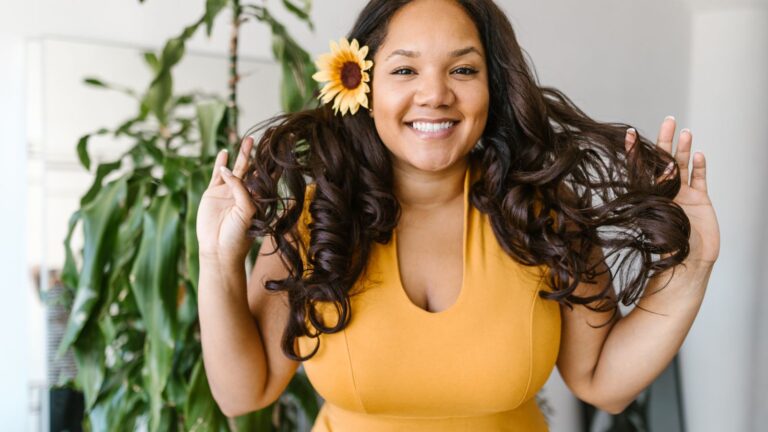
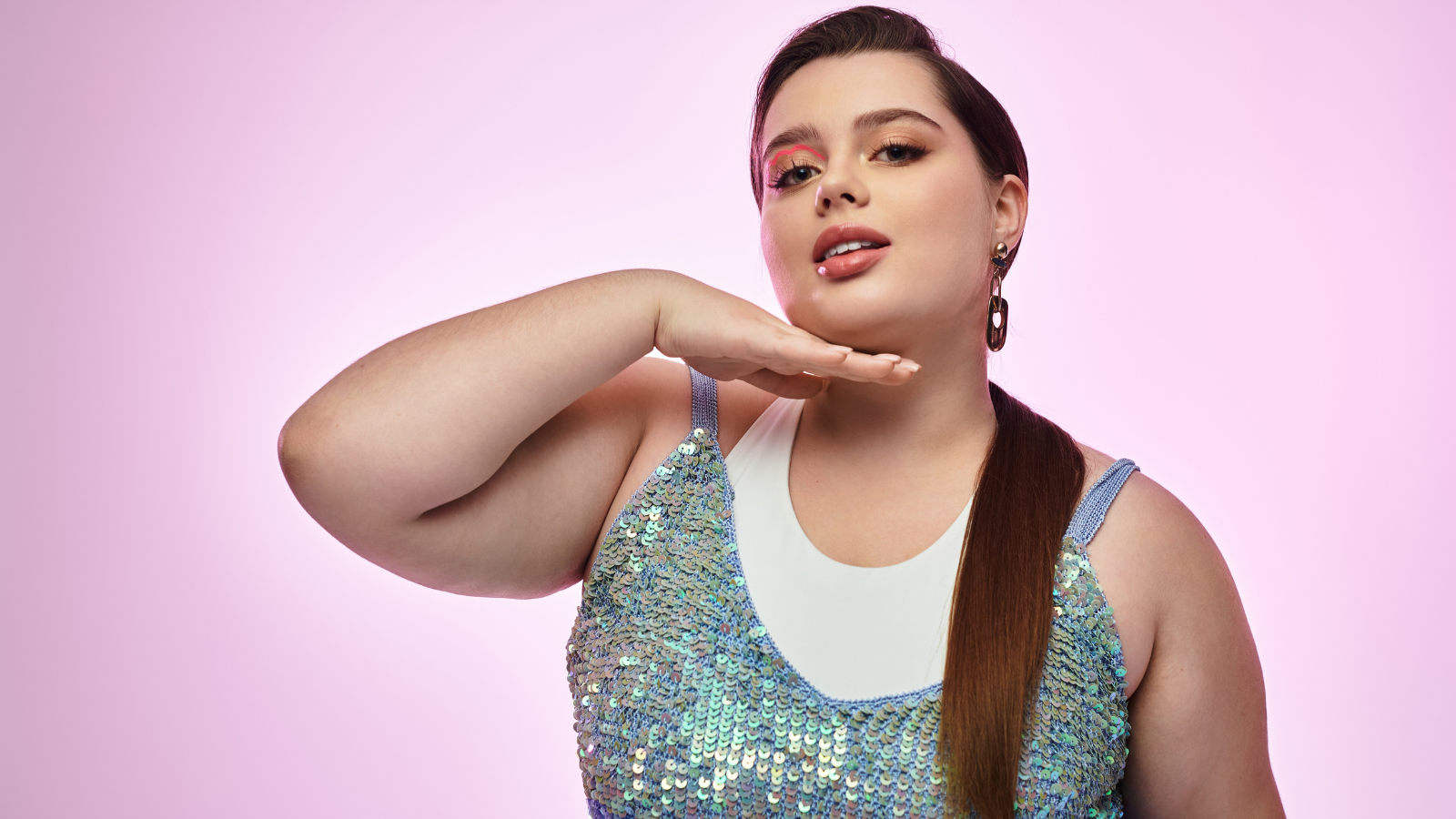
For years, bigger bodies were told to wait until they were “smaller” before they deserved certain clothes. The message was straightforward and cruel: do not dress the body you have; dress for the body you hope to have later. A UK survey commissioned for Mental Health Awareness Week found that just over one‑third of adults had felt anxious (34%) or depressed (35%) because of concerns about their body image, showing how harmful it is to treat clothes as a reward for shrinking.
Dressing the body you have is not about giving up on change. It is about refusing to live in a holding pattern in which every outfit is a test you can only pass after enough discipline, dieting, or self‑denial. These are the reasons that “I will wear it when I lose weight” is being replaced by “I deserve clothes that fit my actual life right now.”
Bodies Change For Many Reasons, Not Just Willpower
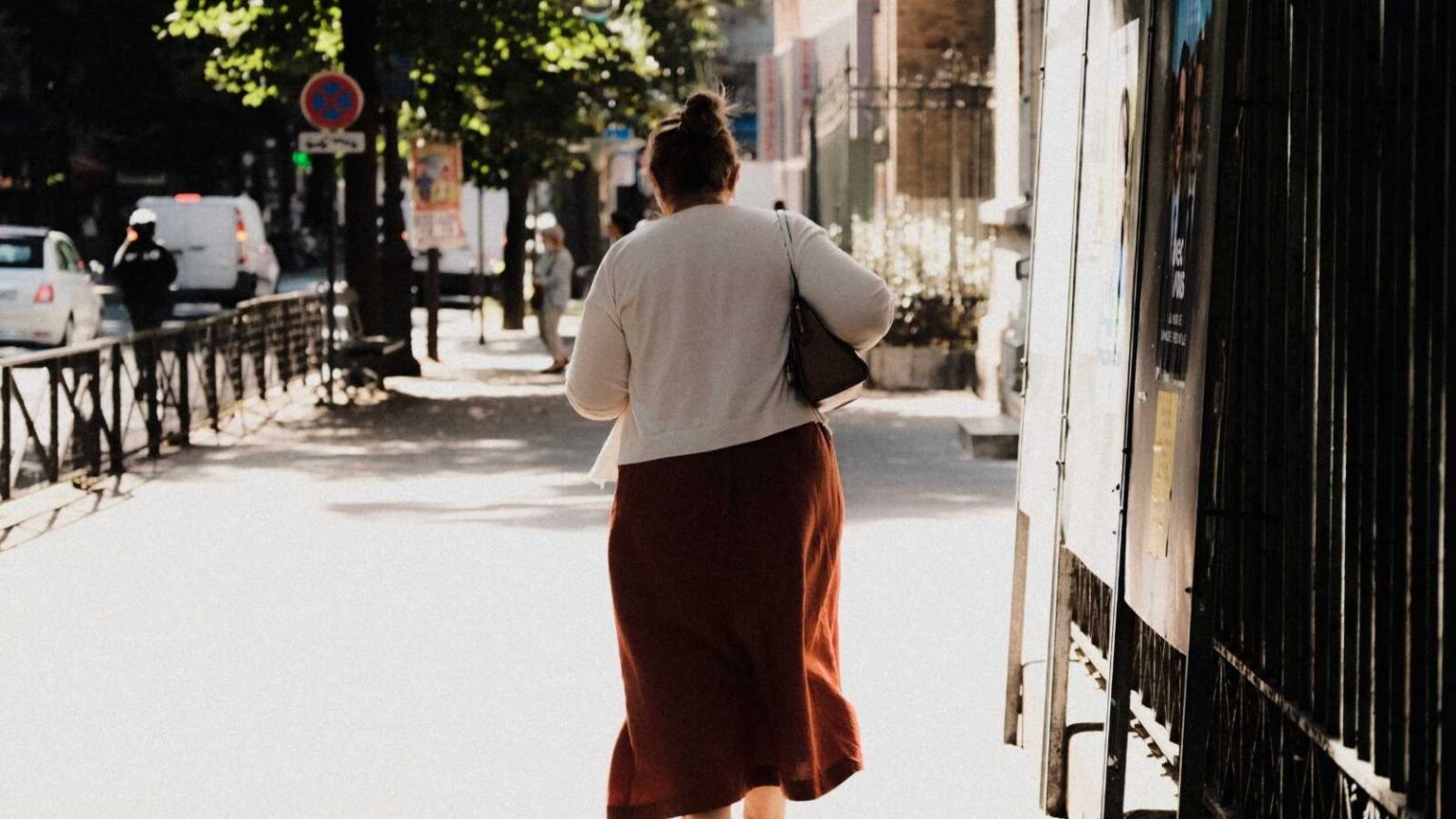
Weight changes for reasons unrelated to discipline or moral worth. Hormones shift, medication side effects appear, stress hits, health conditions show up, and life seasons change.
It is unrealistic and emotionally risky to wait for a “final version” of your body before you allow yourself clothes that fit your real life. Accepting that your body will move through different shapes over your life helps you treat clothes as adaptable tools.
Dressing the body you have today makes it easier to adjust when your body changes tomorrow. You build a wardrobe that can flex with you instead of a single rigid path you are supposed to follow.
Your Life Is Happening Now
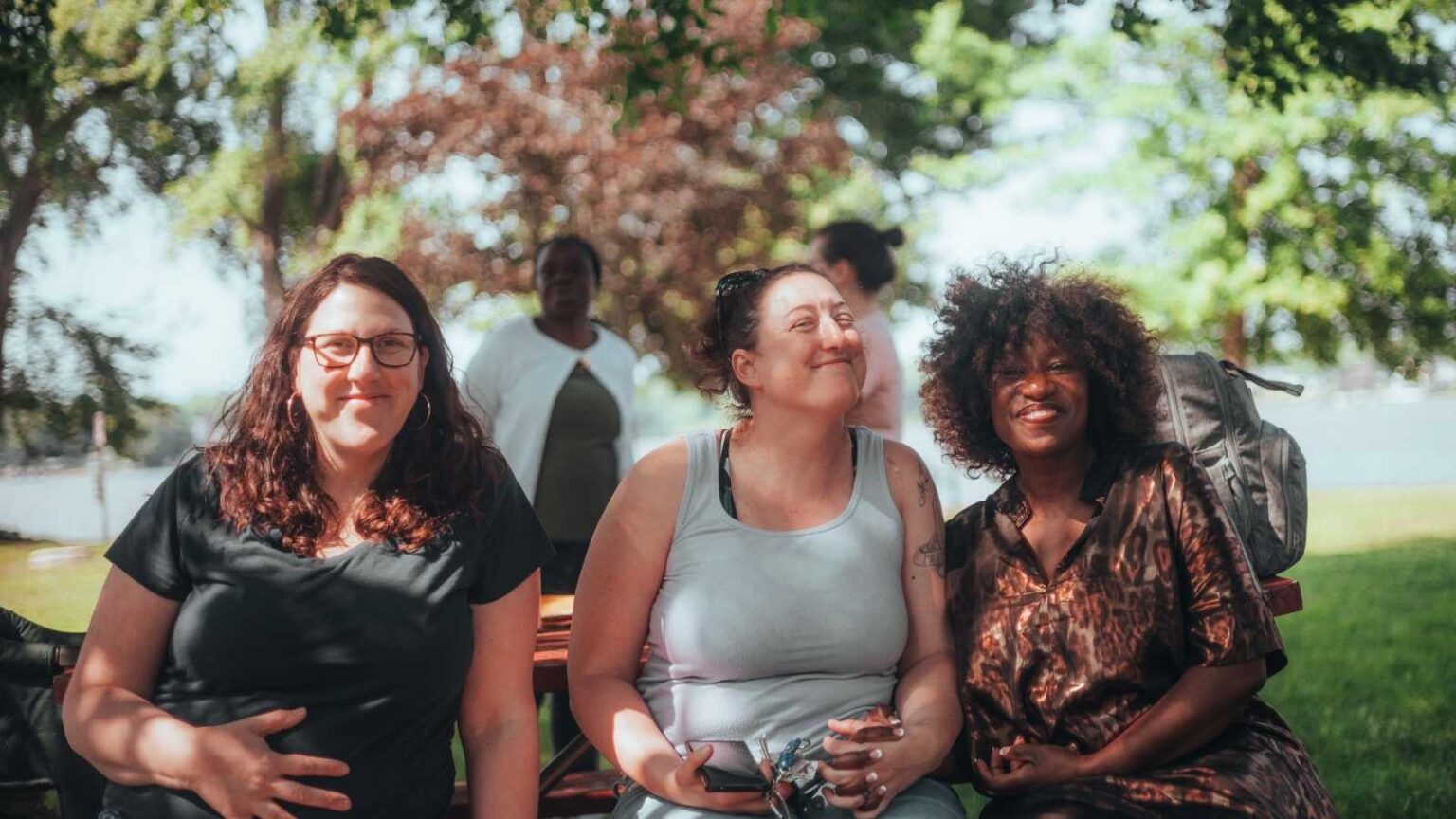
Waiting to dress well until you lose weight quietly delays your life. It pushes joy, photos, dates, and events into a future that may never look exactly the way you imagined.
A summary of UK body‑image research notes that just over one in five adults (22%) have felt “shame” about their body image in the last year, and almost one in five (19%) have felt “disgusted,” which shows how often appearance worries bleed into everyday life.
When you dress the body you have, you step into the present instead of constantly rehearsing for a version of yourself that may not arrive. Clothes become part of your real schedule, not your fantasy timeline. You start to choose outfits based on what you are actually doing this week instead of what you hope to look like next year.
Confidence Comes From Fit, Not Punishment
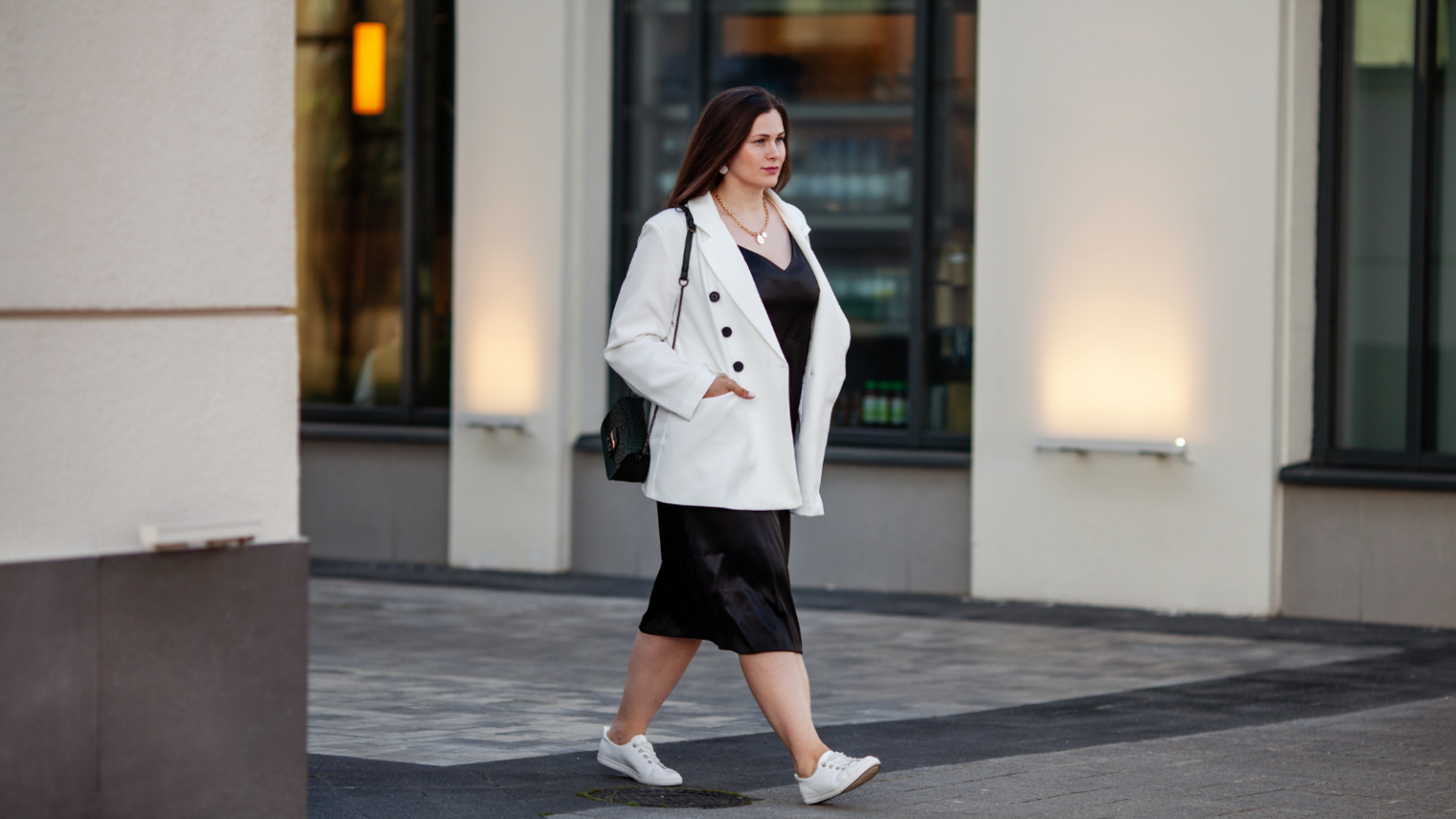
Clothes that fit comfortably and move with you change how you hold yourself. It is easier to feel confident when your waistband is not digging in and your seams are not fighting your hips.
A recent body‑image overview from Mental Health UK reports that 60% of adults had a negative emotion about their body image, and just over one in five adults (22%) say images on social media caused them to worry about their appearance, which underlines how powerful comfort and self‑approval are for feeling good in clothes.
Dressing the body you have is about choosing fit as a starting point, not punishment as a test. When you stop squeezing into smaller sizes “for motivation,” you give your body room to breathe. That room makes it easier to show up fully in conversations, at work, and in social spaces.
“Goal Outfit” Pressure Often Backfires
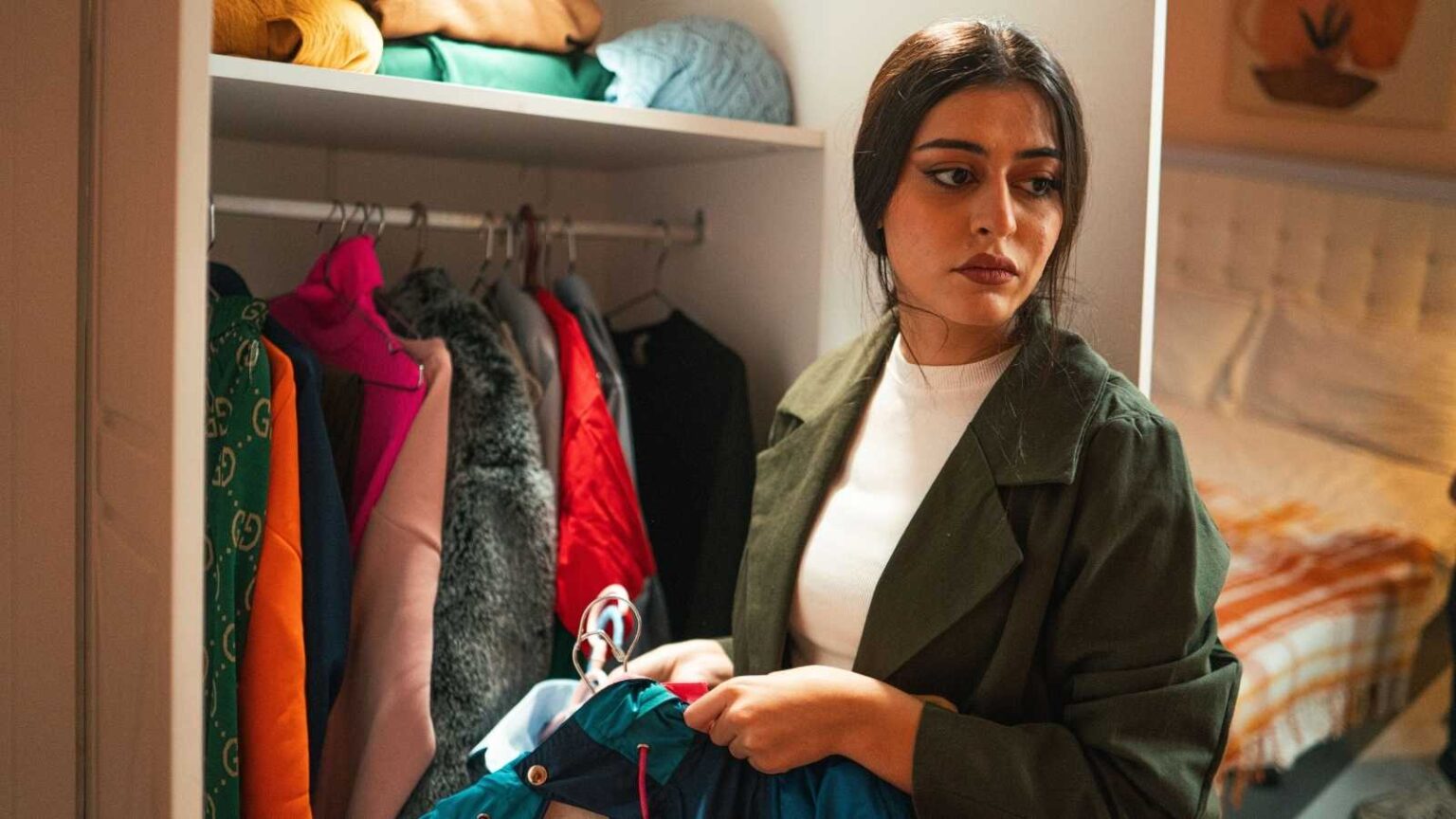
Many people have a “goal dress” or “goal jeans” hanging in their wardrobe as a silent reminder to lose weight. That piece can feel inspiring on some days, but over time it often turns into a symbol of failure. Every time you see it and cannot wear it, you end up feeling worse about yourself.
Dressing the body you have pulls your wardrobe back into reality. You buy and keep clothes you can actually wear, not clothes that hang on hangers. Instead of using outfits as punishment, you use them as support for the life you are living now.
Dressing Well Supports Health, Too
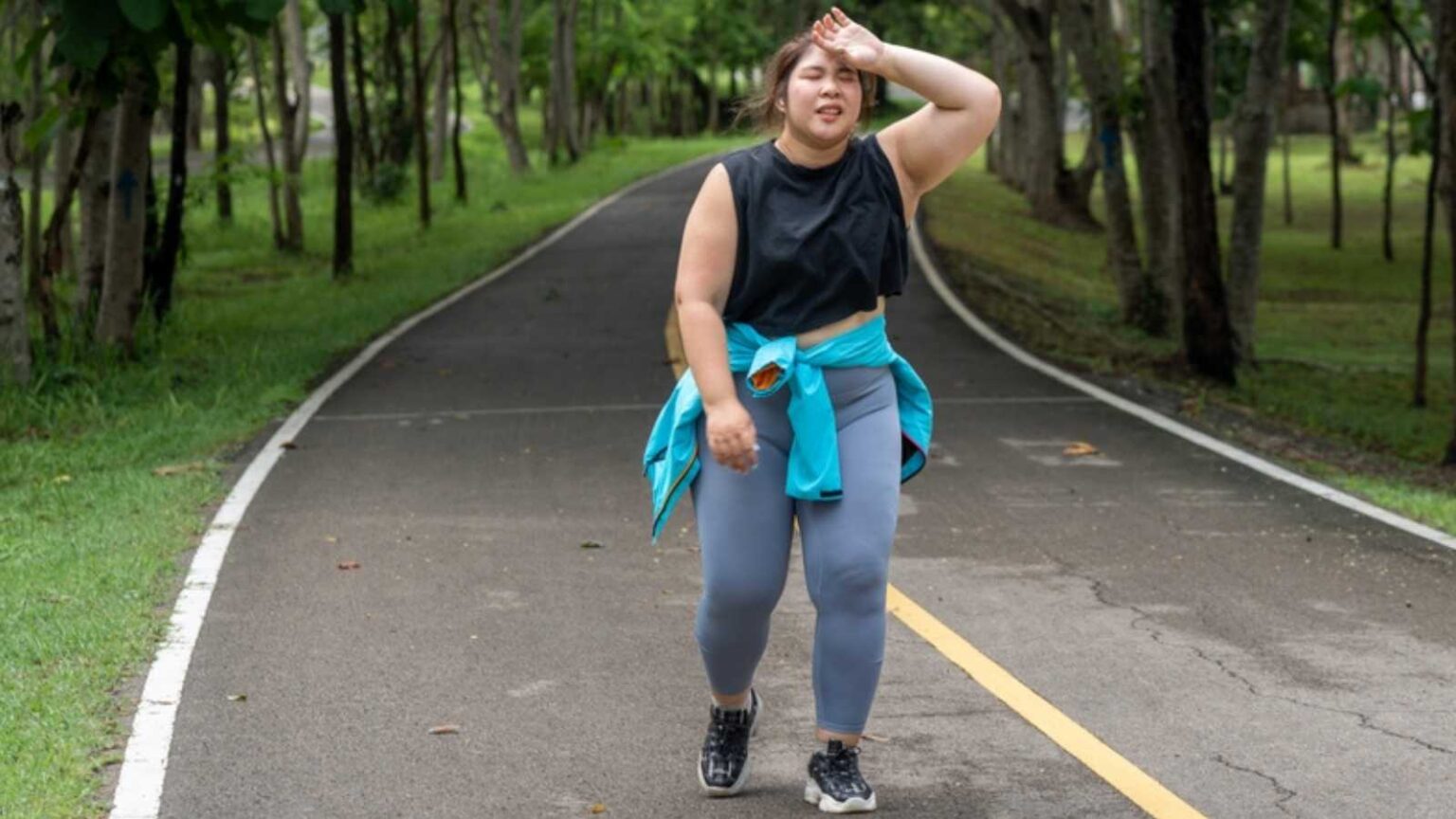
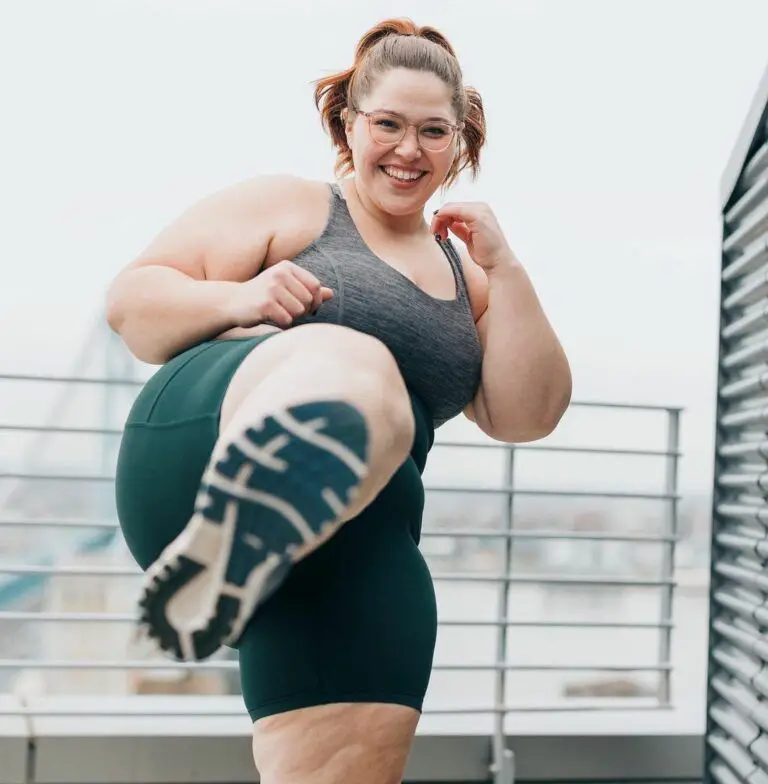
Comfortable, well‑fitting clothes can actually make it easier to care for yourself. It is easier to move, stretch, walk, or exercise when your outfit does not restrict your movement. When you feel at home in your clothes, you are more likely to notice hunger, fatigue, and tension and respond with care instead of punishment.
Dressing the body you have with pieces that support movement can quietly encourage you to listen to your body. Health choices start to feel more connected to your lived experience, not just to rules about what you should look like.
Shame Is Not A Sustainable Style Strategy
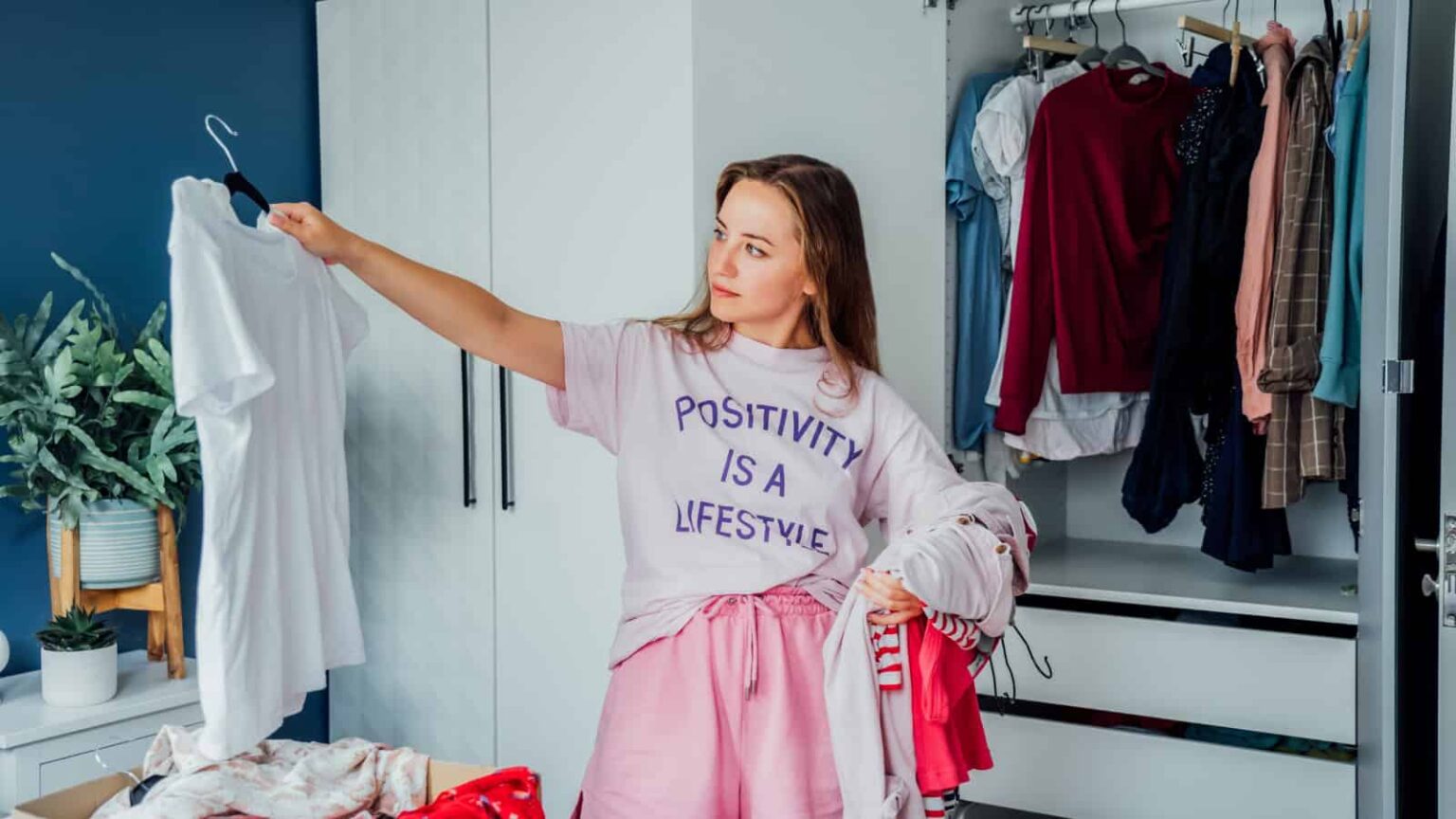
“Lose weight first” is often just another way of saying “you should be ashamed of your current body.” Shame can drive short bursts of behavior, but it rarely leads to sustained peace or sustainable change.
Research on body‑image dissatisfaction has found that significant proportions of adults in community samples report being dissatisfied with their body and that this dissatisfaction is closely associated with symptoms of depression, anxiety, and stress.
When you put on outfits that fit and flatter you as you are, you send yourself a different message. You are telling your body that it is worthy of care and attention, not just correction. That shift can soften the constant self‑criticism many people carry and make it easier to treat themselves with basic kindness.
Fashion Is Slowly Catching Up
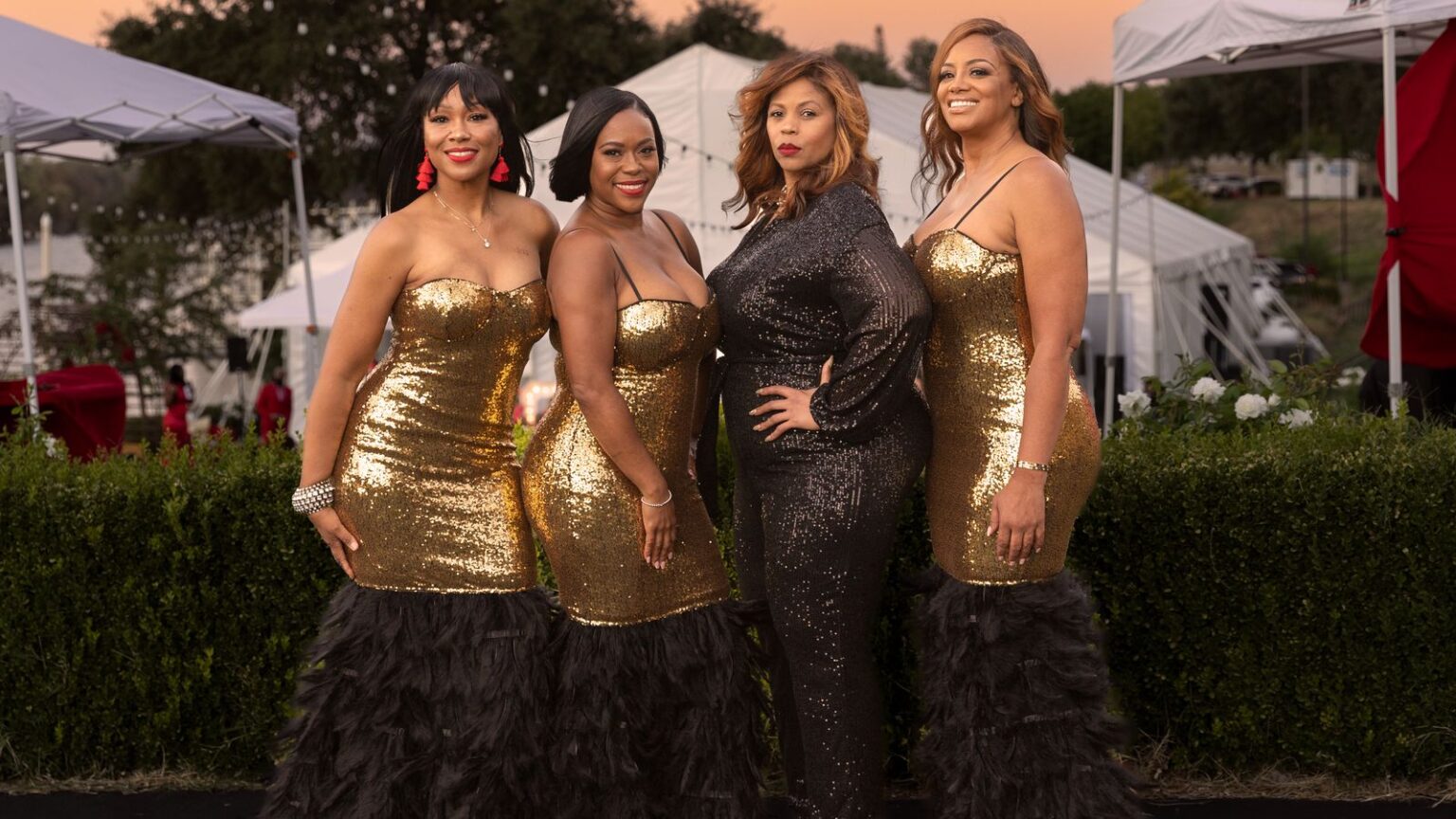
For a long time, bigger bodies were nearly absent from campaigns, runways, and styling advice. Clothes were shown on one narrow type of body, and everyone else was expected to adapt without complaint.
Vogue’s analysis of three years of runway data shows that straight‑size (US 0–4) looks rose from 95.6% of all looks in FW23 to 97.6% in FW26, while plus‑size (US 14+) looks fell from 0.6% to just 0.3%, showing how little space larger bodies still receive.
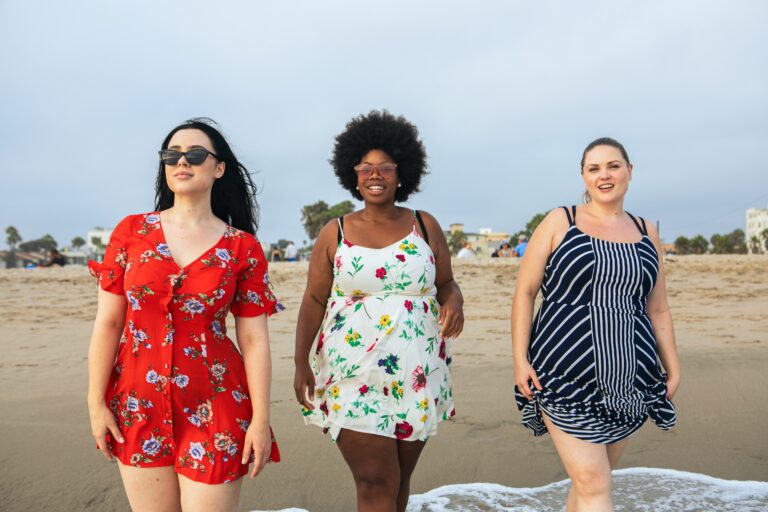
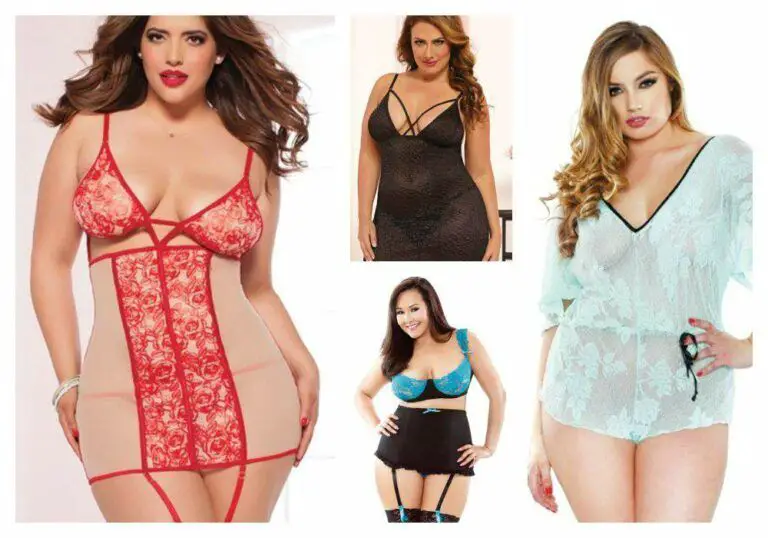
As more brands, editors, and stylists include a larger range of bodies, it becomes harder to pretend that style belongs only to the very thin. Seeing outfits on different shapes does not automatically fix everything, but it does give more people visual permission.
When you see someone with a body like yours wearing something bold, fitted, or playful, “lose weight first” starts to sound more like a rule you inherited rather than a truth you must obey.
Dressing Your Actual Body Makes Shopping Less Cruel
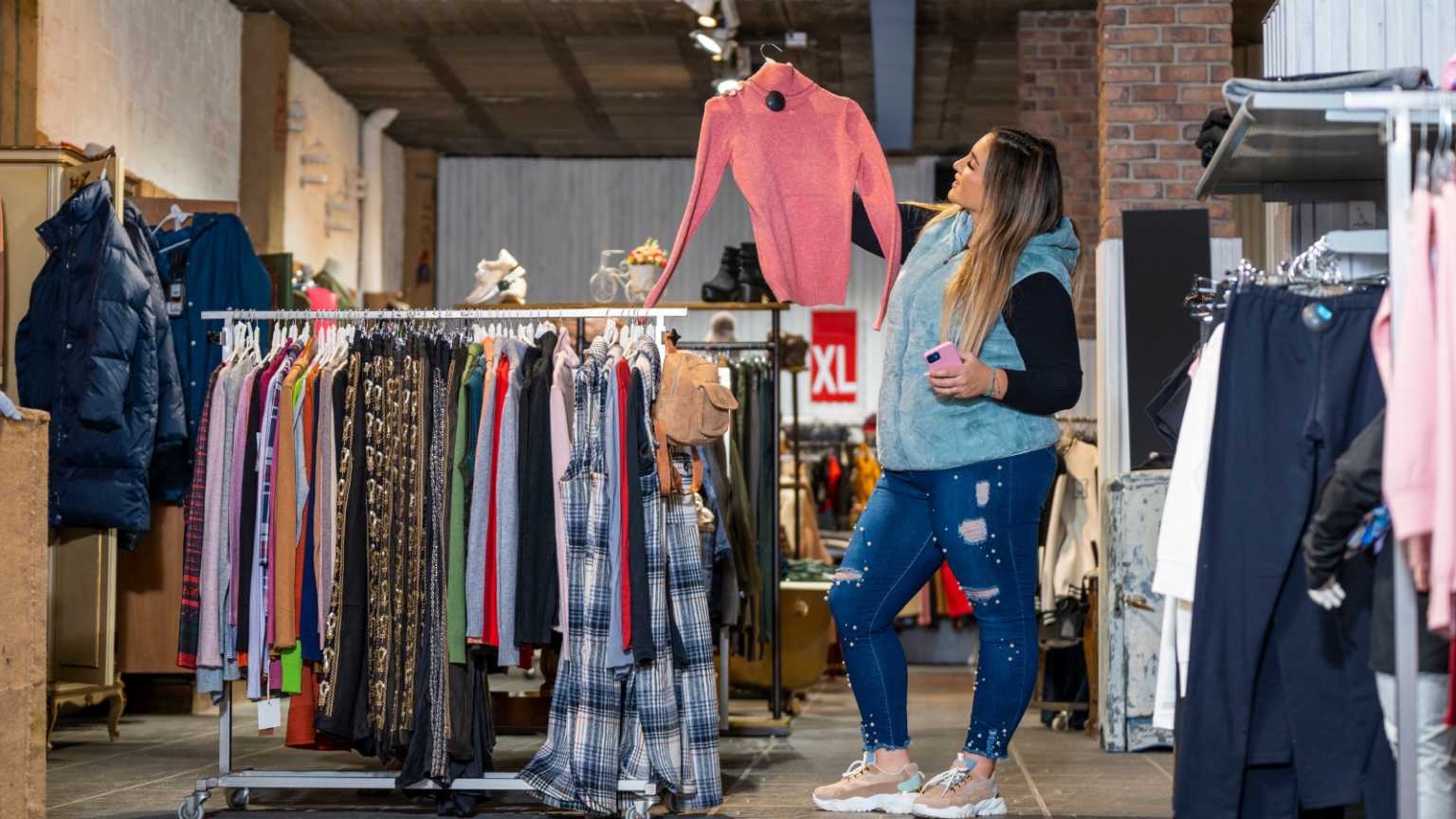
Shopping becomes much harsher when you treat every fitting room as a test of whether you deserve clothes. If you walk in expecting to “earn” styles only after enough weight change, every item that does not fit feels like evidence against you.
A UK survey of online shoppers found that about 30% of fashion items purchased online are returned each year, with poor fit named the main reason, showing how often the problem is sizing, not the person wearing the clothes.
Dressing the body you have shifts the goal from punishment towards problem-solving. You start asking different questions. Instead of “what is wrong with my body,” you ask “what cut or fabric would feel better on me.”
Personal Style Lives In The Body You Have, Not The One You Imagine
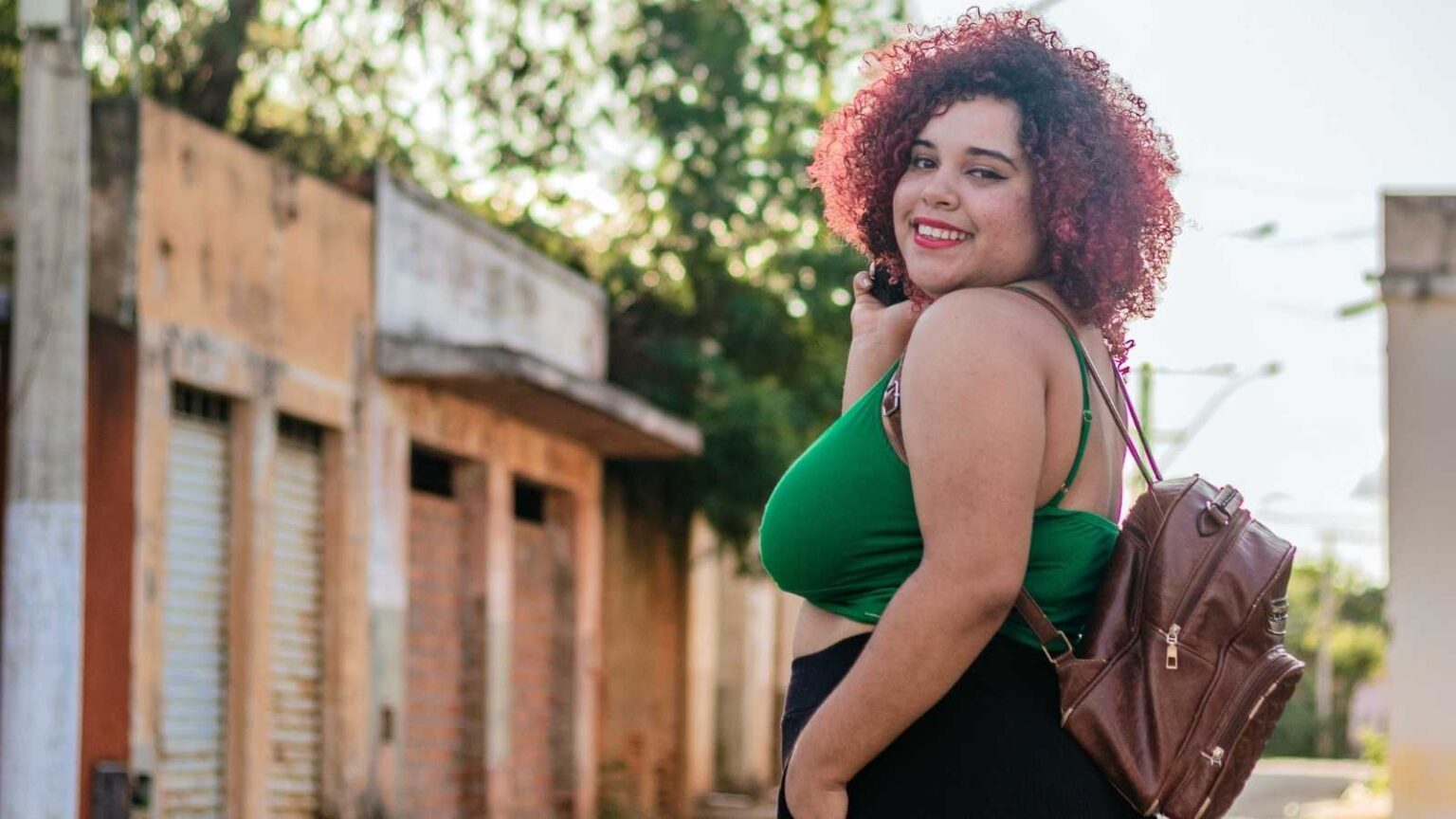
Real style comes from knowing what feels like you on your actual body. You learn how certain necklines, hems, fabrics, and colors sit on your frame and fit into your life. If you only dress for the body you hope to have one day, you never get to build that vocabulary.
Dressing the body you have lets you experiment. You find out which silhouettes make you feel powerful, which ones make you feel playful, and which ones make you feel most at home. Your style stops being a mood board and becomes something you can reach for in your wardrobe and wear.
It Makes Social Life Less Conditional
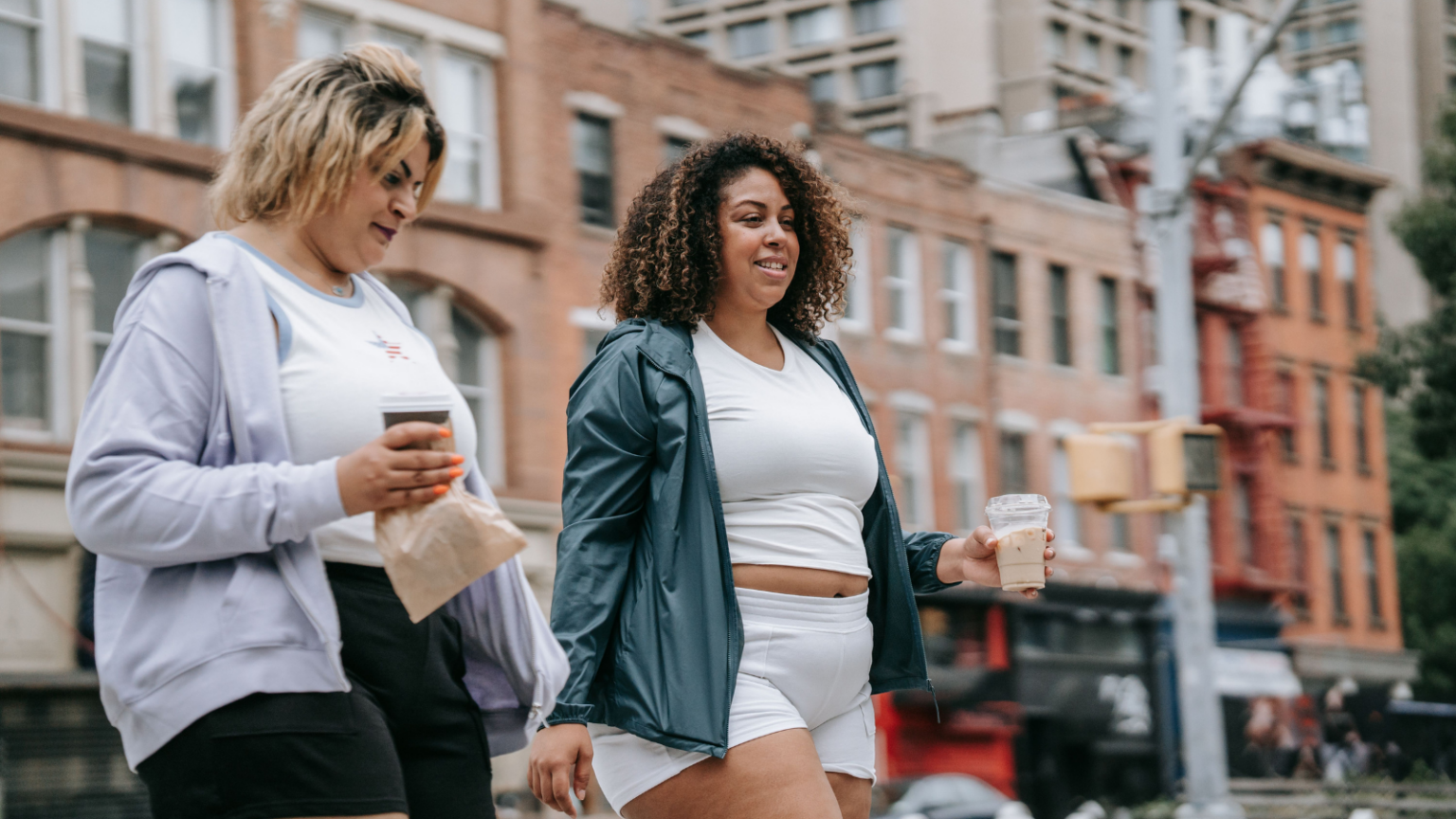
When clothes are conditional on weight change, social life often becomes conditional too. People decline invitations because they “do not have the right body for photos yet” or because they feel they must hit a goal before they deserve to be seen.
When you have outfits that fit and feel good, it is easier to say yes to brunches, parties, weddings, and everyday hangs.
Dressing the body you have removes one barrier between you and other people. Outfits become tools for showing up, not excuses for staying home. Your social life becomes less conditional and more about connection.
It Respects The Full Story Of Your Body
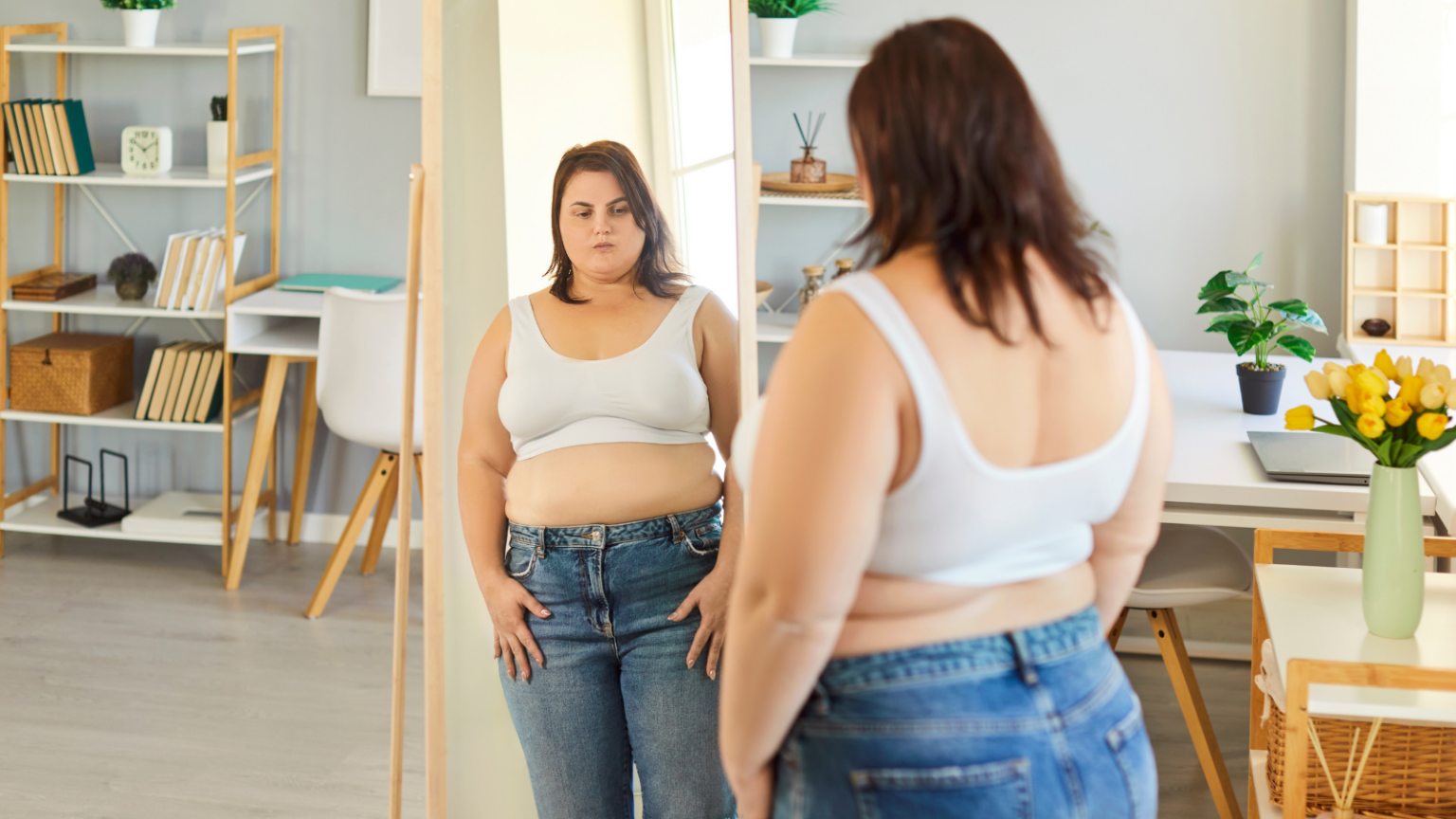
Bodies carry history: injuries, pregnancies, illness, skills, work, travel, and survival. “Lose weight first” reduces all of that to a single measurement. Dressing the body you have treats your body as a whole story, not just a project.
You start to think about what your body has done for you and what it lets you do now. Clothes become a way of honoring that, not hiding from it. You choose outfits that respect your comfort, your scars, your curves, and your needs, rather than pretending they do not exist.
It Makes Room For Real Change, If You Want It
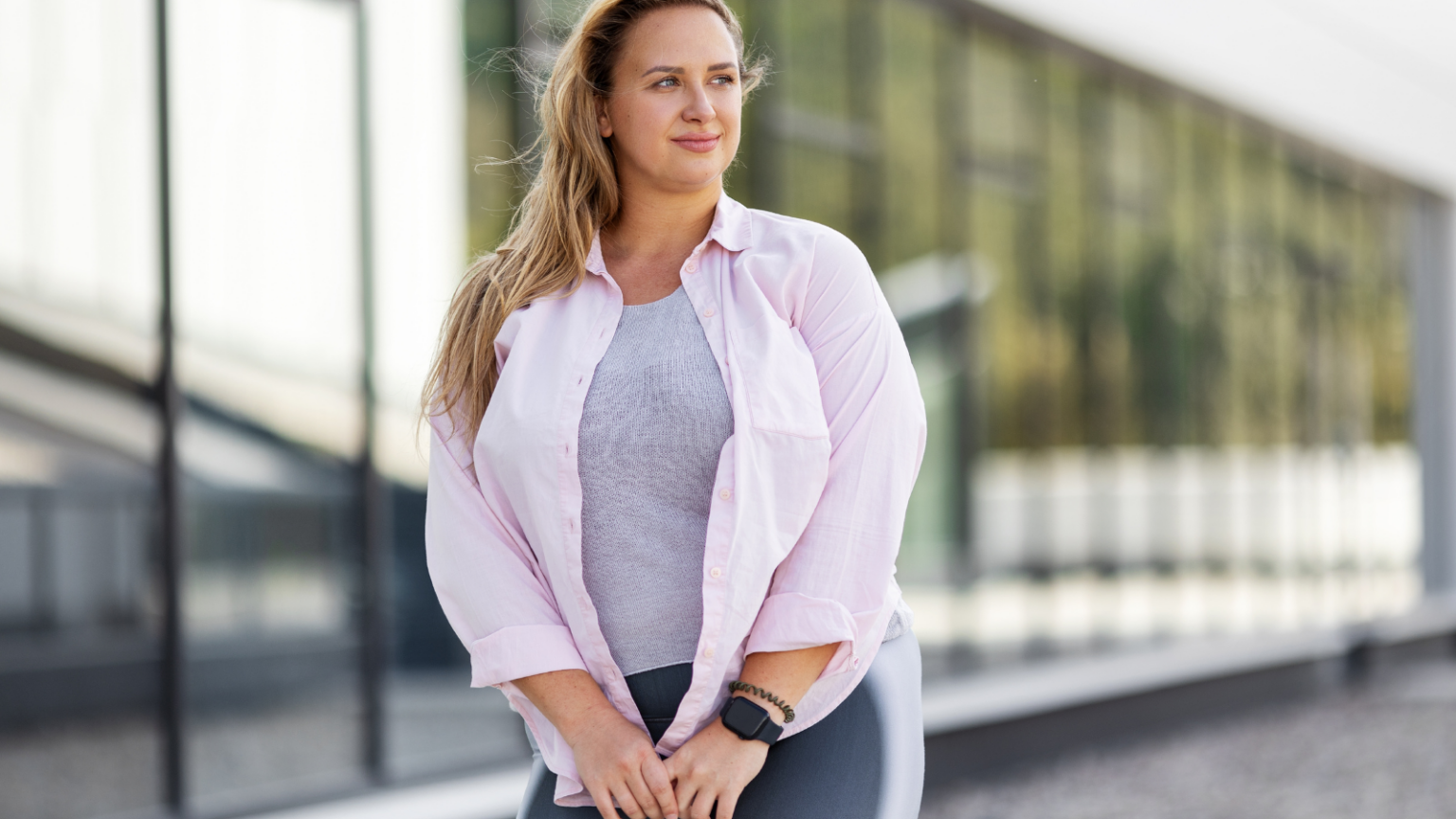
Ironically, dressing the body you have can make it easier to change it if that is truly something you want. When you are not living in constant punishment, you have more mental space to make choices based on your mental health, happiness, or long-term goals instead of panic.
You are more likely to make changes that feel sustainable rather than desperate. If your body never shifts in the way you once imagined, dressing it well now means you are not stuck in permanent limbo.
If it does shift, you have experience dressing yourself in multiple sizes and shapes. Either way, you have clothes and language for respecting your body instead of fighting it.
Key Takeaways
“Lose weight first” is losing its grip because more people are tired of putting their lives on hold until their bodies change. Dressing the body you have is not about ignoring health or refusing growth; it is about refusing to disappear while you wait.
When you dress for the life and body you currently live in, clothes stop being a punishment and become a way of saying, “I am allowed to exist, be seen, and feel good right now.”
Disclaimer: This list is solely the author’s opinion based on research and publicly available information. It is not intended to be professional advice.
Like our content? Be sure to follow us
MORE TCF GAMES