We want to be transparent with you about how we make money. This website uses affiliate links. This means that if you click on an affiliate link and make a purchase, we may receive a commission from the retailer. This commission comes at no additional cost to you
If plus size wardrobe staples truly didn’t work for our bodies, we’d all be walking around in chaos by now. And yet, here we are: dressed, styled, and absolutely showing up.
Fashion loves to gaslight plus size women with phrases like “universally flattering” and “timeless essential.” Meanwhile, the buttons are gaping, the blazer won’t close, and the jeans are fighting for their lives.
The truth? Plus size women have always worn the classics. We just learned the hard way that not every version was designed for us. That doesn’t mean white button-downs, denim, or blazers are off-limits. It means discernment is the real style essential.
Here’s what no one says out loud: the classics aren’t broken; the design often is.
This is your guide to making plus size wardrobe staples work, not by playing it safe, but by knowing the details that matter.
When you understand which construction details, fabrics, and proportions actually serve plus size bodies, wardrobe staples stop feeling like a gamble and start feeling like power pieces. This isn’t about replacing the classics. It’s about reclaiming them.
Why Plus Size Wardrobe Staples So Often Feel Boring
There’s a pattern worth calling out.
When brands decide to “enter” plus size, they almost always start with staples and essentials. In theory, that sounds promising. In practice, what we usually get is safe, bland, and painfully basic. Neutral palettes. Conservative cuts. Pieces that feel more like placeholders than expressions of style.
That’s not accidental. Many brands treat plus size as a test category, not a creative one. Staples feel lower risk, easier to justify internally, and less threatening than trend-driven pieces. The unspoken message? Start here. Don’t ask for too much yet.
But here’s the truth: plus size wardrobe staples should be the foundation of your style, not the part you tolerate until you get to the “fun” pieces.
Knowing where to look and what to look for is how plus size women give their essentials personality, edge, and flair. A white button-down can be modern. Denim can be directional. A blazer can be fashion-forward. The difference isn’t the category… it’s the execution.
The White Button-Down Shirt (Still Elite)
A white button-down is timeless. Full stop. The problem has never been the shirt, it’s been bust engineering and fabric choice.
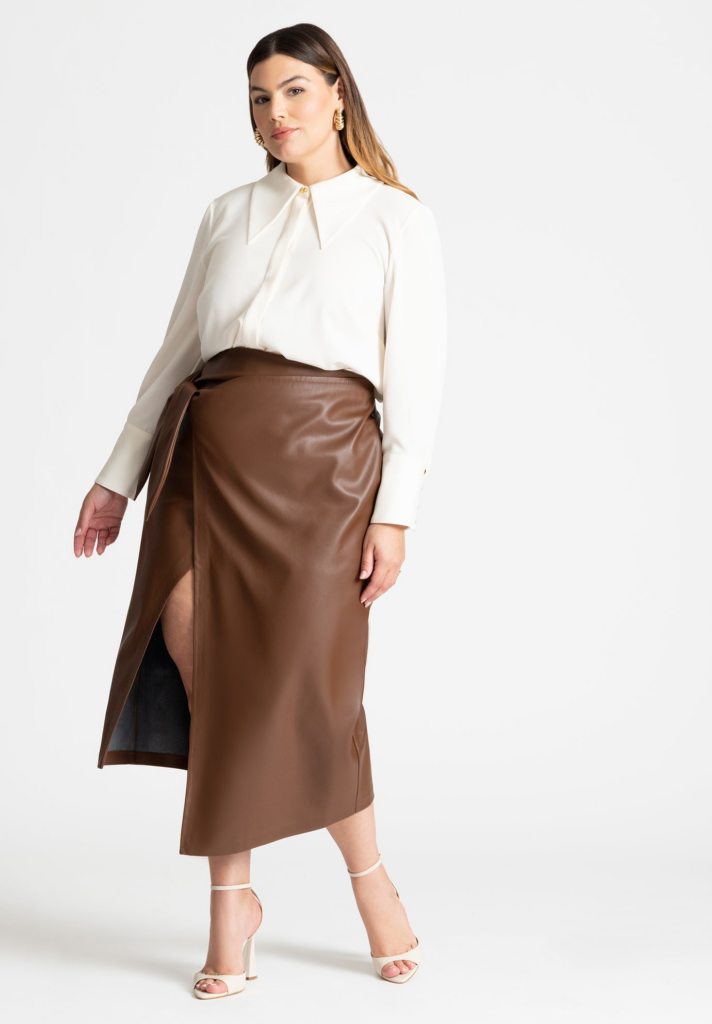
Stylist Tan France has repeatedly emphasized that fit and proportion matter more than trend, noting that tailoring is often what separates a piece that looks intentional from one that looks unfinished.
What to Look For:
- Hidden or reinforced buttons at the bust
- Stretch cotton or poplin blends
- Princess seams or strategic darting
- A clean shoulder fit first
Brands like Lane Bryant, Baacal, and Street & Saddle understand that a button-down should work with curves, not against them.
Style tip: Wear it slightly open at the collar with relaxed denim or tailored trousers for effortless polish.
Denim (Including Skinny Jeans)
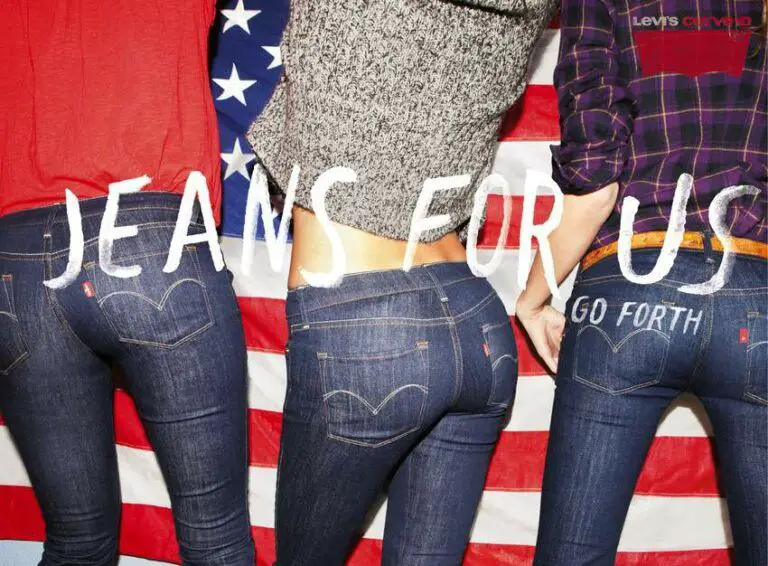
Plus size women don’t need permission to wear skinny jeans or any denim silhouette. What matters is construction, rise, and balance.
Stylist Allison Bornstein often talks about using denim as a supporting player, not the entire outfit, emphasizing balance over body rules.
What to Look For:
- High-rise that hits the natural waist
- Contoured waistbands
- Strong stretch recovery
- On-trend silhouettes like barrel, straight, relaxed, and yes, skinny
Skinny jeans still work, but now they’re part of a broader denim conversation, not the only option.
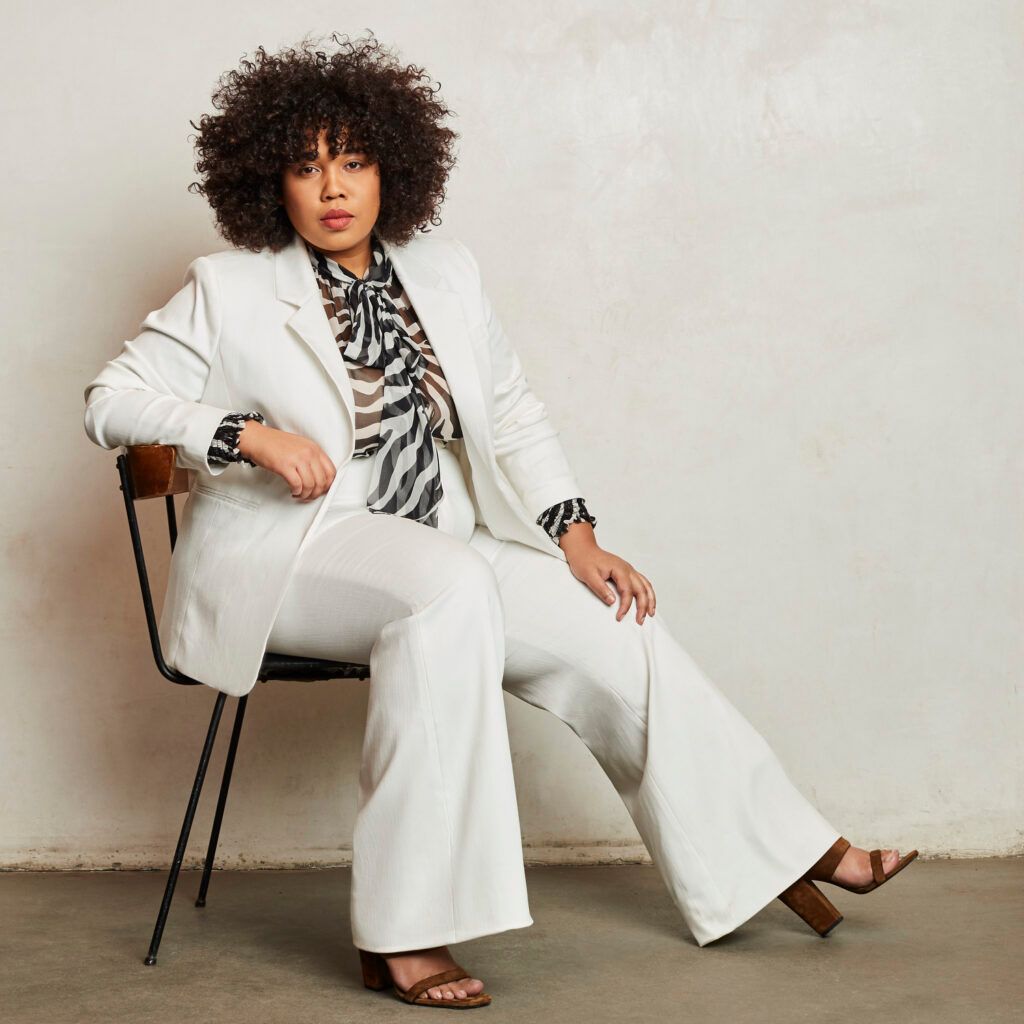
Blazers (This Is Not Where You Compromise)
Blazers are a power move, not a consolation prize.
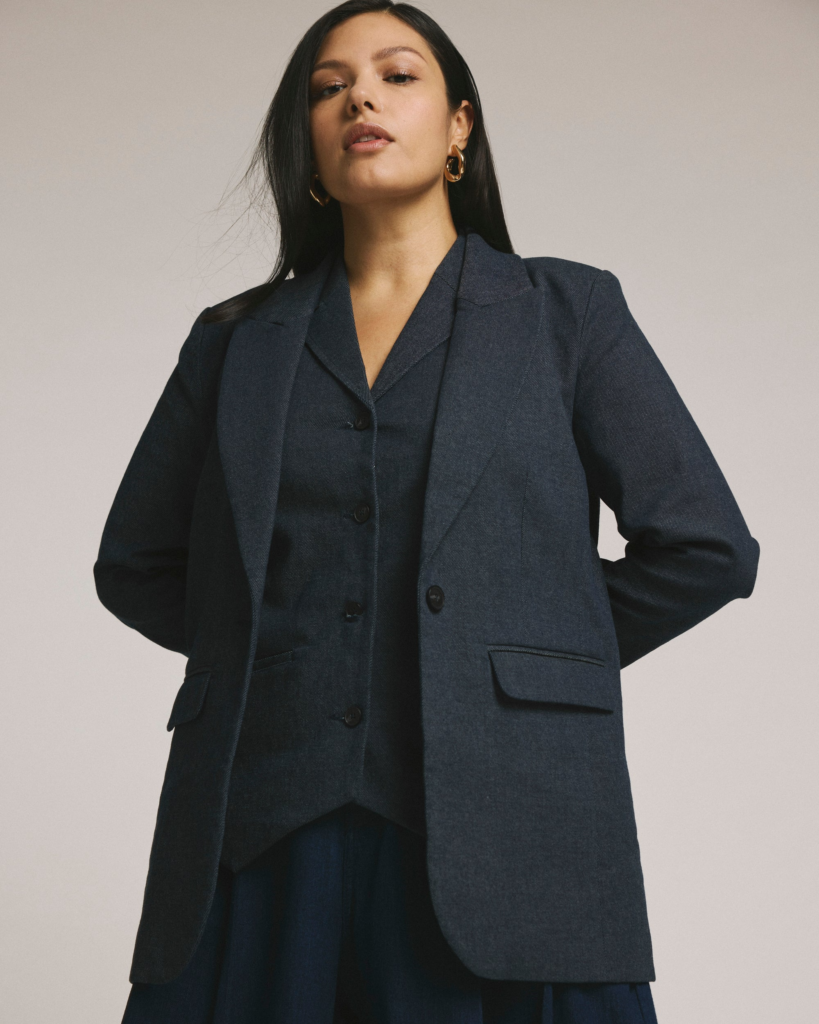
Fashion authority Tim Gunn famously called the lack of proper plus size design a failure of the industry, not the body.
What to Look For:
- Stretch lining or ponte fabrication
- Bust-aware button placement
- Roomier armholes
- Defined shoulders
Brands like Eloquii, Universal Standard, Torrid, Anthropologie, and Baacal offer everything from sharp tailoring to oversized fashion silhouettes.
TCF Power Move: Buy for shoulders and bust, then take it to a tailor. A blazer is meant to be finished.
Wrap Dresses (Still a Classic, Still Valid)
Wrap dresses aren’t universally “flattering”, but they are incredibly effective when designed properly.

What to Look For:
- Internal snaps or buttons for security
- Generous overlap across the bust
- Heavier fabrics with drape, not flimsy jersey
A wrap dress should feel secure, intentional, and easy; not like a negotiation every time you move.
Tucked-In Shirts (Innovation Changed the Game)
The tucked-in look isn’t a myth; it just needed better design.
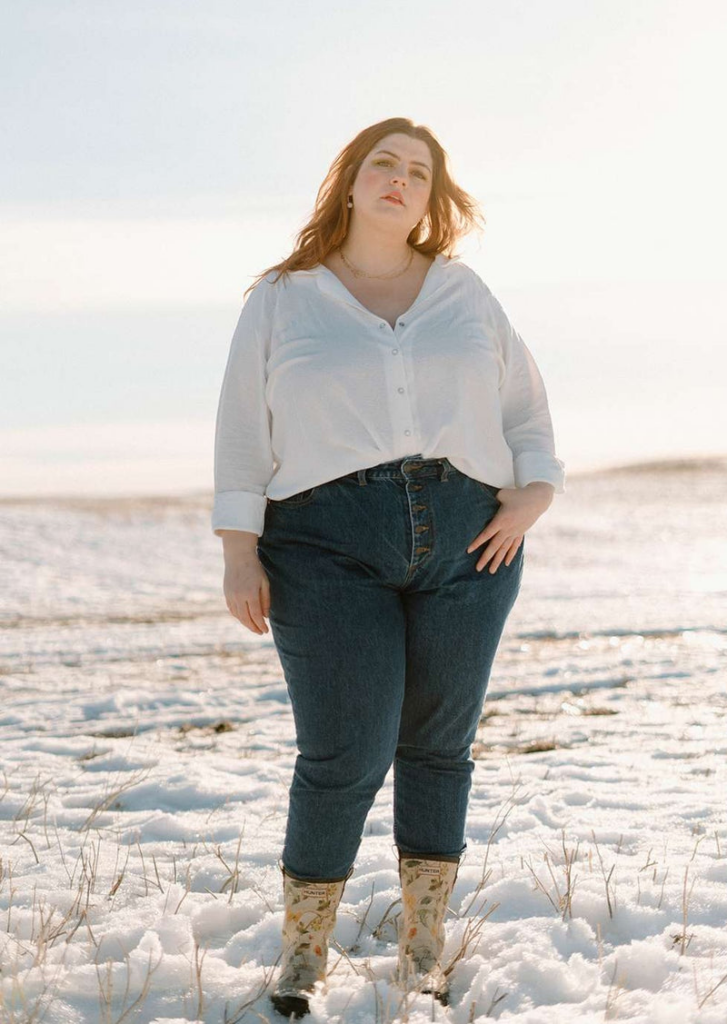
Bodysuits, longer tops, and stretch fabrics have made this staple far more wearable.
What to Look For:
- Bodysuits with snap closures
- Shirts intentionally cut longer for tucking
- Fabrics that skim instead of cling
Ballet Flats (Support Is Style Now)
Ballet flats are timeless, flimsy ones are not.
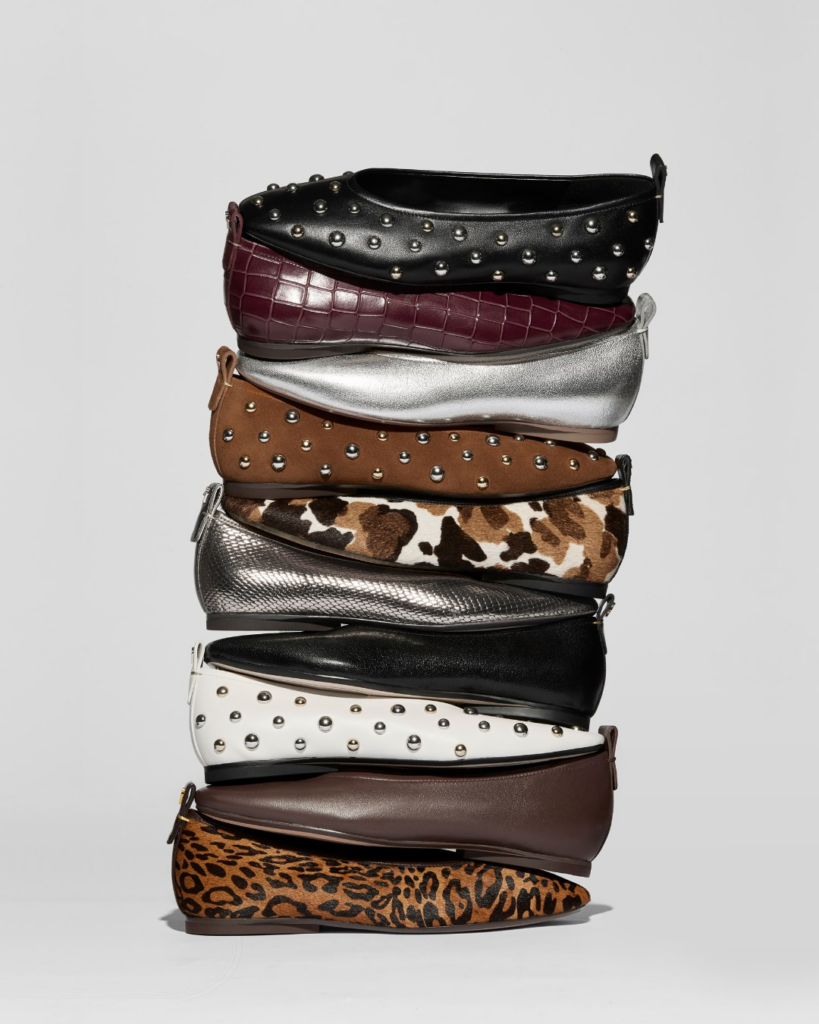
Footwear experts consistently stress the importance of arch support and structure for all-day wear.
What to Look For:
- Cushioned footbeds
- Wider toe boxes
- Structured soles
Style tip: Almond or pointed toes elevate the look instantly.
Cardigans, Proportion, and the Rule of Thirds
Cardigans aren’t the problem, where they hit is.
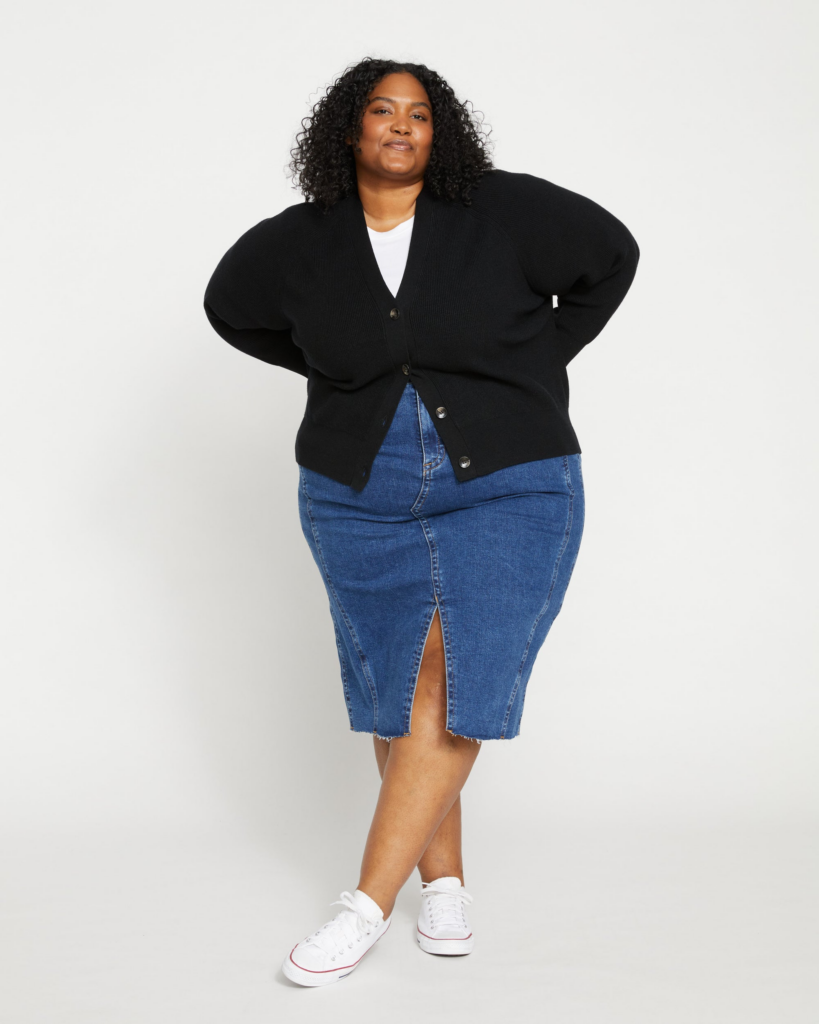
Understanding proportion is key, which is why the Rule of Thirds remains one of the most useful styling tools for plus size wardrobes.
What to Look For:
- Lengths that hit above or below the widest part of the hip
- Intentional layering that creates visual flow
Your Wardrobe, Your Rules
Plus size wardrobe staples were never the problem. Settling for uninspired design was.
When you know how to spot thoughtful construction, intentional proportions, and quality fabrics, the classics stop feeling basic and start feeling powerful. A white button-down can command a room. Denim can be directional. A blazer can say exactly what you want it to say before you even speak.

Your wardrobe staples should feel like anchors, not afterthoughts. They should reflect your style, your confidence, and your point of view. When the fit is right and the details are intentional, “basic” becomes anything but boring.
Style at this level is not about having more clothes. It’s about having better standards. And once those standards are set, your essentials stop blending in and start leading the conversation.
So, wear the button-down. Buy the blazer. Try the denim. Just do it with discernment, personality, and the full understanding that your essentials deserve just as much flair as your statement pieces.