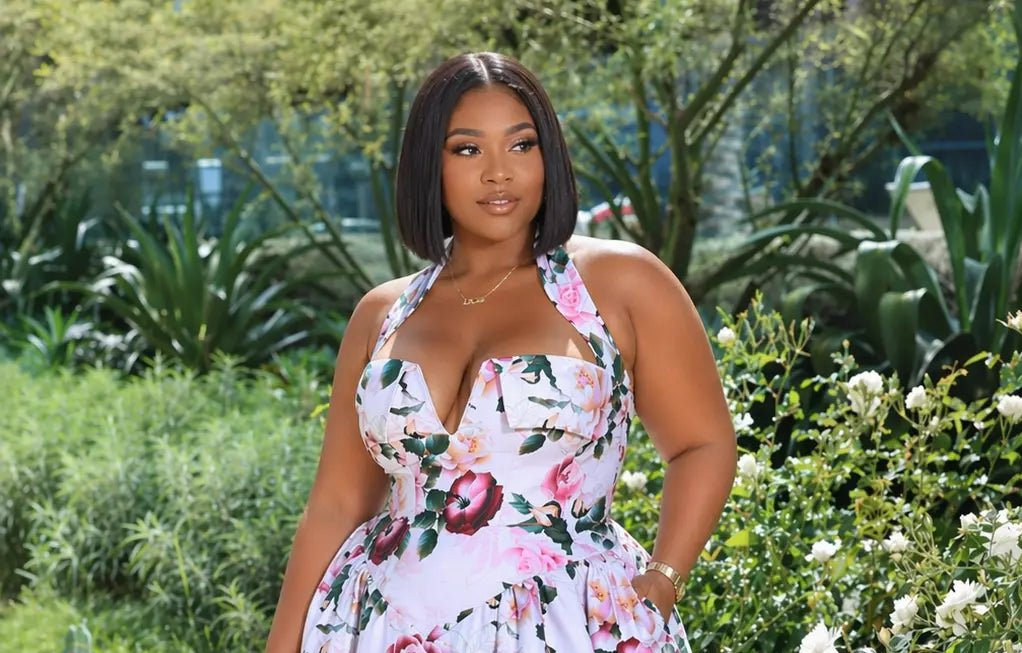
Someone, somewhere, decided that plus size women needed a rulebook. Nobody asked them. Nobody elected them. And yet here we are, decades later, still hearing the same tired plus size style rules like it’s gospel handed down from a mountain.
Vertical stripes only. Dark colors always. Hide your arms. Avoid horizontal prints. Cover up. Minimize. Disappear.
Someone sat down, wrote all of that out, and then had the audacity to call it style advice. And it wasn’t care. It wasn’t expertise. It was an industry that looked at plus size bodies and saw a problem to be managed, with fashion as the tool to do it.
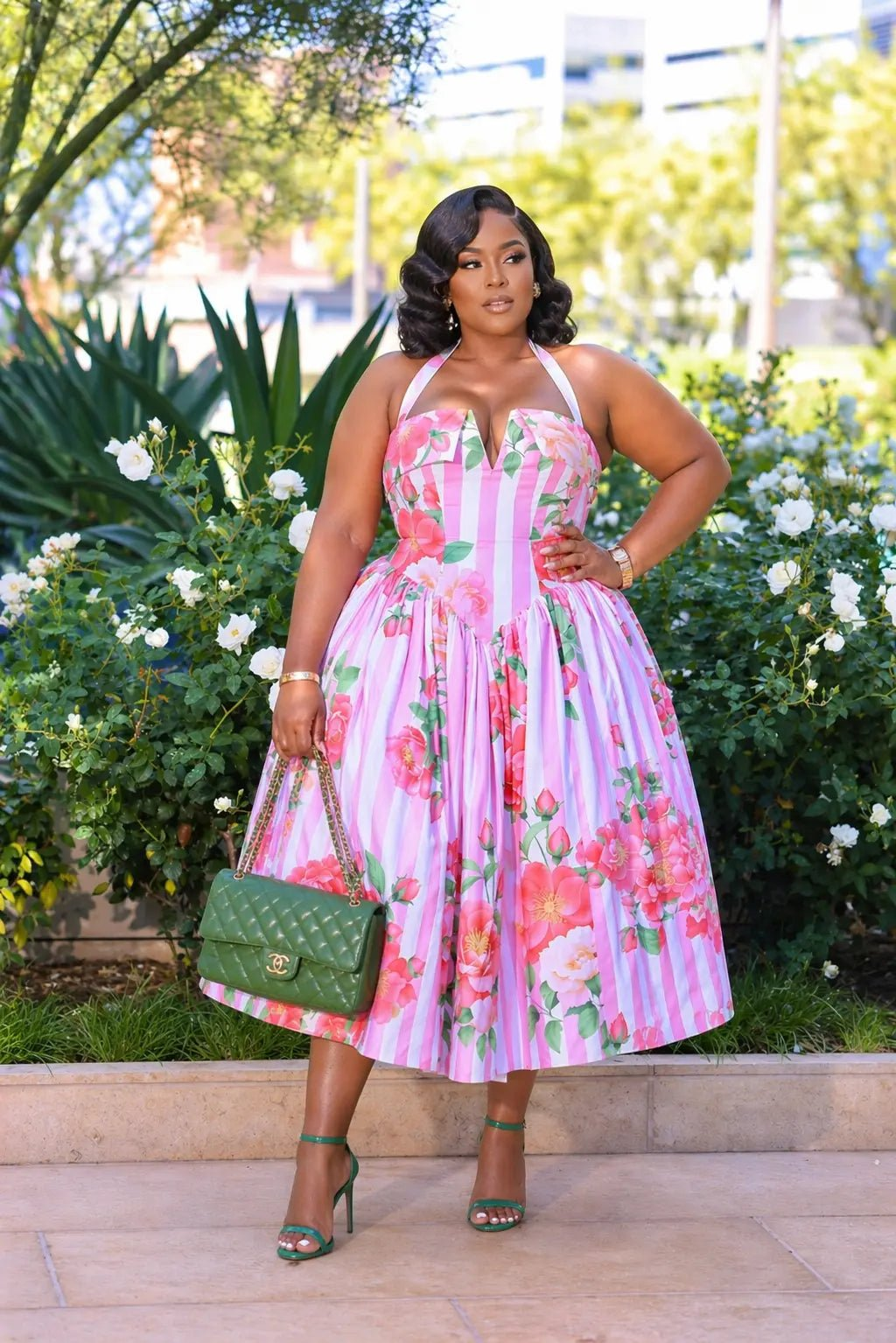
We followed them because we were told they would help us look more “appropriate.” More “put together.” More acceptable to a world that hadn’t decided yet whether we deserved to be seen.
We’re done. Not because the rules never worked. Some of them are genuinely just aesthetic preferences that happen to look great on certain bodies. We’re done because we didn’t make these rules, we never got a say in them, and we’ve been dressing around someone else’s discomfort for long enough.
Here’s what we’re walking away from in 2026, and what we’re building in its place.
The Plus Size Style Rules We’re Done Following
“Only Wear Dark Colors to Look Slimmer”
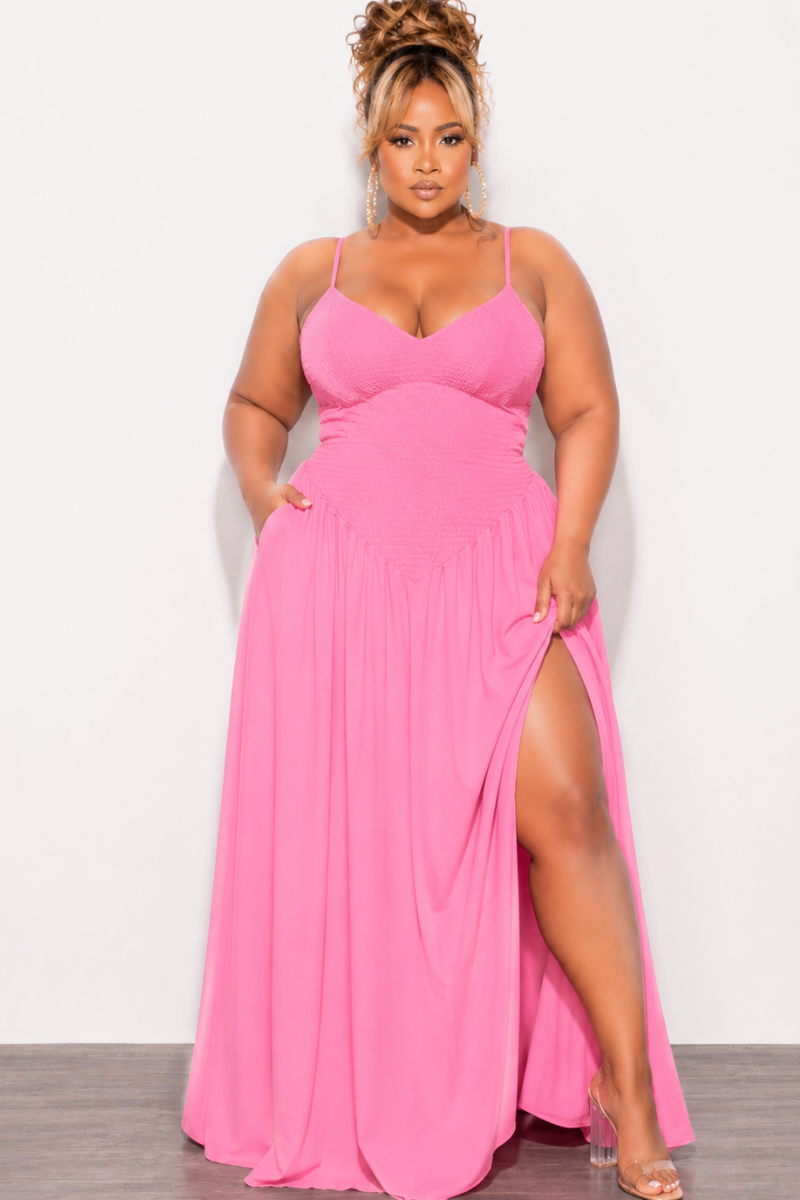
Dark colors are beautiful. They’re also not a requirement.
The idea that plus size women should default to black, navy, and charcoal to appear smaller assumes that appearing smaller is the goal. It isn’t. The goal is to get dressed in the morning feeling good about what you put on your body.
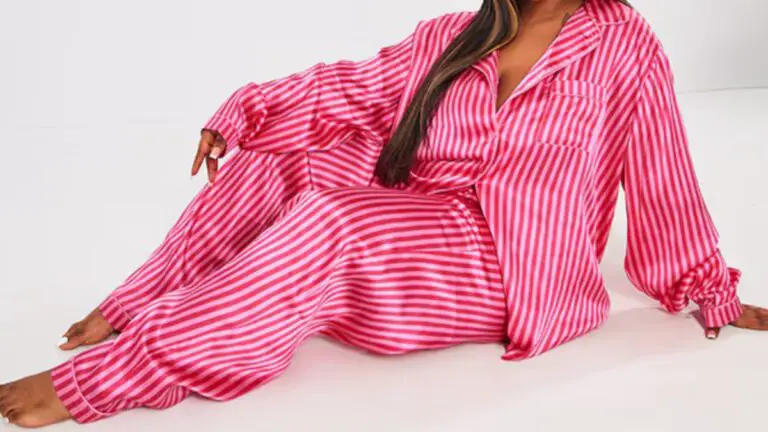
Bright pinks, bold reds, electric blues, sunny yellows: these colors exist for all of us. Color is joy. Color is personality. Color is showing up to a room and not apologizing for being there.
Wear dark colors because you love them. Wear color because you love that too. Neither choice is a strategy. They’re both just fashion.
“Avoid Horizontal Stripes at All Costs”
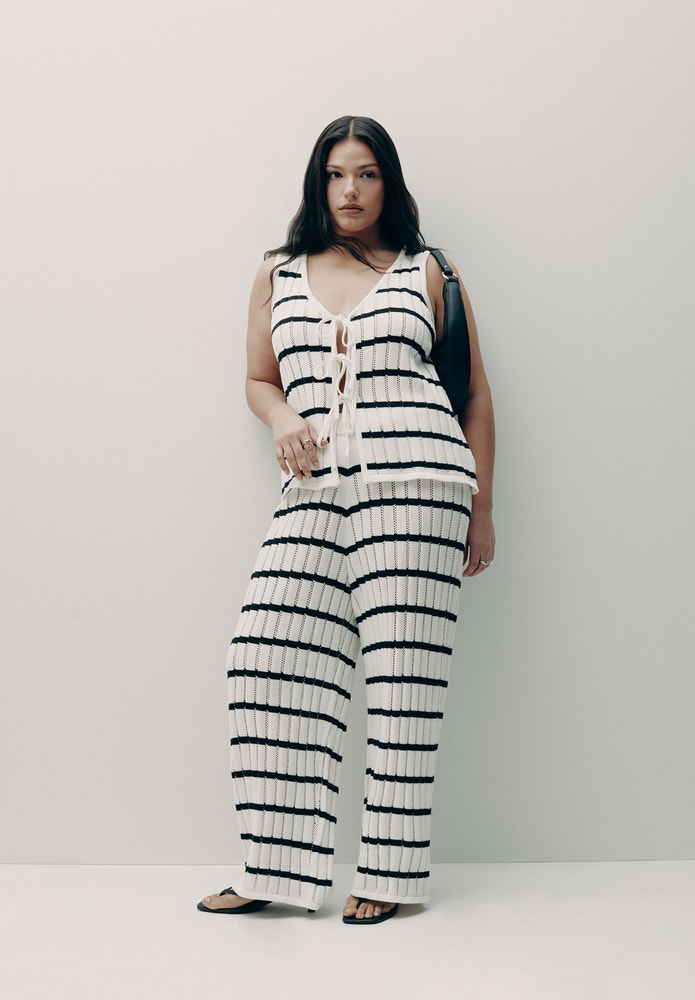
This one has been debunked so many times it barely deserves a full paragraph.
Horizontal stripes are not a body type conversation. They’re a pattern. They’ve been worn by stylish women of every size for decades and they look incredible on plus size bodies when paired with intention and confidence.
A striped Breton top with high-waisted trousers. A wide-stripe maxi dress in summer. A bold rugby shirt worn open over a white tee. None of these are fashion mistakes. They’re outfits.
The only thing a horizontal stripe “does” to a body is cover it, the same thing every other piece of clothing does. Wear them if you love them.
“Always Cover Your Arms”
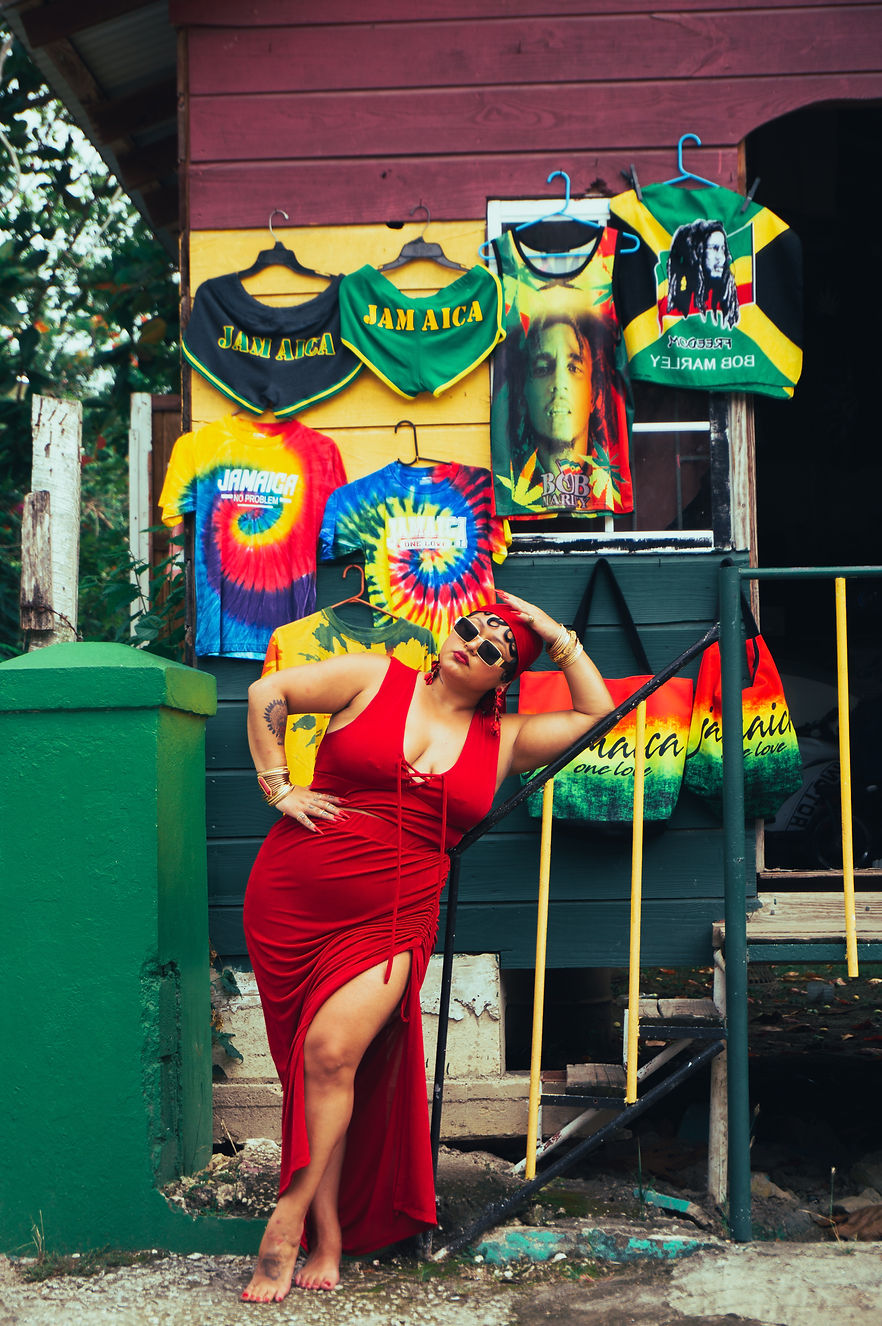
It is June. It is hot. Your arms deserve to feel the breeze.
The advice to keep plus size arms covered under cardigans and shrugs year-round was never about aesthetics. It was about making other people comfortable with a body that wasn’t theirs. That’s a terrible reason to sweat through summer.
Sleeveless tops, tank tops, spaghetti straps, strapless dresses: all of it is available to you, all year, based entirely on what you want to wear and how you want to feel. There is no dress code that requires you to hide your arms, and there never was one worth following.
“Stick to Loose, Flowing Fabrics”
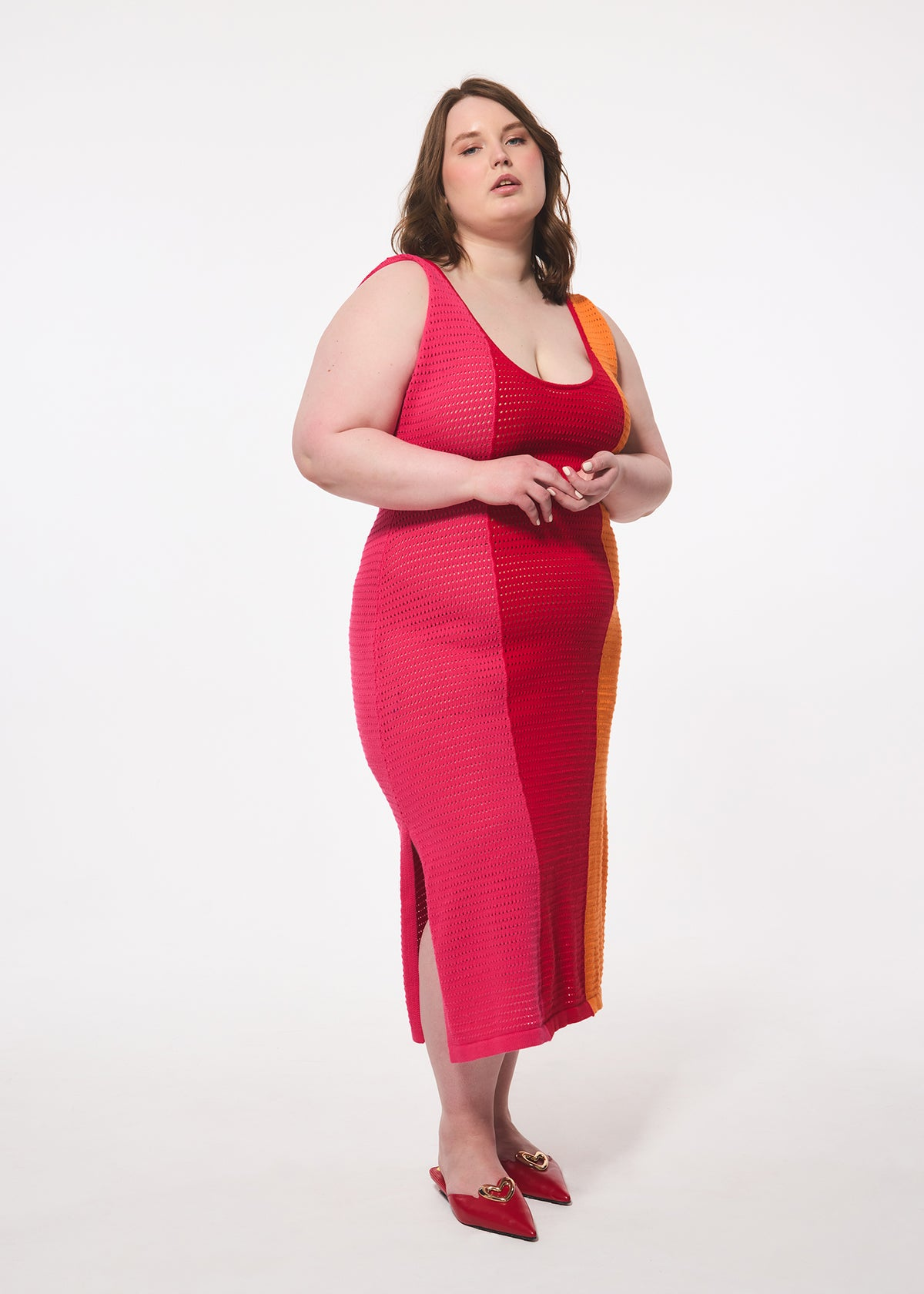
Loose and flowing is a vibe. It’s a beautiful one. It is also not the only option.
For years the styling advice for plus size women steered heavily toward draping, away from anything fitted or structured, because fitted clothing on plus size bodies was considered “too much.” Too revealing. Too confident. Too visible.
That framing was always the problem, not the fitted clothing.
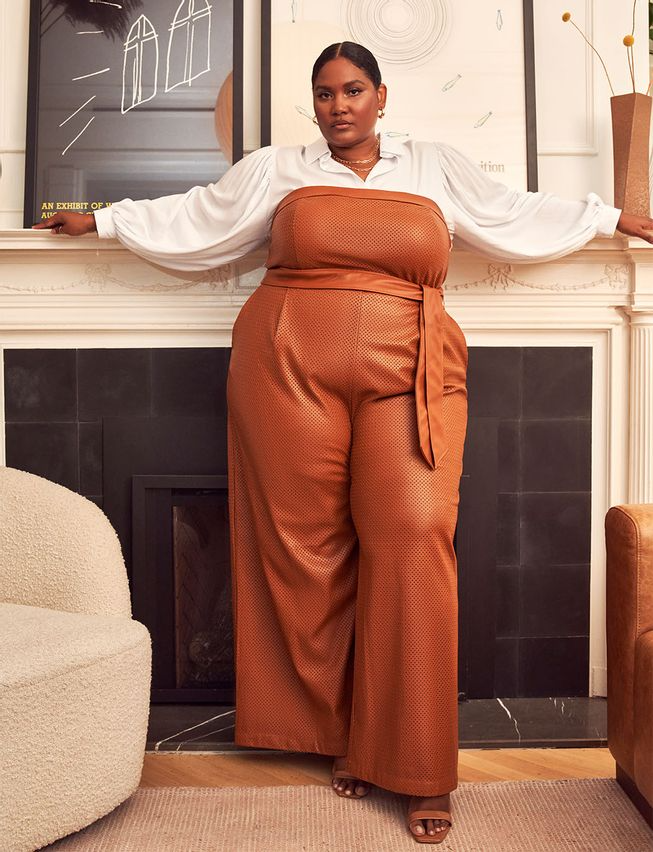
Bodycon dresses, tailored blazers, structured trousers, fitted knit sets: these all work on plus size bodies. They work because clothes that actually fit and follow the shape of your body tend to look intentional and polished. Draping everything to obscure the shape underneath isn’t a styling trick. It’s a workaround that assumes the body itself is the issue.
The body is not the issue. Wear what fits. Wear what you love. Both options are valid.
“Avoid Bold Prints and Patterns”
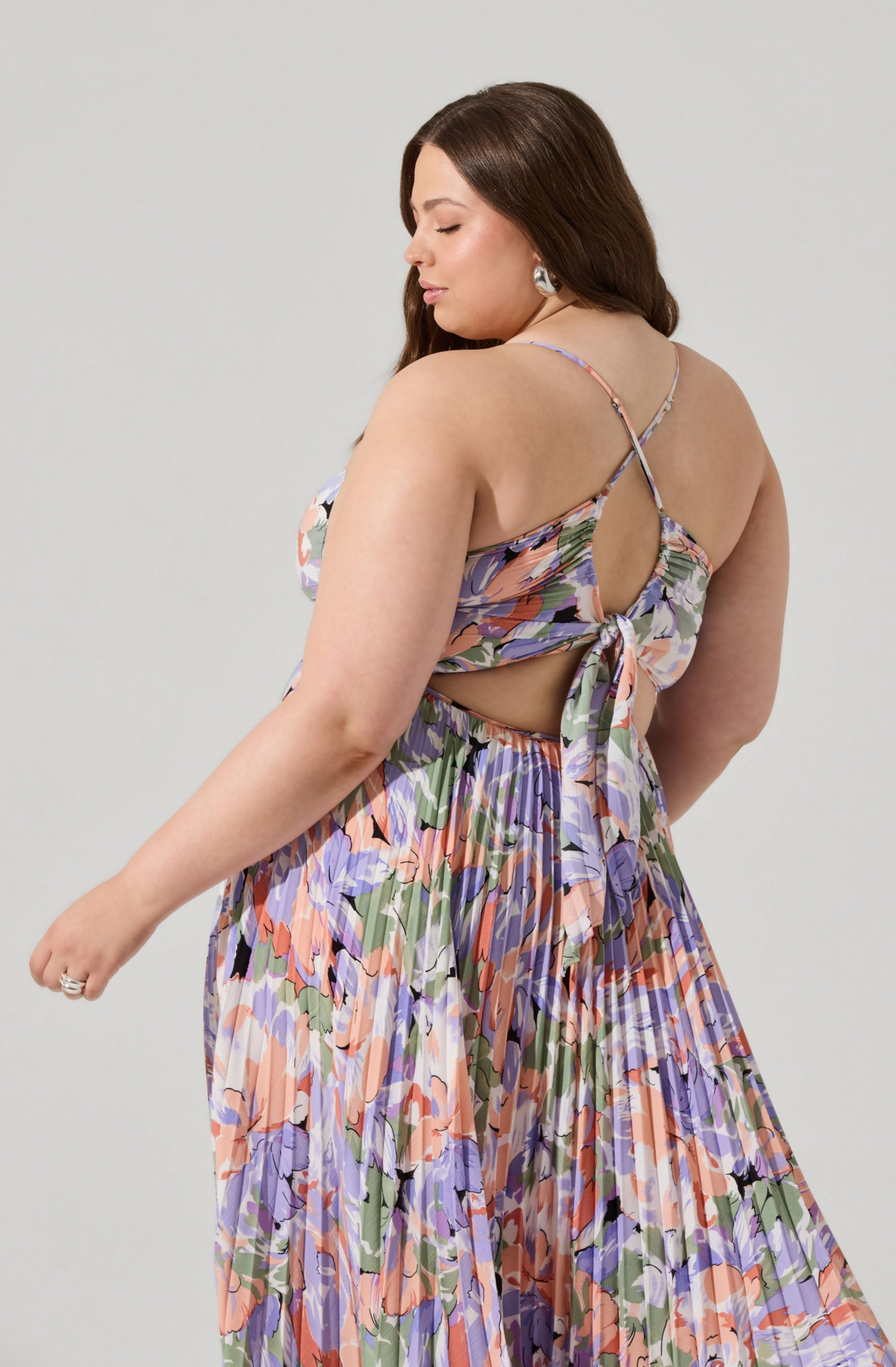
The reasoning behind this one was always that bold prints “draw attention” to plus size bodies. As if that were inherently bad.
Leopard print, florals, abstract geometrics, color-blocked maximalism: all of it reads as confident, intentional style when worn by someone who owns it. And plus size women own it constantly.
Bold prints are not a privilege reserved for straight sizes. They are fabric. They belong to anyone who wants to wear them.
If a print makes you feel electric when you put it on, that’s the entire point of fashion. Wear it.
“Never Wear Crop Tops”
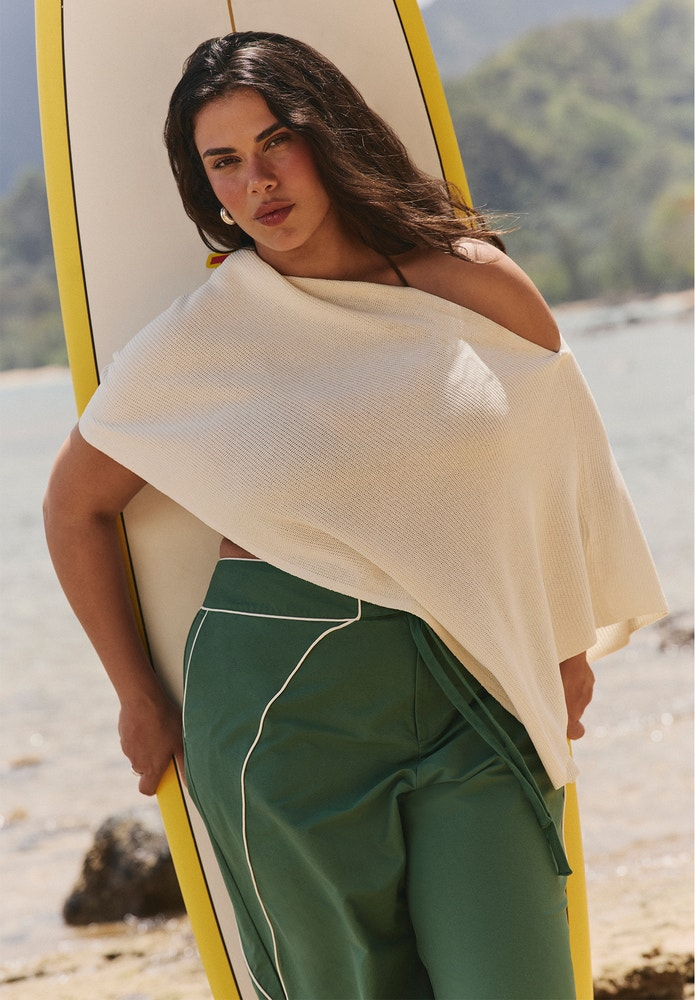
The belly being visible was treated as a scandal. It still makes some people deeply uncomfortable. That discomfort belongs entirely to them.
Crop tops are comfortable, versatile, and genuinely great for warm weather. Paired with high-waisted bottoms like trousers, jeans, or a midi skirt, they create a clean, proportional look that works on a wide range of bodies including plus size ones.
The argument that plus size women shouldn’t show their midsections was always rooted in the idea that plus size bodies are somehow less deserving of ease and self-expression. We’ve never accepted that argument and we’re not starting now.
“Only Wear Heels to Elongate Your Frame”
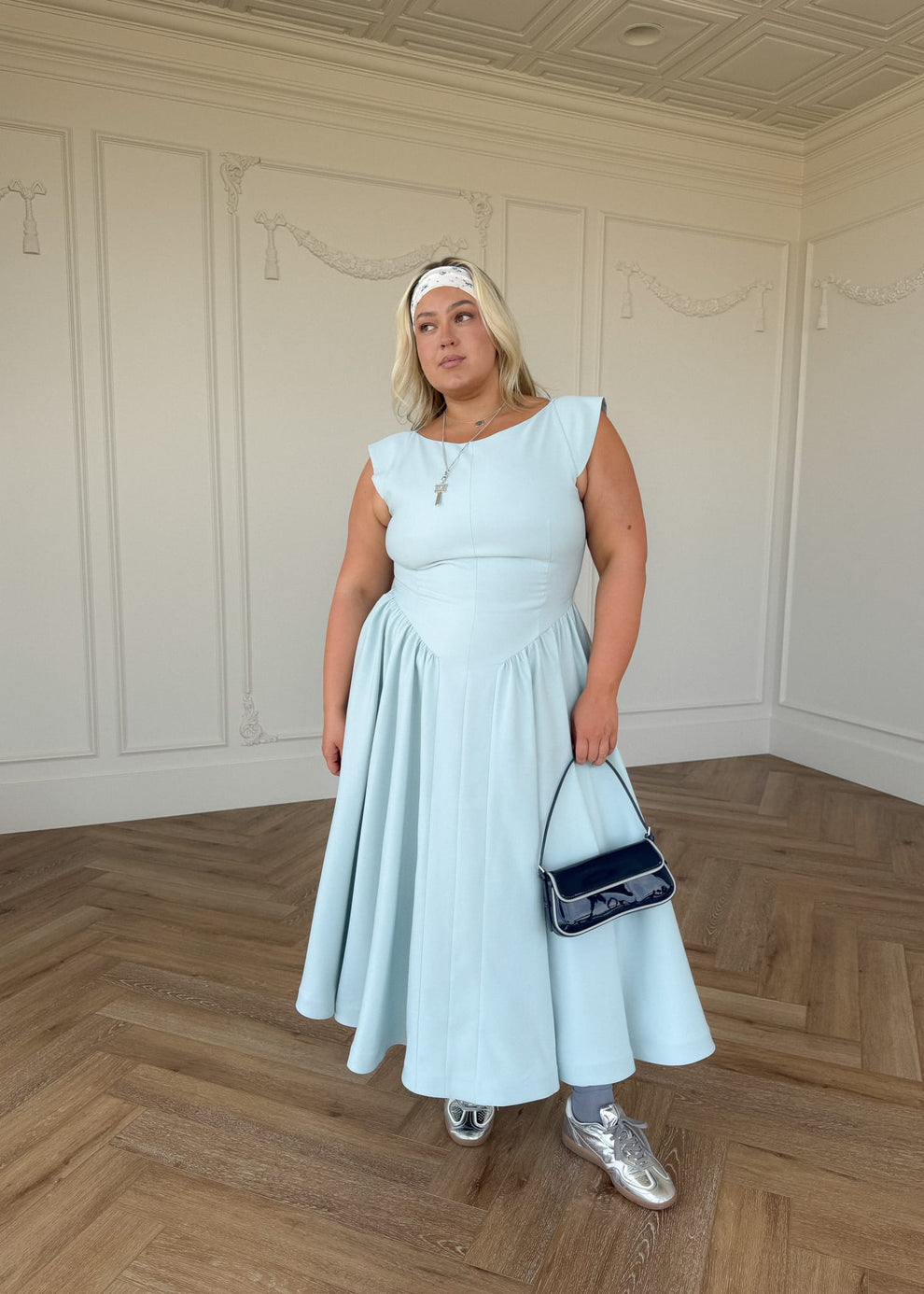
The heel advice existed to create the illusion of a leaner, longer silhouette, which assumes again that the goal is to appear as un-plus-size as possible.
Sneakers with dresses look great. Flat sandals with maxi skirts look great. Chunky loafers with wide-leg trousers look great. Your shoes should serve your comfort, your lifestyle, and your personal aesthetic, not a visual correction that no one asked you to make.
Heels are beautiful and worth wearing when you want to wear them. They are not a corrective tool.
“Stay Away from Bodycon Dresses”
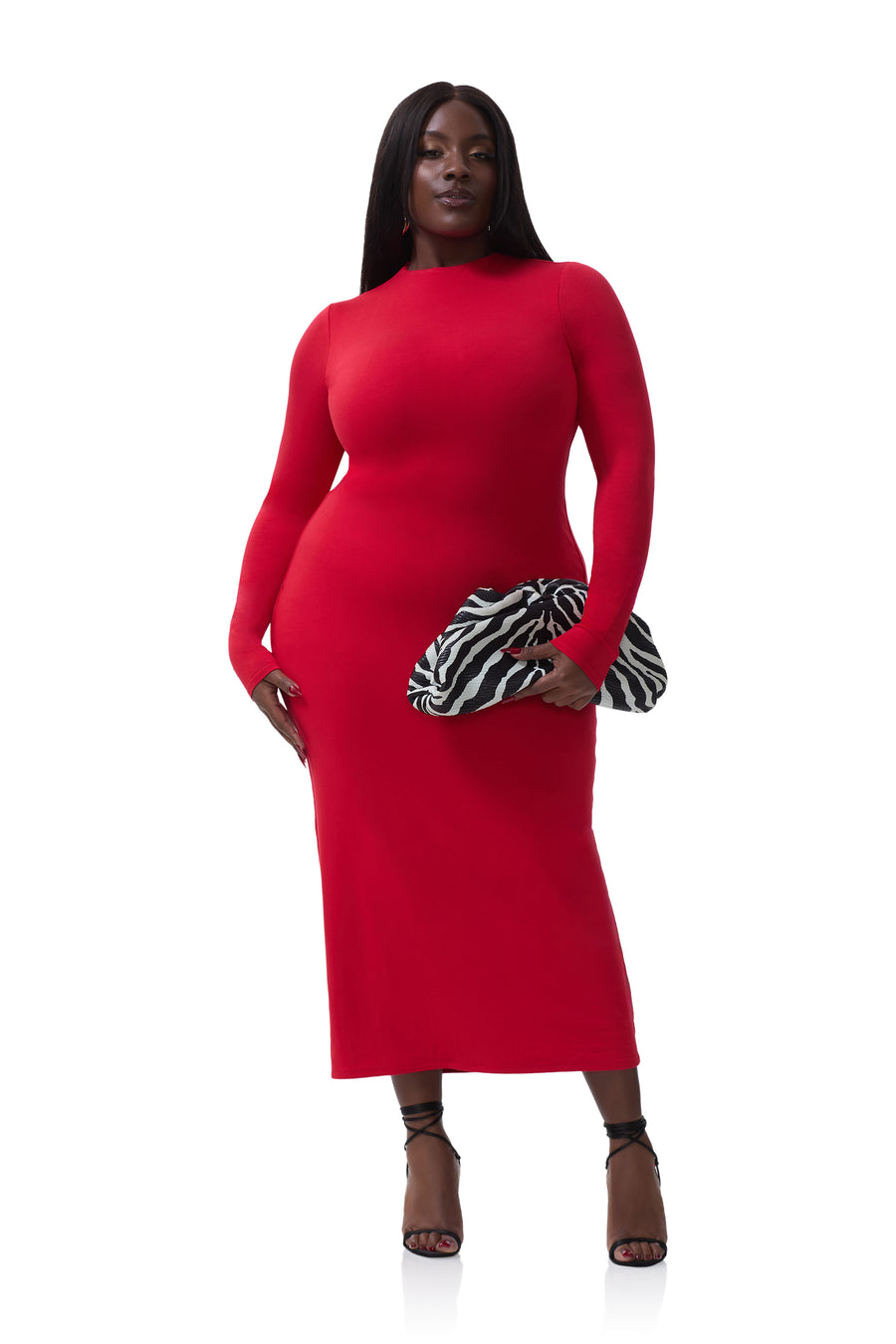
This was always the most personal restriction, and the most revealing one.
The logic was that fitted dresses on plus size bodies were “too much,” too revealing of a shape that fashion hadn’t decided yet was acceptable. That logic was never about taste. It was about visibility. About who gets to take up space and in what form.
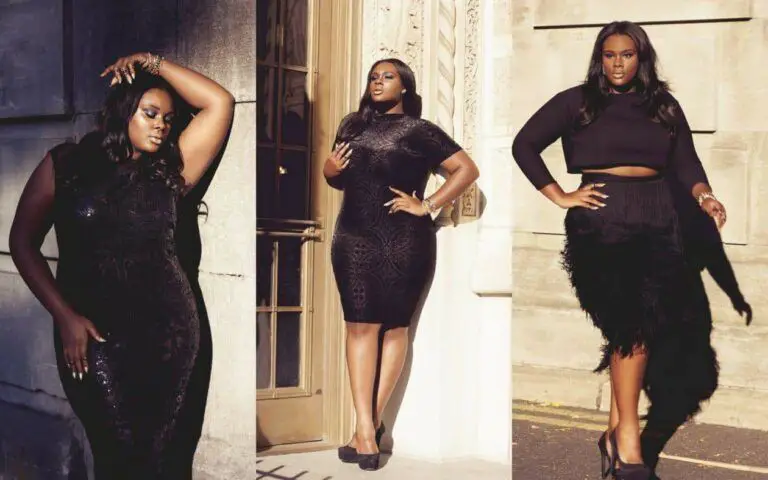
A well-fitted bodycon dress on a plus size body is not a fashion mistake. It’s a plus size woman deciding she wants to be seen, and dressing accordingly.
Find the right fabric, the right stretch, the right length for your comfort level. Then wear the dress.
“Dress to Hide Your Curves, Not Show Them”
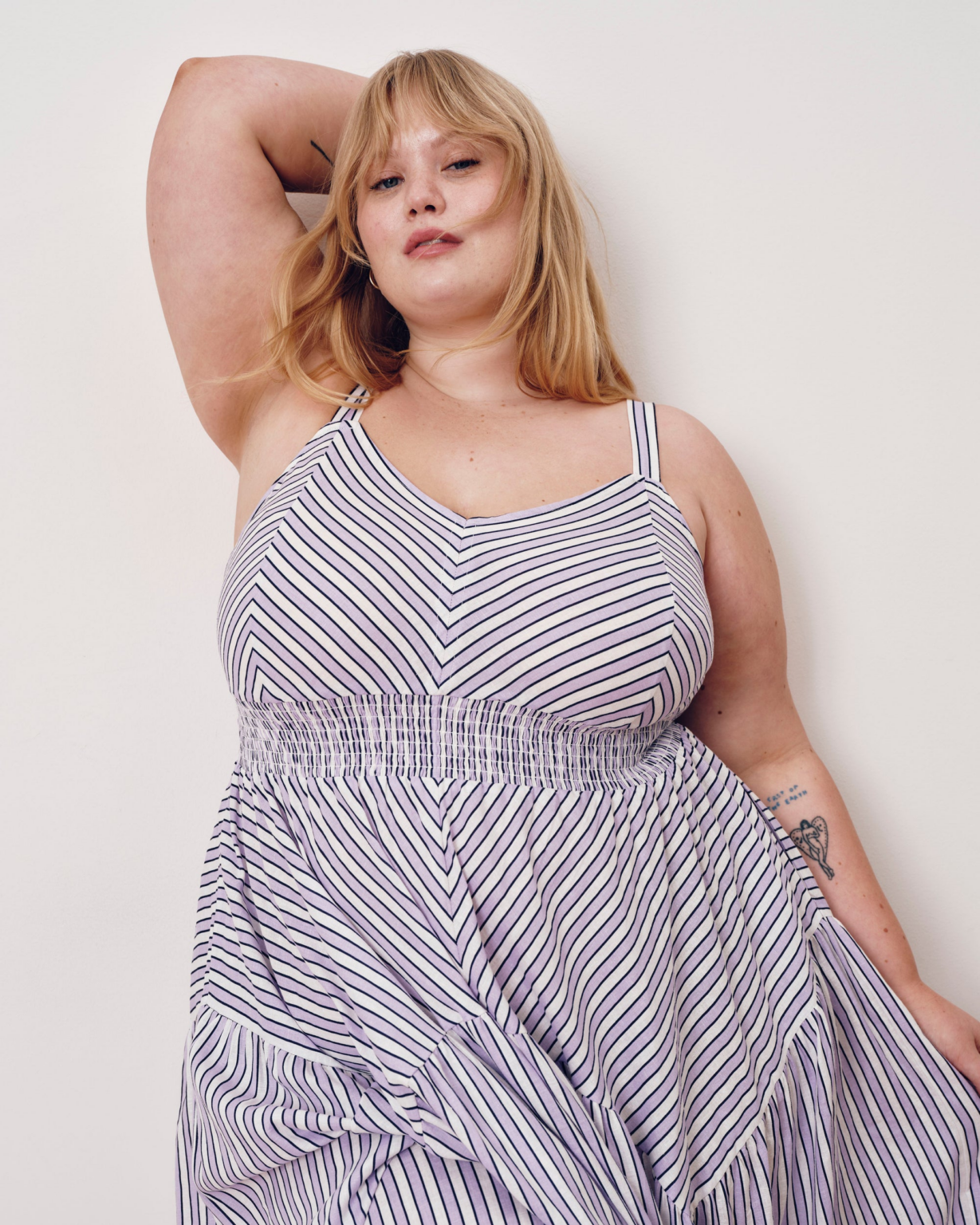
This was always the one underneath all the others.
Every rule about dark colors, loose fabrics, covered arms, and minimized silhouettes pointed back to the same directive: make your body less visible. Take up less space. Don’t remind people you’re there.
We’re not doing that anymore.
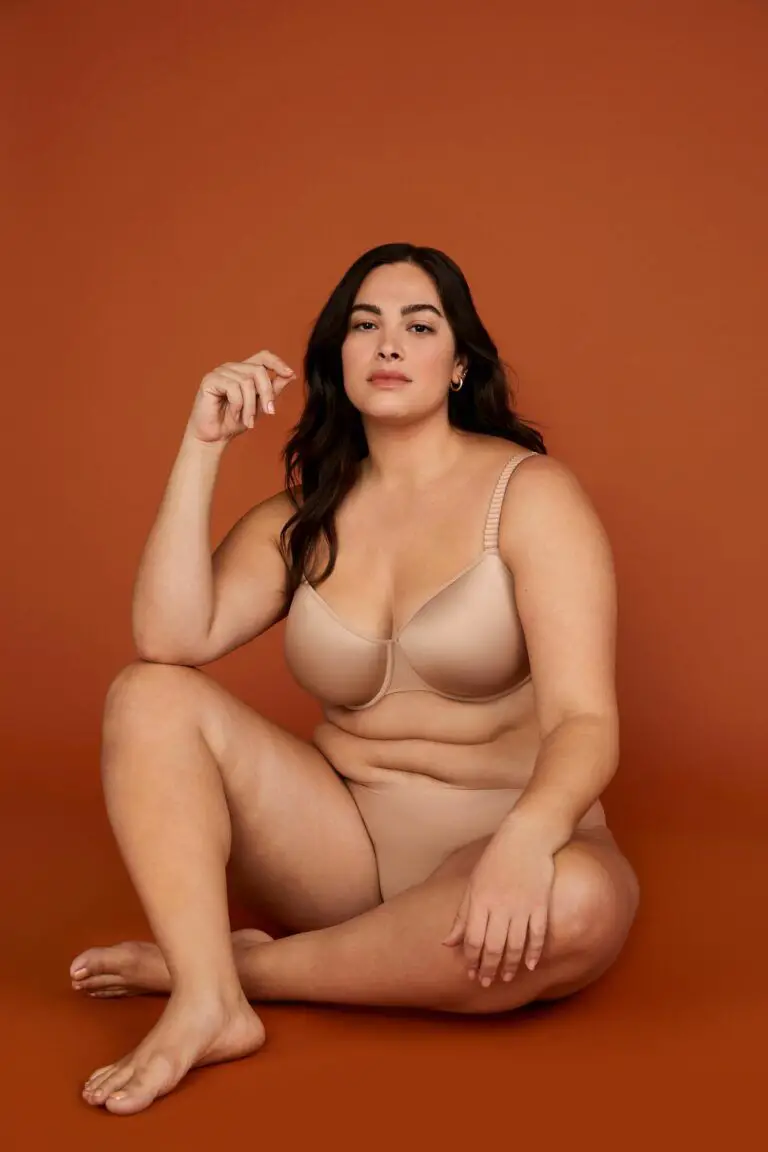
Dressing to celebrate your body, whatever that looks like for you, whatever size you are, whatever style era you’re currently in, is not vanity or rebellion. It’s just getting dressed on your own terms. Without a permission structure that was never designed to benefit you in the first place.
The era of dressing to disappear is over.
What We’re Doing Instead
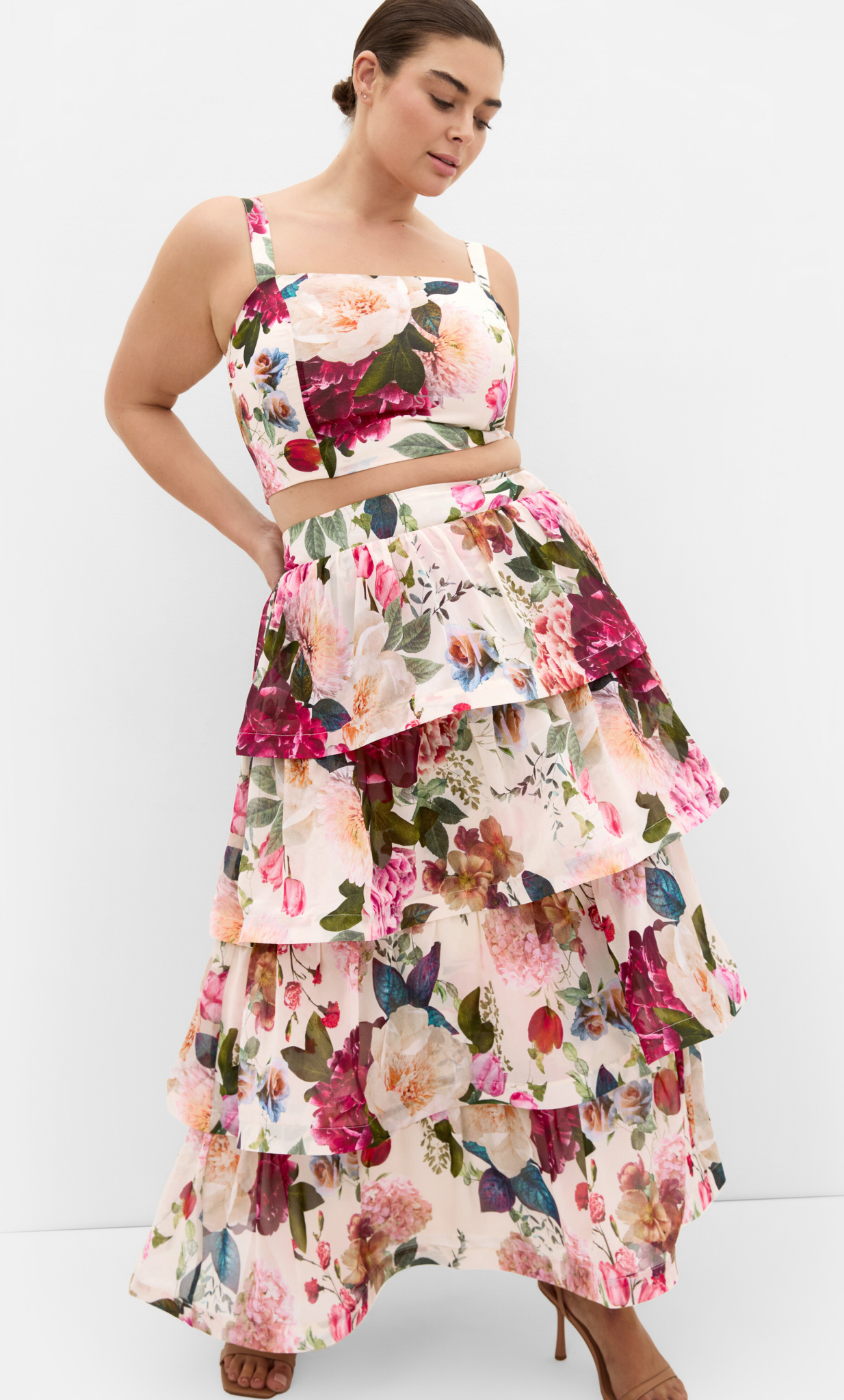
We’re asking better questions before we get dressed.
Not: “Does this make me look smaller?” But: “Does this make me feel like myself?”
Not: “Is this appropriate for my body type?” But: “Do I love this? Does it fit? Does it work for where I’m going?”
Style is supposed to be a tool for self-expression. It’s supposed to feel good. For too long, the plus size style conversation was built around limitation: what not to wear, what to hide, what to avoid.
TCF has always been about the opposite. What’s worth wearing. What brands are doing the work. What looks incredible on plus size bodies right now, in real life, without the asterisks.
That’s the conversation we’re continuing. The rules can stay behind.
What outdated style rule are you most glad to leave in the past? Tell us in the comments.
MORE TCF GAMES