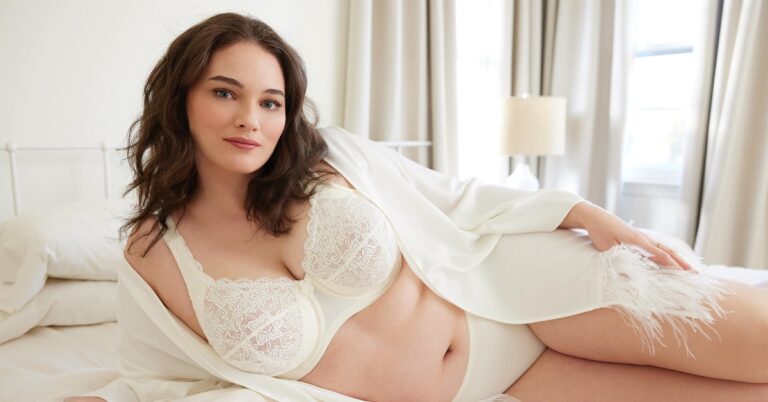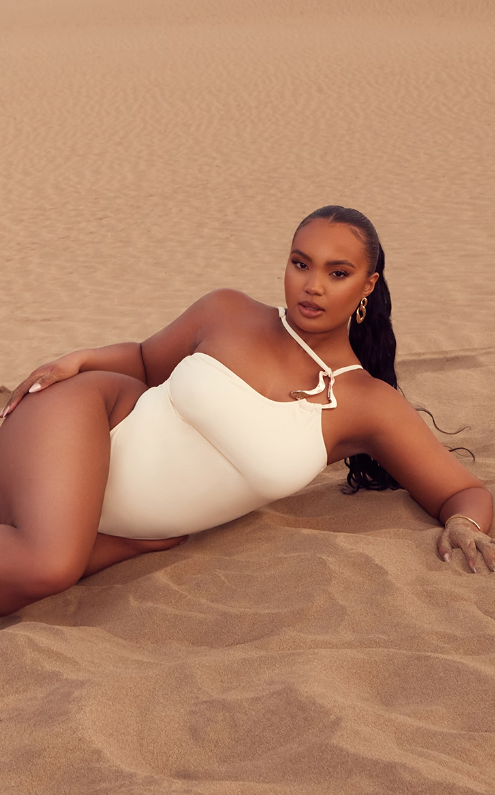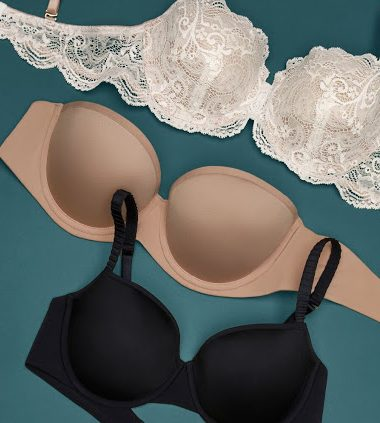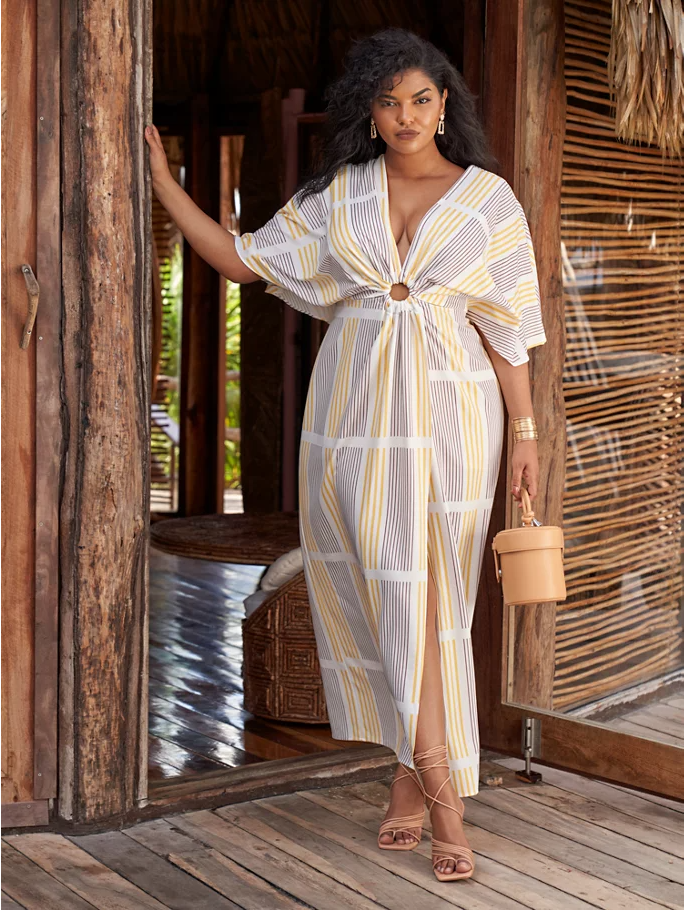
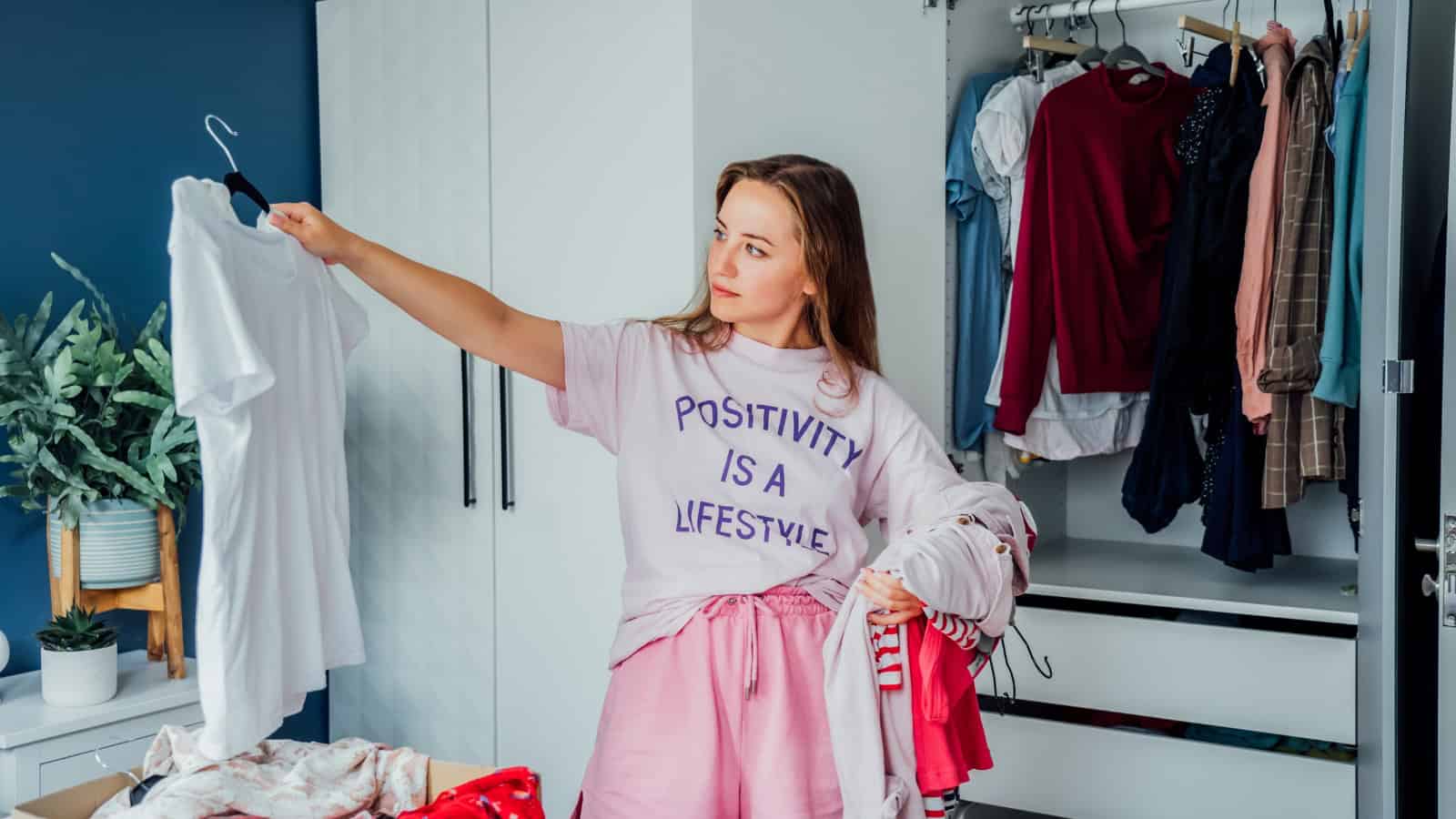
A capsule wardrobe offers a practical solution by focusing on a carefully selected collection of pieces that coordinate effortlessly. Instead of constantly buying more clothing to solve the “nothing to wear” problem, shoppers can build a more intentional wardrobe where each piece works with multiple others.
The result is less decision fatigue, more outfit options, and greater value from every purchase. That approach is especially relevant as Americans continue to spend significantly on clothing while showing growing interest in more intentional shopping.
The U.S. Bureau of Labor Statistics reports that households spent an average of $655 on women’s apparel and $406 on men’s apparel in 2023. At the same time, secondhand shopping and wardrobe-conscious buying continue to gain momentum as consumers increasingly prioritize versatility, longevity, and value over excessive purchasing.
For summer, when comfort and versatility matter most, a well-planned capsule wardrobe can make a smaller closet feel surprisingly expansive.
Build Your Wardrobe Around a Simple Color Palette

Choosing a consistent color palette creates the strongest foundation for a successful summer capsule wardrobe. Neutral shades such as white, navy, beige, black, olive, and soft gray pair naturally with one another, allowing nearly every top to coordinate with every bottom.
A few accent colors can add personality without making the wardrobe difficult to mix and match. This strategy reduces the number of garments needed because each new purchase can be used in multiple outfits rather than serving a single purpose.
A white linen shirt, beige shorts, navy trousers, and a striped knit instantly create several polished combinations without requiring additional shopping. Limiting the palette also makes packing for vacations far easier because fewer pieces produce more complete outfits.
Simplicity becomes an advantage instead of a limitation, allowing style to feel intentional while reducing unnecessary spending.
Choose Breathable Natural Fabrics

Fabric selection matters just as much as garment selection during summer. Cotton, linen, and lightweight blends can promote greater airflow than many heavier, tightly woven materials, helping clothing feel more comfortable during hot weather.
The choice matters at an industry level, too: Textile Exchange reports that global fiber production reached 124 million tonnes in 2023, with polyester accounting for 57% of total fiber production. That makes paying attention to fabric content especially important when building a wardrobe designed for warm-weather comfort and repeat wear.
Comfortable clothing naturally gets worn more often, making breathable fabrics an excellent investment in both style and practicality. Linen shirts soften beautifully with repeated washing, cotton T-shirts layer easily beneath lightweight jackets, and breathable dresses remain comfortable during long days outdoors.
Prioritize Pieces That Create Multiple Outfits

Every new addition to a capsule wardrobe should multiply outfit possibilities rather than compete with existing clothing. Before buying a garment, evaluate how many outfits it can realistically create using pieces already in your closet.
A versatile white button-down may pair with shorts, skirts, jeans, linen trousers, and lightweight dresses worn open as a layering piece. A patterned top that matches only one pair of pants offers far less long-term value despite looking exciting on the hanger.
This approach shifts shopping decisions away from impulse purchases and toward practical versatility. Over time, the wardrobe becomes increasingly efficient because each new item strengthens dozens of outfit combinations instead of adding visual clutter.
Add One Lightweight Layer for Changing Temperatures

Summer weather can shift quickly as air-conditioned offices, cool evenings, and unexpected rain create temperature swings throughout the day. A lightweight layer bridges those changes without adding unnecessary bulk to your wardrobe.
A linen overshirt, lightweight cardigan, cotton blazer, or unstructured jacket can transform simple basics into polished outfits while providing comfort when temperatures dip. The key is to choose a layer that complements nearly every item in your capsule wardrobe, rather than matching only one outfit. A neutral-colored layer pairs effortlessly with dresses, shorts, jeans, skirts, and tailored trousers, expanding outfit possibilities without increasing closet clutter.
Consumer spending data collected by the U.S. Bureau of Labor Statistics continues to show that apparel represents a significant household expense, making versatile purchases increasingly valuable as shoppers seek greater return on every dollar spent.
One dependable layer often replaces several seasonal purchases because it adapts to different occasions rather than serving a single purpose.
Let Fit Guide Every Purchase

An expensive garment rarely becomes a wardrobe favorite if the fit feels uncomfortable or unflattering. Summer capsule wardrobes perform best when every piece fits comfortably during everyday movement, allowing confidence to replace the need for constant adjustments.
Sleeves should allow natural arm movement, waistbands should remain comfortable after hours of wear, and hems should complement your height and lifestyle. Clothing that fits properly also layers more effectively, creating cleaner proportions across multiple outfit combinations.
Paying attention to measurements rather than sizing labels often leads to better shopping decisions because sizes vary widely among manufacturers.
Limit Statement Pieces to a Select Few
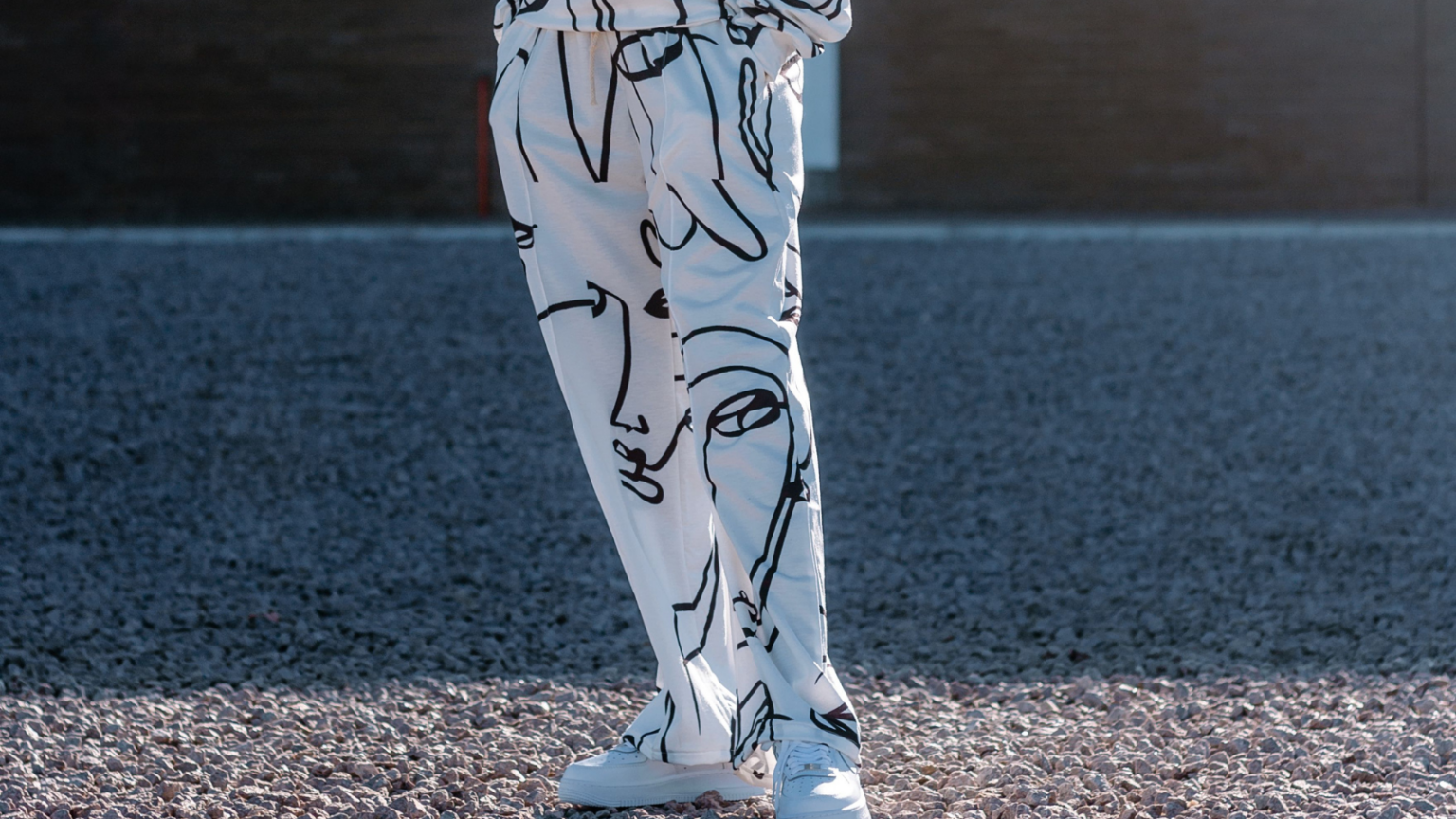
Bold prints, vibrant colors, and eye-catching details certainly have a place in a summer wardrobe, yet too many statement pieces can quickly reduce outfit flexibility. Capsule wardrobes work best when most garments coordinate effortlessly, allowing standout items to add personality without overwhelming the collection.
That balance also reflects how shoppers are increasingly thinking about clothing purchases. According to McKinsey & Company’s State of Fashion 2025 report, consumers remain focused on value as economic uncertainty continues to influence purchasing decisions. Versatile clothing that can be styled across multiple occasions offers more opportunities to get meaningful wear from each purchase.
Limiting statement pieces to two or three carefully selected garments creates visual interest while preserving versatility across the rest of the closet. A colorful floral blouse, patterned midi skirt, or bright summer dress can become the centerpiece of numerous outfits when paired with neutral basics already in the wardrobe.
This approach keeps personal style expressive without encouraging unnecessary shopping every time trends shift.
Keep Your Footwear Versatile
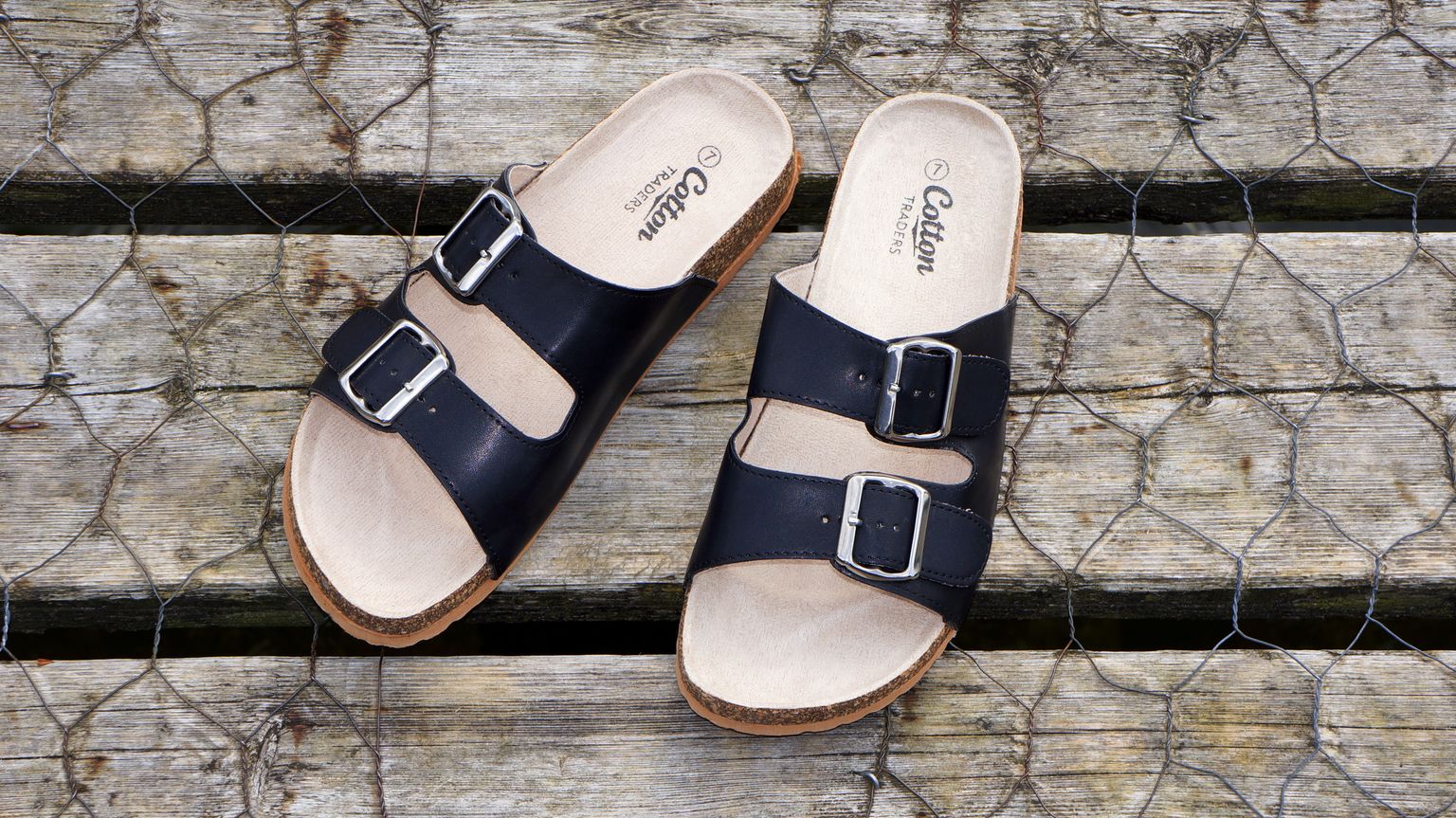
Shoes can either simplify a capsule wardrobe or make it unnecessarily complicated. Choosing two or three versatile pairs often delivers greater value than filling a closet with footwear that complements only one outfit.
A clean pair of white sneakers, comfortable flat sandals, and a polished pair of neutral loafers or espadrilles can cover most summer activities, including commuting, sightseeing, casual dinners, weekend errands, and outdoor gatherings.
Neutral footwear pairs effortlessly with dresses, shorts, linen trousers, jeans, and skirts, making morning outfit planning much faster. Researchers at the American Podiatric Medical Association emphasize that properly fitting shoes support foot health and overall comfort, reinforcing the importance of selecting footwear that performs well during everyday wear rather than focusing solely on appearance.
Comfortable shoes naturally receive more use, lowering their cost per wear while reducing the temptation to purchase additional pairs for every occasion.
Choose Accessories That Work Across Multiple Outfits
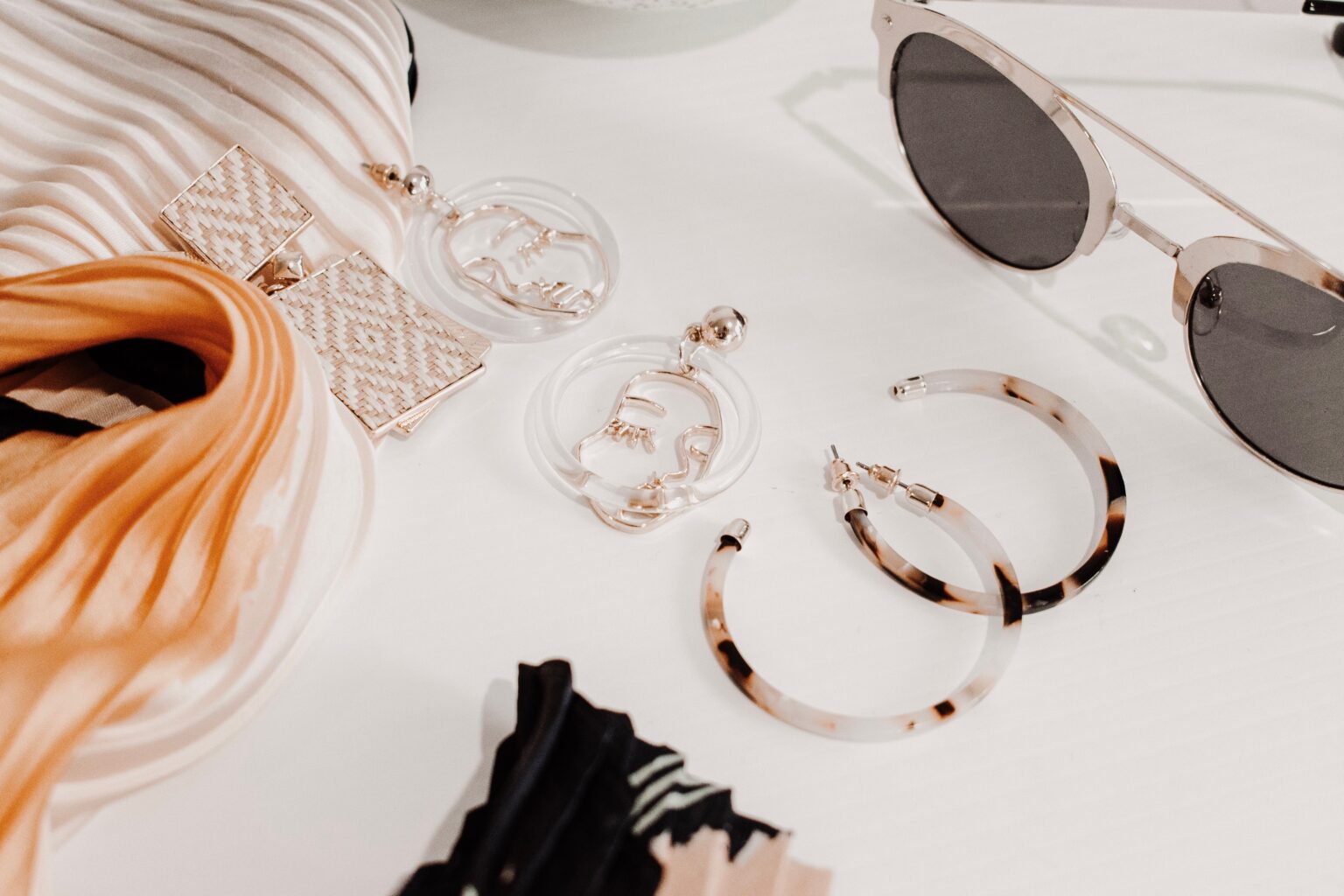
Accessories often provide the easiest way to refresh a summer wardrobe without unnecessarily expanding it. A structured tote, woven crossbody bag, simple leather belt, classic sunglasses, and understated jewelry can create distinctly different looks while working with nearly every outfit in a capsule collection.
Choosing neutral tones and timeless shapes allows accessories to complement clothing rather than compete with it. A straw tote transitions easily from a farmers market to a beach vacation, while a slim leather belt adds definition to dresses, oversized shirts, and tailored trousers.
Rotating accessories also creates visual variety without requiring additional clothing purchases. This strategy helps maximize existing garments by making small styling adjustments that refresh familiar outfits.
Evaluate Every Purchase Using Cost Per Wear

Summer sales often create urgency by promoting limited-time discounts, yet a lower price does not automatically make a purchase a better value. Cost per wear offers a more practical way to evaluate clothing because it measures how frequently an item is likely to be used over its lifetime.
Divide the purchase price by the estimated number of times you expect to wear the garment. A $100 linen shirt worn 100 times costs about $1 per wear, while a $30 trendy top worn only three times costs approximately $10 per wear.
This simple calculation shifts attention away from the initial price tag and toward long-term usefulness. Research in consumer behavior consistently shows that shoppers make better purchasing decisions when they evaluate value over time instead of reacting to short-term promotions.
Applying cost-per-wear thinking naturally favors versatile, durable pieces that strengthen a capsule wardrobe and discourage impulse purchases driven solely by discounts.
Maintain Your Clothes to Extend Their Lifespan

A thoughtfully curated capsule wardrobe delivers the greatest value when every garment remains in excellent condition. Proper clothing care helps fabrics retain their shape, color, and texture, allowing favorite pieces to stay in regular rotation for years instead of months.
Washing clothes according to their care labels, using appropriate water temperatures, avoiding unnecessary overdrying, and storing garments correctly all reduce fiber wear over time. Linen benefits from gentle washing and air drying to preserve its breathable structure, while knitwear maintains its shape better when folded rather than hung.
Addressing loose buttons, small tears, or minor stains early also prevents simple issues from becoming permanent damage. The American Cleaning Institute notes that following garment care instructions can help extend the life of clothing while reducing unnecessary replacement purchases.
Extending the lifespan of wardrobe essentials improves their cost per wear and supports more intentional spending throughout the summer season.
Resist Trend-Driven Purchases
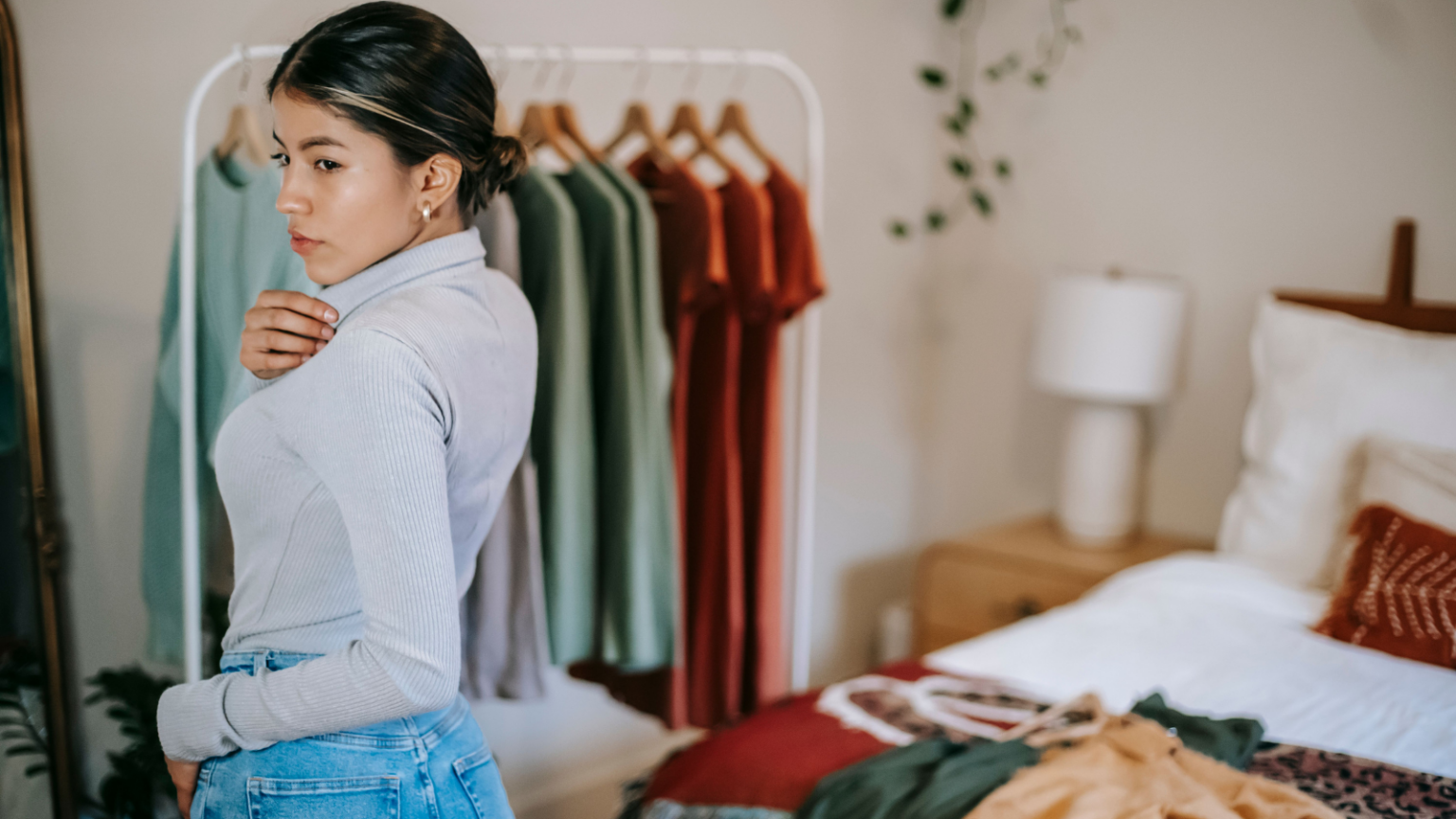
Seasonal trends appear every year, bringing fresh colors, silhouettes, and statement pieces that generate excitement across stores and social media. Adding every popular item to your wardrobe often creates clutter because many trends fade long before the clothing wears out.
A practical approach involves pausing before making a purchase and evaluating how the item fits within your existing capsule. Ask how many complete outfits it can create using garments already hanging in your closet.
Clothing that works with only one or two items generally offers less long-term value than versatile essentials that integrate seamlessly across multiple outfits. Consumer psychology research has shown that impulse buying frequently increases when shoppers feel a sense of urgency created by promotions or perceived scarcity.
Slowing the decision-making process helps separate genuine wardrobe needs from temporary excitement, making each purchase more intentional and reducing unnecessary spending throughout the season.
Review Your Capsule Wardrobe at the End of Summer
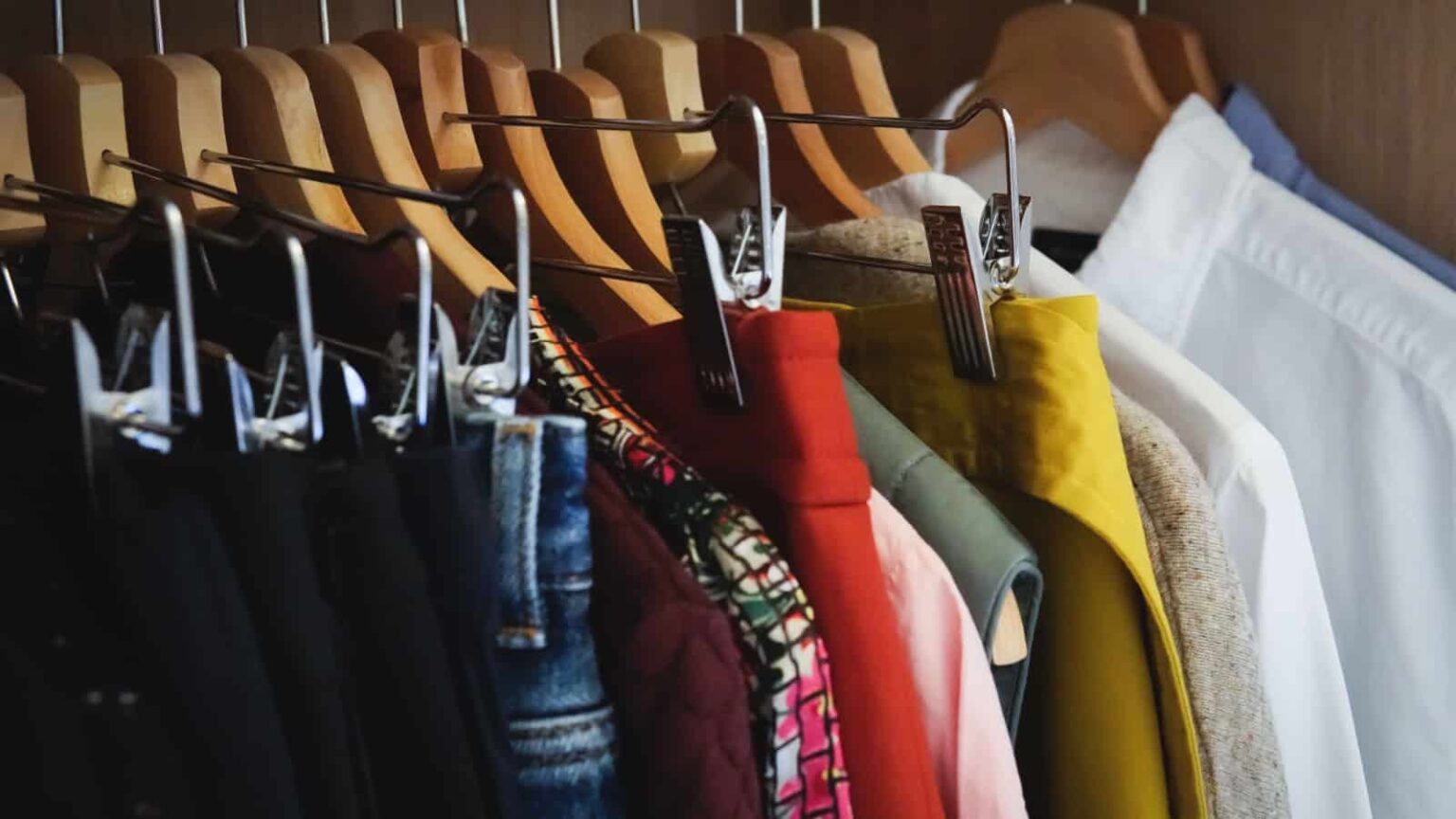
A capsule wardrobe works best when it evolves with your lifestyle rather than remaining unchanged year after year. Taking time at the end of summer to evaluate each garment provides valuable insight before the next season begins.
Notice which pieces became weekly favorites, which rarely left the hanger, and which no longer fit your daily routine. Clothing worn repeatedly has already demonstrated its value and deserves a place in next year’s capsule.
Items that remained unused may indicate a sizing issue, an uncomfortable fabric, or limited versatility rather than a lack of style. Recording those observations creates a practical shopping guide for future purchases, helping avoid duplicate mistakes and unnecessary spending.
This simple seasonal review turns your own experience into the most reliable source for wardrobe planning, allowing every future purchase to strengthen the collection rather than expand it without purpose.
Key Takeaways

- A capsule wardrobe focuses on versatile clothing that mixes and matches easily.
- Neutral colors create more outfit combinations with fewer garments.
- Breathable fabrics improve comfort during hot summer weather.
- Cost per wear often provides a better measure of value than purchase price.
- Buying fewer, higher-quality essentials can reduce impulse shopping.
- Coordinating colors and silhouettes makes getting dressed faster.
Disclaimer: This list is solely the author’s opinion based on research and publicly available information. It is not intended to be professional advice.
Like our content? Be sure to follow us
MORE TCF GAMES