The prestigious runways of Italy are famous for setting global trends, but a remarkably different kind of statement is turning heads this particular season. Event organizers have officially asked participating designers to voluntarily ditch animal pelts from their upcoming collections, marking a huge shift in tone.
Animal rights advocates have spent years protesting outside these glitzy venues, hoping to spark a meaningful conversation about ethical clothing production. Now, that persistent public pressure has finally cracked the industry ceiling, pushing legacy fashion houses to deeply rethink their entire creative process from the ground up.
The Pressure From Animal Advocates Finally Paid Off

For several decades, passionate animal rights protesters held up graphic signs outside exclusive European runway shows to give a desperate voice to the voiceless creatures caught up in the trade.
Their sheer dedication and relentless campaigning brought the grim, uncomfortable reality of commercial pelt farming straight into the comfortable living rooms of everyday consumers across the globe.
Backing up the success of these protests, a stunning report from Humane World for Animals reveals that the number of animals farmed for fur plummeted globally from 140 million in 2014 to just about 20 million in 2023.
That astounding statistical drop mathematically proves that dedicated grassroots activism can literally alter the deeply ingrained financial fabric of a massive international clothing industry.
Everyday American shoppers simply refused to look the other way anymore, and their constant demand for brand accountability eventually forced stubborn fashion executives to start paying serious attention.
Activists successfully traded their noisy street megaphones for powerful boardroom meetings, proving that a coordinated cooperative approach often creates permanent changes in corporate behavior while fighting for a highly compassionate cause.
Big Designer Names Are Jumping On The Bandwagon
We are currently witnessing an absolutely incredible domino effect across the luxury apparel market as elite labels completely rebrand themselves to appease a modern, socially conscious audience.
Iconic fashion houses that once considered heavy mink coats a strict staple of their winter collections are now proudly flaunting their animal-friendly commitments for the press.
Highlighting this rapid and exciting industry shift, major luxury fashion brands announced partial or full bans on animal pelts in their upcoming runway collections during 2024 alone.
This massive wave of strategic corporate rebranding clearly shows that basic human compassion is currently the hottest, most profitable trend in the competitive retail market today.
You simply cannot ignore the obvious writing on the wall when wealthy industry heavyweights simultaneously decide to totally scrap their traditional supply chains in favor of ethical alternatives. These visionary creative directors are brilliantly proving to the masses that you do not need to sacrifice a single ounce of classic Hollywood glamour to do the right thing for vulnerable animals.
Sustainable Alternatives Look Better Than Ever Before
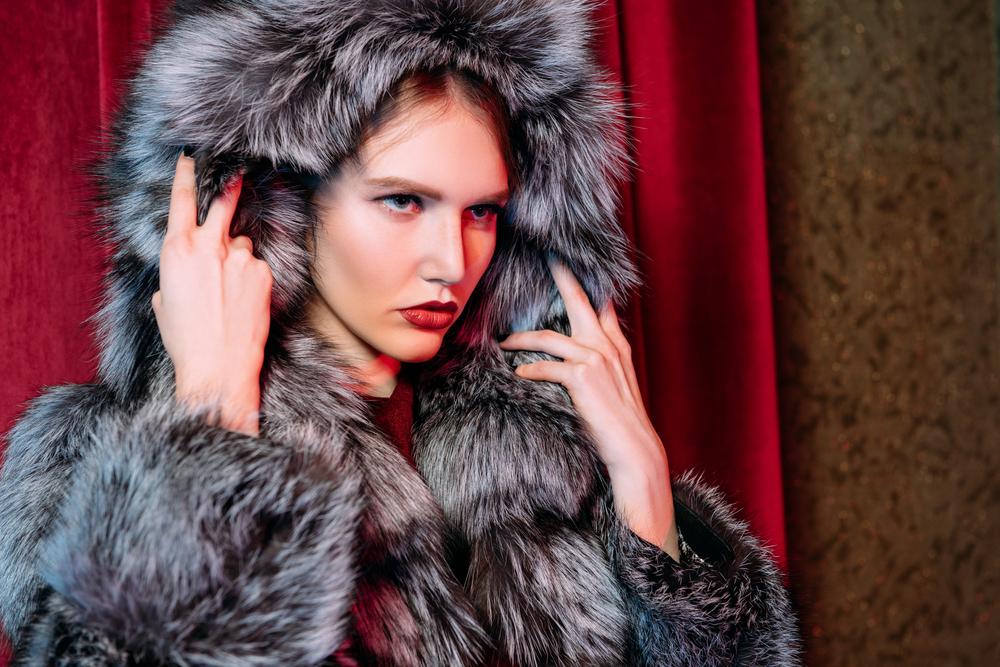
Say a permanent and joyful goodbye to the scratchy, unappealing synthetic knockoffs of the past because modern material science has completely revolutionized the luxury textile game.
Brilliant apparel designers are now utilizing incredible botanical options and recycled textiles that feel absolutely exquisite and practically indistinguishable from the real thing against human skin.
Hard financial data strongly backs up this booming material revolution, showing the global faux fur market was valued at $2.7 billion in 2023 and is projected to hit a staggering $4.8 billion by 2030.
Everyday shoppers get to comfortably rock a stunning, heavy winter coat without feeling a single shred of guilt about how their fabulous outerwear was actually manufactured.
It is an absolutely perfect situation for stylish folks who desperately want to look like a million bucks on the street while staying exceptionally kind to the fragile planet we all share.
These brilliant scientific fabric innovations allow creative directors to play with bold neon colors and wild architectural textures that were physically impossible to achieve safely with traditional animal pelts.
The Supply Chain Is Drying Up Rapidly
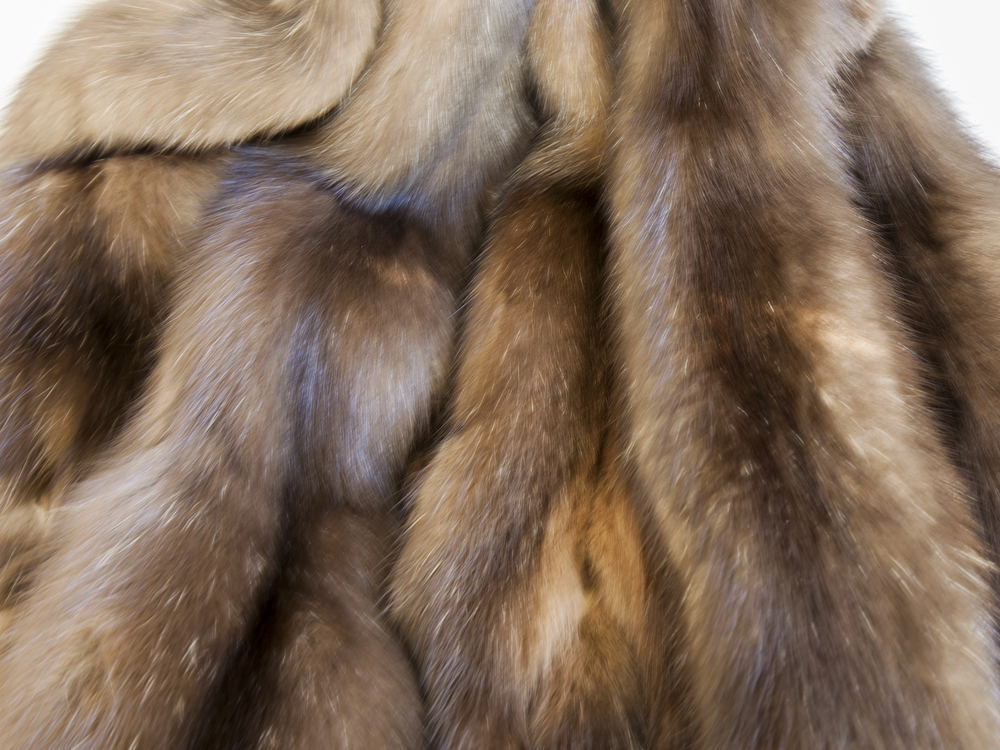
As the highly glamorous side of the global fashion business enthusiastically embraces synthetic fabric options, the agricultural side of the industry is experiencing a massive, undeniable financial contraction.
Rural farming facilities that once thrived for generations on raising animals exclusively for luxury apparel are quietly closing their barn doors as international demand completely bottoms out.
Official agricultural industry records reflect this massive operational shift, showing that between 2018 and 2023, more than 3,200 fur farms were shut down across Europe, leaving only about 1,088 still operational today.
This rapid numerical decline paints a very clear, uncompromising picture of an outdated agricultural business model desperately struggling to survive in an increasingly compassionate consumer retail market.
Sourcing authentic, premium animal pelts is becoming incredibly difficult and wildly expensive, making it completely financially impractical for busy designers to even bother trying anymore. The harsh economic reality of these widespread farm closures is practically making the moral decision for the brands automatically, rapidly pushing the cultural needle further away from normalized animal cruelty.
A Voluntary Request Carries Real Industry Weight
Skeptical fashion critics might quickly point out that a friendly suggestion to drop animal pelts completely lacks the strict legal teeth of an officially legislated citywide ban.
However, in a tightly connected, highly exclusive Italian social circle where public reputation is absolutely everything, a formal request from event organizers acts as a massive social pressure cooker.
Brands that stubbornly choose to ignore the polite institutional memo risk sticking out like a sore thumb and facing severe public backlash from their own highly loyal customer base.
Absolutely no elite label wants to be the final holdout desperately clinging to a highly controversial practice while their direct retail competitors grab all the positive, glowing media coverage.
This subtle but extremely firm nudge from the Italian event organizers is a brilliantly diplomatic way to let stubborn companies smoothly save face while pivoting their outdated production methods.
Eventually, basic industry peer pressure will effectively handle the rest of the stubborn holdouts, proving that sometimes a polite but very public request is all you really need to start a massive ethical revolution.
Disclaimer: This list is solely the author’s opinion based on research and publicly available information. It is not intended to be professional advice.
Like our content? Be sure to follow us
MORE TCF GAMES