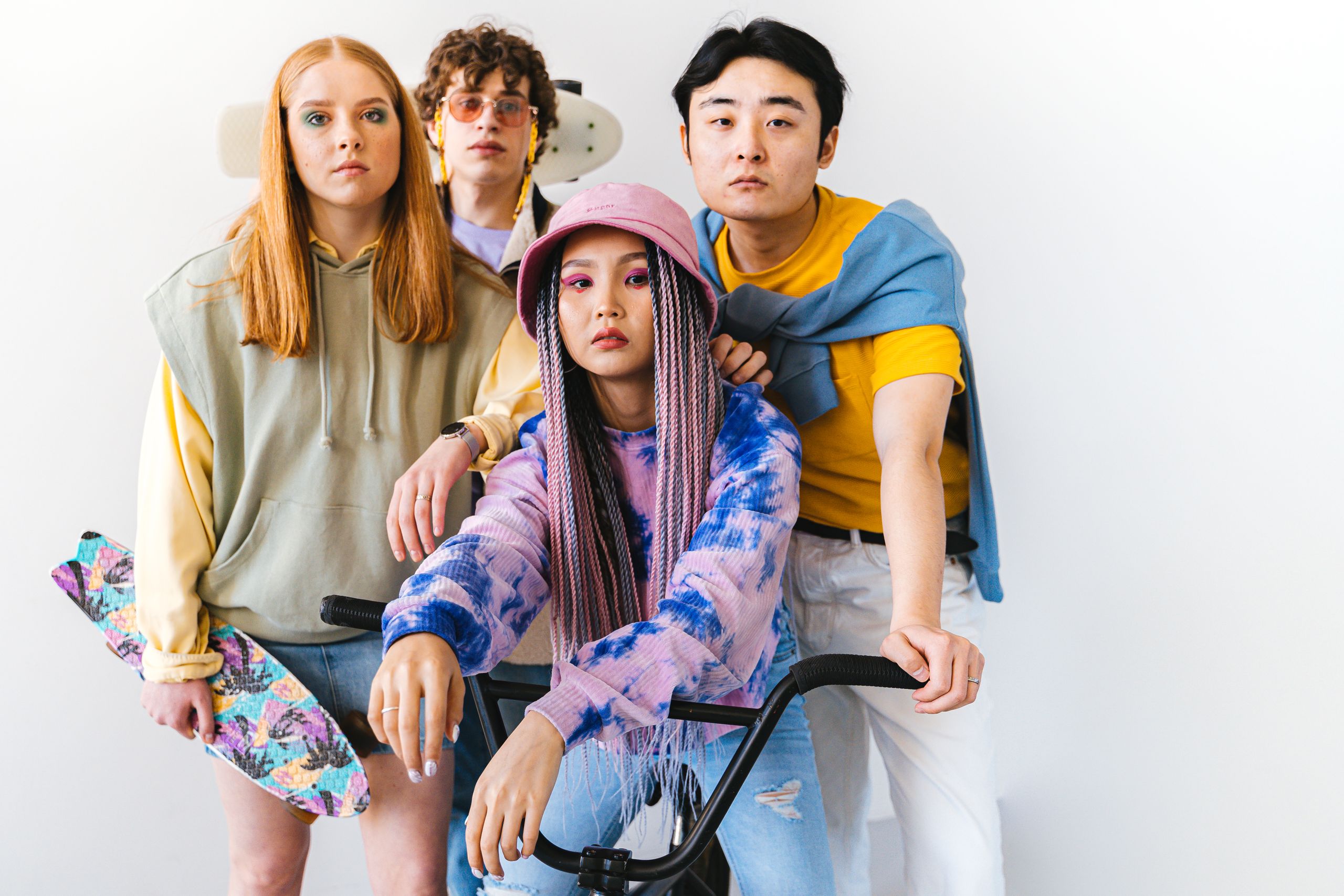
Fashion has always reflected cultural change, but consumer behavior suggests people are becoming less interested in rigid style rules and more focused on personal expression. According to McKinsey & Company’s The State of Fashion 2026 report, consumers increasingly prioritize versatility, individuality, and long-term value over trend-driven purchases.
The shift mirrors a broader movement toward authenticity, sustainability, and confidence over conformity. Style experts now agree that many rules passed down for decades were never universal in the first place.
Several originated in etiquette books, outdated workplace expectations, or luxury marketing campaigns rather than genuine design principles. Today’s wardrobes prioritize function, comfort, creativity, and personality, qualities that often flourish after those old restrictions disappear.
Here are twelve fashion rules that simply no longer make sense in 2026.
You Can’t Wear White After Labor Day
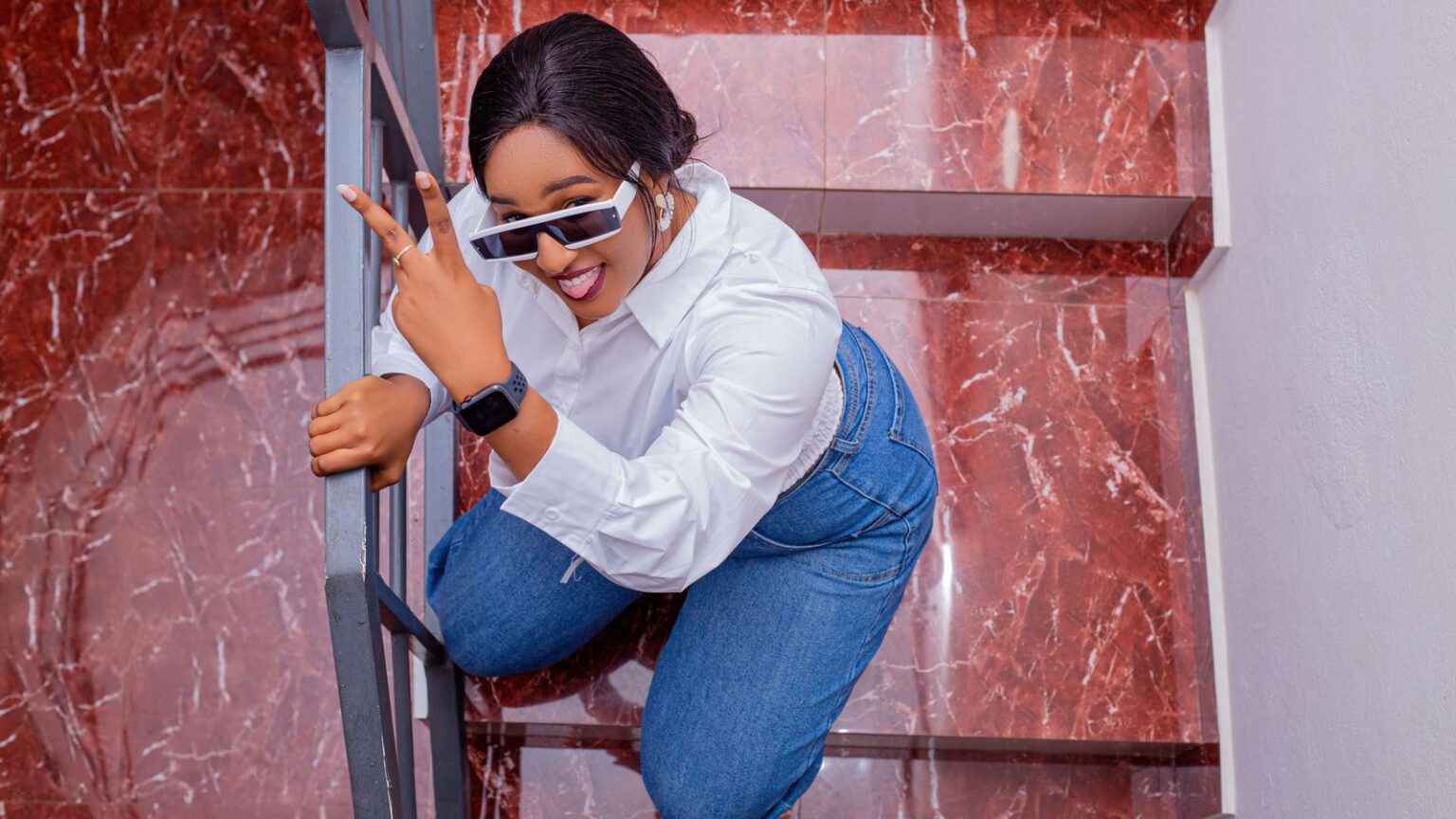
This rule may be one of fashion’s most famous myths, yet it has virtually disappeared from modern styling. Historians trace the tradition back to affluent Americans during the late nineteenth century, when lightweight white clothing symbolized summer leisure while darker garments marked the return to city life.
Modern fabrics, climate-controlled environments, and year-round travel have made that distinction obsolete. Designers now feature white wool coats, ivory knitwear, cream trousers, and winter-white tailoring throughout fall and winter collections.
Fashion editors frequently combine crisp white denim with camel coats, chunky sweaters, and leather boots, creating sophisticated cold-weather outfits that would once have broken every traditional rule.
Gold and Silver Jewelry Should Never Be Mixed
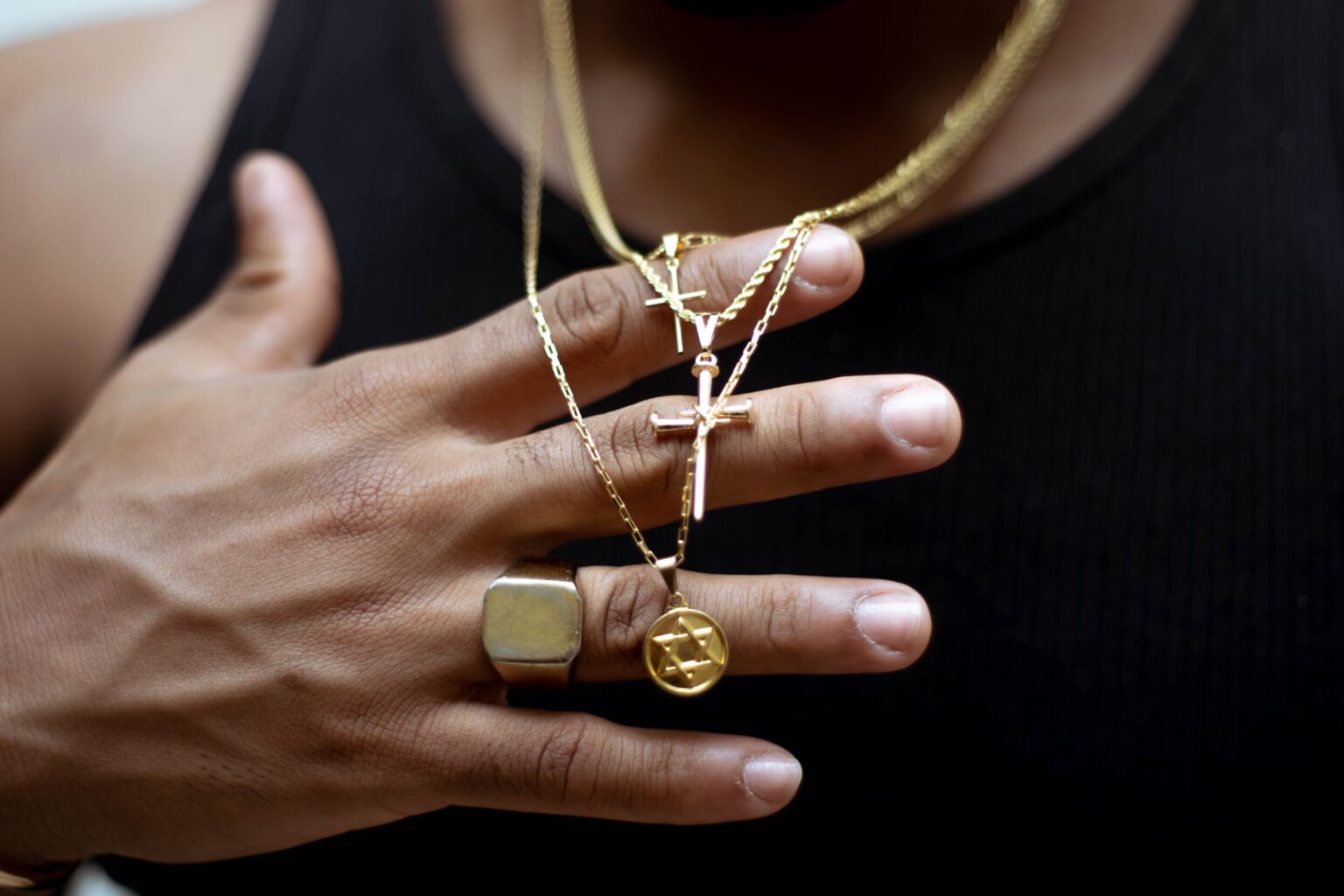
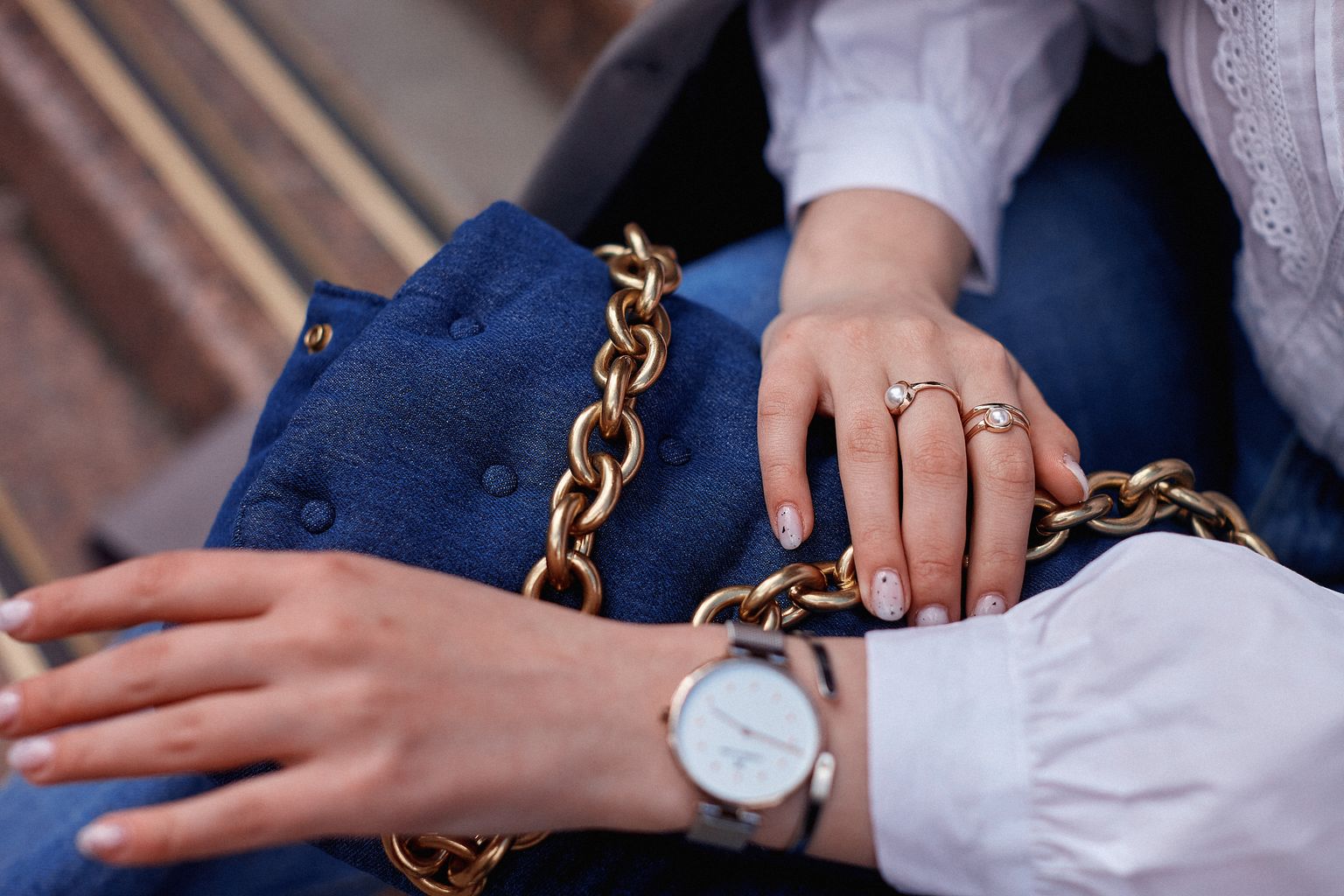
Mixed metals have become one of the easiest ways to create a layered, contemporary look. Luxury brands routinely pair yellow gold, sterling silver, platinum, and rose gold within single collections, encouraging consumers to stop treating jewelry finishes as separate categories.
Stylists often recommend repeating each metal at least twice across an outfit to create visual balance, although even that guideline has become increasingly flexible. Mixing metals also allows sentimental heirloom pieces and newer purchases to coexist naturally, giving jewelry collections greater versatility instead of limiting outfit choices based on color alone.
Your Shoes Must Match Your Handbag
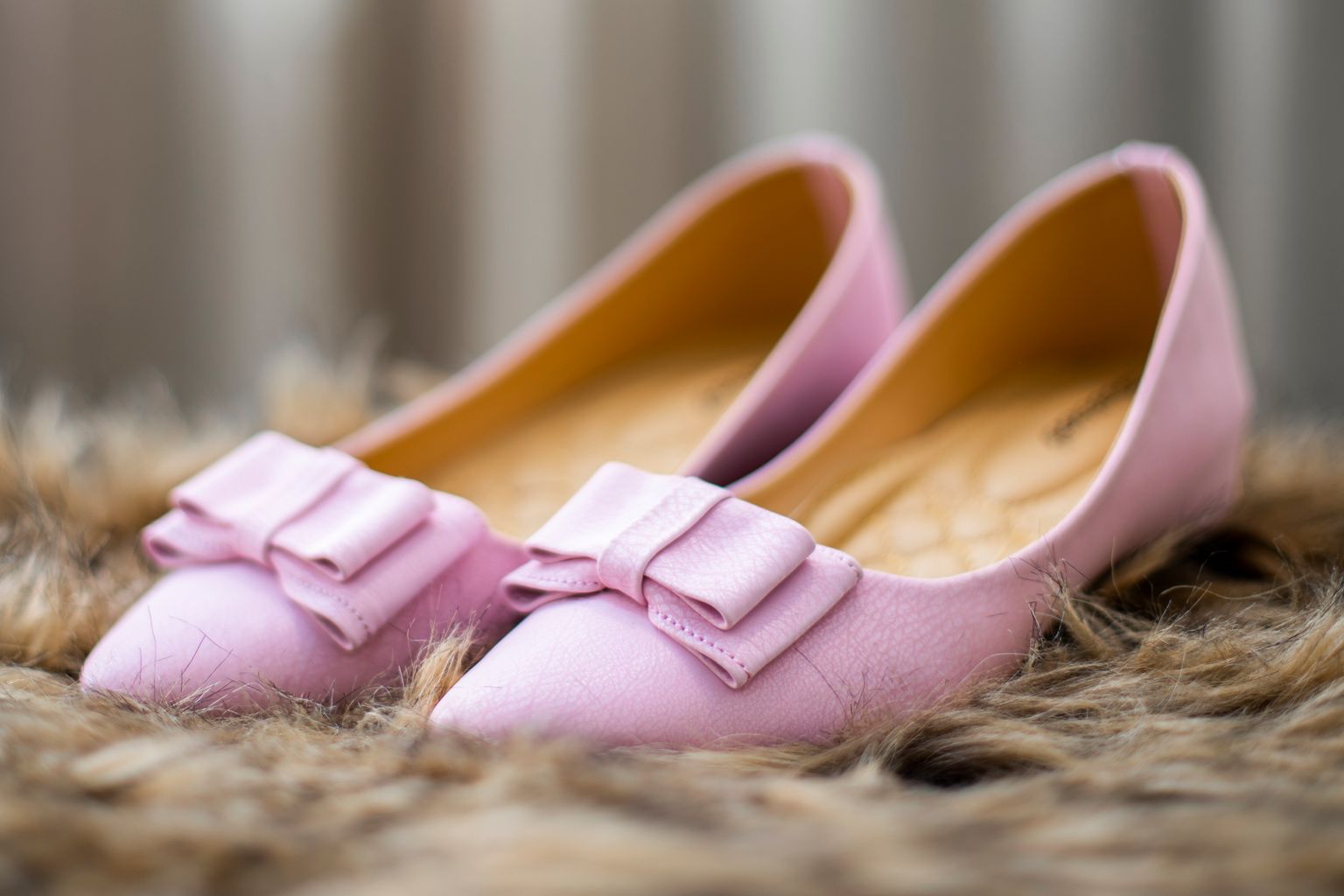
Matching handbags and shoes once signaled elegance because coordinated accessories demonstrated careful planning. Fashion has gradually shifted toward contrast instead. Editorial stylists frequently pair burgundy bags with chocolate loafers, metallic heels alongside woven totes, or colorful sneakers with neutral crossbody bags.
The result feels more intentional and visually interesting than identical accessories. Designers increasingly release handbags and footwear independently rather than as matching sets, reflecting consumers’ desire for wardrobes built around flexibility rather than perfect coordination.
Horizontal Stripes Make Everyone Look Wider

Research in visual perception has challenged this long-standing assumption. A well-known study conducted by psychologists at Yokohama National University found that horizontal stripes can actually create the illusion of a slimmer appearance under certain conditions, contradicting popular belief.
Garment fit, fabric drape, stripe spacing, color contrast, and overall silhouette influence appearance far more than stripe direction alone. Modern fashion embraces stripes of every orientation because proportion matters considerably more than simplistic optical myths.
Sneakers Don’t Belong with Dresses
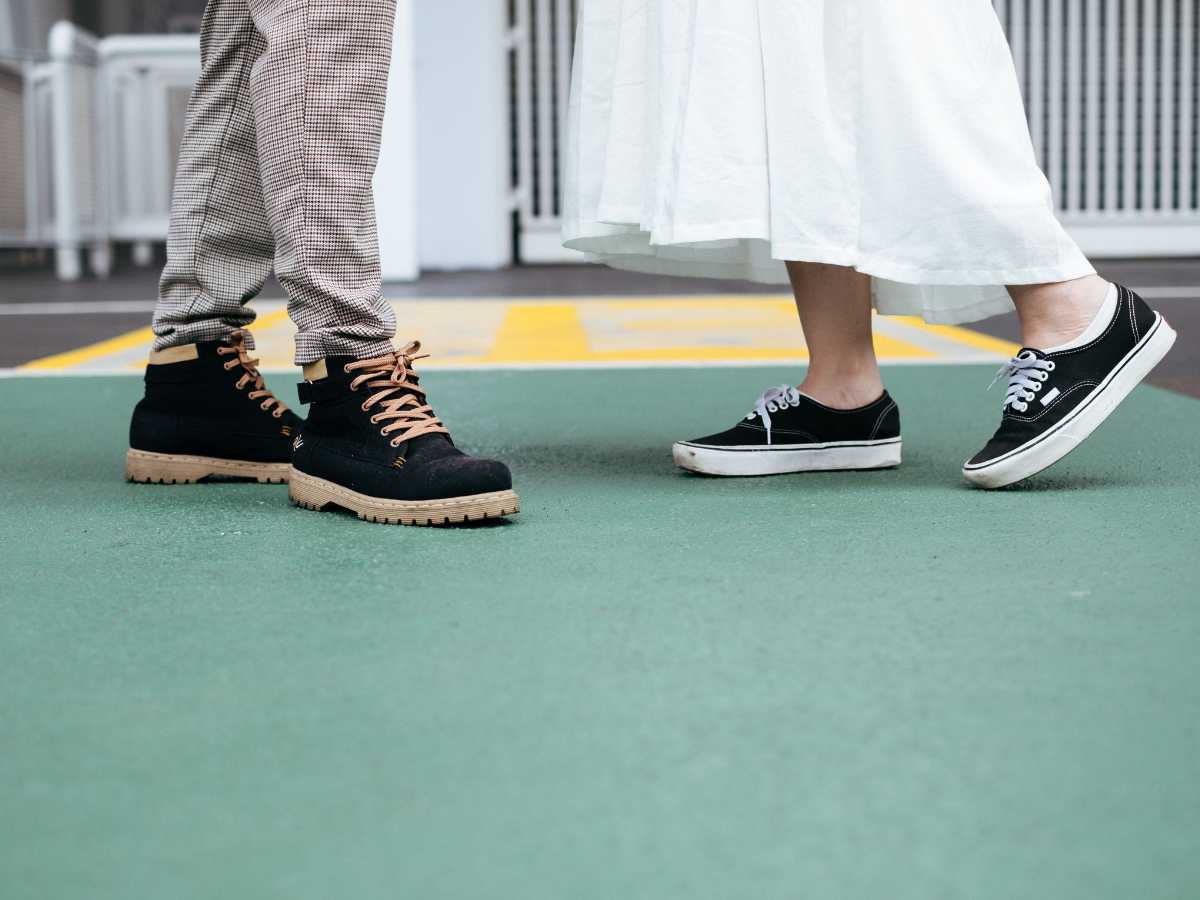
Luxury fashion houses, celebrities, and professional stylists have spent years proving this rule outdated. White leather sneakers paired with slip dresses, floral midis, linen maxis, and tailored shirt dresses have become staples of contemporary wardrobes.
Comfortable footwear also reflects changing consumer priorities. According to the American Podiatric Medical Association, many shoppers increasingly seek supportive shoes that reduce foot strain without sacrificing style.
Designers have responded by creating elevated sneakers that transition seamlessly from casual office wear to travel and social occasions.
Black and Navy Should Never Be Worn Together
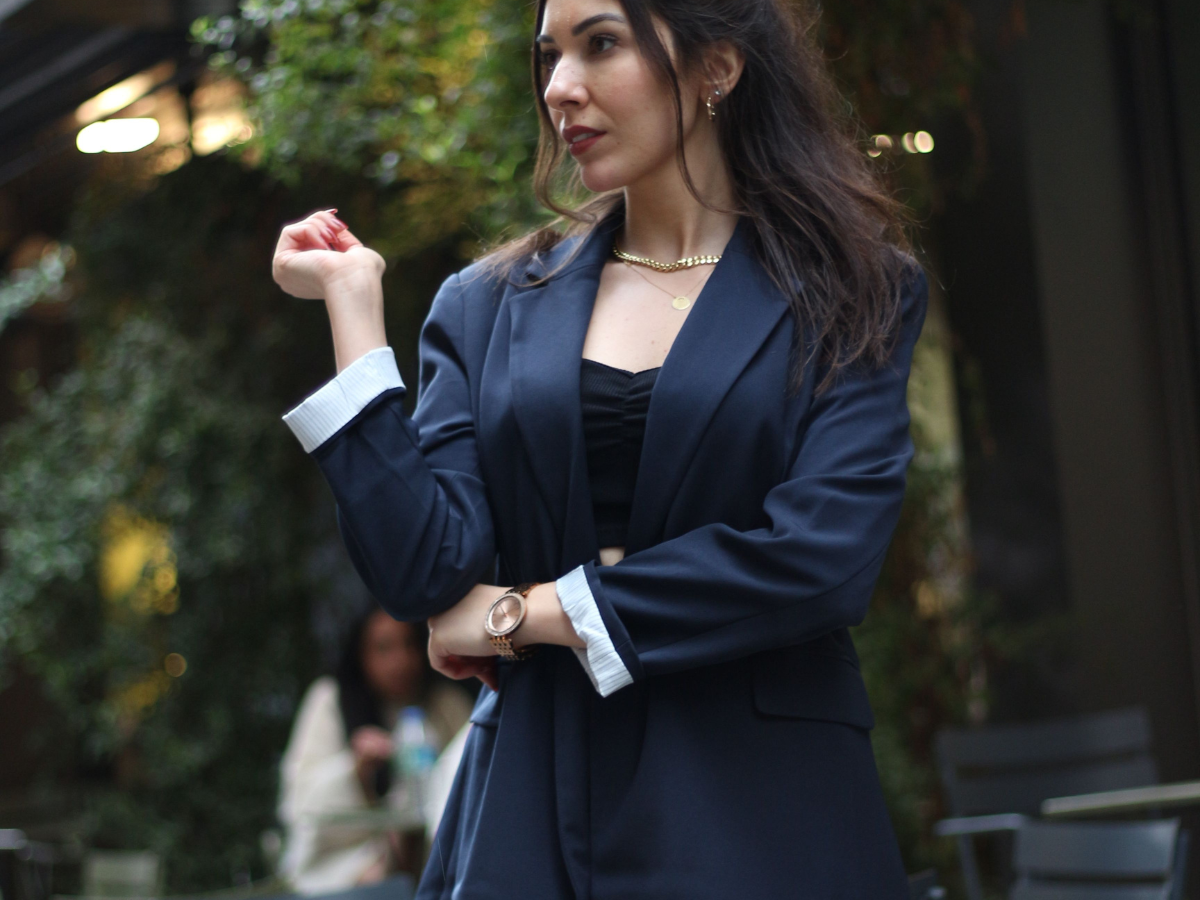
This supposed fashion mistake has become one of the most sophisticated color combinations available today. Navy softens black’s intensity while maintaining an elegant, understated appearance.
Designers frequently pair black knitwear with tailored navy trousers or navy blazers over black dresses, as subtle tonal differences add depth without overwhelming the outfit. Rich textures such as cashmere, leather, wool, and satin further distinguish each color, creating dimension rather than confusion.
Older Adults Should Avoid Trendy Clothing

Age-based fashion rules continue disappearing as consumers reject outdated stereotypes. Designers increasingly feature mature models in campaigns while producing collections intended for broad age ranges rather than narrow demographics.
Personal style develops through experience, making confidence a stronger predictor of great fashion than birth year. Modern wardrobes celebrate individuality instead of assigning trends to specific generations.
Formal Events Always Require High Heels
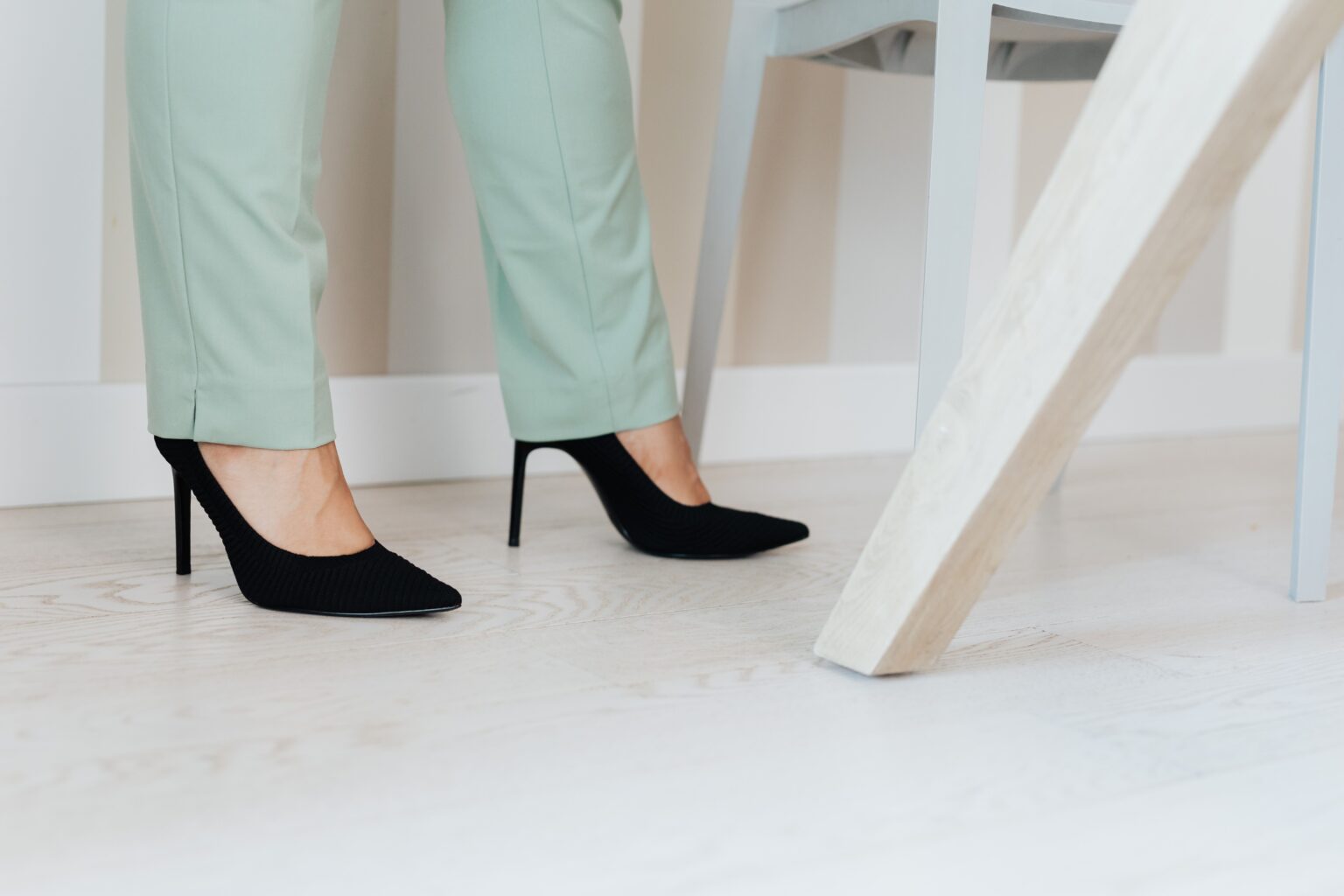
Elegant flats, sculptural loafers, dressy sandals, and refined block heels now appear regularly on red carpets and wedding guest style guides. Event footwear has evolved alongside greater awareness of comfort and mobility.
Medical experts have long noted that prolonged use of extremely high heels contributes to foot pain and joint stress. Designers have responded with formal shoes that balance aesthetics with ergonomic construction. Stylish dressing no longer requires sacrificing physical comfort simply to satisfy outdated expectations.
Denim Should Never Be Double Denim
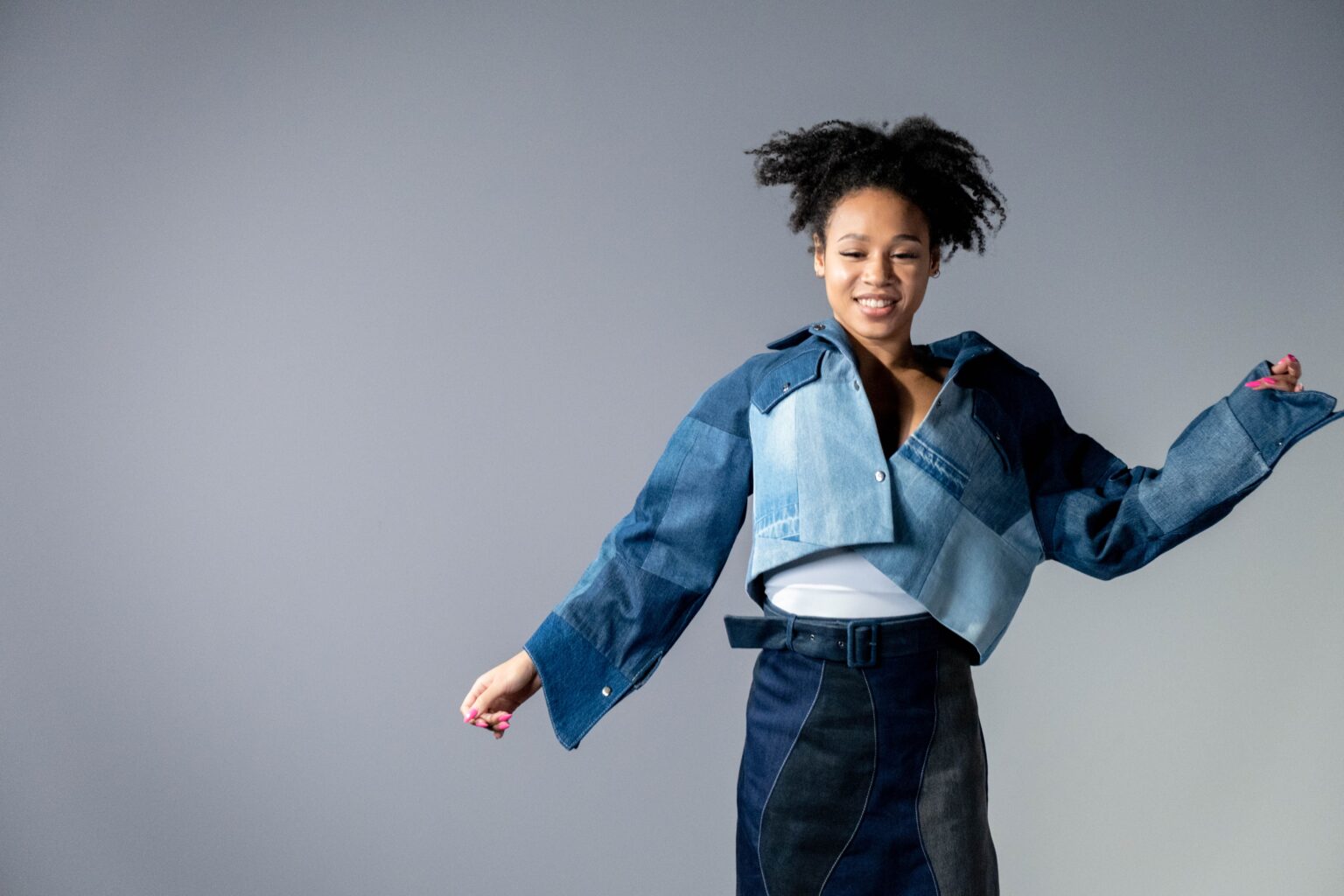
The “Canadian tuxedo” has undergone a remarkable makeover in reputation. Fashion editors now embrace denim jackets with matching jeans, chambray shirts layered beneath darker denim, and monochromatic indigo outfits featuring different fabric washes.
Successful styling typically relies on varying texture, tone, or silhouette instead of matching every piece perfectly. Premium denim brands routinely showcase coordinated sets on runways, proving that thoughtful execution matters more than avoiding denim combinations altogether.
Visible Socks Ruin an Outfit
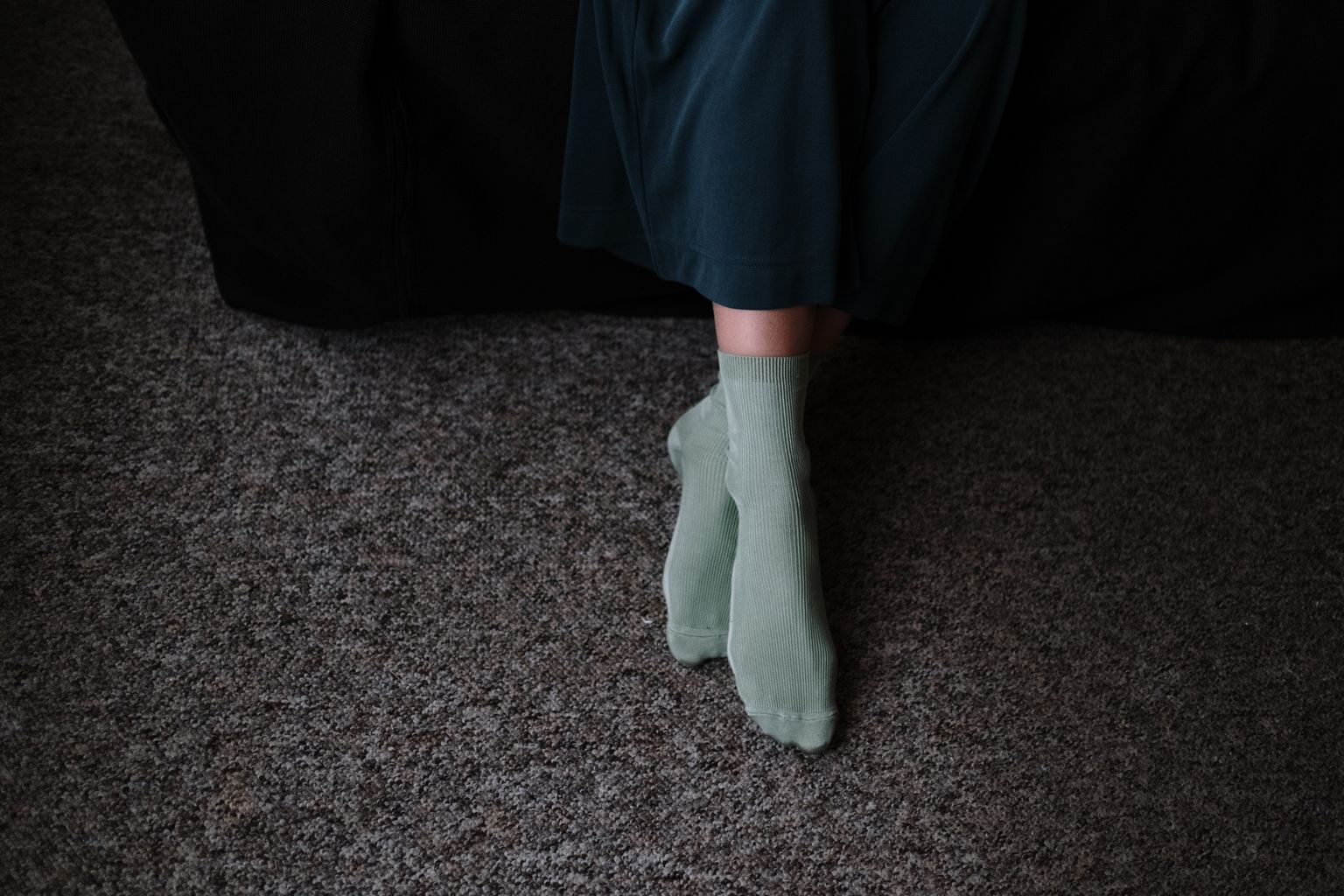
Socks have evolved into statement accessories rather than items meant to disappear. Sheer socks beneath loafers, colorful athletic socks paired with sneakers, lace socks worn with ballet flats, and patterned crew socks accompanying tailored trousers have become common styling choices.
Fashion influencers frequently use socks to introduce color, texture, or personality without purchasing entirely new outfits. Designers have embraced decorative hosiery as another creative layer within modern styling rather than something to conceal.
Luxury Brands Always Mean Better Style
Consumer attitudes have shifted toward craftsmanship, longevity, and personal taste instead of recognizable logos. According to ThredUp’s 2025 Resale Report, secondhand shopping continues to grow as consumers prioritize quality and sustainability over constant luxury purchases.
Stylish wardrobes increasingly combine vintage finds, independent designers, affordable basics, and occasional investment pieces. Fashion professionals consistently emphasize fit, proportion, fabric quality, and styling over brand names.
Expensive clothing may offer excellent craftsmanship, but great style rarely depends on price tags alone.
Fashion Rules Should Always Be Followed
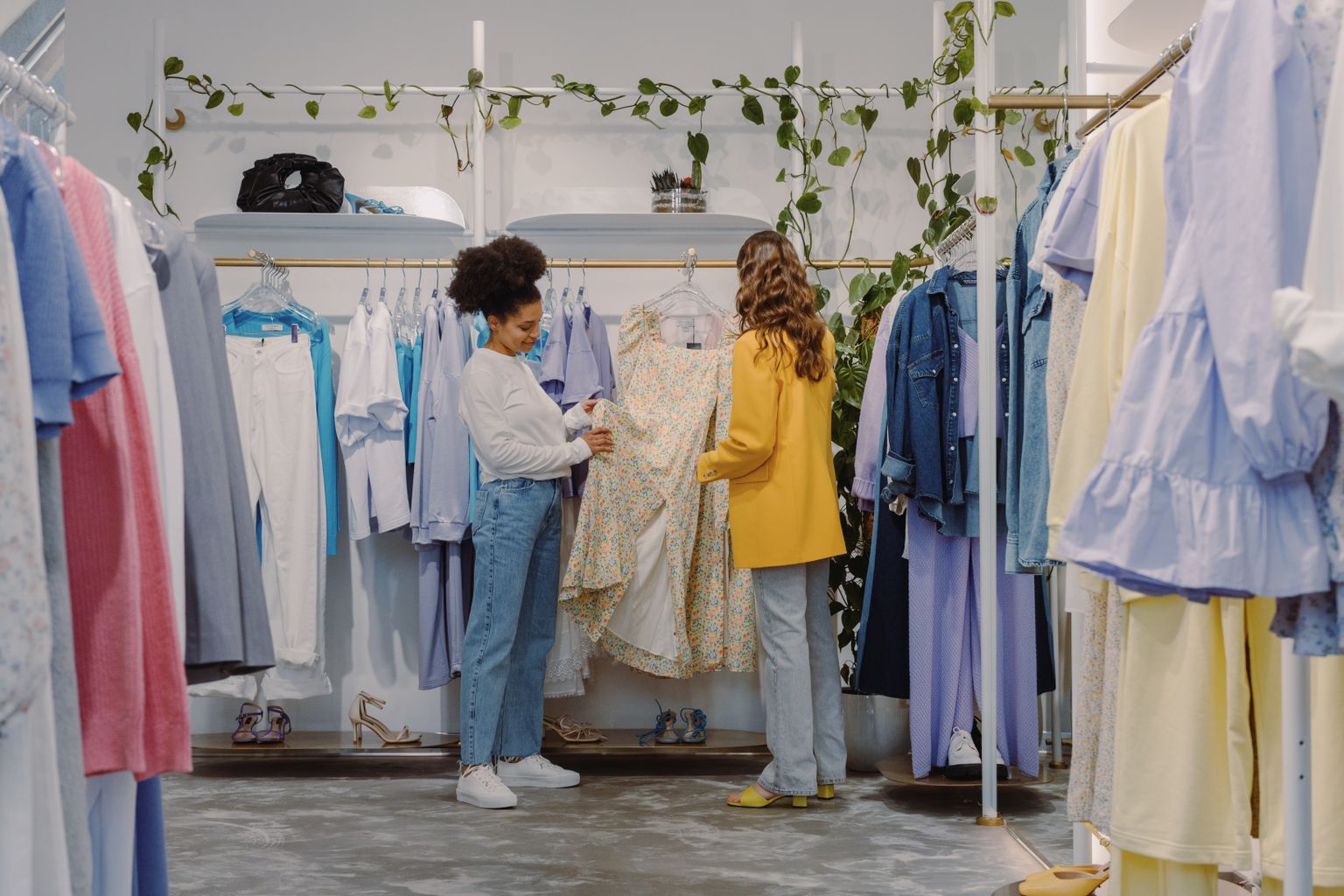
Perhaps the biggest outdated rule is the belief that fashion requires strict obedience in the first place. Today’s stylists encourage experimentation because personal style develops through observation, trial, and confidence rather than memorizing restrictions.
Social media has exposed audiences to global fashion influences, demonstrating that creativity thrives across different cultures, climates, body types, and lifestyles. Successful wardrobes increasingly reflect personality rather than perfection, allowing clothing to serve as a form of communication rather than a checklist of dos and don’ts.
Key Takeaways

- Many traditional fashion rules originated from outdated etiquette rather than design principles.
- Modern consumers prioritize comfort, individuality, and versatility over rigid style expectations.
- Mixed metals, sneakers with dresses, and double denim have become mainstream fashion choices.
- White clothing works beautifully throughout every season.
- Color combinations once considered mistakes now create sophisticated, editorial-inspired outfits.
- Great style depends more on fit, confidence, and creativity than following old-fashioned rules.
- Fashion in 2026 celebrates personal expression instead of unnecessary restrictions.
Disclaimer: This list is solely the author’s opinion based on research and publicly available information. It is not intended to be professional advice.
Like our content? Be sure to follow us
MORE TCF GAMES