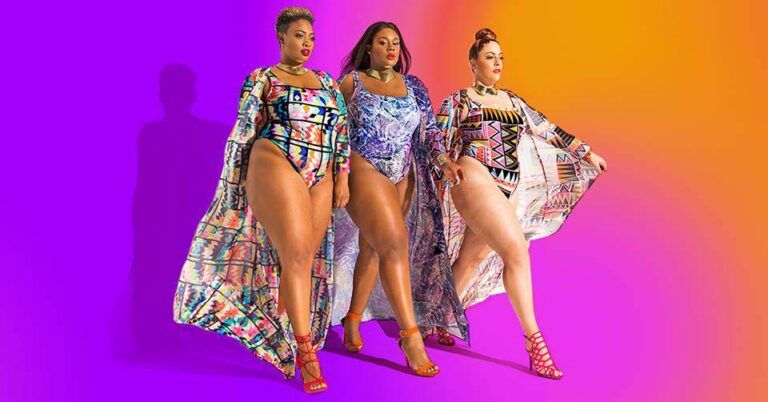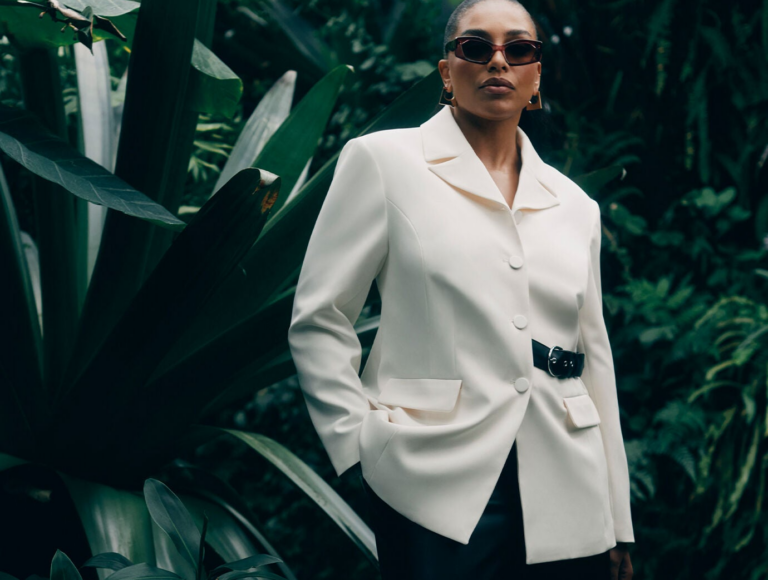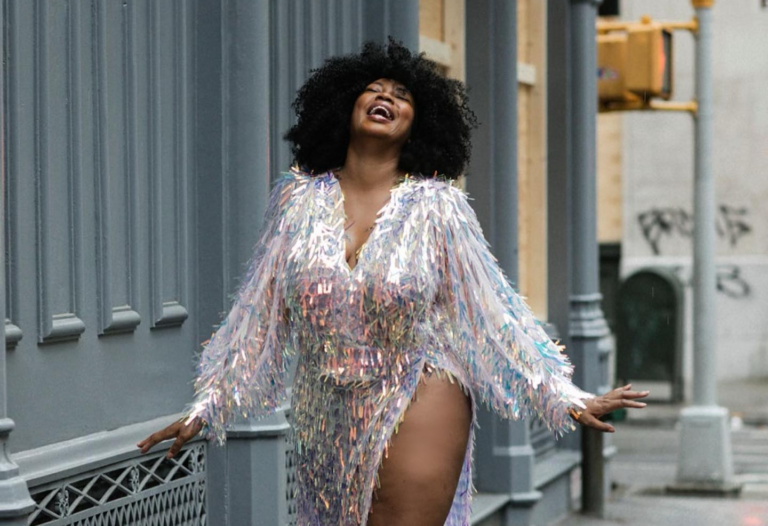
Why Inclusivity Is the Smartest Business Move in Fashion Right Now
Let me say this the way we would over brunch, not in a boardroom PowerPoint. Fashion did not suddenly “discover” inclusivity because it grew a conscience. It discovered it because ignoring most women stopped making financial sense.
What many brands are just now realizing is that inclusive fashion business decisions are not about optics. They are about growth, relevance, and survival in a market that no longer tolerates exclusion.
And I know I am not alone in noticing this. The numbers, the consumer behavior, and the brands actually listening all tell the same story. Inclusive fashion is not about being nice. It is about being smart.
Pull up a chair. Let me show you why.
Size Inclusion Is Where the Money Has Been Hiding
Here is the part that still makes my eye twitch. In my research, I kept running into the same disconnect. Most women do not wear the sizes fashion keeps prioritizing, yet brands keep acting shocked when inventory does not move.
Data pulled together by Edited shows that the majority of online fashion inventory still sits in sizes 00 to 8, while only about 22 percent of products extend above what is considered the industry average size. Meanwhile, most American women wear sizes 16 to 18. That gap is not theoretical. That is lost revenue hanging on the rack.
And I am not the only one who has clocked this. Plus size fashion writer and consultant Sarah Chiwaya has been saying this out loud for years. In an interview with Fashion Week Daily, she put it plainly:
“The plus size consumer is more brand loyal than any other consumer. If you get it right, you will create incredibly loyal customers who will return and spend money. It is morally the right thing to do, but it is also a great business decision.”
And the market size backs her up. According to Statista, plus size women’s clothing accounted for nearly $25 billion in U.S. sales, representing close to 20 percent of the entire women’s apparel market.
That is not a niche. That is a business opportunity brands ignored for decades.
Consumers Are Voting with Their Wallets
I kept seeing this pattern come up again and again, and it matters deeply for plus size consumers. When people feel seen, they spend. When they feel excluded, they leave.
A joint study from Unstereotype Alliance, Oxford Saïd Business School, and Kantar found that brands using inclusive advertising experienced higher short-term sales, stronger long-term growth, and increased customer loyalty. That finding lands differently when you look at it through a plus size lens.
Plus size shoppers are some of the most brand-loyal consumers in fashion, not because we are passive, but because access has historically been limited. When a brand signals, through its advertising and imagery, that plus size bodies are welcome, respected, and intentionally designed for, we respond with trust and repeat purchases.
Here is the part brands should not ignore. Nearly half of consumers still say they felt excluded by fashion advertising in the past year. For plus size people, that exclusion is familiar. It shows up in who is missing from campaigns, whose bodies are cropped out of styling stories, and which sizes quietly disappear online.
That gap is not just cultural. It is commercial.
The brands willing to do more than check a box are walking into open space with plus size consumers who are ready to spend, stay loyal, and advocate loudly when they finally feel included. This is not about perfection. It is about participation and plus size shoppers have been waiting to be invited in.
How Inclusive Brands Are Eating Legacy Brands’ Lunch
If you want to see what happens when inclusion is treated as a business strategy instead of a marketing moment, look at lingerie. No category makes the case more clearly.
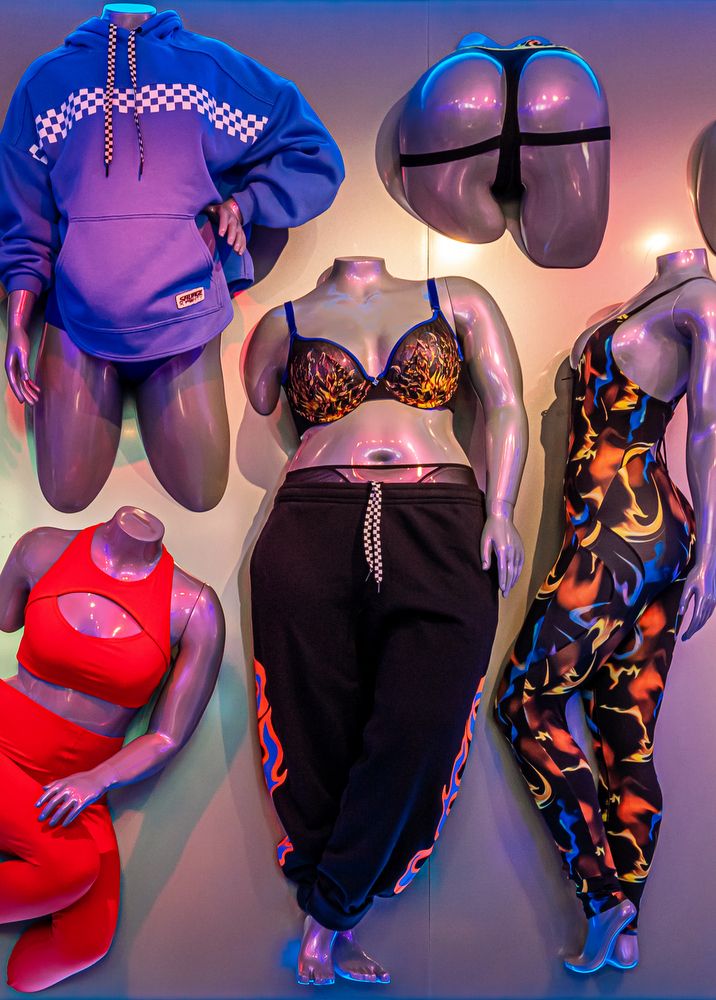
Savage X Fenty did not stumble into success by accident. From day one, the brand built its identity around real size inclusion, offering bras, underwear, and lingerie across a genuinely extended size range and putting plus size bodies at the center of its campaigns, runway shows, and brand storytelling.

This was not about adding a few extra sizes and calling it progress. Savage X Fenty made plus size consumers visible, desirable, and prioritized, and the market responded accordingly.
Meanwhile, legacy players learned the hard way what happens when you ignore your customer for too long. Victoria’s Secret, once the dominant force in lingerie, saw billions in lost revenue and a steep cultural decline after years of excluding plus size bodies and clinging to a narrow, outdated definition of beauty. Even its later attempts at rebranding could not undo the damage caused by years of disconnect.
What Savage X Fenty proved is simple but powerful. When plus size consumers are fully included, not hidden in a corner or treated as an afterthought, they show up with loyalty, repeat purchases, and word-of-mouth marketing money cannot buy.
Lingerie did not change because brands suddenly became enlightened. It changed because inclusion made financial sense. Savage X Fenty just had the foresight to listen first.
Representation at the Top Determines Who Gets Served
Something else became very clear in my research. Representation is not cosmetic. It is operational.
When plus size people are missing from leadership, brands do not just miss perspectives. They miss markets.
Fashion still struggles with representation at the executive level overall. A diversity audit cited by Lloyds Banking Group showed that representation of racial minorities in advertising increased by 13 percent over three years, yet fashion continues to lag behind other industries when it comes to who holds decision-making power.
But size representation remains even further behind. Vogue Business journalist Maliha Shoaib highlighted that only 9 percent of executive roles in fashion are held by people of color, and there is virtually no publicly reported data tracking how many fashion executives are plus size.
That absence is not accidental, and it shows up everywhere. When leadership teams are overwhelmingly straight-size, brands consistently underestimate fit complexity, size grading costs, inventory planning, and marketing nuance for plus size consumers.
The result is predictable: limited size ranges, inconsistent fits, and campaigns that feel disconnected from the very customers brands claim they want.
Us plus size shoppers notice this immediately. When no one at the table understands their bodies or their buying power, the product reflects it. And when brands finally bring in plus size leaders, consultants, designers, or executives, the shift is just as immediate. Better fits. Smarter assortments. Stronger loyalty.
Representation does not just change how fashion looks. It changes how fashion performs.
Modest Fashion Has Always Included Plus Size People
Here is the part fashion rarely says out loud. Modest fashion did not suddenly become a trend. Plus size people have been asking for it all along.
Longer hemlines. Real sleeves. Higher necklines. Thoughtful coverage that still feels stylish. For many plus size shoppers, these are not conservative choices. They are practical ones. In my research, it became clear that what the industry often labels as “modest fashion” is simply clothing that works on plus size bodies in real life.
The global market is finally catching up. Reuters reports that the modest fashion market is projected to reach hundreds of billions of dollars globally, driven by consumers seeking coverage for cultural, personal, and professional reasons.
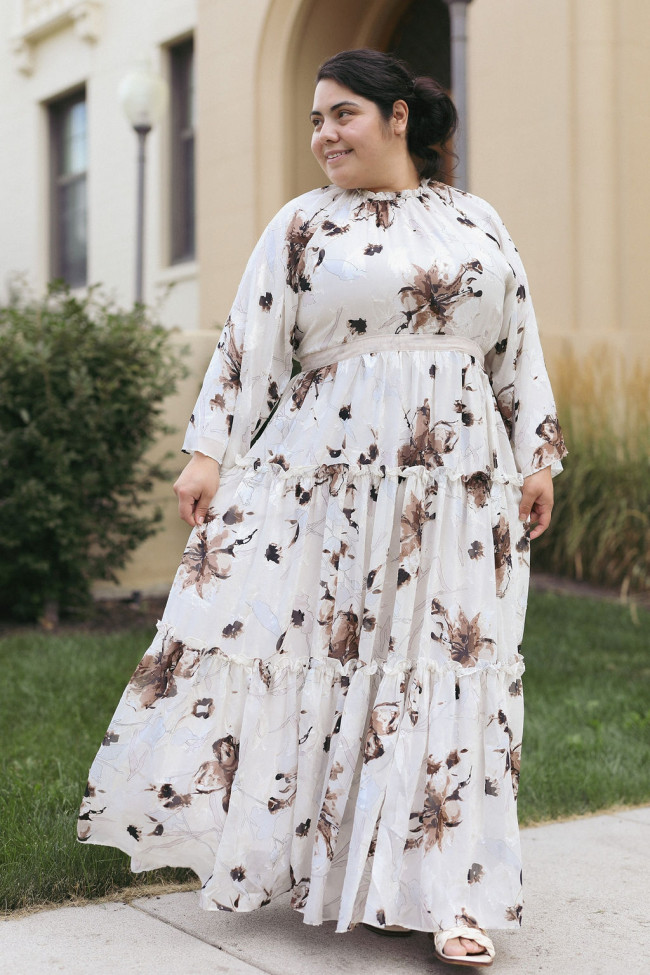
What often gets missed in that conversation is how many plus size people are already part of that demand. When brands only offer crop tops, micro hemlines, and sleeveless silhouettes in extended sizes, they quietly exclude a massive segment of plus size shoppers who want options that feel polished, wearable, and intentional.
Brands like Uniqlo and Nike recognized this early by designing collections that prioritize coverage, movement, and versatility. But plus size consumers still see this gap far too often, especially in fashion-forward categories where “sexy” is treated as the only valid expression of style.
Coverage does not cancel style. For plus size people, it often creates it. And brands that understand this are not just tapping into a global market.
They are finally listening to a customer who has been asking for the same thing all along: clothes that let us show up fully, comfortably, and confidently on our own terms.
Age Inclusion Exposes Fashion’s Blind Spot Around Plus Size Bodies
Here is where fashion’s strategy really starts to unravel. Plus size shoppers do not age out of wanting style. Fashion simply ages them out of consideration.
Age and size are not separate identities. They compound each other. Bodies change over time, weight distribution shifts, mobility changes, comfort needs evolve and plus size shoppers feel that friction first and hardest.
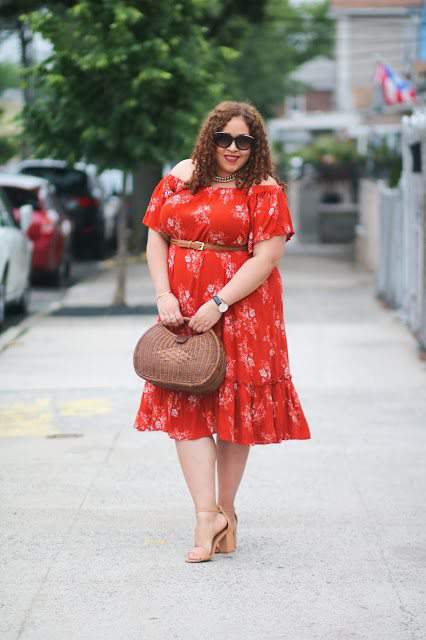
Sandra, Creator of www.lapecosapreciosa.com
Data from YouGov shows that three in ten women over 55 struggle to find clothing that suits their lifestyle and body. That challenge only intensifies for plus size women, who already face limited size ranges, inconsistent fit, and fewer quality options long before age enters the conversation.
This is where brands lose the plot. Older consumers tend to have more disposable income and stronger brand loyalty, yet fashion continues to design as if youth, thinness, and trendiness are the only identities worth serving. For plus size shoppers over 40, 50, and beyond, the result is a market that feels either overly matronly or completely inaccessible; with very little in between.
And that gap is not about taste. It is about leadership and priorities. When brands fail to consider how plus size bodies evolve with age, they miss opportunities in fit innovation, fabric choice, and styling that could unlock a deeply loyal, high-value customer base.
Age inclusion is not a separate initiative from size inclusion. It is the next phase of it. Brands that understand this are not just designing better clothes; they are building longer customer lifecycles, stronger retention, and smarter long-term growth.
Ignoring older plus size shoppers is not a style miss.
It is a strategy failure.
So Let Us Be Honest
Inclusive fashion business is not about doing the right thing someday. It is about doing the profitable thing now.
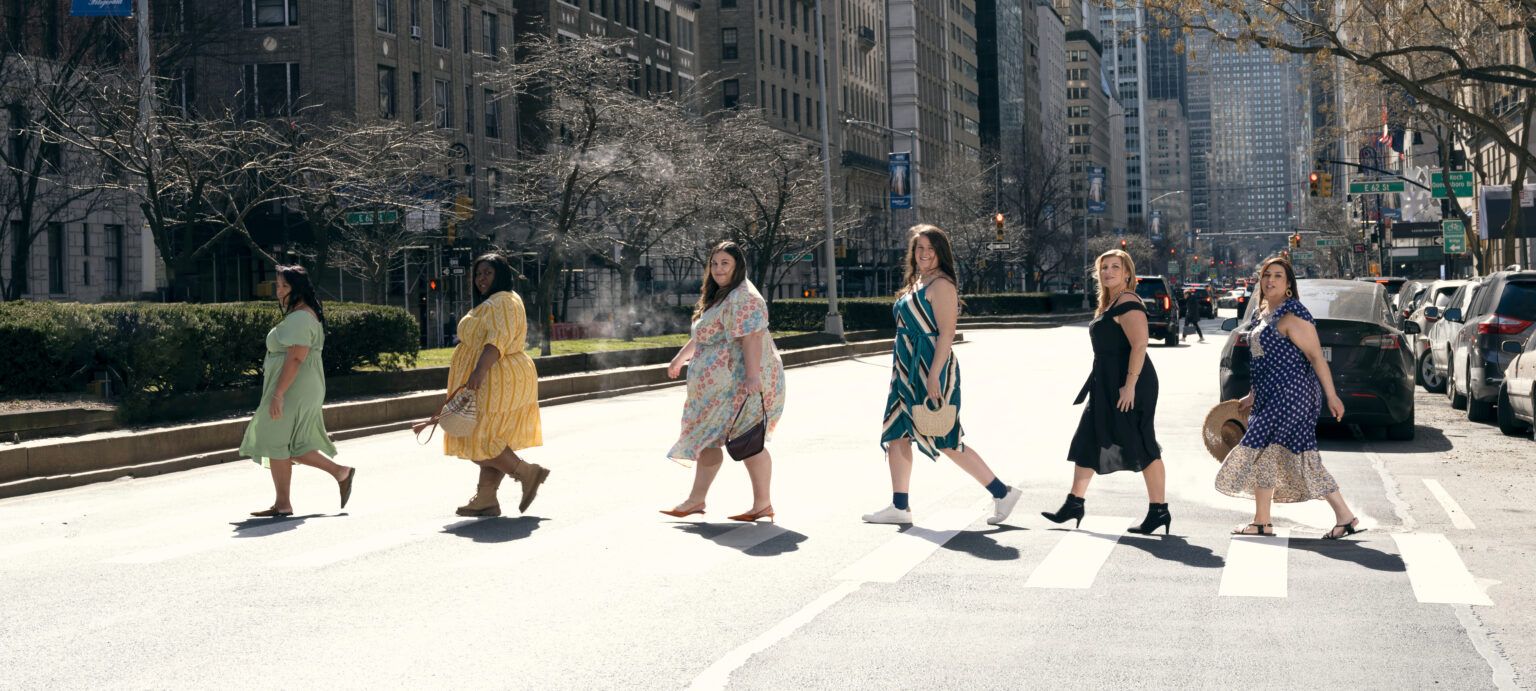
In the U.S. alone, spending on plus size women’s clothing accounts for nearly one fifth of the total women’s apparel market. Consumers are not waiting to be convinced. They are waiting to be served.
The brands winning are not asking whether inclusivity matters. They are asking how fast they can implement it without losing authenticity.
Fashion’s future is already dressed. The only question is which brands are smart enough to show up ready.
MORE TCF GAMES