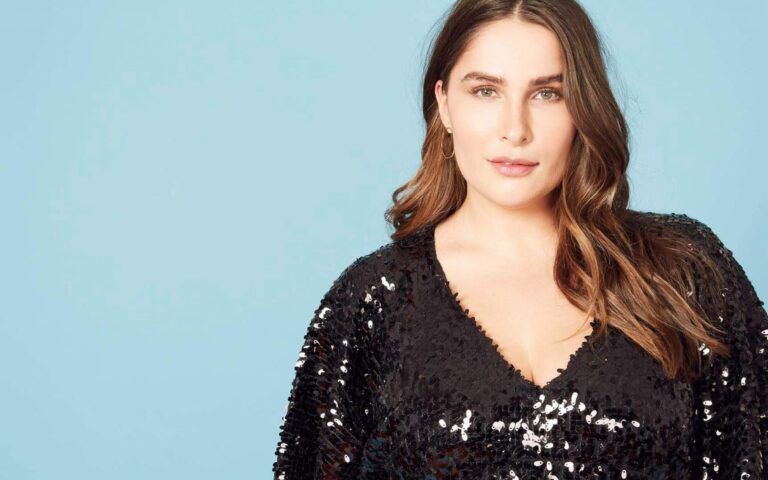
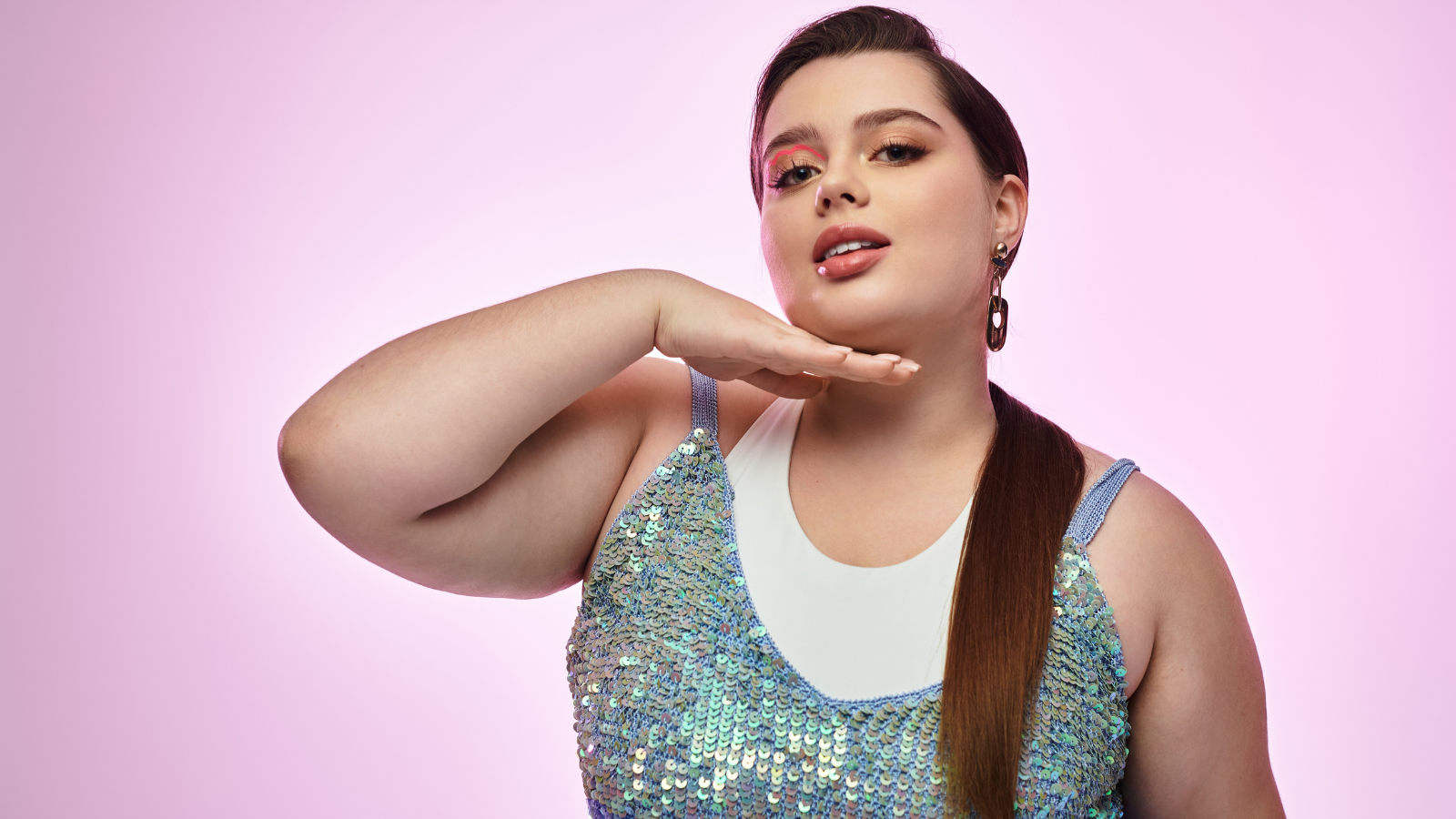
Torrid, the largest plus-size specialty retailer in the US, posted a 14.3% sales decline last quarter, and executives point to one driver: GLP-1 drugs reshaping who buys extended sizes and how fast.
Emarketer data revealed that by December 2025, only half of H&M’s assortment fit what the industry calls its average consumer, down from 86% the year before. Old Navy, L.L. Bean, and Ralph Lauren also quietly scaled back the plus ranges they built during the last decade’s inclusivity push.
None of that changes the underlying math. A Forbes report highlights that sixty-seven percent of American women still wear a plus size, and fashion is already treating a drug-driven dip as permission to retreat from a majority it barely served to begin with.
Sample Sizes Still Rule
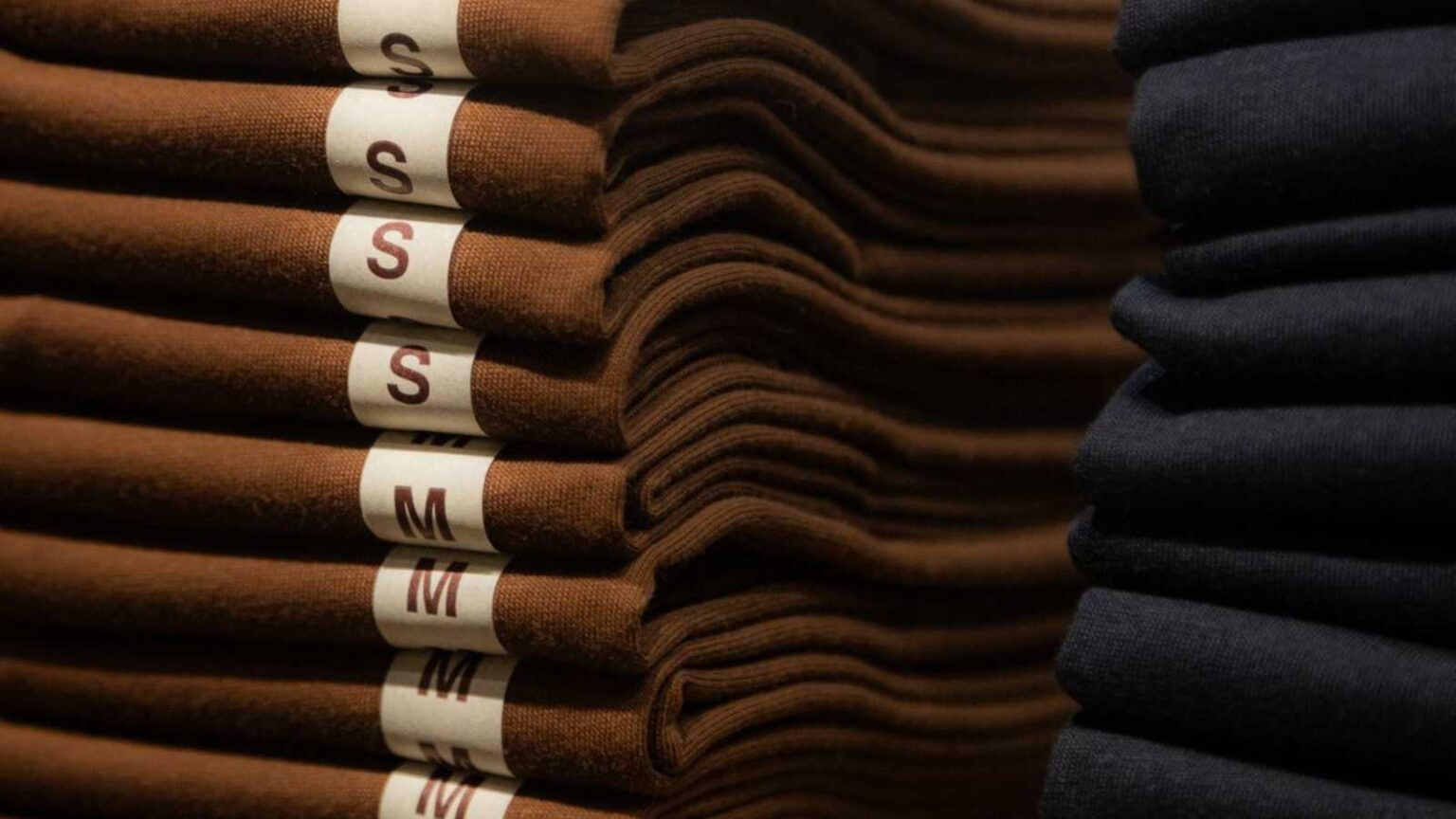
The word sample size sounds neutral, but it has always meant one body: for most of the last century, a size 6-8 frame that patternmakers built entire collections around before grading up or down.
Grading does not redesign a garment. It just stretches the same shape mathematically, so a dress engineered for a 36-inch bust gets wider seams and longer darts rather than a rethink of where fabric should sit on a fuller frame.
Ebenezer Butterick industrialized this system in 1867 for home sewing patterns, and ready-to-wear inherited it wholesale. Extended sizing still follows the same grade rule today, which is why so many plus pieces feel like enlarged photocopies rather than clothes drafted for the bodies wearing them.
Runways Ignore Plus Sizes
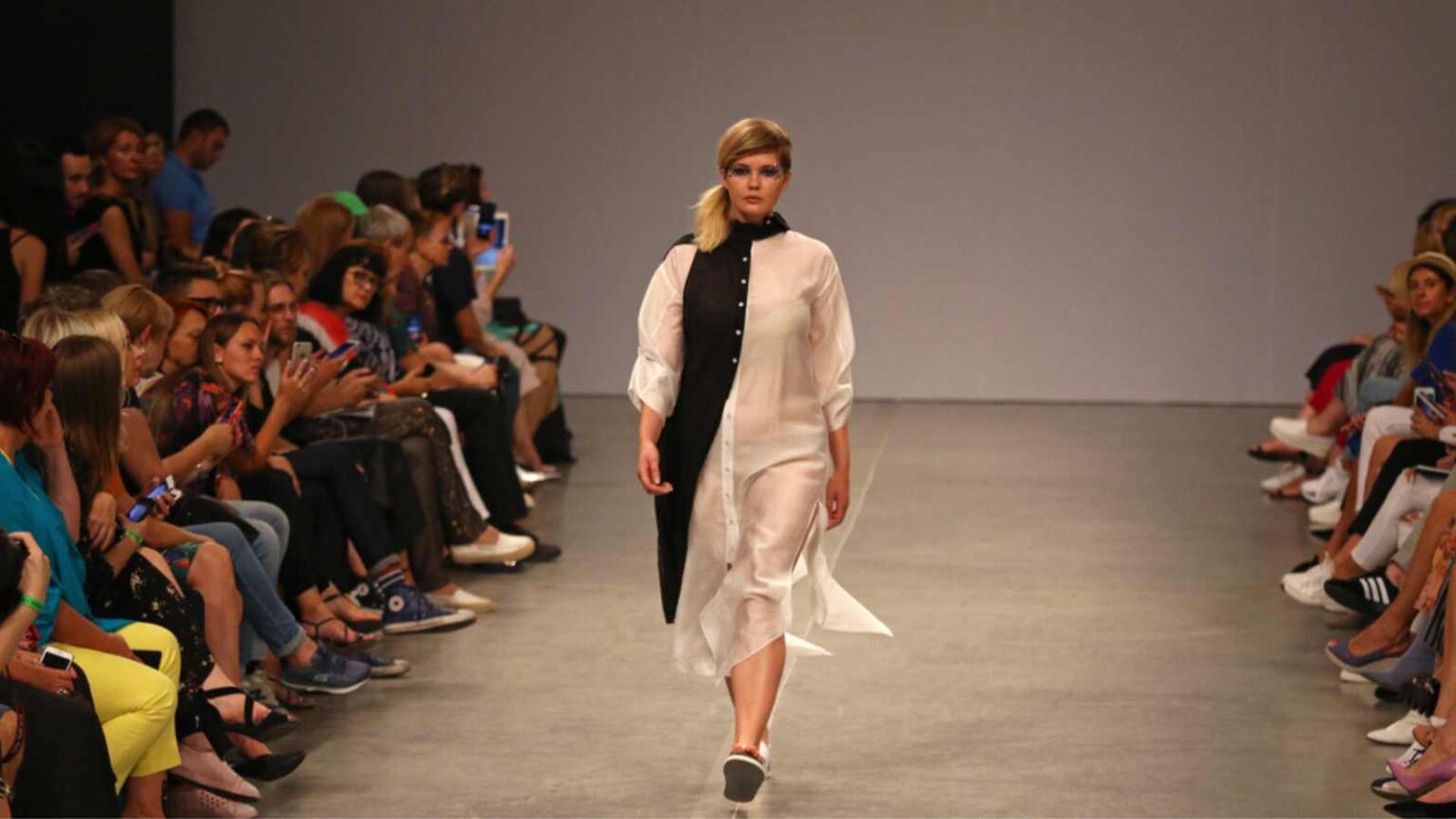
Vogue Business tracked 9,584 looks across 230 shows in New York, London, Milan and Paris for its Spring Summer 2024 size inclusivity report, and plus bodies, defined as US size 14 and up, accounted for 0.9% of them.
Mid-size models, roughly a 6 to 12, fared only slightly better at 3.9 percent. Karoline Vitto and Chopova Lowena tied for the most size-diverse shows that season, both smaller labels rather than legacy houses.
Ferragamo and Mugler joined the size inclusivity rankings for the first time, which the industry treated as a milestone rather than a baseline.
When over 95% of runway looks still cluster in a size range most women have never worn, casting has not caught up so much as stalled at a photo op.
Retail Still Falls Short
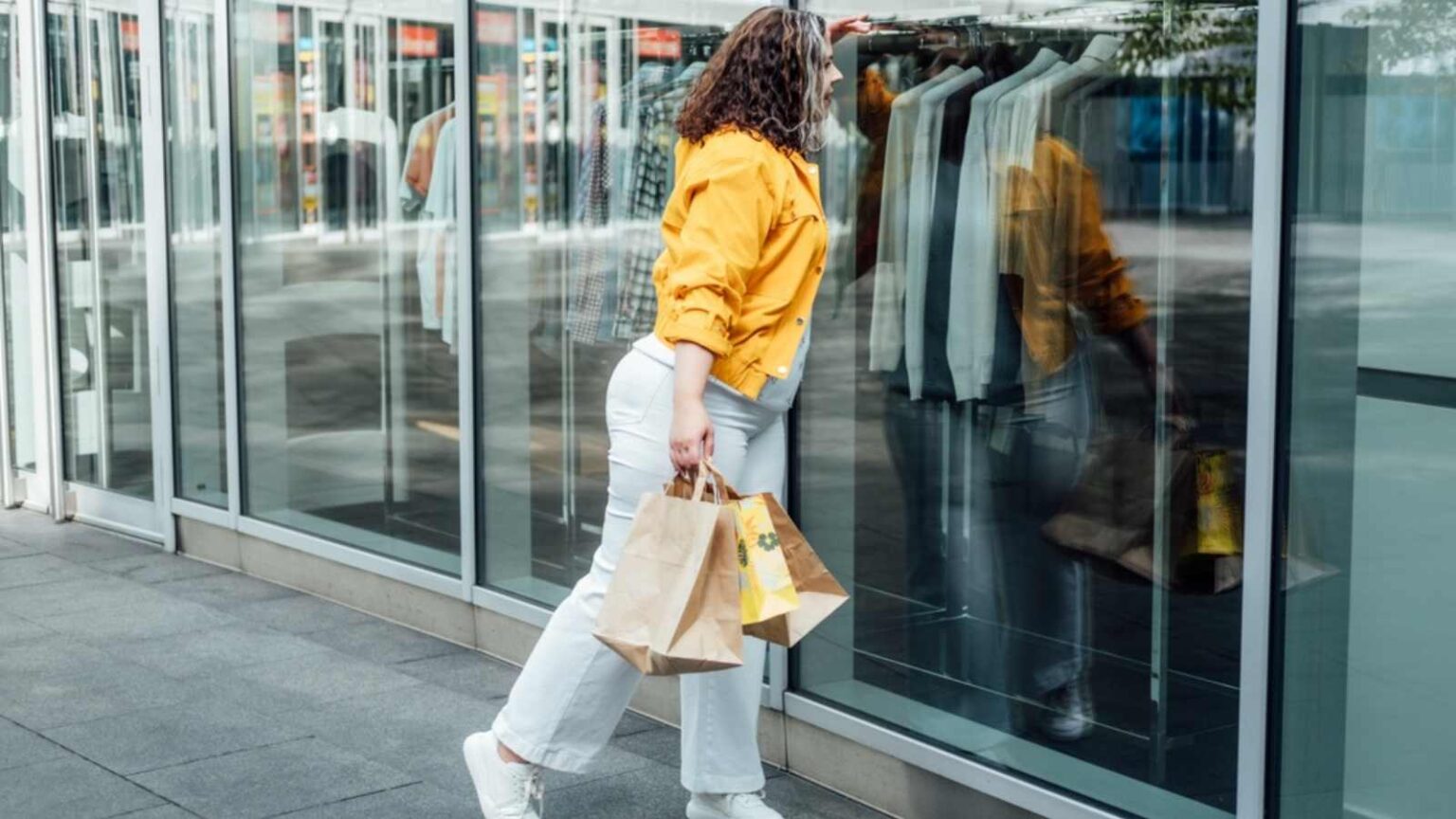
Old Navy’s Bodequality launch in 2021 folded plus sizing into the main collection at the same price point, calling it a human-centered redesign rather than a plus range bolted onto the existing line.
Less than a year later, Gap Inc. pulled the program from 75 US stores and 15 Canadian stores, blaming oversupply in extended sizes and undersupply in the middle sizes.
The framing put the failure on shoppers rather than on a company that had never built the forecasting or floor space to support the sizes it announced.
A rollback dressed up as a realignment is still a rollback, and plus-size customers noticed the difference immediately.
The Origins of Plus Size

Lane Bryant coined the term plus-size as a marketing term in 1922, advertising Misses Plus Sizes for women needing more room in the bust, waist and hips, with sizes 16 through 30 at launch.
Five years later the brand dropped misses from its ads entirely, and by 1953 a North Carolina newspaper ad for the label Korell had shifted the modifier from clothing to the woman herself, running the line the plus-sized woman.
That shift from describing a garment to describing a body is where much of the category’s baggage began. A term built to move inventory in the 1920s still functions as a euphemism a century later, which says less about the women it labels and more about how reluctant retail has always been to just call sizing what it is.
Designers Prove the Demand

Christian Siriano has cast plus-size models on his runway since his first collection in 2008 and now regularly fits size 30 clients for red-carpet work, a size range most houses still treat as a special order.
He has said plainly that restrictions are the antithesis of art, framing designers who refuse to dress larger women as artists working with self-imposed limits rather than any real constraint.
His business proves the audience exists. Glossy has reported that the US plus-size market is close to $ 200 billion, a figure large enough that Siriano’s approach reads less like activism and more like ordinary commercial sense.
The gap is that his runway is still covered as an anomaly rather than treated as the industry standard it should already be.
Fit Starts With Design
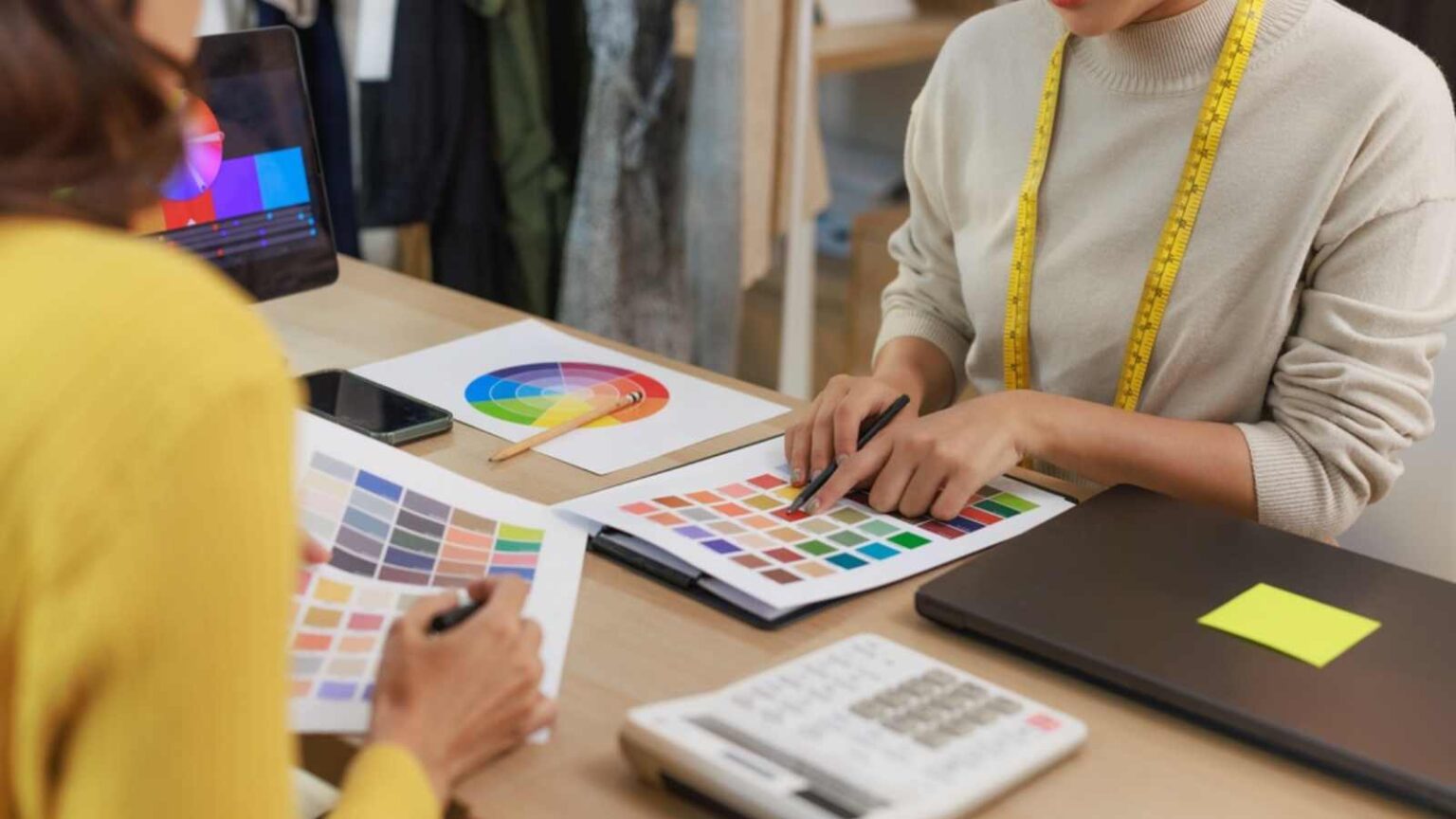
Good fit begins with how a garment is designed, not simply with the size printed on the label. Clothing made for a broader range of body shapes often requires adjustments to proportions, pattern pieces, fabric behavior, and construction rather than simply enlarging or shrinking an existing design.
As more brands expand their size ranges, the focus has increasingly shifted toward creating patterns for different body types from the beginning. While this approach may require additional manufacturing resources and more complex production processes, it generally produces clothing that fits more comfortably and moves more naturally than garments made by scaling up a single base pattern.
The Market Is Proven

US spending on women’s plus-size clothing was $21.4 billion in 2016, with survey data showing that more than a quarter of American women browse the category regularly, according to Coresight Research.
CDC figures from that period put obesity among women 20 and older near 38%, a number retailers routinely cite in investor decks to justify expansion. Yet extended sizing is still pitched internally as a pilot rather than as a funded initiative, as the spending data already describes for the core business.
That said, Old Navy’s own Bodequality stumble complicates a purely cynical read, showing that demand data and inventory execution do not automatically align even when the market opportunity is real and provable on paper.
Even Plus Size Varies
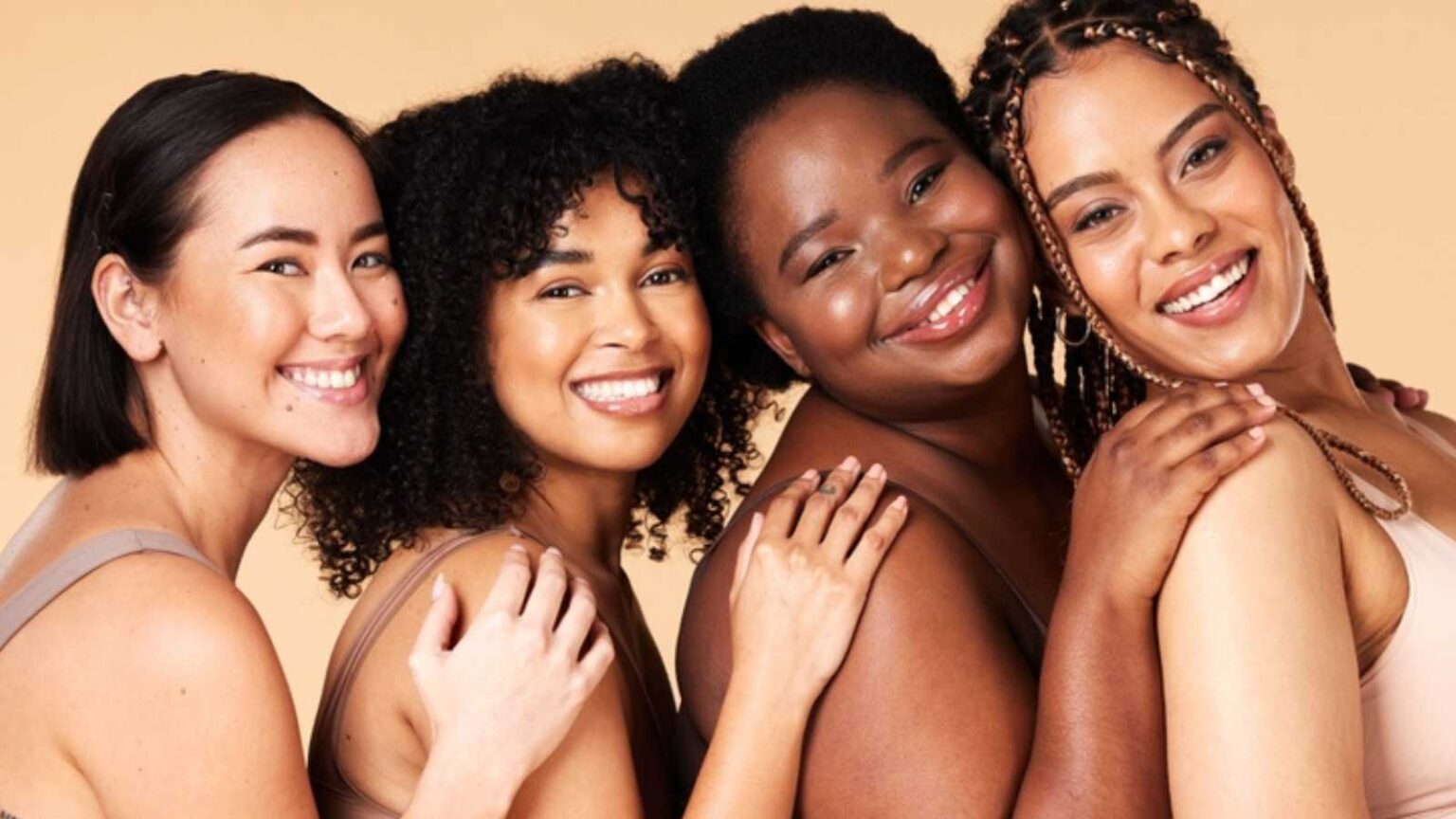
Even the 67% figure anchoring this piece has a contested history. Plunkett Research first cited 67% to 68% of American women wearing a size 14 or above back in 2012, a number the firm later confirmed it still stands behind, adjusting only slightly for an aging population and rising GLP-1 use.
Mys Tyler’s 2024 US survey put the plus-size share at 54.4% instead, while identifying size 16 as the single most common dress size in the country. The gap between those figures is a reminder that plus-size has never had a single, fixed definition, with measurements varying depending on whether a brand starts counting at 12, 14, or 16.
The Plus-Size Price Penalty
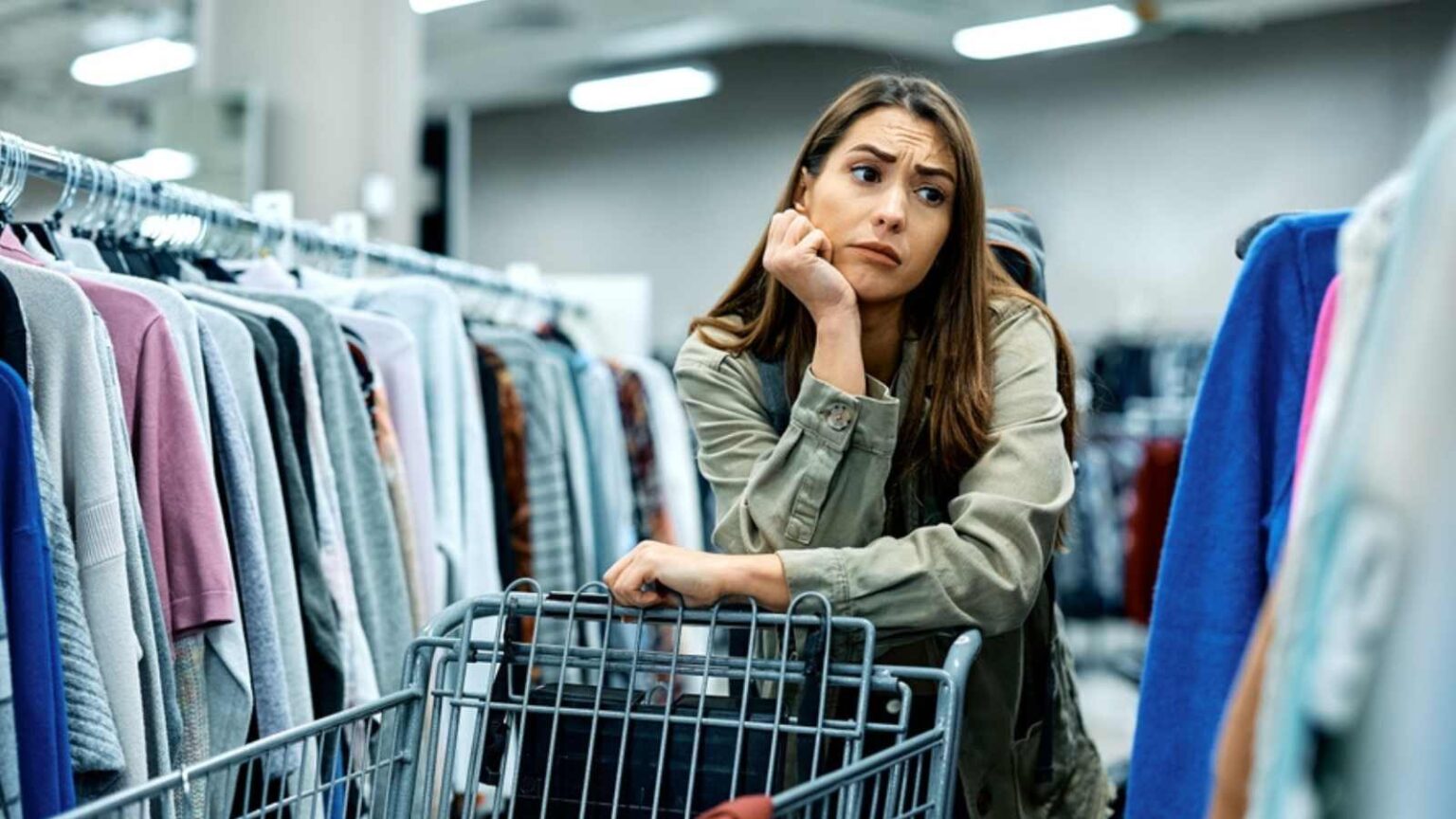
Some shoppers have noticed that identical clothing styles can cost more in larger sizes than in smaller ones.
Retailers that use tiered pricing often point to factors such as higher material use, increased production costs, or supply chain expenses.
While these explanations may account for part of the difference, the practice has drawn criticism from consumers who believe larger sizes should not automatically carry a higher price.
The issue has fueled broader discussions about fairness in apparel pricing, transparency, and whether inclusive sizing should be treated as a standard part of clothing production rather than a premium option.
AI Can’t Fix Poor Fit

Apparel returns run 20% to 30% industry-wide, and incorrect fit is consistently cited as the leading driver, sometimes accounting for the majority of all returns tracked by retailers.
Rather than investing in better pattern development for extended sizes, many retailers have redirected that spending toward AI sizing tools that cluster shoppers by past purchase and return behavior to estimate fit.
The tools can shave returns by 20% to 30% in controlled tests, but they are solving for a chart built on the same flawed grading assumptions this piece opened with.
An algorithm trained on bad-sized data will always recommend confidently and still be wrong, which turns a construction problem into a data science budget line instead of a pattern room one.
Size 16 Falls Between
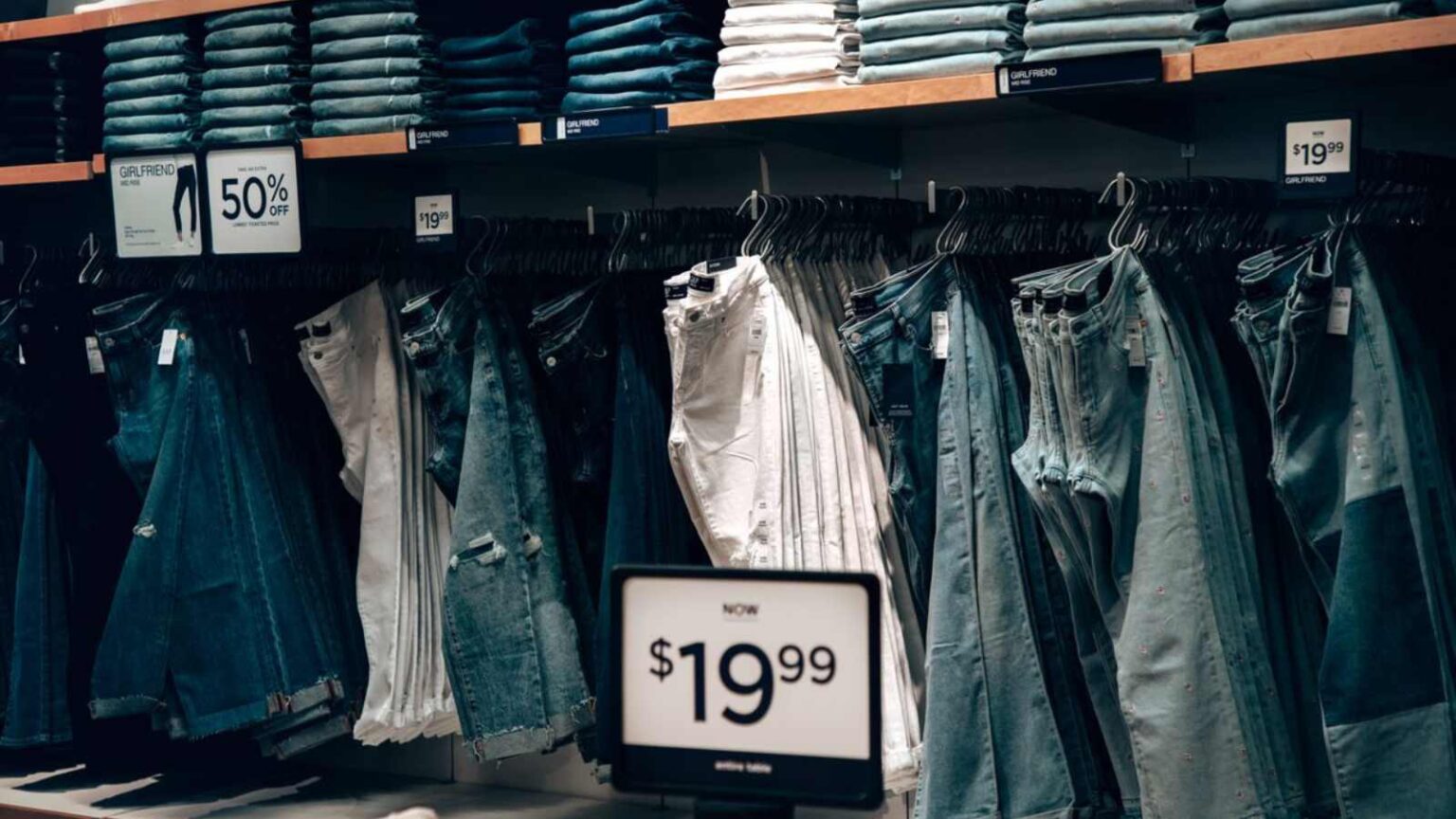
Size 16 is the most commonly worn dress size in America, a size that sits squarely between straight sizing, which frequently stops at 12 or 14, and plus ranges, which often start at 18 or 20.
Shoppers in that middle band describe themselves online as either too big for one section or too small for the other, a friction that stylists and fit consultants increasingly flag as the industry’s most overlooked gap.
Some brands have responded by building dedicated mid-size lines rather than treating 14 to 18 as a rounding zone between two other categories, though critics note that adding a third silo just adds another set of grading assumptions rather than fixing the underlying pattern.
Inclusivity Still Feels Temporary
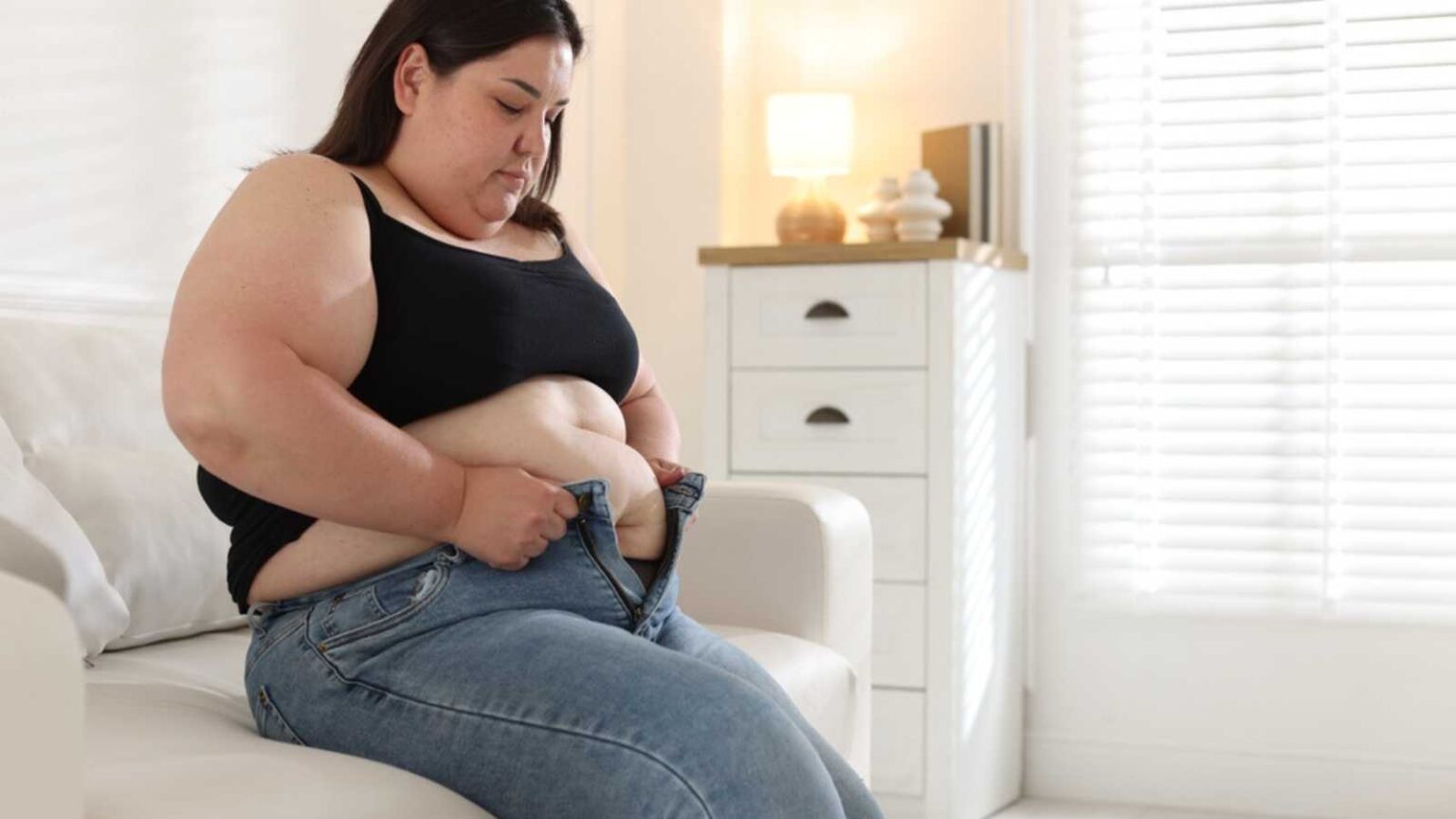
Although most American women continue to wear sizes in the plus-size range, there is ongoing debate about how future demographic and health trends could influence the apparel market.
Factors such as changing population patterns, evolving health behaviors, and the growing use of weight-management medications have prompted some analysts to speculate about how clothing demand may shift over time.
Even so, many consumers argue that size inclusivity should not depend on short-term market trends. They contend that offering a broad range of sizes is a long-term commitment to serving diverse body types rather than a response to temporary changes in consumer demand or fashion cycles.
Key Takeaways:
- Linear grading fails to capture biological diversity: Scaling small-pattern geometry mathematically ignores how weight and volume are actually distributed across human frames.
- High fashion maintains exclusionary signals: Runway casting serves to maintain aesthetic cohesion, intentionally keeping luxury synonymous with narrow, non-representative sizes.
- Retailers pivot on manufactured risk: Companies use oversupply or logistics as excuses to roll back inclusivity, treating a permanent demographic shift like a temporary pilot program.
- Tech prioritizes data over design: AI sizing tools often optimize for flawed, legacy measurements rather than correcting the underlying structural errors in garment construction.
- The middle-size void: Arbitrary industry divisions between straight and plus categories leave the most common dress sizes in a retail no man’s land.
Disclaimer: This list is solely the author’s opinion based on research and publicly available information. It is not intended to be professional advice.
Like our content? Be sure to follow us
MORE TCF GAMES