
Buying clothes used to feel harmless until I realized my closet was full of pieces with tags still attached. Every sale promised the missing item that would finally make getting dressed easier. Every trend looked irresistible for a few weeks before another one appeared.
The result was a collection of expensive reminders that buying more doesn’t always mean wearing more. Millions of Americans face the same challenge. Apparel continues to rank among the country’s biggest discretionary purchases, with the U.S. Bureau of Labor Statistics reporting that the average consumer spends hundreds of dollars annually on clothing.
Clothing remains one of the categories most vulnerable to impulse purchases, driven by discounts, social media, convenience, and emotional buying habits. A comprehensive review published in the Journal of the Academy of Marketing Science found that impulse buying is shaped by psychological triggers as much as marketing techniques, making apparel one of the easiest categories for shoppers to overspend in.
My turning point came after calculating how much money I had spent on items I rarely wore. Instead of chasing every trend, I rebuilt my wardrobe around dependable staples that worked together in dozens of combinations.
A Pair of Dark-Wash Straight-Leg Jeans
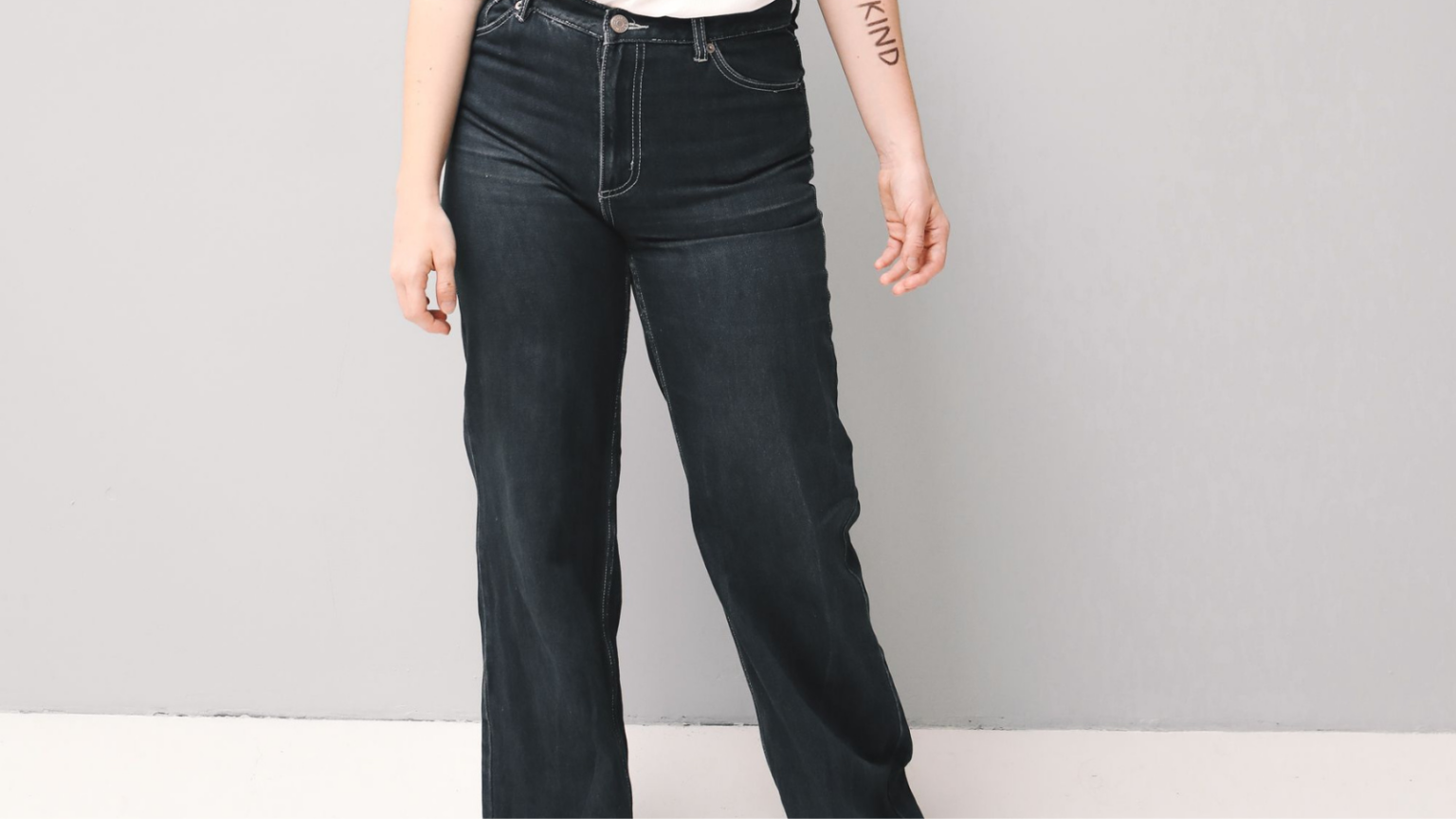
Dark-wash straight-leg jeans became the foundation that changed my shopping habits. Earlier, every new season convinced me I needed another denim trend; distressed, colored, cropped, ultra-wide, embellished, or dramatically flared.
Most spent more time folded in drawers than being worn. One well-fitting pair of dark jeans quietly replaced nearly all of them. The clean silhouette paired well with sneakers for grocery runs, loafers for meetings, ankle boots in cooler months, and heels for dinners.
That flexibility dramatically reduced the temptation to buy “just one more” pair because almost every top in my closet already matched them. Instead of chasing novelty, I began evaluating purchases by asking a simple question: Would this create at least five outfits with these jeans?
If the answer was no, the item stayed on the rack. That single habit prevented countless impulse purchases while making every dollar stretch further.
A Crisp White Button-Down Shirt
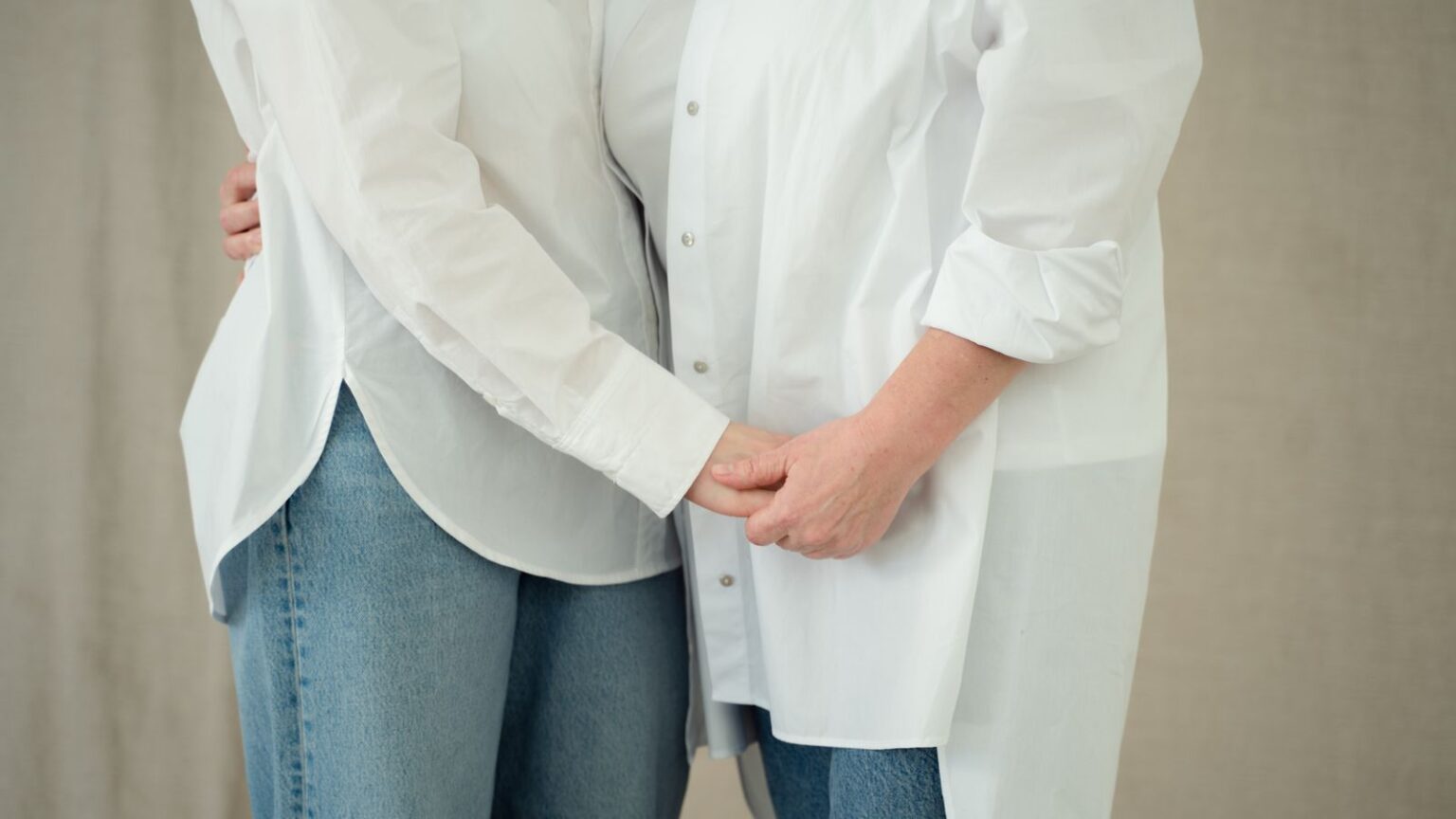
The humble white button-down surprised me more than any other purchase. Many shoppers overlook it because the shirt appears simple compared with colorful seasonal arrivals. Simplicity turned out to be its greatest strength.
The shirt layered effortlessly beneath sweaters, paired naturally with denim, polished tailored trousers, softened leather skirts, and even worked as a lightweight beach cover-up during vacations. Instead of buying separate tops for work, weekends, and dinners, one reliable shirt handled all three situations.
Research on consumer purchasing consistently shows that versatile products reduce the perceived need for additional purchases by satisfying multiple use cases. That principle applies perfectly to clothing. Every time I styled this shirt differently, it reminded me that creativity often comes from combining existing pieces rather than purchasing new ones.
A Tailored Black Blazer

A structured black blazer eliminated one of my biggest shopping triggers: buying outfits for specific occasions. Invitations used to spark unnecessary spending because every event felt like it required something completely new.
The blazer changed that equation overnight. It elevated jeans for casual dinners, completed dresses for business events, refined basic T-shirts for travel, and polished wide-leg trousers for presentations. One dependable layer transformed clothes I already owned, rather than encouraging another shopping trip.
That experience reinforced an important budgeting lesson. High-value wardrobe staples often generate a lower cost per wear than inexpensive trend pieces purchased on impulse. A jacket worn 100 times ultimately delivers greater value than 5 trendy alternatives, each worn once.
Every successful outfit built around that blazer strengthened my confidence that my existing wardrobe already contained more possibilities than I had previously recognized.
Neutral Crewneck T-Shirts
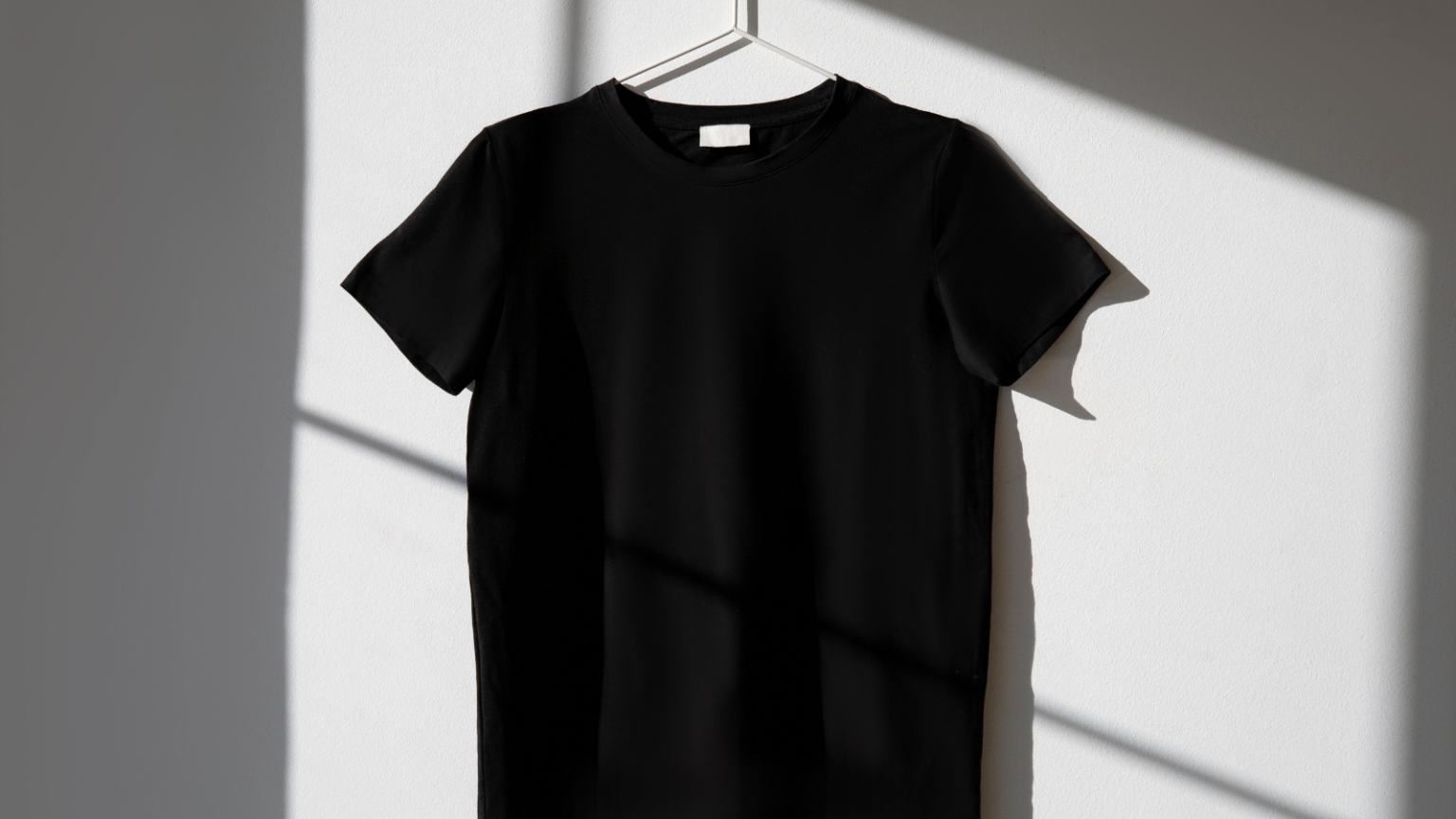
Neutral crewneck T-shirts became the hardest-working pieces in my closet because they took the pressure off buying statement tops. White, black, gray, and beige versions blended seamlessly with nearly every bottom I owned, allowing me to create polished outfits without much thought.
A plain T-shirt paired with dark jeans and a blazer looked refined enough for casual meetings, while the same shirt tucked into a midi skirt felt appropriate for brunch or weekend outings. That versatility helped break my habit of purchasing tops simply because they looked exciting on display.
Redirecting part of that spending toward dependable basics rather than trendy items helped me reduce unnecessary shopping while increasing the number of outfits I could assemble from clothes already hanging in my closet.
Comfortable White Sneakers
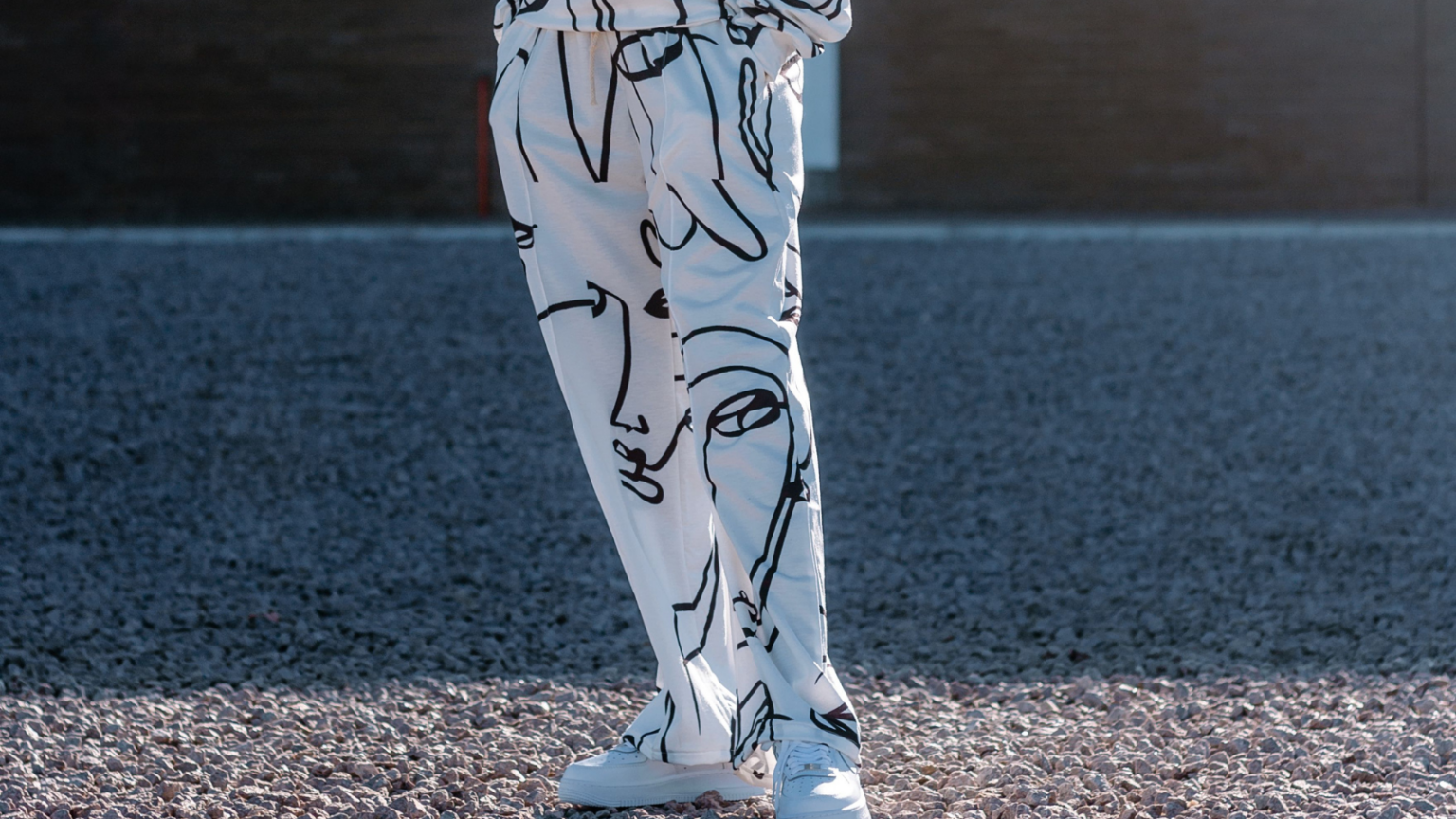
White sneakers delivered far more value than I expected because they worked across almost every casual outfit. Earlier shopping trips often ended with another pair of colorful shoes that matched only one dress or one season.
Those purchases felt exciting for a few weeks before gathering dust. Clean white sneakers replaced much of that clutter because they complemented jeans, dresses, joggers, tailored trousers, and shorts without competing for attention.
Their versatility encouraged me to experiment with styling instead of shopping. Every successful outfit reinforced an important budgeting principle: maximizing existing clothing creates greater value than constantly adding new pieces.
Consumer behavior research has repeatedly shown that impulse purchases are frequently driven by emotional triggers rather than genuine need. Building outfits around dependable footwear reduced those emotional shopping moments because I already owned shoes that could complete nearly every look.
A Classic Trench Coat
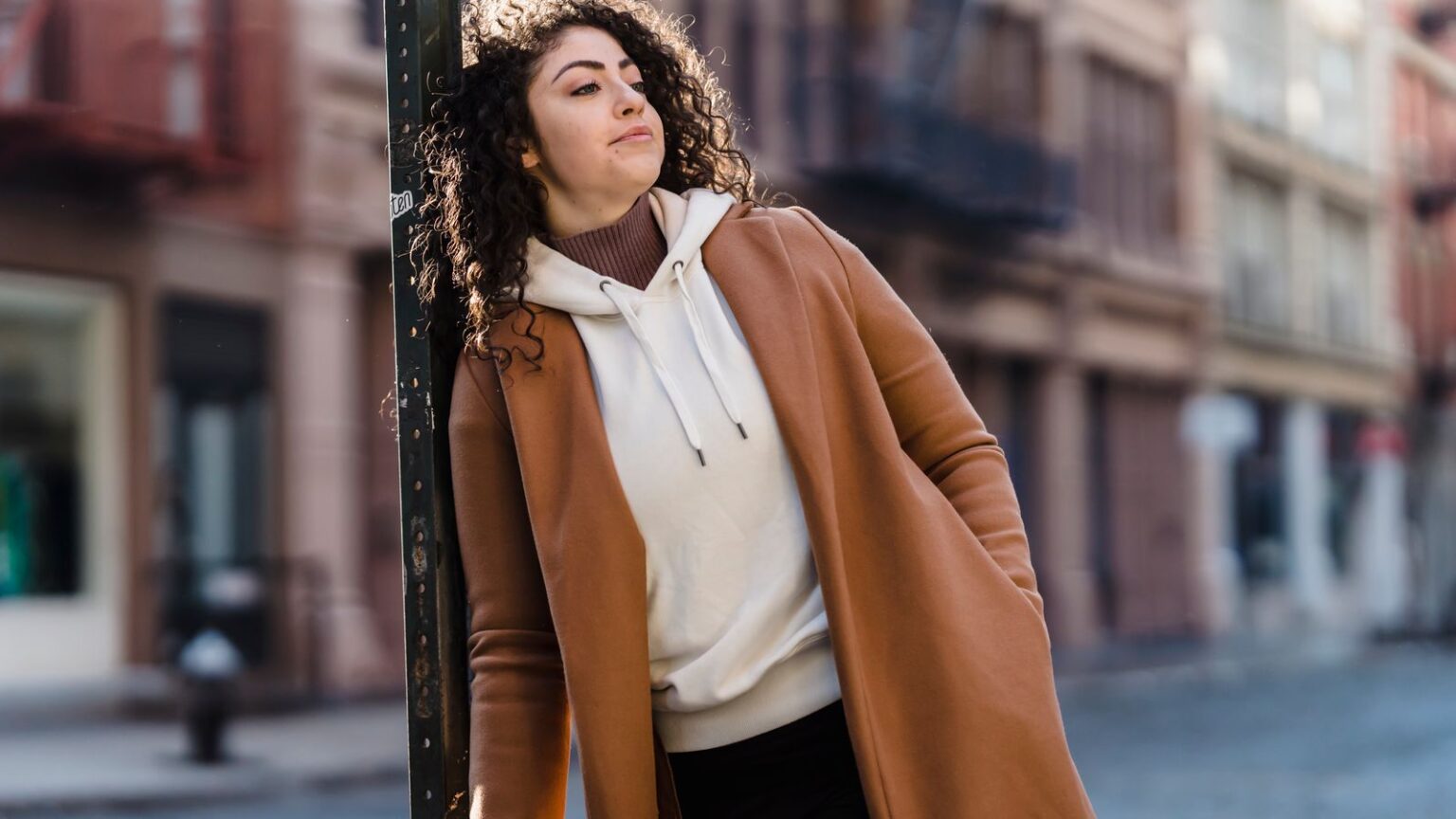
Cooler mornings used to convince me that I needed another lightweight jacket every year, especially after seeing fresh arrivals in stores.
A well-made trench quickly ended that cycle because it adapted effortlessly across changing weather and different occasions. It layered comfortably over office attire, elevated simple denim, complemented dresses, and remained stylish year after year rather than feeling tied to a single fashion season.
That consistency gave me confidence every time I opened my closet, because I knew I already owned an outerwear option that worked. Financially, the numbers made even more sense. A coat worn two or three times every week for several years delivers an exceptionally low cost per wear compared with multiple inexpensive jackets purchased on impulse and worn only occasionally.
Black Ankle Boots
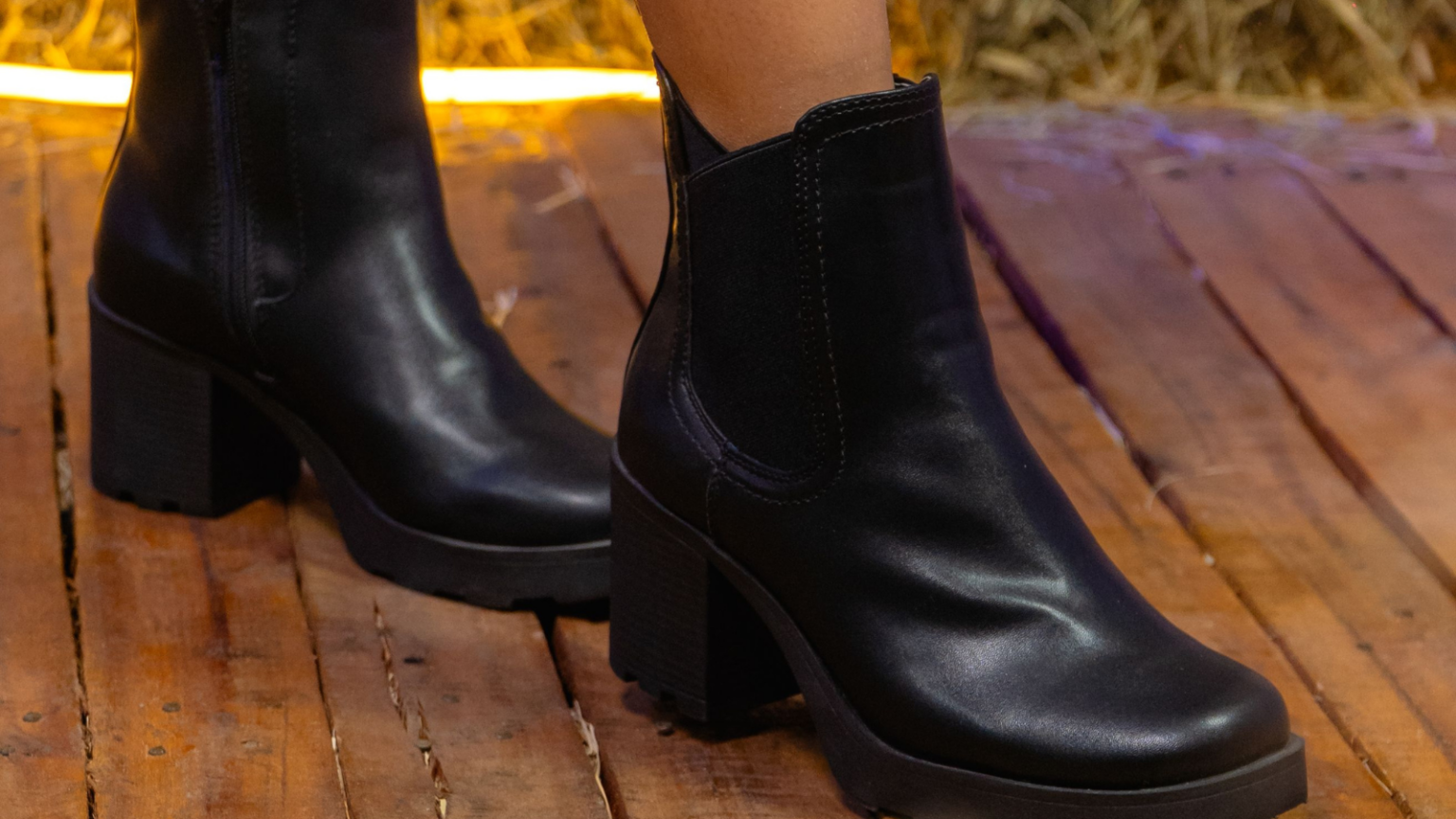
Seasonal boots, trendy heels, and colorful footwear often looked appealing in stores but rarely earned enough wear to justify their cost.
A classic pair of black ankle boots paired effortlessly with dark-wash jeans for weekend errands, tailored trousers for work, midi dresses for dinner, and skirts during cooler months. That versatility eliminated the constant search for shoes to match every outfit.
Each time I reached for the same dependable boots instead of browsing online for another pair, I realized my closet already had what I needed. The purchase paid for itself through frequent wear, proving that quality and versatility often deliver greater value than following short-lived footwear trends.
Tailored Black Trousers
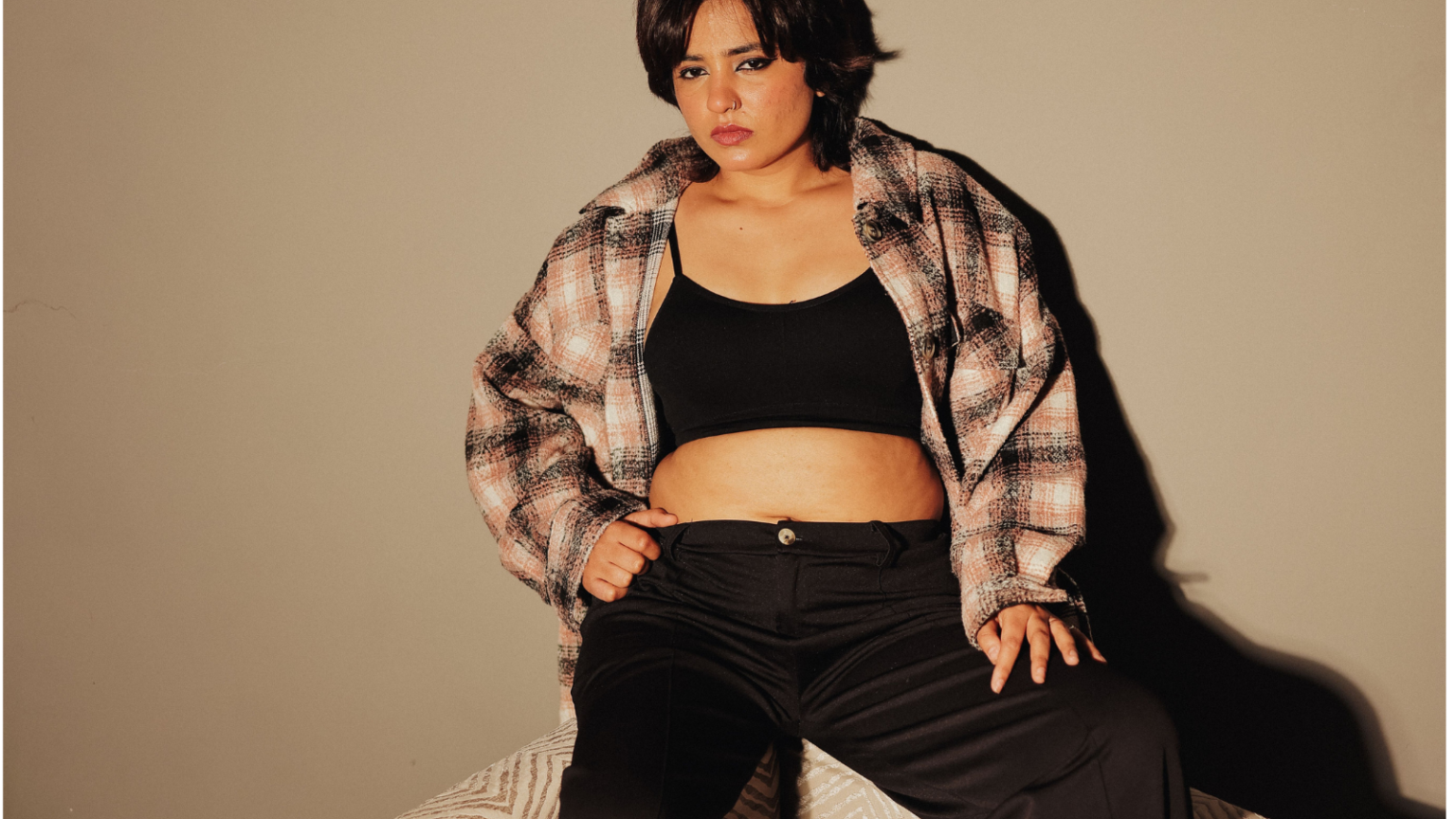
Tailored black trousers completely changed how I approached getting dressed for work, travel, and special occasions. Earlier shopping habits led me to believe that every meeting, celebration, or dinner required a fresh outfit, resulting in purchases that rarely left the closet after a single event.
One well-fitting pair of trousers challenged that mindset by creating countless outfit combinations with clothing I already owned. A crisp white shirt created a polished office look, a lightweight sweater made the outfit comfortable for cooler days, and a simple T-shirt and white sneakers delivered a relaxed weekend style.
Their streamlined silhouette also balanced oversized tops and structured jackets, creating a wardrobe that felt coordinated without requiring additional purchases. Choosing versatile garments that transition seamlessly across multiple occasions helped me spend less while getting significantly more value out of every item hanging in my closet.
A Versatile Knit Sweater

Trend-driven sweaters featuring bold prints, dramatic cuts, or seasonal colors often caught my attention during sales, yet many proved difficult to style after the excitement faded.
A classic knit in a neutral shade completely changed that experience because it layered naturally over button-down shirts, paired effortlessly with jeans and tailored trousers, and complemented skirts without competing with the rest of the outfit.
Instead of buying several sweaters every fall and winter, I found myself relying on one dependable piece that worked throughout much of the year. Its adaptability encouraged me to create fresh combinations using clothing already in my wardrobe rather than searching for something new.
Every successful outfit reinforced the idea that personal style grows stronger through thoughtful coordination instead of constant purchasing. My mornings became simpler, decision fatigue faded, and impulse shopping gradually lost its appeal because I had reliable clothing that consistently met my everyday needs.
A Timeless Midi Dress
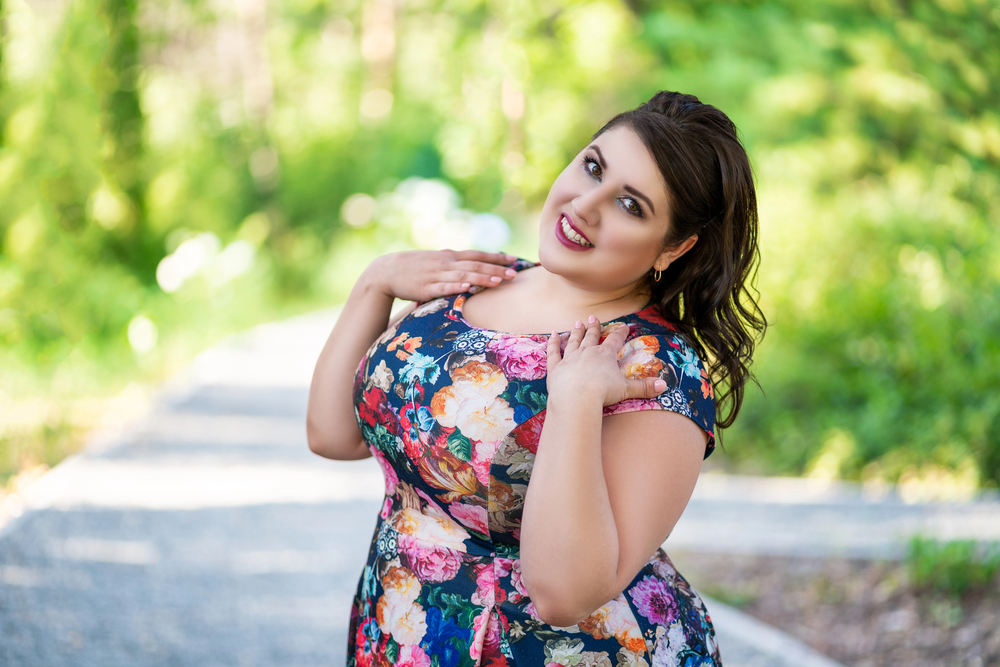
A timeless midi dress eliminated one of the biggest reasons I used to shop impulsively: dressing for unexpected occasions. Birthday dinners, baby showers, date nights, family gatherings, and office celebrations often led me to believe I needed something brand new.
A well-cut midi dress changed that pattern by adapting effortlessly to different shoes, jackets, belts, and jewelry. White sneakers created a relaxed daytime look, ankle boots added seasonal appeal, while heels made the same dress appropriate for evening events.
Small styling changes produced entirely different outfits without requiring another purchase. Research published in the Journal of Consumer Research has found that consumers frequently seek novelty during shopping experiences, particularly in categories tied to personal identity such as clothing.
Building a wardrobe around adaptable garments satisfies the desire for variety by creating fresh combinations rather than adding more items. Every time I successfully restyled the same dress, my confidence in repeating outfits grew stronger, and shopping stopped feeling like the only solution.
A High-Quality Leather Belt
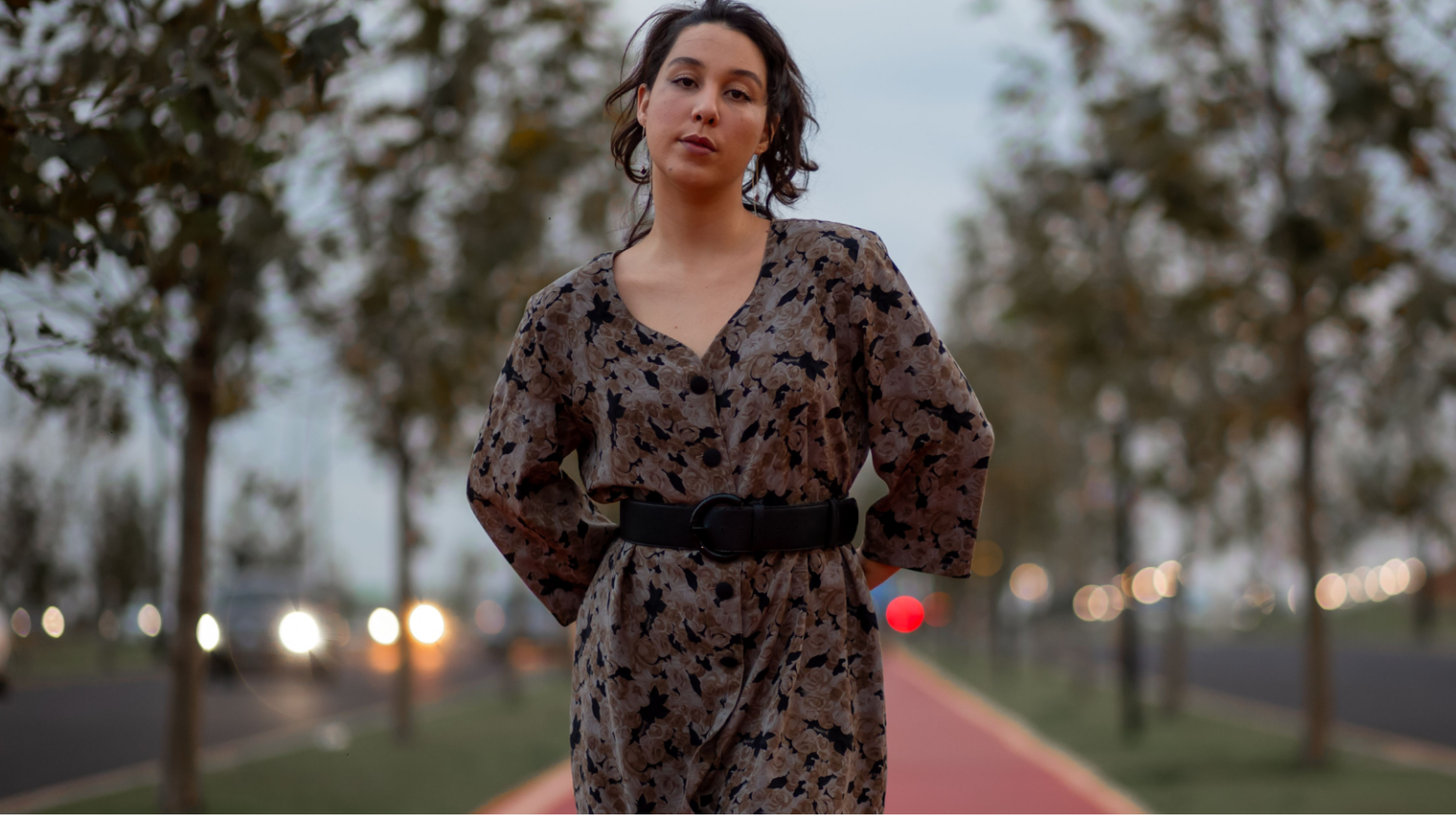
A leather belt seemed like a minor purchase until I noticed how dramatically it improved outfits I already owned. Dresses gained definition, oversized shirts looked intentional, wide-leg trousers appeared more polished, and denim fit more comfortably with a simple adjustment.
Earlier shopping habits focused on buying another garment whenever an outfit felt incomplete. The belt taught me that accessories often solve styling challenges more effectively than purchasing additional clothing.
This small investment also encouraged me to pay closer attention to fit instead of quantity. Clothing that fits well naturally looks more refined, making existing pieces feel new again. Cost-per-wear became an increasingly useful metric for evaluating purchases.
A Structured Everyday Tote Bag
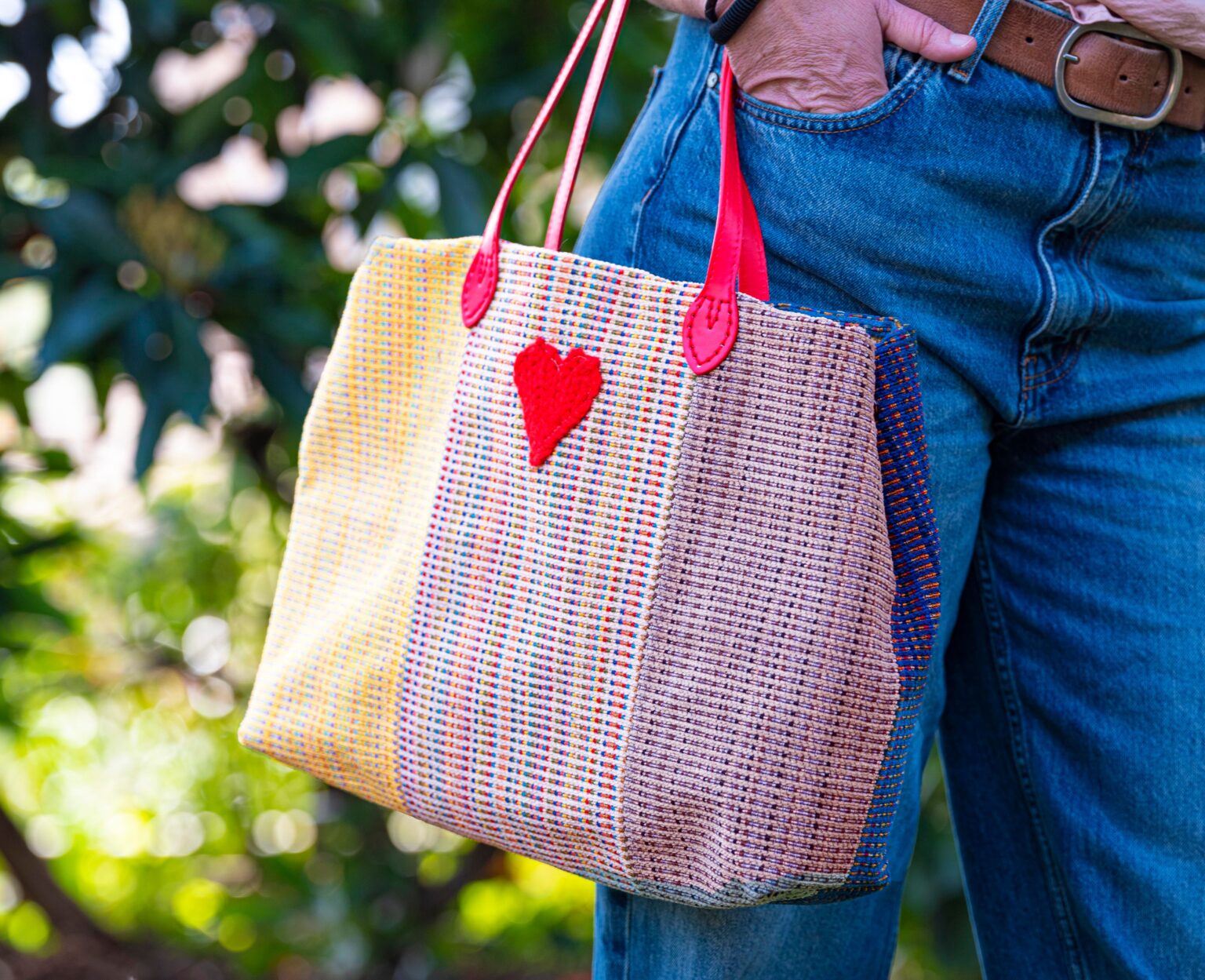
A structured everyday tote bag became the final piece that completed my intentional wardrobe. My earlier habit of purchasing a different handbag for each season created clutter without improving my daily routine.
One spacious, neutral-colored tote handled commuting, shopping, travel, workdays, and weekend errands with ease. It accommodated a laptop, water bottle, notebook, cosmetics, chargers, and other essentials while maintaining a polished appearance that complemented almost every outfit.
Carrying the same dependable bag each day simplified my morning routine and removed the temptation to browse for another handbag simply because a new collection appeared online. The experience reinforced an important lesson that extended beyond fashion. The best purchases often disappear into everyday life because they perform consistently without demanding attention.
That reliability delivers greater satisfaction than constantly replacing items with newer versions that offer little additional value.
Key Takeaways

- A small collection of versatile wardrobe staples reduces the urge to buy trendy items.
- Neutral basics create dozens of outfit combinations using fewer clothes.
- Cost per wear often matters more than the purchase price.
- Quality essentials typically outlast inexpensive impulse purchases.
- Planning outfits around core pieces saves both time and money.
- Intentional shopping helps build a wardrobe that reflects personal style instead of temporary trends.
Disclaimer: This list is solely the author’s opinion based on research and publicly available information. It is not intended to be professional advice.
Like our content? Be sure to follow us
MORE TCF GAMES