A stylish wardrobe rarely depends on buying more clothes. Fashion experts increasingly say the biggest difference between looking “put together” and looking average often comes down to small styling decisions that many people overlook. Consumer behavior reflects that shift.
According to McKinsey & Company’s The State of Fashion 2026 report, shoppers are investing more intentionally, favoring versatile pieces and thoughtful styling over constant trend chasing. Meanwhile, ThredUp’s 2025 Resale Report found that Americans continue to embrace longer-lasting wardrobes, with resale growth fueled by consumers seeking value, quality, and sustainability rather than endless new purchases.
Style today is measured less by quantity and more by how creatively people wear what they already own. A tailored sleeve, balanced proportions, or an unexpected accessory can completely change the impression an outfit leaves.
The following underrated fashion tips demonstrate how small refinements can elevate everyday dressing without requiring a complete wardrobe overhaul.
Tailor Your Clothes Instead of Replacing Them
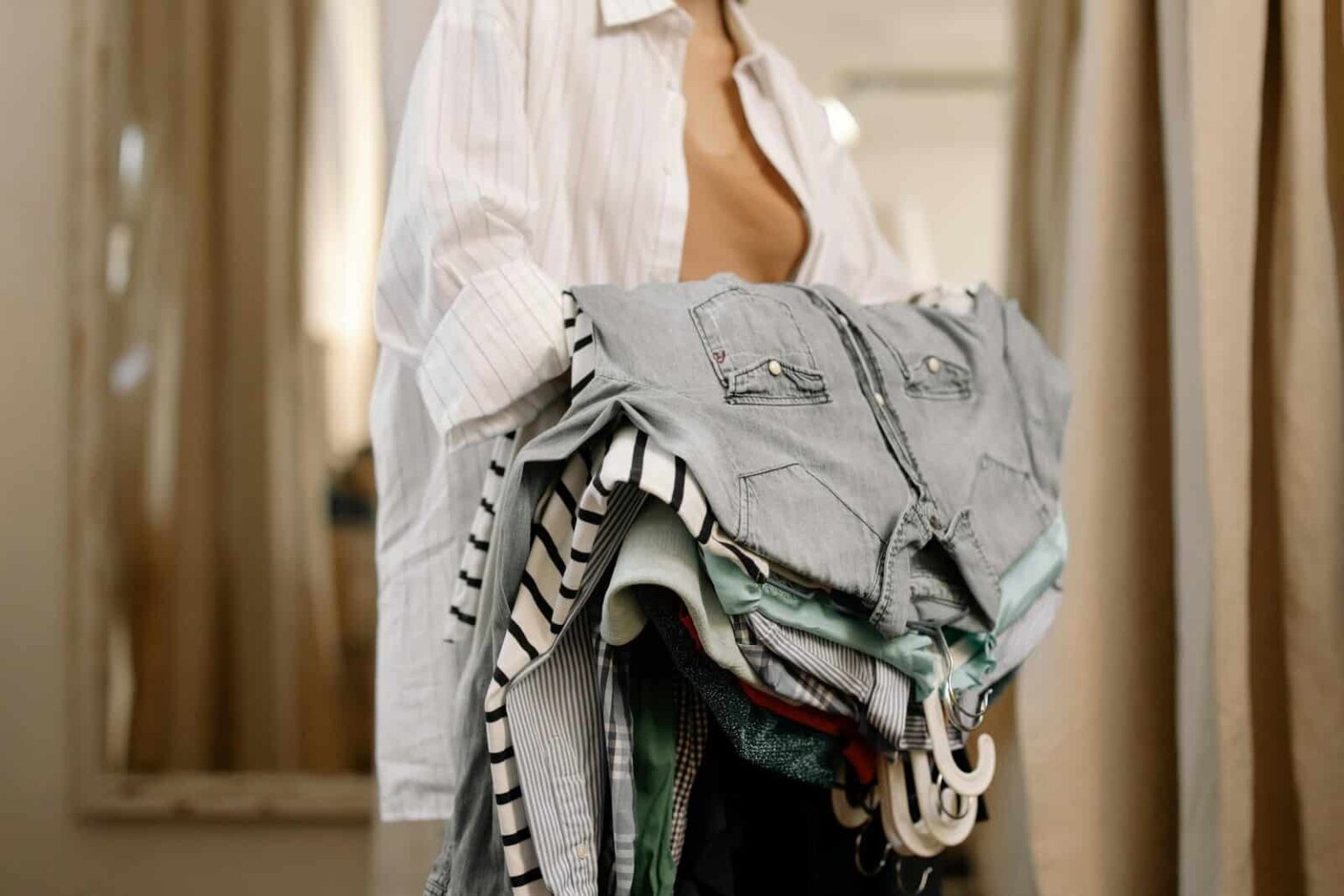
Professional tailoring remains one of fashion’s best-kept secrets because even affordable clothing can look significantly more expensive after small alterations. Sleeves that end at the correct point, trousers with the proper break, and jackets that skim the shoulders create cleaner lines that instantly improve an outfit’s appearance.
According to the American Society of Interior Designers, consumers increasingly value customization across lifestyle products, and fashion reflects the same trend through personalized fit. Spending a modest amount on tailoring often delivers greater visual improvement than purchasing another trendy garment that never fits quite right.
Build Outfits Around Proportion Instead of Trends
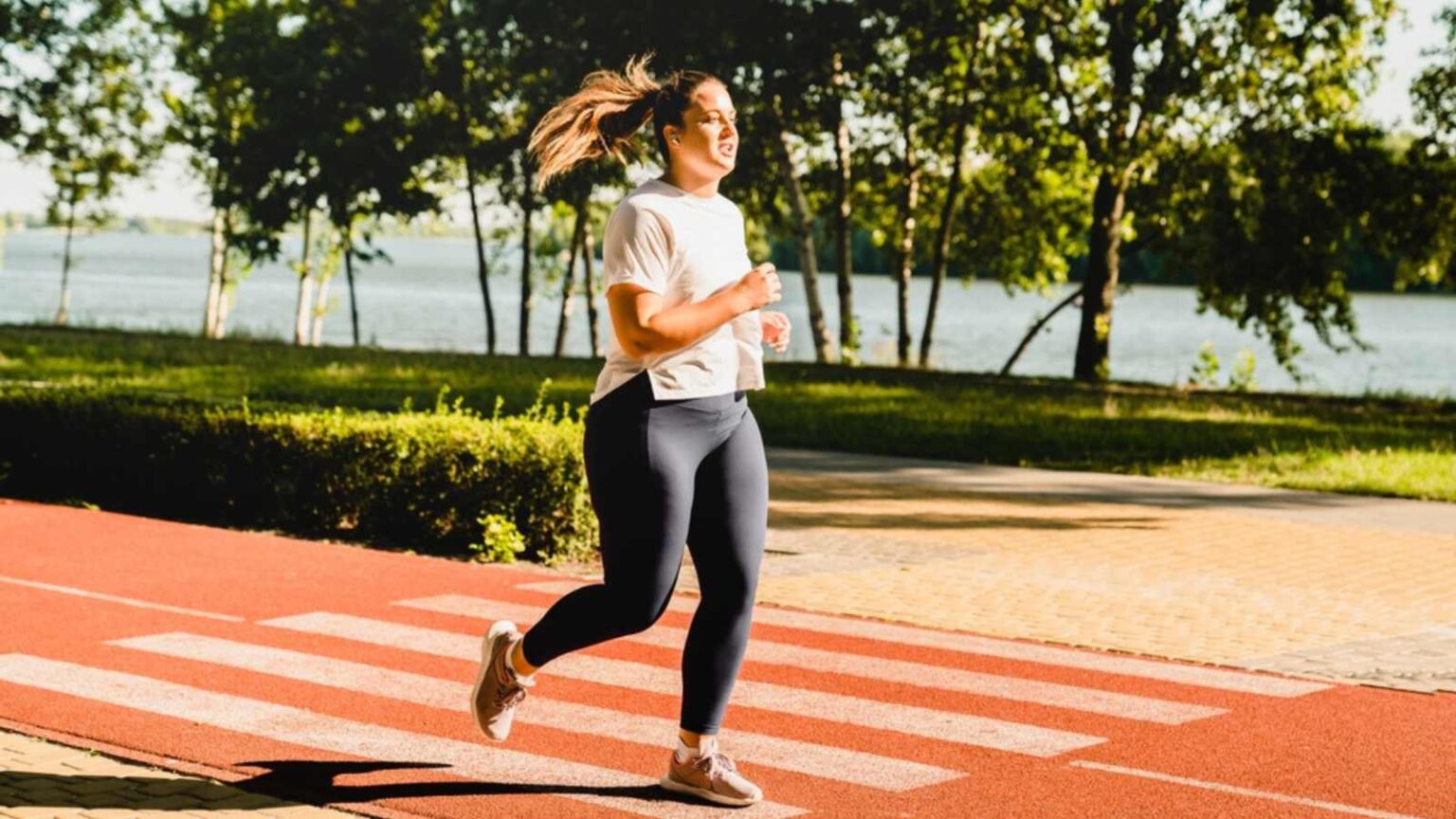
Many people focus exclusively on individual clothing pieces while overlooking how proportions influence the entire outfit. Fashion editors regularly balance oversized shirts with slim trousers or pair wide-leg pants with fitted tops to create visual harmony.
Successful styling depends on allowing garments to complement each other’s volume rather than compete for attention. Balanced proportions naturally guide the eye, making outfits appear intentional and polished even when built around simple basics such as jeans and a white T-shirt.
Upgrade Your Shoes Before Buying More Clothes
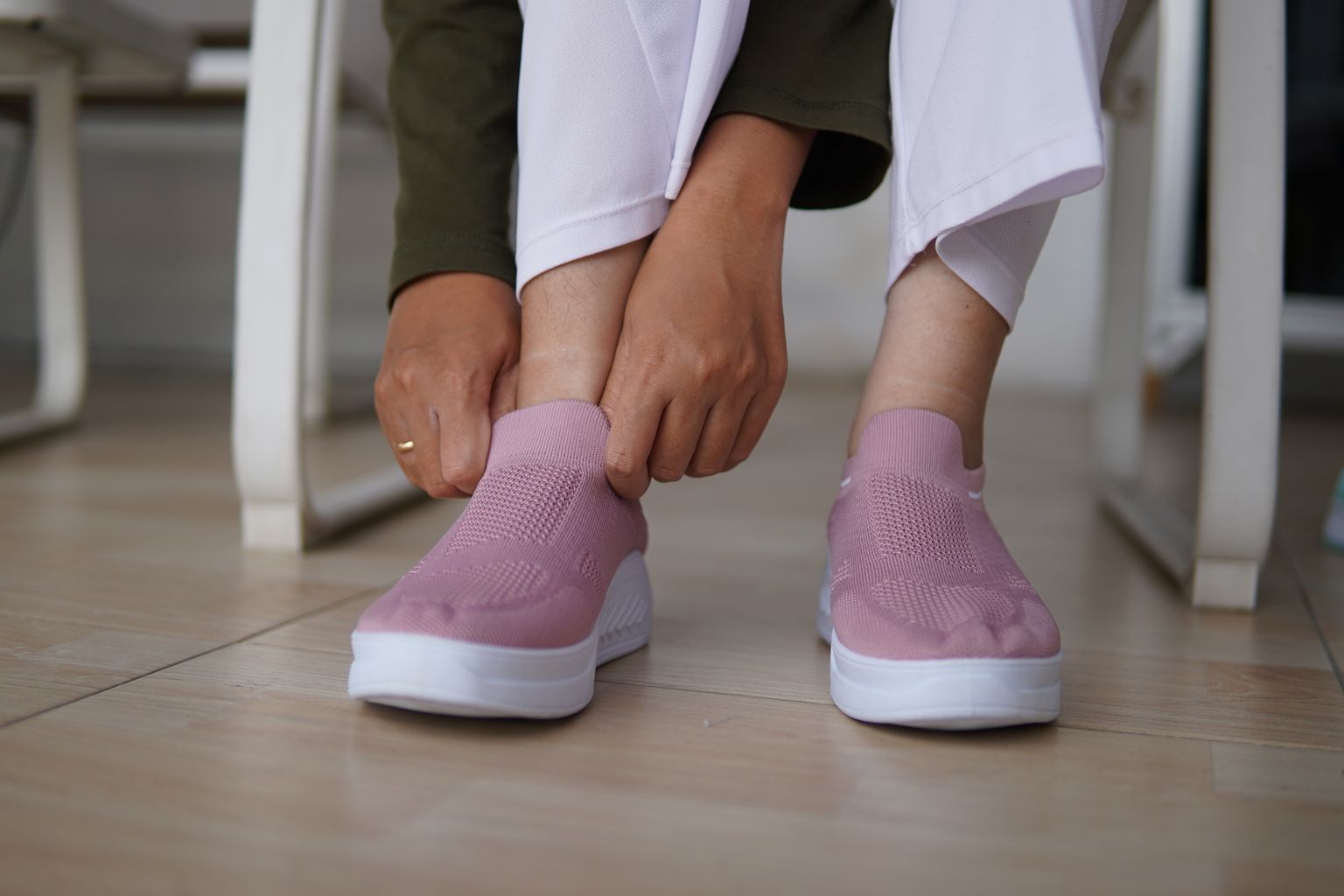
Shoes quietly shape the overall impression of an outfit more than many shoppers realize. Clean leather sneakers, polished loafers, sleek ankle boots, and classic sandals instantly elevate clothing that might otherwise feel ordinary.
A practical approach is to choose a few high-quality shoes that complement a variety of outfits, rather than filling your closet with cheaper pairs that need frequent replacement.
Wear Accessories With Intention
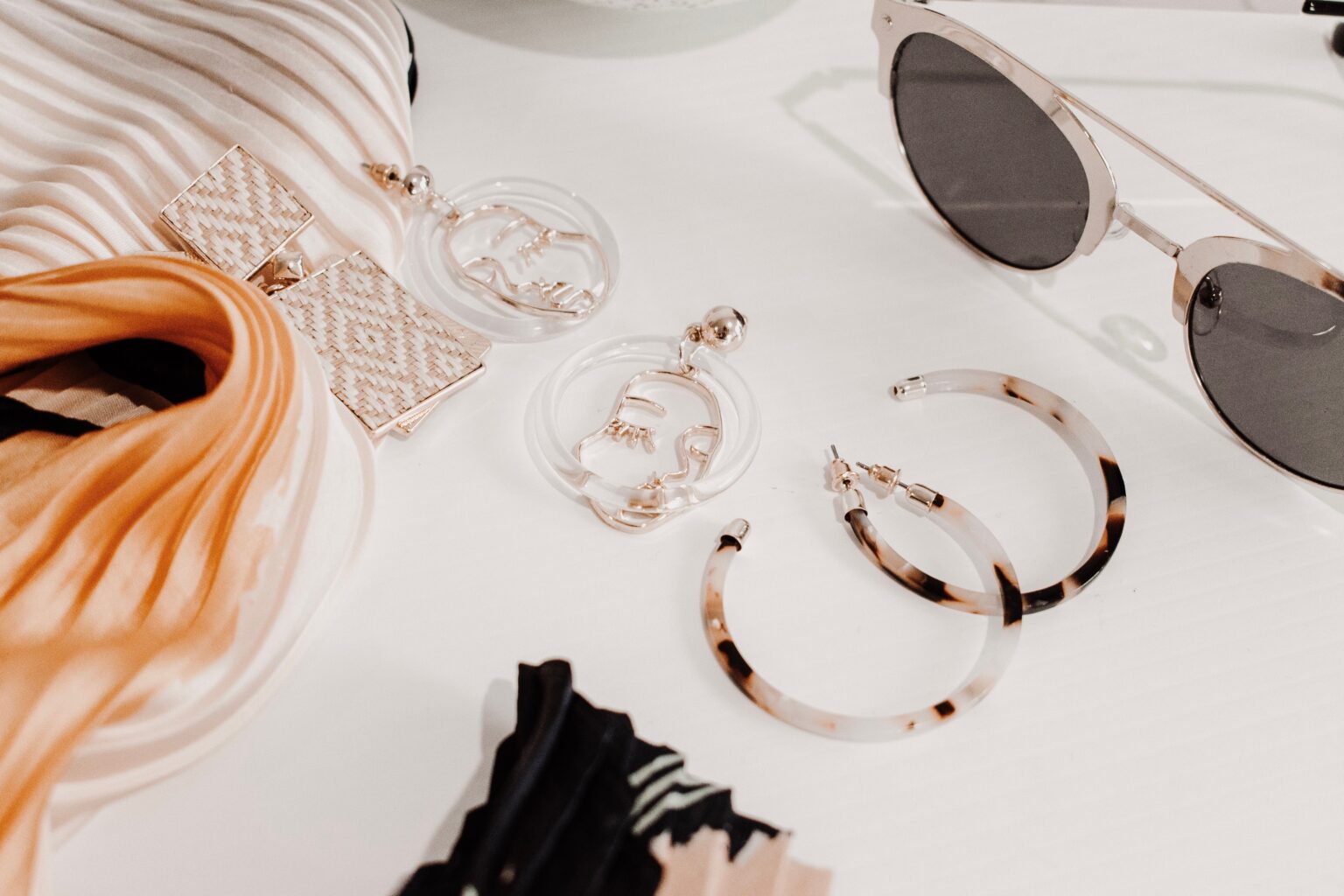
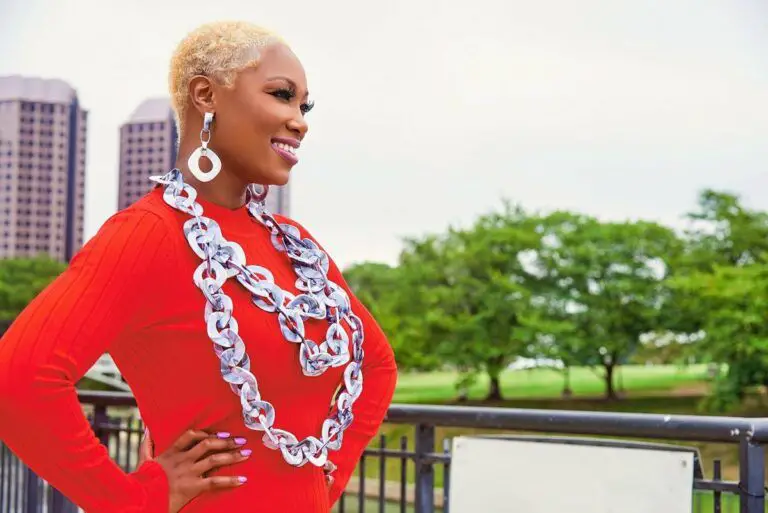
Accessories perform best when they support an outfit rather than overwhelm it. A structured handbag, an elegant watch, a textured belt, or sculptural earrings introduce personality while maintaining balance. A good rule of thumb is to choose one statement accessory and let it serve as the centerpiece of your outfit.
Layering several bold pieces simultaneously can distract from the outfit’s overall composition. Small details frequently communicate sophistication more effectively than large logos or heavily embellished clothing.
Learn Your Best Color Palette
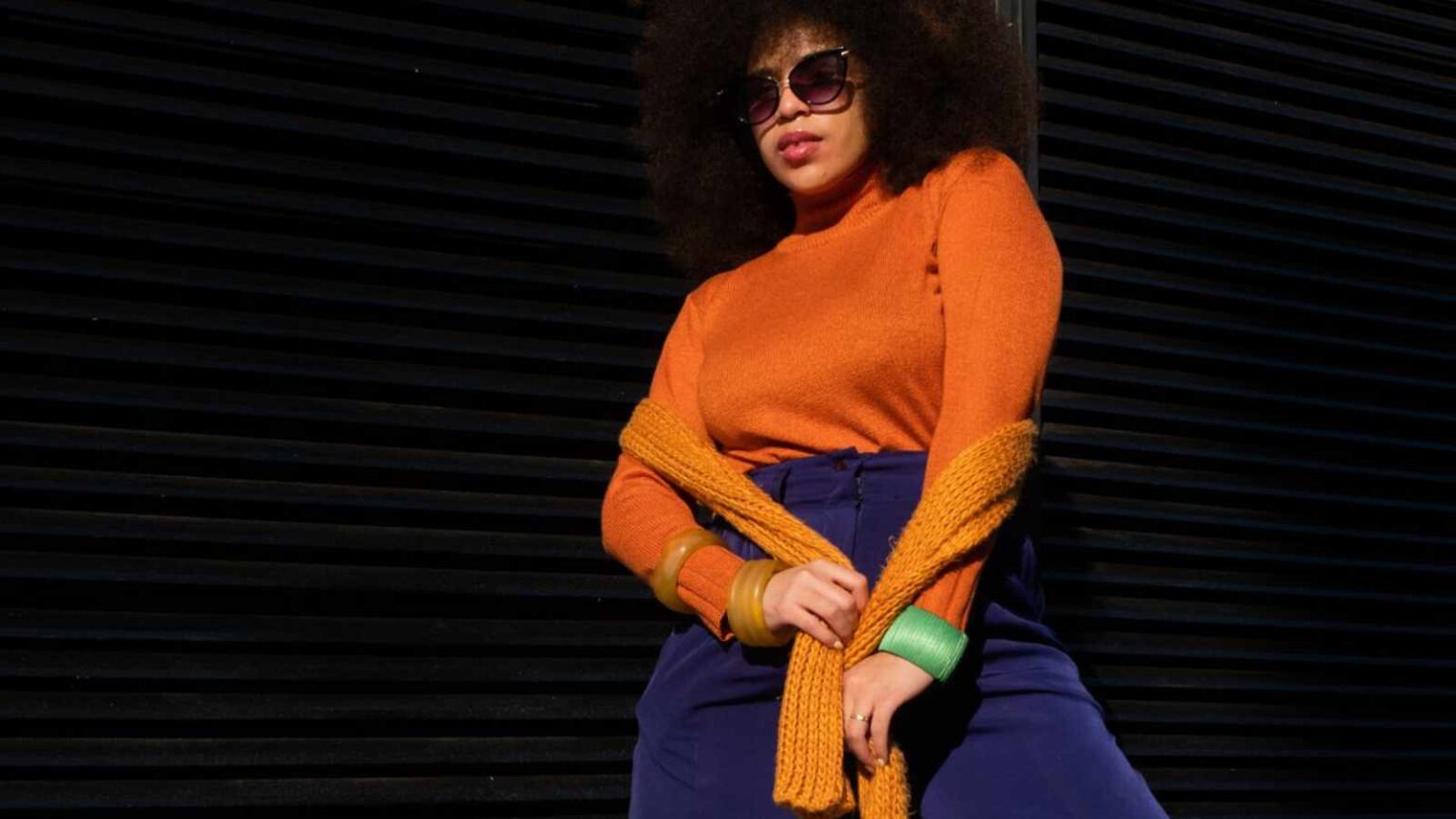
Color influences how healthy, energetic, and polished someone appears. While seasonal color analysis has experienced renewed popularity, professional stylists emphasize observing which shades naturally brighten the complexion and complement eye color rather than following rigid color categories.
Neutral wardrobes also benefit from strategic accent colors that create visual interest without becoming overwhelming. Coordinated palettes simplify shopping because nearly every piece works with existing clothing, reducing decision fatigue each morning.
Steam or Press Every Outfit
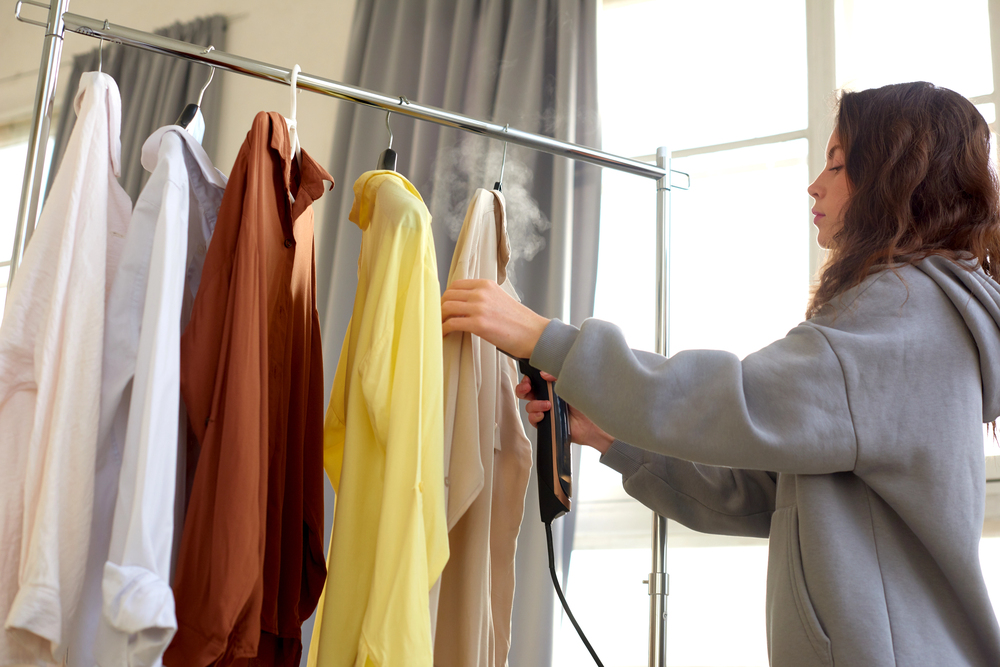
Wrinkles can diminish the appearance of even beautifully designed garments. Steaming clothes before wearing them helps fabrics look smoother, reflect light more evenly, and create a cleaner silhouette. Linen, cotton, silk, and lightweight summer fabrics particularly benefit from quick steaming sessions.
Fashion photographers routinely steam garments before every shoot because crisp presentation dramatically improves how clothing appears both in person and on camera. This inexpensive habit delivers results that rival purchasing new clothes.
Master the Half-Tuck
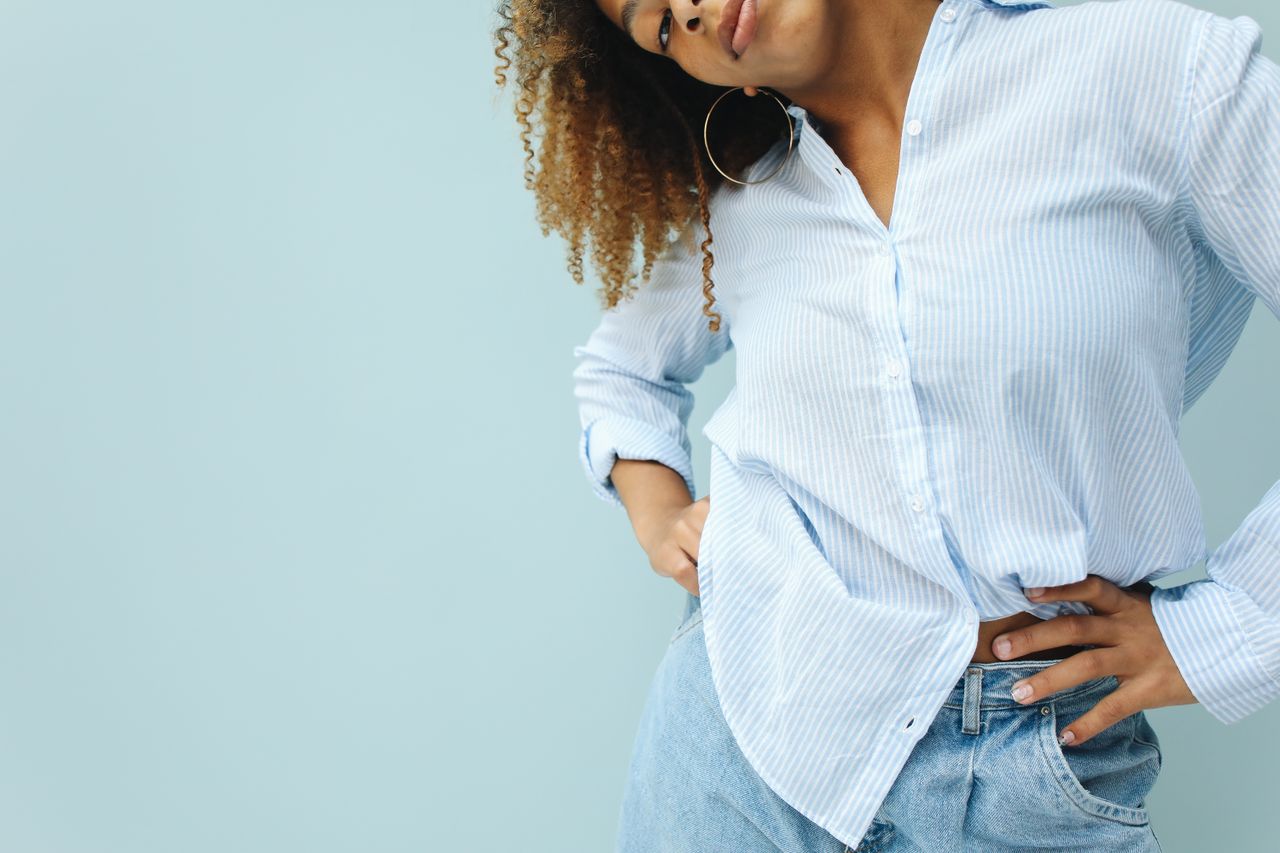
The half-tuck remains one of the simplest styling techniques available, yet many people overlook its effectiveness. Tucking only the front portion of a shirt into trousers or skirts defines the waist while maintaining a relaxed silhouette.
This styling technique adds dimension, enhances body proportions, and keeps outfits looking polished without feeling too formal. The technique works equally well with oversized sweaters, linen shirts, graphic tees, and lightweight blouses, making it remarkably versatile year-round.
Pay Attention to Fabric Quality
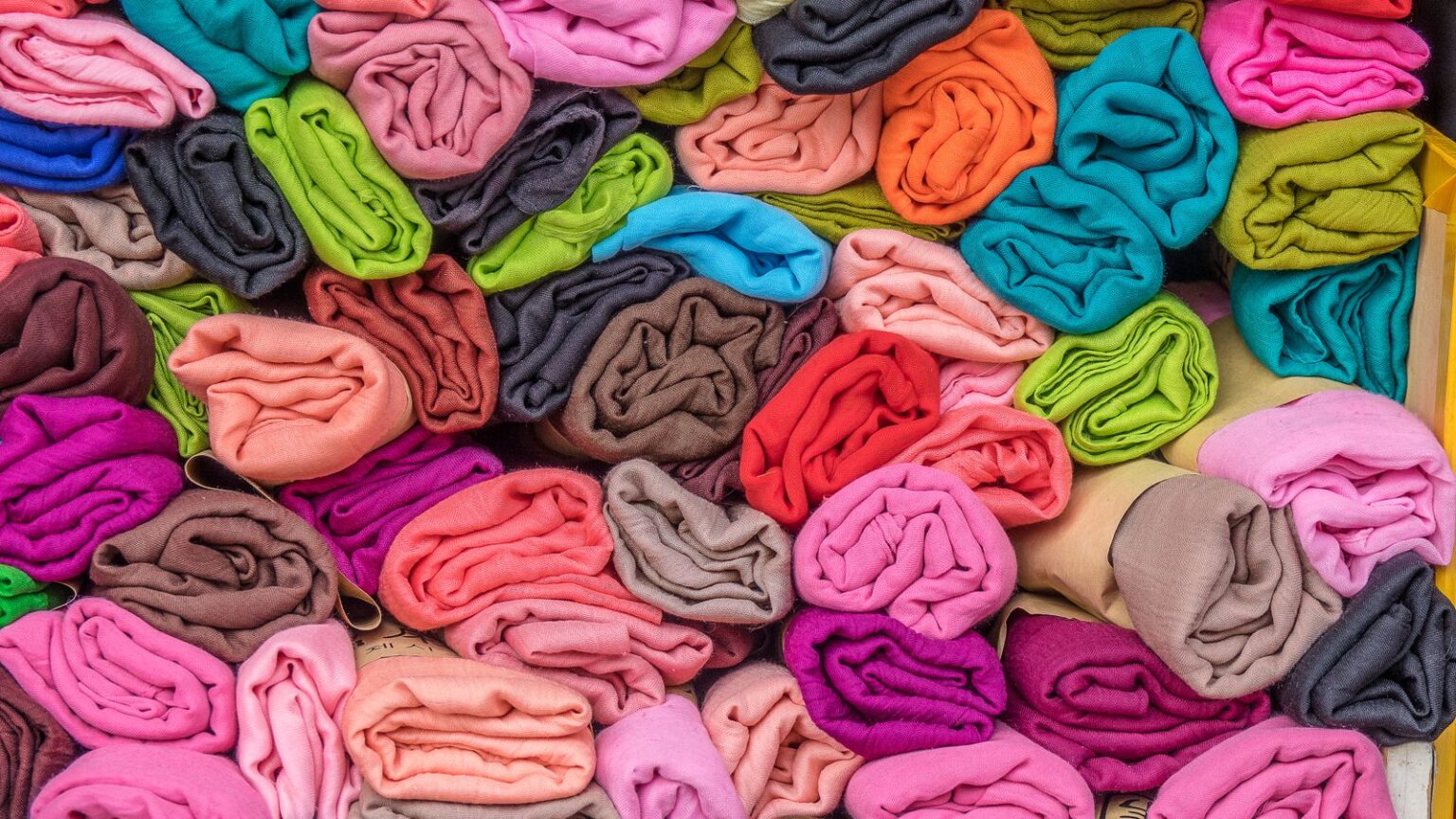
Fabric often determines whether clothing appears premium regardless of its price. Natural fibers such as cotton, linen, wool, silk, and quality denim generally drape more elegantly and age more gracefully than many lower-quality synthetic materials.
Fashion buyers regularly evaluate garments by touching the fabric before examining the design because texture significantly influences perceived value. Reading garment labels and understanding fiber composition helps shoppers build wardrobes that maintain their appearance after repeated washing and regular wear.
Repeat Your Favorite Outfits Without Apology

Social media has encouraged the illusion that stylish people constantly wear something new, yet fashion experts increasingly advocate outfit repetition. According to ThredUp, consumers are becoming more comfortable maximizing existing wardrobes as sustainability gains importance.
Many public figures, including members of royal families and fashion insiders, often rewear favorite outfits by updating the accessories, hairstyle, or shoes. Repetition reflects confidence and practicality rather than a lack of creativity.
Create Contrast With Texture
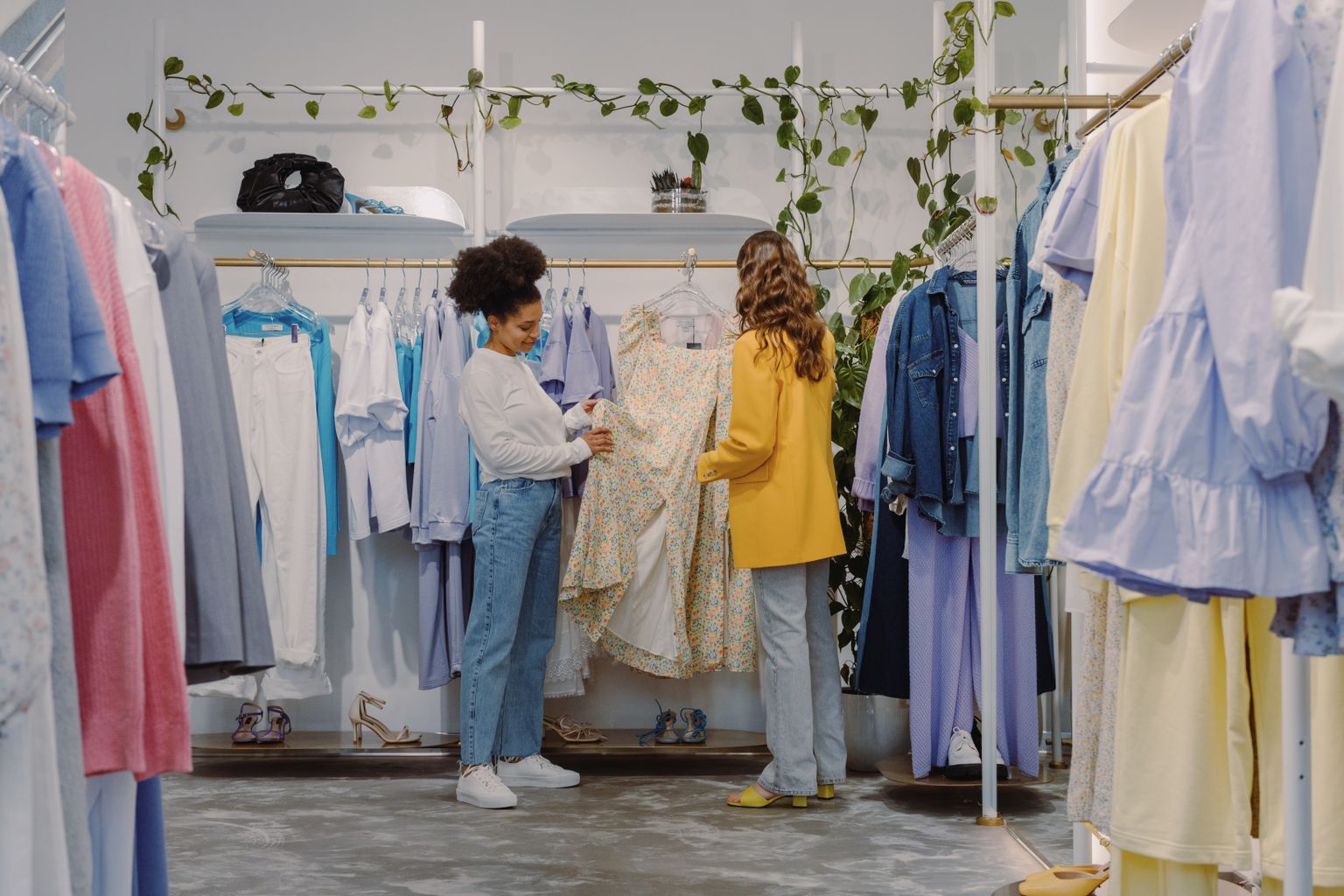
Interesting outfits often rely on texture instead of bold colors. Pairing smooth satin with chunky knits, crisp cotton alongside suede, or structured denim with soft cashmere introduces visual depth that photographs beautifully and feels sophisticated in everyday life.
Combining contrasting textures adds visual interest to an outfit without relying on bold prints or patterns. Even monochromatic outfits become significantly more engaging when multiple textures interact.
Invest in Great Basics
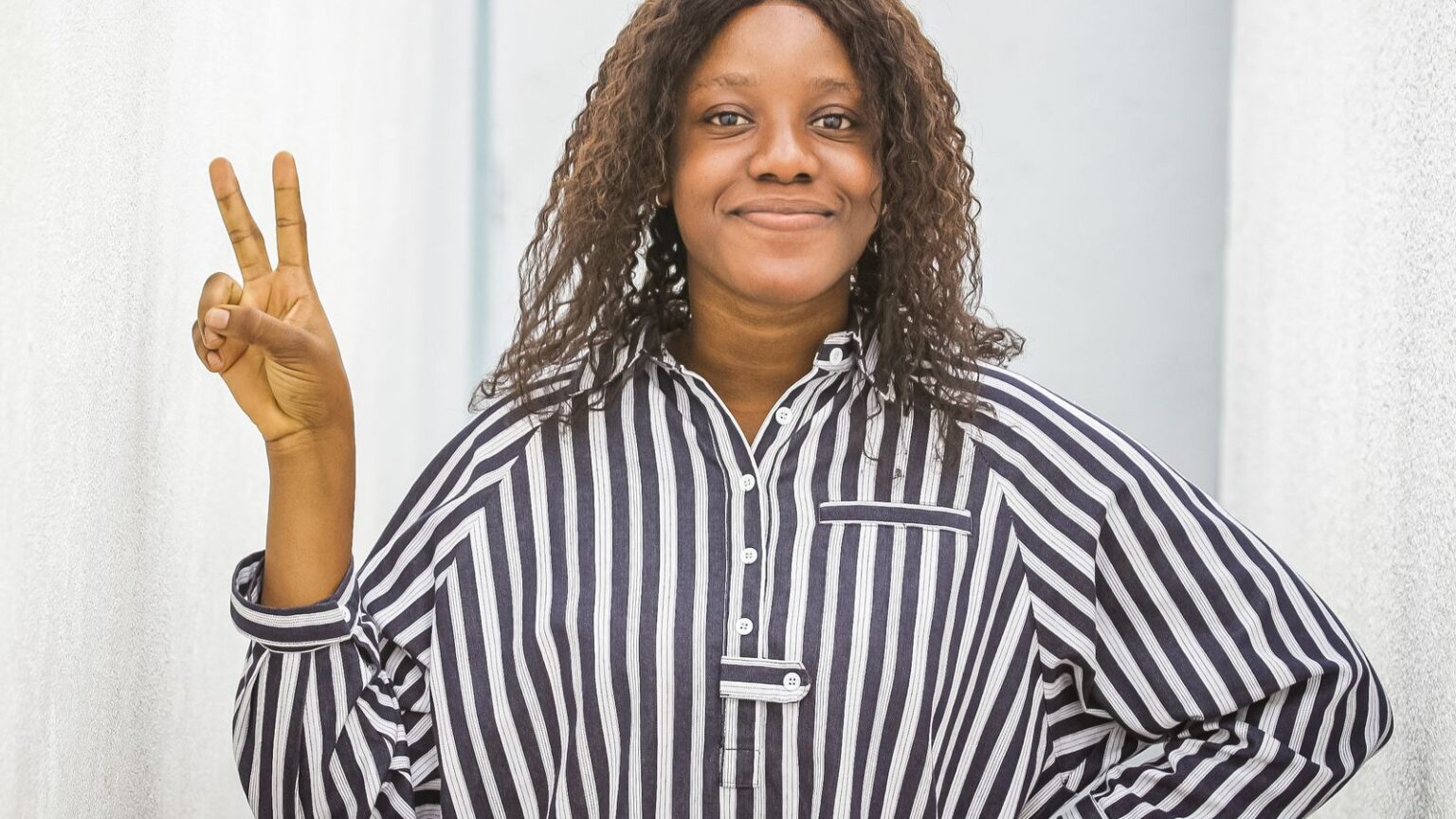
Wardrobe foundations quietly determine how flexible an entire closet becomes. Well-fitting white shirts, quality denim, neutral blazers, classic knitwear, versatile trousers, and simple dresses create endless outfit combinations with seasonal accessories.
According to McKinsey, consumers continue to shift spending toward timeless pieces with longer lifespans rather than disposable fast fashion. Strong basics reduce unnecessary shopping by providing dependable building blocks for countless looks year-round.
Dress for the Occasion, Not the Algorithm
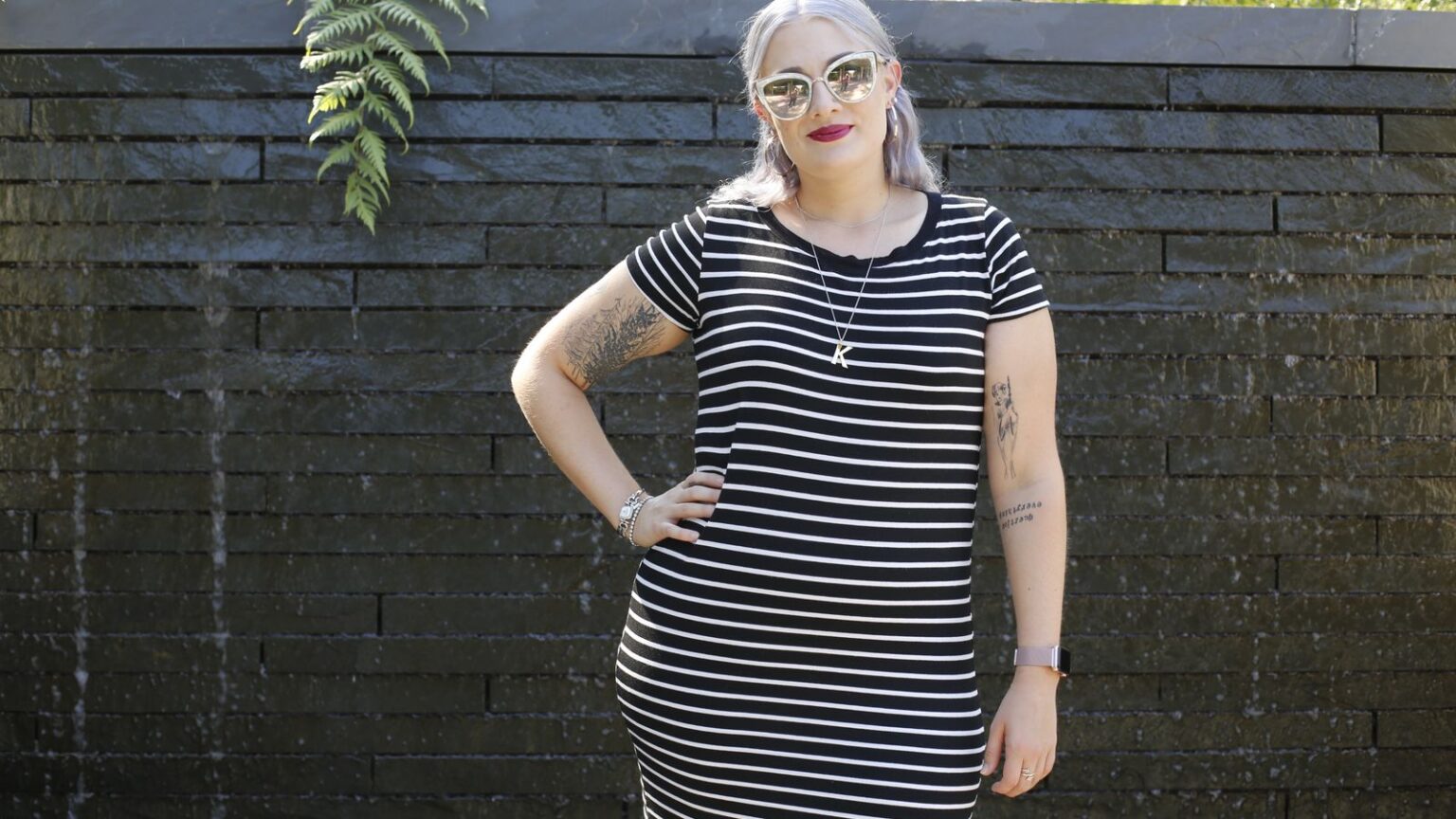
Social media frequently rewards dramatic fashion choices designed for photographs rather than real life. Personal style becomes more effective when clothing suits the environment, weather, schedule, and level of activity.
When choosing an outfit, consider both comfort and appearance, as clothing that feels good to wear often boosts confidence throughout the day. A beautifully styled outfit loses much of its appeal if constant adjustments, discomfort, or impractical footwear distract from the enjoyment of the occasion.
Confidence Is the Best Finishing Touch
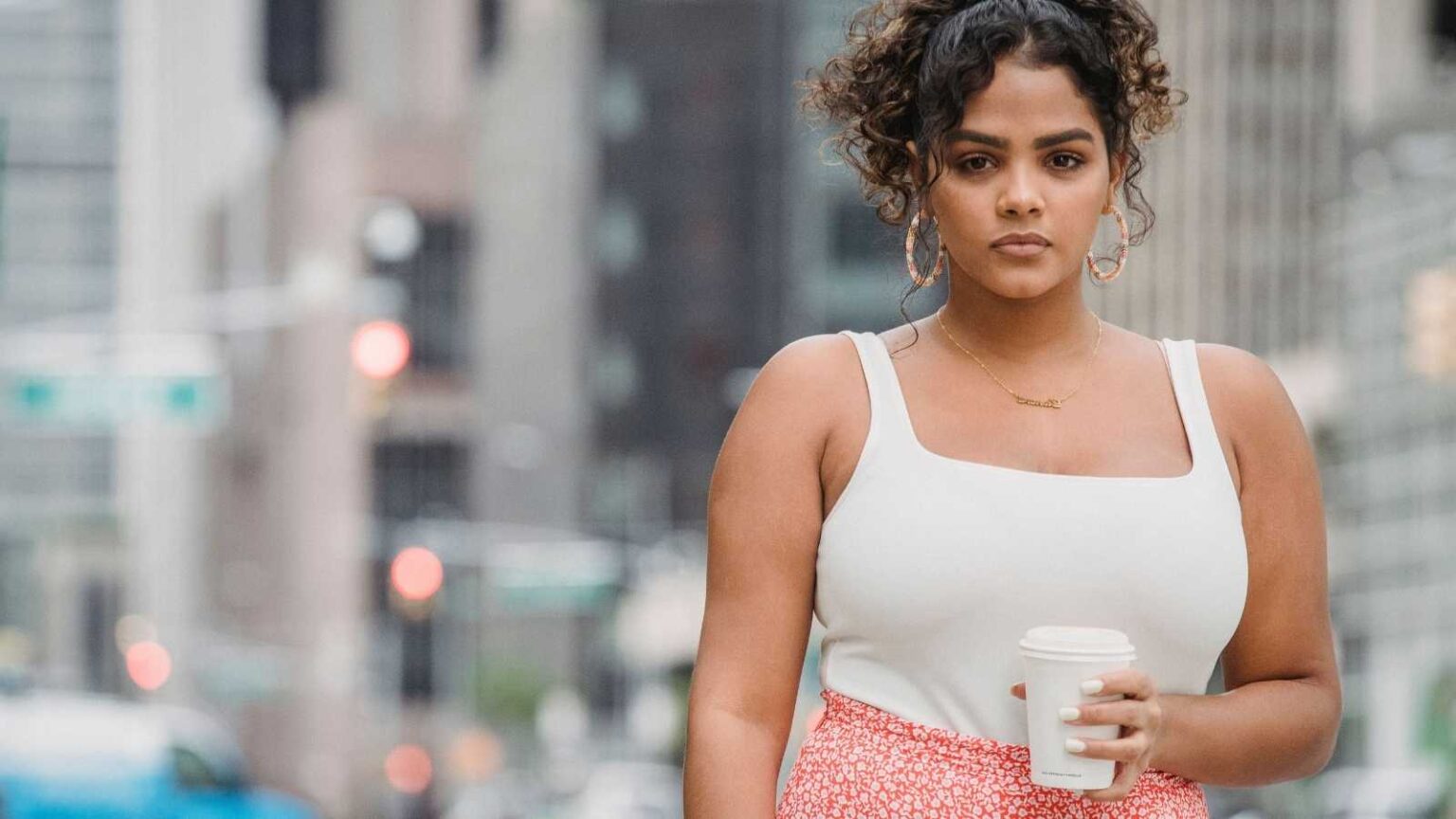
Confidence can transform the way an outfit is perceived, even when two people are wearing the exact same clothes. Good posture, relaxed body language, genuine comfort, and authenticity influence personal style as much as fabric or design.
Confidence grows by wearing clothing that reflects personal taste rather than attempting to imitate every passing trend. The strongest wardrobes express individuality, allowing style to feel natural rather than performative.
Key Takeaways

- Tailoring often delivers a bigger style upgrade than buying new clothing.
- Balanced proportions create polished outfits regardless of current trends.
- High-quality shoes and accessories elevate even simple wardrobes.
- Fabric quality significantly affects how expensive clothing appears.
- Repeating outfits reflects confidence and smart wardrobe planning.
- Texture and color coordination add depth without requiring bold prints.
- Confidence remains one of the most influential elements of great personal style.
Disclaimer: This list is solely the author’s opinion based on research and publicly available information. It is not intended to be professional advice.
Like our content? Be sure to follow us
MORE TCF GAMES