
Because Your Feet Deserve Options Too
Wide Width
Wide Width Shoes and Boots for Plus Size Shoppers Who Are Done Settling
Finding shoes that fit when you wear a wide width is one of those shopping experiences that tests your patience on a fundamental level. The style you want exists. It does not exist in your width. Or it exists in your width in black only. Or it exists in your width, in your size, in the color you want, and sells out before you can get to the checkout page. Wide width plus size shoppers navigate a market that was not built with them in mind, and the TCF Plus Size Fashion Index is here to change what that search looks like. This fit specialization covers everything from everyday wide width sneakers and flats to wide calf boots that actually zip, dress shoes with real arch support, and fashion-forward styles that do not look like they were designed as a medical accommodation. Wide feet are not a problem to solve. They are a fit requirement to meet, and the brands doing it well deserve to be found.
Explore This Fit
Editorial Guides
Featured Reads
Style advice, trend reporting, and shopping guides curated by TCF editors.
Brands
Plus Size Wide Width Brands
Dolce Vita
Dolce Vita built its name on great leather and suede boots and trend-driven silhouettes at accessible prices.…
Read More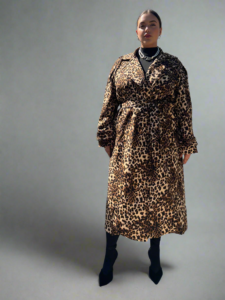
Test Brand
BAACAL is the first designer-led clothing brand for women who wear size 10-28 “The True Size Majority”. We make…
Read MoreBoutiques
Boutiques to Explore
Designers
Wide Width Designers to Know
Explore More
Explore Fit Specializations
Discover more brands, boutiques, and designers shaping plus size fashion.
The Wide Width Shoe Guide for Plus Size Shoppers: Fit Realities, Boot Solutions, and the Brands Actually Delivering
Updated May 2026 by The Curvy Fashionista Editorial Team
Wide width shoe shopping sits at the intersection of two underserved markets: plus size fashion and extended footwear sizing. For shoppers who live at that intersection, the experience has historically been defined by limited options, dated styling, and the distinct sense that fashion was not made with their feet in mind.
That is changing, but navigating the market still requires knowing where to look and what to look for. This guide covers both.
Why Wide Width Fit Is More Complex Than It Looks
Shoe width is measured across the ball of the foot, which is the widest point on most feet. Standard women’s sizing uses a B width as the default. A wide width is typically a D, and an extra wide is an E or EE.
The challenge is that most brands manufacture in B width only, treat wide as an afterthought, and limit their wide width offering to a small fraction of their full range.
For plus size shoppers, wide width needs often intersect with other fit requirements: a higher instep that prevents lace-up shoes from closing comfortably, a wider toe box that standard pointed-toe styles cannot accommodate, and a broader heel that causes slip-on styles to gap at the back. These are construction issues, not foot issues, and they require brands that understand wide foot anatomy rather than simply adding a letter to a size label.
The other compounding factor is that wide width sizing is inconsistent across brands in a way that even standard sizing is not. A wide width in one brand may fit identically to a standard width in another.
Shopping wide width requires a higher tolerance for trial and error unless you have identified brands whose fit runs reliably true to your foot.
The Boot Problem: Wide Calf, Wide Foot, or Both
If there is one specific fit challenge that wide width plus size shoppers cite more than any other, it is boots. Finding boots that accommodate both a wide foot and a wider calf in the same garment is genuinely one of the hardest problems in plus size footwear.
Most wide calf boot programs address the shaft circumference without addressing the width at the toe box or ball of the foot. Most wide width boot programs address the foot without offering extended shaft widths.
The brands worth seeking out for this specific intersection are the ones that offer both wide calf and wide width as simultaneous specs rather than separate programs.
They exist, they are not as rare as they used to be, and the TCF Plus Size Fashion Index documents them so you are not spending forty-five minutes on a brand’s website only to discover they do not make what you need.
When shopping wide calf boots specifically, the shaft circumference measurement is the number to prioritize. Most standard boots are built on a 14 to 15 inch calf circumference.
Wide calf programs typically start at 16 to 17 inches and extend up to 20 inches or more at the top end. Check the measurement rather than the label. “Wide calf” means different things to different brands, and the measurement never lies. For a deeper look at which boot brands actually deliver on wide calf fit, the TCF Index has the research.
Wide Width Across Shoe Categories: What to Expect
Sneakers and Athletic Footwear
Athletic footwear is one of the stronger categories for wide width availability, partly because athletic brands have long understood that performance fit requires width options. New Balance, Brooks, and a handful of other performance brands have built genuine wide and extra wide programs across their core styles.
The challenge in this category is that wide width options often lag behind in colorway and style updates, meaning the widths you need are available in last season’s palette while the new releases remain in standard width only.
Flats and Everyday Shoes
Wide width flats are where the market thins out quickly in terms of style. Comfortable wide width flats with any fashion-forward quality are harder to find than they should be, and the options that do exist tend toward the conservative end of the style spectrum.
Brands that specialize in comfort footwear have historically done better here than fashion brands extending into wide widths as an afterthought. The gap between what is available in standard width and what is available in wide is most visible in this category.
Heels and Dress Shoes
Wide width heels are a specific and undersupplied market. The structural demands of a heel make wide width manufacturing more technically complex, and most brands do not invest in solving it.
The brands that do typically offer a limited range of block heel and kitten heel styles in wide widths rather than the full range of their heel collection. Pointed-toe styles in wide widths are particularly hard to find because the silhouette conflicts with the width requirement at the toe box.
For dress shoe and heel shopping, wider toe box styles like almond toe, square toe, and round toe are the most reliable shapes for wide feet regardless of whether a wide width option is officially offered.
A square toe flat or low heel in a standard width will often fit a wide foot more comfortably than a pointed toe style in an official wide width. Our roundup of wide width heels and dress shoes worth actually buying covers the brands making this category more accessible.
Sandals
Sandals are often the most forgiving category for wide feet because the adjustable strap construction in many styles compensates for width variation that closed shoes cannot accommodate.
Brands with fully adjustable buckle straps, hook-and-loop closures, or stretch upper materials tend to work well across a range of foot widths even without an official wide designation. True wide width sandals with structured footbeds are worth seeking out for extended wear comfort, particularly for travel or occasions that involve significant time on your feet.
Fit Details That Matter More Than the Width Label
Once you move beyond the width designation itself, several construction details predict fit quality for wide feet more reliably than the label alone.
Toe box shape is the most important. A rounded, square, or almond toe box gives wide feet room to spread naturally. A narrow or pointed toe box compresses regardless of the width designation.
Upper material flexibility matters particularly for high-instep feet. A rigid leather upper in a standard last will not accommodate instep height variation the way a soft leather, stretch fabric, or adjustable lace-up construction will.
Insole removability is worth noting for shoppers who use orthotics or custom insoles. A removable insole adds approximately a quarter to half size of internal volume, which affects width fit as much as length fit. If you wear orthotics, size up half a size and remove the original insole for the most comfortable fit.
The Brand Landscape for Wide Width Plus Size Shoppers
The wide width footwear market has improved meaningfully over the last decade but it remains uneven. Specialty comfort brands have consistently offered genuine width options. Fashion brands have been slower, with wide width programs that are often limited to a narrow subset of styles and updated less frequently than standard widths.
Several direct-to-consumer footwear brands have emerged specifically to address the wide width gap, offering fashion-forward styles designed from the ground up for wider feet rather than adapted from standard lasts.
These brands deserve attention and the TCF Plus Size Fashion Index documents them alongside mainstream options so you have a complete picture of where the market actually stands.
For shoppers building a full wide width wardrobe, finding wide width shoes for every occasion is less about finding one perfect brand and more about knowing which brands do which categories well. Athletic brand for sneakers. Comfort specialist for everyday flats and walking shoes. Direct-to-consumer wide width brand for fashion-forward styles.
The TCF Index lets you filter by category so you can find the right brand for the specific shoe you are looking for.
Common Questions From Wide Width Shoppers
What does wide width actually mean in shoe sizing?
In women’s footwear, a standard width is B, a wide is D, and an extra wide is typically 2E or 4E depending on the brand. Not all brands use this system consistently, which is why the measurement in millimeters across the ball of the foot is more reliable than the width letter alone when shopping across multiple brands.
Where can I find wide width boots that also fit a wide calf?
The TCF Plus Size Fashion Index documents which boot brands offer both wide width and wide calf specs simultaneously rather than as separate programs. That combination is the most underserved intersection in plus size footwear and the Index makes finding those brands significantly faster.
Are there wide width options for fashion-forward styles, not just comfort shoes?
Yes, and the options have grown considerably. A newer generation of footwear brands has built fashion-first wide width lines specifically because the gap between style and fit in this category was so visible and so frustrating. The TCF Plus Size Fashion Index covers both the established comfort brands and the newer fashion-forward wide width labels so you have the full picture.
Wide width is not a consolation category. It is a fit requirement, and you deserve shoes that meet it without sacrificing style, selection, or your Saturday afternoon to an unsuccessful search.
The TCF Plus Size Fashion Index is updated regularly as new brands enter the wide width market and existing brands expand their offerings.