I was scrolling through social media when the conversation around Gabourey Sidibe’s first-look photos from the new season of American Horror Story: Coven stopped me in my tracks. Thousands of comments weren’t debating the show’s return or dissecting Queenie’s storyline. They were all asking the same question:
Why does Gabourey look like she was styled by a completely different team?
The more I read, the more I realized this wasn’t really about one cape, one hat or one promotional image. It was about something plus size women have noticed for years. When everyone else gets a fashion moment, the plus size woman is too often given something that simply… fits.
Plus size actresses deserve better styling, and this latest conversation is a reminder that Hollywood still has work to do.
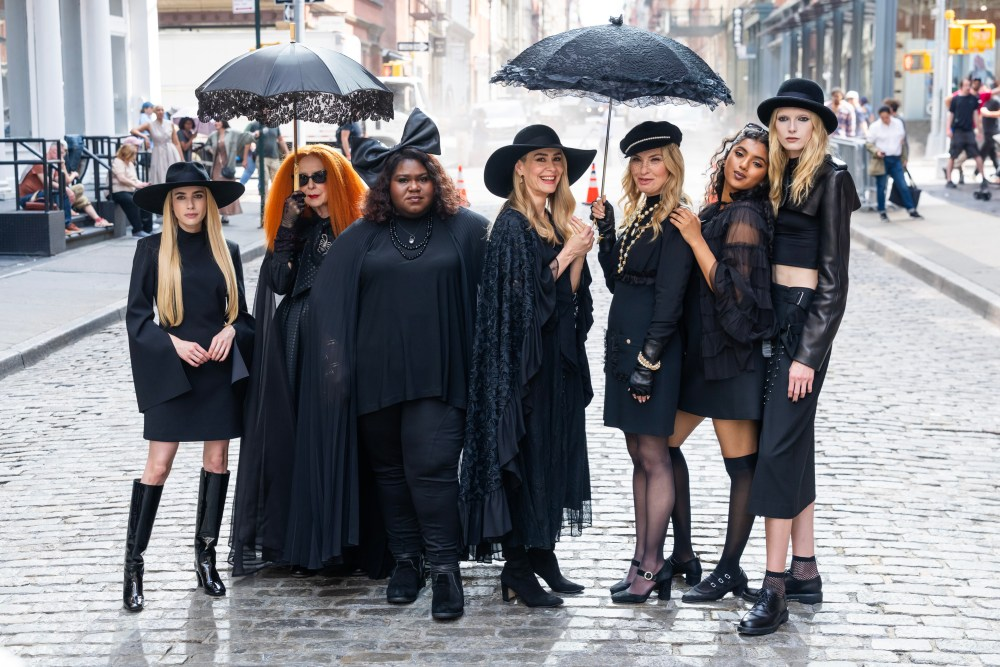
Let’s start with the image, because the image tells the story before the caption ever does.
A group of women walk down a New York street dressed in head-to-toe witchy glamour: dramatic capes, oversized hats, sheer textures and the kind of coordinated styling that makes a promotional image feel like a fashion moment.
And then there’s Gabourey Sidibe, returning as Queenie for the new season of American Horror Story: Coven, standing among them.
View on Threads
The styling disparity is difficult to ignore.
While the rest of the cast appears styled with intention, Queenie’s look feels noticeably less considered. The pieces do not carry the same drama. The silhouette does not have the same presence. It feels less like a character making an entrance and more like someone who was given an outfit to complete a lineup.
Because ultimately, this is not just about one costume. Plus size actresses deserve better styling, not because they need special treatment, but because they deserve the same creative consideration given to every performer standing in the frame.
Costumes Tell Stories, Too
Wardrobe has always been about more than getting someone dressed. Costume design is storytelling. Before a character ever speaks, their clothing tells us something about who they are, how they move through the world and how the audience is meant to perceive them.
The best costume design doesn’t simply fit the actor. It supports the character.
So when one performer appears to receive noticeably less creative attention than everyone else in the frame, audiences notice. Not because every costume has to match, but because intentional styling and overlooked styling communicate two very different things.
And that is where the conversation becomes bigger than one costume.
The “We Couldn’t Find Anything” Excuse Doesn’t Work Anymore
Because we have had this conversation before.
For years, one of the most common explanations for why plus size talent receives less thoughtful styling has been that the options simply are not there. The industry has repeatedly leaned on excuses like “we couldn’t find anything in her size,” or “the designers don’t carry those measurements.”
But that argument does not hold the same weight way it once did.
The plus size fashion landscape has changed. Brands like Eloquii, Universal Standard, City Chic, Torrid and 11 Honoré have spent years proving that plus size fashion can include structure, fantasy, tailoring and editorial drama.
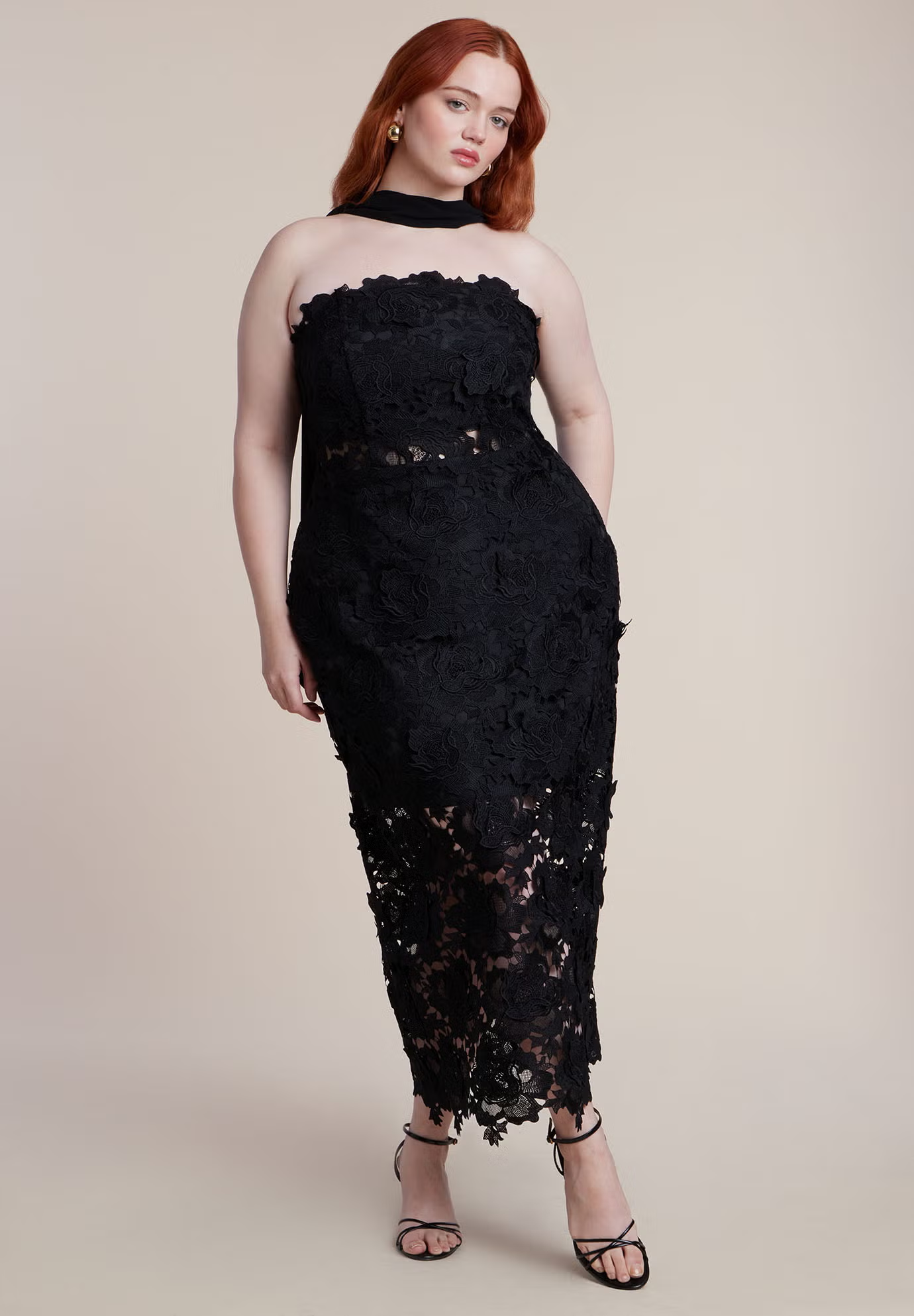
The resources exist.
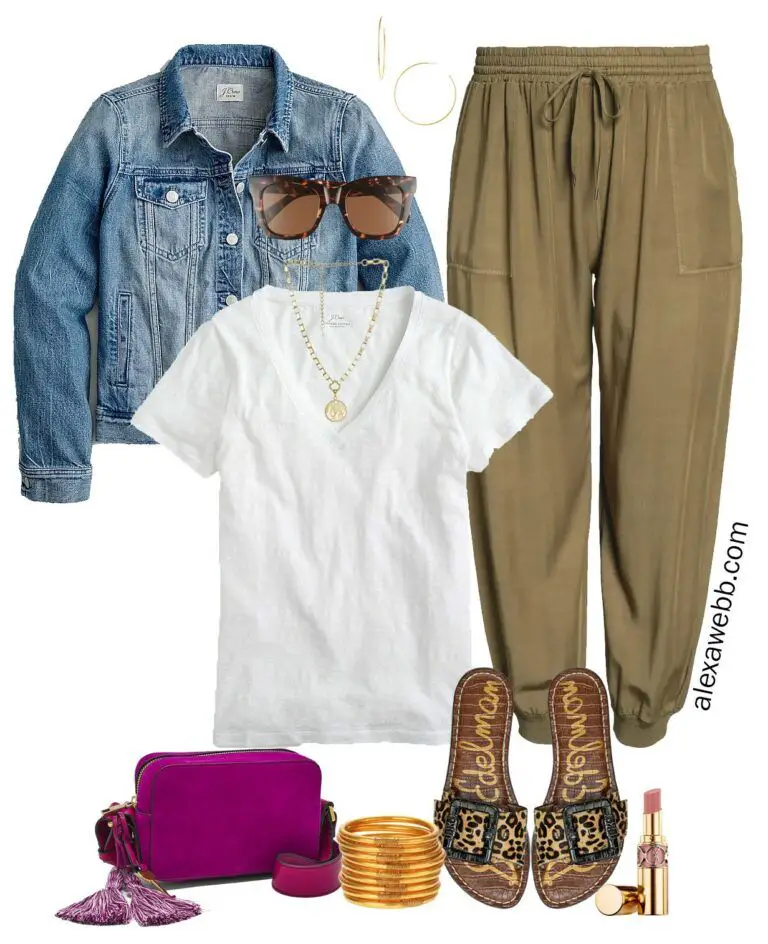
So the question becomes: why are plus size actresses still so often treated like an afterthought? If someone scrolling on their phone can quickly pull together a dramatic, editorial-worthy look from brands designed specifically for plus size shoppers, it raises an important question: why are major television productions still struggling to do the same?
The Real Problem Isn’t Access. It’s Perspective.
Because the problem has never only been access. It has also been perspective.
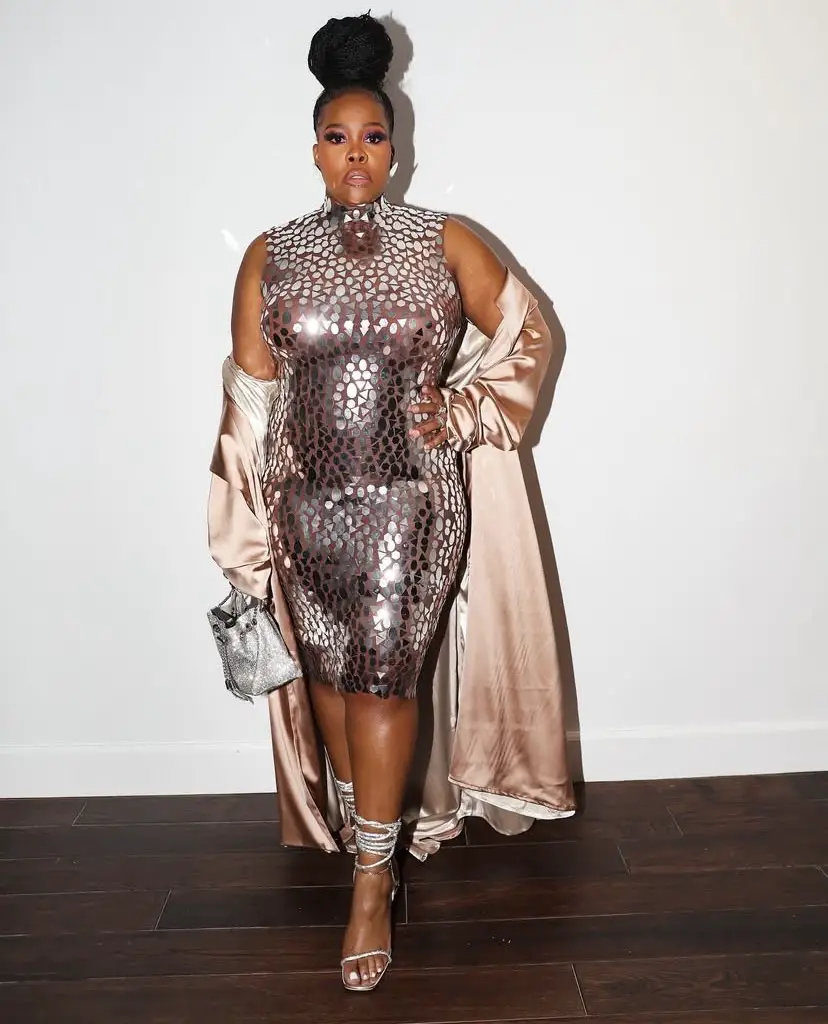
Award-winning actress and singer, Amber Riley, recently spoke about a reality many plus size performers have experienced: the styling industry is still largely shaped by people who have not been trained to approach plus size bodies as a creative opportunity. Too often, dressing a larger body starts with the question, “How do we hide it?” instead of, “How do we celebrate it?”
View on Threads
That difference changes everything.
The language gives it away.
“Slimming.”
“Flattering.”
“Forgiving.”
Words that sound harmless but often reveal an underlying belief that the body itself is the problem to solve.
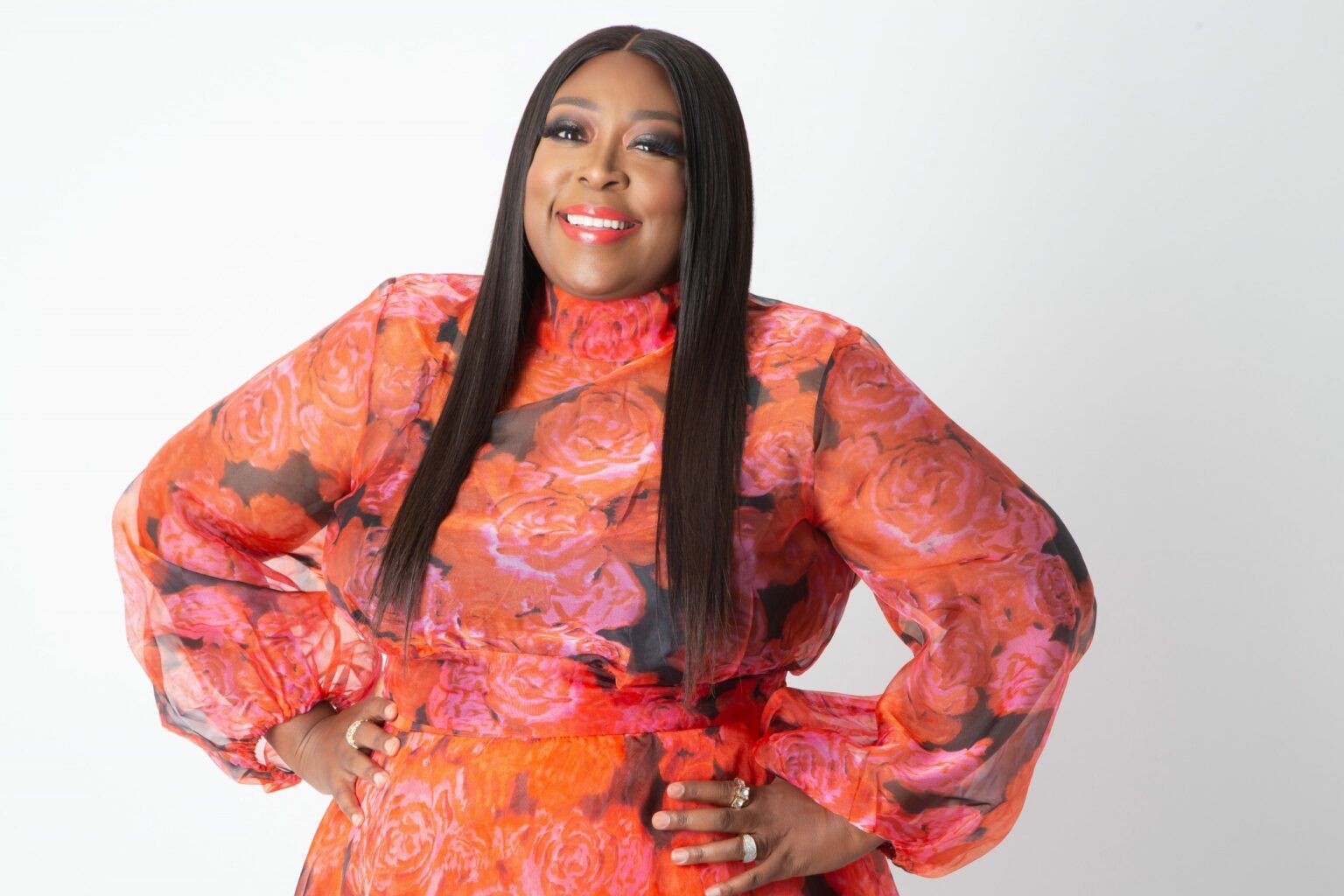
Award-winning activist, author and comedian Loni Love’s comments stayed with me because they highlighted how long this problem has existed. The fact that plus size actresses have had to bring their own clothing to set because wardrobe departments failed to provide viable options shows that this issue has never been about a lack of resources alone.
View on Threads
Twenty years of fatphobia dressed up as “budget constraints” or “sizing limitations.”
The plus size fashion industry didn’t spring up overnight to fix this. It’s been building, brand by brand, for over a decade specifically because mainstream fashion and mainstream production refused to. The infrastructure to get this right has existed for a long time.
What’s been missing is the willingness to use it.
But fashion has never been just about hiding bodies. Fashion is storytelling. It is silhouette, proportion, movement and identity. Every person deserves access to that kind of creative expression.
Why Speaking Up Isn’t Always Simple
There is another layer to this conversation that deserves attention.
It is easy to tell someone to demand better when you are watching from the outside. It is much harder when you are the person sitting in the fitting room, negotiating your next opportunity or trying to maintain a relationship with a team that ultimately influences whether you work again.
That silence is not always acceptance.
Sometimes it is survival.
Plus size performers are often forced to make calculations their straight-size counterparts rarely have to consider.
Do I speak up and risk being labeled difficult?
Do I accept what I am given because I don’t want to lose the opportunity?
Do I fight this battle today, knowing there may be another one waiting tomorrow?
That emotional labor is part of the problem, too.
Hollywood Has Everything It Needs to Do Better
Because this conversation is not really about one hat, one cape or one promotional image. It is about what happens when an industry claims it wants inclusion, but continues to treat plus size talent as an exception rather than an equal part of the creative process.
The brands exist.
The designers exist.
The resources exist.
What is still missing is the willingness to see plus size talent as deserving of the same level of thought, creativity and investment as everyone else in the room.
The excuse has expired.
Now the industry has to decide whether it is finally ready to move beyond it.
MORE TCF GAMES