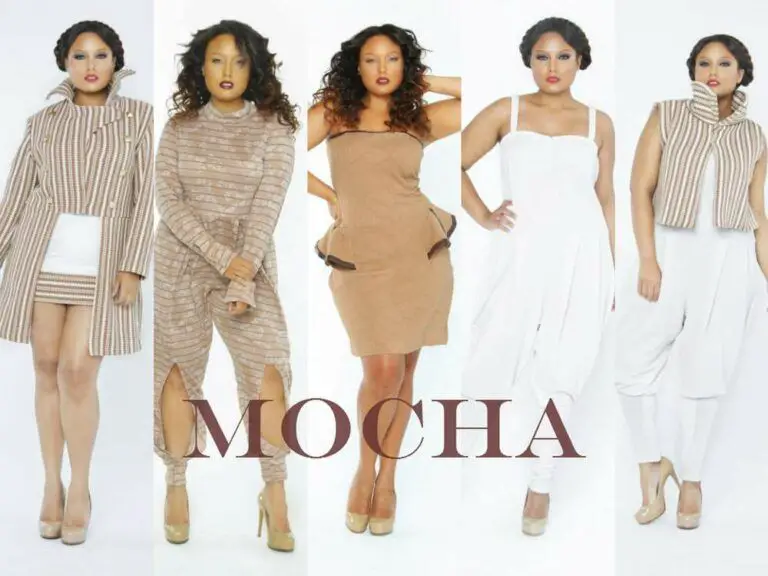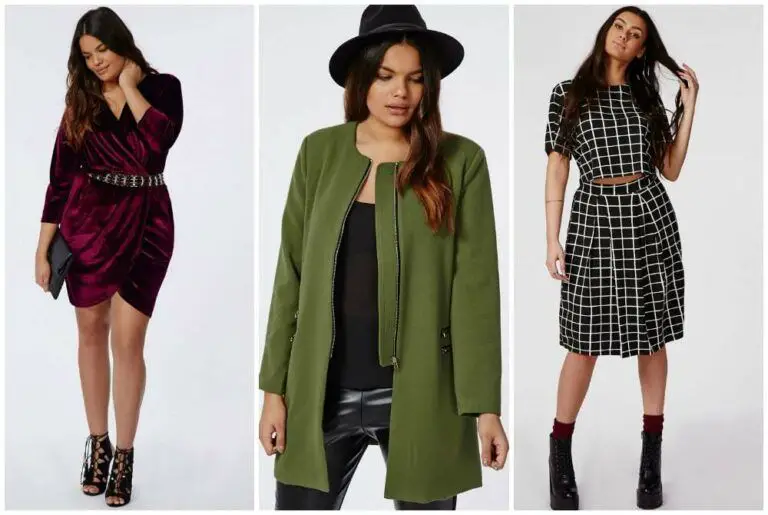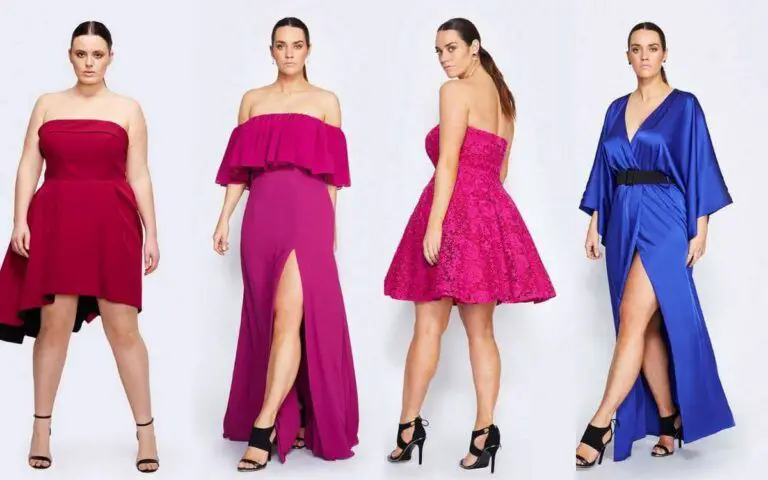
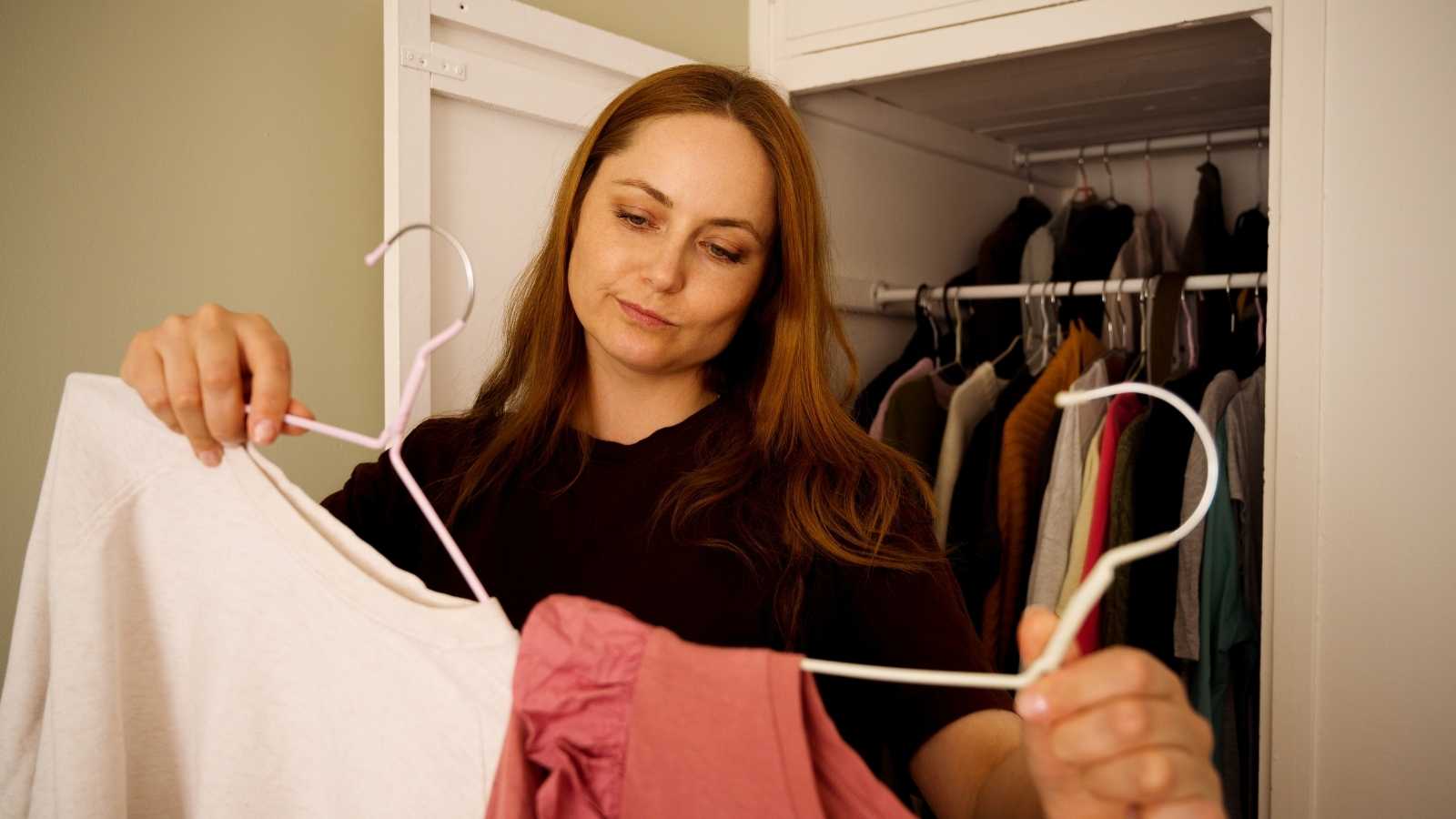
A study by Trunk Club, a personal styling service, found that the average person experiences “wadrobe panic” 36 times yearly (roughly 2,800 times in a lifetime) because they feel they have nothing to wear. Nearly 61% of Americans even admitted they regularly struggle to find something to wear, even with their wardrobes overflowing.
Most wardrobes are filled with pieces that looked like great ideas at the time but somehow never make it into regular outfit rotations. They quietly take up space while your favorite staples keep doing all the heavy lifting.
That can be frustrating, especially when clothing is such a meaningful investment. According to the U.S. Bureau of Labor Statistics, U.S. households spent an average of $655 on women’s apparel and $208 on women’s footwear in 2023, making it even more worthwhile to understand which pieces earn their place in your closet and which collect dust.
Here are 15 pieces many women still own but rarely, if ever, wear.
The “Someday” Dress
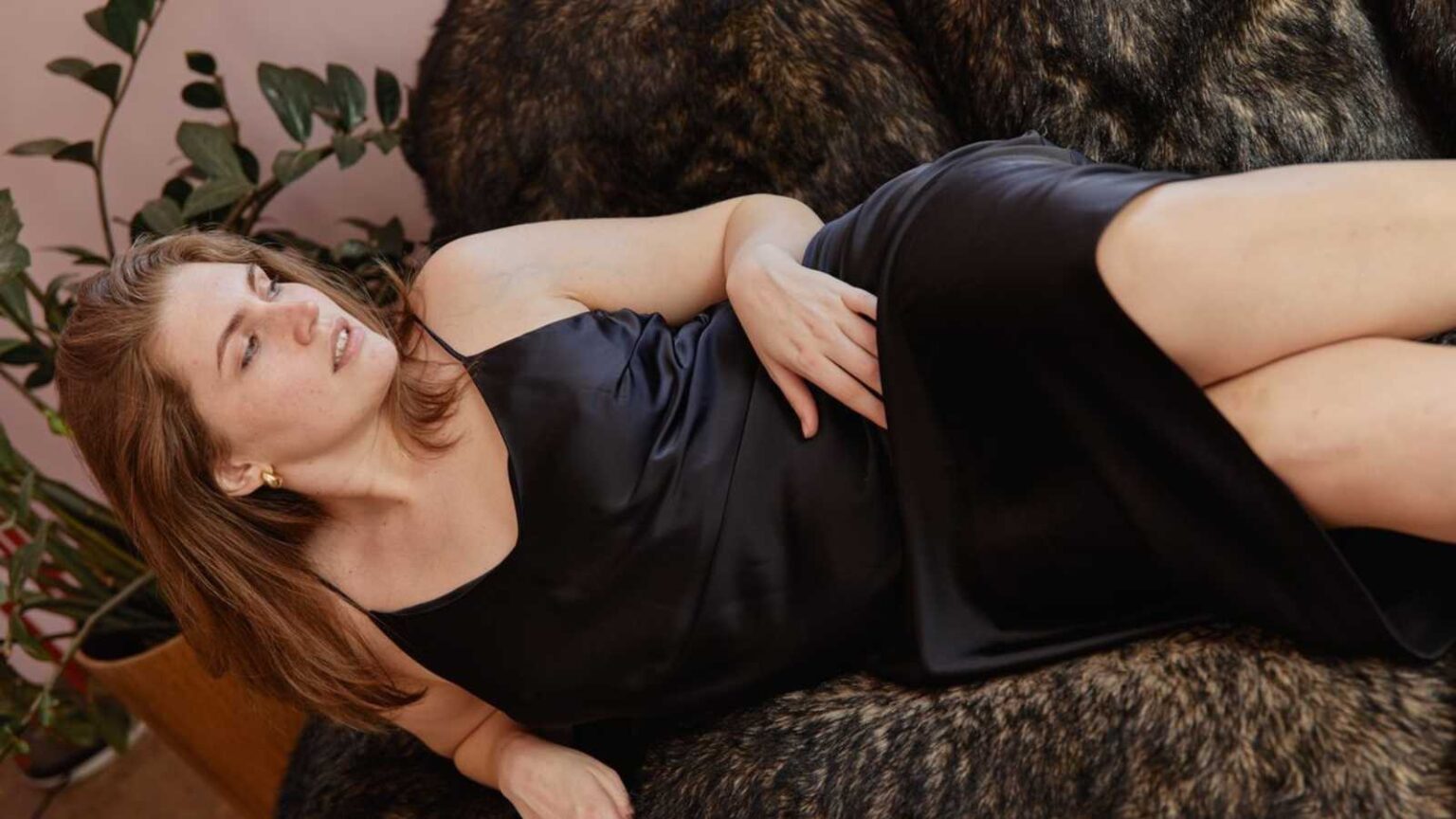
Almost every woman has a dress she’s saving for that perfect occasion. It might have been bought for a wedding, vacation, or celebration that never happened, leaving it untouched while everyday favorites get all the wear.
Often, the occasion isn’t the problem. Life changes, personal style evolves, and what once felt exciting tends to no longer feel like you. Instead of waiting for the “right moment,” the dress becomes part of the closet scenery.
If you still love it, look for ways to style it differently. Pair it with sneakers, a denim jacket, or flats. If you wouldn’t buy it again today, it may be time to let someone else enjoy it.
Jeans That No Longer Fit
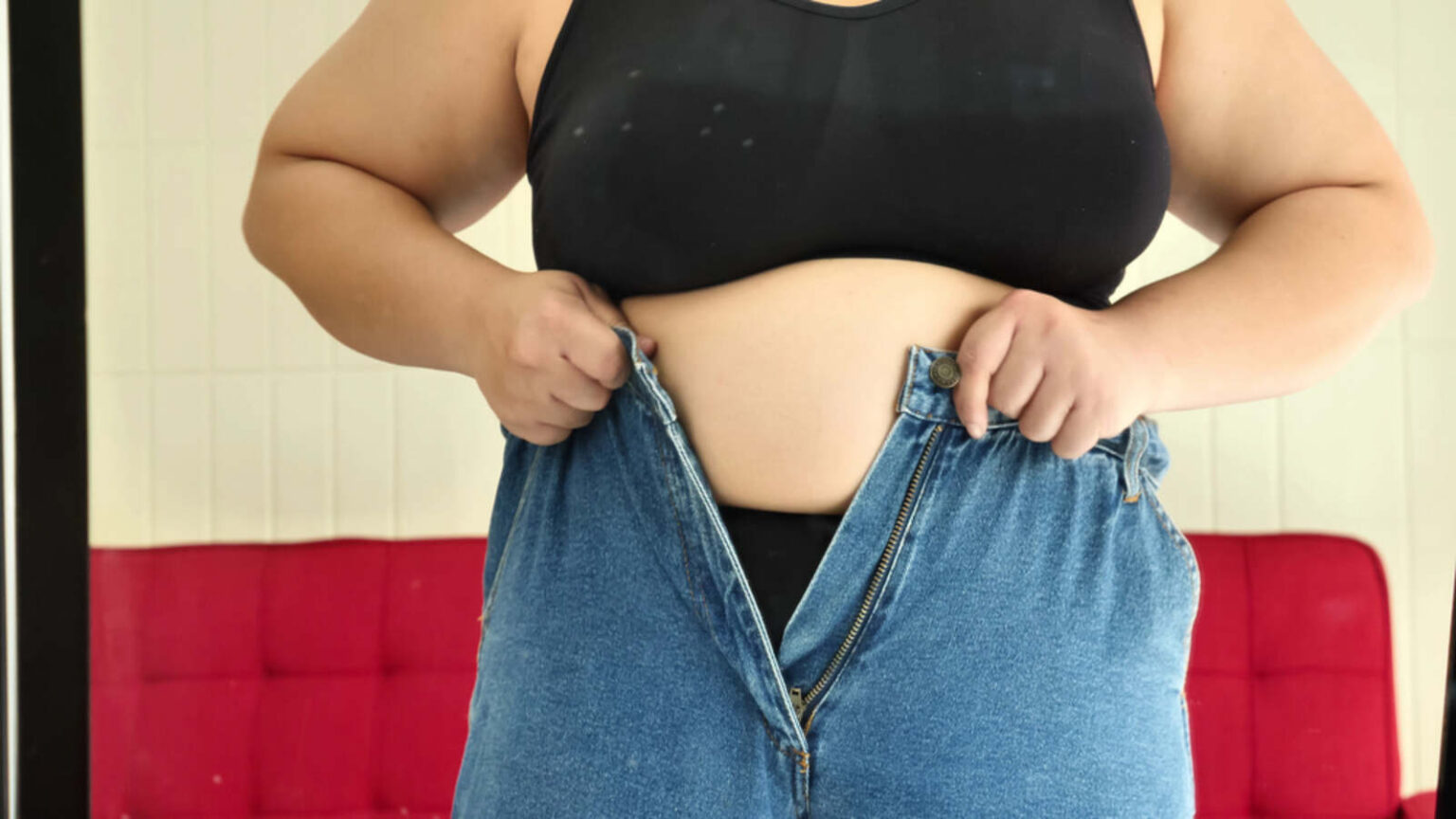
Many women keep at least one pair of jeans with the hope they’ll fit again someday. While the intention is understandable, those jeans often become a reminder of the past instead of a useful part of today’s wardrobe.
That habit is more common than many people realize. A study cited by The Guardian found that 85% of women had clothes in their wardrobes that didn’t fit, showing just how emotionally attached we can become to certain pieces.
A closet should support your current life, not constantly remind you of an old version of yourself or one you look forward to. Clothes that fit today usually get worn far more often than clothes waiting for tomorrow.
Sky-High Heels
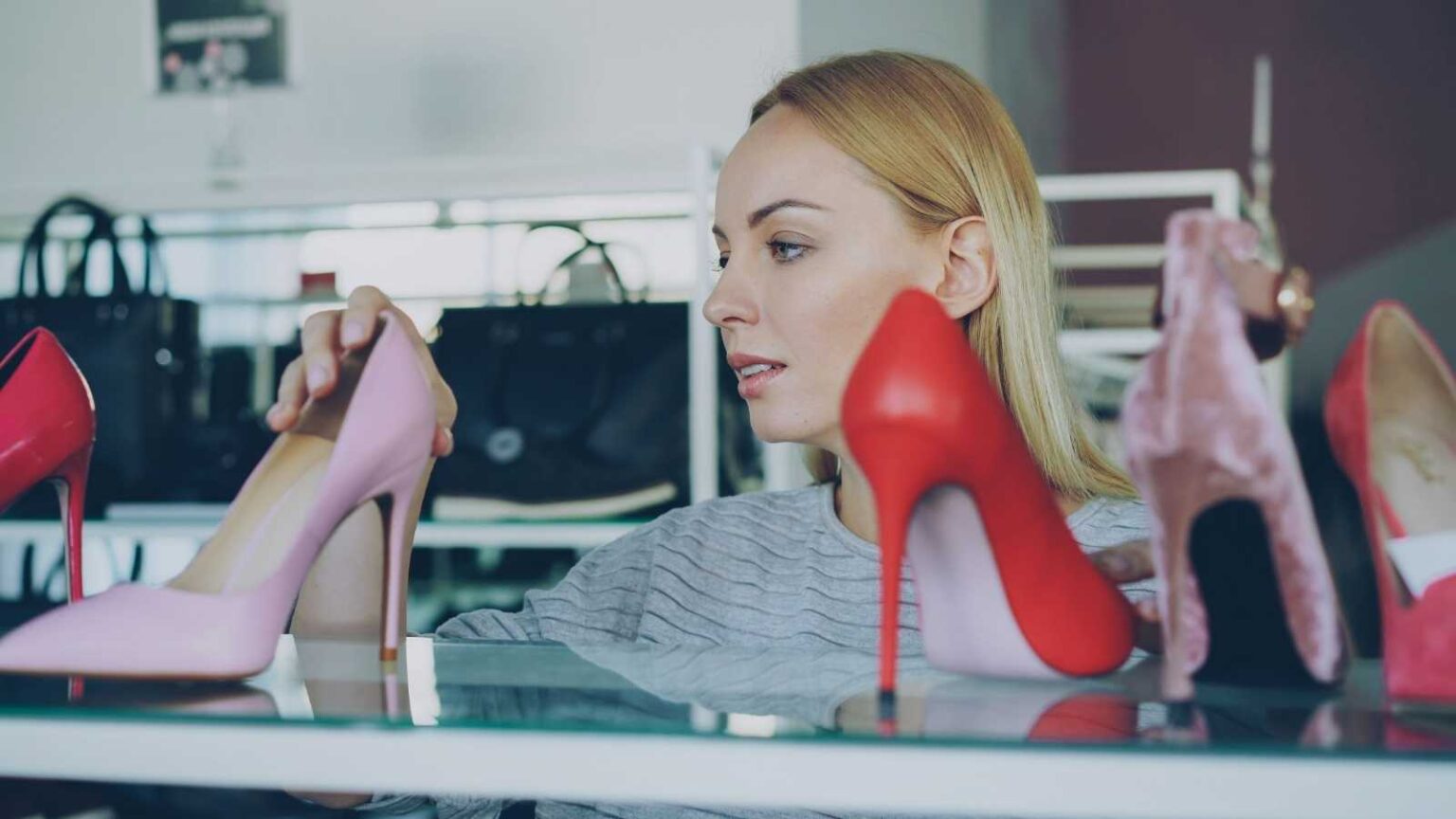
Those stunning heels looked amazing in the store, and maybe you’ve worn them once for a wedding or special event. Since then, they’ve mostly been sitting in their box while comfortable shoes get all the attention.
There’s nothing wrong with owning a couple of statement heels, but keeping several pairs you’ll never comfortably wear again only creates unnecessary clutter in your closet. Fashion should feel just as good as it looks.
If they’re too uncomfortable to survive dinner, they probably don’t deserve permanent closet space in your home. A stylish lower heel often gets far more mileage.
Impulse Trend Pieces
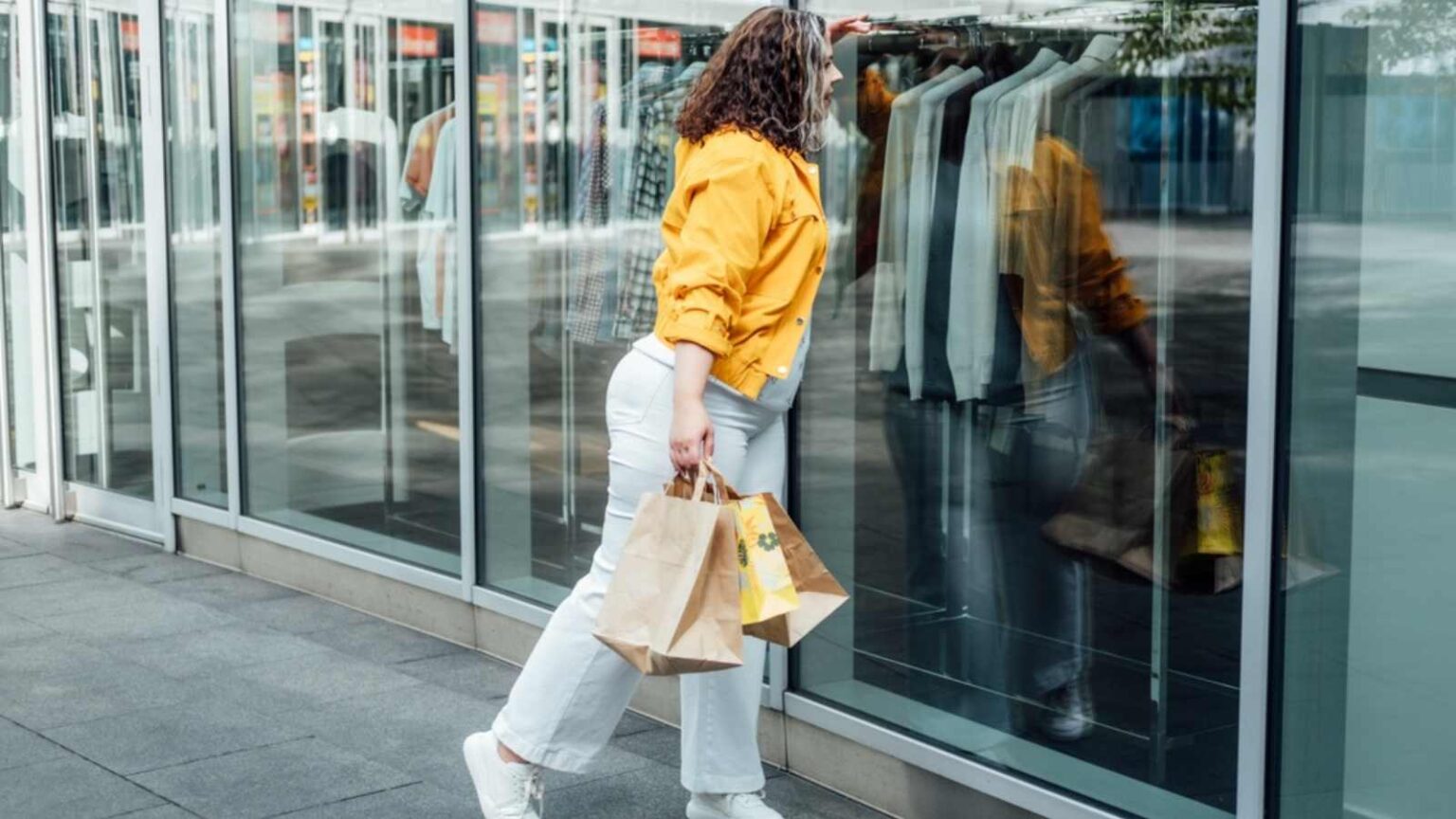
We’ve all bought something because it was suddenly everywhere. Maybe it dominated social media at the time, every influencer owned one, or it seemed impossible to resist in the moment.
That excitement often fades much faster than expected. A 2018 Trunk Club study, reported by EDGE Media Network, found that 28% of items in the average person’s closet had never been worn or hadn’t been touched for over a year, showing how quickly impulse purchases can become forgotten purchases.
Before buying the next viral trend, ask yourself whether you’ll still want to wear it next season. If the answer is uncertain, it may be better to invest elsewhere.
Bridesmaid Dresses
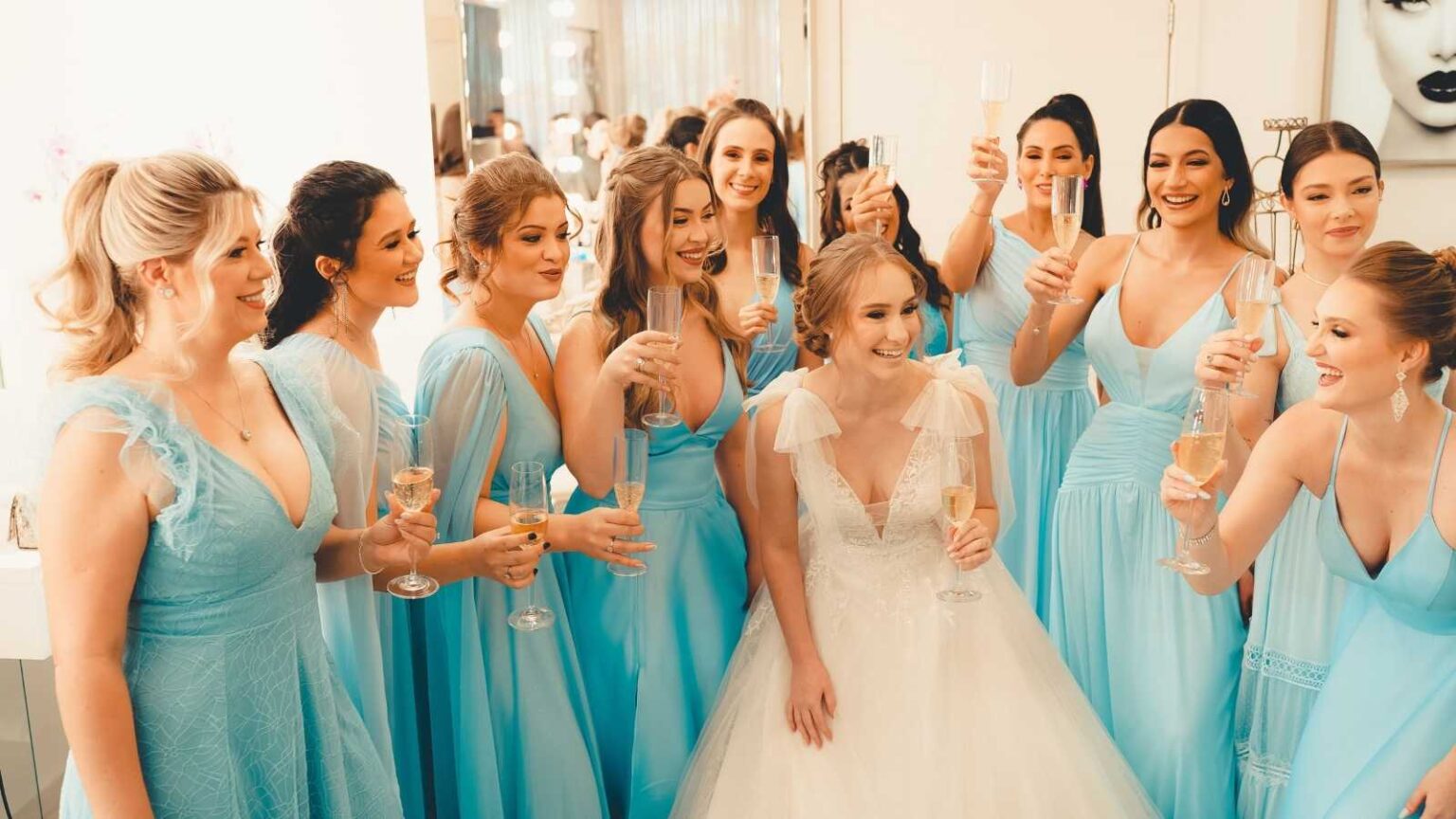
Bridesmaid dresses often come with wonderful memories, but they rarely become regular wardrobe staples. Their formal fabrics, colors, or silhouettes can make them difficult to wear outside the event they were purchased for.
Many women keep them because they were expensive or because they represent an important milestone. While those reasons make sense, sentimental value doesn’t automatically make something useful.
Instead of letting the dress disappear into the back of your closet, consider having it altered or dyed into something you’ll actually wear. If that isn’t realistic, donating or reselling it allows the dress to create new memories for someone else.
Clothes Bought for a Different Lifestyle
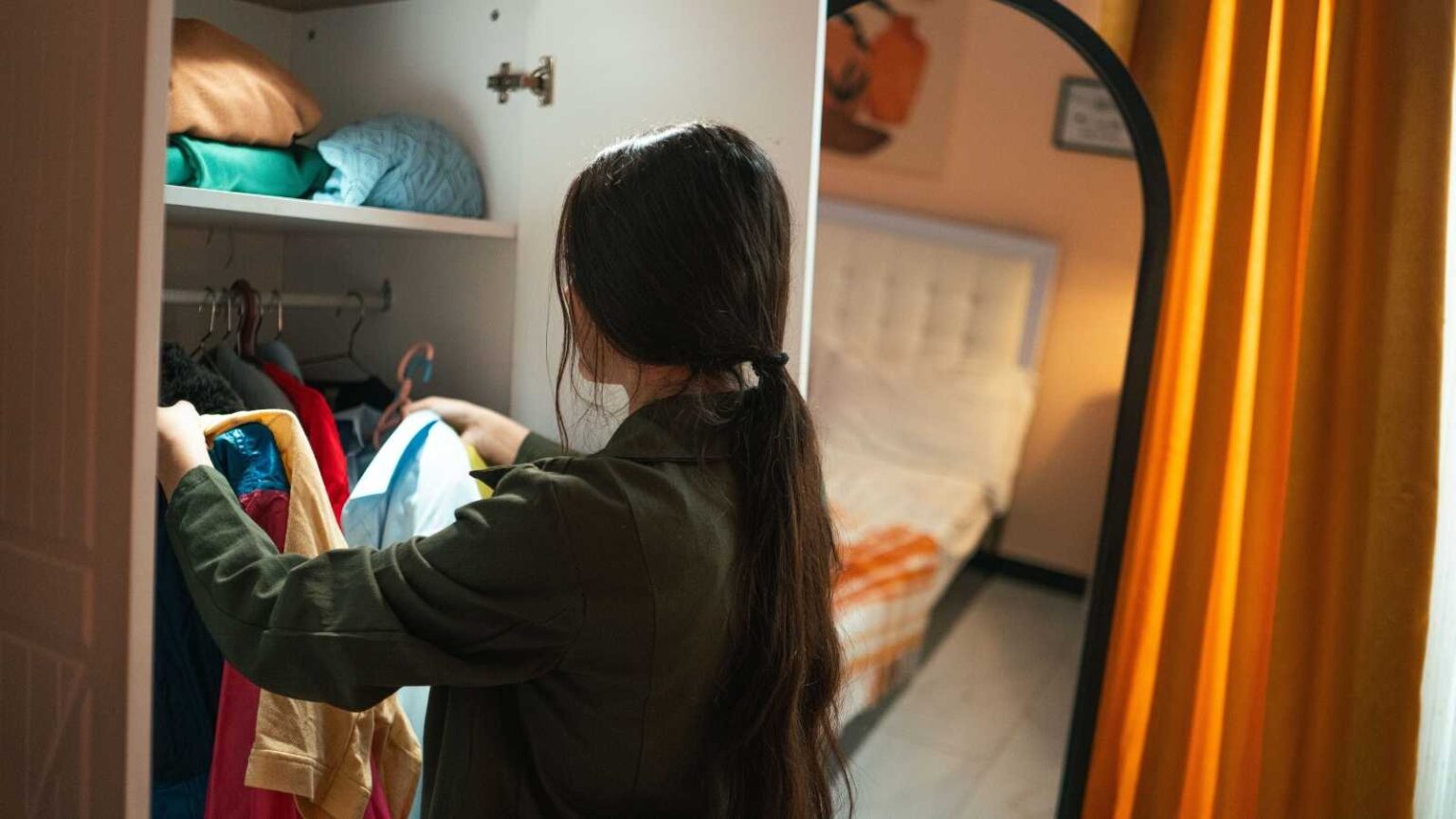
Sometimes the clothes we never wear are not bad purchases. They belong to a version of ourselves that no longer exists. A closet can easily become a collection of old routines, old jobs, old hobbies, or imagined lifestyles we thought we would have.
Maybe it was the formal blazer bought for an office you no longer work at, the workout set for a fitness routine that never became a habit, or the vacation outfit waiting for a trip that never happened. These pieces often stay because they represent an idea rather than a reality.
A useful wardrobe should reflect the life you actually live. Keeping a few meaningful pieces is fine, but your closet should primarily support your current needs, comfort, and personal style.
The “Too Precious to Wear” Pieces
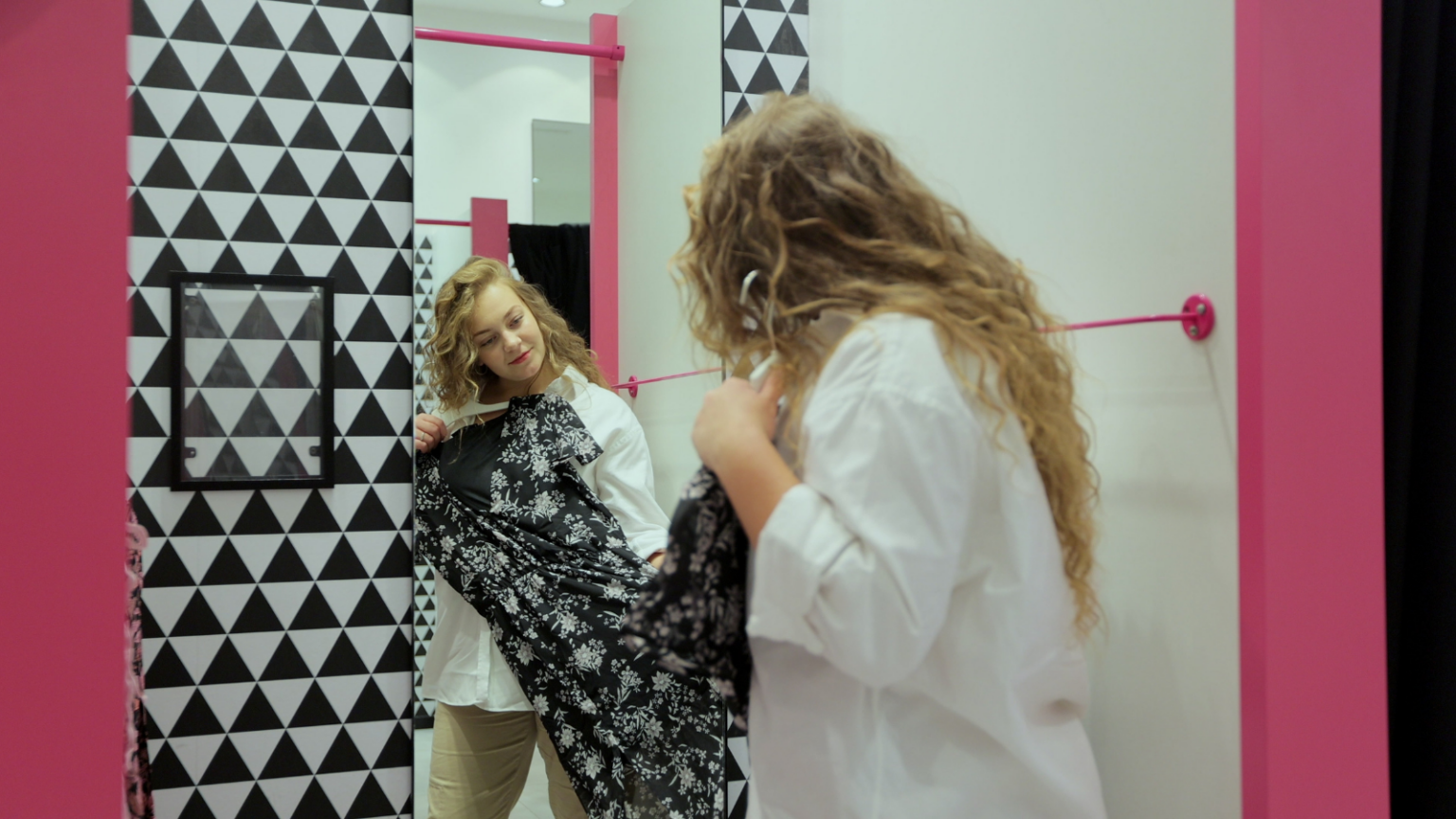
Some clothes are so beautiful that women hesitate to actually wear them. They are kept for a special occasion, a perfect moment, or a future version of life where everything feels just right.
The problem is that those perfect moments often never arrive. A beautiful blouse, designer bag, or statement jacket can sit untouched for years simply because it feels too valuable to use.
Fashion is meant to be experienced, not stored away forever. If a piece makes you feel confident, it deserves to be part of your everyday life. The best wardrobe items are the ones that create memories because they were actually worn.
Clothes Bought During a Sale
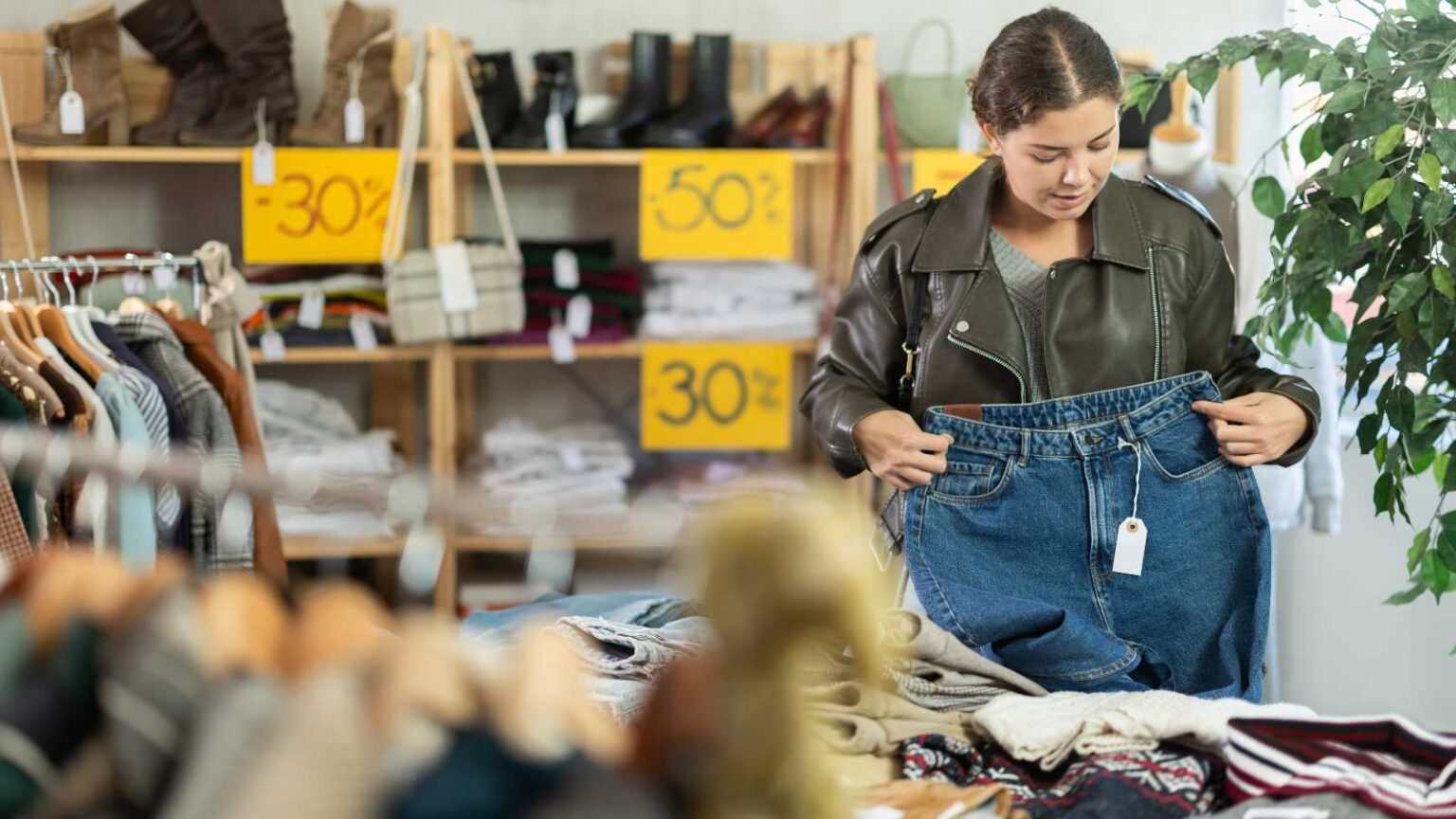
A discount can make almost anything feel like a smart purchase. That amazing deal, limited-time offer, or “last one available” message can convince many shoppers to buy pieces they would normally want to ignore.
However, a lower price does not always mean better value. According to the U.S. Bureau of Labor Statistics, the apparel Consumer Price Index reached 131.5 in 2024 (1982–84 = 100), showing how clothing costs have increased over time. As prices rise, being intentional about what enters your closet becomes even more important.
A bargain only saves money if you actually use it. The most valuable clothing pieces are not always the cheapest ones, but the ones you repeatedly reach for.
The Wrong Size “Just in Case” Pieces
Many women keep clothing in sizes they may need someday. It could be a favorite outfit from the past, something bought during a body change, or a piece saved because it feels too good to let go.
While bodies naturally change throughout life, holding onto too many sizes can make your closet feel disconnected from who you are right now. Your wardrobe should celebrate your current body, not make you feel like you are constantly preparing for a different one.
Keeping a few meaningful pieces is understandable, but the majority of your closet should fit your present lifestyle. Clothing works best when it helps you feel confident today.
Shoes That Hurt More Than They Help
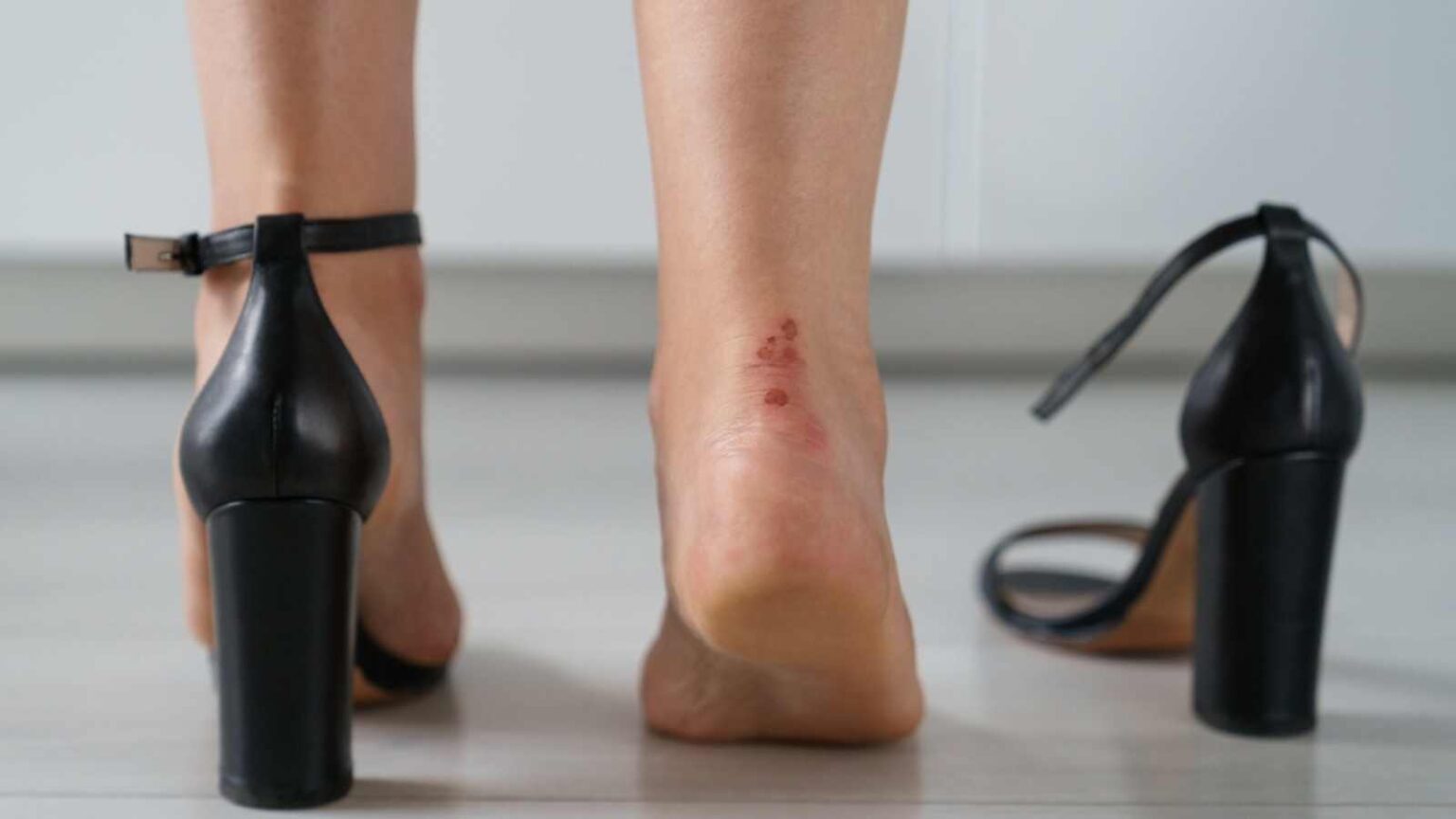
Some shoes look incredible but feel impossible to wear after ten minutes. Many women keep them because they are beautiful, expensive, or connected to a memorable outfit, knowing fully well that they may never wear them again.
However, uncomfortable footwear often becomes one of the biggest reasons an item stays untouched. A pair of shoes that limits your movement or causes discomfort rarely becomes a true wardrobe favorite.
Modern fashion has made comfort much more stylish. Supportive sneakers, practical flats, and wearable heels can still look fashionable while allowing you to move confidently. The best shoes are the ones you actually want to put on.
Clothes Kept Because of Guilt
Some pieces remain in our closets not because we love wearing them, but because letting them go feels difficult. Maybe it was expensive, a gift from someone special, or something we bought during a different phase of life.
That emotional connection is completely understandable. Clothing often carries memories, and removing an item can sometimes feel like letting go of the moment attached to it. However, keeping something you never wear does not necessarily preserve the memory.
Instead, consider finding another way to honor those feelings. Take a photo, keep a small sentimental piece, or pass the item along to someone who will appreciate it. A meaningful memory does not need to occupy your entire closet.
The “Perfect Outfit” Waiting Pieces
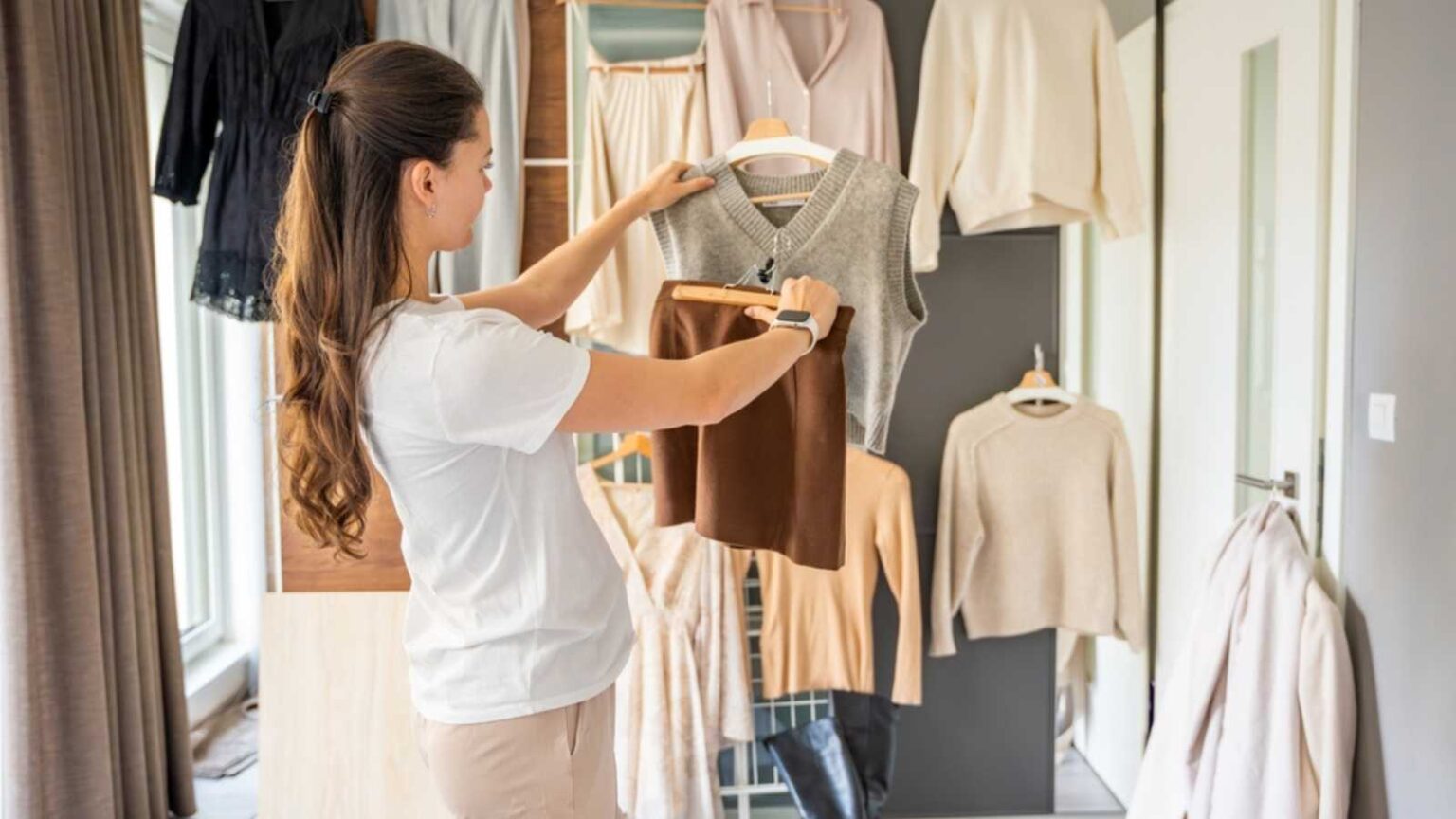
Many women have items saved for a future outfit they have imagined. It might be a skirt waiting for the right top, a jacket waiting for the perfect occasion, or accessories that have never found their moment.
The challenge is that these pieces often depend on other purchases or a specific situation that may never happen. Instead of creating outfits, they become unfinished ideas, taking up valuable space in the closet.
A more functional wardrobe is built around pieces that already work together. Instead of chasing the “perfect” combination, focus on creating outfits that feel effortless but look intentional with versatile pieces you genuinely enjoy wearing.
Clothes Bought for a Trend That Passed
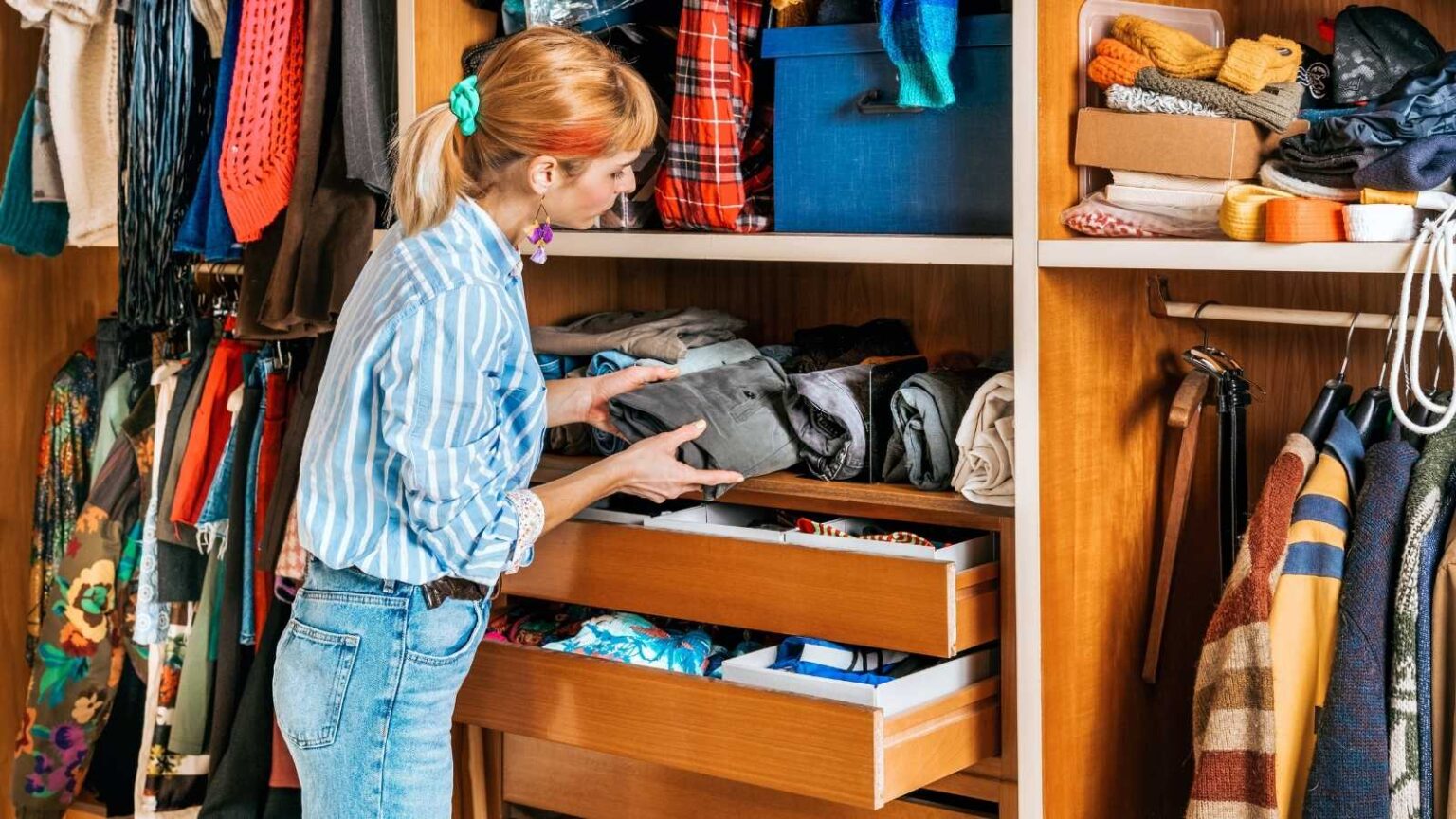
Fashion trends can be exciting because they introduce fresh ideas and encourage creativity. However, some trendy pieces have a surprisingly short lifespan. What feels like a must-have one month can feel completely disconnected from your style the next.
This is part of why many closets contain more clothing than people actually use. A 2025 study reported by EcoTextile found that over 20% of garments in wardrobes remain unused, highlighting how easily clothing can become forgotten.
Trends can still be fun, but the smartest purchases are those that work beyond one season. A balance between current fashion and personal style creates a closet that feels exciting and practical.
Clothes That No Longer Match Your Style
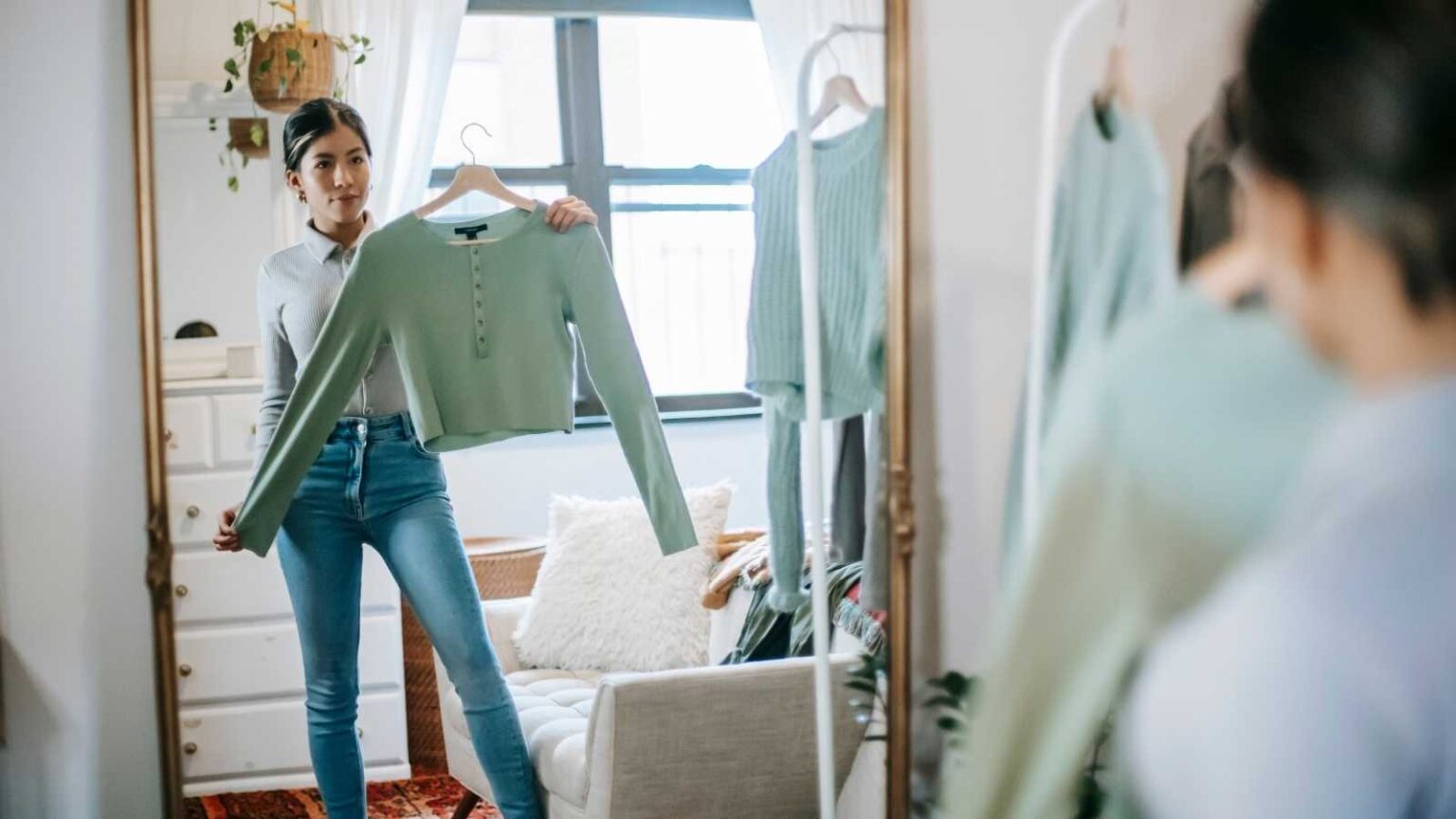
Personal style is not something that stays frozen forever. The colors, silhouettes, and designs we love can change as our confidence, lifestyle, and priorities evolve.
A piece that once felt like the perfect expression of who you were may no longer feel comfortable or authentic. Yet many women continue to keep these items because they remember how they felt when they first bought them.
Your closet should grow with you. Letting go of clothing that no longer represents your style creates room for pieces that make you feel more confident today. Fashion is about self-expression, and self-expression naturally changes over time.
Pieces You Keep Because You “Might Need Them”
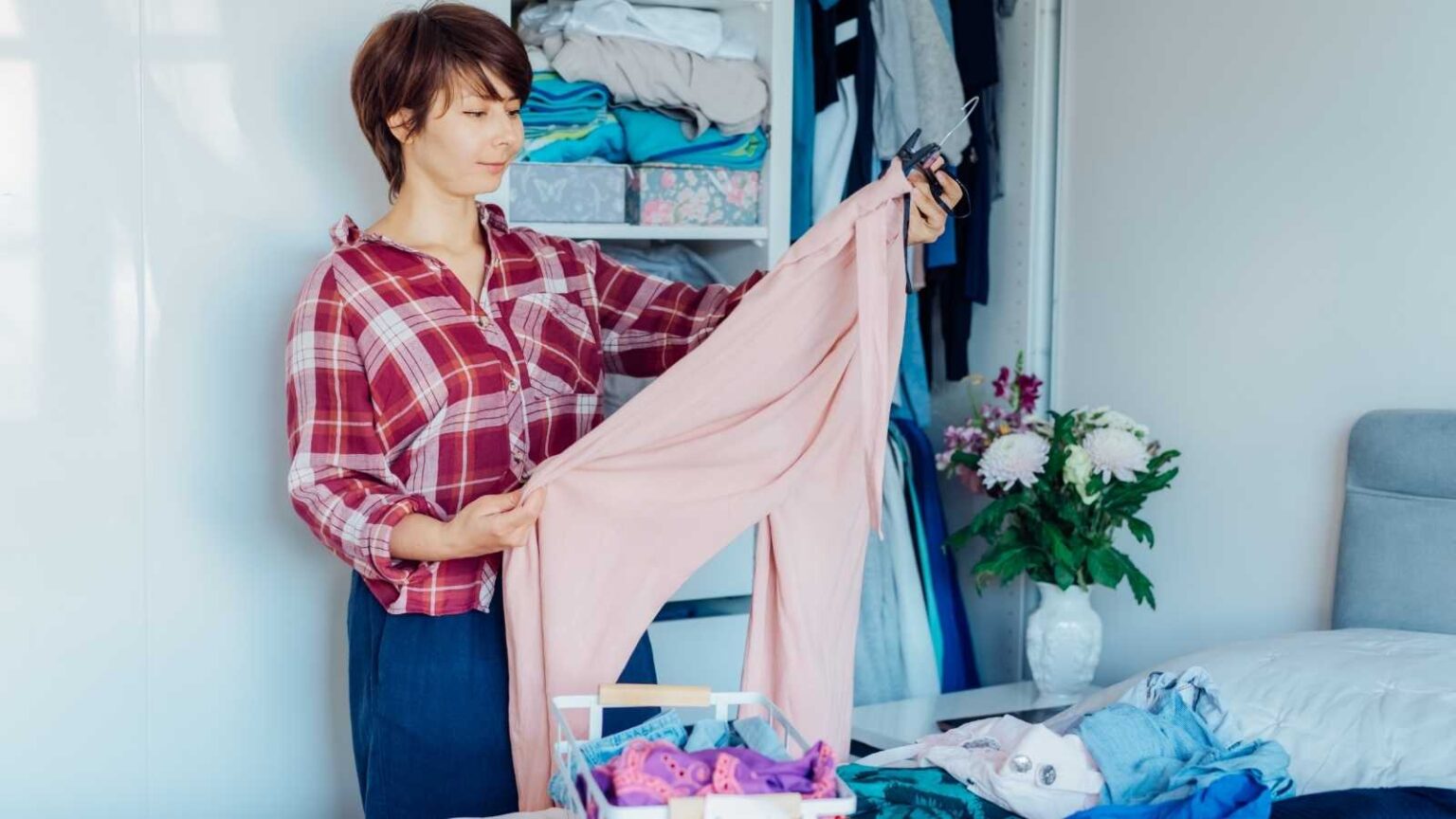
The final category is one almost everyone understands: the clothes kept because of a possibility. Maybe it is a formal outfit for an event that may never happen, a jacket for a lifestyle you hope to have, or a piece saved because “one day” feels possible.
This habit is one reason closets often become crowded. The U.S. fashion industry represents massive spending, with personal consumption expenditures for clothing, footwear, and related services reaching $586.4 billion in 2025, according to Federal Reserve Economic Data. With so much money flowing into fashion, making intentional choices matters.
A wardrobe does not need endless options to feel complete. The goal is not to own fewer pieces simply for the sake of it, but to own pieces that fit your life, your body, and your confidence.
Key Takeaways
A closet full of unworn clothes does not mean you have bad style. It often reflects changing priorities, emotional connections, past versions of yourself, and purchases made with good intentions. Before buying something new, it helps to ask whether it truly fits your lifestyle and whether you can imagine wearing it repeatedly. Intentional shopping creates more space for personal style. Fashion should support you, not overwhelm you. The best pieces are the ones that leave the closet and become part of your everyday story.
Disclaimer: This list is solely the author’s opinion based on research and publicly available information. It is not intended to be professional advice.
Like our content? Be sure to follow us
MORE TCF GAMES