
Fashion history gives us plenty of beautiful trends that cycle back every few decades for a fresh generation. Sometimes designers dig through the archives and resurrect vintage magic for modern closets. Other times, they quietly bury certain fashion choices deep in the vault and throw away the key forever. The 1970s gave us plenty of wild ideas that designers firmly left in the past.
Looking back at old family photo albums often triggers intense waves of secondhand embarrassment and nostalgic laughter. People wore some truly questionable outfits with total confidence and absolutely zero regrets back then. These eleven dress styles had their moment in the sun but will never see store shelves again.
The Polyester Double Knit Dress
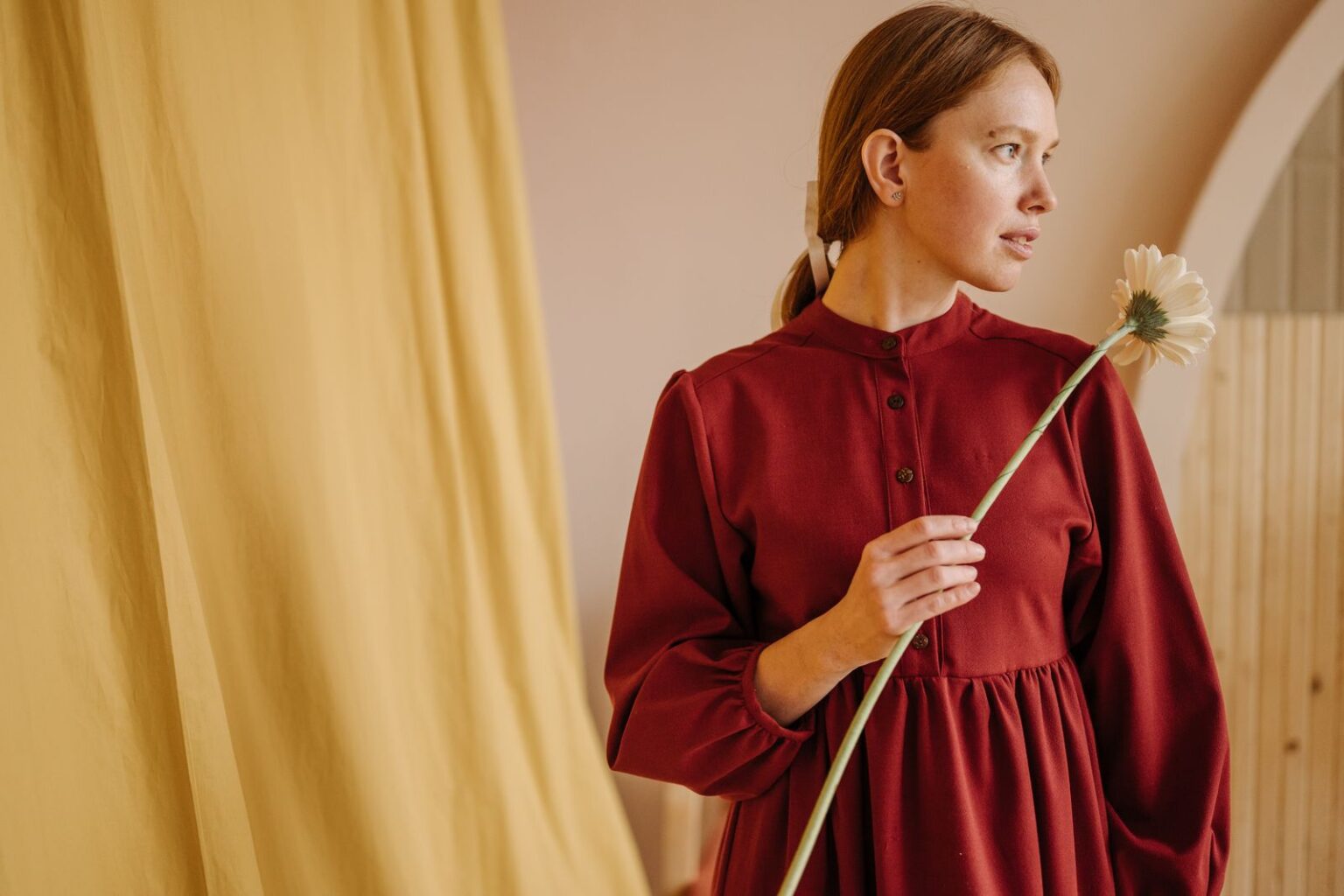
This plastic fabric marvel made you sweat buckets during the summer months while trapping heat against your skin. Designers loved the cheap material because it resisted wrinkles during a period when everyone wanted low-maintenance clothing. Shoppers quickly realized that wearing basically woven plastic meant sacrificing comfort for the sake of convenience.
According to the Textile Exchange 2023 report on synthetic fibers, polyester production recently reached 63 million tonnes globally. We have thankfully figured out how to make synthetics breathable instead of the stifling seventies versions. Nobody misses feeling like a walking greenhouse during a July heatwave while wearing a stiff double-knit piece.
The Crocheted Granny Square Dress

Your grandmother probably made beautiful blankets using this same colorful yarn technique for the living room couch. Someone decided to stitch those identical heavy squares together into a rather drafty and bulky garment. The heavy yarn dragged the hemline down into a stretched-out mess after just one single wash.
Modern consumers love vintage pieces, and Retail Dive says a 2024 ThredUp Resale Report shows the global secondhand apparel market will reach 350 billion dollars by 2028. You will rarely find anyone hunting for these heavy yarn monstrosities during their thrift store adventures. They weighed a ton and offered zero flattering structure for any body type under the sun.
The Extreme Prairie Dress

These historical replica pieces featured high lace collars and long sleeves that covered every inch of skin. You looked ready to churn butter on a farm rather than attend a fun weekend party. The sheer volume of calico fabric overwhelmed most women and required constant ironing to look presentable.
We certainly see cottagecore trends today, but the extreme modesty of the seventies versions remains firmly abandoned. American women spend plenty on clothes, with Strategic Market Research reporting the US apparel market generated over 359 billion dollars in revenue in 2024. None of that money is going toward high-necked pioneer costumes for everyday casual wear.
The Qiana Nylon Disco Dress

DuPont introduced this silky synthetic fabric as a glamorous and affordable alternative to real silk for evening wear. The fabric clung to every single curve while creating a massive static electricity problem on the dance floor. If you walked too close to a candle, the highly flammable material posed a serious safety hazard.
Nightclub fashion moved on to safer and more forgiving fabrics once the disco era finally crashed. We still love dressing up for a night out without fearing sudden combustion from a stray spark. The shiny synthetic look screams costume party rather than sophisticated evening wear for modern American shoppers.
The Terry Cloth Tube Dress

Wearing a literal bathroom towel as a legitimate fashion statement became surprisingly popular for beachside vacations. The elastic band across the top fought a losing battle against gravity throughout the entire day. Water absorption made the thick fabric incredibly heavy and uncomfortable the moment you actually started sweating.
A 2024 YouGov survey revealed that 79 percent of consumers say comfort is their primary clothing purchase driver. A strapless towel dress falling down your torso hardly provides the comfortable security modern buyers expect. We gladly left this absorbent fashion experiment back at the crowded pool parties of our youth.
The Macrame Fringe Dress

Knotting thick ropes together creates lovely plant hangers but translates terribly into wearable everyday clothing. Walking proved difficult when heavy fringe tangled around your legs with every single step you took. Sitting down required a strategic arrangement of strings so you did not end up tied to your chair.
The heavy knotted ropes dug painfully into your shoulders after just a few hours of wear. You could not easily wash these delicate rope creations without creating a massive tangled nightmare in the machine. This specific bohemian extreme vanished because practical daily life requires clothing that actually functions smoothly.
The Smocked Drop Waist Dress

Dropping the waistline down to the hips creates a very specific silhouette that cuts the body in half. The tight smocking around the hips awkwardly bunched up every time you tried to sit down. This design choice forced the skirt to flare out at the widest part of the lower body.
Fashion experts realized this awkward proportion rarely flatters anyone outside of a high fashion magazine spread. We favor natural waistlines or comfortable empire cuts that allow for normal movement and sitting down. The dropped smocked look stays safely buried in the catalogs and sewing patterns of the past.
The Chevron Patterned Maxi Dress

Bold geometric zigzags running from neck to floor created an aggressive optical illusion that made people dizzy. The clashing orange and brown color palettes dominated these floor-length columns of loud repeating shapes. Finding matching accessories proved impossible because the dress already completely overwhelmed the entire visual field.
Subtle prints and solid colors replaced these screaming geometric columns as fashion evolved into simpler tastes. You might find a quiet chevron accent today, but a full-body zigzag assault is basically extinct. We definitely prefer outfits that do not cause motion sickness when someone walks across the room.
The Lurex Dress

Metallic threads woven directly into the fabric turned these flashy dresses into incredibly scratchy torture devices. The metallic fibers rubbed raw spots onto the parts of your body where the material is stretched. You shined brightly under the disco ball while quietly suffering through the sandpaper texture against your skin.
Modern metallic fabrics use softer techniques that give you the shine without the painful friction. Nobody wants to wear an outfit that feels like steel wool just to catch some bright light. The aggressive scratchiness sent the original Lurex halters straight to the landfill of rejected clothing ideas.
The Gunne Sax Corset Dress
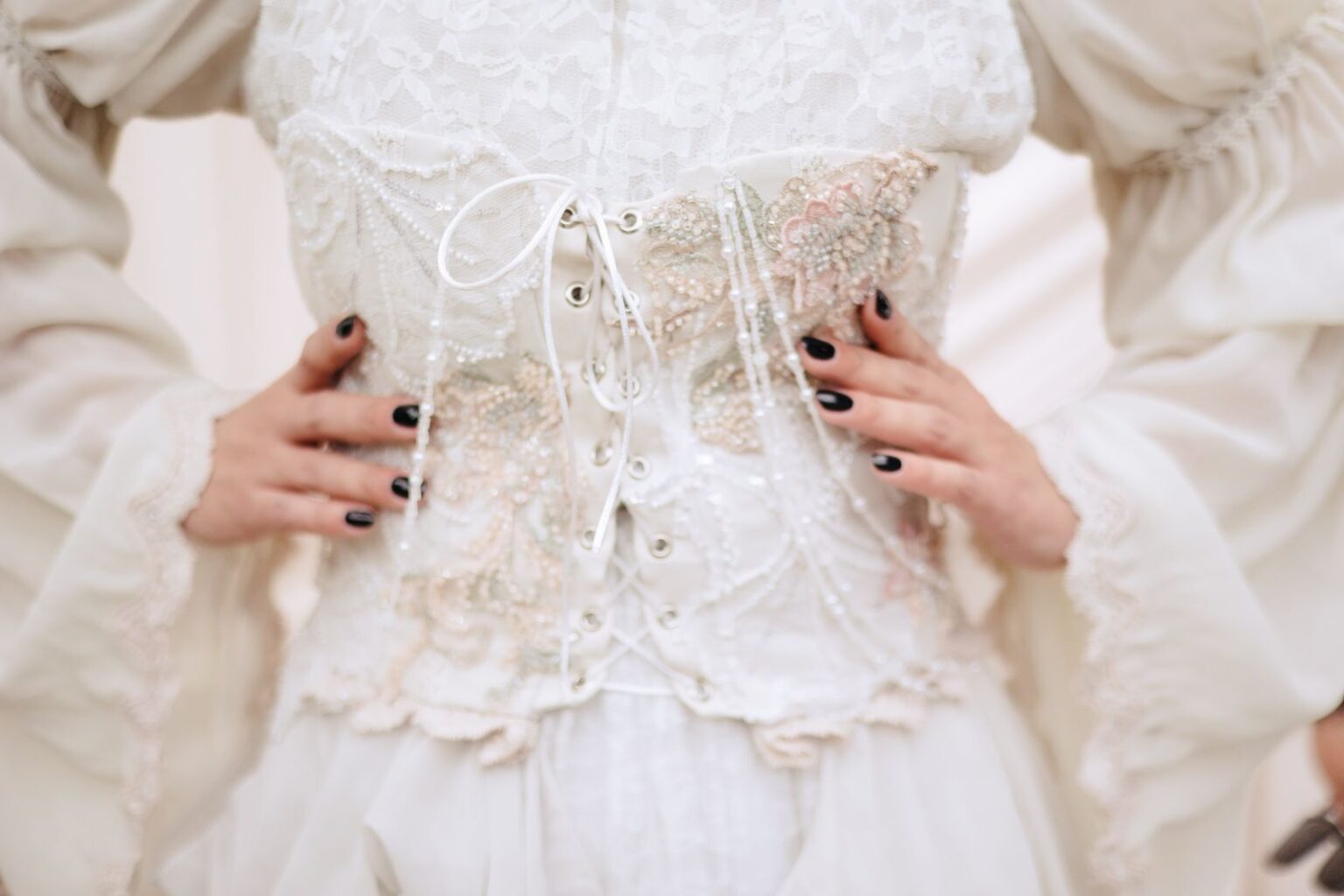
Lace-up bodices paired with velvet trim created a bizarre blend of Victorian modesty and Renaissance festival attire. These stiff dresses required a friend to help you actually get in and out of the complicated lacing. They felt completely out of place everywhere except at a formal dance or in an old costume drama.
While true vintage collectors still hoard these specific labels, mainstream fashion brands refuse to copy the rigid design. We appreciate clothing we can actually put on by ourselves without needing a medieval dressing assistant. The heavy velvet and complicated laces feel too costume-heavy for our casual, modern daily lives.
The Peasant Dress With Elastic Necklines

Puffy sleeves and a stretchy neckline meant the dress constantly shifted off your shoulders without warning. You spent the entire day pulling the elastic back up into place just to maintain basic modesty. The massive volume of the sleeves practically knocked over drinks every time you reached across a table.
While subtle peasant blouses still exist, the massive tent-like dresses with unreliable necklines have faded away entirely. Modern clothes stay put so we can go about our day without fighting our own sleeves. We happily waved goodbye to the constant tugging and pulling that these particular garments always required.
Disclaimer: This list is solely the author’s opinion based on research and publicly available information. It is not intended to be professional advice.
Like our content? Be sure to follow us
MORE TCF GAMES