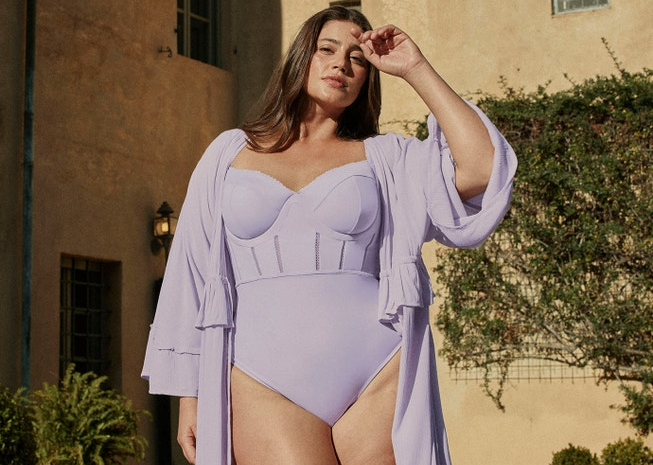

Nothing ruins a beautiful dress faster than painful thigh chafing. The irritation can turn a summer picnic, wedding, vacation, or workday into an uncomfortable experience within minutes. Fortunately, preventing chafing doesn’t mean giving up your favorite dresses. A few smart wardrobe choices and skincare habits can help you stay comfortable all day.
Chafing happens when skin repeatedly rubs against skin or clothing, especially in warm, humid weather. Sweat increases friction, making irritation more likely. The American Academy of Dermatology (AAD) warns that skin folds and areas exposed to repeated friction are among the most common places for chafing, particularly during hot weather and physical activity.
The problem is widespread. The International Hyperhidrosis Society estimates that excessive sweating affects nearly 5% of the global population, while millions more experience temporary increases in perspiration during summer, creating ideal conditions for chafing.
These simple solutions can help you wear dresses confidently, regardless of the weather.
Wear Anti-Chafing Shorts Under Your Dress
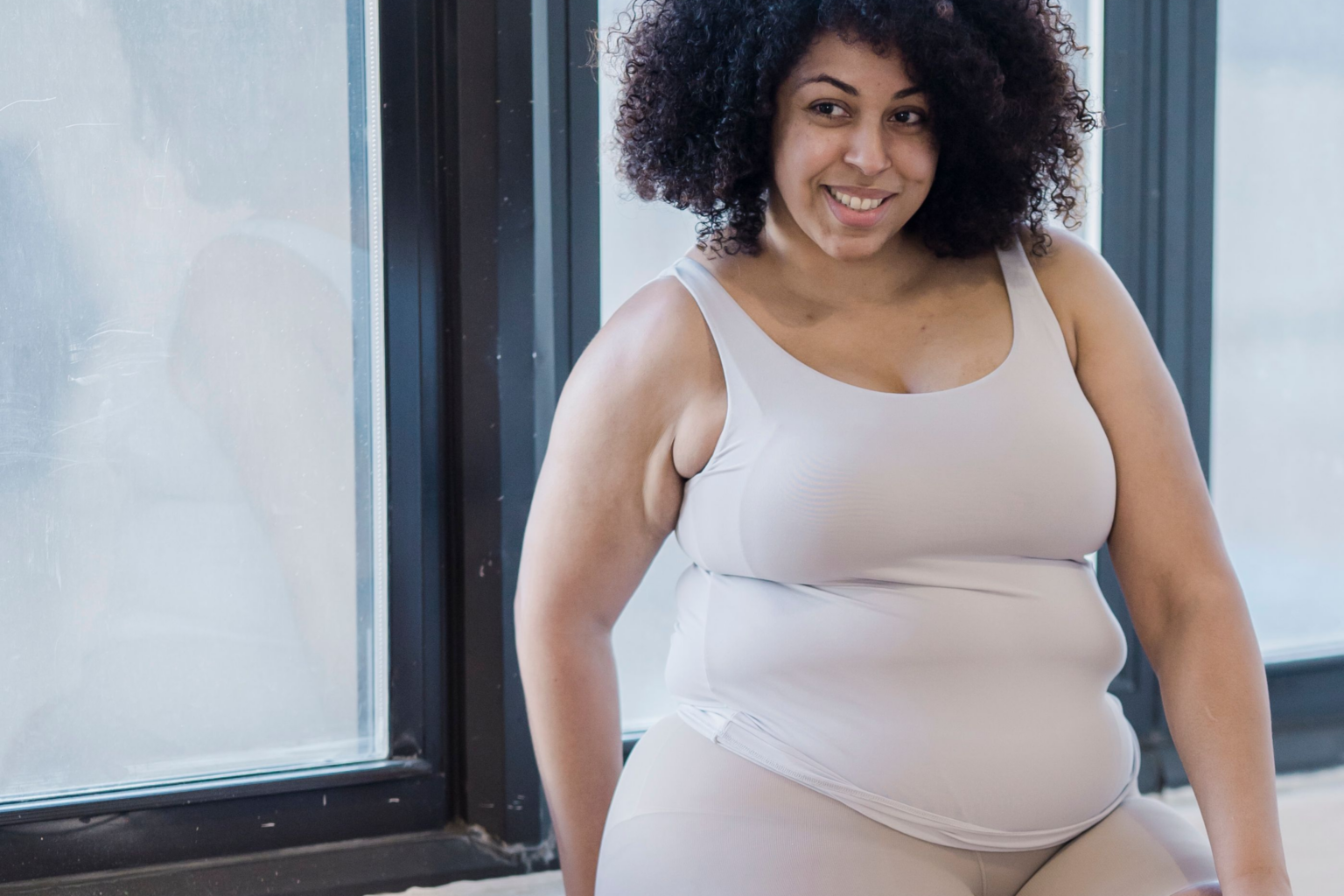
One of the easiest ways to prevent thigh chafing is to wear lightweight anti-chafing shorts beneath your dress. Unlike traditional shapewear, these shorts are designed to reduce friction while remaining breathable and comfortable.
Many styles feature moisture-wicking fabrics that keep sweat away from the skin, helping reduce irritation during long walks or hot afternoons. Comfort has become a major driver of clothing purchases. Circana notes that consumers increasingly prioritize versatile, comfort-focused apparel over trend-driven pieces, driving continued growth in functional basics such as seamless shorts and performance undergarments.
Choose seamless shorts that stop at the mid-thigh and fit snugly without rolling up. Lightweight microfiber, bamboo blends, and performance fabrics work especially well beneath dresses because they remain discreet while improving airflow.
Apply an Anti-Chafing Balm Before Getting Dressed

A dedicated anti-chafing balm creates a thin protective barrier that allows skin to glide rather than rub together. Most formulas use ingredients such as dimethicone or plant-based waxes to reduce friction while remaining invisible under clothing.
The global skincare industry reflects this growing demand. Grand View Research estimates the skincare market will surpass $220 billion by 2030, with consumers increasingly purchasing preventative products that support everyday skin health.
Keep a travel-size balm in your handbag for quick touch-ups during weddings, sightseeing, festivals, or long shopping trips.
Choose Breathable Natural Fabrics

Fabric choice makes a significant difference in preventing chafing. Lightweight natural fibers such as cotton, linen, bamboo, and moisture-wicking performance fabrics help release heat and improve airflow, reducing sweat buildup that contributes to friction.
Consumer demand for natural fibers continues to increase as shoppers prioritize breathable, comfortable, and more sustainable clothing options, according to Textile Exchange. Linen, in particular, remains one of summer’s most popular fabrics because of its excellent ventilation and moisture management.
The International Hyperhidrosis Society notes that breathable clothing plays an important role in minimizing excessive sweating, especially during warmer months. Loose-fitting linen dresses, cotton poplin shirtdresses, and lightweight cotton sundresses all improve airflow while reducing areas where moisture can accumulate.
Pick Dresses That Don’t Rub Constantly

Not every dress creates the same amount of friction. Extremely fitted silhouettes can increase skin-to-skin contact, while styles that allow more movement often reduce rubbing naturally. A-line dresses, fit-and-flare silhouettes, wrap dresses, and relaxed maxi dresses generally provide greater airflow around the legs without sacrificing style.
Small changes in fit can dramatically improve comfort during extended wear. Consumer buying habits support this preference. McKinsey & Company’s State of Fashion 2025 reports that shoppers increasingly value versatility, comfort, and ease of wear over restrictive clothing, influencing retailers to expand relaxed silhouettes across seasonal collections.
Look for dresses made with lightweight fabrics that skim the body rather than cling tightly to the thighs. The extra airflow can make a noticeable difference during warm weather while creating an effortlessly elegant silhouette.
Use Body Powder to Keep Skin Dry
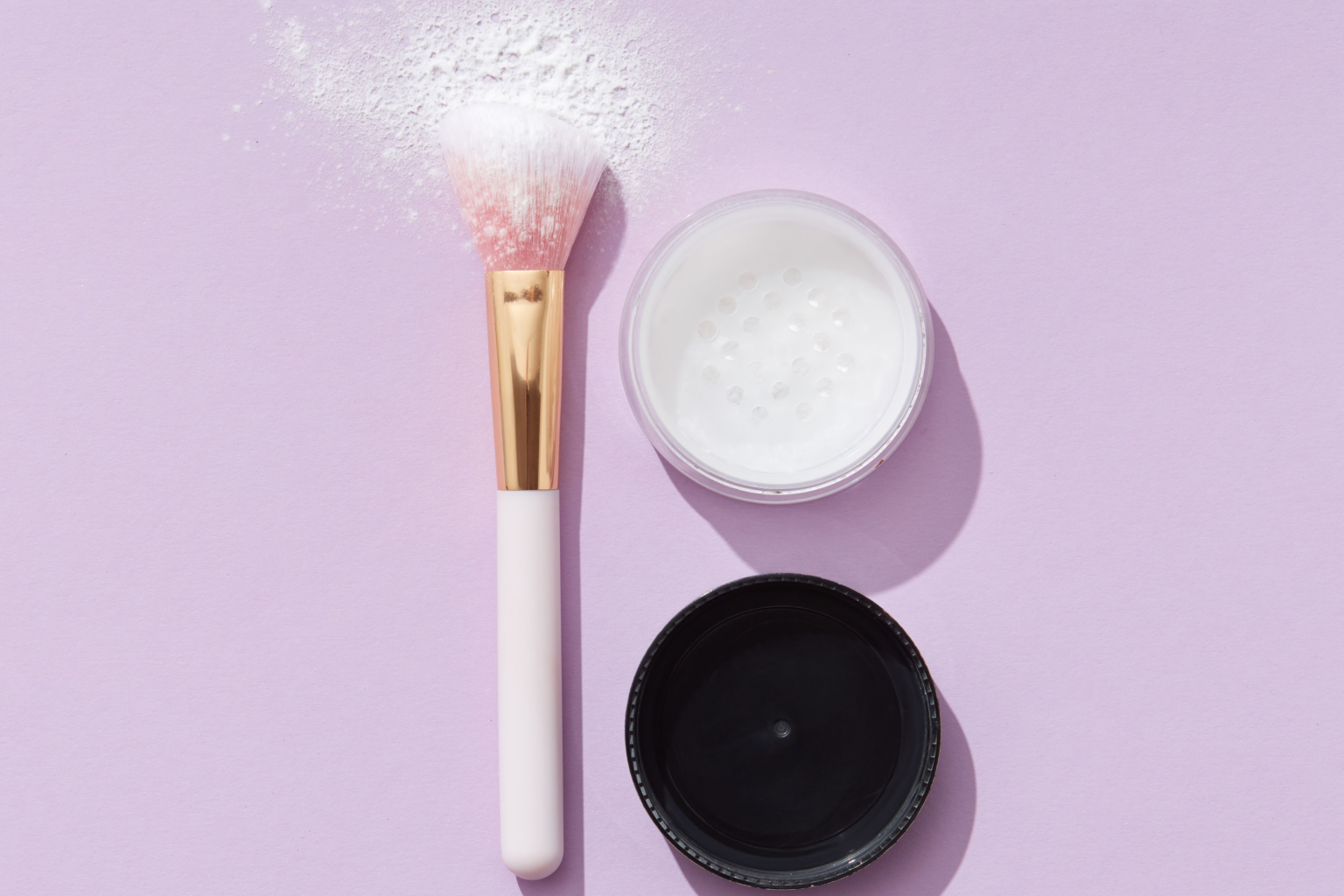
Moisture is one of the biggest contributors to thigh chafing, making body powder a simple yet effective solution. Powders absorb sweat before it builds up, reducing friction and helping skin glide more comfortably during hot or humid days.
They can also leave the skin feeling cooler, which adds another layer of comfort when wearing dresses for extended periods. Even mild sweating can increase skin friction, making chafing more likely during everyday activities like walking, commuting, or sightseeing.
Choose talc-free body powders made with ingredients such as cornstarch or tapioca starch. Apply a light layer to clean, dry skin before getting dressed, and reapply if you’ll be spending several hours outdoors. Powder works especially well for outdoor weddings, festivals, vacations, and long summer days.
Stay Cool and Hydrated

Keeping your body cool doesn’t just improve comfort; it can also reduce sweating, a major cause of chafing. When body temperature rises, sweat production increases, creating moisture that allows skin to rub together more easily. Taking steps to stay cool helps reduce that cycle before irritation begins.
The Centers for Disease Control and Prevention (CDC) advises drinking plenty of water during hot weather and limiting prolonged exposure to high temperatures to reduce heat-related stress. Staying hydrated also helps your body regulate temperature more efficiently.
Carry a reusable water bottle, seek shade during the hottest part of the day, and choose lightweight dresses that allow heat to escape naturally. Small adjustments throughout the day can make a noticeable difference in keeping both you and your skin comfortable.
Choose the Right Underwear
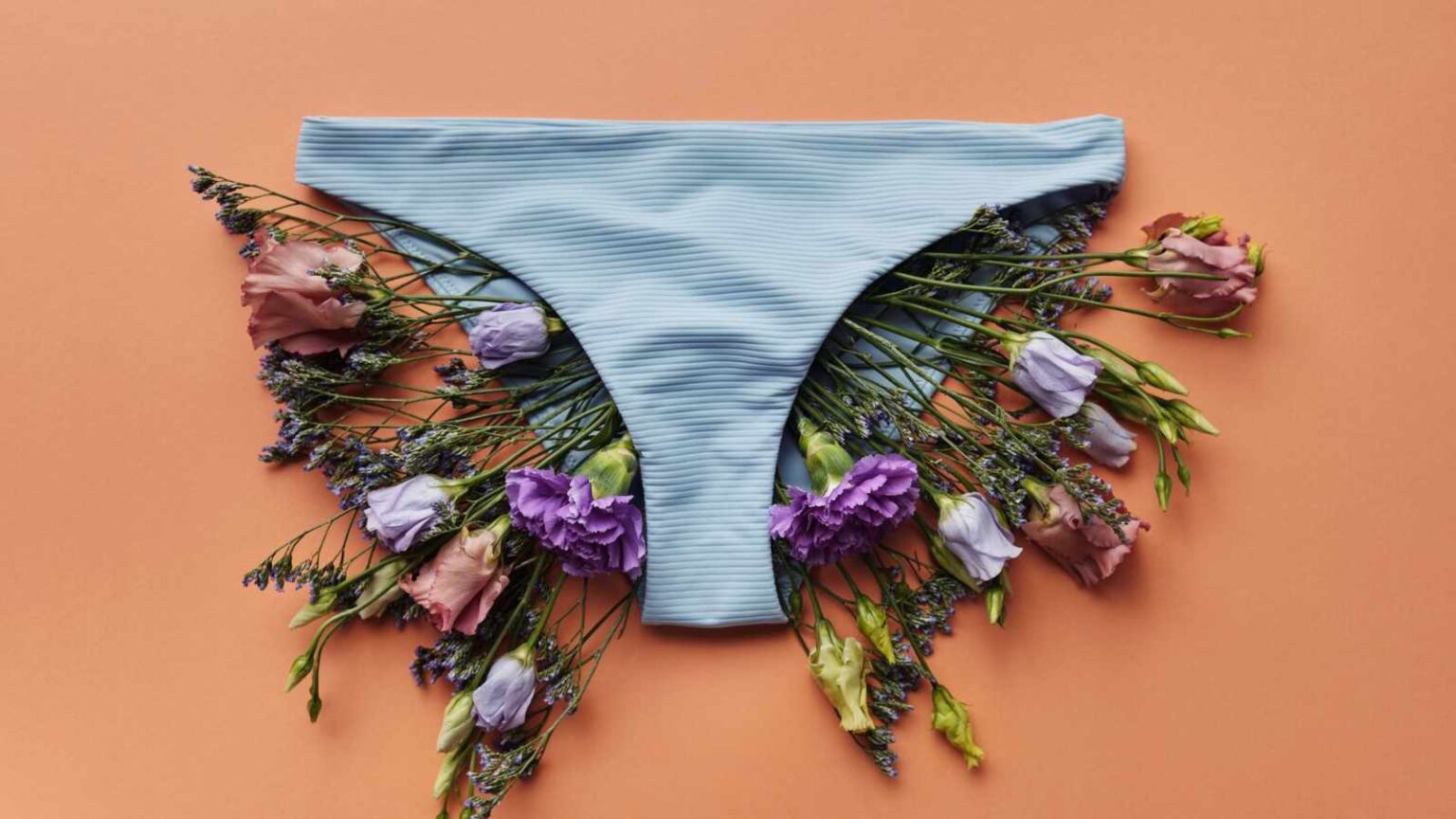
The underwear you wear beneath your dress can either help prevent chafing or make it worse. Tight seams, rough lace, and bulky elastic bands may create additional friction, while breathable, seamless styles help minimize rubbing and improve overall comfort.
Seamless underwear has become particularly popular because it reduces visible lines while improving wearability under lightweight clothing. Look for underwear made from moisture-wicking microfiber, bamboo blends, or soft cotton with flat seams.
Boy shorts and longer-leg briefs provide additional thigh coverage for those who experience frequent chafing without adding noticeable bulk under dresses.
Consider Longer Dress Lengths

Dress length can play an important role in reducing thigh chafing. Midi and maxi dresses often provide more coverage, allowing fabric to move between the legs rather than leaving skin exposed to constant friction.
Longer hemlines can also offer additional protection from direct sunlight, making them especially practical during peak summer months. Choose lightweight midi or maxi dresses made from breathable fabrics like linen, cotton, or rayon blends.
Styles with side slits or gently flared skirts improve airflow while maintaining the elegant look that has made longer dresses one of summer’s biggest fashion trends.
Try Lightweight Bike Shorts for Extra Protection

If anti-chafing shorts aren’t available, lightweight bike shorts offer another practical solution. Originally designed for comfort during movement, bike shorts create a physical barrier between the thighs while providing breathable coverage beneath dresses.
The popularity of bike shorts reflects broader fashion trends. The rise of athleisure has made bike shorts a wardrobe staple far beyond the gym. Choose lightweight, moisture-wicking styles that fit smoothly beneath dresses without squeezing too tightly.
Neutral colors such as black, nude, and beige remain the easiest to wear under lighter fabrics.
Moisturize Your Skin Daily
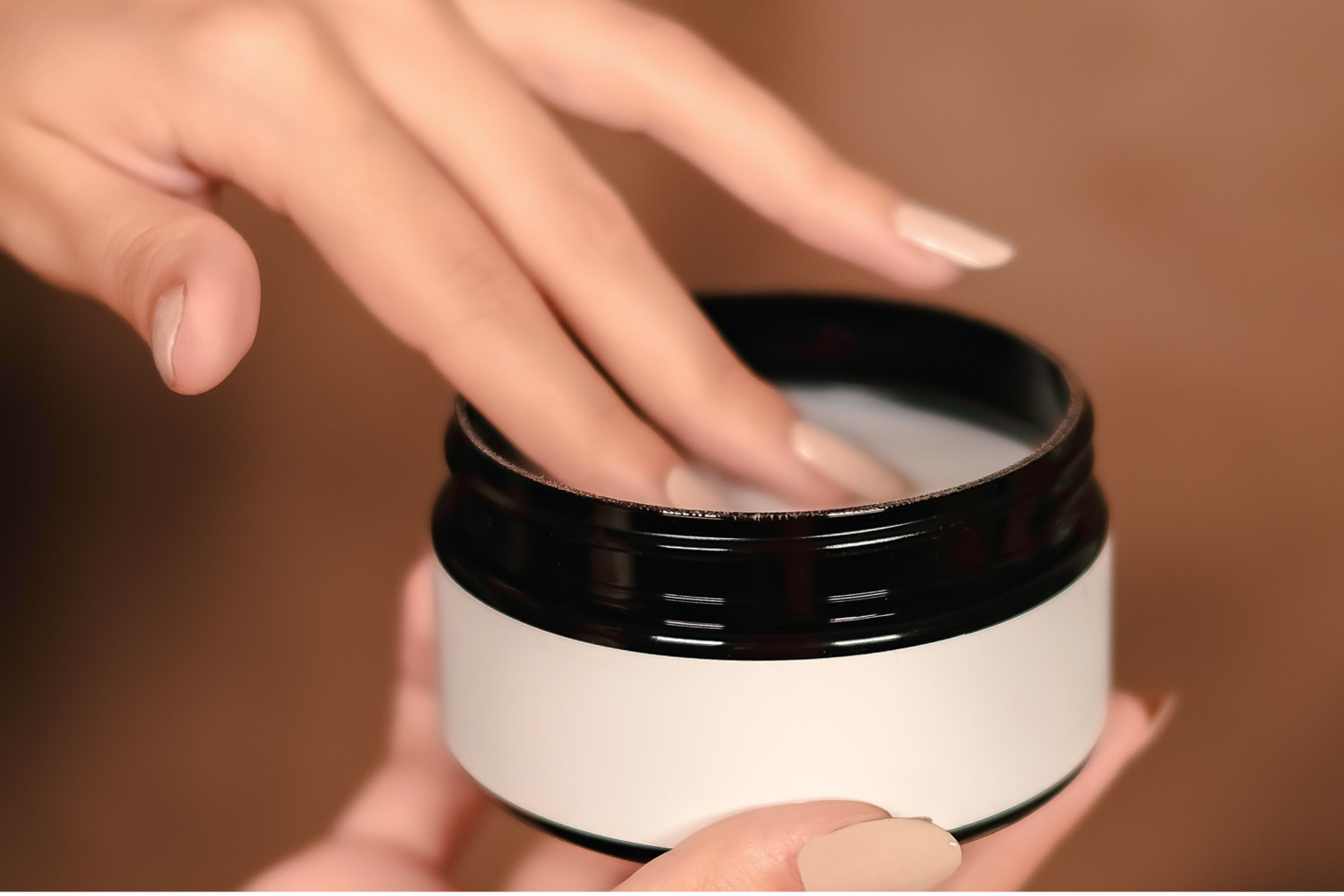
Healthy, hydrated skin tends to tolerate friction better than dry, irritated skin. While moisturizer won’t eliminate chafing on its own, maintaining a strong skin barrier can help reduce sensitivity and discomfort during friction.
According to the American Academy of Dermatology, moisturizing regularly helps support the skin barrier, which protects against irritation and environmental stressors. Well-moisturized skin is generally more resilient and less prone to cracking or inflammation.
Focus on fragrance-free lotions or creams, particularly if your skin is sensitive. Applying moisturizer consistently can help keep your skin comfortable throughout the summer season.
Treat Chafing Quickly Before It Gets Worse
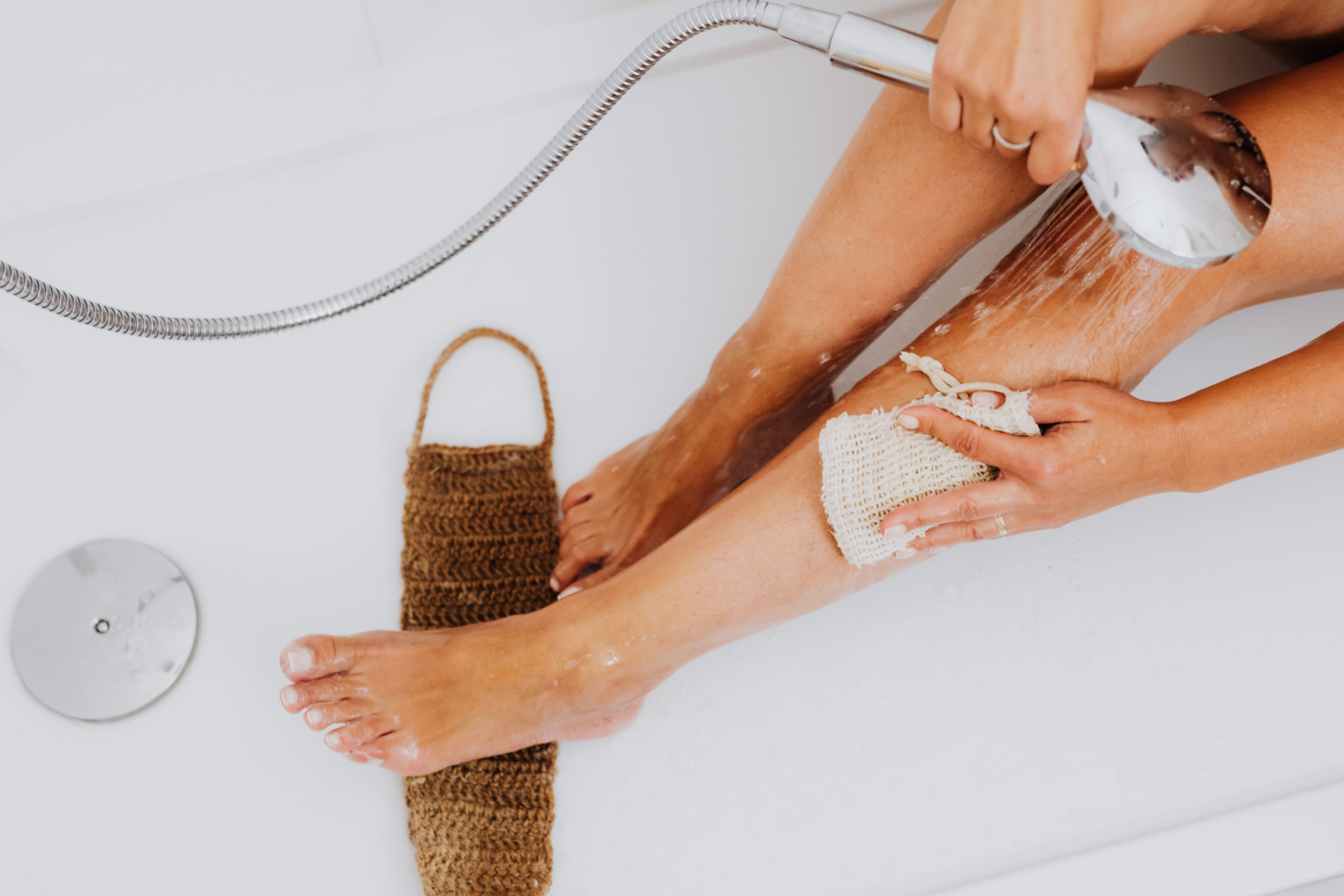
Even with the best prevention strategies, occasional chafing can still happen. Acting quickly can help prevent mild irritation from becoming a more painful problem. The American Academy of Dermatology recommends gently cleansing irritated skin, allowing it to dry completely, and applying a protective ointment such as petroleum jelly to support healing.
Continuing activities that cause friction may worsen the irritation and prolong recovery. If you notice redness or tenderness, give the affected area a break whenever possible. Wear loose-fitting clothing, avoid further rubbing, and keep the area clean and dry until the skin recovers.
Prompt attention can significantly shorten recovery time and help prevent recurring discomfort.
Wear Comfortable Shoes That Reduce Friction-Causing Movement
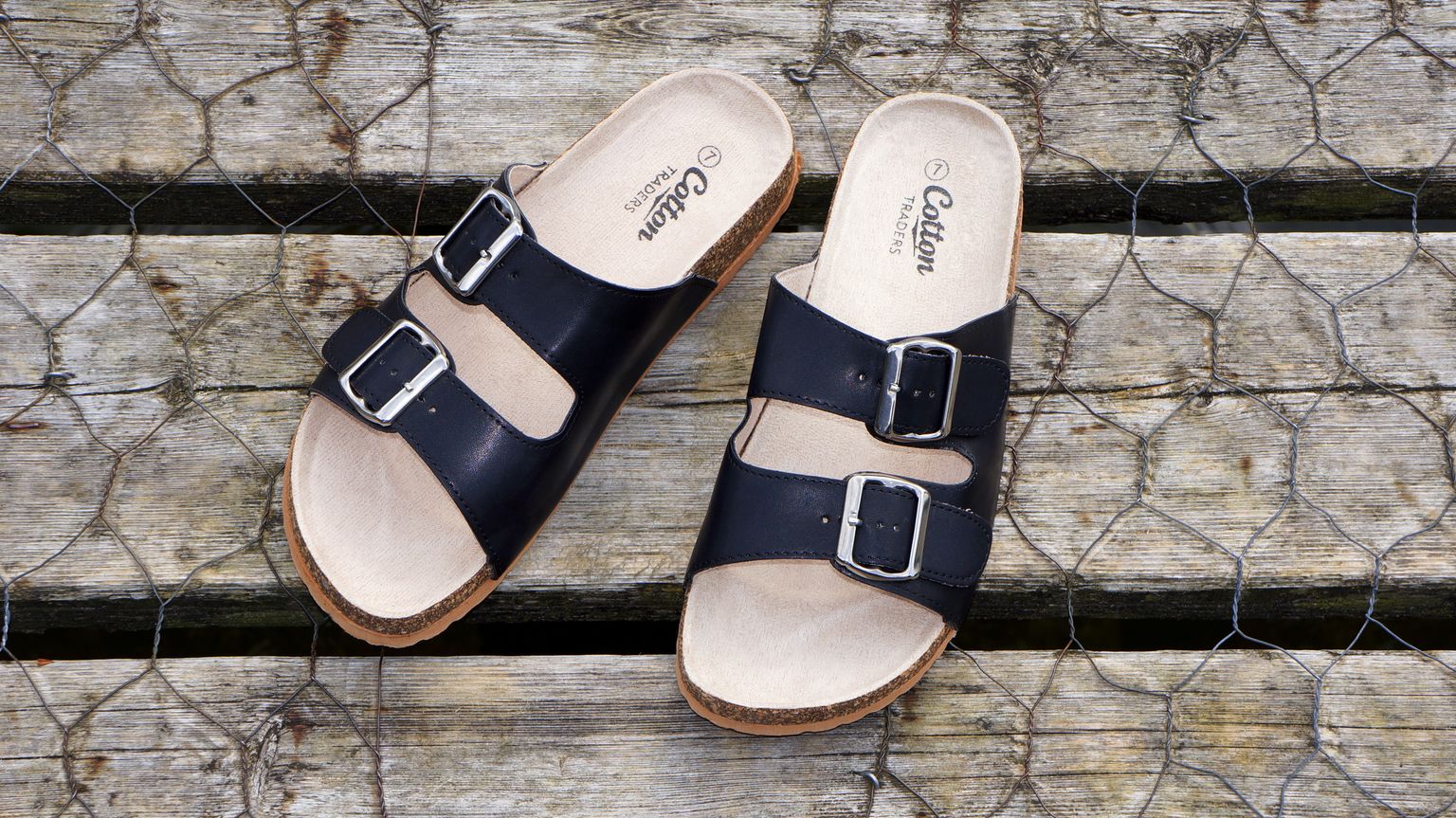
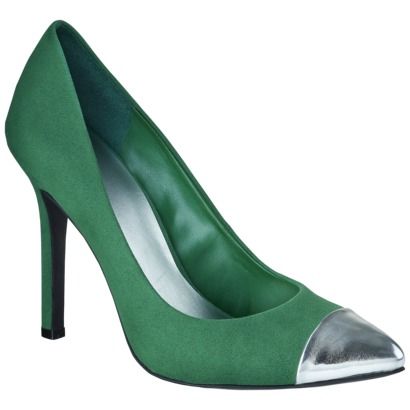
Footwear may seem unrelated to thigh chafing, but uncomfortable shoes can change the way you walk, increasing friction between the legs. Shoes that cause instability, blisters, or gait changes often lead to additional rubbing during prolonged walking.
According to the American Podiatric Medical Association (APMA), supportive footwear plays an important role in maintaining proper alignment and reducing unnecessary strain during walking. Comfortable shoes help promote a natural stride, which can indirectly reduce excessive thigh friction.
When wearing dresses for extended periods, choose supportive sandals, sneakers, ballet flats, or low block heels that let you move comfortably without altering your gait.
Key Takeaways

- Thigh chafing occurs when friction, heat, and moisture combine to irritate the skin.
- The American Academy of Dermatology recommends reducing both moisture and friction to prevent chafing before it starts.
- Anti-chafing shorts, bike shorts, body balms, and body powders remain among the most effective preventive methods.
- Breathable fabrics such as cotton, linen, and bamboo help improve airflow and reduce sweat buildup.
- Staying hydrated and cool can minimize perspiration, reducing one of the primary causes of chafing.
- Seamless underwear and comfortable footwear can improve overall comfort and reduce friction throughout the day.
- Treating irritation quickly helps prevent minor chafing from becoming more painful or difficult to manage.
- With the right combination of clothing, skincare, and preventive strategies, you can comfortably wear dresses all summer long without worrying about chafing.
Disclaimer: This list is solely the author’s opinion based on research and publicly available information. It is not intended to be professional advice.
Like our content? Be sure to follow us
MORE TCF GAMES