Fashion has never been more wearable, yet shoppers increasingly say that some of today’s biggest trends look better on social media than in everyday life.
Hybrid work blurred the line between a laptop and a night out, and 92% of hybrid employees now say it matters that the clothes they buy work for both, according to a 2025 IWG survey of 1,000 U.S. workers.
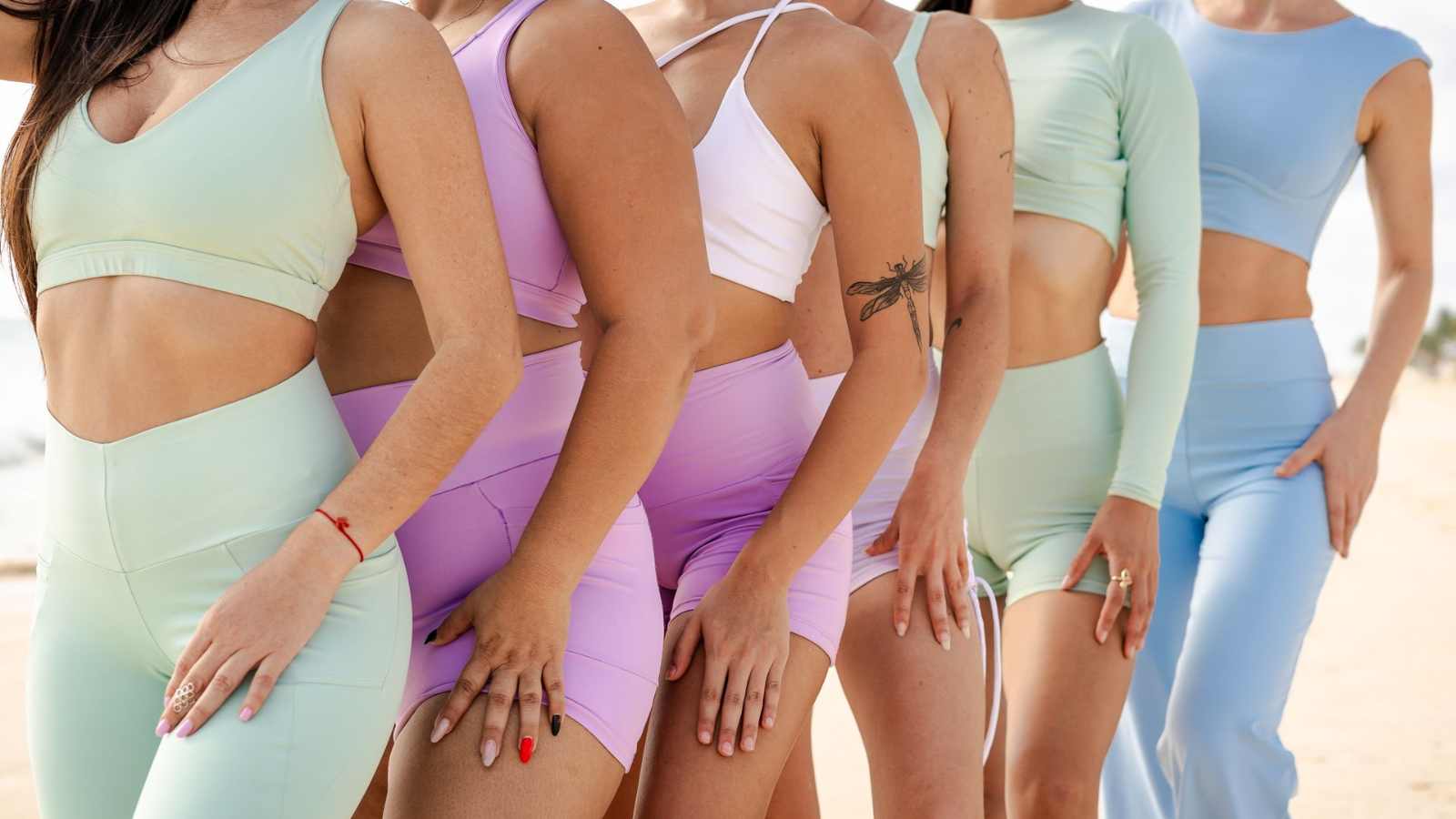
That shift fueled athleisure into a $422 billion global category, per Grand View Research, though the fit rarely reads as intentional outside of errands or the gym.
Yet popularity does not always translate into practicality. From tiny handbags to sky-high platforms and oversized silhouettes, many viral fashion trends ask people to sacrifice convenience, function, or comfort in exchange for aesthetics. These are 11 trends shoppers continue to love but often admit are surprisingly impractical.
Tiny Bags
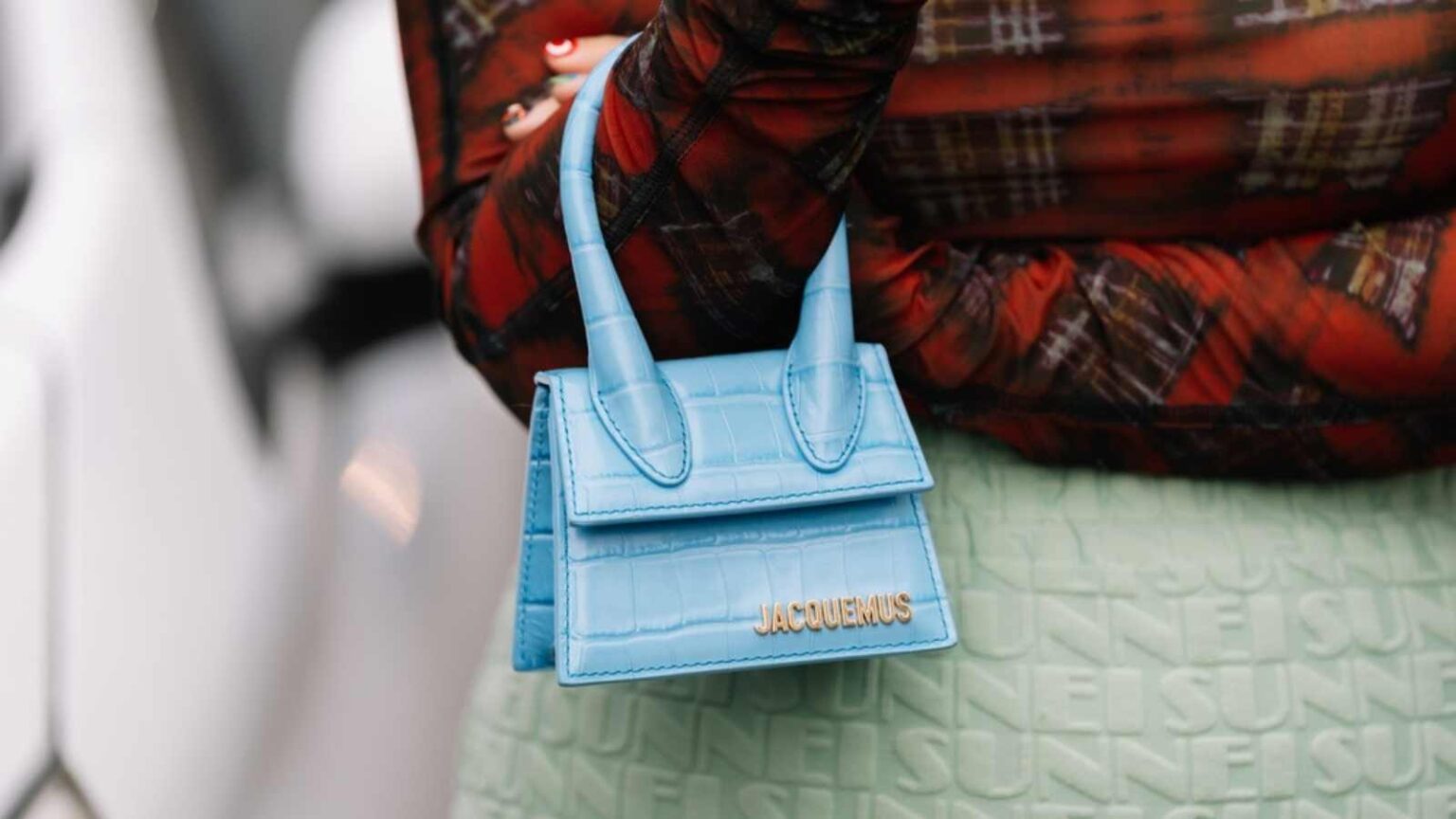
A bag the size of a matchbox has become the loudest flex in accessories, and shoppers keep buying pieces that cannot hold a phone, a wallet, and a set of keys at once.
Jacquemus lit the fuse with its Le Chiquito style, and Fendi’s Nano Baguette and the Hermès Mini Kelly kept the race running through Spring 2025 runways.
This behavior proves people buy what others are seen enjoying rather than what solves a problem. TikTok turned the format into comedy, filming creators failing to cram sanitizer and sunglasses into a bag built for one lip balm.
A tote backlash is already emerging, proof that shoppers are pricing in the inconvenience even as they keep buying the miniature version for photos.
Towering Platform Soles
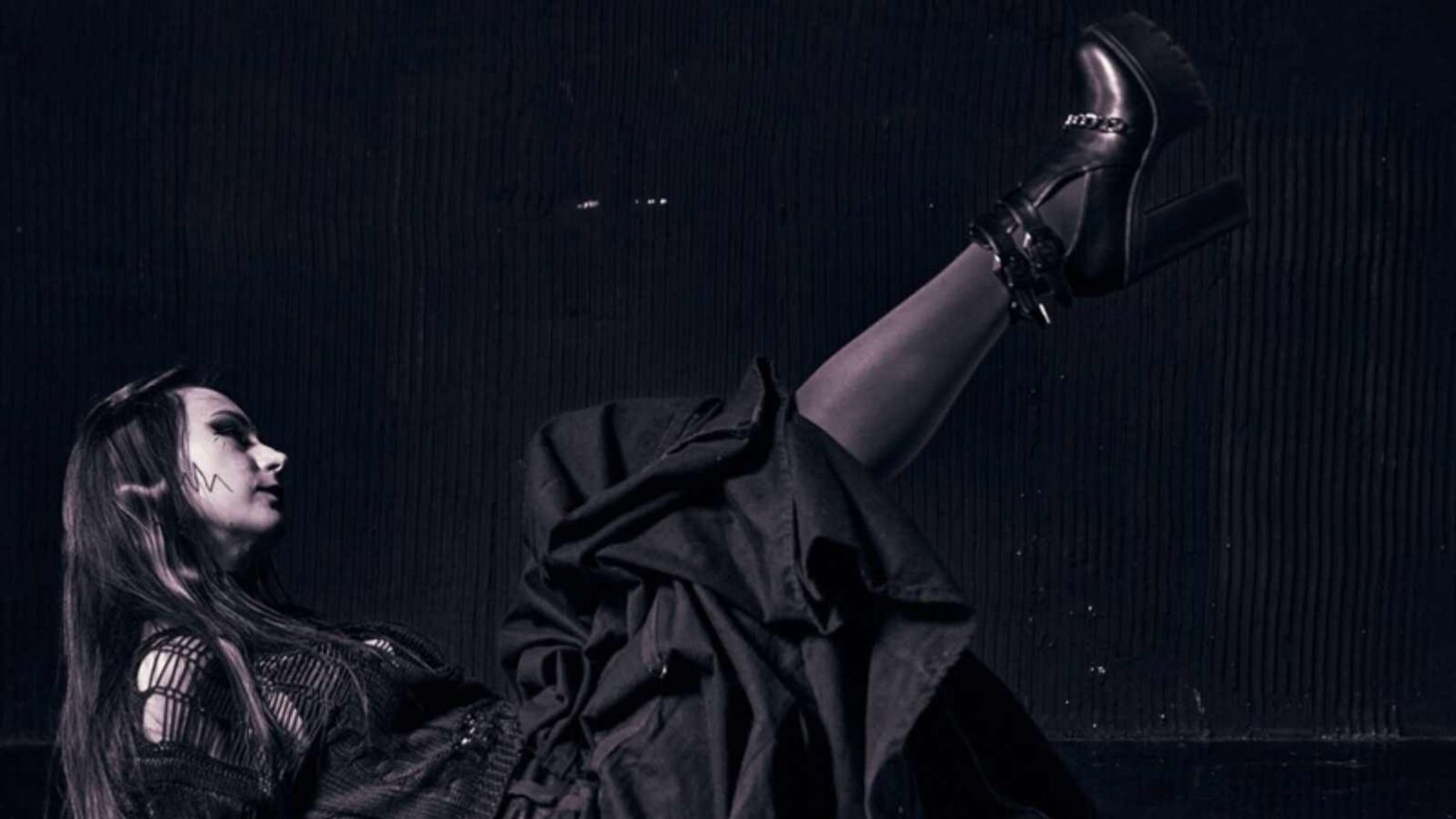
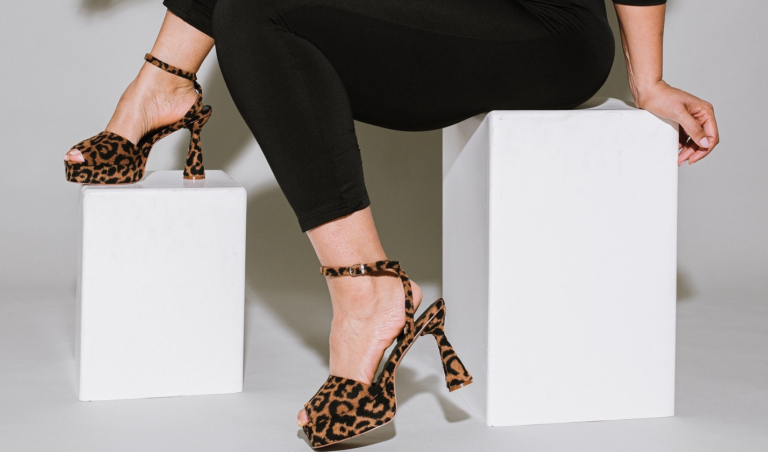
Platform boots and chunky-soled sneakers photograph beautifully and add inches without the balance risk of a stiletto, yet podiatrists keep flagging the same complaints from patients who wear them daily. A structured heel counter, midfoot rigidity, and forefoot flex grooves at the metatarsal heads are the non-negotiables specialists look for, and most exaggerated platforms fail at least one.
The rocker-bottom soles that make orthopedic sneakers comfortable rely on careful engineering, not just added height, which is why a fashion platform can resemble a medical shoe while behaving nothing like one underfoot. Shoppers still gravitate toward the silhouette for its leg-lengthening effect in photos, even while admitting to swapping into flats the moment the night ends.
Sheer And Mesh Layering
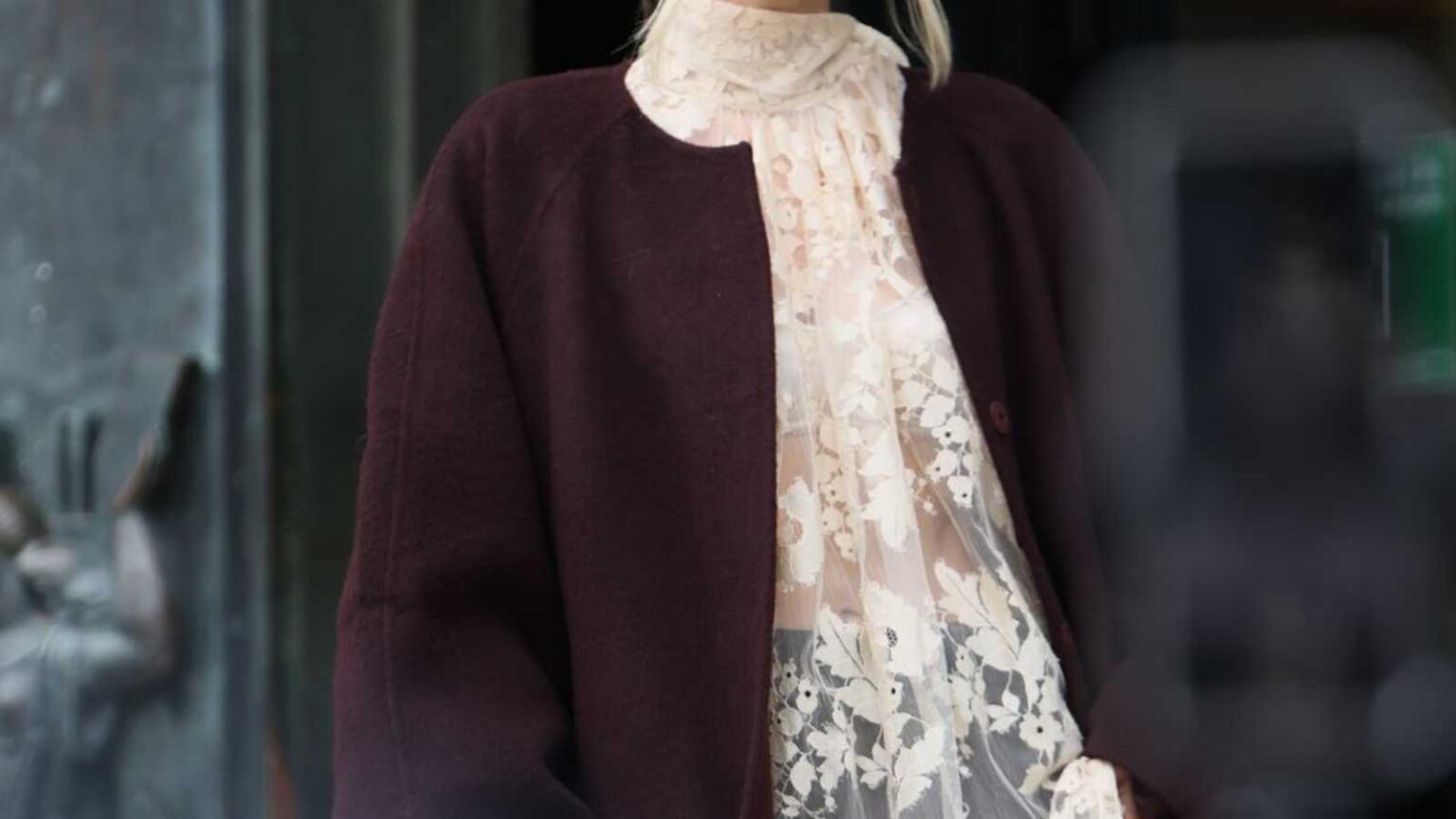
Sheer fabric has moved from red carpet exception to daytime staple, and the trend keeps testing the patience of shoppers who love the look but hate the logistics. Building one sheer outfit often means layering a slip, a bodysuit, or a secondary top underneath for modesty, turning a five-minute routine into a small construction project.
The added complexity discourages people who prefer straightforward styling without having to coordinate multiple garments before 8 a.m. Fashion houses deliberately lean into the tension, since a sheer panel only reads as intentional when the layering underneath is precise, not accidental. The payoff is a silhouette that photographs effortlessly while demanding far more planning than almost anything else in a closet.
Ultra-Low-Rise Denim
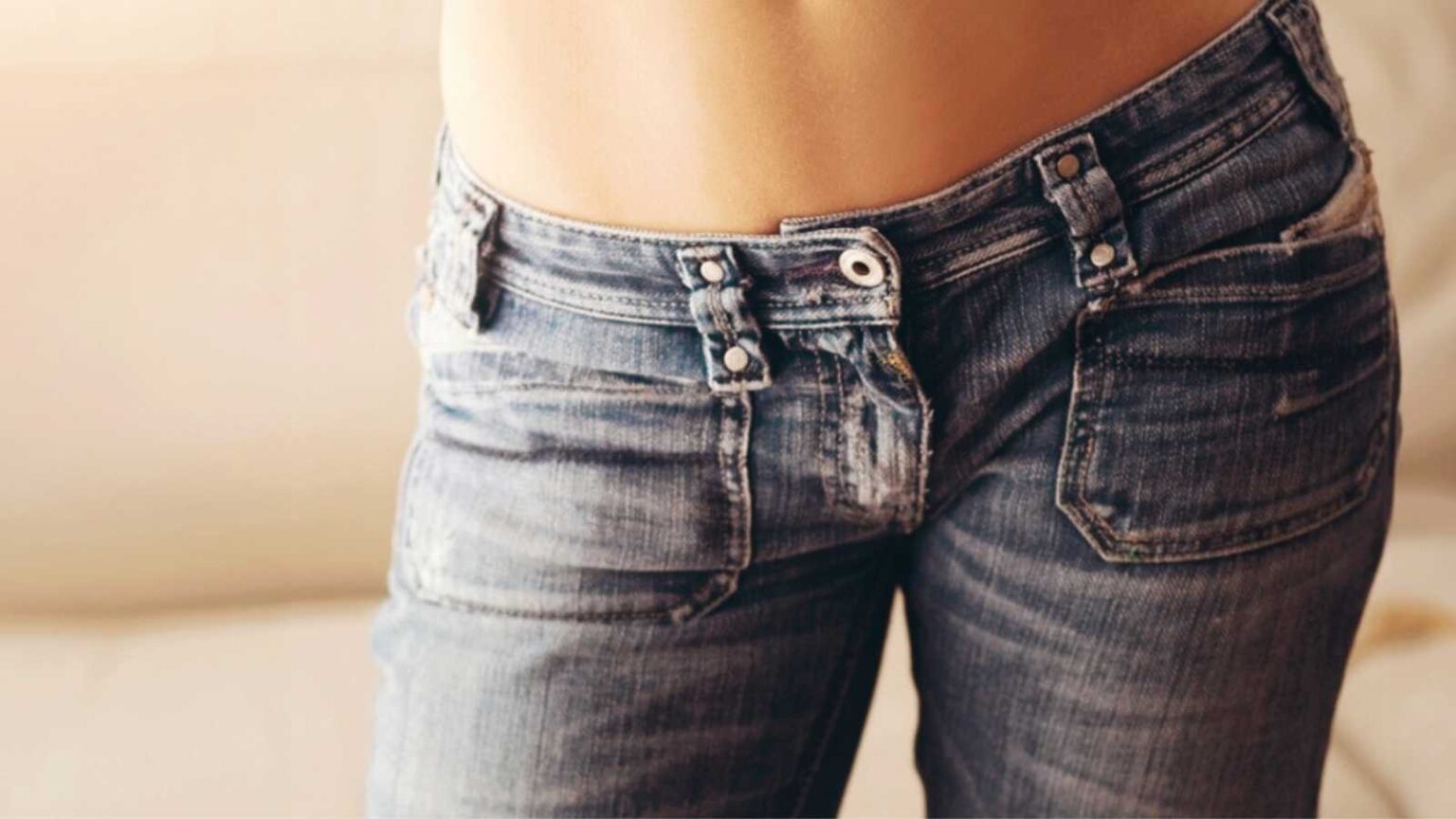
Citizens of Humanity Group CEO Amy Williams calls the coming decade one dominated by low-rise, and WGSN senior denim strategist Susie Draffan is already tracking an even more extreme ultra-rise for the seasons ahead.
The silhouette that defined the early 2000s sat four to five inches from the ground and produced visible muffin tops and constant fabric slipping, which is why the 2026 version leans on stretch-blend waistbands engineered to grip without cutting off circulation.
Mass-market brand Lucky launched a two-button, 7.25-inch-rise flare with Addison Rae, proof that the extreme end has commercial appeal. Shoppers still report old friction once they sit, bend, or eat a full meal, since no waistband fully solves what gravity and denim do together.
Boned Bodice Tops
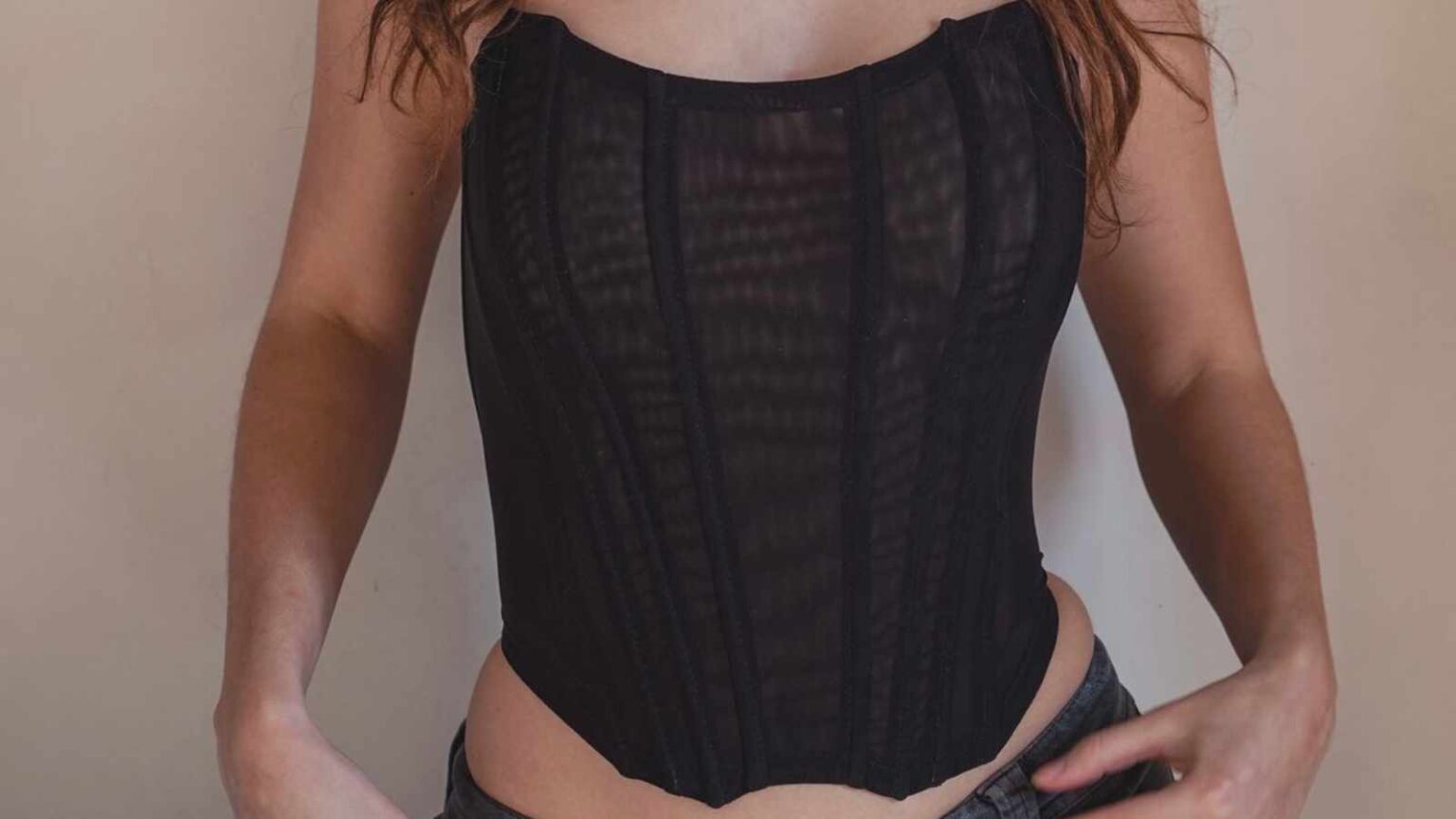
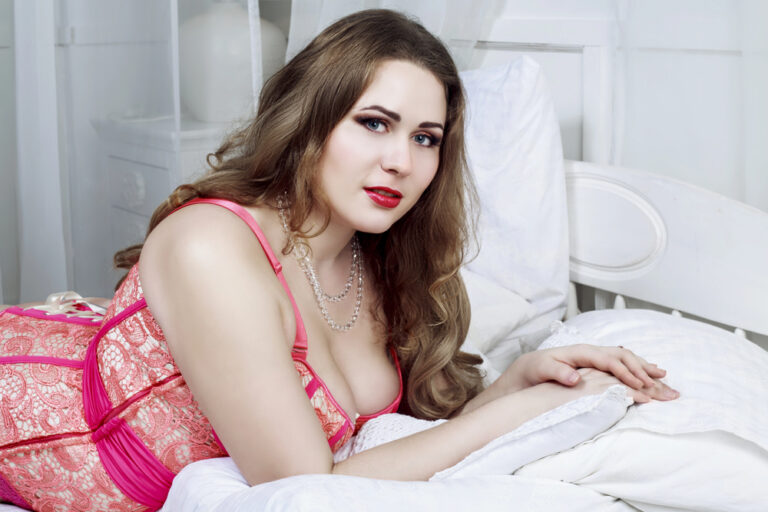
Margot Robbie’s Wuthering Heights press tour reintroduced Victorian corsetry to a mainstream audience, and Harper’s Bazaar has described the structured bodice as a piece that changes an entire presence, not just a silhouette.
The trend, now shorthanded as bodice core, draws on centuries of corsetry history, from Renaissance support garments through the Victorian hourglass ideal. Modern versions swap steel boning for flexible plastic and breathable lining, which genuinely helps, but any boned bodice still restricts the range of motion a soft jersey top allows.
Wiederhoeft’s extended-size corsetry on the Spring 2026 runway signaled a push toward inclusive construction, though shoppers sitting through a workday still describe the trade-off between sculpted posture and freedom to slouch.
Maximalist Accessories
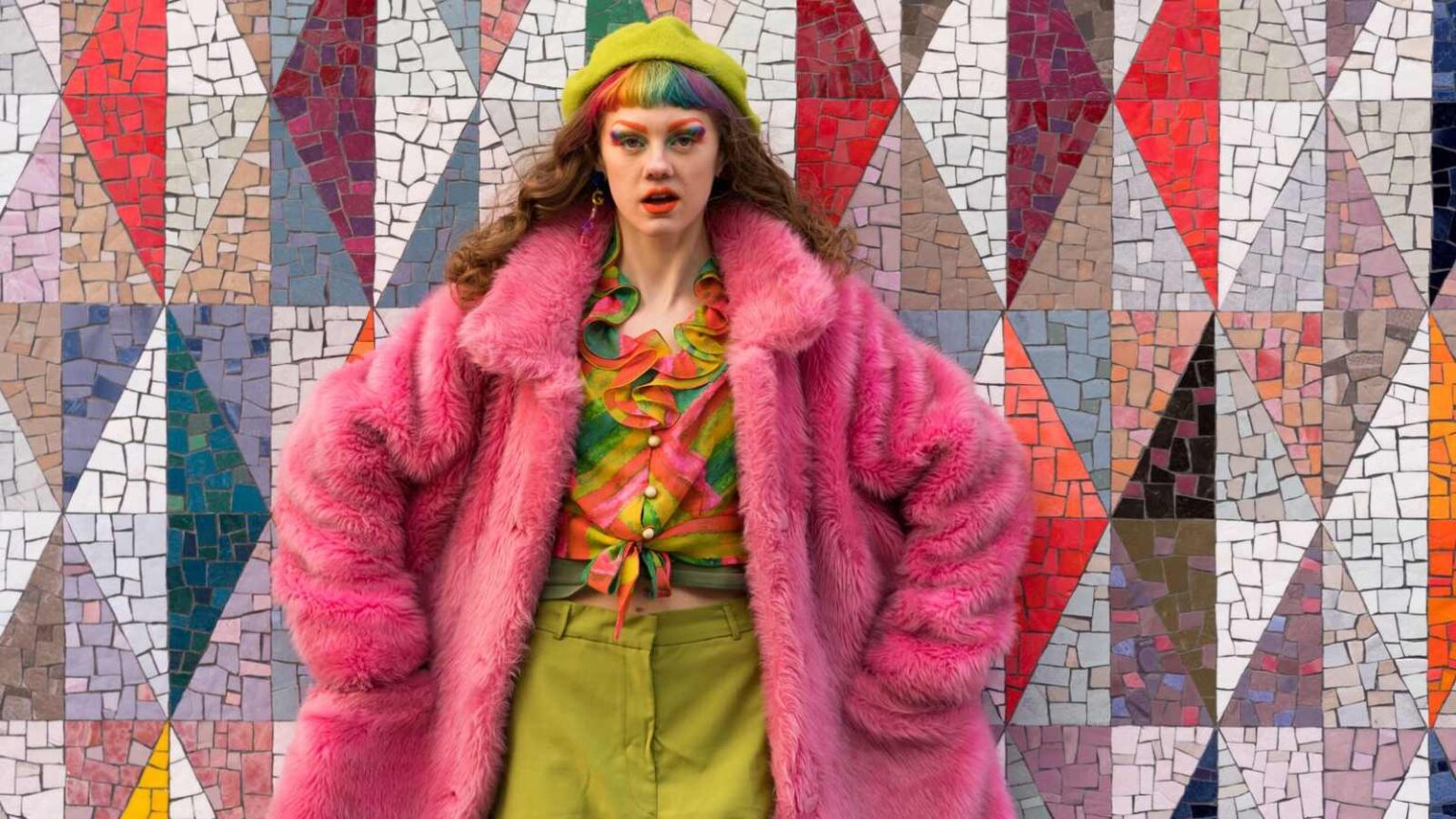
After years of quiet luxury, 2026 runways swung toward bold maximalism, and Marc Rofsky, ready-to-wear director at Moda Operandi, told Who What Wear that this season saw the pendulum swing toward louder luxury, and that The Row showing a full feather skirt signals the tides have changed.
Oversized chain necklaces, sculptural earrings, and stacked cuffs deliver the visual impact shoppers want in a single photo, but they can create an imbalance and draw focus away from the rest of an outfit.
Weight is the practical issue nobody photographs: a statement necklace built for a runway moment can leave marks on the collarbone after hours, and oversized earrings strain earlobes in a way delicate studs never do. The trend rewards short bursts of wear over all-day styling.
Metallic Fabrics
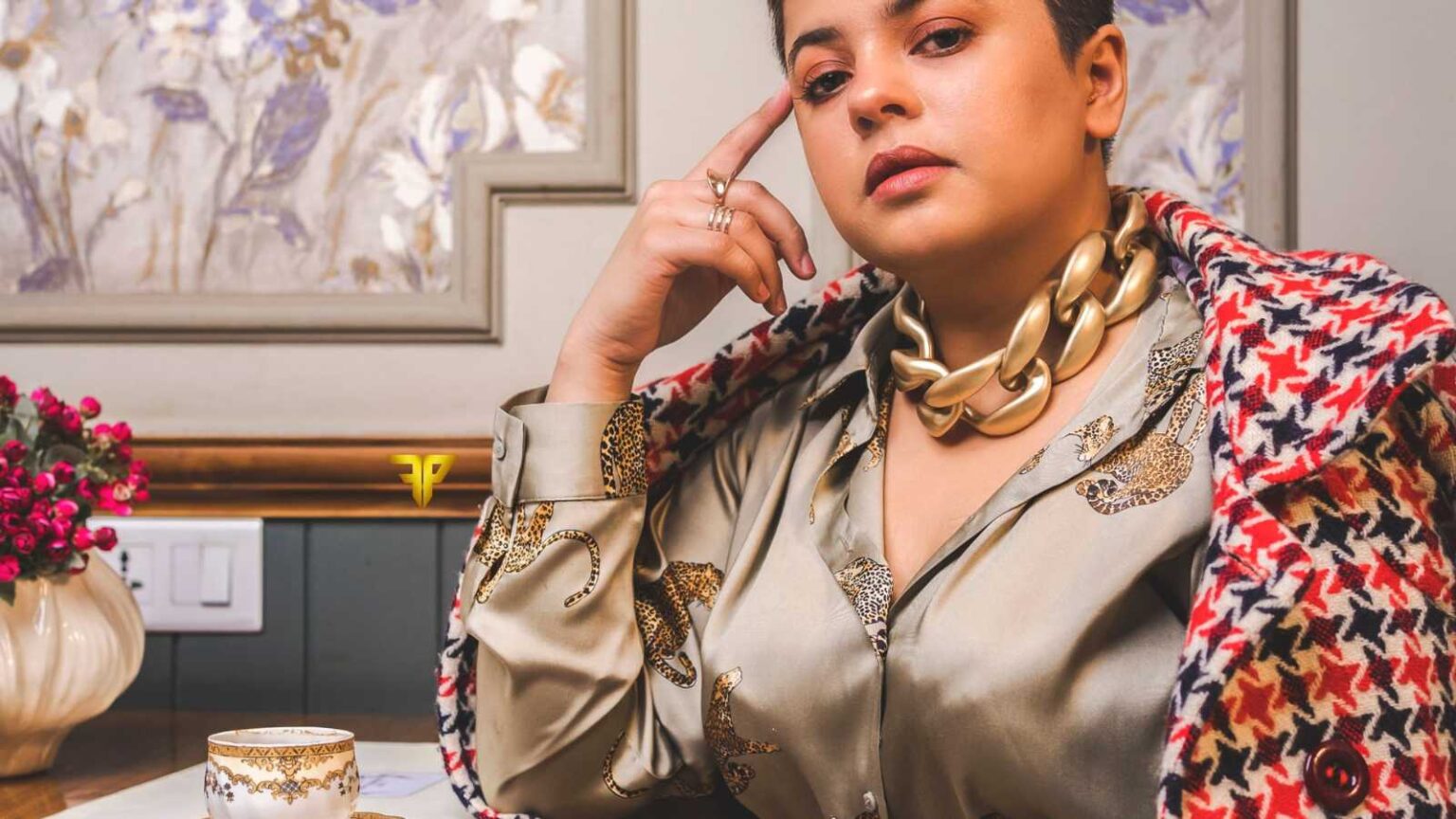
Reflective fabric used to be reserved for evening wear, and now it is showing up in daytime blazers, trousers, and office-adjacent separates.
The shift creates genuine styling friction, since a metallic surface photographs as either futuristic or costume-like depending on lighting and pairing, and shoppers report the same piece reading differently under fluorescent office light than in a dressing room mirror.
Metallics can clash with other textures or feel too flashy for casual settings, which explains why the trend stays concentrated in going-out wardrobes rather than nine-to-five rotation.
Dry cleaning gets complicated, too, since coated metallic fabrics often cannot withstand the steam a normal blouse can tolerate.
Barrel And Balloon Jeans
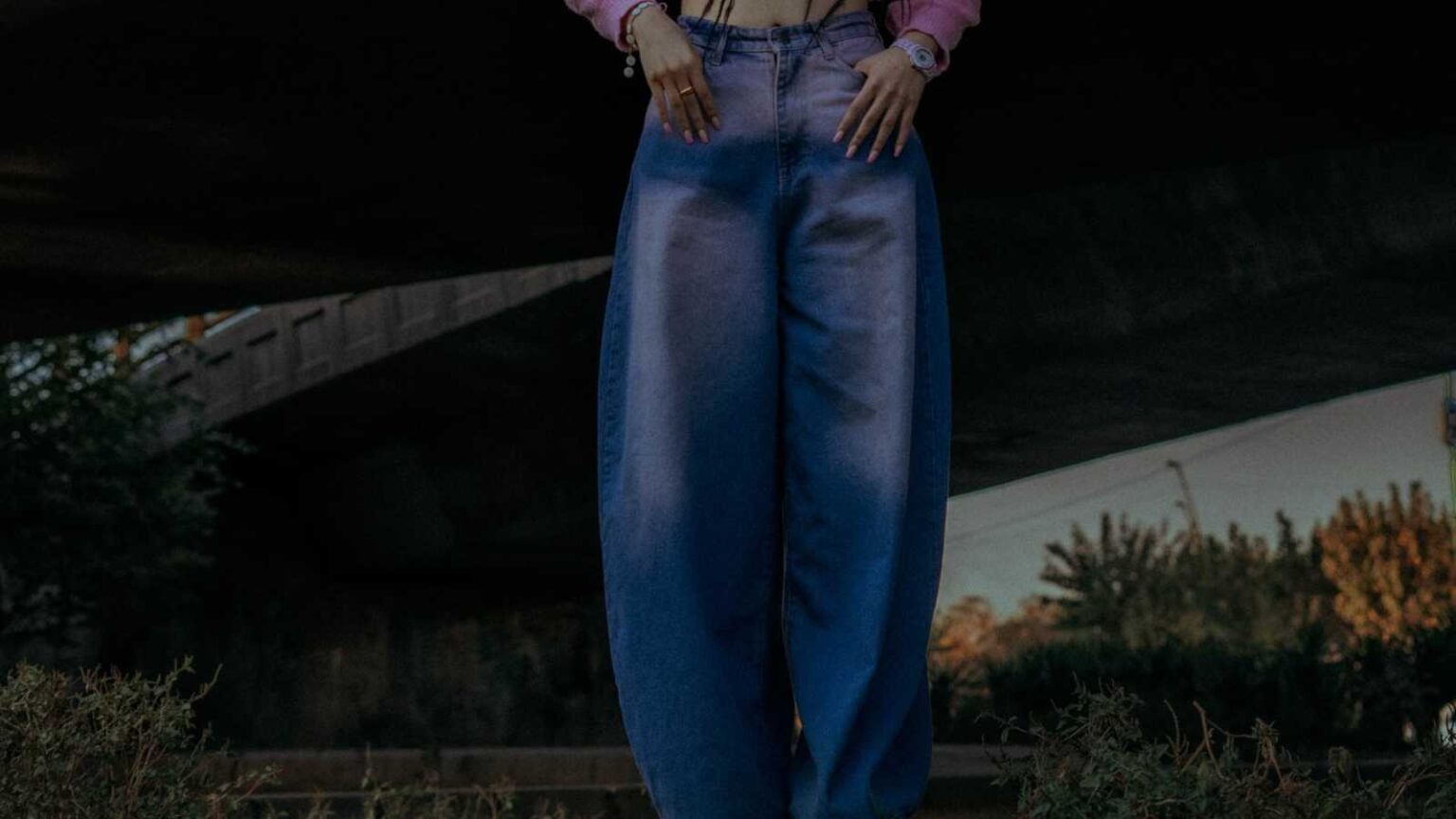
Volume has moved from waist to leg, with barrel-shaped and balloon silhouettes replacing the skinny jean’s grip on the market and Sacai adding barrel legs to its low-rise styles for extra dimension.
The rounded leg opening looks sculptural standing still, but it changes how fabric drapes at the ankle depending on shoe choice, meaning a single pair often needs a tailor twice, once for length and once for taper, before it reads intentional rather than baggy.
Petite and plus-size shoppers face the steepest version of this problem, since a barrel cut that reads as directional on a runway sample can swallow a shorter or curvier frame without careful proportion work. The trend rewards shoppers willing to budget for alterations, a cost most denim never used to require.
Heels Still Hurt
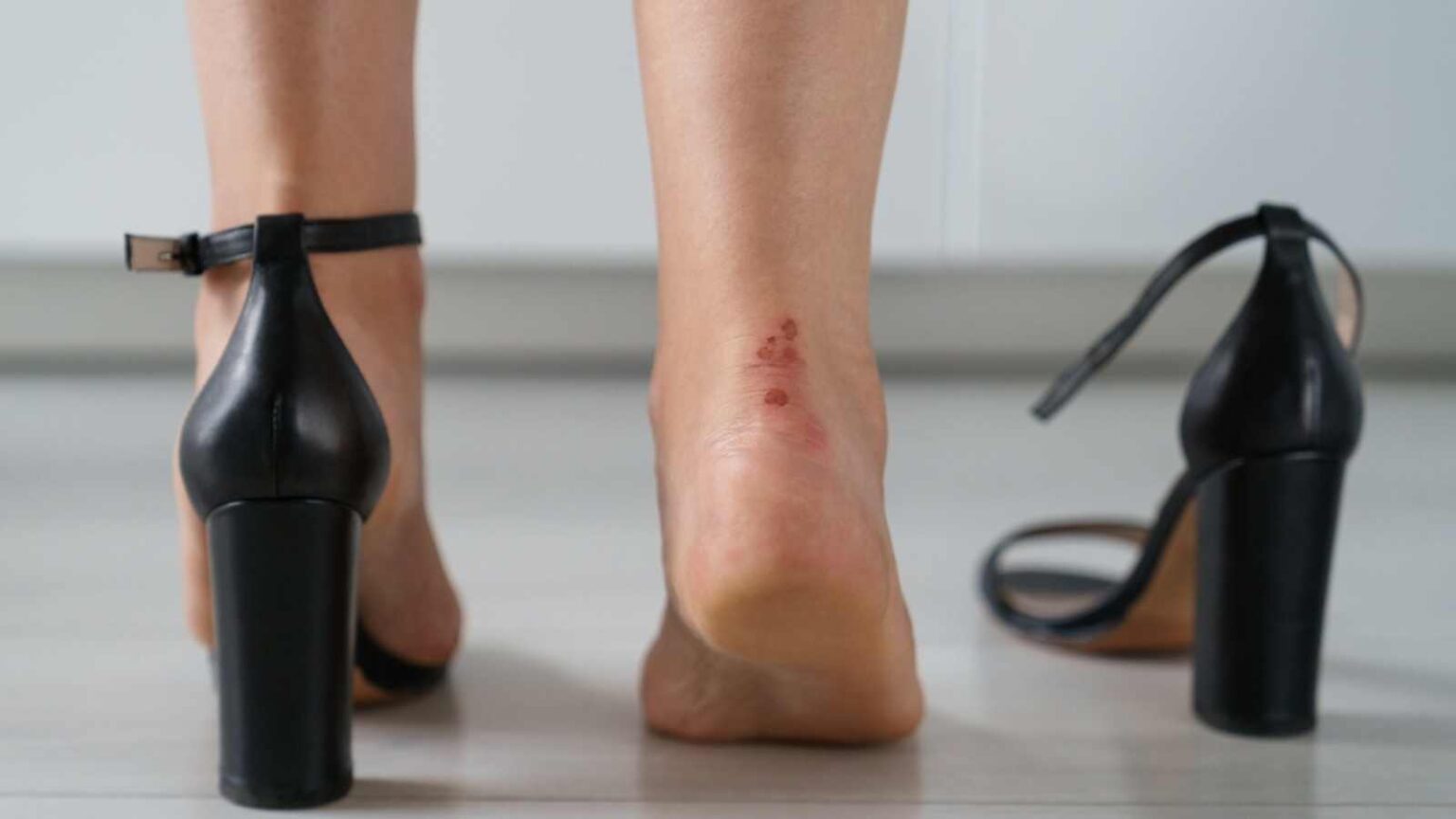
High heels remain the fastest way to signal polish for a night out, yet more shoppers are quietly retiring them in favor of ballet flats, loafers, and Mary Janes that deliver a similar finished look without the blisters.
The tension is not really about beauty standards anymore, since flats have gotten sleeker in response to demand; it is about stamina: a heel that looks incredible for the first hour of an event rarely stays comfortable through the fourth.
Retailers now expand comfortable heel guides alongside flat guides, acknowledging shoppers want both depending on how long the event runs.
Chasing Every Microtrend

Office siren, gorpcore, and the laidback fisherman aesthetic each dominated a season and then vanished, and fashion writer Ashantéa Austin told Vogue that people are realizing a single item will not unlock a new lifestyle.
Economic pressure is accelerating the shift away from rapid trend cycling, and McKinsey’s State of Fashion research found 46% of executives expect conditions to worsen in 2026, up from 39% the year before, a climate that makes disposable purchases harder to justify.
Shoppers keep buying into the next viral aesthetic anyway, since the dopamine hit of a fresh look is immediate while the remorse arrives weeks later once the trend rotates out.
Investment pieces are winning not because trend-chasing lost appeal, but because cost per wear stopped adding up.
Cowboy Boots
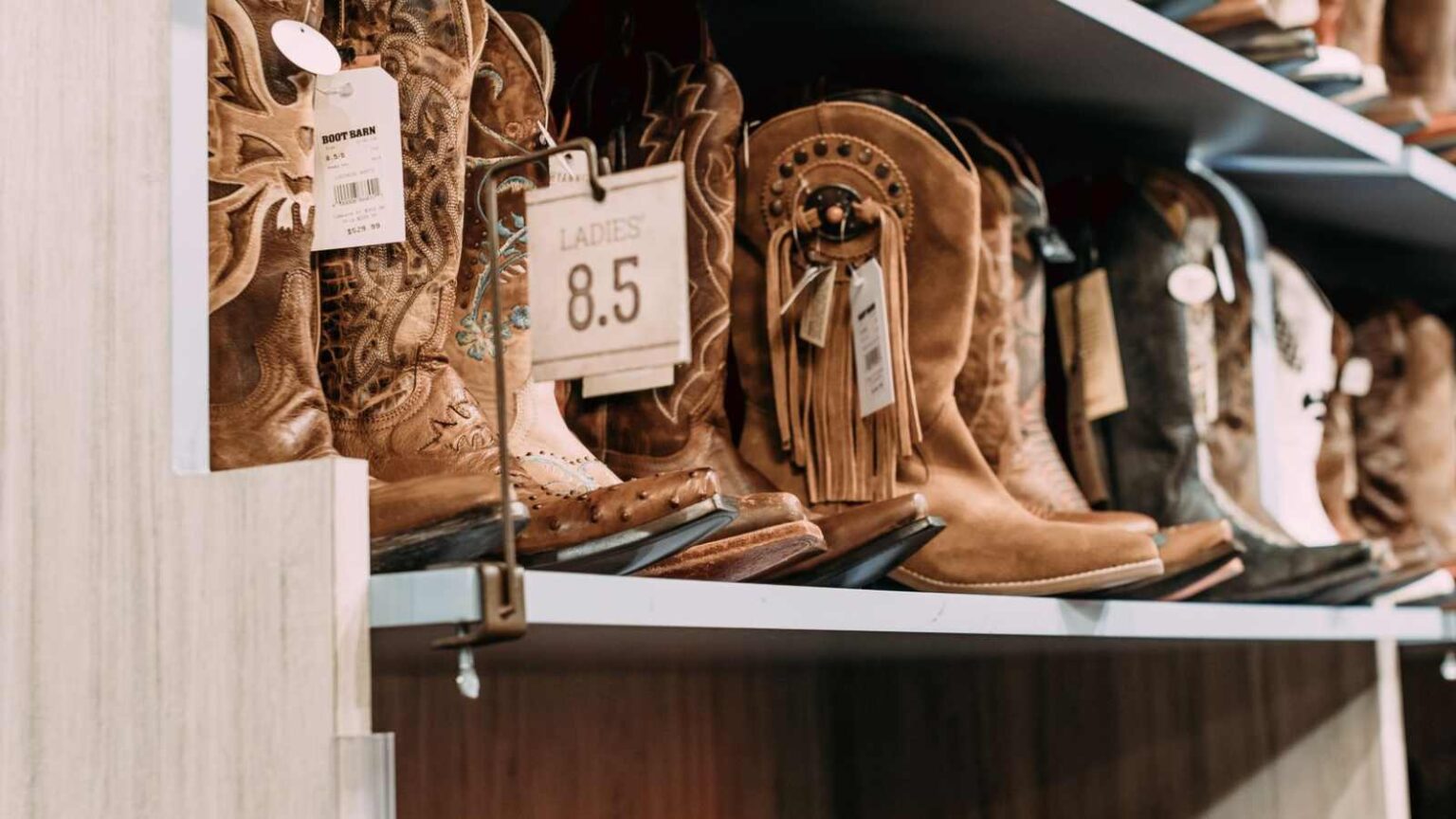
Western style has held on through multiple seasons, with cowboy boots joining barrel jeans and suede bags among the pieces shoppers embraced most last year and cowboy hats extending the trend into headwear.
The boots deliver a finished, editorial silhouette in a single step, pairing well with everything from midi skirts to straight-leg denim with minimal effort. The catch shows up around block three of any real commute, since a traditional pull-on shaft offers little ankle flexibility and a stacked leather heel was built for a stirrup, not a subway platform.
Break-in periods are longer than for most boot categories, with new leather rubbing the same spots on the heel and instep for the first several wears.
Key Takeaways
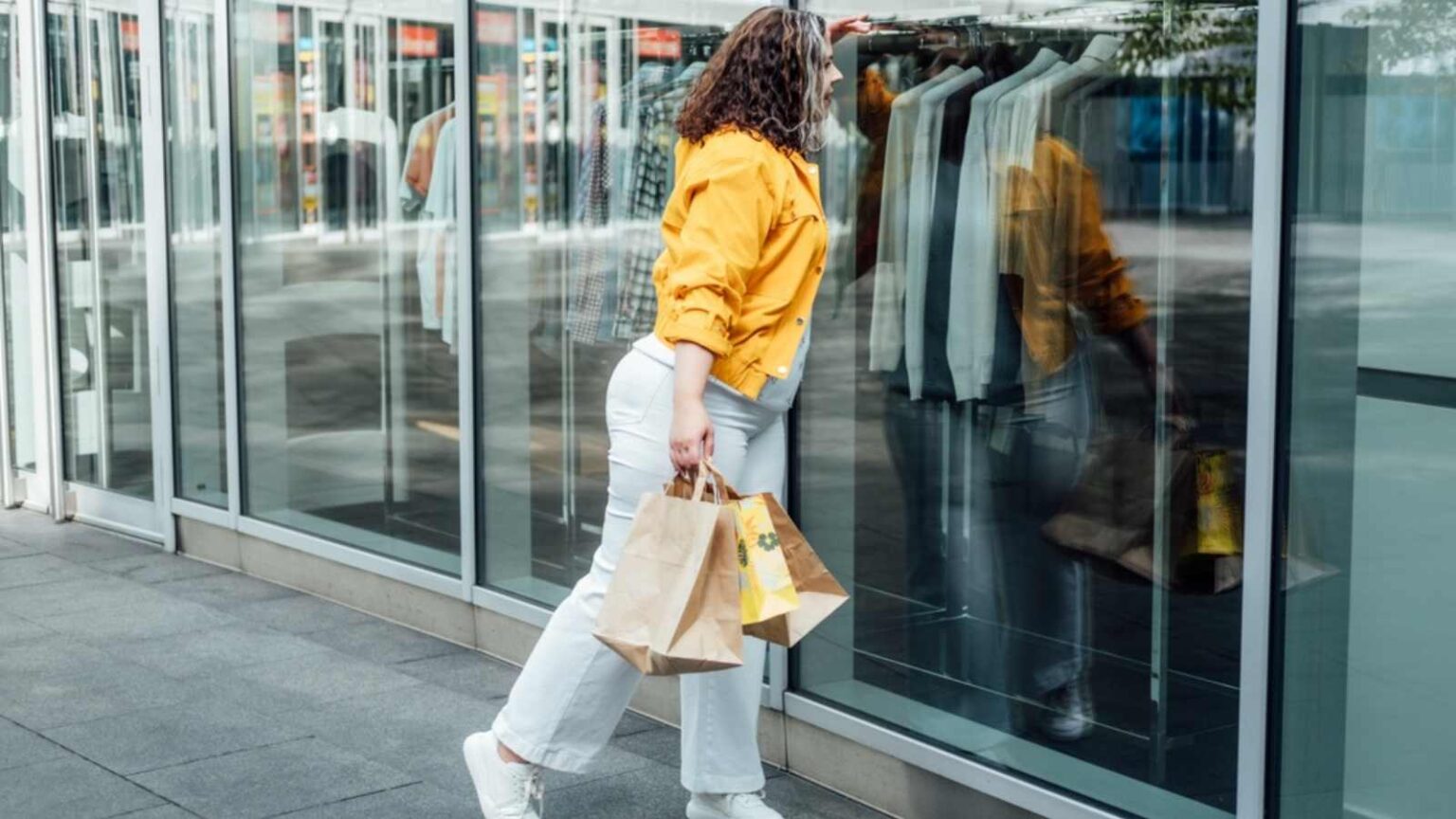
- Comfort dressing outlasted the pandemic, with 92% of hybrid workers now wanting clothes that work for both office and leisure.
- Shoppers increasingly buy trends they openly admit don’t work, from micro bags to ultra-low-rise denim.
- Structure and impracticality are back in style, seen in boned corsets and towering platforms.
- Alterations and backup pairs are becoming hidden costs of trend-chasing, especially with barrel jeans and cowboy boots.
- Economic pressure is pushing some shoppers away from microtrends and toward investment pieces.
Disclaimer: This list is solely the author’s opinion based on research and publicly available information. It is not intended to be professional advice.
Like our content? Be sure to follow us
MORE TCF GAMES