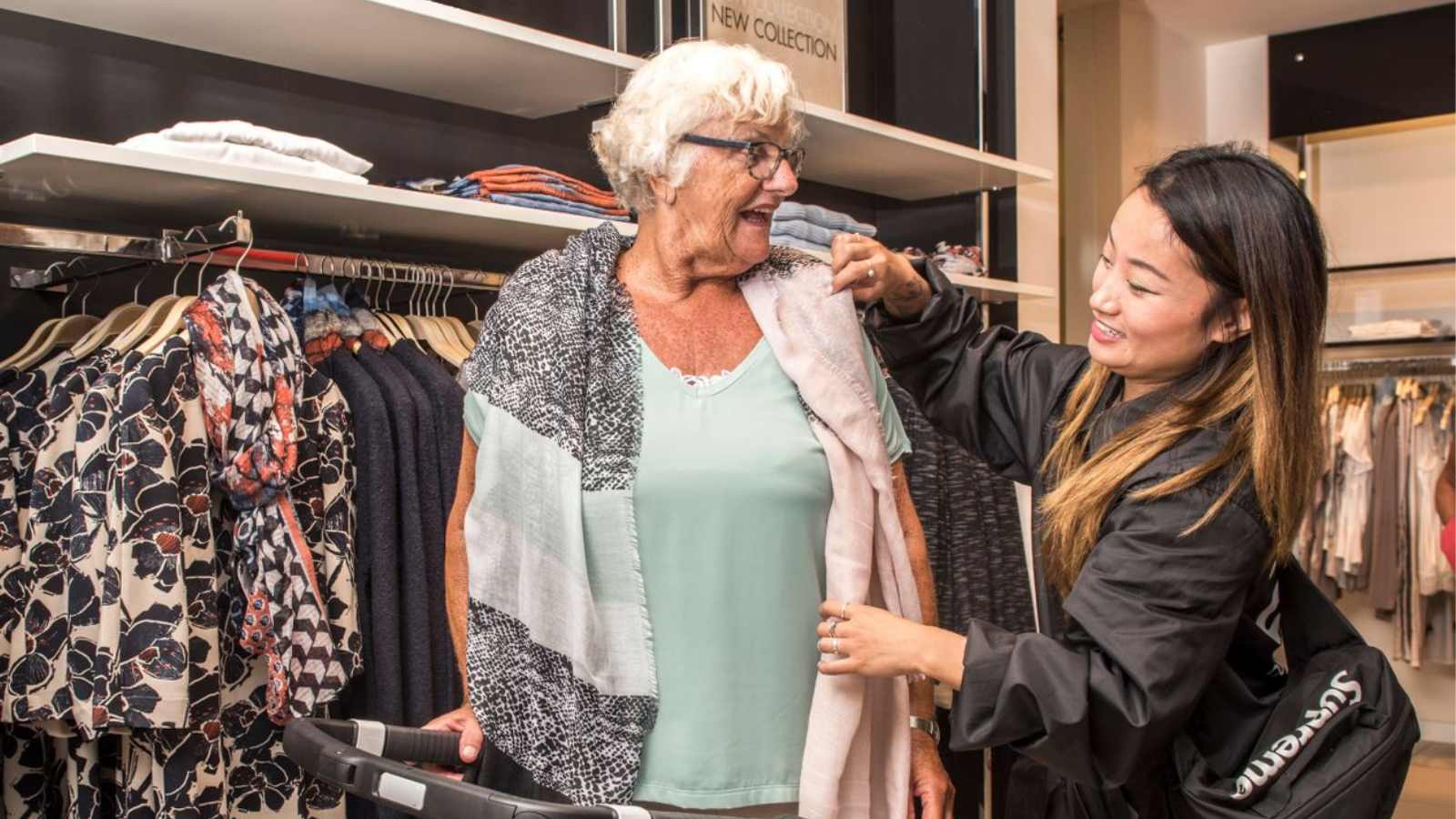
The average American woman’s size has climbed to somewhere between 16 and 18, up from a size 14 just a decade ago, according to retail trend analysis from Style Arcade and sizing researchers Mys Tyler Sizing Insights.
That shift alone explains why the global plus-size clothing market is now valued at roughly $333 billion and still climbing. Everything below either closes the distance between that number and what’s actually stocked on shelves, or profits from ignoring it.
Midlife adds a second filter on top: proportion, fabric weight, and whether a brand built its collection with a 45-plus customer in mind or added her sizing on as an afterthought.
Universal Standard
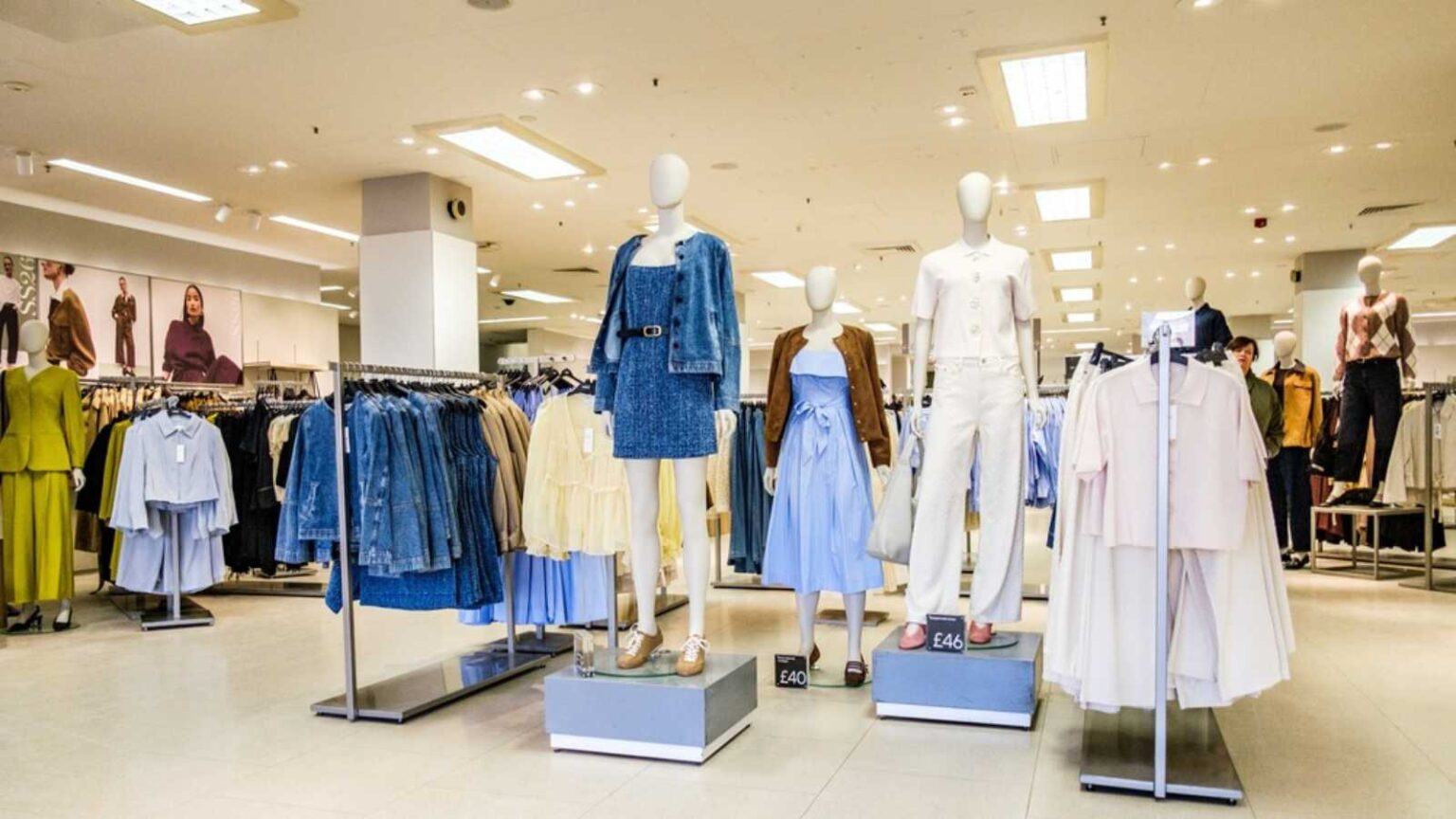
Founded in 2015 after its late co-founder identified the limited availability of well-made women’s clothing in larger sizes, Universal Standard now spans sizes 00 to 40, a range wide enough that a midlife shopper never has to cross into a separate plus-only section of the site.
The brand entered 20 Nordstrom doors this year on the back of consistent profitability and over 30% year-over-year growth, timing that matters given how many labels have quietly shrunk their extended sizing.
Co-founder and CEO Polina Veksler put the mission bluntly: “we’re dismantling this outdated norm.” For a woman rebuilding a closet around denim and workwear staples rather than trend pieces, this is the anchor brand, not the accent.
11 Honoré

Before 2017, the honest answer from most designer houses was no: plus-size women don’t buy luxury, according to founder Patrick Herning, who launched 11 Honoré with business partner Kathryn Retzer to deliver designer fashion to women in sizes 10 to 22, launching with 16 brands and growing to 80 within a few years.
Names like Michael Kors, Zac Posen, and Christian Siriano now sit on the site because Herning spent years convincing them the customer existed.
Herning has spoken openly about the brands that turned him down early on, framing their resistance as a failure to see a market that was there all along. This is the destination for a special occasion dress, not a wardrobe refresh, and the price point reflects that.
Eloquii
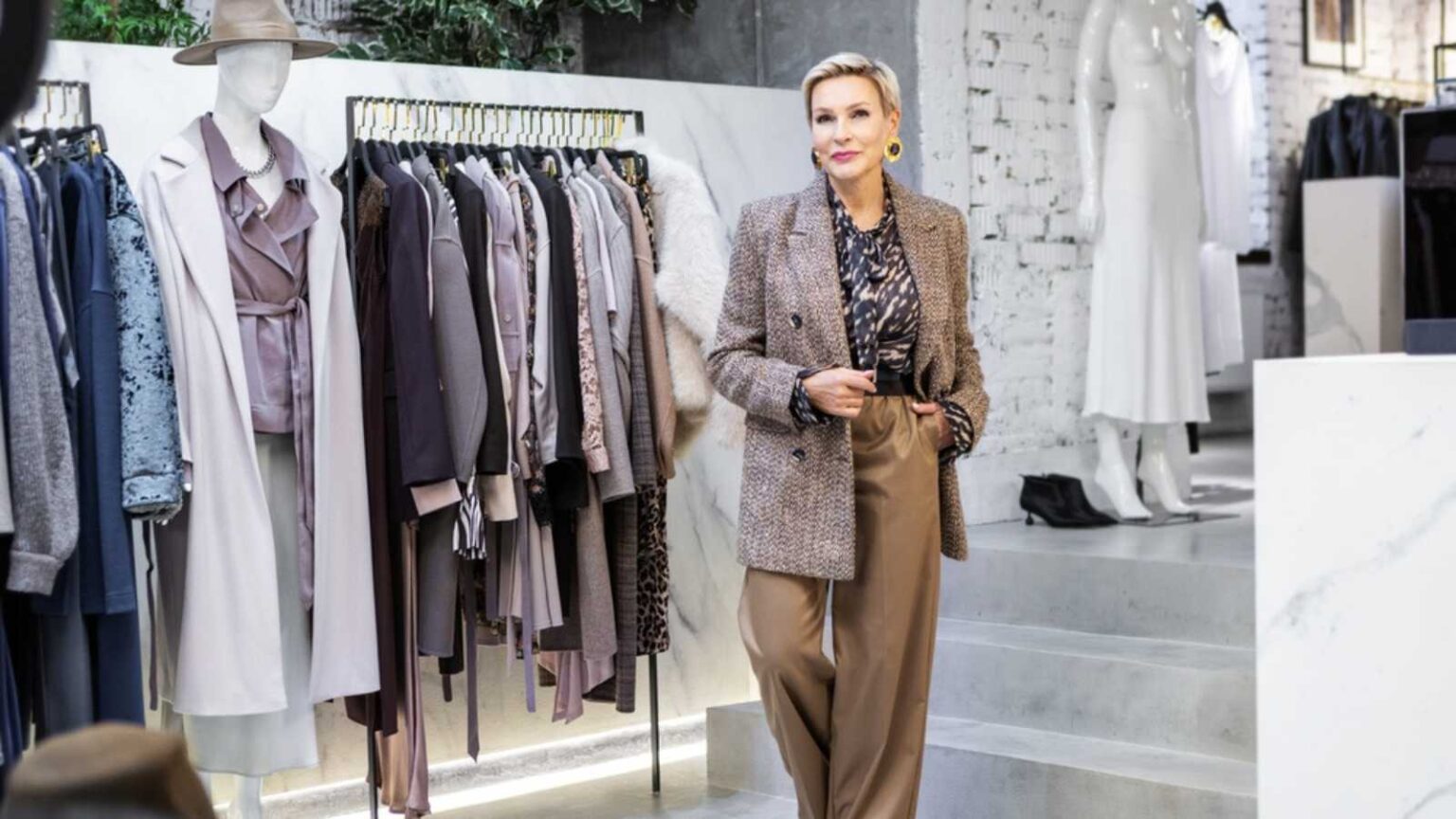
Sizes 14 to 32 with new drops released monthly puts Eloquii closer to a contemporary fast-fashion pace than most plus-size labels attempt. The bet has paid off enough that the luxury and designer segment of plus-size fashion, where brands like Christian Siriano and 11 Honoré also compete, is now the fastest-growing tier in the category.
Statement blazers, sequin dresses, and denim washes rotate through the site faster than a midlife shopper may be used to seeing in her size range. The brand rewards someone who wants to keep pace with what’s current rather than build a ten-year capsule wardrobe, which makes it a sharper contrast to a brand like Talbots than a complement to it.
Chico’s

While most brands treat those 45 and older as an afterthought, Chico’s has made it its founding premise. The brand’s core customer is 40 years or older, and the company claims that over 90% of customers are members of its loyalty program, a retention rate most retailers would envy.
That loyalty came from decades of travel-friendly separates and washable knits built for women who fly, layer, and don’t want to iron. Chico’s later leaned into this directly with an age-positivity marketing push, reframing decades of experience as a selling point rather than something to be softened.
The tension worth naming: the brand has also chased a younger customer in recent years, which some longtime shoppers read as a drift from what made Chico’s Chico’s in the first place.
J.Jill
J.Jill was founded more than 60 years ago for a customer the rest of fashion ignored, and its research backs up why that bet pays off. Women ages 40 to 70 are among the fastest-growing demographics in the U.S., and 99% say they are solely in charge of, or an equal partner in, their household’s spending decisions.
The brand’s Welcome Everybody campaign moved extended sizing off the website and onto store racks, ending a separate plus-size area entirely. Fabric weight and drape carry more purchasing weight here than trend cycles do.
Dia & Co
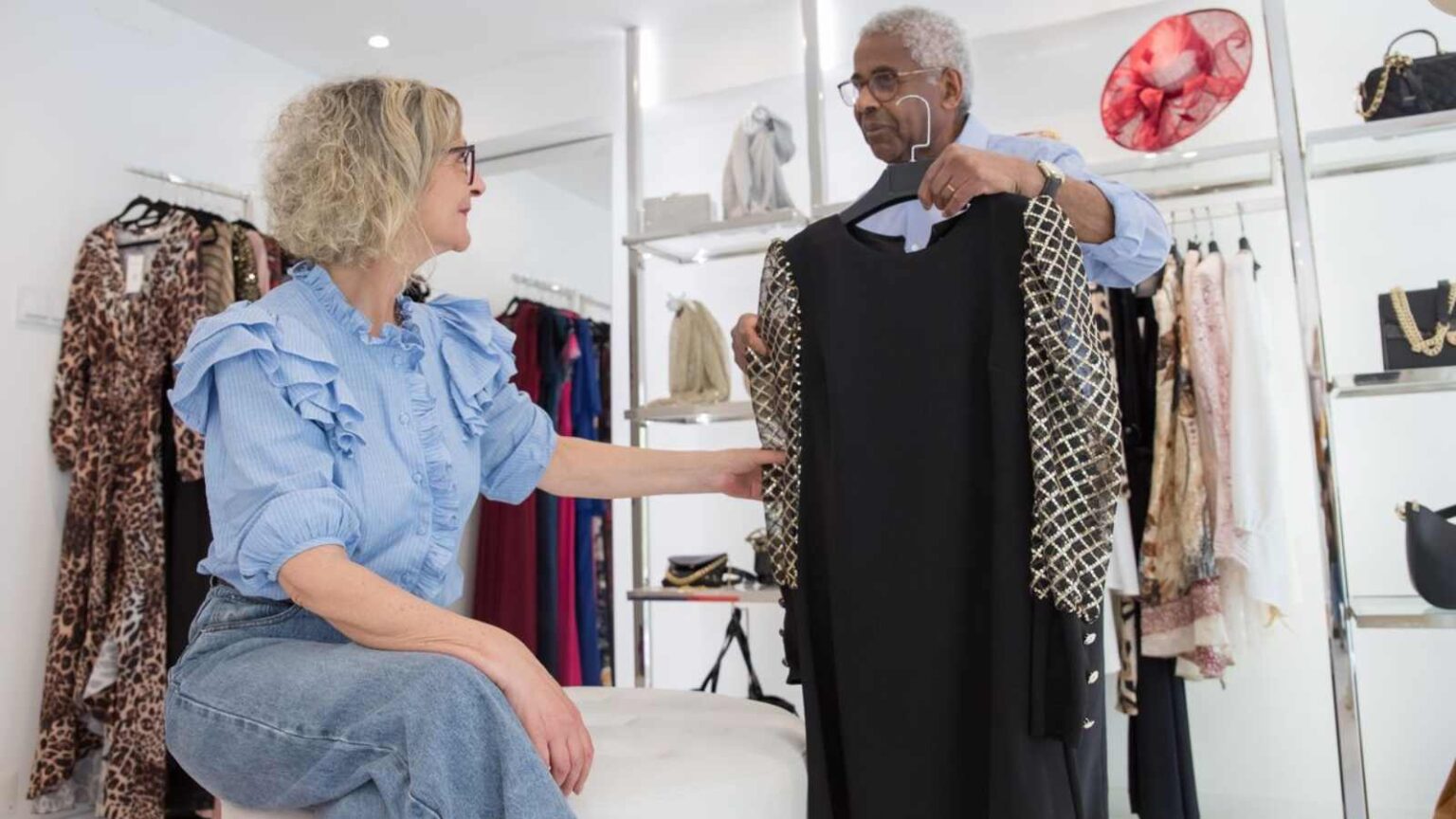
Dia & Co skips the store entirely and sends curated boxes sized 10 to 32, built on the premise that plus-size shopping fails most often at the fitting stage rather than the style stage.
Founder Nadia Boujarwah has been blunt about how far the supply side still lags demand, calling brand investment in the category “remarkably anemic” even now.
A personal stylist who reviews body type, budget and occasion before anything ships solves a real problem for a midlife shopper short on time to browse through 10 different sites. The tradeoff is less control over exactly what arrives, which suits some closets better than others.
Kiyonna
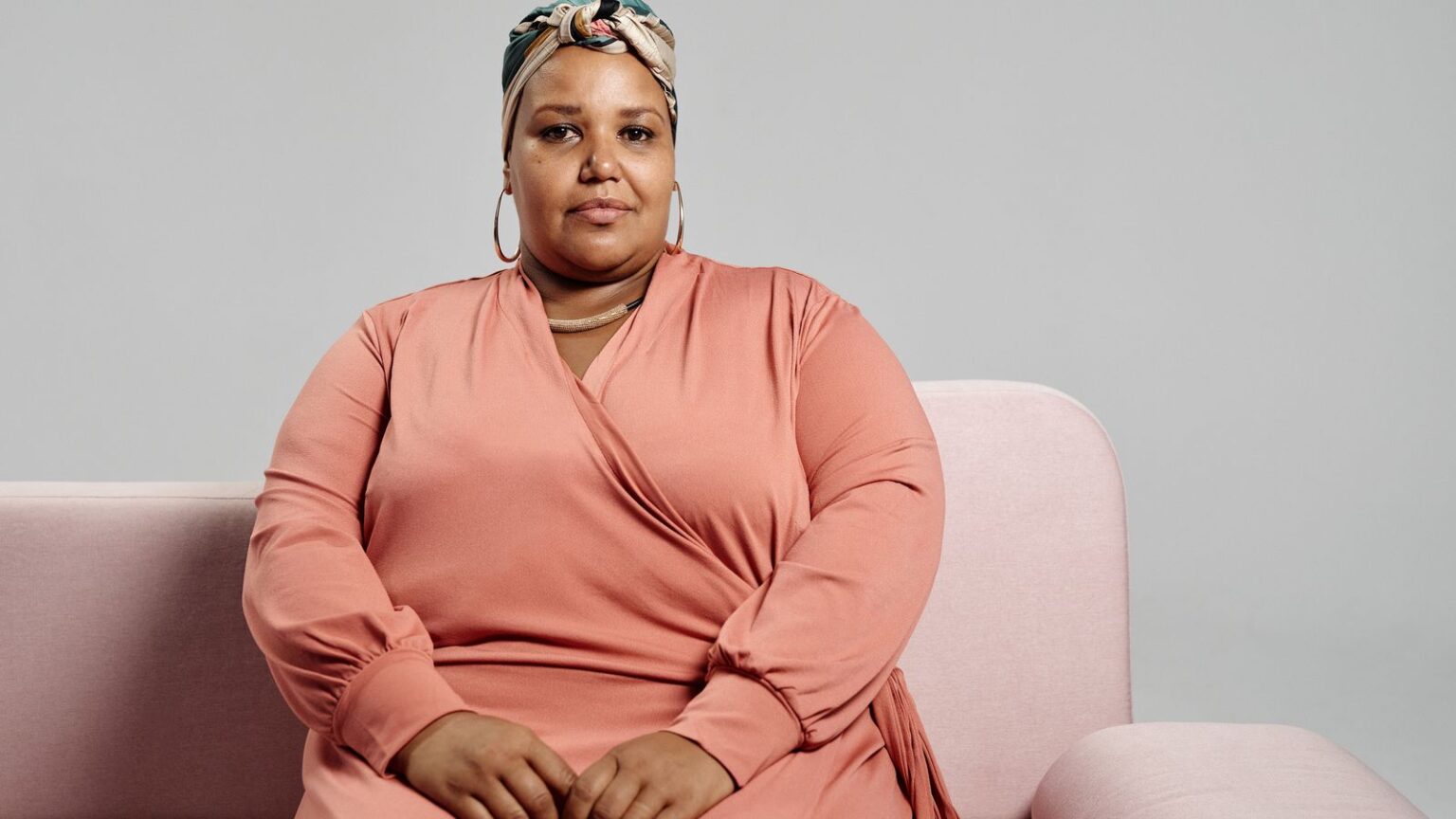
Founded in 1996 and still designing everything in sizes 10 to 32W, Kiyonna built its name on wrap dresses and cocktail gowns rather than on basics. The brand is well known for designing pieces a straight-size shopper would envy rather than clothing that merely covers a larger frame.
For a wedding, a milestone birthday, or a black-tie work event, this is the brand that treats the plus-size customer’s evening wardrobe as seriously as anyone else’s. What it does not offer is a casual everyday assortment, so pair it with a basics brand rather than expecting a full closet from one source.
Catherines
Part of the FullBeauty family alongside Roaman’s and Woman Within, Catherines carries sizes up to 6X and stakes its pitch on longevity rather than trend, framing itself as polished, thoughtfully curated fashion built on 65-plus years of fit expertise and designed to evolve with her life at every age.
That decades-deep sizing archive shows in details competitors often skip, like sleeve proportion for fuller upper arms and rise placement that accounts for how a midsection changes with age.
This is not a brand chasing a 25-year-old customer and hoping older shoppers tag along. It was built the other direction, which is rarer than it should be.
Nordstrom
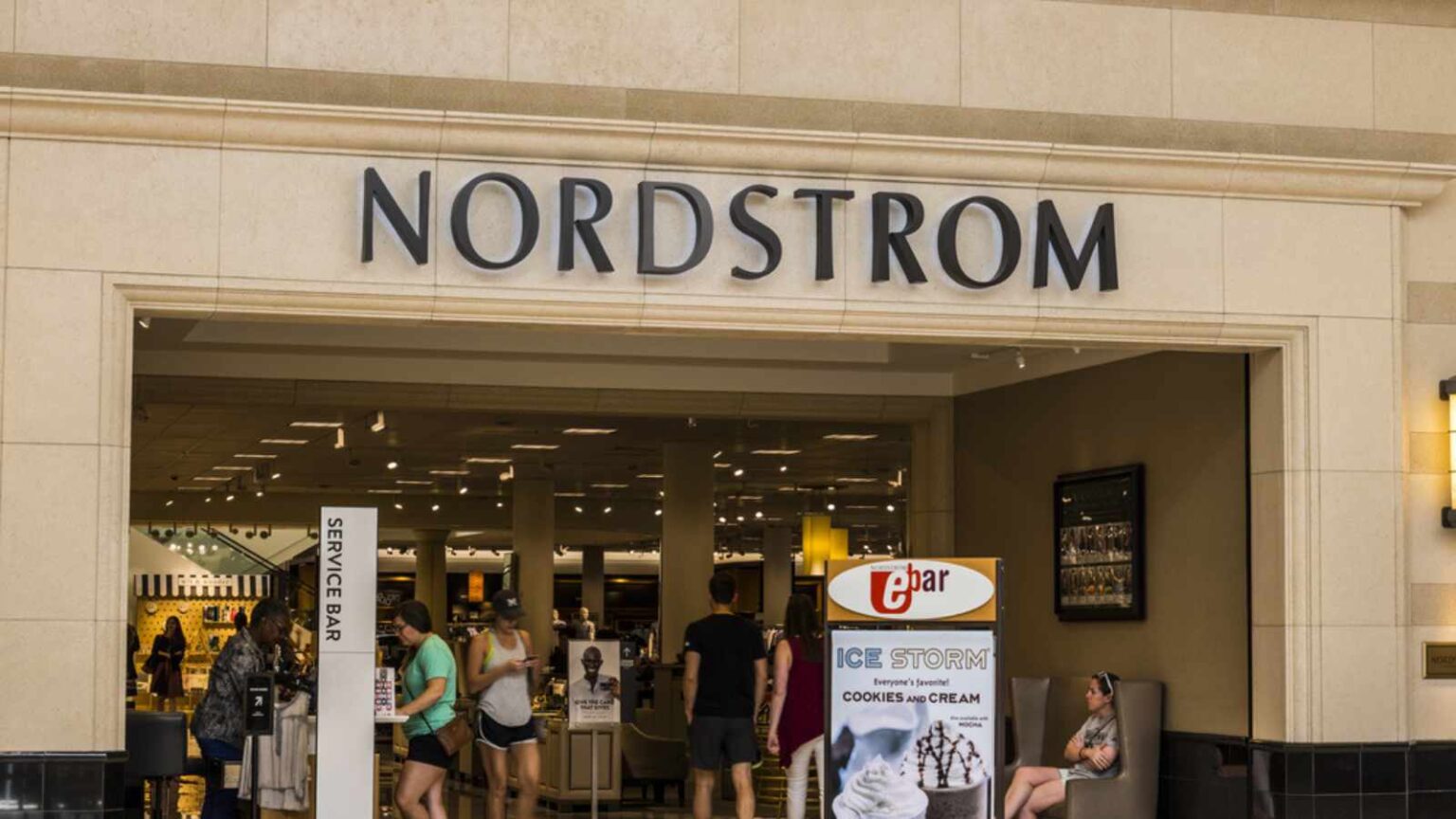
For years the biggest complaint from plus-size shoppers was having to hunt across a dozen separate websites just to build one outfit.
Nordstrom addressed that directly by bringing Universal Standard into 20 physical stores this year, alongside its existing partnerships with 11 Honoré and other extended-size labels, allowing shoppers to try on denim, workwear, and eveningwear from multiple brands under one roof.
For a midlife woman who still prefers to try something on before buying, especially for a special occasion, this is the fitting room the category has been missing.
Talbots
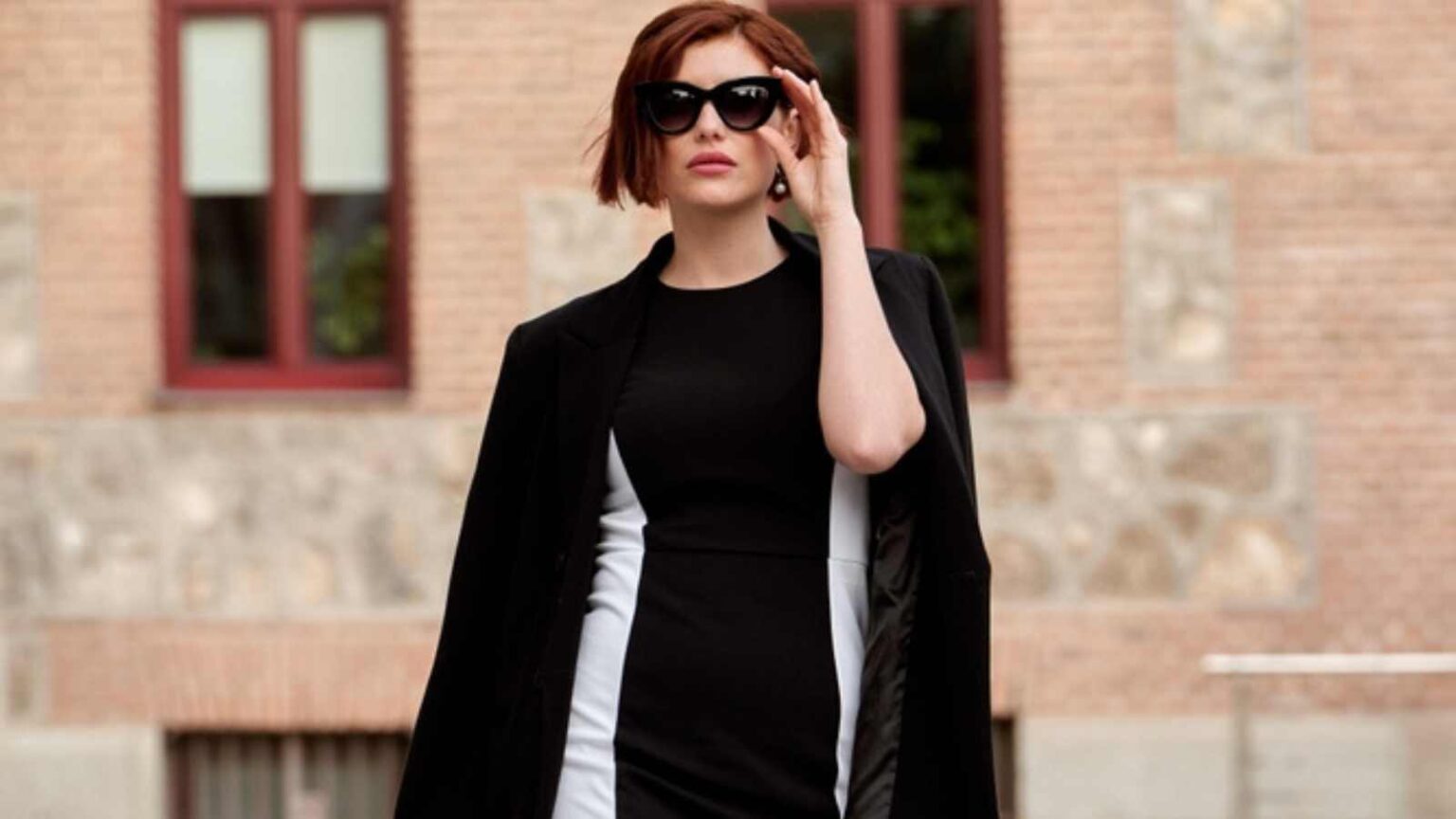
Talbots built its reputation on tailored blazers, structured trousers, and sheath dresses long before size inclusivity became an industry talking point, and it now runs plus sizes from 14W to 24W across dresses, workwear, and separates designed to flatter plus proportions alongside its misses and petite lines.
The brand’s whole point of view stands in contrast to Eloquii’s trend-chasing pace: fewer seasonal drops, more pieces built to outlast a fashion cycle. A midlife professional who wants a blazer that still works in five years, not five months, is Talbots’ actual customer, whatever her size range.
Key Takeaways
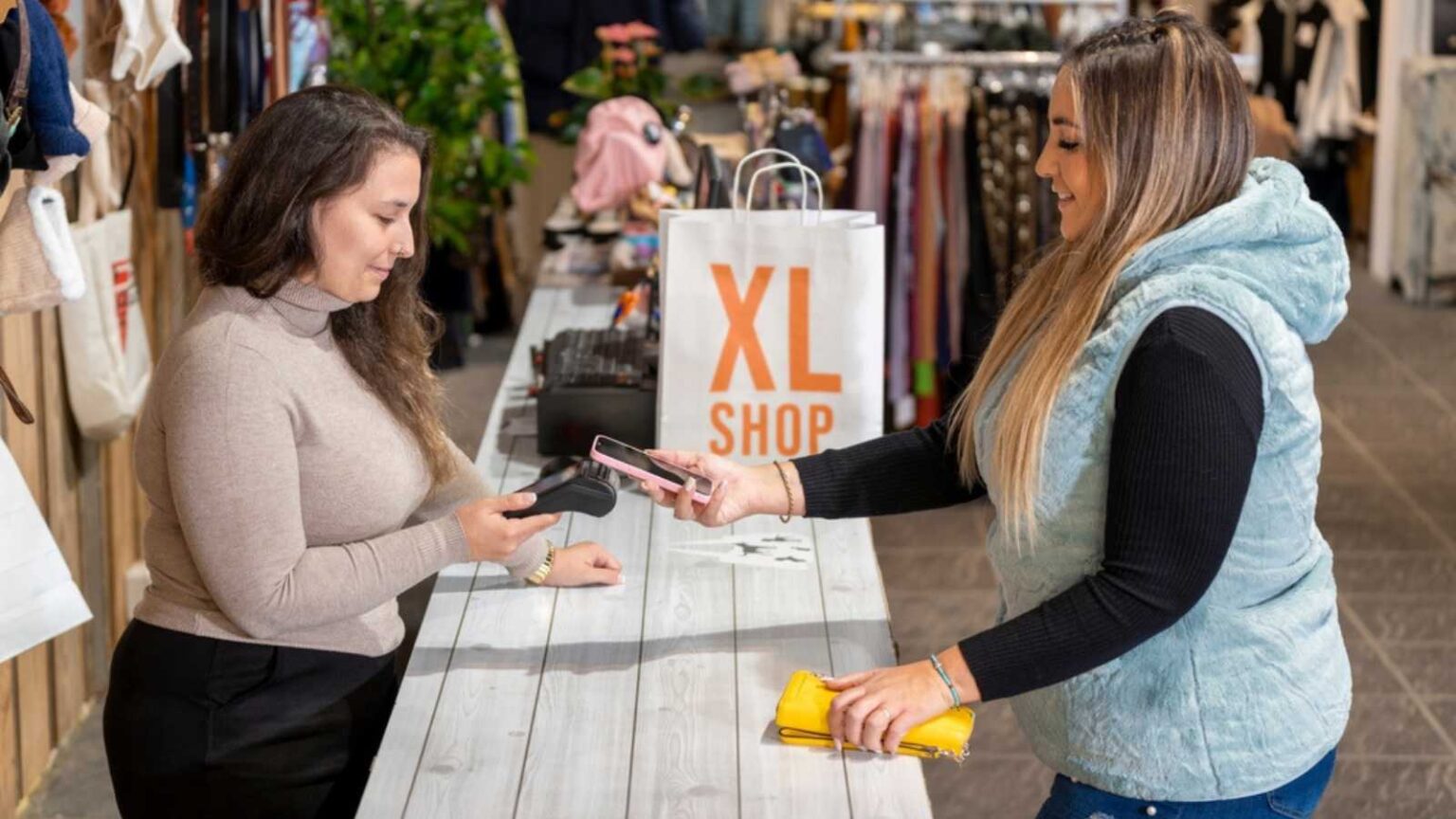
- Sixty-seven% of American women wear a size 14 or above, yet plus-size apparel still captures under 20% of total clothing spending, which is the market gap every brand above is trying to close.
- Universal Standard and 11 Honoré sit at opposite price points but share the same premise: extended sizing belongs in the main collection, not a separate afterthought line.
- Chico’s, J.Jill, and Talbots built their businesses specifically around the 40-plus customer rather than adding her on later, which shows in fit details competitors often miss.
- Eloquii and Catherines represent the category’s real philosophical split, trend speed versus built-to-last tailoring, and a midlife wardrobe usually needs both.
- Nordstrom’s multi-brand plus assortment solves the try-before-you-buy problem that online-only extended sizing has never fully addressed.
Disclaimer: This list is solely the author’s opinion based on research and publicly available information. It is not intended to be professional advice.
Like our content? Be sure to follow us
MORE TCF GAMES