Data from Tourism Analytics shows that approximately 1.1 million Americans travel to Asia annually, yet squat toilets still catch first-time travelers to parts of Asia off guard. American guidebooks rarely mention this detail until someone is standing over one for the first time between flights.
For a plus-size traveler who has never needed to hold a full squat without something to grip, the position asks more of the knees, balance, and thigh muscles than any packing list accounts for.
Cultural blind spots like this one surface constantly once Americans leave home, and a larger body tends to feel them first, before the food, the language, or the weather ever comes up.
Comfort on the road is a set of decisions made in advance about fabric, fit, seating, sun, and unfamiliar infrastructure, long before a suitcase gets zipped shut.
Book the Right Seat
Under the updated Southwest Airlines Customer of Size Policy, passengers unable to fit comfortably in a single 15.5- to 17.8-inch seat (with the armrests lowered) must purchase an extra seat at the time of booking.
Delta takes the opposite approach, with no automatic second-seat requirement, though a passenger who impedes a neighbor may be moved or rebooked onto a later flight. Some companies sit in the middle, refunding the second seat if the flight departs with room to spare and charging only a single change fee if plans shift.
None of these policies are uniform, which means the real work happens before checkout: comparing each airline’s customer-of-size terms line by line rather than assuming they match.
Know Your Seatbelt
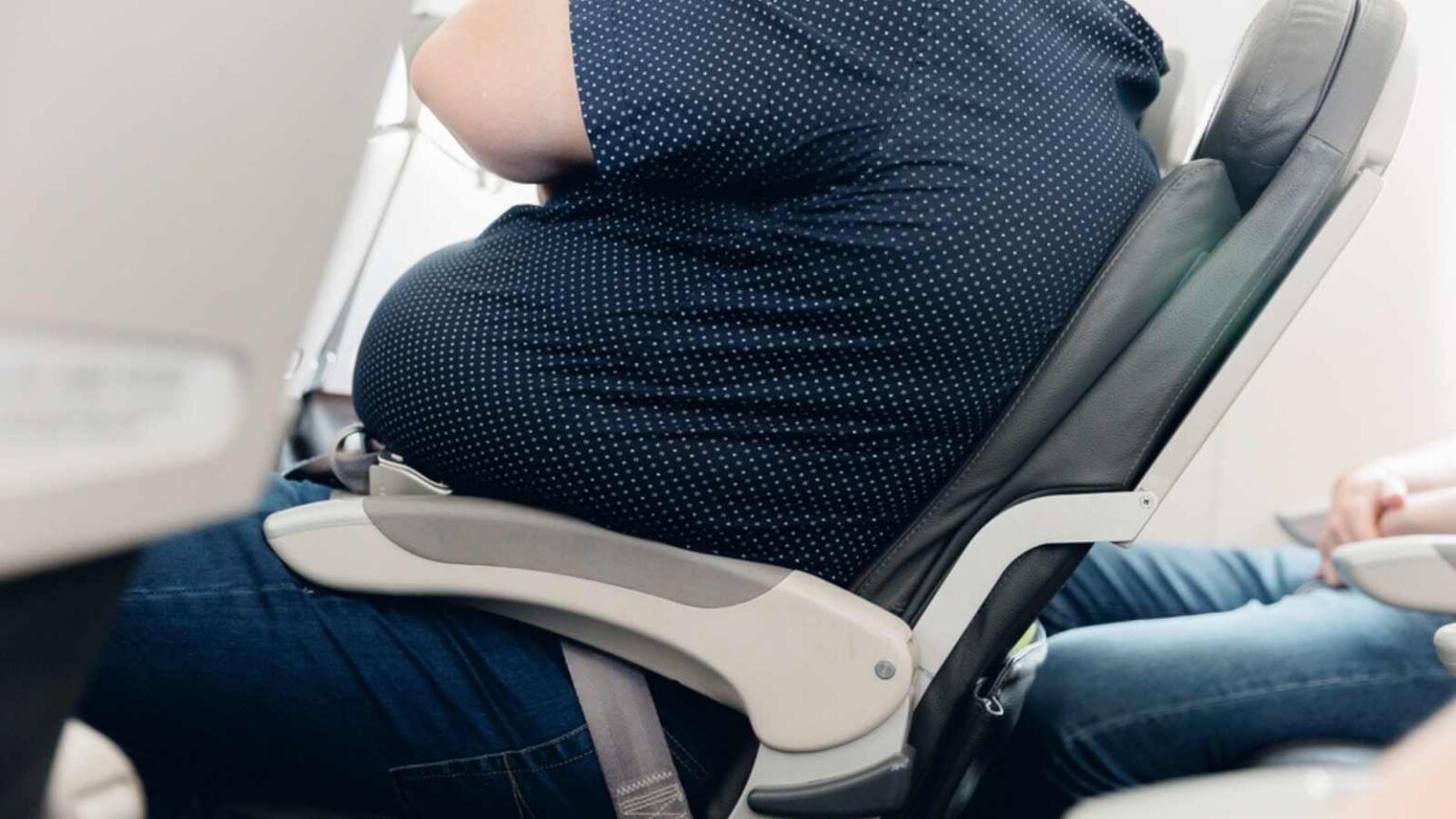
Every major airline is required to carry seatbelt extenders on board, but supply runs short on full flights, and buckle systems are not universal across carriers.
Southwest uses a Type B buckle, incompatible with the Type A extenders standard on most other US and European airlines, so the wrong purchase turns into a useless accessory at exactly the wrong moment.
A traveler who confirms the buckle type with the airline before flying and then packs the matching extender, rather than requesting one on board, removes a variable that has embarrassed passengers in front of a full cabin more than once.
Airlines also restrict where an extender can be used, since exit rows and inflatable seatbelts often prohibit them entirely.
Pack Compression Socks
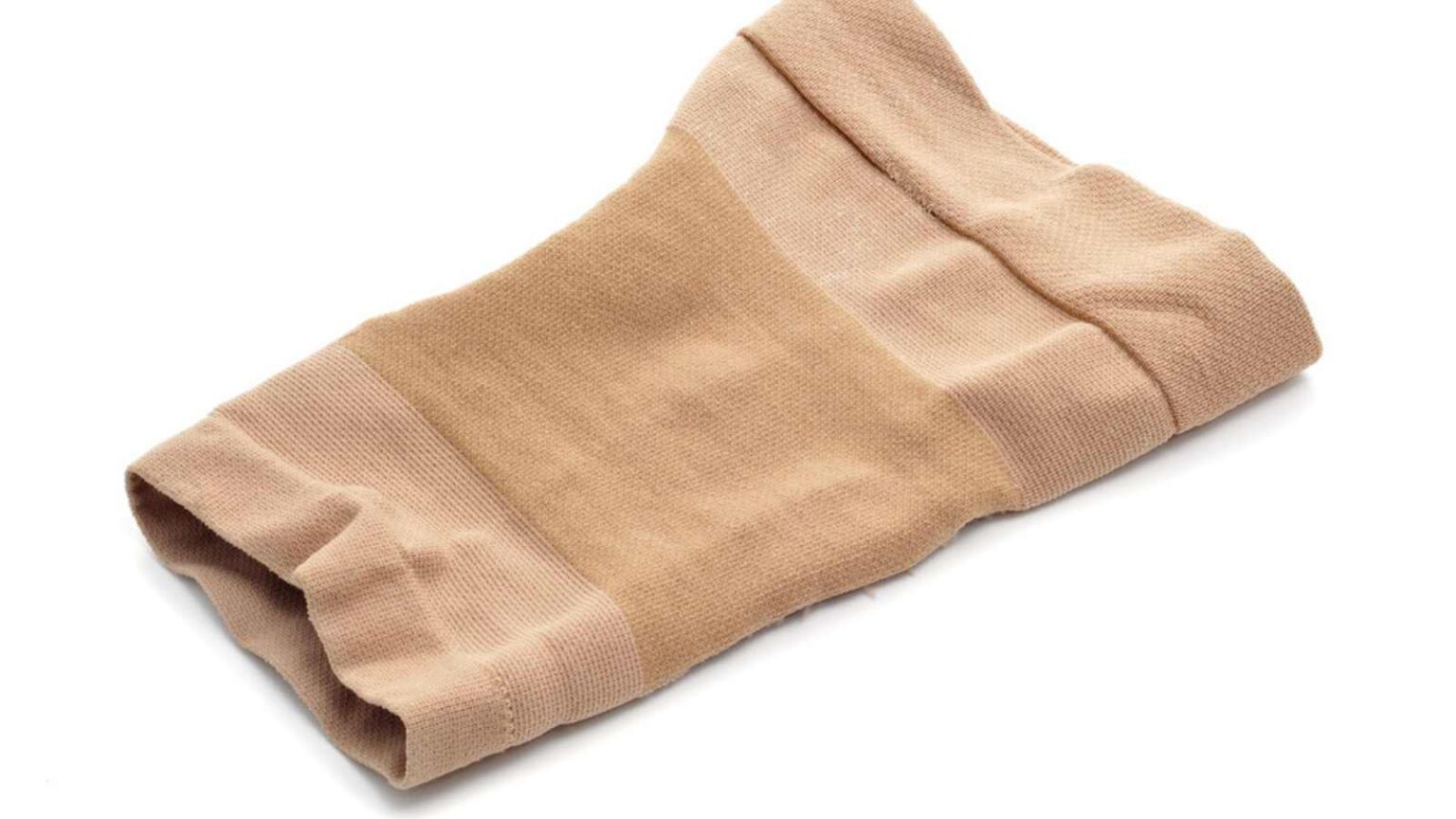
A Cochrane review of 12 randomized trials involving nearly 3,000 passengers found that graduated compression reduces asymptomatic deep vein thrombosis on flights longer than 4 hours and reliably eases swelling and leg fatigue.
The American Heart Association is careful to note that the same evidence cannot speak to death, pulmonary embolism, or symptomatic clots, because too few occurred across any of the trials to draw a meaningful conclusion either way.
The socks are still worth packing for the swelling alone, since prolonged sitting slows venous return regardless of body size. The clot-prevention claim printed boldly on the packaging, though, is doing more work than the underlying research fully supports.
Prevent Thigh Chafing
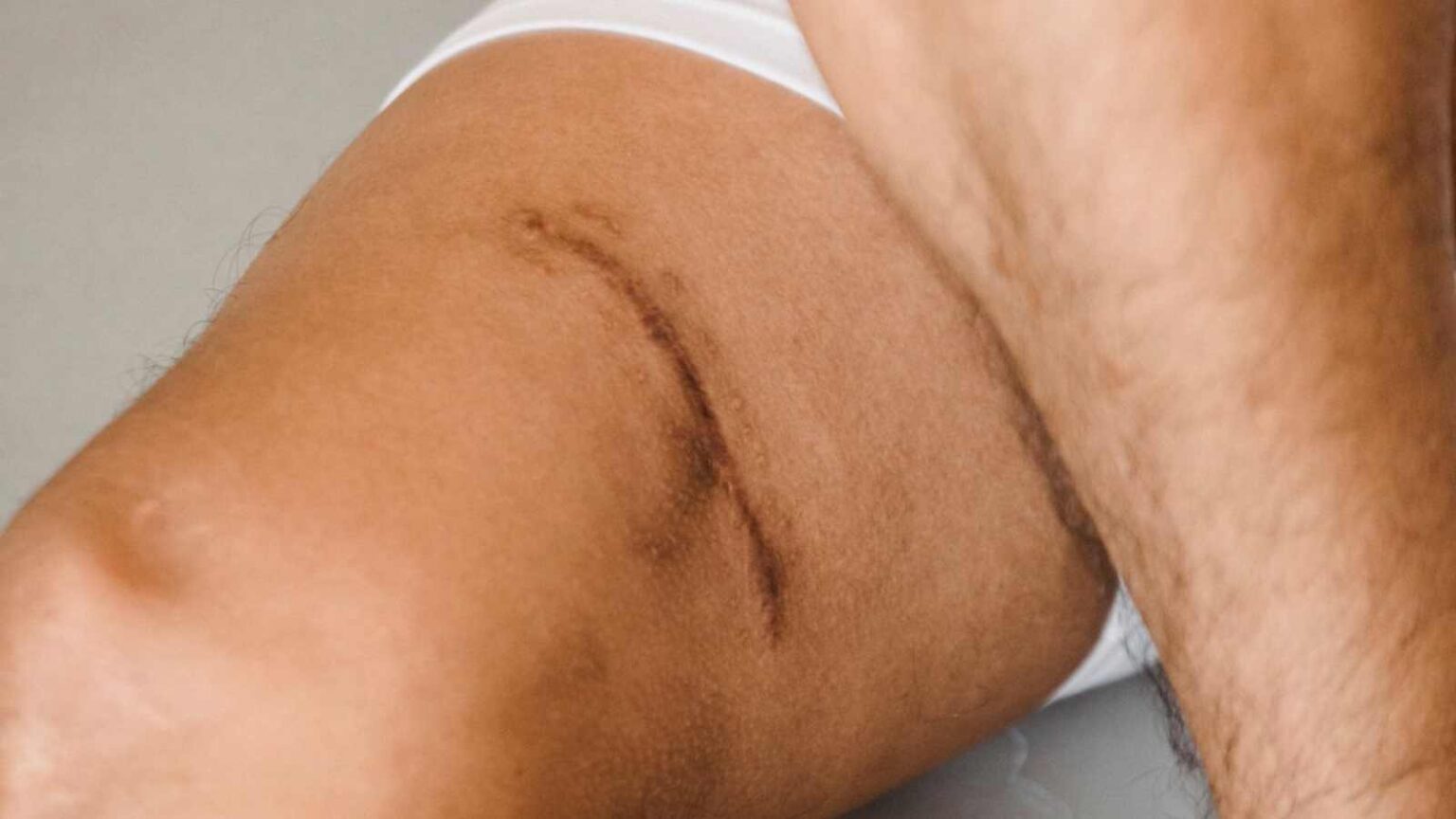
Anti-chafing wear did not exist as its own category until designers who had lived with thigh chafing rejected the only fix on offer, compressive shapewear built for a body shape that never matched their own. What followed split into two constructions.
One is a slip short cut from moisture-wicking fabric that pulls heat away from skin rather than trapping it, sized from extra small through 6X. The other is a silicone-gripped elastic band worn without a short at all, suited to hemlines where fabric would show.
Sizing has caught up too, with some lines running from hosiery measurements through US size 26 to 32, closing a gap mainstream shapewear left open for years. The category exists because designers finally treated the inner thigh as a friction zone to engineer rather than a flaw to conceal.
Choose UPF Clothing
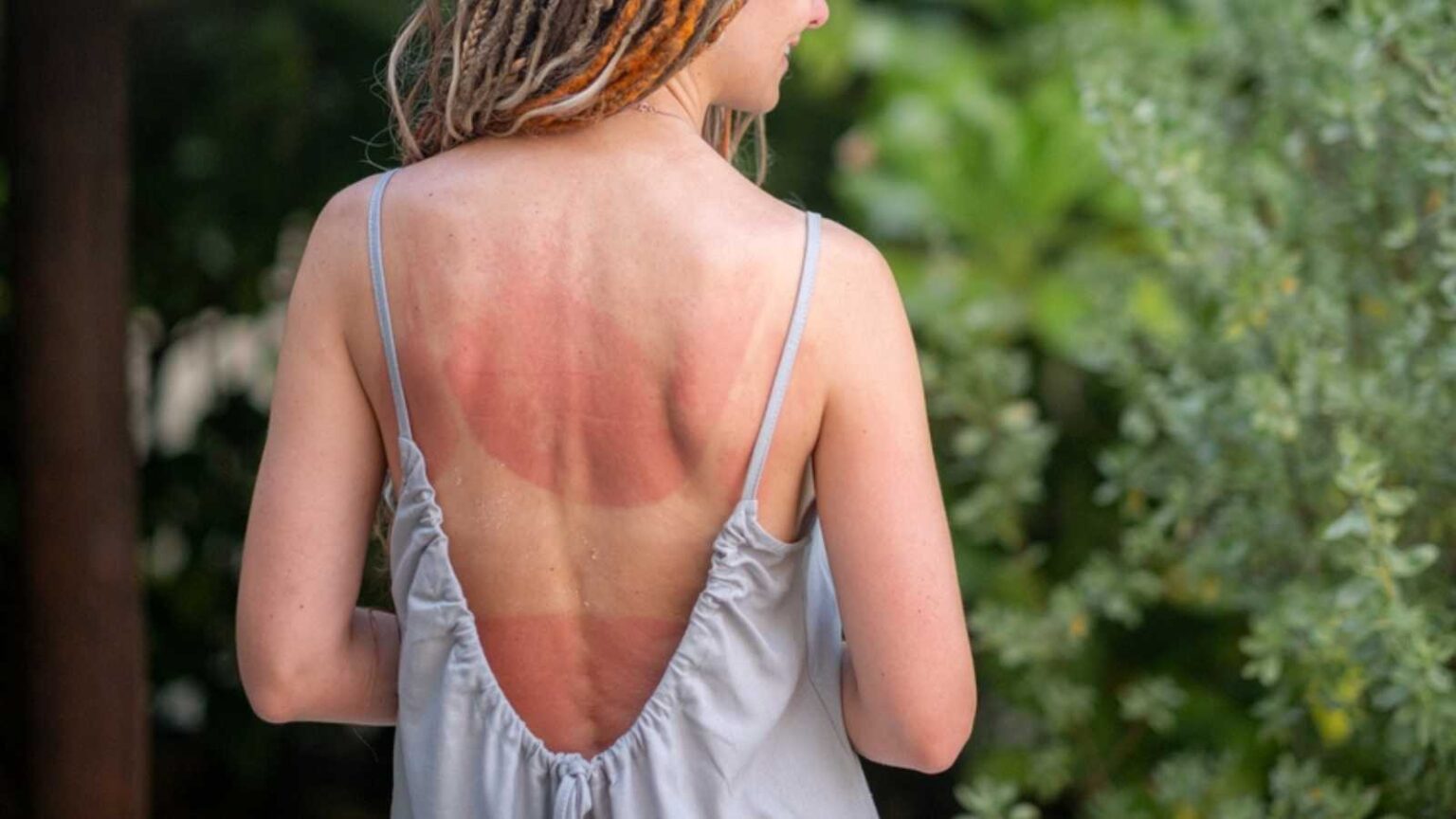
A UPF 50 fabric blocks 98% of ultraviolet radiation, letting through roughly a fiftieth of what an untreated cotton shirt would allow across the same hour outdoors. The rating comes from weave density, fiber type, and sometimes a chemical finish applied during manufacturing, not from shade, the way sunscreen marketing tends to imply.
A tightly woven synthetic in white can outperform a loosely knit cotton in black, upending the old instinct to reach for dark colors as the default summer-sun strategy.
For a body covering more surface area in high heat, and therefore more skin at stake across a long travel day, that distinction changes what actually earns a spot in a suitcase built for hours spent outdoors rather than air-conditioned interiors.
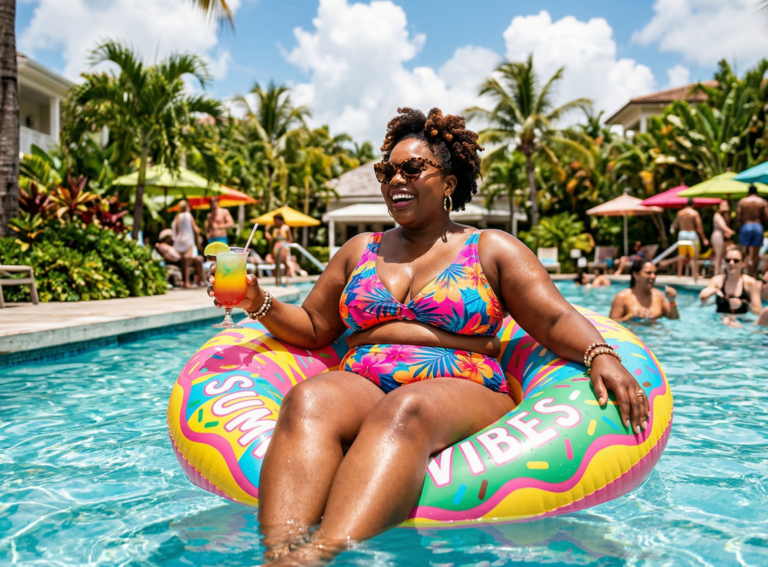
Buy Better Swimwear

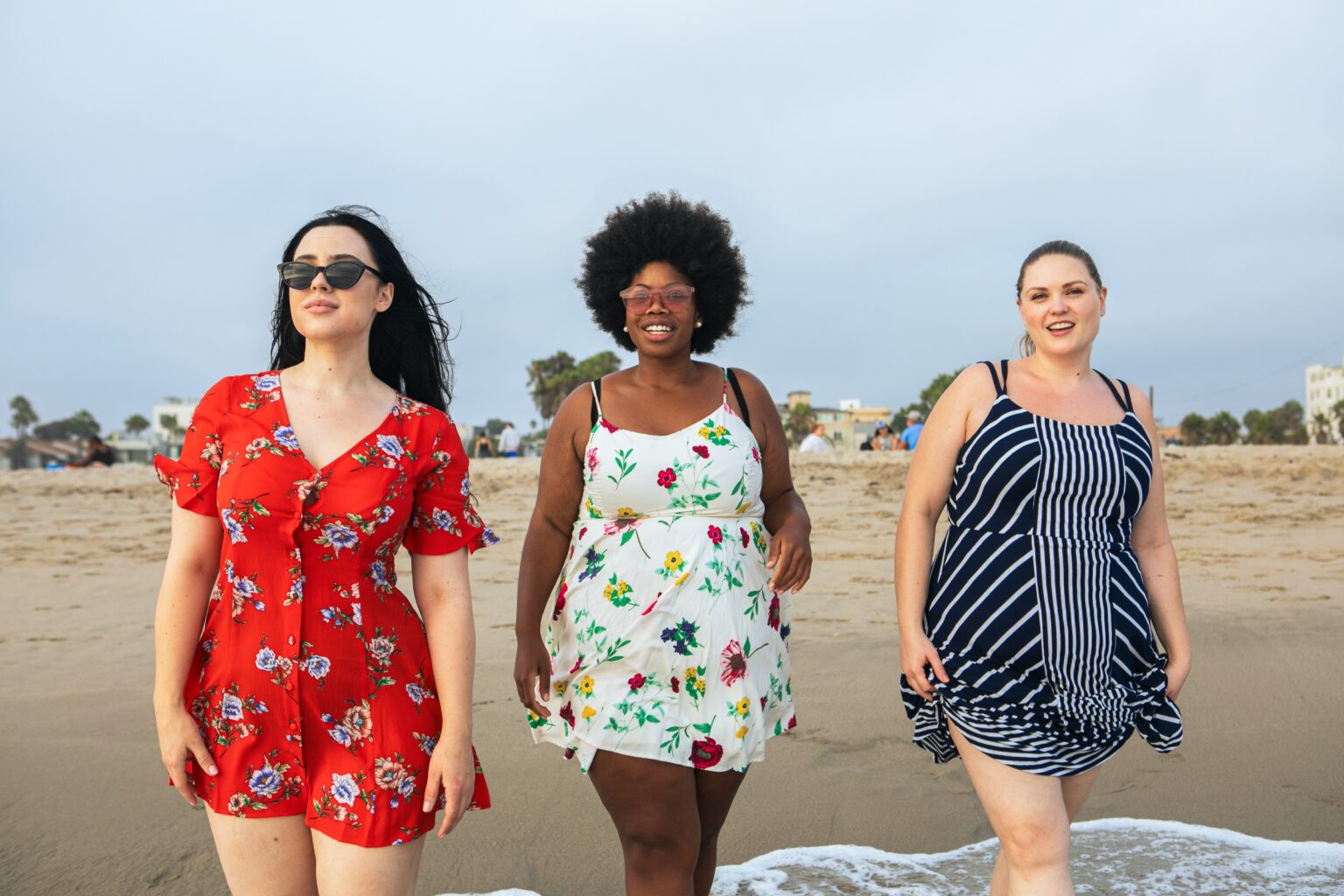
Well-made swimwear starts with construction rather than appearance. Supportive fabrics, reinforced seams, adjustable straps, and thoughtfully placed panels can improve comfort and stability in the water without restricting movement.
Many newer swimwear collections are also available in a wider range of sizes, reflecting a broader shift toward designing garments for different body shapes from the outset instead of simply enlarging smaller patterns.
When shopping, prioritize fit, durable materials, and features that allow freedom of movement, as these factors often have a greater impact on comfort and longevity than trends or decorative details alone.
Pair UPF With Sunscreen
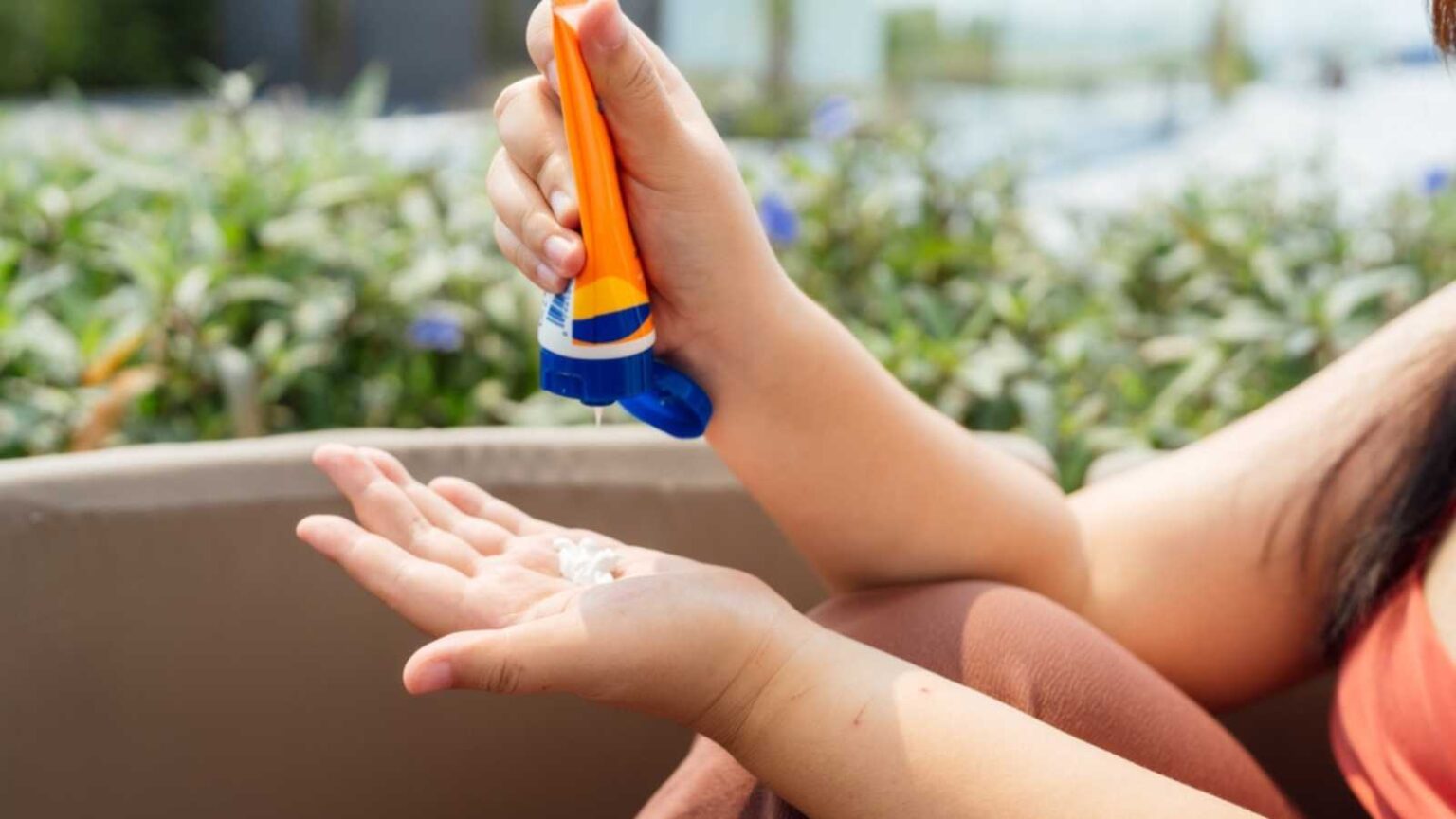
UPF clothing blocks what it physically covers and nothing else, leaving hands, neck creases, and any exposed skin unprotected regardless of how high the fabric rating climbs on the label.
Sunscreen fills those remaining gaps, but it also degrades faster with sweat and friction in skin folds than it does on flat, exposed skin, which means the reapplication schedule printed on the bottle does not hold up in Miami humidity or on a slow afternoon walk through Lisbon.
Treating the two as one combined system, with reapplication timed around what the clothing layer actually covers rather than a generic two-hour rule, closes gaps that either approach left open on its own.
A wide-brim hat handles the one zone neither layer manages well, the face itself.
Plan for Foot Swelling
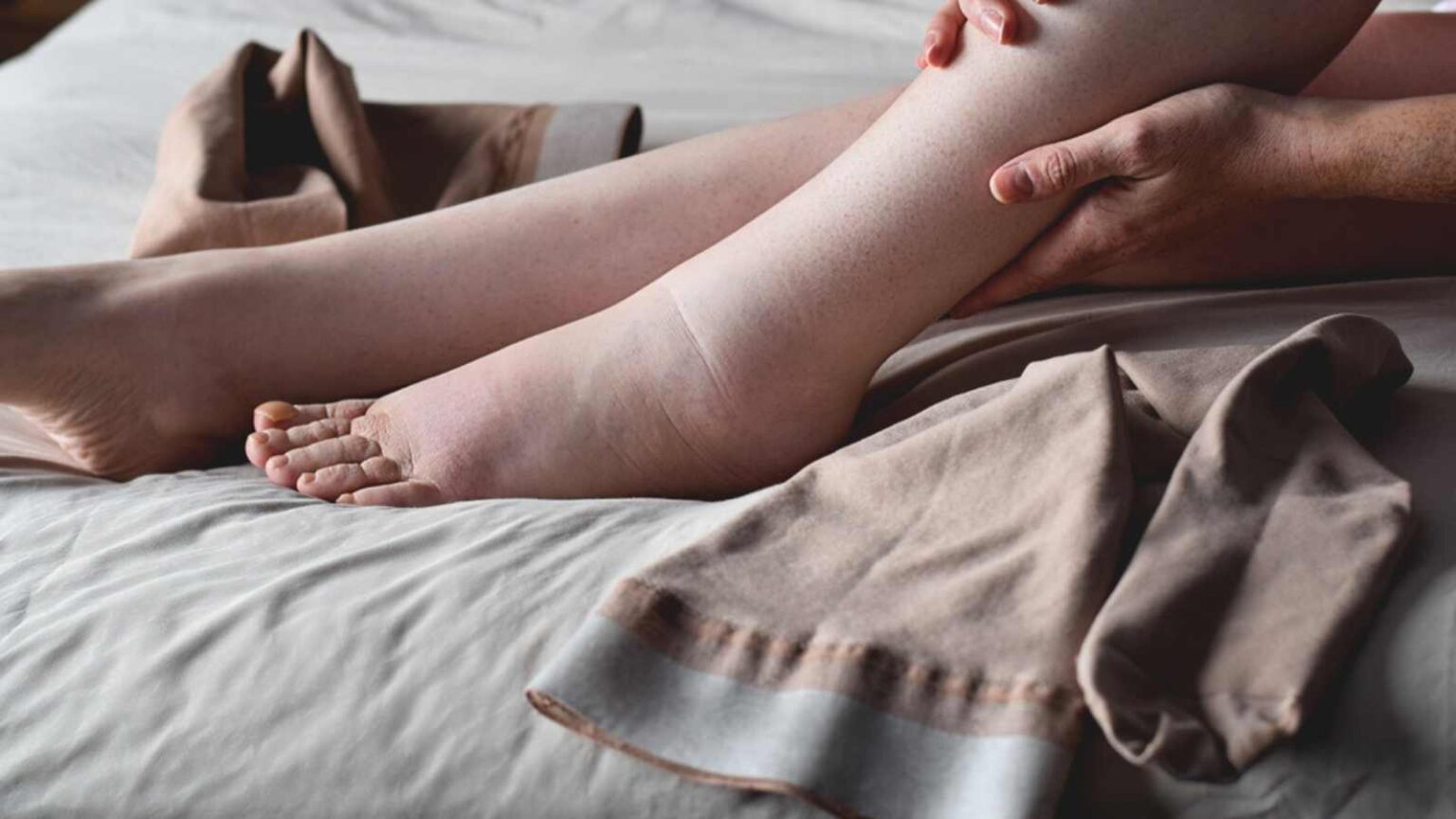
Feet swell in heat and after hours of sitting on planes or trains, sometimes by half a size or more, a detail most shoe shopping advice ignores entirely in favor of style alone. Structured sandals with adjustable straps absorb that swing better than a rigid closed shoe bought to fit a morning measurement taken before a full day of walking and sitting.
Packing one pair with real arch support for pavement and cobblestone, and one pair that breathes for evening heat, accounts for a body that changes shape over the course of a travel day in ways a shoe box on a store shelf never accounts for.
Breaking in new shoes before departure matters more here than almost anywhere else in the packing list, since a blister paired with swelling compounds fast on unfamiliar terrain.
Pack Smarter
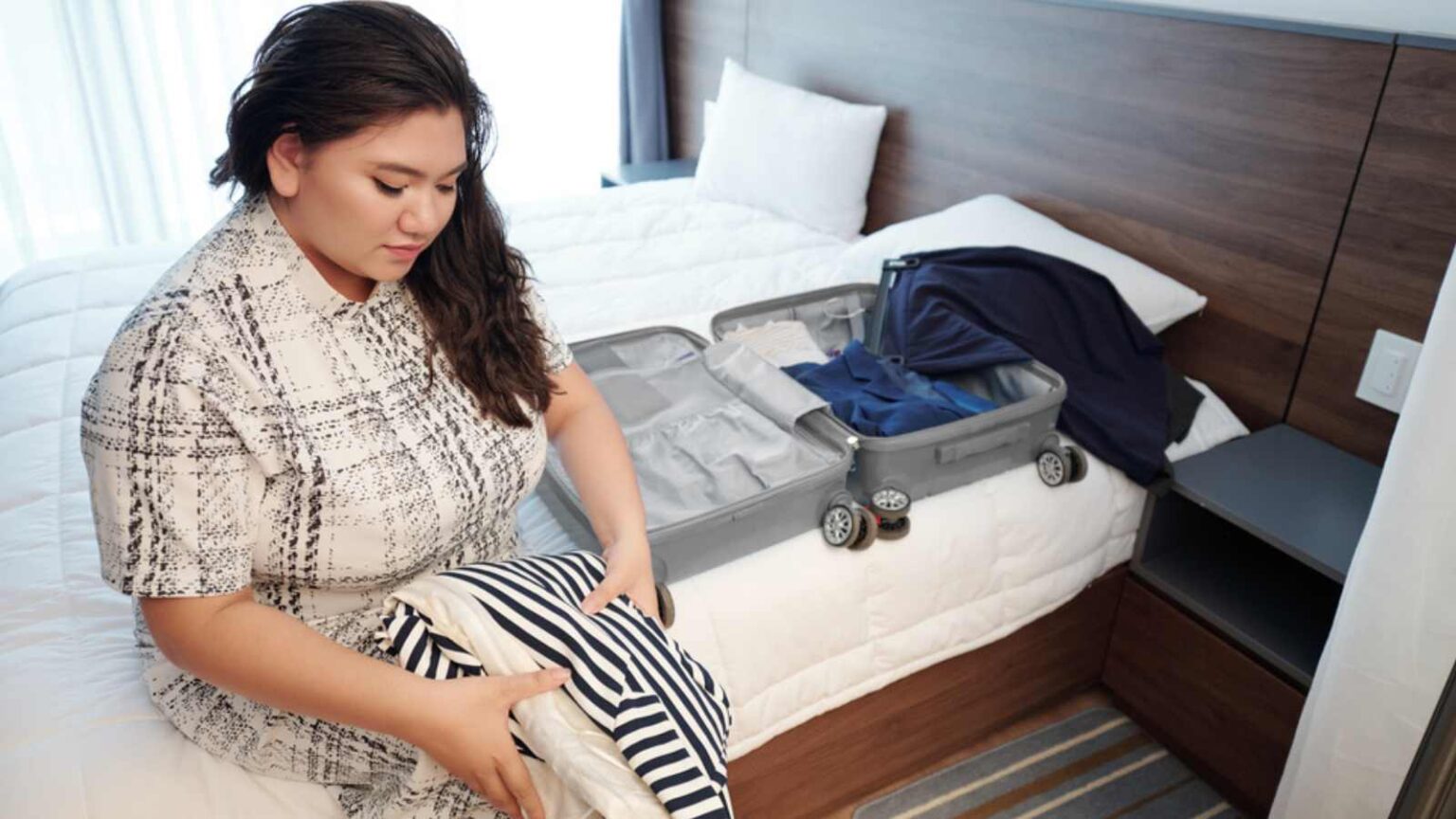
The instinct with packing cubes is to squeeze in more, but a better use is organizing by function: a sleep layer, a chafe-protection layer, a sun layer, so nothing critical gets left behind while chasing extra space in a carry-on.
A plus-size capsule wardrobe built for heat needs redundancy that a smaller wardrobe often skips entirely: a backup slip short, a spare UPF layer, a second bra without underwire that will not dig through a twelve-hour transit day spent mostly seated.
Compression should buy room for that redundancy rather than replace it with fewer options crammed harder into the same footprint. A cube dedicated entirely to comfort items, separate from outfits, keeps that layer from getting sacrificed first when a bag runs tight at the last minute.
Wear Linen
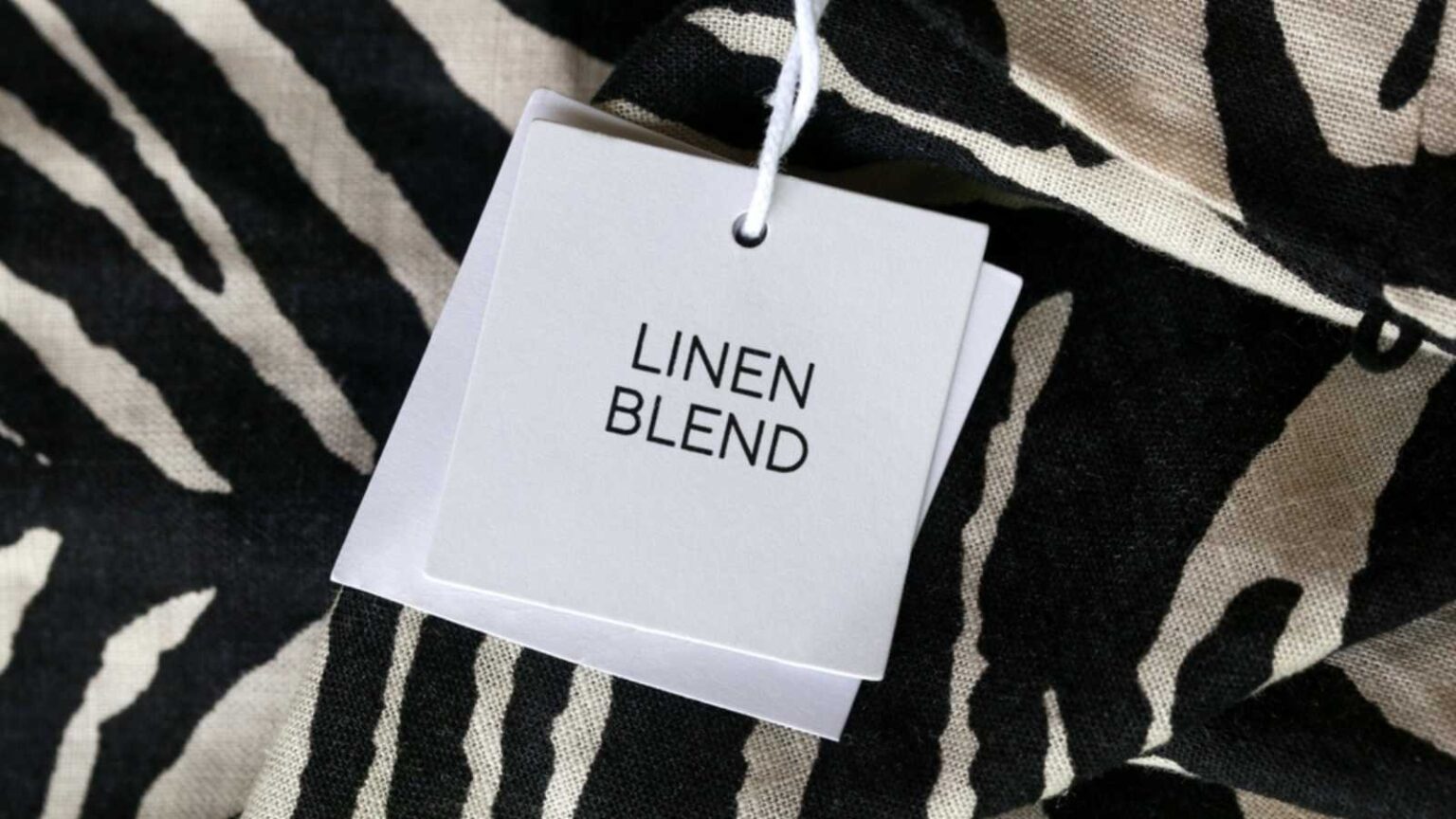
Linen fiber is hollow and stiff compared to cotton, which is why it holds space away from the skin instead of clinging to it the way a softer fiber does in humidity.
That structural quality, not nostalgia for European tailoring or a Mediterranean vacation aesthetic, is what makes it genuinely useful for a fuller figure managing heat, since air moves freely through the weave rather than trapping moisture against skin folds underneath.
A wrinkle is not a flaw in linen. It is the fiber behaving exactly as its cell structure predicts under movement, which is worth understanding before ironing out the one feature actually doing the cooling work.
Heavier linen blends hold shape better across a hot day than the gauzy versions marketed for beach cover-ups alone.
Dress in Layers

Cabin air runs cold enough to require a layer most warm-weather packing lists skip entirely, then a destination waits on the other end of the flight at ninety degrees with no transition between the two extremes.
A breathable UPF layer that also functions as a light cardigan solves both problems with one garment instead of two, cutting bulk in a suitcase already carrying chafe protection and backup sun layers from earlier in the list.
The goal is not owning more clothing for every possible temperature. It is choosing a small number of pieces that do double duty across a range no single climate zone accounts for on its own, from a frigid boarding gate to a sun-baked taxi line an hour later.
Research Accessibility
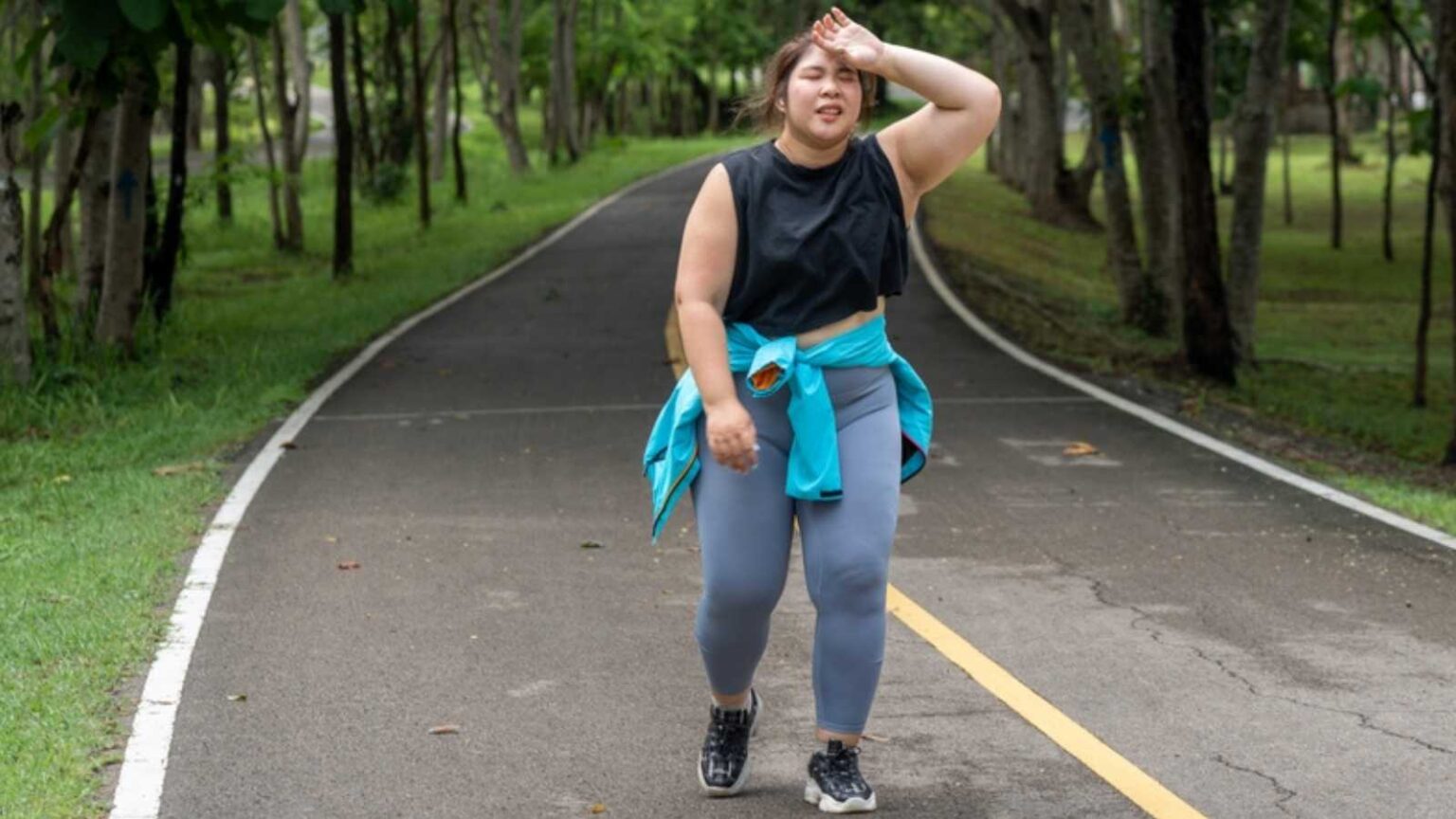
Cobblestone streets, un-air-conditioned museums, and stairs-only entrances shape a trip as thoroughly as the itinerary itself, yet most travel research still starts with where to eat rather than what the ground beneath one’s feet will demand of a body managing heat.
Checking terrain, elevator access, and shade coverage before booking activities prevents a body already contending with swelling and sun exposure from getting blindsided mid-trip by a museum with no seating and three flights of stairs to the entrance.
A destination chosen with that information in hand gets enjoyed rather than endured.
Key Takeaways
- Airline seating and seatbelt extender policies vary by carrier, so confirm the details before booking rather than at the gate.
- Anti-chafing wear and compression socks solve real comfort problems, but the marketing claims outpace what the research actually supports.
- UPF fabric protects through weave and fiber, not color, which changes what belongs in a hot-weather suitcase.
- Swimwear and linen work best when construction is treated as engineering for the body rather than a scaled-up version of a smaller pattern.
- Researching a destination’s terrain and infrastructure, not just its restaurants, prevents most mid-trip discomfort before it happens.
Disclaimer: This list is solely the author’s opinion based on research and publicly available information. It is not intended to be professional advice.
Like our content? Be sure to follow us
MORE TCF GAMES