Here is something I keep noticing.
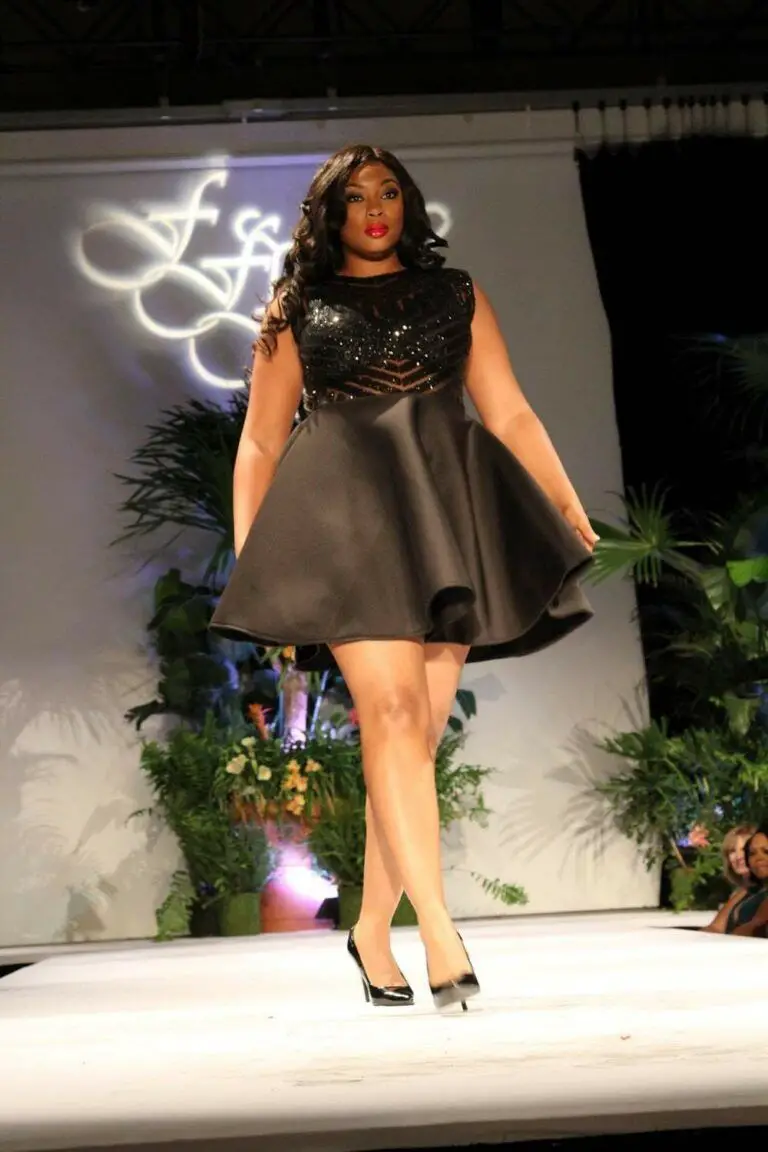
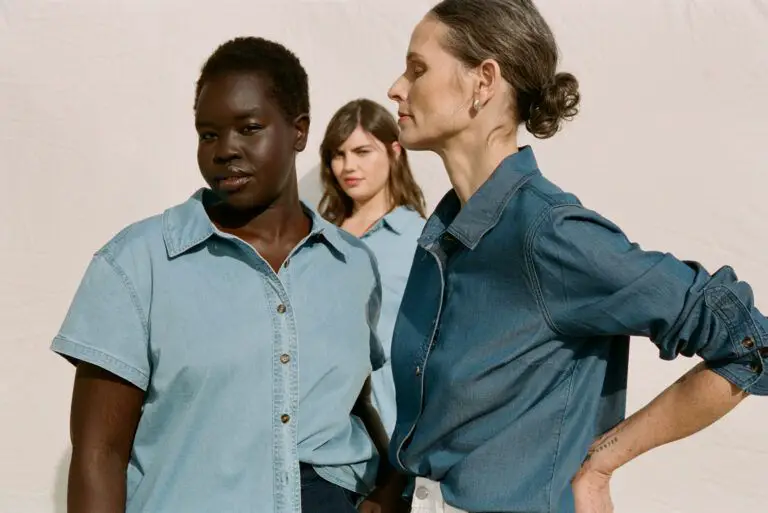
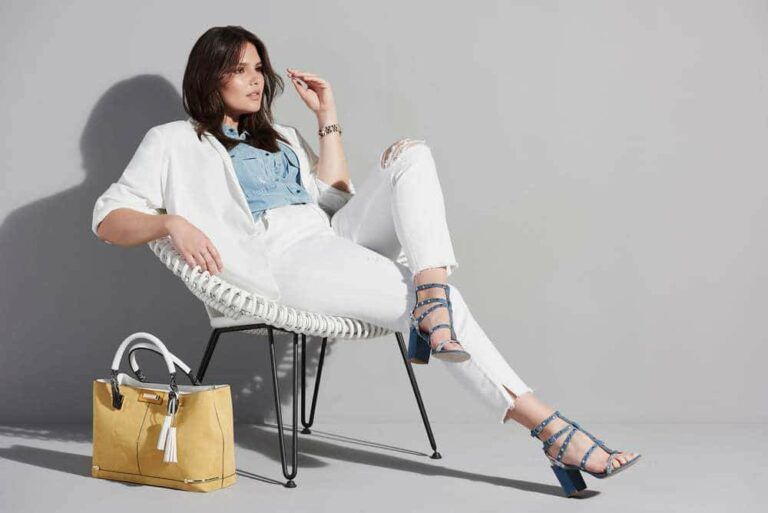

When plus size women build businesses, they are not playing small. They are solving problems the market ignored, creating demand the industry underestimated, and building brands rooted in real experience instead of boardroom guesses.
And I am not the only one clocking this.
Women owned businesses grew at nearly double the rate of male owned businesses between 2019 and 2023, according to data from the U.S. Small Business Administration. Women of color are leading that growth, accounting for roughly two thirds of new women owned businesses in 2023. This is not a trend. This is a shift.
Plus size women entrepreneurs are right at the center of it. Not despite their bodies. Because of their perspective.
Let us talk about why.
5 Business Lessons From Plus Size Women Entrepreneurs Who Made It Big
1. Turning Personal Pain Into Profitable Purpose
Most plus size women entrepreneurs did not start with a pitch deck. They started with frustration.
In my research, this origin story shows up again and again. Gayatri Singh, founder of Vixxen, spent years designing her own clothes before launching a brand, simply because options did not exist.
As she shared in interviews,
“Having been a plus size woman all my life, finding stylish clothes that fit well was always a challenge. That frustration is what pushed me to start designing for myself before designing for others.”

This is the difference between trend chasing and problem solving. When the pain is personal, the solution is precise. Plus size women entrepreneurs do not need to imagine their customer. They are her.
2. Building Community Instead of Just Selling Products
Plus size women entrepreneurs understand something the industry still tries to overcomplicate.
You are not just selling clothes. You are building belonging.
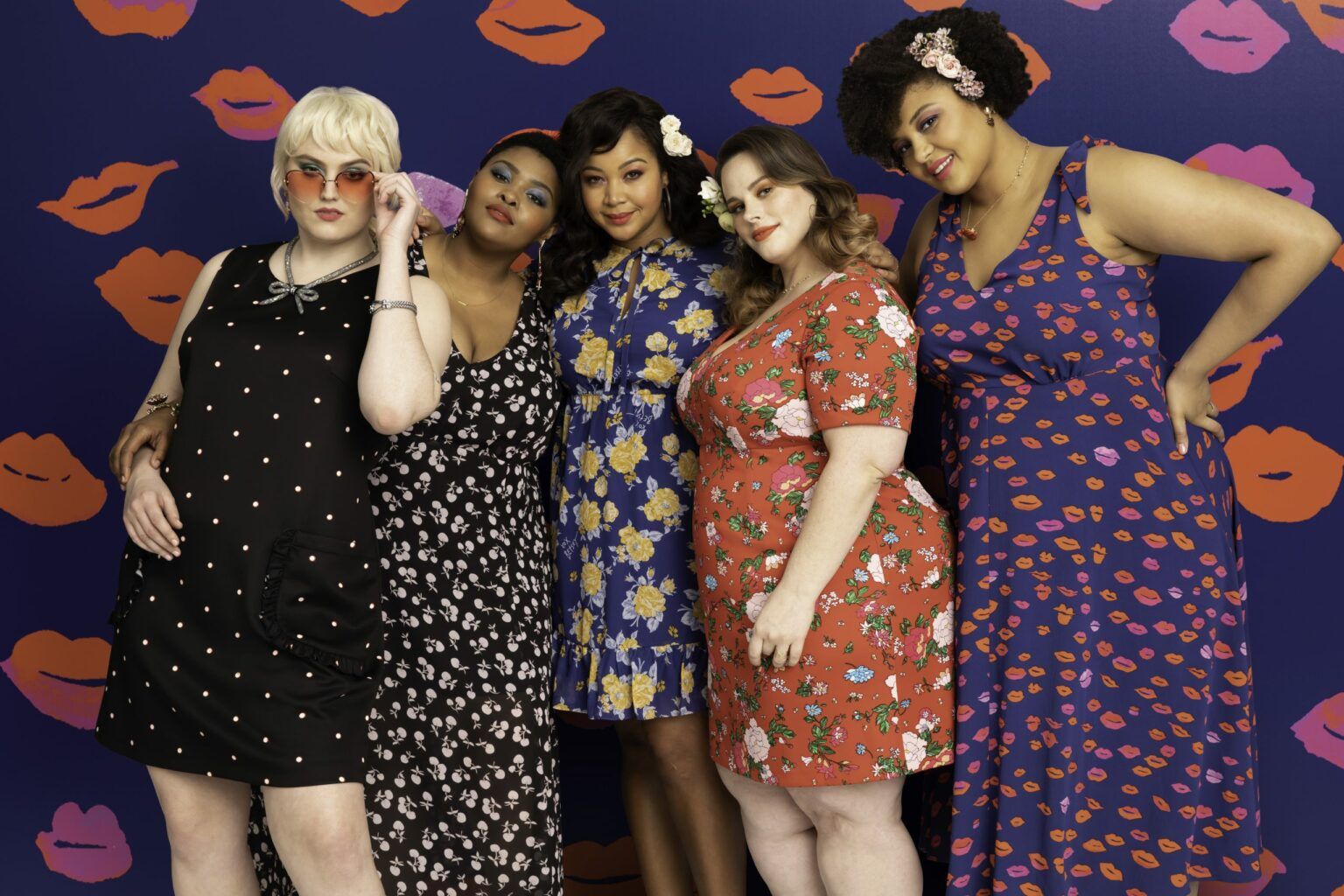
Brands rooted in the plus size fashion space know that community is not a marketing add on. It is the strategy. When people feel seen, they stay. They return. They advocate.
That philosophy is echoed by Nadia Boujarwah, cofounder of Dia & Co, who explained,
“We realized early on that women were not just shopping for clothes. They were looking for validation, confidence, and a sense of belonging. When you build that, loyalty follows.”
And loyalty is not abstract. It shows up in repeat purchases, longer customer relationships, and communities that support the brand well beyond checkout.
Community is not soft.
It is a revenue driver.
3. Bootstrapping as a Strength, Not a Weakness
Let us talk about money. Or more accurately, access to it.
Only a small percentage of venture capital goes to women founded companies, and even less to founders building in marginalized categories like plus size fashion. Many women are forced to bootstrap, rely on personal savings, and grow slower than their male counterparts.
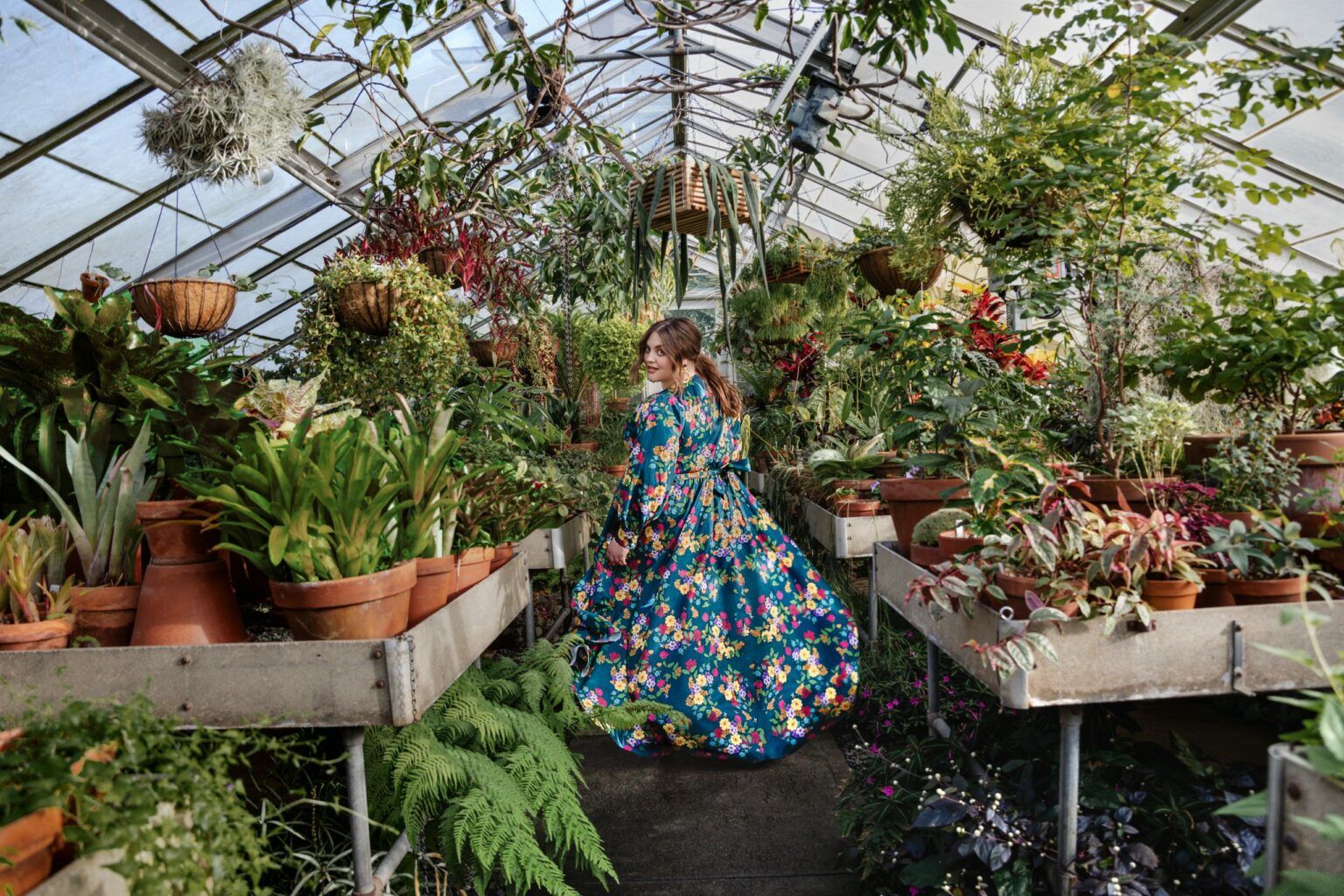
But here is what does not get talked about enough. That constraint builds discipline.
Cynthia Vincent, founder of Baacal, has spoken openly about building intentionally instead of rushing scale:
“I built Baacal slowly and intentionally. I wanted control over the design, the sizing, and the quality. Growing at my own pace allowed me to protect the integrity of the brand.”
That kind of ownership creates businesses that are sustainable, values driven, and resilient. Bootstrapping did not weaken these founders. It sharpened them.
4. Leveraging Technology to Bypass Traditional Gatekeepers
Plus size women entrepreneurs are not waiting to be invited into rooms that were never designed for them.
They are building entirely new systems.
Direct to consumer platforms, data driven design, and digital storytelling have allowed founders to bypass traditional retail gatekeepers altogether. Instead of trying to convince buyers or editors that plus size women deserve options, these brands went straight to the customer and let demand speak for itself.
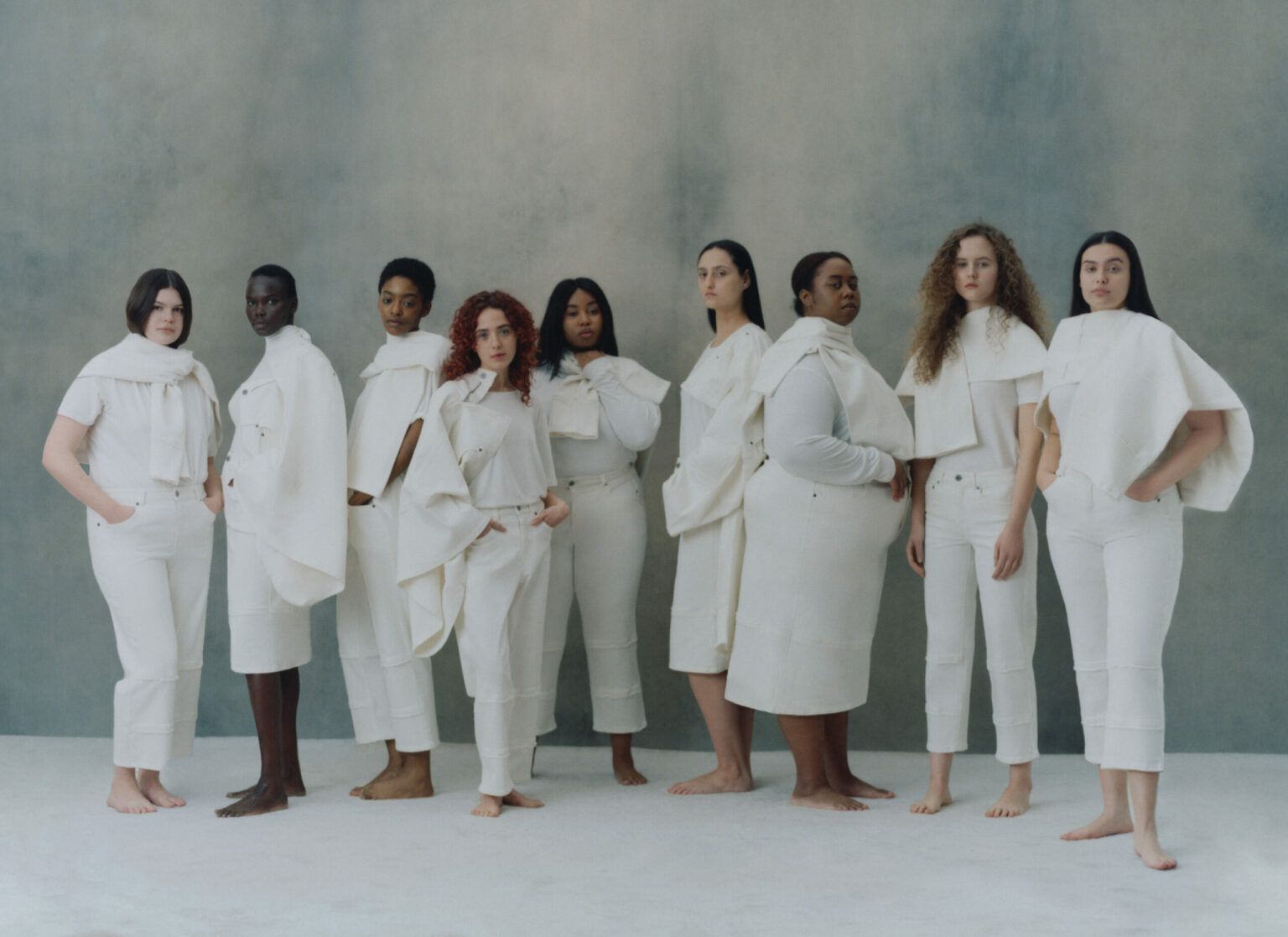
That approach was foundational to how Universal Standard was built. Before her passing, cofounder Alexandra Waldman was clear about why technology mattered from the very beginning:
“We built Universal Standard using a direct to consumer model because traditional retail was never designed to serve women across sizes. Technology allowed us to reach our customer directly and grow on our own terms.”
That founding vision continues today under cofounder Polina Veksler, with Universal Standard still operating as a brand that prioritizes size access, customer data, and direct relationships over legacy fashion approval.
This is not about chasing tech trends.
It is about control.
When plus size women entrepreneurs own their platforms, they own the narrative, the data, and the relationship with their customers. No permission required.
5. Turning Market Size Into an Investment Argument
This is where plus size women entrepreneurs really flip the script.
The global plus size clothing market was valued between $200 and $250 billion in 2023, with projections exceeding $400 billion by 2030, according to industry forecasts. And yes, approximately two thirds of American women wear a size 14 or above.
But the smartest founders go further.
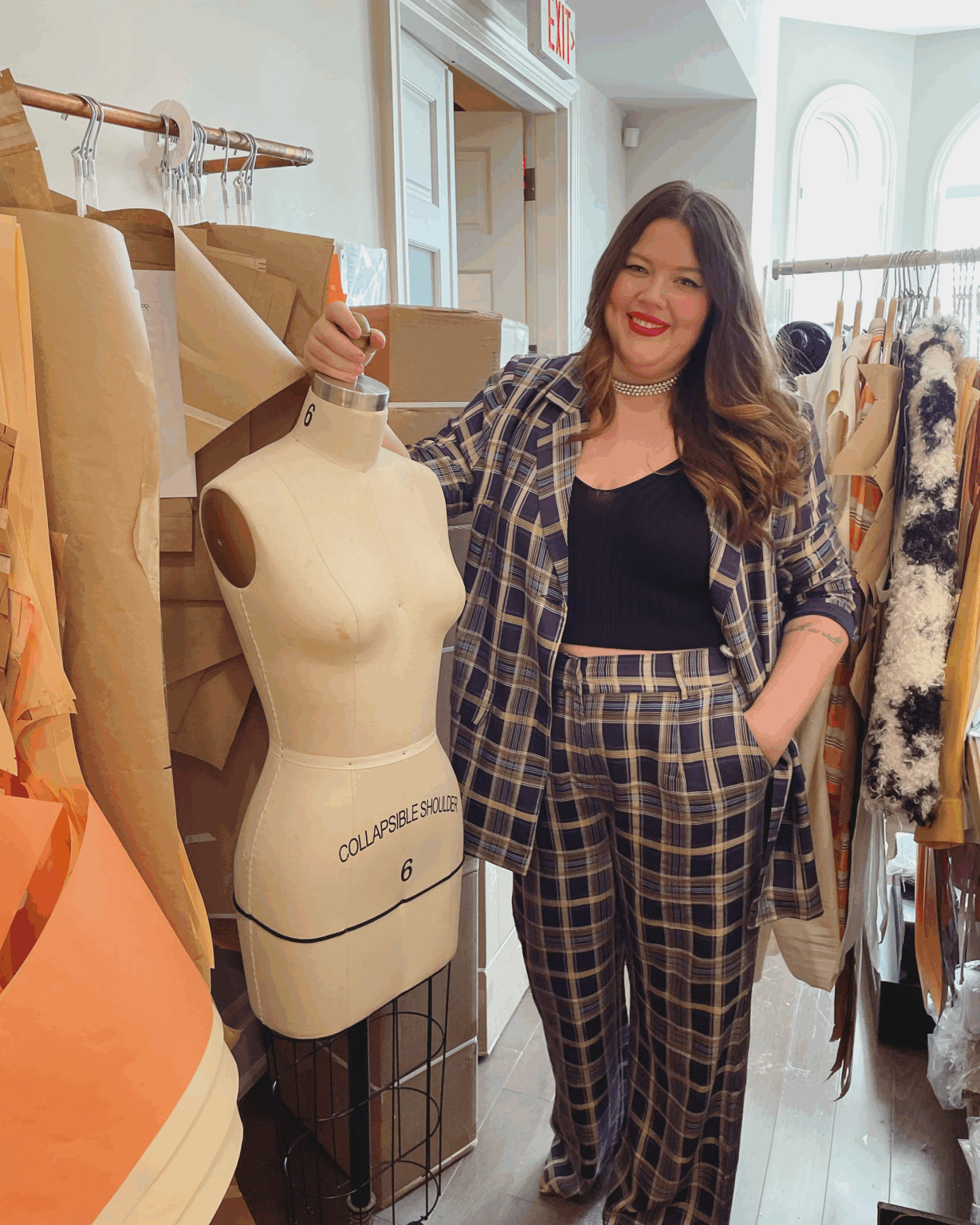
They talk about retention. Repeat customers. Community driven demand.
The cultural frustration around being ignored has been summed up bluntly by voices inside fashion itself. As Leslie Jones said when discussing size access in fashion,
“This is not a niche. This is the majority. And fashion has been acting like we do not exist for way too long.”
Plus size women entrepreneurs are not pitching hypotheticals. They are presenting proof.
The Real Lesson Here
Plus size women entrepreneurs are not niche founders. They are market makers.
They turn lived experience into insight, community into currency, and exclusion into innovation. And while industries are still debating whether inclusion is profitable, these women are already counting the receipts.
The question is not whether plus size women entrepreneurs belong at the table.
The question is how much money keeps getting left there when they are ignored.
MORE TCF GAMES