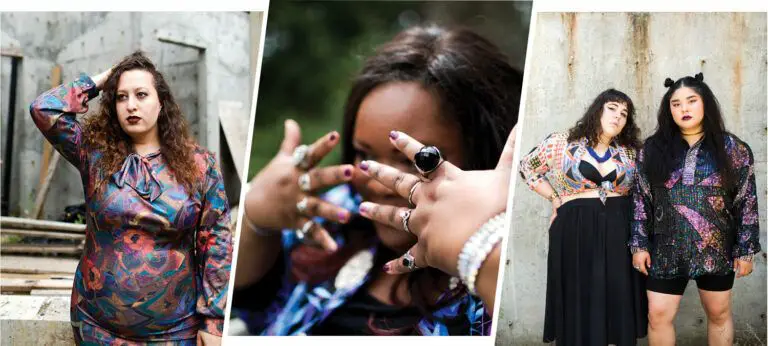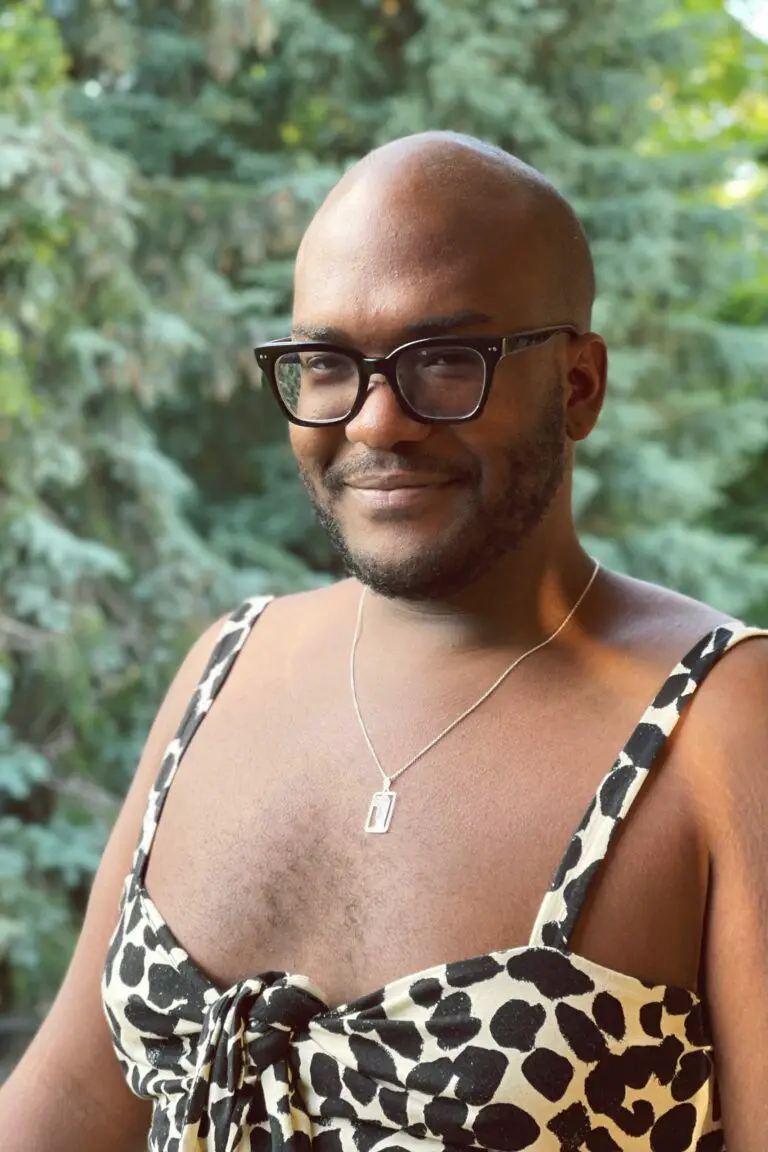
I still think about 11 Honoré.
Not just as a retailer, but as a moment. A feeling. A promise that plus size fashion could finally sit at the luxury table… without apology, without compromise, without shrinking ourselves to fit into an industry that never built space for us.
When 11 Honoré launched, it felt like a fashion exhale. Here was a platform that curated luxury designers, treated plus size shoppers like discerning fashion clients, and wrapped it all in editorial-level storytelling. It wasn’t fast fashion. It wasn’t an afterthought. It was fashion.
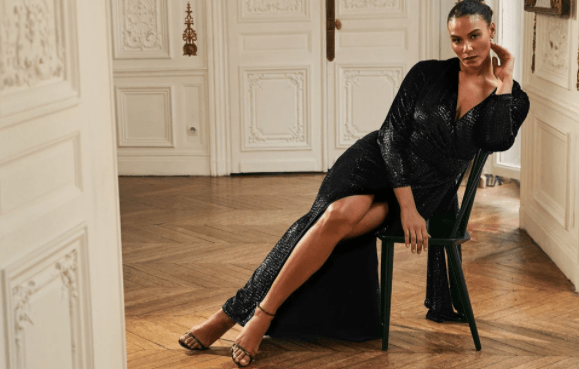
And in many ways, it was before its time.
But like many pioneers, it was both visionary and imperfect. And the story of 11 Honoré is as much about what the fashion industry wasn’t ready to do as it is about what the brand got right—and wrong.
The Plus Size Luxury Fashion Market: Small Segment, Massive Signal
The plus size luxury space has always been a paradox.
On one hand, plus size fashion is a massive and rapidly growing market. On the other hand, luxury fashion has historically treated plus size as a fringe category, if it acknowledged it at all.
Plus size luxury fashion sits at the intersection of aspiration and exclusion. It represents a smaller segment of the plus size market in terms of volume, but an outsized cultural signal in terms of legitimacy, visibility, and industry power. When luxury brands make space for plus size bodies, it sends a message that these bodies belong in fashion’s most prestigious rooms, campaigns, and runways.
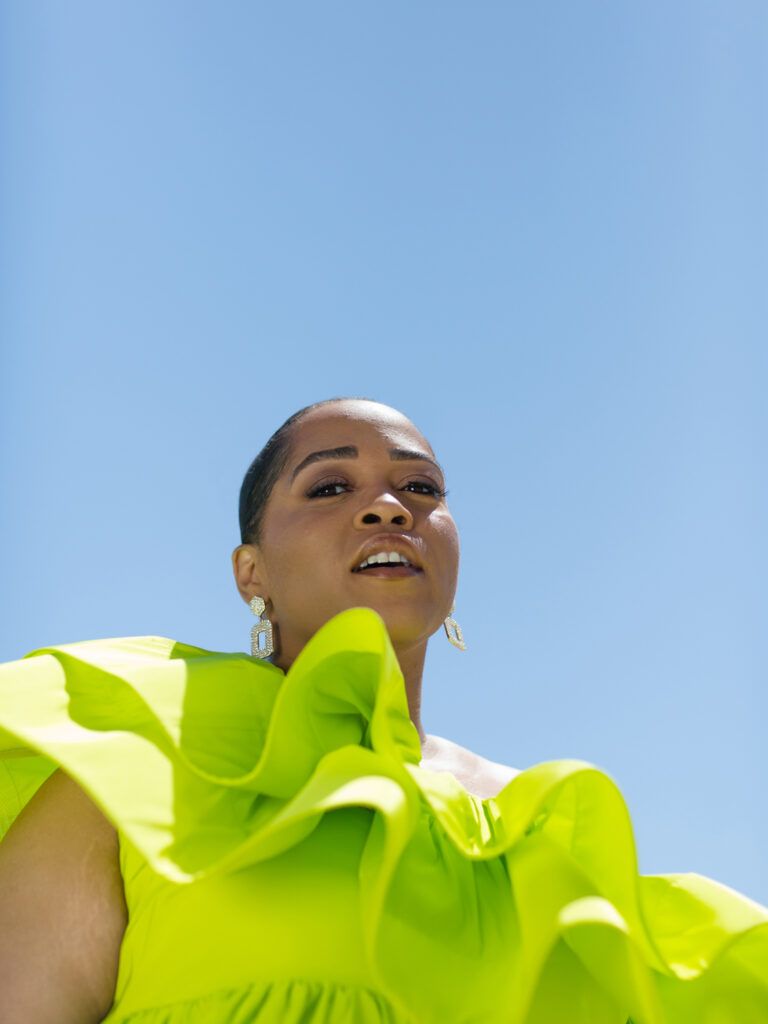
And the numbers prove this is not a niche fantasy, it’s a serious business opportunity.
The global plus size clothing market was valued at over $311 billion in 2023 and is expected to surpass $412 billion by 2030. Within that, the premium and luxury plus size segment is projected to grow at a 6.34% compound annual growth rate, jumping from $58.8 billion in 2023 to over $90.4 billion by 2030.
That’s over $30 billion in new opportunity on the table.
Let’s say that again louder for the buyers in the back: Thirty. Billion. Dollars.
Plus size luxury fashion isn’t a niche, it’s an undercapitalized growth category. The brands that invest now will own the next decade of fashion.
Yet structurally, designer plus size clothing has faced unique challenges:
Luxury brands are slower to expand size ranges due to production costs, pattern grading complexity, and entrenched fashion norms.
Retailers are hesitant to carry extended sizes at luxury price points due to perceived demand risk and high return rates.
Plus size consumers, conditioned by decades of exclusion, have historically had fewer opportunities to develop luxury shopping behaviors, brand loyalty, and generational luxury purchasing patterns.
And still, the demand has always been there, quietly underserved, loudly vocal online, and deeply loyal when brands get it right.
This is where 11 Honoré entered the chat.
11 Honoré positioned itself as a luxury gateway for plus size consumers—curating designer collections, creating editorial fashion narratives, and framing plus size shoppers as luxury clients, not afterthoughts. It wasn’t just selling clothes; it was attempting to normalize plus size presence in luxury fashion.
In many ways, 11 Honoré wasn’t just a retailer. It was a proof of concept for plus size luxury fashion as a legitimate fashion category.
And that’s why its story still matters.
Where 11 Honoré Got Plus Size Luxury Fashion Right
Luxury access, finally.
For the first time, plus size shoppers could shop designers like Jason Wu, Prabal Gurung, and Mara Hoffman in extended sizes; without begging brands or scrolling through a single token piece buried on a website. 11 Honoré curated. It edited. It elevated.
It validated plus size as luxury consumers.
The platform sent a clear message: plus size people are not just bargain shoppers. We are fashion lovers, collectors, and connoisseurs. We care about tailoring, fabric, heritage, and design. That mattered.
The storytelling was impeccable.
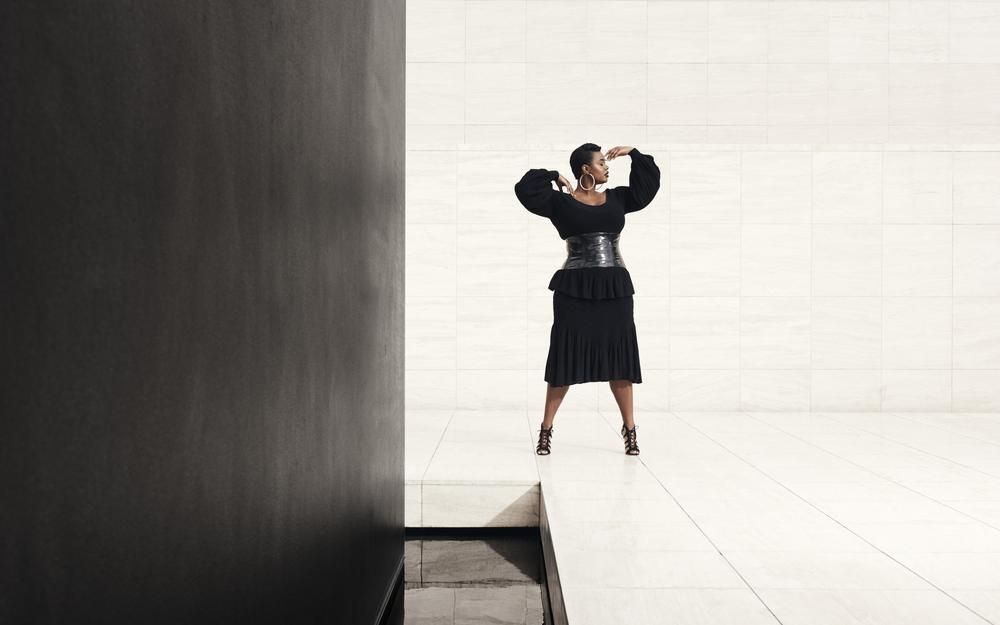
The visuals, the editorial tone, the fashion credibility… it felt like Vogue for plus size luxury commerce. It was aspirational, not apologetic. And for a community that has been historically excluded from fashion fantasy, that representation was powerful.
Where It Went Wrong
(And Why It Wasn’t Entirely Their Fault)
Let’s be honest: luxury plus size retail is a brutal business model.
Luxury margins + niche audience + inventory risk = a tough equation.
Extended sizing costs more to produce. Returns are higher. Designers are slow to expand size runs. Wholesale requires massive upfront capital. And luxury shoppers expect white-glove service. The math is unforgiving.
The industry wasn’t fully on board.
Many luxury brands still see size inclusivity as optional, not essential. Limited size ranges, limited inventory depth, and hesitancy from fashion houses created constraints that no retailer alone could solve.
There’s also a cultural education gap.
Decades of exclusion trained plus size shoppers to hunt for deals, not couture. Building trust in designer plus size clothing requires storytelling, fit education, and a cultural shift that is still in progress.
11 Honoré wasn’t just selling clothes. It was trying to change an ecosystem.
Leadership Didn’t Fully Understand the Plus Size Luxury Market
There’s another layer to this conversation that doesn’t get discussed enough: leadership understanding and community engagement.
Luxury? Yes. Plus size luxury? Not quite.
Building a luxury platform for plus size consumers requires a fundamentally different lens than building a traditional luxury retail business. It’s not just about expanding sizes, it’s about understanding decades of exclusion, fit trauma, trust gaps, and a community that has been historically underserved and undervalued by fashion.
Plus size luxury consumers don’t behave like straight-size luxury shoppers because the industry never treated them the same way. They need deeper fit education, stronger trust-building, broader size depth, and cultural validation… not just luxury price tags.
And here’s the uncomfortable truth: 11 Honoré often mirrored the very exclusionary luxury tropes that the plus size community has been pushing against for decades.
There was a sense of elitism that didn’t always translate well in a community built on advocacy, visibility, and collective progress. The brand did not consistently show up to support and engage the plus size fashion community, nor did it meaningfully invest in or spotlight the luxe plus size designers already doing the work in this space.
There are stories. We could go into details, but we won’t.
What matters is the pattern: plus size luxury cannot thrive if it replicates the gatekeeping, hierarchy, and exclusion that made plus size consumers feel shut out in the first place.
Without deep plus size leadership, lived experience, and community-rooted strategy at the decision-making level, even the most beautifully designed luxury concept can miss critical nuances. Plus size luxury is not just a market segment; it is a culture, a movement, and a community.
11 Honoré had vision. But the fashion industry still underestimates how specialized—and how relational—plus size luxury truly is.
Why There’s Still Space for a Plus Size Luxury Brand Like 11 Honoré
Here’s the thing: the plus size luxury fashion market has evolved.
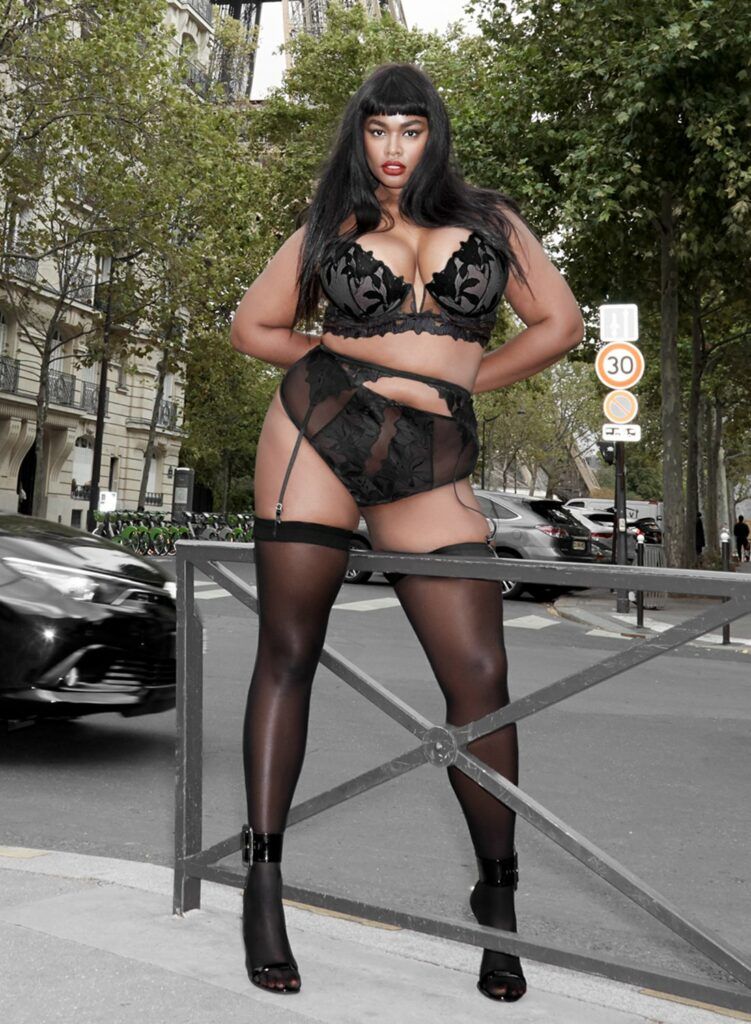
Plus size consumers are louder, wealthier, more style-driven, and more visible than ever. Creator commerce is booming. Luxury resale is mainstream. Community-driven fashion is powerful. Technology has opened doors to smarter inventory models.
The next 11 Honoré doesn’t have to look like the first.
It could be:
• Pre-order luxury drops
• Designer partnerships with shared risk
• Concierge styling and community memberships
• Creator-curated luxury edits
• Made-to-order luxury capsules
• Data-backed size expansion partnerships
The appetite is there. The audience is there. The cultural moment is here.
The Future of Plus Size Luxury Fashion
11 Honoré proved that plus size luxury fashion is not a fantasy. It is a viable, desirable, and culturally important category.
It also proved that the fashion industry still has structural barriers to dismantle, especially around leadership, inclusion, and community engagement.
We don’t need another retailer that treats plus size as a category filter. We need platforms that treat plus size as fashion culture; rich with taste, storytelling, and power.
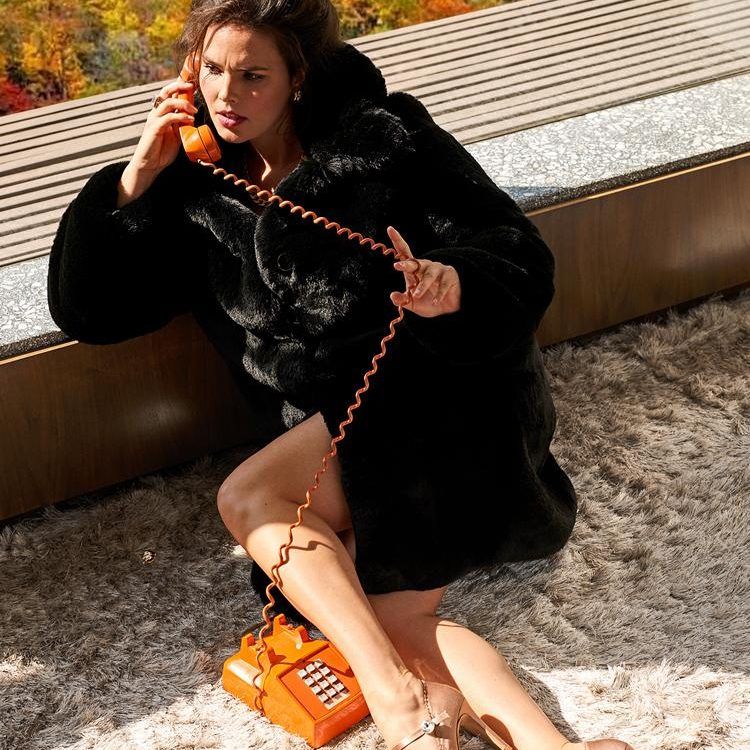
So yes, I miss 11 Honoré. But more than that, I’m excited for who steps into the space next.
Because plus size luxury isn’t a trend. It’s a market waiting to be fully seen.
What the Next Plus Size Luxury Brand Must Do (A Blueprint for Brands and Investors)
If 11 Honoré was the proof of concept, the next plus size luxury platform must be the proof of scale. And that requires a fundamentally different approach than traditional luxury retail.
Here’s what the next generation of plus size luxury fashion must get right:
1. Build With Plus Size Leadership at the Table
Plus size luxury cannot be built about plus size consumers. It must be built with them, at the executive, product, merchandising, and strategy levels.
This means hiring plus size leaders in C-suite roles, product development, fit, marketing, and community strategy. Lived experience is not a diversity checkbox here, it is a business advantage.
Luxury brands that treat plus size as a side project will continue to miss the nuance, the trust-building, and the opportunity.
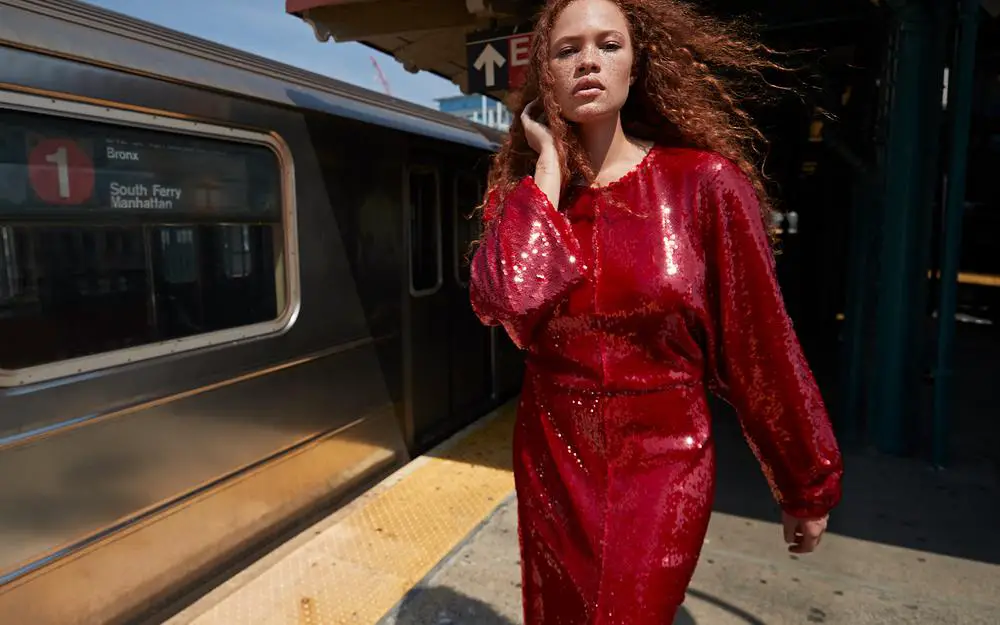
2. Invest in Plus Size Designers, Not Just Straight-Size Extensions
The future of designer plus size clothing is not just scaling straight-size collections up.
It’s investing in designers who are already designing for plus size bodies, understanding drape, proportion, movement, and fit from the start.
Luxury platforms must:
• Buy from plus size luxury designers, like Baacal, Marina Rinaldi or Sante Grace or Christian Omeshun!
• Fund plus size designer capsules
• Partner on co-created collections
• Treat these designers as tastemakers, not “diversity add-ons”
Representation in design is as important as representation in marketing.
3. Rethink the Business Model (Wholesale Is Not the Only Path)
Traditional luxury wholesale models are capital-intensive and risky—especially for extended sizes.
The next plus size luxury platform should consider:
• Pre-order and made-to-order models
• Drop-based capsules
• Shared-risk brand partnerships
• Data-driven size depth strategies
• Concierge styling and private clienteling
Luxury plus size requires smarter inventory, not bigger warehouses.
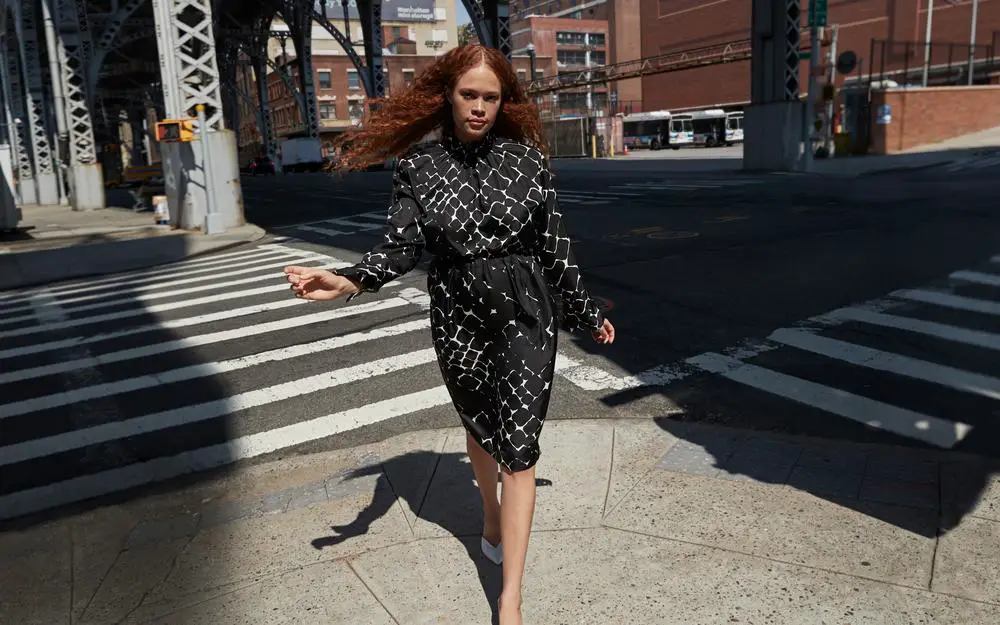
4. Build Community, Not Just a Customer List
Luxury fashion thrives on aspiration. Plus size fashion thrives on community.
The next 11 Honoré must blend both.
This means:
• Creator-led luxury storytelling
• Community styling programs
• Private luxury shopping experiences
• Membership or concierge tiers
• Real-world events and cultural moments
Plus size luxury shoppers want to feel seen, valued, and connected, not just sold to.
5. Treat Plus Size Luxury as a Category, Not a Capsule
One-off inclusive drops are not a strategy. A single campaign is not a commitment.
Plus size luxury fashion must be:
• Permanent in assortments
• Consistent in marketing
• Deep in size range and inventory
• Integrated into brand DNA
The brands that win will be the ones that treat plus size luxury as a core growth category, not a PR moment.
6. Tell Better Stories About Plus Size Luxury
Plus size luxury needs narrative power.
Storytelling should center:
• Craftsmanship and heritage
• Fit innovation and pattern engineering
• Style icons and cultural tastemakers
• Emotional connection to fashion fantasy
Luxury is about emotion and identity. Plus size consumers deserve that fantasy fully realized.
The next plus size luxury disruptor won’t just sell clothing. It will build culture, community, and credibility, while capturing a $30B+ growth opportunity the fashion industry is still underestimating.