
Shopping for clothes used to be a simple weekend chore, but lately it feels like a bad comedy routine. Brands throw around buzzwords like candy, hoping we buy into their perfectly polished marketing campaigns. We hear promises about clothing for every body type, yet the reality in the fitting room tells a very different story.
People just want cute outfits that fit well without having to jump through burning hoops. Instead, shoppers get served a heavy dose of corporate gaslighting every time a new collection drops. Let us look into exactly why consumers are finally calling out this massive industry bluff.
The Smoke And Mirrors Of Sizing

Companies love to announce a huge expansion of their sizing charts with massive press releases. Shoppers get excited and rush to the website, only to find the new options are perpetually out of stock. Over 68 percent of adult women in the United States wear a size 14 or above, making this phantom inventory incredibly frustrating.
It feels like brands make three garments in a larger size just to legally use the inclusive label. You cannot build trust with buyers when your biggest sizes vanish ten minutes after the collection launches. This scarcity mindset forces people to fight over basics instead of actually enjoying the shopping experience.
The Dreaded Online-Only Exile
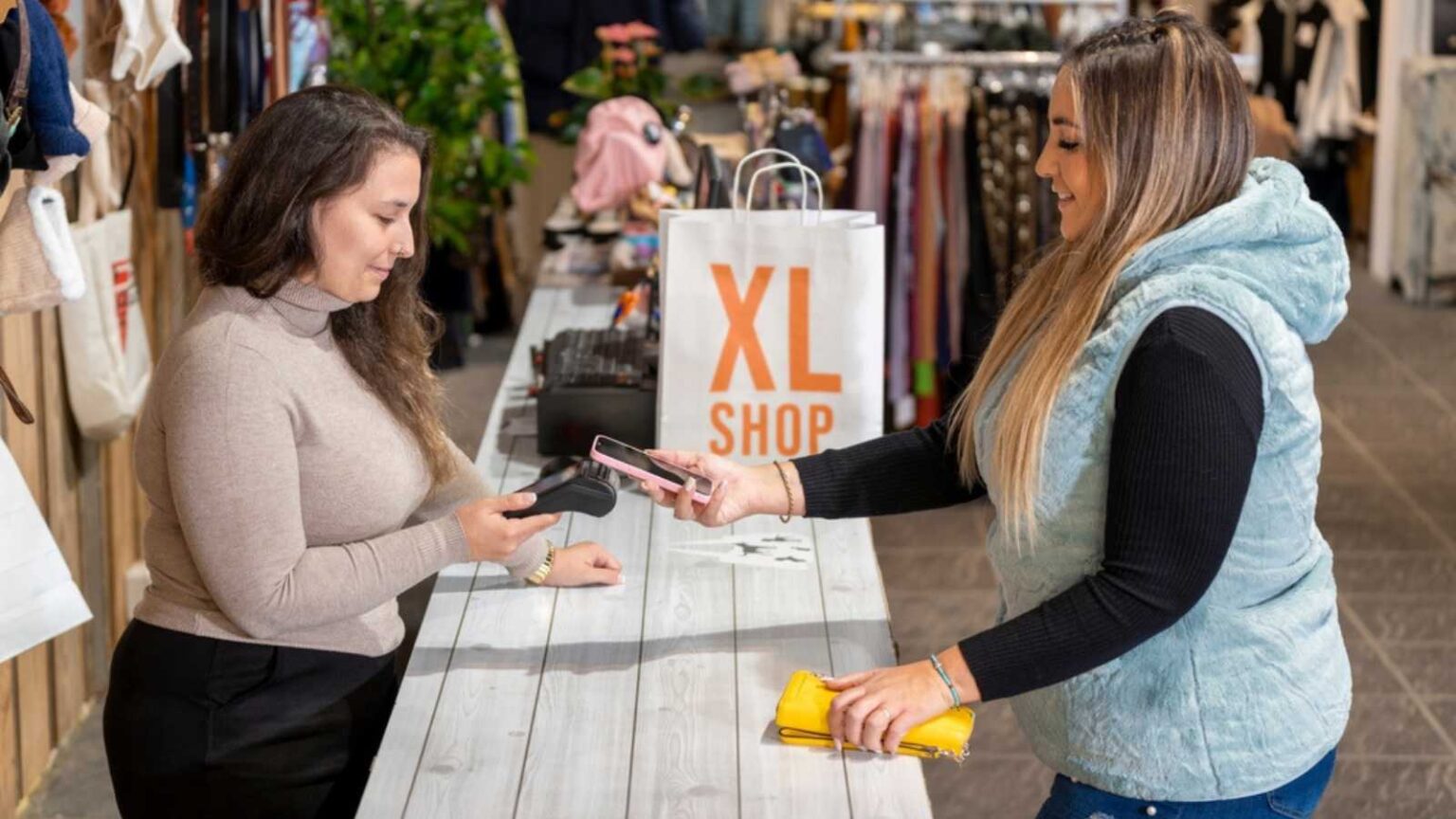
Walking into a physical retail shop should be a fun activity you can share with your friends. Unfortunately, anyone needing a larger size is often pointed directly to the cash register to place a web order. Being told to check the website while your friends browse physical racks feels incredibly alienating.
Brands claim this strategy saves floor space, but it really just hides certain bodies from public view. You lose the joy of impulse buying and the simple luxury of trying something on before swiping your credit card. Returning online purchases becomes a second part-time job because the fit is always a wild guess.
Vanishing Acts In Physical Retail
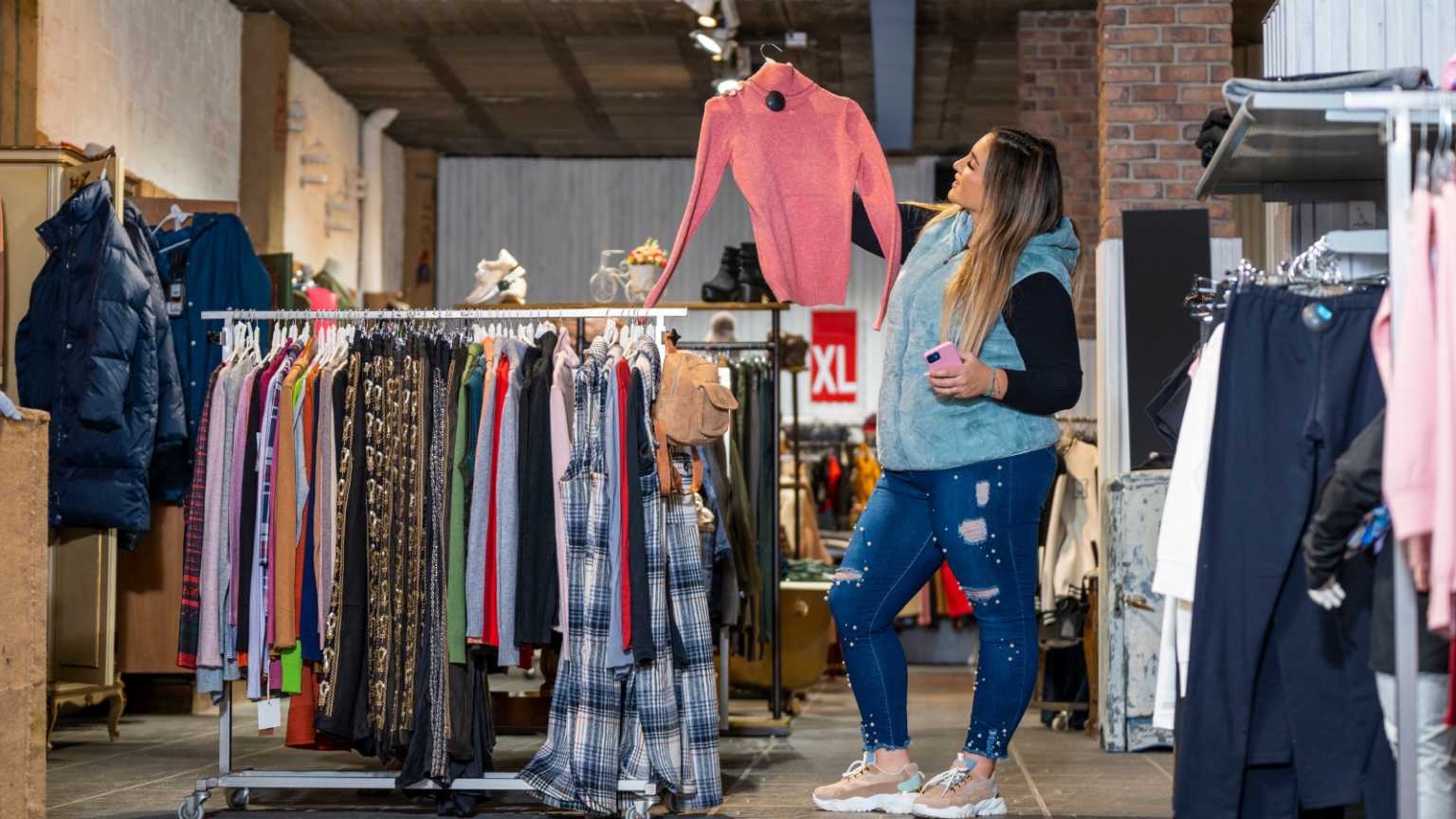
Even when stores do carry a decent range, the actual footprint dedicated to larger sizes keeps shrinking. You might find a single rack shoved into a dark corner next to the seasonal clearance bins. According to Market Growth Reports, only 38 percent of department stores carry a full size range in their physical locations.
Shoppers are tired of treating a trip to the mall like a high-stakes scavenger hunt. Store managers often blame corporate inventory algorithms, leaving the sales associates to deal with deeply disappointed customers. It sends a loud and clear message that certain consumers are simply not welcome on the main sales floor.
The Runway Representation Mirage
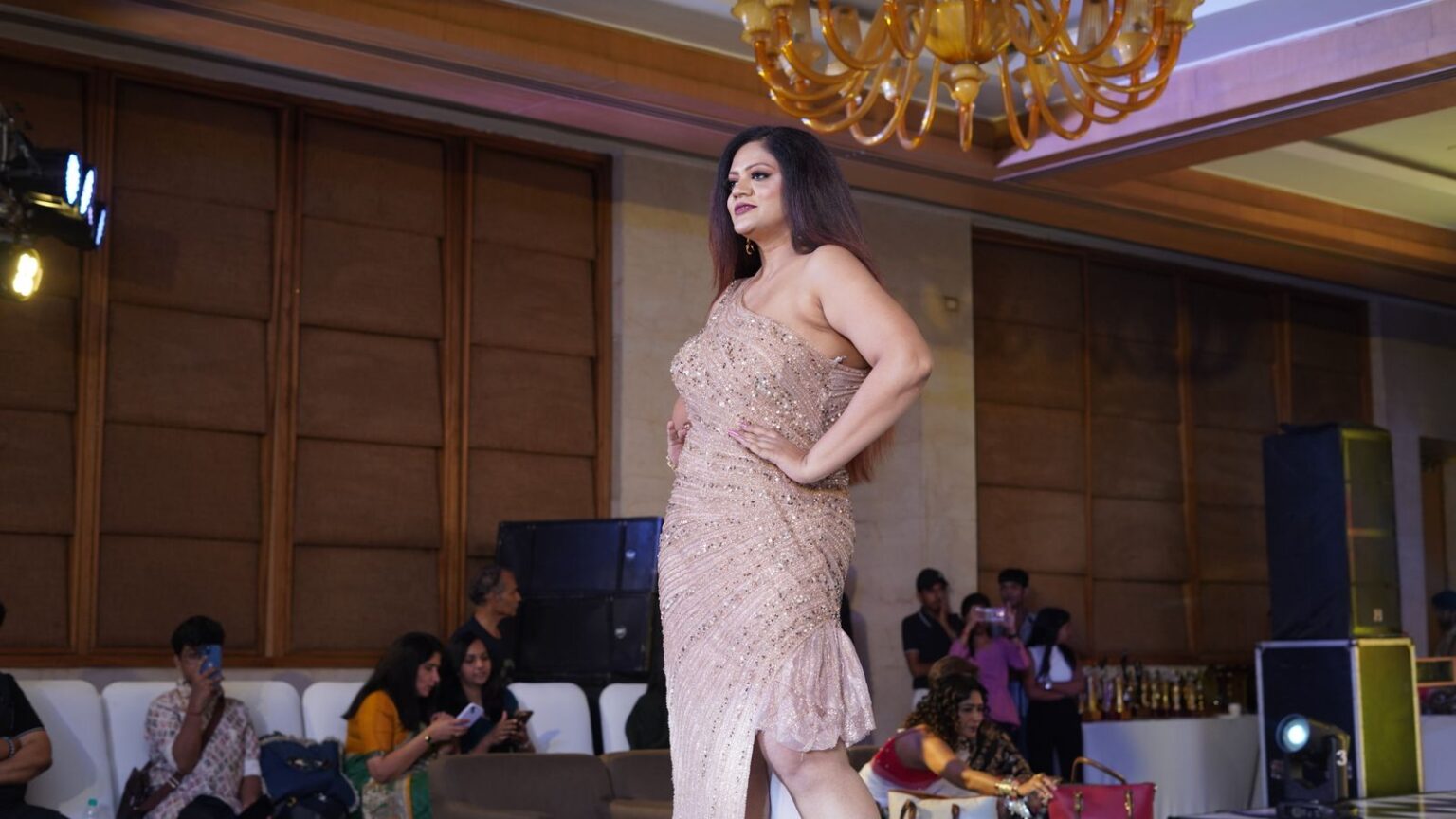
Fashion week spectacles often feature one or two curvier models to generate viral social media moments. The crowd claps, the magazines write glowing reviews, and the brand takes a deep bow for breaking barriers. The Vogue Business Spring/Summer 2025 Size Inclusivity Report revealed that a staggering 94.9 percent of runway looks were straight size.
Plus-size representation actually made up a dismal 0.8 percent of those heavily praised fashion shows. This glaring discrepancy proves that most high fashion diversity is just an expensive optical illusion. Consumers see right through this performative casting and demand actual clothes they can purchase.
Sacrificing Quality For Quantity
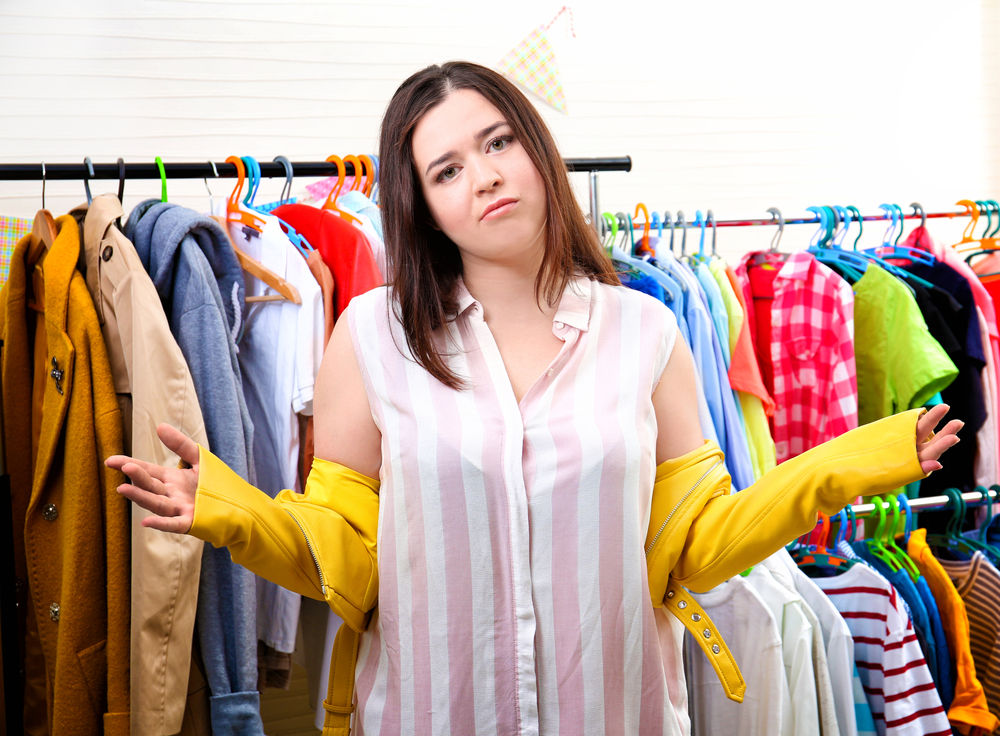
When brands finally expand their sizing, the fabric quality often takes a massive nosedive. A beautiful silk blouse in a smaller size suddenly becomes a cheap polyester blend in a larger size. Companies clearly cut corners on materials to offset the cost of using slightly more fabric.
Nobody wants to pay premium prices for clothes that pill or unravel after a single wash. This double standard in manufacturing makes the inclusive marketing angle feel like a huge deception. Real inclusivity means offering the same garment construction regardless of the tag on the collar.
Playing Games With Proportions

Making a garment larger requires an entirely new pattern, but many brands just scale up their original blueprint. This lazy approach results in armholes that dip to the waist and necklines that expose your entire chest. You end up looking like a kid wearing an oversized potato sack instead of a stylish adult.
Fit models with diverse body shapes costs money, so fast fashion companies skip this crucial step entirely. The resulting clothes technically hit the promised measurements but completely fail to flatter a human body. Slapping an inclusive label on poorly graded garments is a recipe for instant customer resentment.
The Unfair Penalty Of The Fat Tax
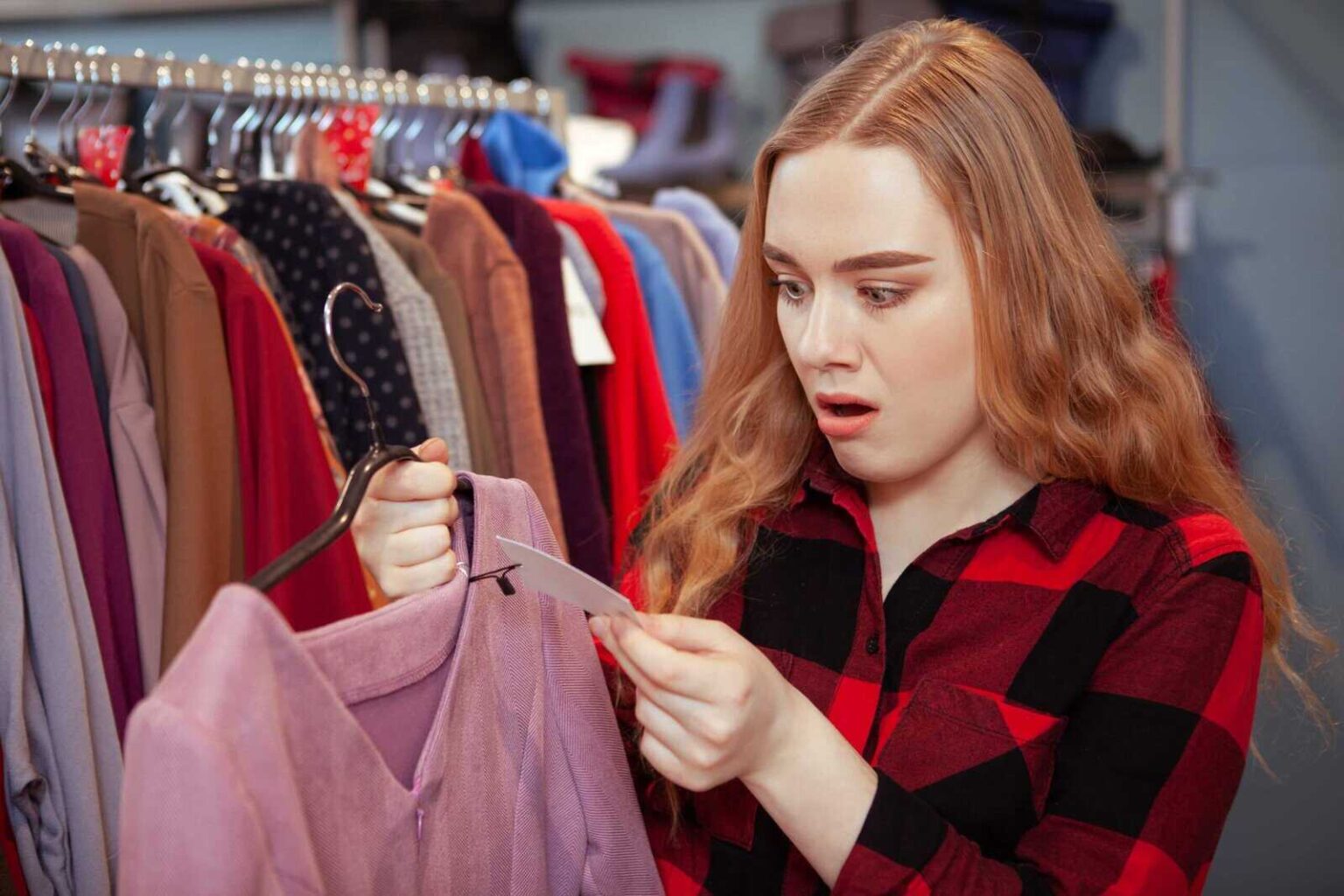
Shoppers are constantly hit with a hidden fee just for existing in a larger body. Charging an extra ten dollars for the same cotton shirt in a bigger size feels like blatant extortion. Brands try to justify this practice by citing fabric costs, but nobody buys that flimsy excuse anymore.
A small sweater does not cost less than a medium, so the logic falls completely flat. This pricing penalty makes the inclusive marketing spin feel incredibly hypocritical to everyday buyers. True equity means equal pricing across the board without any hidden surcharges or ridiculous markups.
Treating Customers Like A Passing Fad

We see companies launch inclusive lines with massive fanfare, only to quietly discontinue them a year later. They blame poor sales without acknowledging their zero effort in advertising or stocking those specific items. Google search volume for plus-size fashion rose by 34 percent in 2023, proving the demand is definitely there.
Brands pull the plug prematurely and then act like the consumer base magically disappeared overnight. It is hard to build brand loyalty when you constantly worry your favorite store will dump you next season. This revolving door approach leaves buyers feeling completely burnt out and deeply skeptical.
Performative Social Media Campaigns

Instagram feeds are flooded with diverse models wearing clothes you can never actually buy. Marketing teams prioritize aesthetics over inventory, creating a beautiful fantasy that does not exist in real life. These flashy posts rack up thousands of likes while actual customers leave angry comments about empty digital shelves.
Social media managers play defense in the comment section while the executives ignore the root problem. People are smart enough to spot a public relations stunt disguised as a genuine corporate initiative. The backlash is always swift when a viral campaign fails to translate into accessible clothing.
Ignoring The Customer Feedback Loop

Shoppers constantly leave detailed reviews about sizing issues, but those pleas fall on deaf ears. You will see hundreds of comments begging for longer hemlines or wider sleeves with absolutely zero response. Companies pour millions into market research while completely ignoring the free advice sitting right on their product pages.
It feels like talking to a brick wall that occasionally sends you promotional coupon codes. If brands actually listened to their buyers, they would fix these glaring design flaws in a heartbeat. Until they start paying attention to real people, that inclusive buzzword will remain completely hollow.
Disclaimer: This list is solely the author’s opinion based on research and publicly available information. It is not intended to be professional advice.
Like our content? Be sure to follow us
MORE TCF GAMES