For years, Shein became one of the biggest names in affordable fashion by offering thousands of trend-driven pieces at extremely low prices. But as shoppers become more cautious about spending, many are beginning to question whether the lowest price always delivers the best value. Instead of abandoning affordable fashion completely, consumers are exploring retailers that offer a better balance between cost, quality, and wardrobe longevity.
Consumer Edge data reported by Bloomberg found that shoppers who previously purchased from Shein and Temu redirected spending to retailers including Bloomingdale’s, Kohl’s, Old Navy, and Nordstrom Rack after prices increased and trade rules changed.
This shift does not mean shoppers have stopped caring about affordability. It shows that many consumers are redefining what “cheap” means, looking for clothing that feels worth the money and fits into a more intentional approach to personal style.
Old Navy Is Winning Shoppers Who Want Affordable Everyday Style
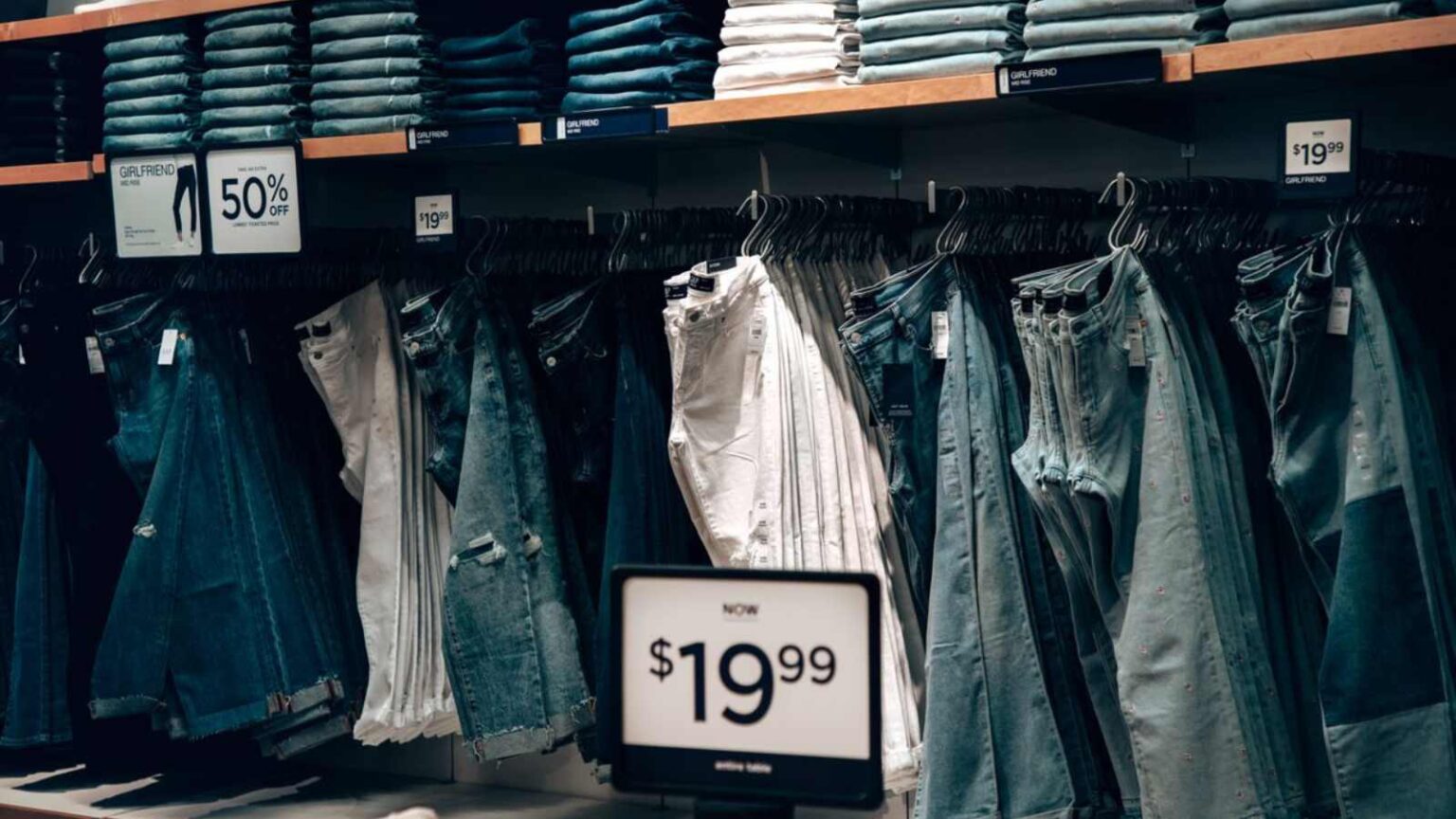
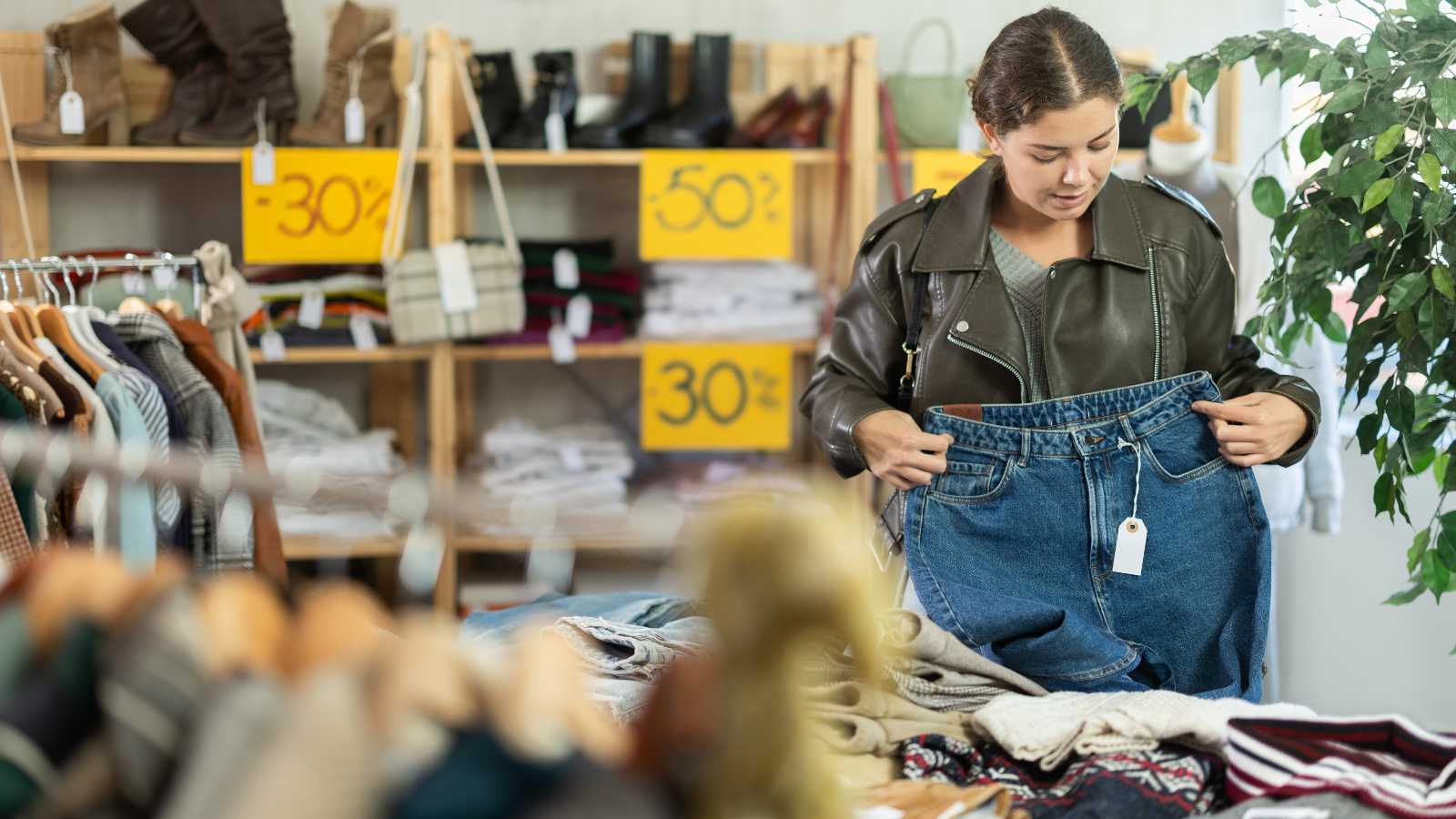
Old Navy has built its reputation around accessible fashion that works for everyday life. From denim and basics to seasonal trends and inclusive wardrobe staples, the retailer appeals to shoppers who want affordable pieces without constantly chasing fast-moving microtrends.
Unlike ultra-low-cost marketplaces that rely heavily on endless new arrivals, Old Navy focuses on recognizable categories that shoppers can return to season after season. Old Navy’s physical stores, familiar sizing options, and practical styles make it easier for consumers to shop with confidence.
For many shoppers, the appeal is not simply finding the cheapest item available. It is finding clothing that can become part of a real wardrobe. A reliable pair of jeans, a comfortable sweater, or a versatile jacket can offer more value than a trend piece that quickly loses its appeal.
Nordstrom Rack Gives Budget Shoppers Access to Better Brands
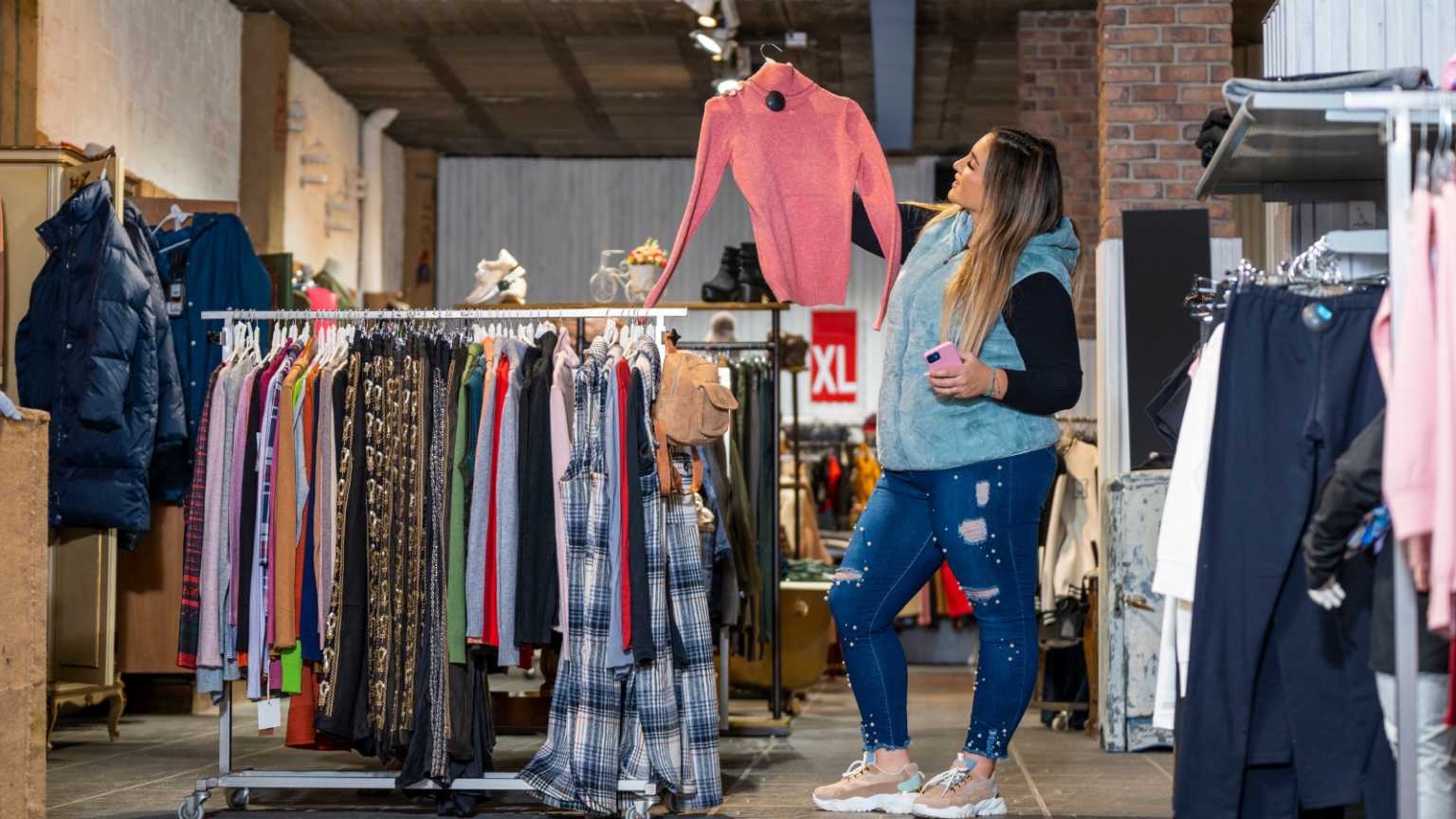
For consumers who still want the excitement of discovering stylish pieces at reduced prices, Nordstrom Rack offers a different type of bargain shopping experience. Instead of focusing only on extremely low-cost trend pieces, the retailer gives shoppers access to discounted designer and premium brands.
A 2025 eMarketer report found that nearly 30% of consumers said they would reduce or stop shopping at Shein, Temu, or AliExpress if prices increased, showing that affordability remains important but price sensitivity can change shopping decisions.
Nordstrom Rack appeals to shoppers who want their purchases to feel more intentional. Finding a discounted quality jacket, handbag, or pair of shoes can feel like a smarter investment than buying multiple inexpensive items that may not last.
Kohl’s Is Attracting Shoppers Looking for Practical Wardrobes
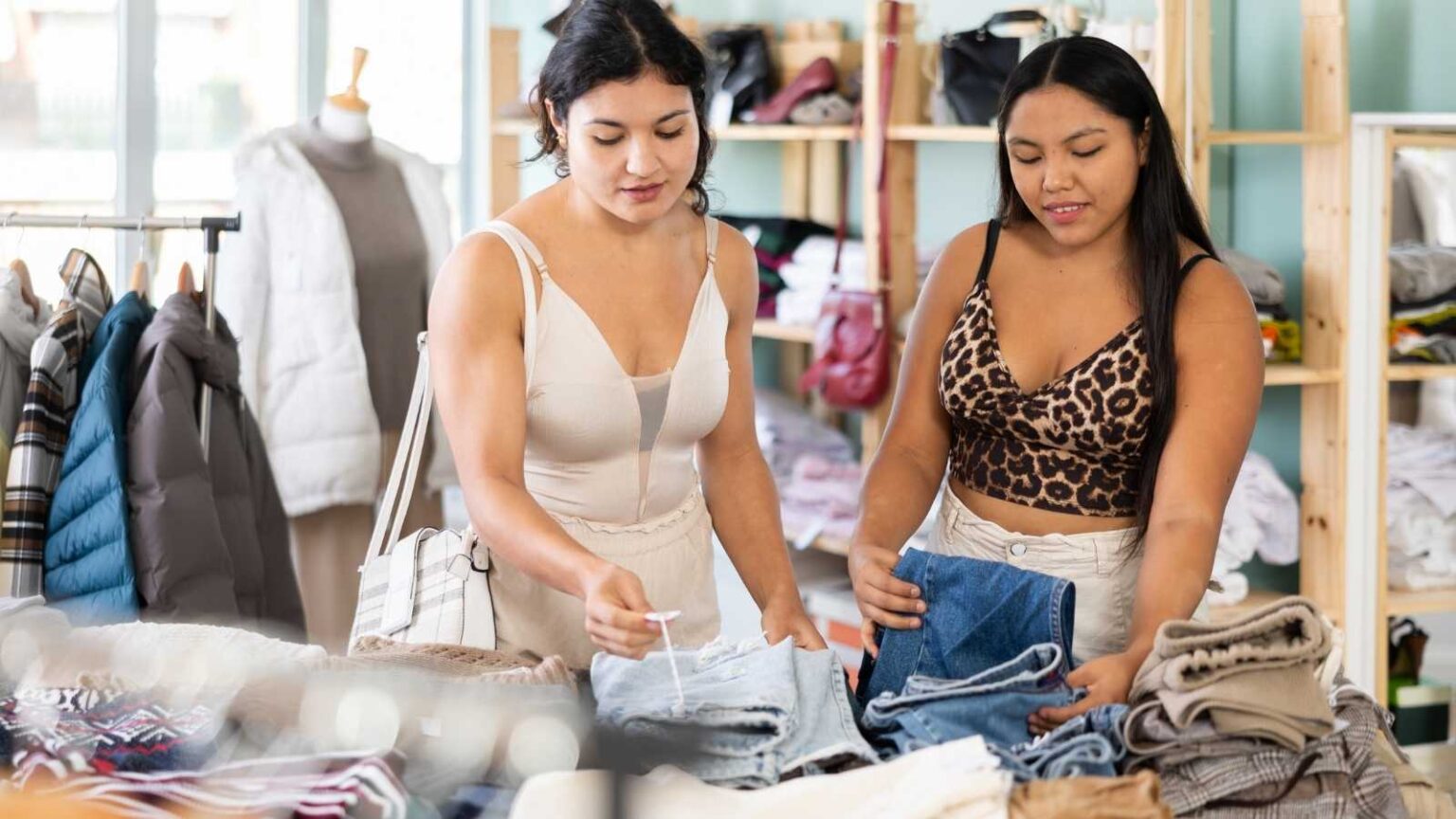
Kohl’s has traditionally appealed to consumers who want clothing that works for real life. From comfortable basics and workwear to family-friendly fashion, the retailer focuses on pieces designed for regular wear rather than only short-lived trends.
The changing fashion landscape suggests that many consumers are becoming more focused on value. A Harris Poll survey commissioned by SHEIN found that 91% of U.S. adults agreed clothes do not have to be expensive to offer long-lasting value, while 83% said they try to repurpose or recycle clothing when they are finished with it.
This mindset reflects a broader shift toward thoughtful shopping. Consumers are increasingly looking for pieces they can wear often, style differently, and keep longer, whether that means building a capsule wardrobe or investing in reliable everyday essentials.
Bloomingdale’s Appeals to Shoppers Seeking a More Elevated Experience
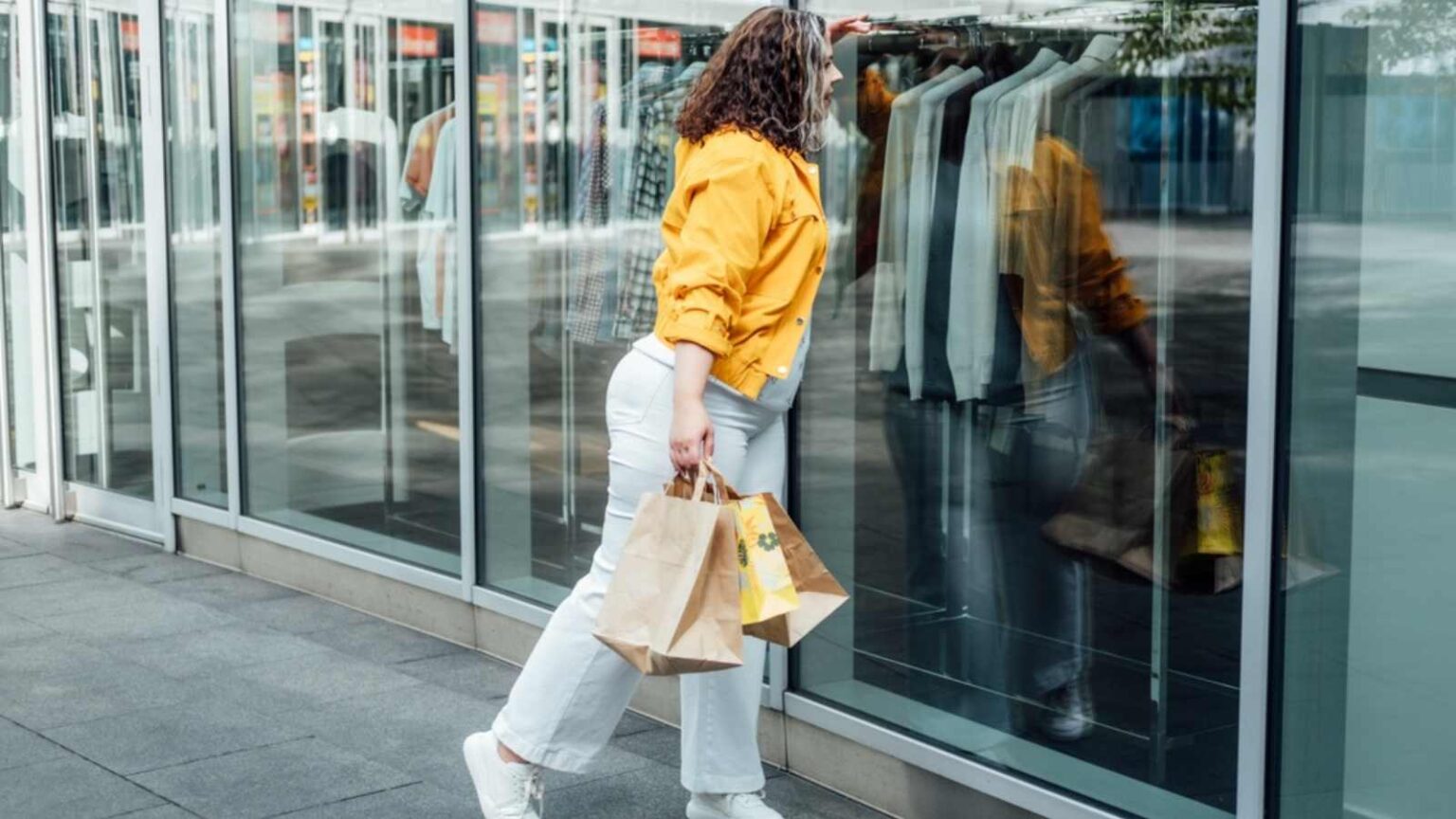
While some shoppers are moving away from ultra-cheap fashion, others are not simply looking for the lowest possible price. They are searching for clothing that feels more refined, better constructed, and worth investing in. Bloomingdale’s represents this shift toward a more elevated shopping experience.
The retailer offers a mix of designer labels, contemporary brands, and premium wardrobe pieces that appeal to consumers who want fashion with a stronger sense of quality and longevity. For some shoppers, paying more for fewer pieces feels more rewarding than constantly replacing inexpensive items.
This change reflects a broader evolution in shopping habits. Many consumers are moving toward wardrobes built around confidence, versatility, and personal style rather than simply collecting the newest trend.
Amazon Haul Is Competing for the Same Budget-Conscious Shoppers
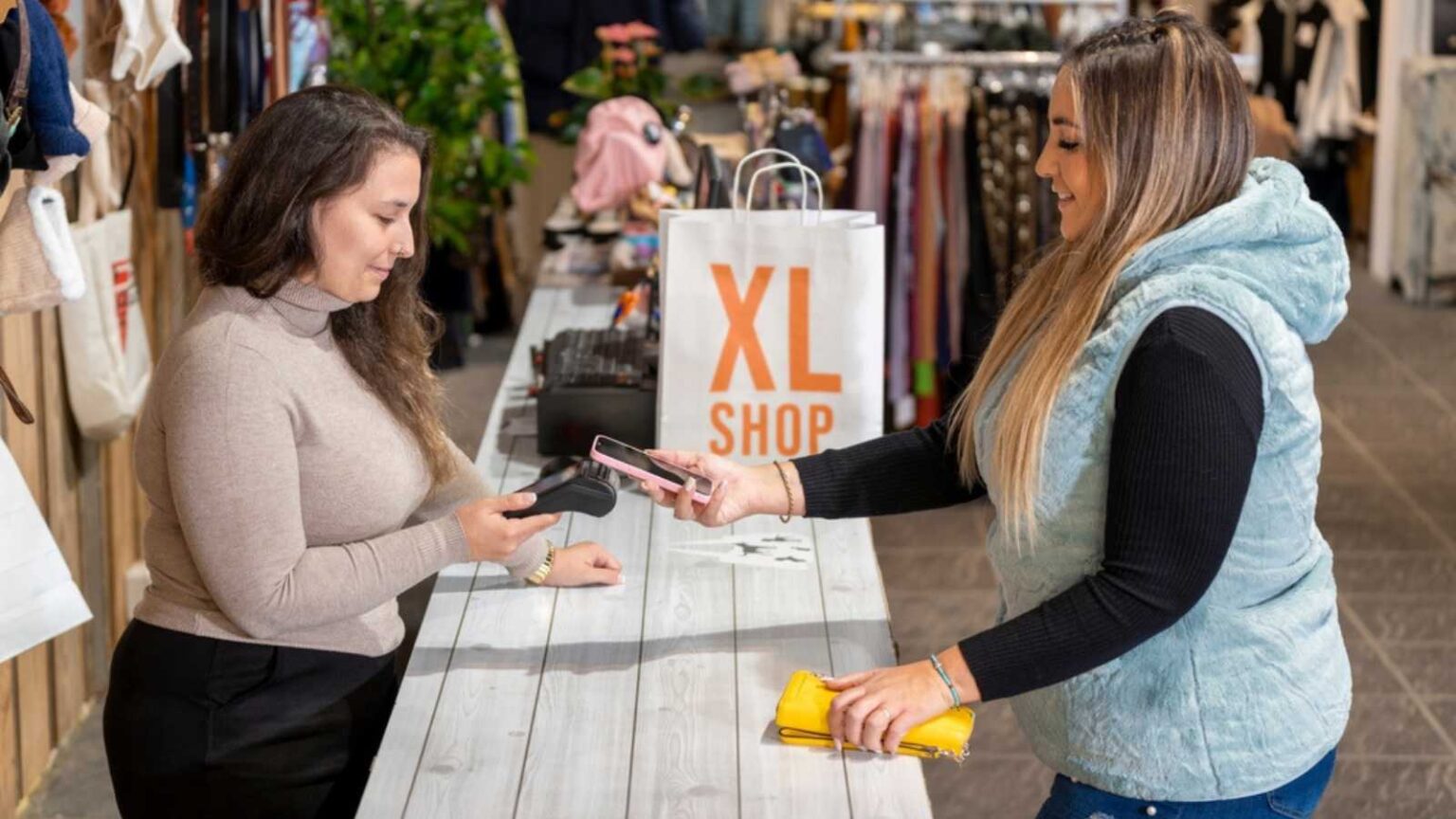
Amazon Haul entered the affordable fashion conversation by offering low-cost products designed to compete directly with platforms like Shein and Temu. For shoppers who enjoy discovering inexpensive trends online, it provides another option within a familiar shopping ecosystem.
An Omnisend survey reported by Retail Dive found that 16% of respondents used Amazon Haul at least monthly, compared with 23% for Shein and 28% for Temu, showing that while newer platforms are gaining attention, established names still hold stronger engagement among bargain shoppers.
Amazon Haul’s growth highlights that consumers are not abandoning affordable fashion completely. Instead, they compare convenience, trust, price, and shopping experience before deciding where to spend their money.
Gap Is Bringing Shoppers Back to Familiar Fashion Staples
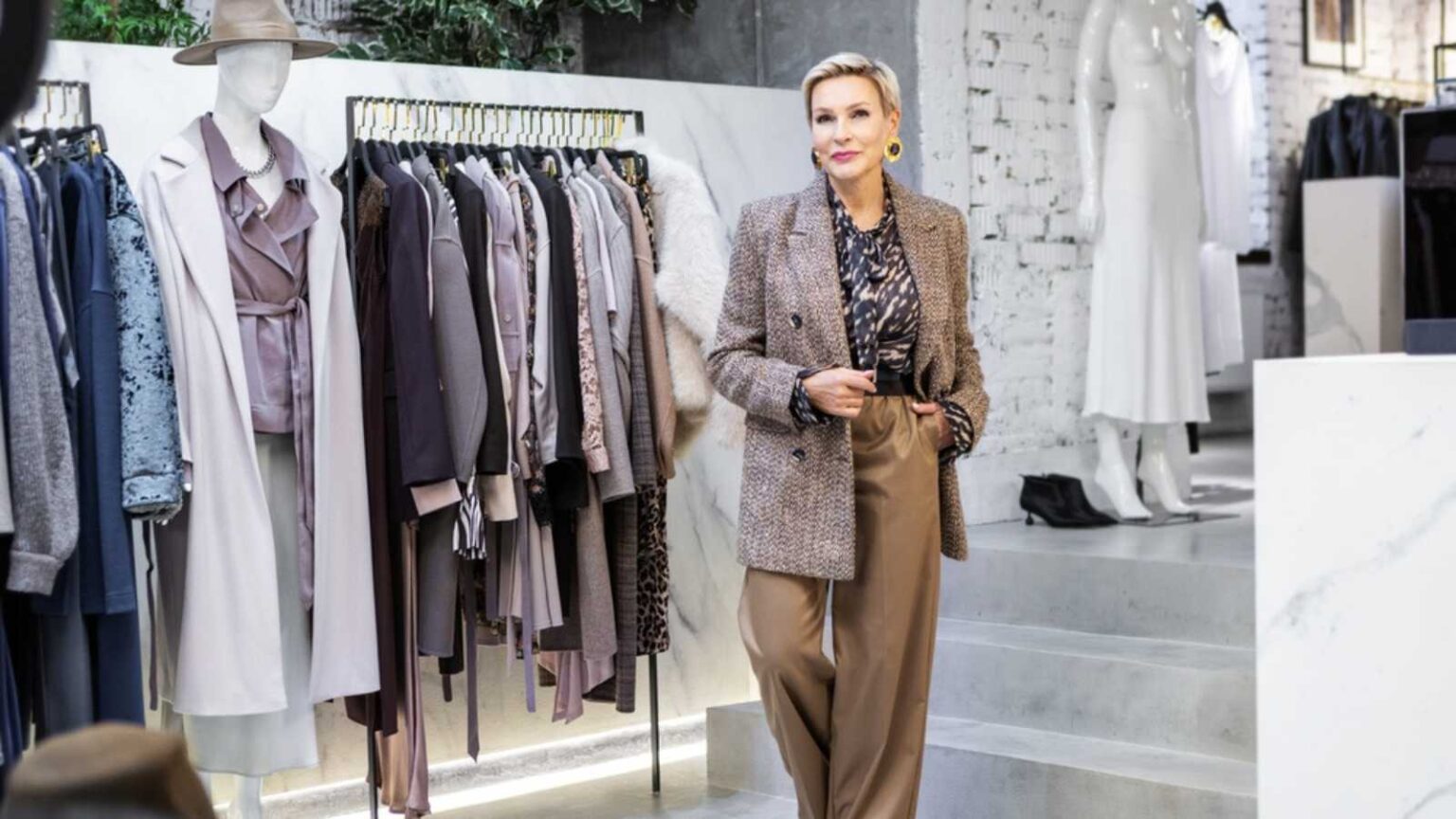
After years of trend-driven shopping, some consumers are returning to retailers that offer recognizable styles and wardrobe foundations. Gap has built its identity around timeless pieces such as denim, sweaters, jackets, and casual essentials that can remain relevant beyond a single season.
The shift away from some ultra-cheap fashion platforms reflects changing attitudes toward clothing purchases. Many shoppers are becoming more selective about what they add to their closets, choosing items they can wear repeatedly rather than accumulating pieces that quickly lose appeal.
Gap’s strength comes from helping consumers build a foundation for personal style. A well-fitting pair of jeans, a classic sweater, or a versatile jacket can support countless outfits and make getting dressed feel easier, more confident, and more intentional.
Key Takeaway

The shift away from Shein does not mean shoppers are giving up affordable fashion. Instead, many consumers are looking for better value, whether that means reliable basics, discounted premium pieces, or clothing that can be worn for years. The future of budget-friendly fashion may depend less on how cheap an item is and more on whether it feels worth buying.
Disclaimer: This list is solely the author’s opinion based on research and publicly available information. It is not intended to be professional advice.
Like our content? Be sure to follow us
MORE TCF GAMES