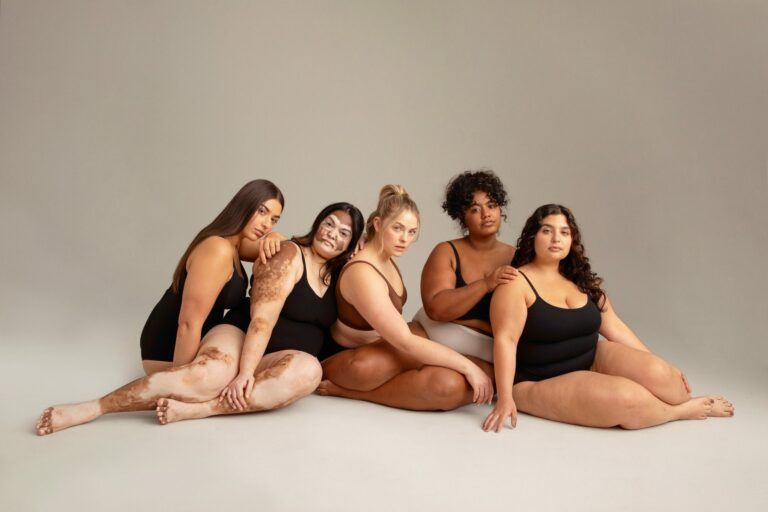
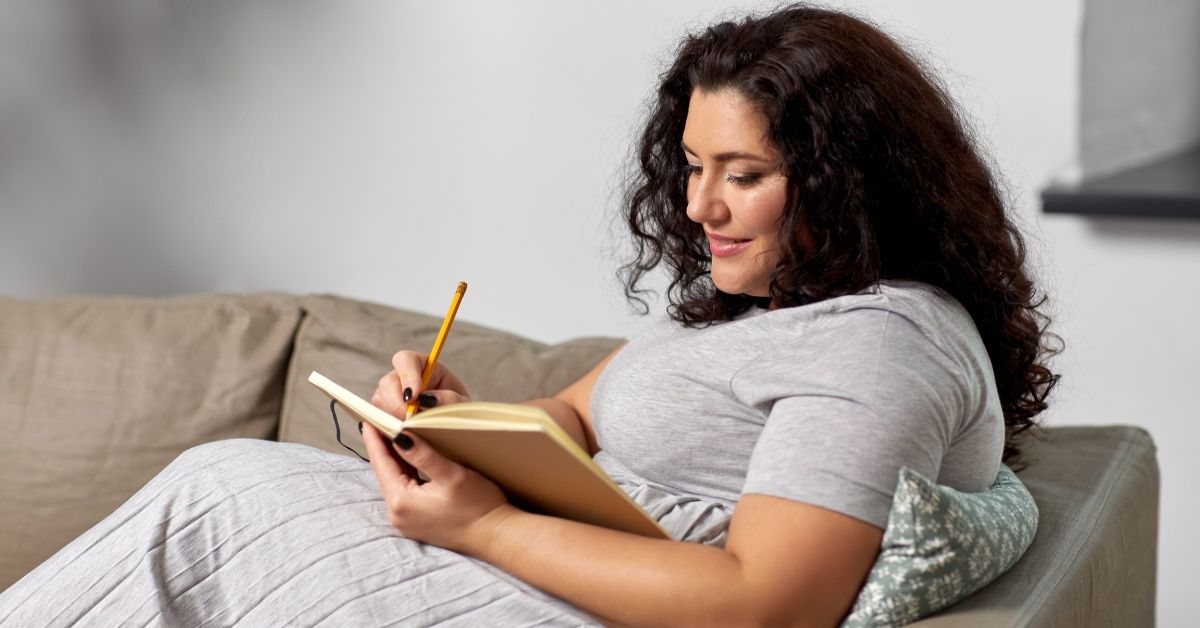
Guess what? You are allowed to not love your body every single day.
Some mornings you wake up feeling like that girl. Other mornings, getting dressed feels like an Olympic sport and your body is absolutely not on your team. The mirror feels shady. Your favorite outfit suddenly feels suspicious. Your confidence clocked out early and did not leave a note.
On days like this, self-care for body image days is not about glowing, thriving, or pretending everything is amazing. It is about emotional survival with a little bit of grace and maybe a snack.

At The Curvy Fashionista, we’re not here for fake affirmations, “just love yourself” lectures, or pretending body image is a straight line. Instead, we believe in self-care for body image days that meets you exactly where you are… eye-rolling, sighing, side-eye and all.
And yes, science and experts back this up.
According to the National Eating Disorders Association, body dissatisfaction is incredibly common and influenced by stress, media exposure, and social comparison, not personal failure. Translation? If today feels hard, it’s not because you’re doing something wrong.
So, let’s talk about what actually helps.
1. Choose Affirmations That Don’t Feel Like Lies
If “I love my body” makes you laugh (or cringe), skip it.

Psychologists recommend neutral or compassionate self-talk as a more effective approach than forced positivity. Research published in Behavior Research and Therapy shows that realistic self-statements reduce shame more effectively than overly positive ones.
Try this instead:
“My body is allowed to exist as it is today.”
“I don’t have to like my body to treat it with respect.”
“This feeling will pass.”
Progress, not Pinterest quotes.
2. Move Your Body Without Turning It Into Punishment
Movement helps mood, but only when it’s not framed as penance.
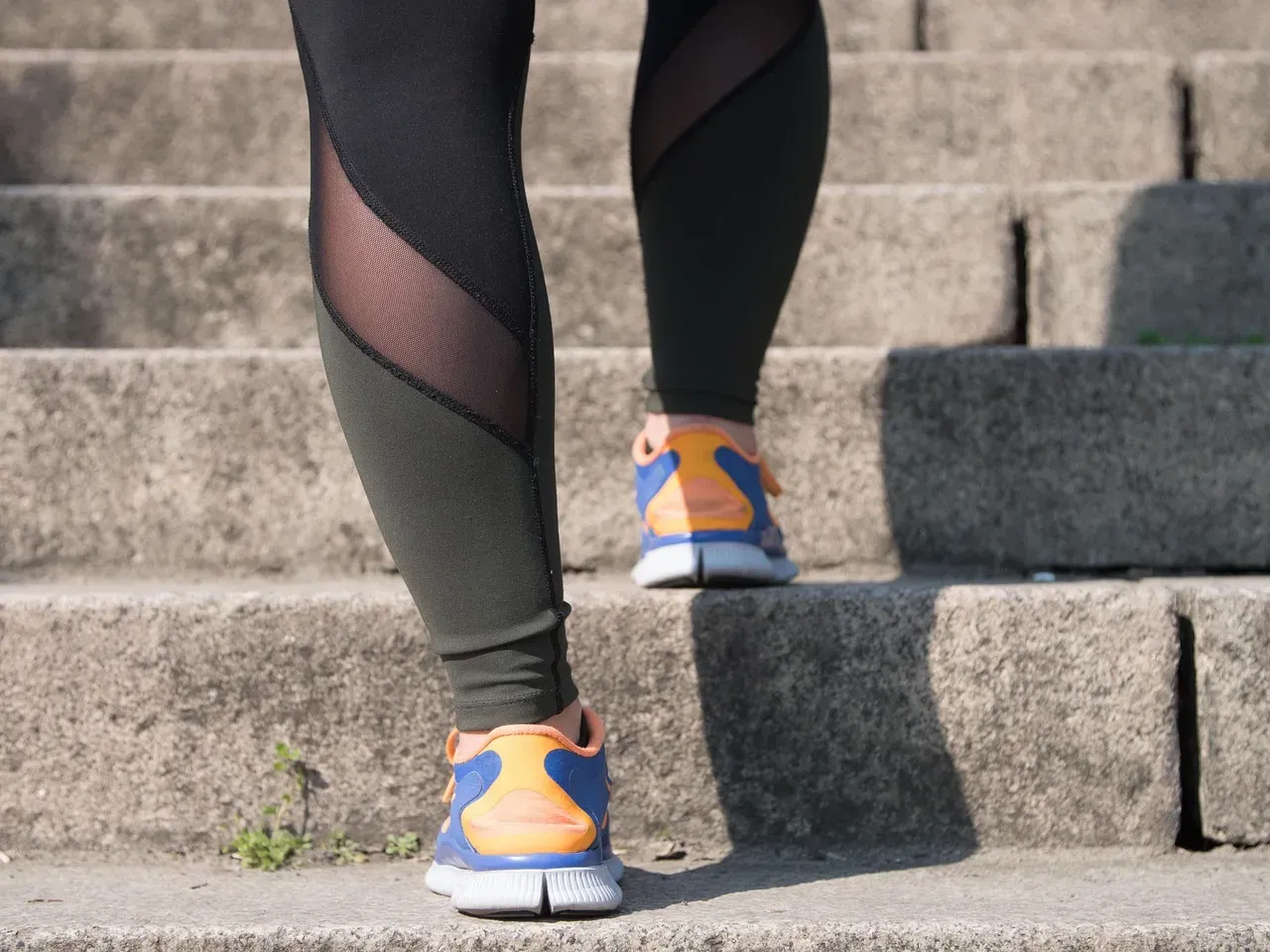
The Journal of Health Psychology found that people who exercised for enjoyment and stress relief reported better body image than those motivated by weight loss.
That means:
- Stretching in bed counts
- Dancing terribly counts
- A slow walk while judging the weather counts
You don’t owe your body productivity.
3. Wear the Clothes That Feel Like Emotional Support
This is your reminder that your clothes are supposed to fit you, not the other way around.

Fashion psychologist Dr. Carolyn Mair notes that clothing impacts confidence and emotional wellbeing, especially on vulnerable days.
Choose softness. Choose comfort. Choose “this doesn’t annoy me.”
That alone can change the tone of your day.
4. Curate Your Social Media Like Your Peace Depends on It (Because It Does)
Studies from the International Journal of Eating Disorders link increased Instagram use with worsened body image and comparison behaviors.

On hard days:
- Mute triggering accounts
- Log off completely
- Follow creators who look like real humans
Your algorithm should support you, not emotionally clothesline you.
5. Eat Without Moral Commentary
Food is not a reward.
Food is not a failure.
Food is fuel and pleasure, full stop.

Registered dietitian Christy Harrison, MPH, RD, explains that moralizing food worsens body image and disordered eating patterns.
Eat what feels grounding. Eat what tastes good. Eat because you deserve nourishment—even today.
6. Treat Skincare Like Respect, Not a Fix
Skincare rituals can reduce stress through sensory grounding, according to research published in Psychoneuroendocrinology (say that five times fast).
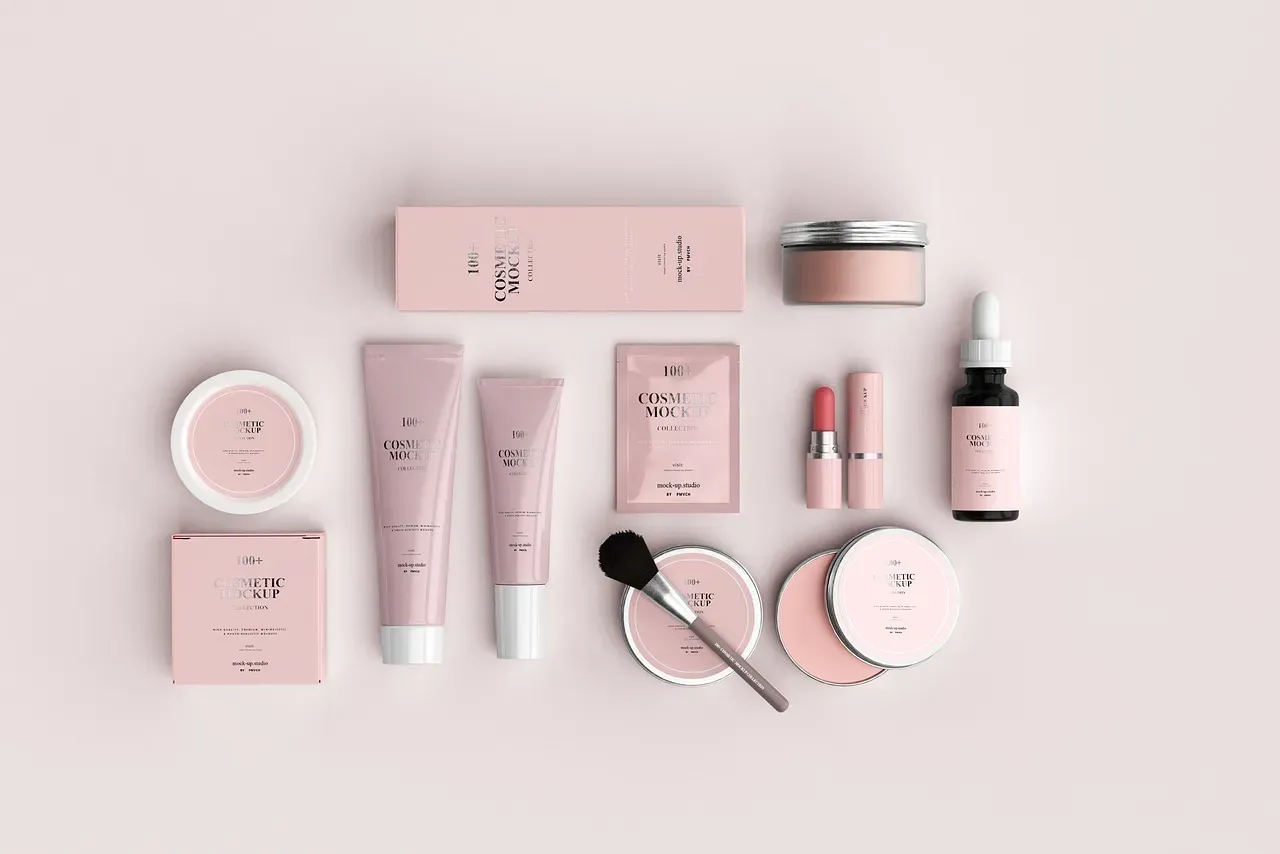
This isn’t about “fixing” anything.
It’s about saying: “I deserve gentleness.”
7. Put a Moratorium on Body Talk (Including Your Own)
You are allowed to say:
“I’m not doing body conversations today.”
Psychologists emphasize that reducing “body checking” and negative self-talk helps interrupt shame spirals.
Yes, even when the conversation is happening in your head.
8. Ground Yourself Through Your Senses
When body thoughts get loud, sensory grounding helps bring you back to the present.
Therapists often recommend the 5-4-3-2-1 grounding technique for anxiety and negative self-image days.
Feel something warm. Smell something comforting. Hear something familiar.
Your body is more than how it looks.
9. Talk to Someone Who Actually Gets It
Connection lowers shame. Period.

Research from Psychological Science shows that shared vulnerability reduces distress and builds emotional resilience.
Choose people who won’t rush to “fix” you. Sometimes “yeah, that sucks” is healing.
10. Do One Thing That Has Nothing to Do with Your Body
Your value is not confined to skin, size, or silhouette.
Creative engagement has been shown to improve mood and self-esteem independent of body image.
Read. Create. Learn. Laugh.
Exist loudly outside the mirror.
11. Rest Without Explaining Yourself
Rest is not a reward.
Rest is not laziness.
Rest is a biological need.

The Sleep Foundation confirms that emotional regulation improves with adequate rest.
You don’t have to earn it. Take it.
12. End the Day With Compassion, Not a Body Review
Before bed, try this:
“Today was hard. I still showed up.”
Self-compassion research from Dr. Kristin Neff shows it improves emotional resilience and body image over time.
You don’t need to love your body tonight.
You just need to stop punishing yourself.
If You take anything from this, know this…
Self-care for body image days isn’t about fixing your feelings.
It’s about surviving them with softness, humor, and humanity.
Some days you’ll feel confident.
Some days you’ll feel neutral.
Some days you’ll roll your eyes at everything—including this article.
All of those days still deserve care. And if today is one of the hard ones?
We see you. You’re not broken. You’re just living.
What helps you most on tough body image days? Tell us in the comments, we’re building this survival kit together.