
Mind Your Dreams, Not Your Ambition
Let me guess. You have heard it before. The plus size fashion market is “niche.” The customer is “too complicated.” The margins are “too risky.”
And yet, here we are.
In my research, and frankly after years of covering this industry, one thing is painfully clear. Plus size fashion founders did not wait for permission. They built brands anyway. They did not water down their ideas. They scaled them. And they did not ask the fashion industry to see them. They made the industry follow.
This is not a pity story. This is a power story.
And once you start looking at what these founders have built, you realize something else. The “risk” was never the customer. The risk was the fashion industry betting against her for decades.
Plus Size Fashion Founders Are Rewriting the Industry and the Rulebook
When Frustration Turns into Strategy
Every plus size founder story I’ve ever followed starts the same way. Not with a trend forecast. Not with a VC pitch deck. But with a moment of quiet rage in a fitting room.
For Charlotte Oxnam, that moment came at 17, searching for a prom dress and realizing how far she had to travel just to feel normal in her own body.
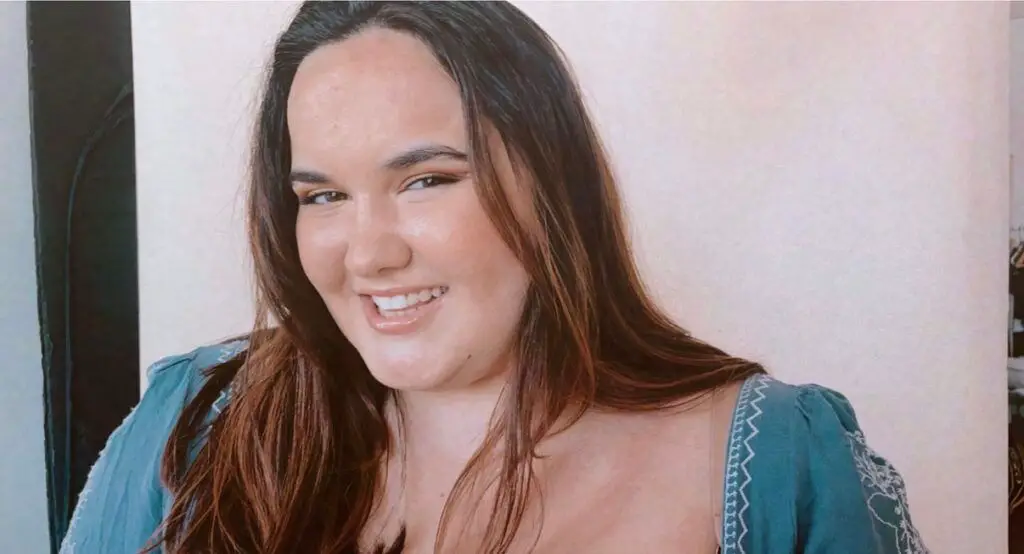
“It felt like no matter what I did, I couldn’t find clothing that made me feel comfortable in my own skin,” Oxnam shared when discussing the moment that sparked her journey.
Instead of internalizing that experience as a personal failing, she treated it like a systems problem. That framing matters.
Oxnam’s background as an industrial engineer shaped Cue The Curves into something fashion rarely prioritizes for plus size shoppers: data driven fit, community insight, and problem solving at scale.
Winning $150,000 in non dilutive funding was not a fluke. It was proof that lived experience, when paired with strategy, becomes innovation.
This is a pattern we see over and over again. Plus size founders don’t enter fashion chasing aesthetics alone. They enter trying to fix something that never worked for them.
The Market Was Never Small. The Vision Was.
Here’s something I realized while digging into the numbers. The plus size market was never ignored because it lacked money. It was ignored because it challenged fashion’s comfort zone. Enter in bias. Sizeism. Classism.
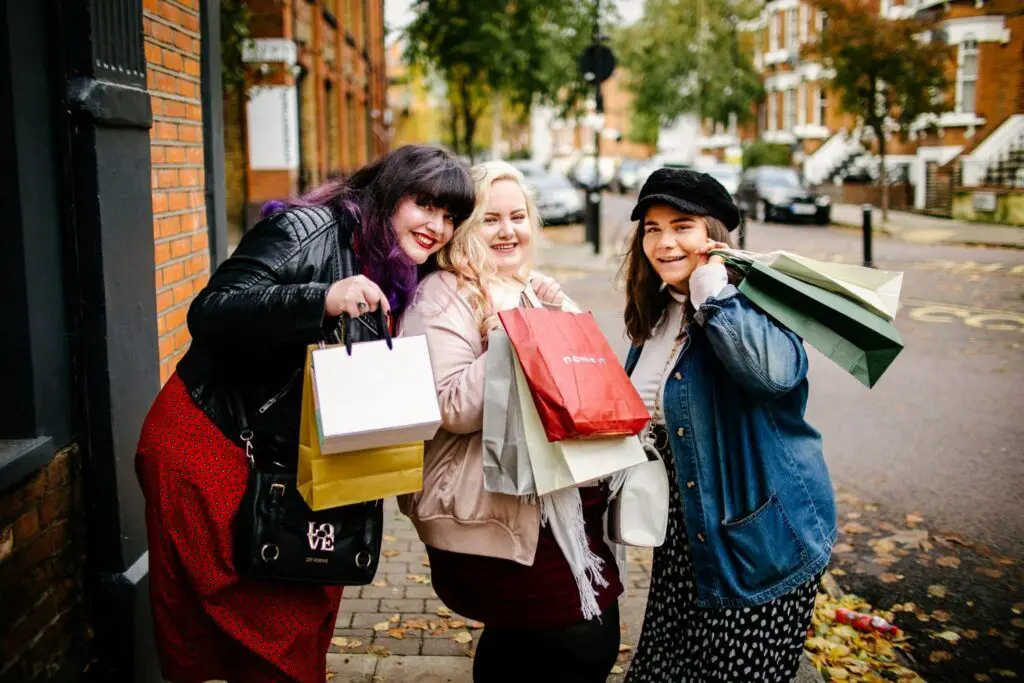
The global plus size clothing market was valued between $188 and $194 billion in 2024 and is projected to grow at more than 5.5 percent annually through 2034.
And let’s talk about who this market actually serves. Roughly 67 percent of women in the United States wear a size 14 or above.
That’s not an edge case. That’s the majority.
Yet for decades, plus size fashion was treated like a side project. Limited styles. Poor fits. Minimal investment. What founders recognized, long before big brands admitted it, was that demand was never the issue. Respect was.
Women account for nearly half of the plus size market, with women’s segments continuing to grow.
The money was always there. The imagination wasn’t.
From Styling Celebrities to Serving Everyday Women
That gap between image and reality is exactly what Akanksha Savanal saw while working behind the scenes as a Bollywood stylist.
“There was a vacuum of fashion options for women like me,” Savanal has explained when discussing why she launched her brand.
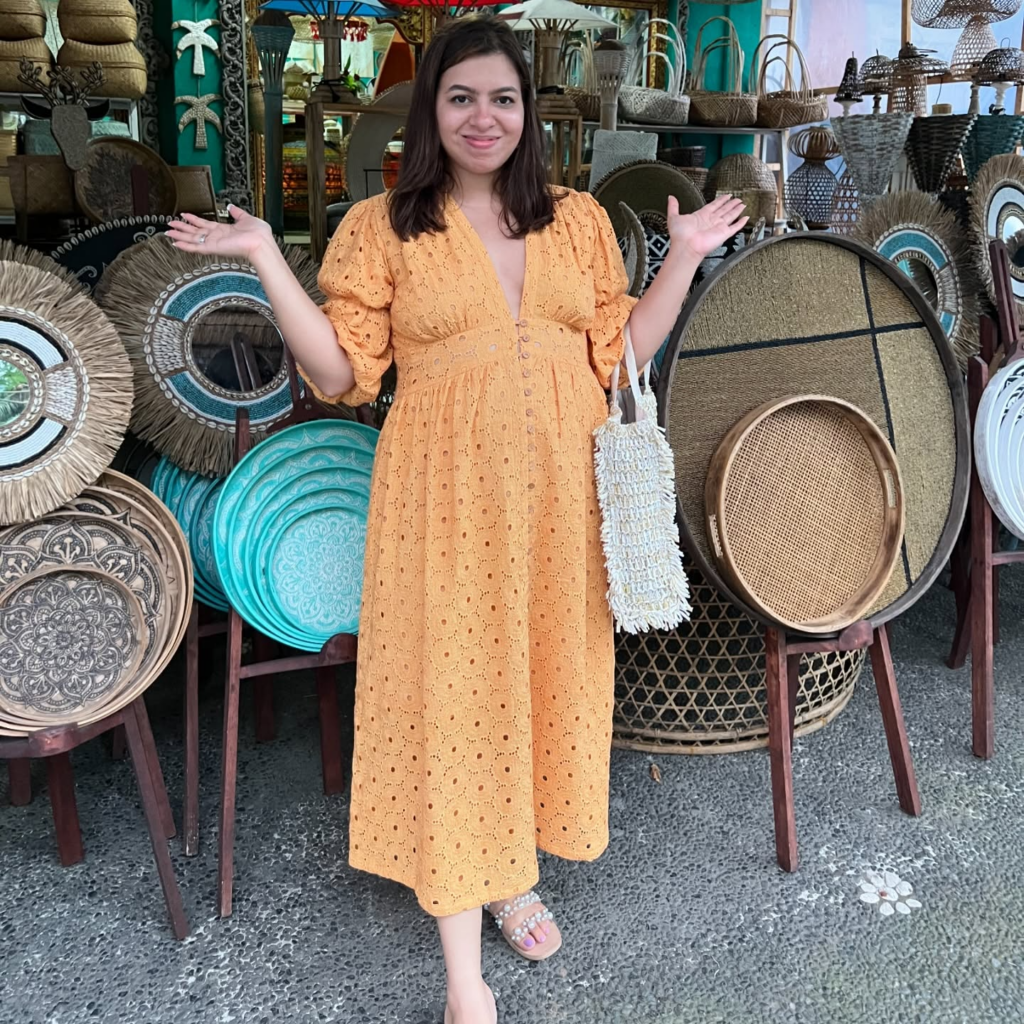
Her response was to build A Curve Story, a label offering gender neutral, in house designed clothing ranging from UK 8 to UK 30 and beyond. Not as a statement piece. As a standard.
What makes her story powerful is not celebrity adjacency. It’s intention. She wasn’t trying to dress bodies for approval. She was dressing people for real life.
That distinction is why customers respond. And why plus size brands built from lived experience consistently outperform those built from trend chasing.
The Funding Gap That Accidentally Created Better Businesses
Now let’s talk money. Or rather, the lack of it.
In 2024, only about 2 percent of venture capital went to female only founding teams.
So, women bootstrapped. Fifty eight percent used personal savings to launch their businesses.
And here’s the part investors tend to gloss over.
A Boston Consulting Group study found women founded startups generated 10 percent more cumulative revenue over five years than male founded companies.
Being shut out forced women to build leaner, smarter, more adaptable businesses. Plus size founders didn’t just survive the funding gap. They learned how to thrive without permission.
Why Plus Size Founders Lean into Technology First
One thing became obvious the deeper I went. Plus size founders are not adopting AI for novelty. They’re using it because traditional systems failed their customers.
Seventy seven percent of female founders report using AI in some capacity, often to improve personalization and customer experience.
When your customer has been told “we don’t make your size” for decades, fit accuracy becomes a trust issue. AI powered sizing tools, virtual try-ons, and smarter inventory systems aren’t extras. They are solutions to generational neglect.
Technology is not replacing human insight here. It’s amplifying it.
The Quiet Shift Toward Premium and Power Pricing
Another thing the industry underestimated? Willingness to pay.
Premium and luxury plus size segments are projected to grow through 2030, outpacing some mass market growth.
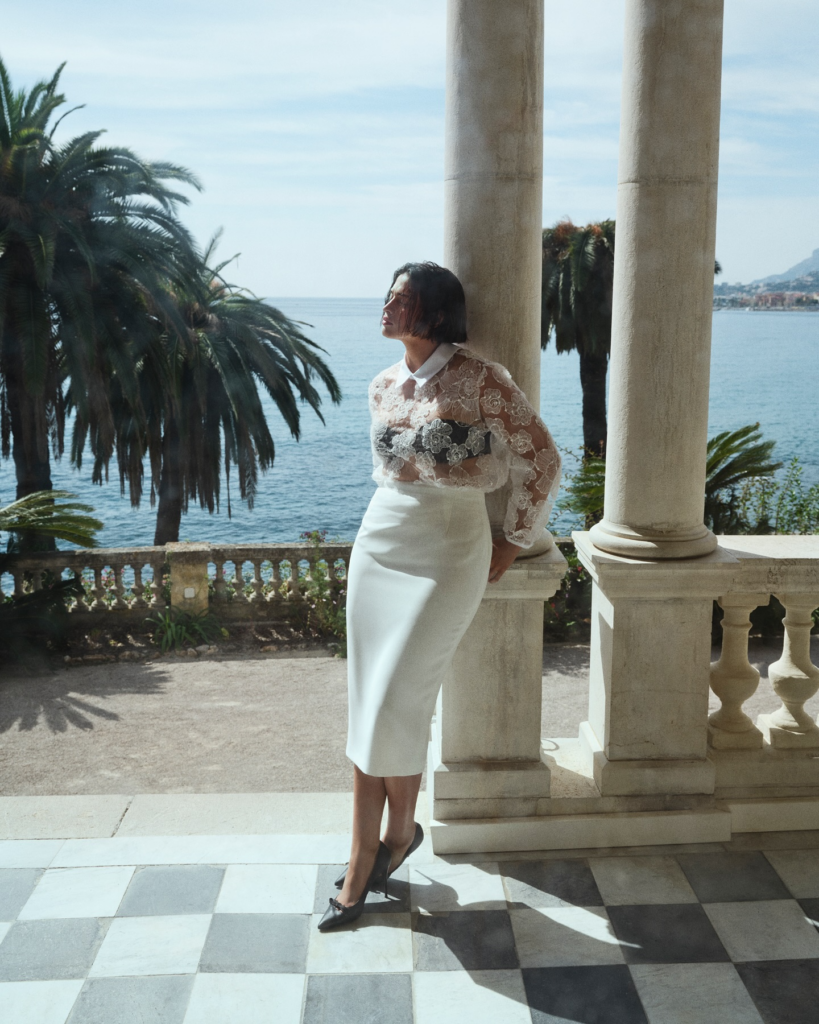
Plus size consumers are not hunting for the cheapest option. They are looking for clothing that fits, lasts, and respects their bodies. Founders who understood this early positioned themselves accordingly.
This isn’t about exclusivity. It’s about value.
Social Media Became the New Front Door
Digital platforms changed everything. Plus size founders didn’t need gatekeepers anymore.
Influencer marketing performance continues to show measurable lift in awareness and purchase behavior, with many campaigns driving major spikes in search and sales.
Community building became commerce. Trust became conversion. And brands that listened, instead of dictated, won.
When Scale Meets Strategy
Mainstream retail is finally paying attention.
“I want women to feel sexy and confident, no matter their size,” Ashley Graham has said about her collaboration with JCPenney.
And Hunter McGrady’s partnership with Sam’s Club brings size inclusive fashion into hundreds of stores nationwide.
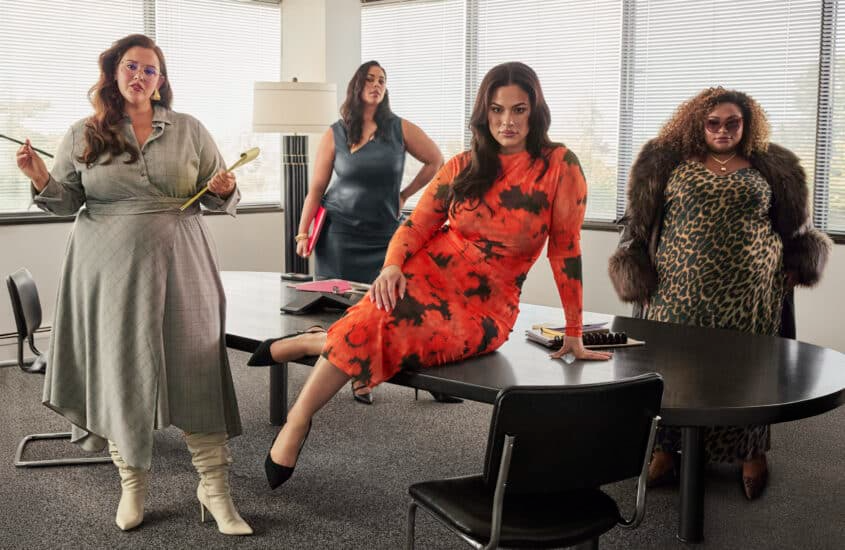
These are not vanity deals. They are distribution strategies.
The Real Lesson Plus Size Founders Teach Us
Plus size fashion founders didn’t build brands because it was trendy. They built them because the industry failed them repeatedly.
They turned exclusion into expertise. Frustration into infrastructure. And community into capital.
So no, this isn’t about refusing to give up on a dream.
It’s about recognizing when the system is broken and deciding to build something better.