Every September, fashion tells us what matters.
The coats. The bags. The shoes we are apparently supposed to risk an ankle for. The trends we absolutely, positively need to know about before fall officially clocks in.
But for decades, the September Issue has also quietly told us something else: who gets to be seen as fashionable in the first place.
And, whew, there is a conversation to be had there.
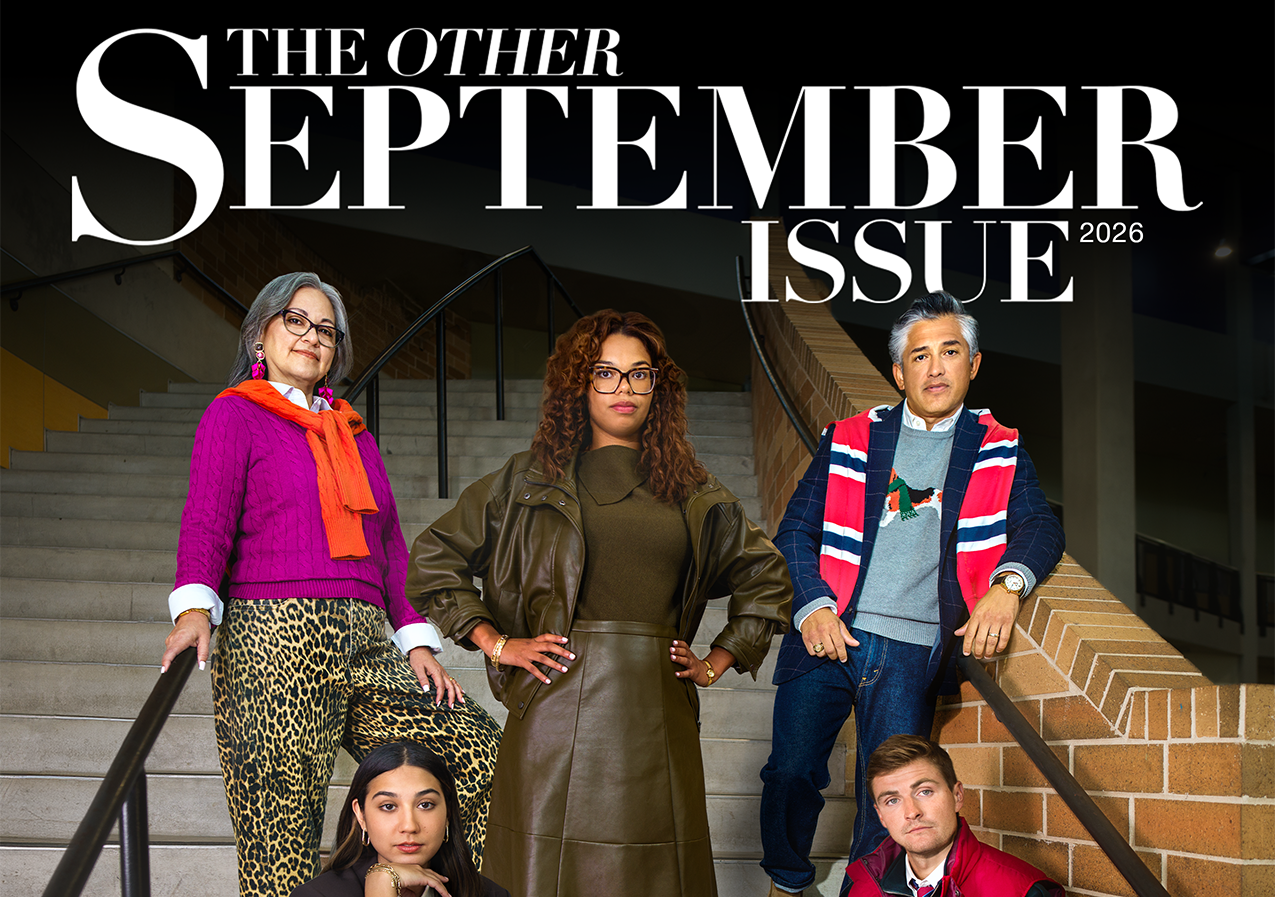
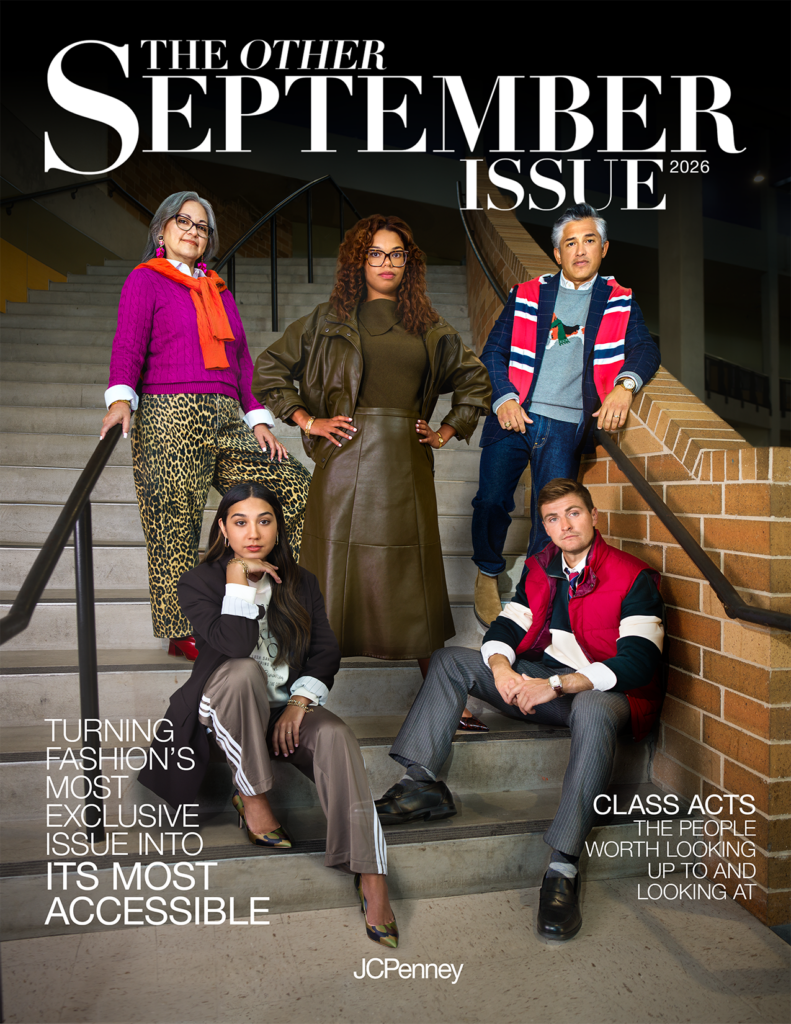
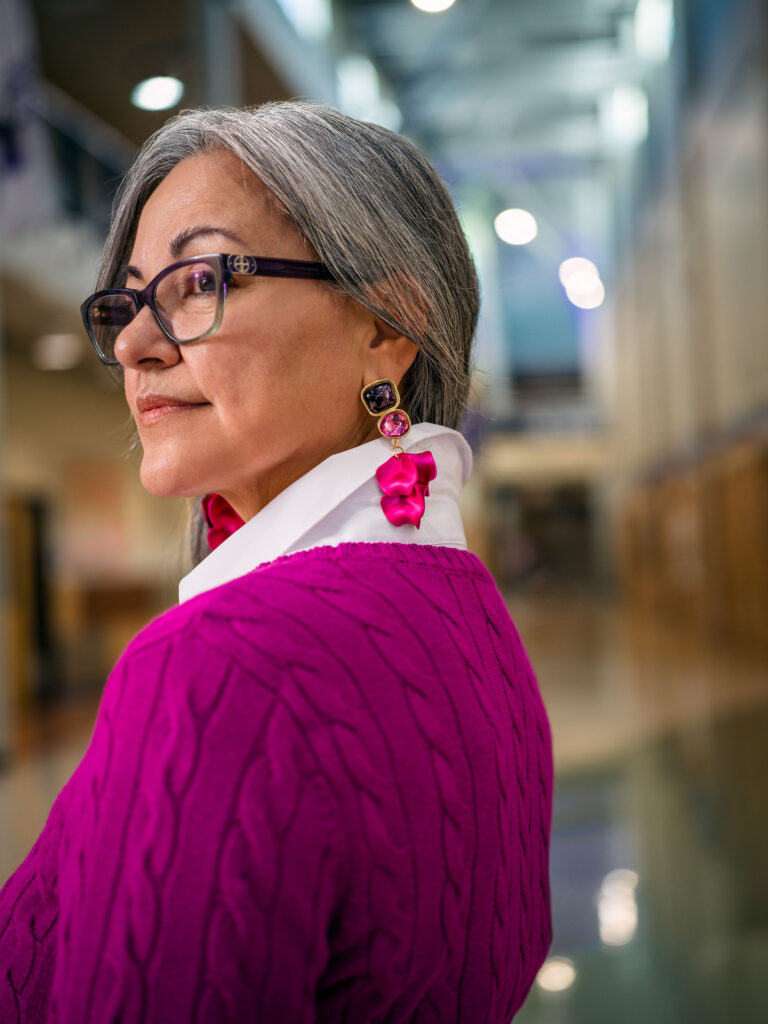
Enter JCPenney’s The Other September Issue, a fashion project that takes one of the industry’s most iconic editorial traditions and points the camera somewhere decidedly less expected: at five educators from San Marcos, Texas.
Not as makeover projects. Not as the “before” in some dramatic transformation story.
As the stars.
As fashion people.
As influential people.
As people worthy of the glossy treatment, period.
And glossy it is. The result is a full-on fashion editorial, with looks styled by celebrity stylist Wouri Vice and JCPenney, photographed by Andrew Matusik, and the stories brought to life by celebrated fashion editor, stylist, and plus size fashion powerhouse Gabriella Karefa-Johnson.
In other words, these teachers weren’t simply invited into fashion’s world. Fashion showed up for them.
JCPenney describes The Other September Issue as an effort to swap fashion “to admire from afar” for fashion everyday people can actually say yes to, placing teachers at the center of the story as “model citizens and fashion icons.”
But when we learned Gabriella Karefa-Johnson was helping tell that story?
Oh, now we had questions.
Because Gabriella has worked inside the very machinery that traditionally decides who lands on those glossy pages. She has worked at Vogue, styled major covers, and built a career in some of fashion’s most rarefied spaces.
So, what happens when someone who knows those rooms turns the lens toward the people those rooms have historically overlooked?
According to Gabriella, it felt a little like kismet.
“It seemed like a really exciting opportunity to look at what real influence is and who perhaps is overlooked or even excluded from the fashion narrative the most, which is, like, the everyday person.”
And that right there?
That is the story.
So, Who Has Fashion Been Talking To All This Time?
Gabriella did not mince words when we asked what the traditional September Issue, and fashion editorial more broadly, may have missed.
Fashion editors, she pointed out, are not only creatives. They are also merchants.
They are selling us something.
The problem is that an industry supposedly trying to sell fashion to millions of people has spent an awful lot of time presenting a very tiny group of people as the ones worthy of embodying it.
“We’re speaking to as many people as possible. We’re speaking to a very rarefied, very narrow view of who should participate in fashion, and we’re positioning it as something to aspire to.”
Baby. There it is.
Because how many times have we watched fashion pull inspiration from Black culture, street style, working-class communities, bigger bodies, subcultures, and everyday people, only to polish it up and hand the finished image back to us on someone who looks nothing like the people who inspired it?
Gabriella sees that contradiction too.
She noted that much of the fashion filling editorial pages is influenced by what ordinary people are already wearing.
“The very fashion we’re populating those images with is fashion that is created based on what the average person is wearing, based on Black culture, based on streetwear.”
Yet somewhere along the way, she says, fashion has removed “the human part of the audience.”
And if you have spent any amount of time navigating fashion in a plus size body, you already know exactly what she means.
Gabriella Karefa-Johnson Said the Plus Size Part Out Loud
This is where our conversation took a turn that felt especially familiar to us here at TCF.
Because we can talk about fantasy and aspiration all day long, but there is a pretty giant difference between wanting the fashion and being physically able to purchase the fashion.
Gabriella knows that firsthand.
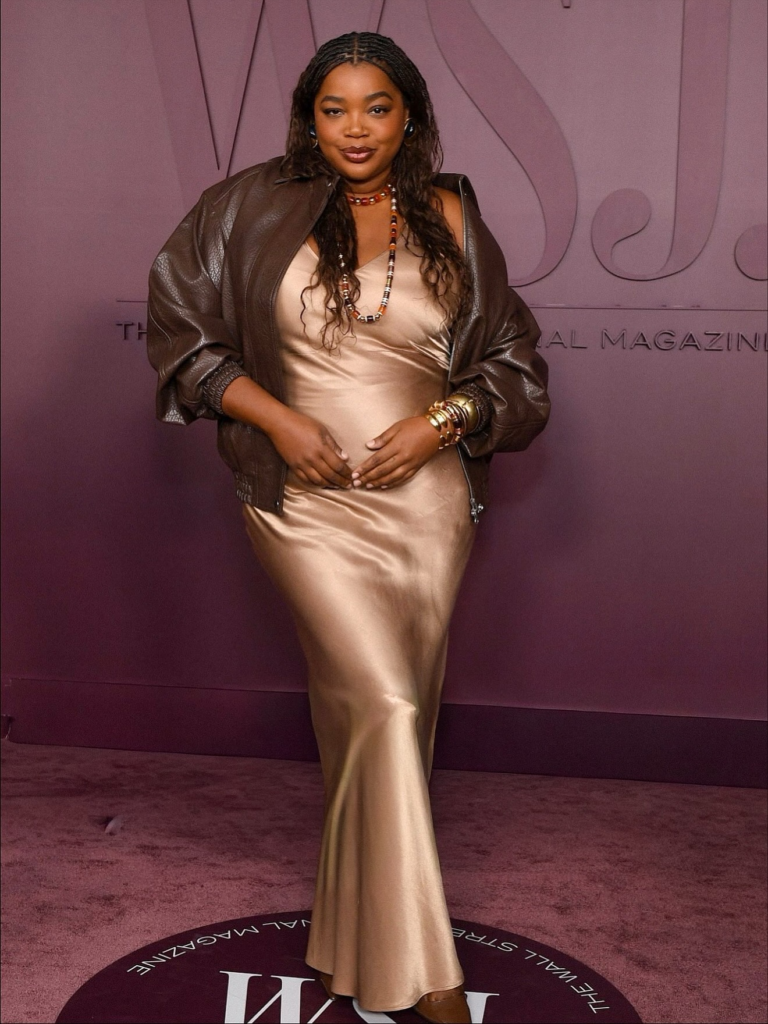
While talking about the creative possibilities found in the JCPenney shoot, she made a point that every plus size shopper has probably thought at least once while browsing luxury fashion.
“Especially as a plus size woman, even if I wanted to walk into Prada and drop ten thousand dollars… they don’t make my size.”
Exactly.
You can have the money.
You can have the taste.
You can have the fashion credentials.
You can have the invitation.
And the clothes can still say, “Not you, babe.”
So, what do you do?
As Gabriella put it:
“I have to walk into a store and really freak it, right?”
And honestly? THAT is style.
Not simply having access to the most expensive thing in the room but knowing what to do with the things that are available to you.
That distinction becomes particularly important in The Other September Issue, where the clothes are intentionally accessible. The campaign features brands including Liz Claiborne, a.n.a., Stafford, Levi’s, Adidas, and Nike, and JCPenney says all eight featured looks can collectively be purchased for under $3,000.
But accessible does not have to mean boring.
And Gabriella thinks fashion sometimes forgets that.
Why Does Affordable Fashion Always Have to Be So… Sensible?
You know the advice.
Buy the basic blazer.
Choose the neutral coat.
Make sure every single thing works with everything else in your closet.
Get your cost per wear down to approximately seventeen cents.
Meanwhile, luxury fashion gets to be weird.
Luxury gets sequins at breakfast.
Luxury gets sculptural sleeves, clashing prints, impractical shoes, and the freedom to say, “But it’s fashion.”
Why shouldn’t everybody else get to play too?
Gabriella called out the subtle condescension that can creep into conversations about shoppers on a budget.
“There tends to be a certain condescension towards a shopper on a budget. Like, okay, you need to get the biggest bang for your buck, so this jacket needs to be a basic because you need to be able to wear it every season for ten years.”
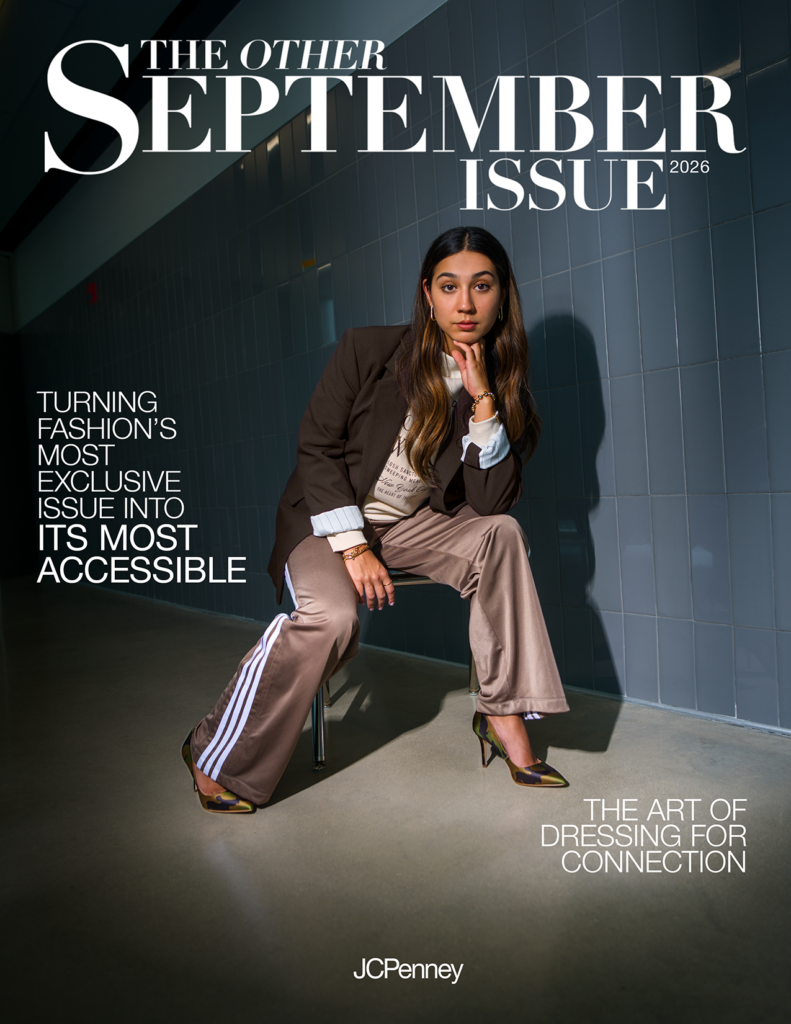
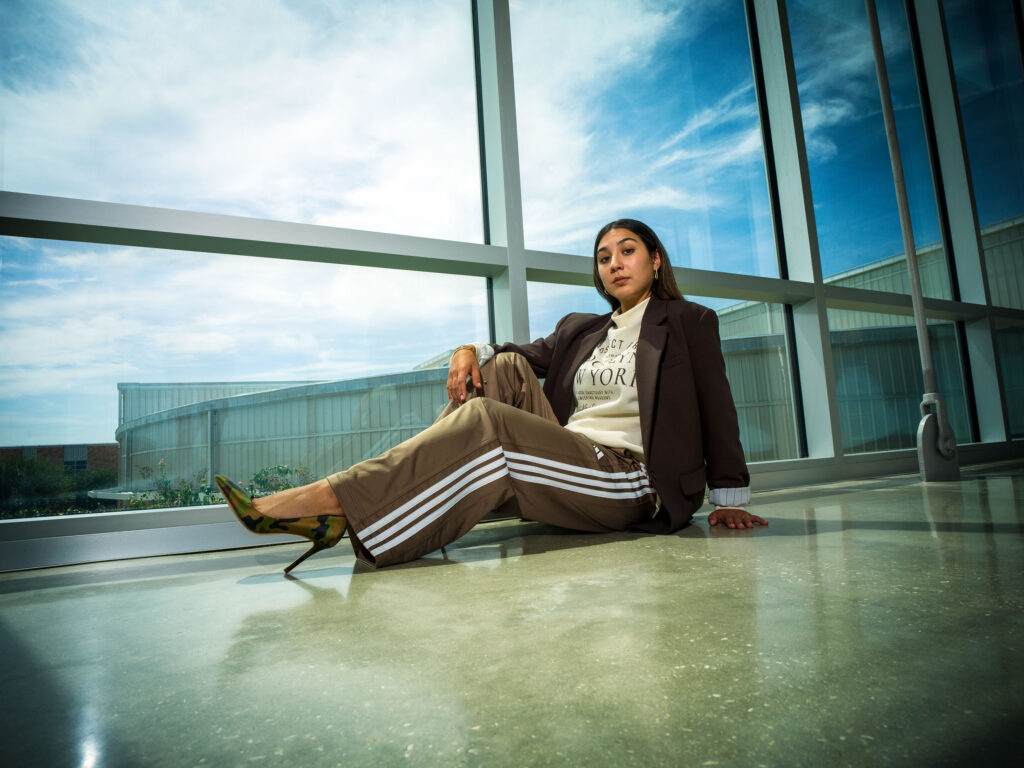
Instead, she sees the styling in The Other September Issue as an invitation to rethink what we already have access to.
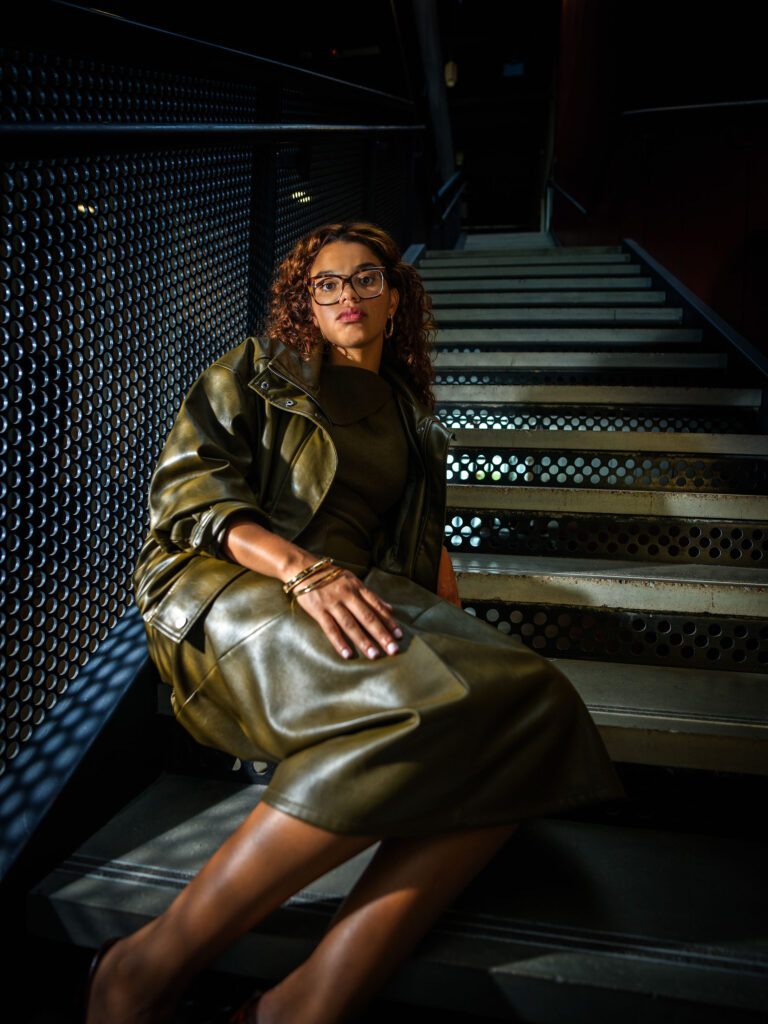
One teacher, Janelle, appears in track pants, an oversized blazer, a hoodie, and heels. Gabriella described how the styling made her rethink pieces in her own wardrobe and consider combinations she had not imagined before.
That, Gabriella says, is where aspiration becomes interesting.
Not “I need that wildly expensive bag, so everyone knows I made it.”
But:
Wait, I never thought to wear it like that.
“It’s opening up the creative potential of fashion and styling that is not so often modeled in more affordable arenas.”
Now THAT is an accessible fashion conversation we can get behind.
Teachers Are Influencers. We Just Don’t Give Them Blue Checks.
There is another clever little subversion happening here.
The Other September Issue is also poking at fashion’s modern obsession with the word influencer.
JCPenney highlights middle-school English teacher Monica Lum, whose students remember her clothes and accessories years after leaving her classroom. The company calls that “real-world influence without a follower count.”
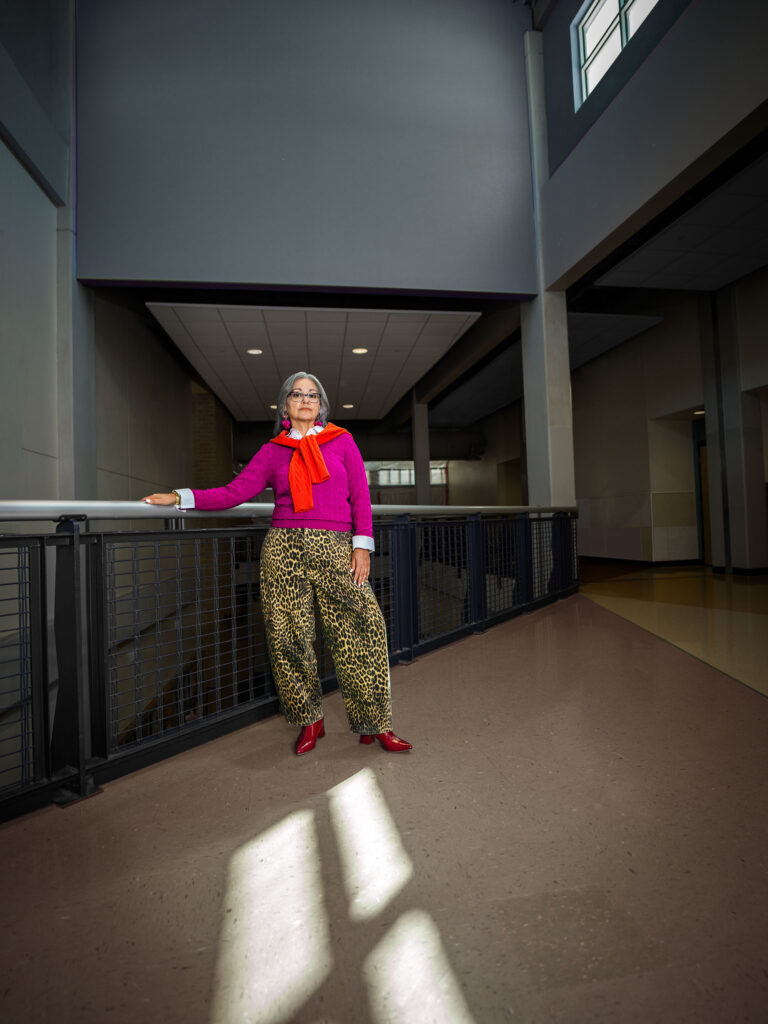
And really, when you think about it?
Teachers have always been influencers.
Before social media feeds, there was the teacher whose earrings you remember 20 years later.
The art teacher whose wardrobe made you think adulthood might actually be fun.
The professor with the dramatic glasses.
The elementary school teacher whose perfume, shoes, cardigans, or jewelry somehow got permanently filed into your childhood memory bank.
Gabriella called teachers a perfect representation of the everyday person because their wardrobes have to accommodate so many different versions of themselves.
Teacher.
Coach.
Parent.
Partner.
Daughter.
Grandmother.
Human being trying to make it through the day and still look cute.
“They have to outfit their lives and they want to look good doing it.”
And honestly, is that not most of us?
But Who Usually Gets Fashion’s “Yes”?
JCPenney’s larger campaign is built around the idea that “Everyone Deserves a Better Deal,” and The Other September Issue is part of its evolving “Yes, JCPenney” platform.
So naturally, we had to ask Gabriella:
Who does fashion usually give the yes to?
Her answer was direct.
“Fashion as an aesthetic industry… has always subscribed to the most conventional of beauty standards.”
She pointed to the ways patriarchy, capitalism, white supremacy, and fatphobia shape who is most easily welcomed into fashion’s fantasy.
“It is typically, you know, the thin, white, like rich, Eurocentric person. And so it’s very easy for fashion to give a yes to that person and to allow them to explore and experiment and take risks and splurge because that’s who it was designed for.”
And for everyone else?
The issue is not simply whether we are technically “allowed” to enjoy fashion.
It is whether fashion has made us feel invited.
“When we’re not invited in because we don’t see ourselves there, it can feel particularly scary or intimidating or inaccessible to be carefree about fashion.”
Whew.
Because being carefree with fashion is a privilege we do not talk about enough.
The freedom to make a “bad” outfit.
The freedom to experiment.
The freedom to wear something impractical just because it delights you.
The freedom to be dramatic.
The freedom to get it wrong without your entire body, identity, age, class, or worth becoming part of the critique.
That is part of access too.
Gabriella Has Had to Navigate Those Systems Herself
What made our conversation particularly compelling is that Gabriella is not analyzing this entirely from the outside.
She has succeeded inside luxury fashion, but she has also had to reckon with what succeeding inside those spaces does, and does not, guarantee.
She got candid about feeling as though the goalposts were constantly moving.
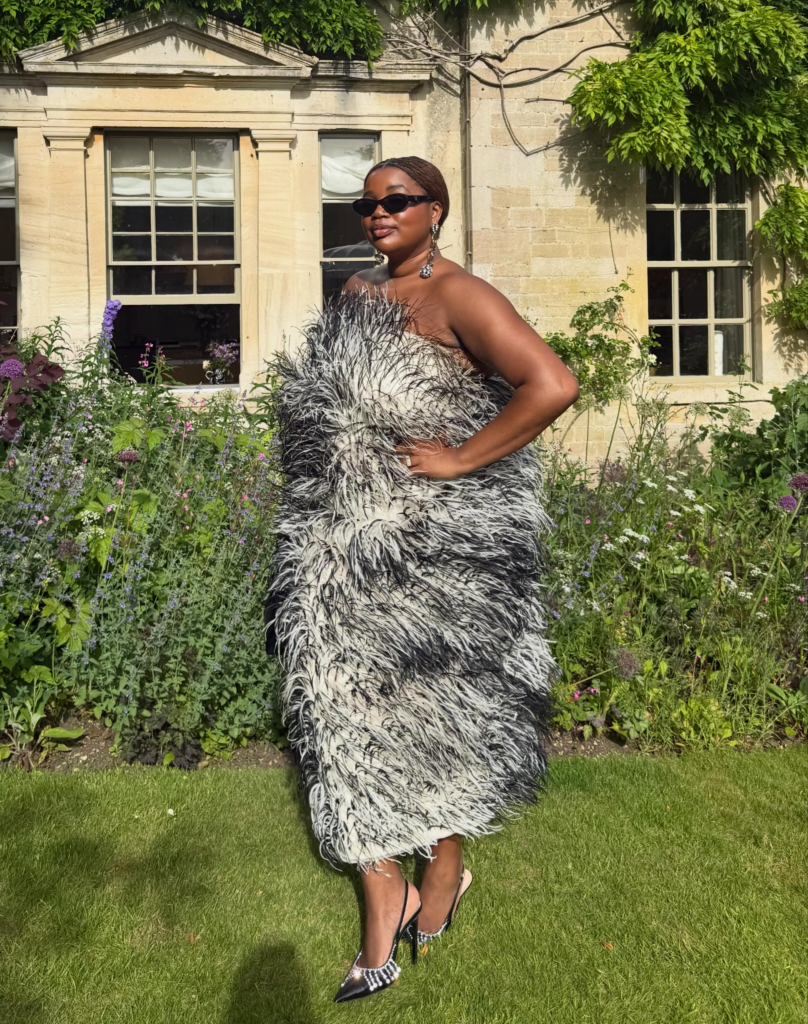
“I’ve achieved all of the things in this luxury sector, but I’m still not being taken… like I have to do twice as hard for half as much kind of thing.”
And that tension seems central to why The Other September Issue appealed to her.
Gabriella described the project as an opportunity to tell stories that felt “more in line with my own value system” and more expansive about who gets to participate in fashion.
Luxury does not need to disappear.
She likes luxury.
As she very hilariously reminded us:
“I be buying those Chanel bags, baby.”
Same, Gabriella. SAME.
The argument is not that fantasy is bad.
It is that fashion fantasy should not belong to only one kind of person.
And Then Gabriella Told Us About Her Grandmother
We ended our conversation by asking Gabriella who taught her about style before she even had language for fashion.
She first remembered a kindergarten teacher, Mrs. Barr, who played The Cranberries and had a distinctly grungy 1990s coolness that Gabriella still remembers.
But the person who shaped her most deeply was her grandmother.
A reverend. An ecumenical leader. A diplomat’s wife. A Black woman who was often the only person who looked like her in the rooms she entered.
Gabriella remembers the horn-rimmed glasses, cocktail rings, costume jewelry, elegant skirt suits, and a style that was both distinguished and deeply cool.
But her grandmother also taught her something bigger than clothes.
“She was definitely a mentor for me and also just an amazing example of the power of Black womanhood.”
And then Gabriella gave us perhaps the most fitting thought with which to end this whole conversation.
Her grandmother showed her the power of:
“Harnessing your otherness to expand the boundaries of whatever field you’re in and to leave the door open behind you and help people up the same ladder that it was much harder for you to climb.”
And maybe that is what makes The Other September Issue worth paying attention to.
It is not simply about putting teachers in beautiful clothes.
It is asking fashion to expand the frame.
To rethink influence.
To stop confusing exclusivity with excellence.
To understand that accessibility does not cancel out aspiration.
And perhaps most importantly, to recognize that everyday people were never standing outside fashion waiting to become interesting enough to enter.
We were already influencing it.
Fashion just needed to turn the camera around.
Ready to Read The Other September Issue?
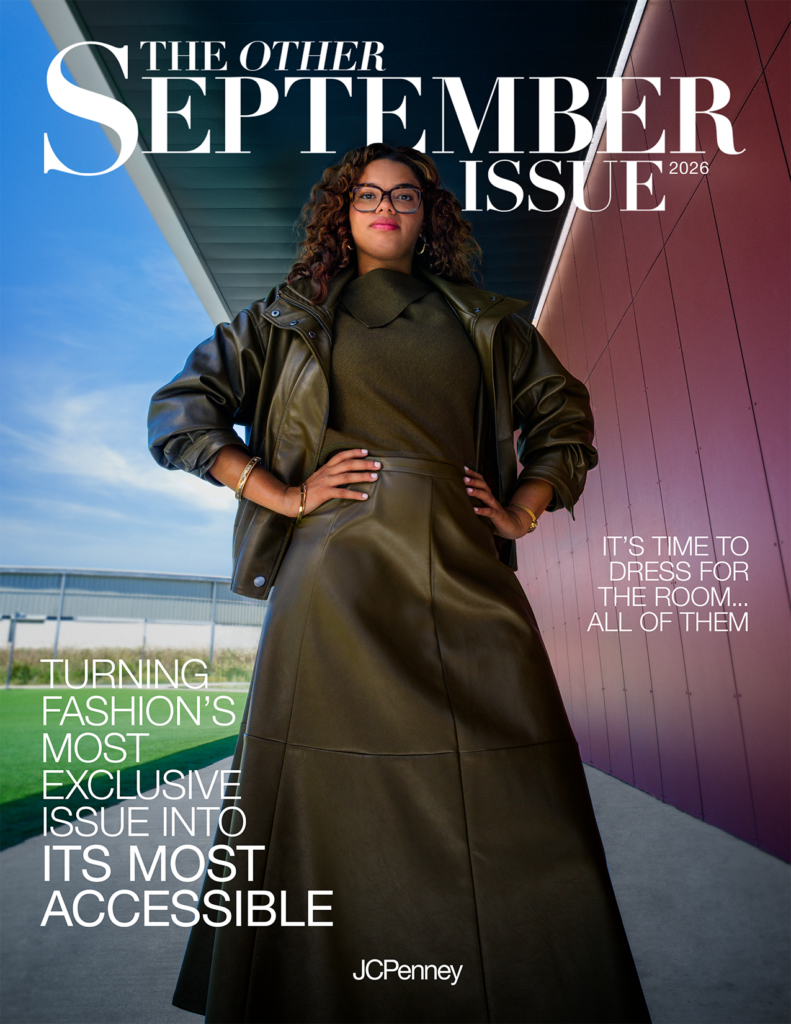
If this conversation has you curious about the teachers, the fashion, and the stories behind the campaign, head over to JCPenney’s pop-up Substack to read The Other September Issue in full.
And yes, if a look catches your eye, you can also explore the fashion featured in the campaign at JCPenney.
Go for the fashion. Stay for the conversation about who gets to be seen as fashionable in the first place.
MORE TCF GAMES