In-office professionals manage two climates in one day. There’s a hot commute, then a cold interior. They have to dress for both without changing outfits at the door.
Remote professionals with a full calendar of video calls face a narrower problem. Their waist-up wardrobe still needs to read as professional on camera. Meanwhile, the rest of the outfit stays built for a warm apartment with the air conditioning off.
The federal government has no written rules on this. That’s unlike France. There, the Labor Code (Article L. 1121-1) lets an employer impose clothing restrictions only under two conditions. The restrictions must be justified by the nature of the job. They must also be proportionate to the goal being pursued. This gap might lead to missing the whole point.
The twelve strategies below cover fabric, color, cut, and layering. They work across both scenarios. Specific guidance is included for each, where the two paths diverge.
Linen
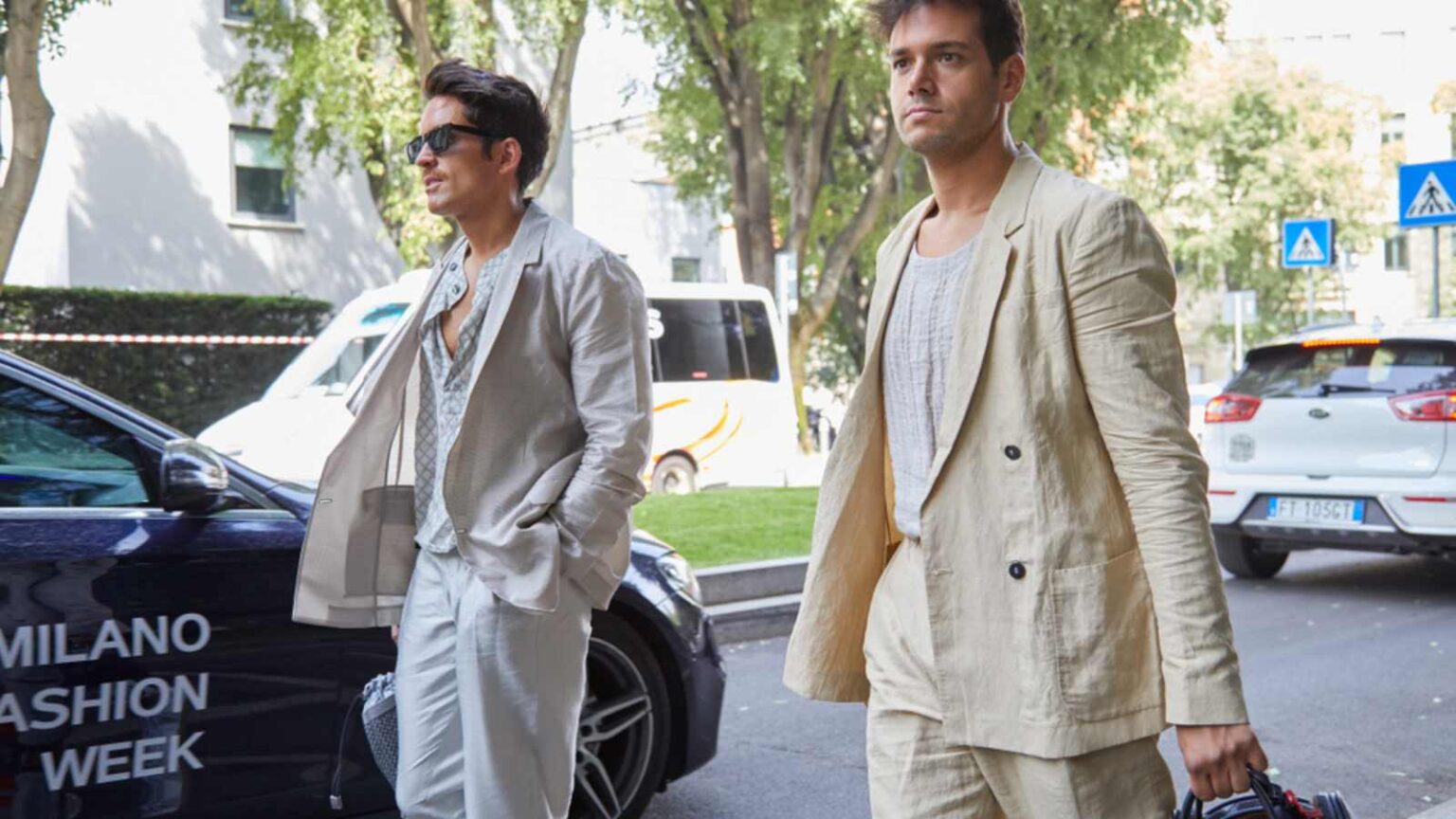
Flax fibers are hollow and comparatively stiff. That structure keeps linen fabric away from the skin and allows air to move beneath it rather than trapping body heat against the surface.
Textile scientists measure this using something called a CLO value, a unit of insulation. Linen typically scores between 0.08 and 0.12. That’s well below wool or polyester’s 0.3 to 0.6 range, and even below cotton’s midrange 0.18 to 0.22.
That number is the real reason a linen shirt survives a humid commute better than a cotton one does.
Choose a slightly heavier linen weight for structured trousers and blazers. A looser weave sacrifices shape faster than it sacrifices comfort. Pair it with pieces in cotton poplin. That avoids the wrinkled uniformity that reads as sleepwear rather than tailoring.
Color

Dark pigments absorb nearly the full visible spectrum. That unreflected light converts into heat at the surface of the garment.
Pale and pastel tones work differently. They bounce most of that light back before it ever reaches the skin. NASA confirms the underlying physics.
Building a summer capsule around stone, ecru, sage and soft blue isn’t a trend concession. It’s thermodynamics dressed up as a palette. Reserve navy and charcoal for pieces worn primarily indoors. That’s where the color’s authority reads without the heat penalty of direct sun.
Seersucker
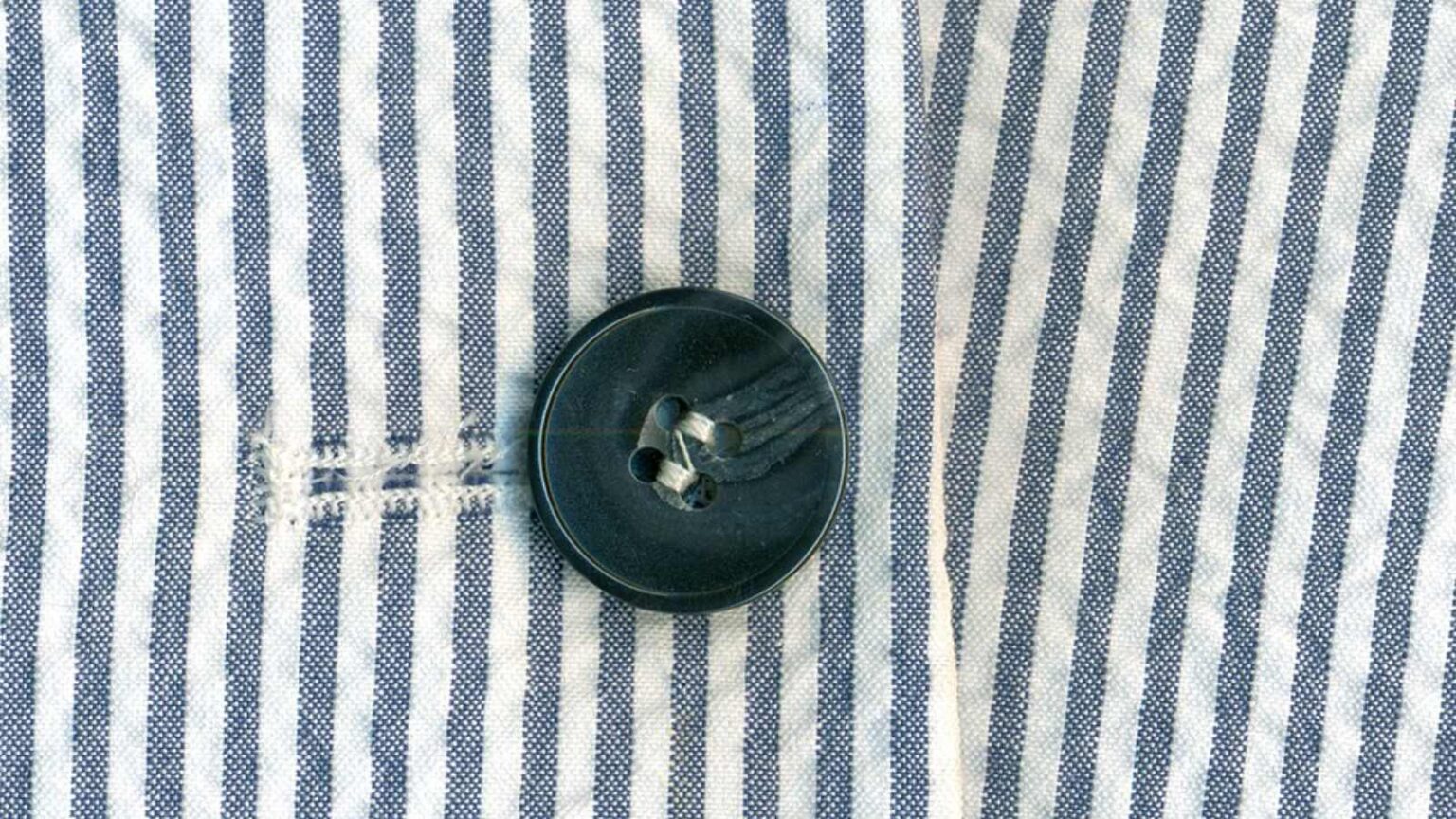
The puckered texture that makes seersucker instantly recognizable isn’t decorative. Slack-tension weaving pulls some warp threads tighter than others during production. The resulting bubble surface holds the fabric off the body, just as linen’s hollow fibers do. That creates a channel for air to flow between the cloth and the skin.
The fabric originated in colonial India, where its name was derived from the Persian phrase for milk and sugar, describing its alternating smooth and rough textures. It reached American professional wardrobes when New Orleans manufacturer Joseph Haspel began producing seersucker suits for laborers, and, later, lawyers, in 1909.
A seersucker suit still photographs as more considered than a wrinkle-resistant blend. Its texture is doing structural work rather than hiding a compromise.
Be Careful With Synthetic Blends

Standard polyester holds heat and moisture against the skin. Its tightly woven structure resists airflow, unlike the looser, more irregular weaves of natural fibers. The effect is sometimes described as a greenhouse building up inside the garment. That doesn’t make every synthetic fiber a poor choice.
Fabrics specifically engineered with wicking channels or moisture-transport finishes perform differently from standard poly-blends. The distinction matters, and generic easy care blazer fabric rarely qualifies.
Check the fiber content tag before assuming a blend performs like a technical fabric. A rayon-linen or tencel-cotton mix generally outperforms a polyester-viscose blend at equivalent weight, even when both are marketed as summer-appropriate.
Choose An Unstructured Blazer

Before 1975, a jacket’s shape came from canvas, horsehair, and padding sewn into the chest and shoulders. None of it breathes. Giorgio Armani stripped that scaffolding out entirely for his menswear collection that year.
He replaced stiff structure with soft shoulders and natural drape. The unlined jacket that resulted became the prototype for a completely different kind of authority, one built on fabric and proportion instead of hidden reinforcement.
An unstructured blazer in a summer-weight wool blend or cotton twill delivers the same visual command as a traditional suit jacket, at a fraction of the heat retention. Look specifically for half-canvassed or unlined construction. A fully lined jacket still traps the same layer of still air against the body, however lightweight the shell fabric is.
Use Texture Instead Of Heavy Fabrics
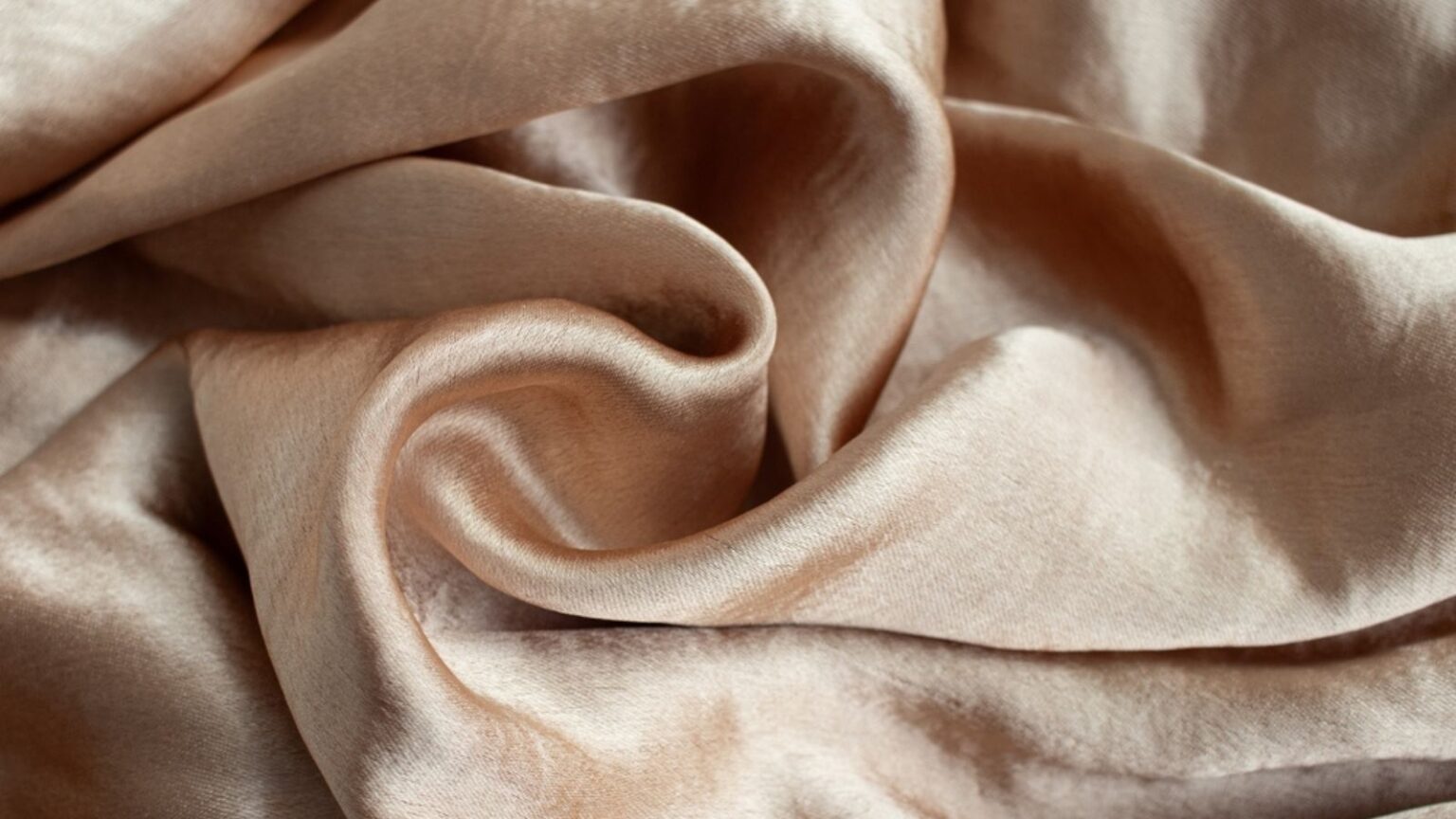
A flat, thin fabric can read as underdressed even when its cut is sharp. A textured weave in the same weight carries visual gravity without adding warmth. Seersucker’s puckered surface, slubbed linen, nubby cotton-silk blend, or subtly ribbed knit all use surface interest to do the work that heavier fabric used to handle alone. This matters most in blazers and structured dresses.
A flat, lightweight fabric can look more like loungewear than tailoring under office lighting. Building texture into the pieces closest to the face extends this effect furthest; think a blouse collar or a jacket lapel. That’s where the eye lands first in any professional interaction.
Dress For Indoor And Outdoor Temperatures

The walk to the office and the office itself are rarely the same temperature. Most workwear advice ignores that split entirely. The Occupational Safety and Health Administration recommends indoor workplace temperatures stay between 68 and 76 degrees Fahrenheit.
That range can feel genuinely cold after a humid outdoor commute. Building an outfit in removable layers solves both problems without requiring two separate wardrobes. Think a breathable base layer plus a jacket or cardigan that you can take off at your desk.
Keep a lightweight cardigan or wrap at your desk permanently rather than carrying one daily. Offices with aggressive air conditioning are common enough that this stops being an occasional inconvenience. It becomes a fixed variable worth planning around.
Wear Wide-Leg Trousers Instead Of Shorts
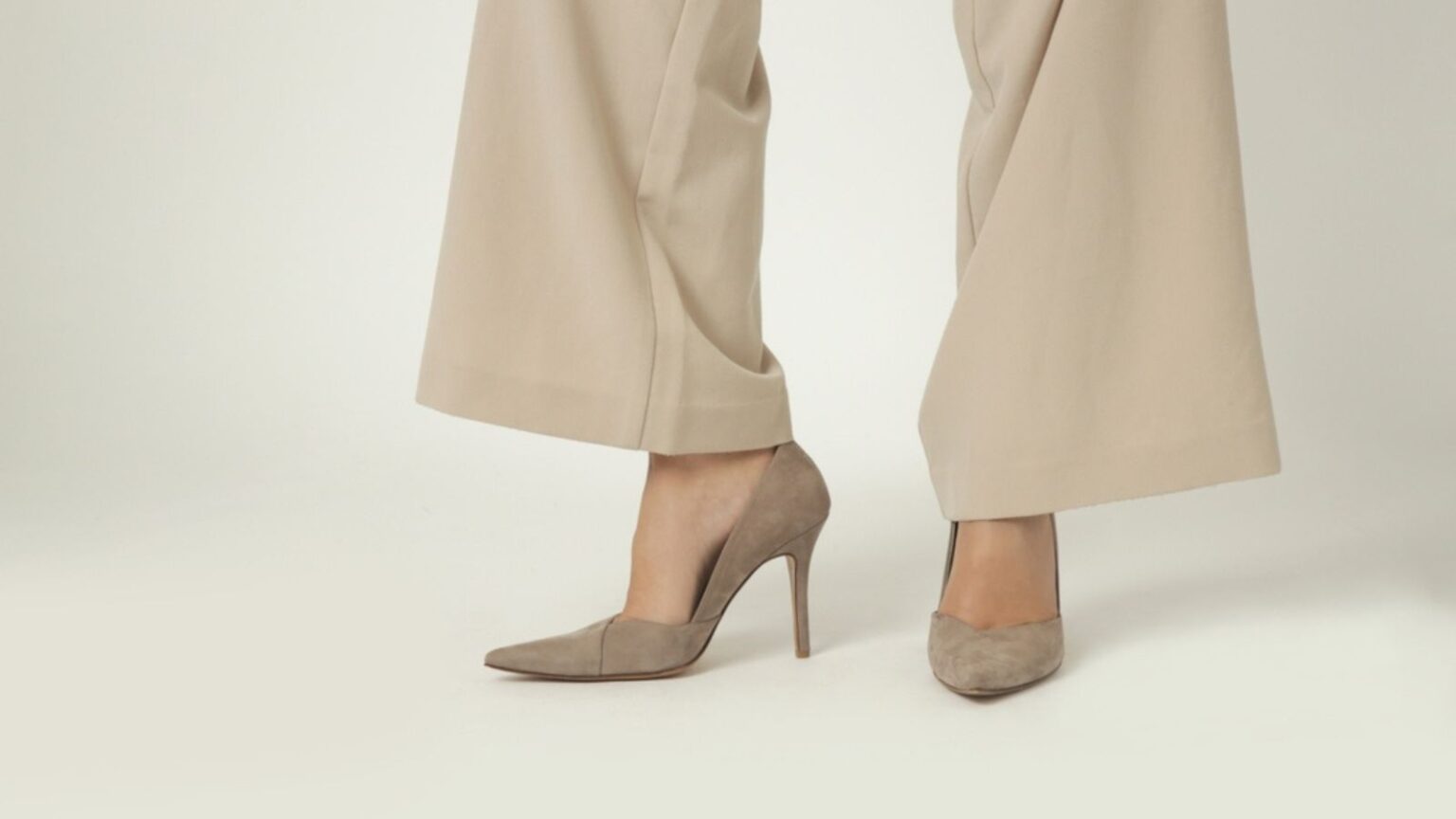
The instinct to solve summer heat by cropping trousers or switching to shorts runs into most professional dress codes fast. A more durable fix is silhouette, not hemline. Wide-leg and relaxed-tapered trousers create airflow around the leg that a slim or skinny cut simply can’t, regardless of the fabric used underneath.
This is the same principle that makes seersucker and linen effective at the fiber level. Here it’s applied at the level of cut instead.
A wide-leg trouser in a mid-weight cotton often feels cooler over a full workday than a slim-cut trouser in technical performance fabric. The air trapped between the fabric and the skin has room to circulate rather than be compressed against the leg.
Expose Wrists And Ankles Strategically

The body sheds a disproportionate amount of heat through its extremities. That’s why a three-quarter sleeve or a cropped trouser can meaningfully change how an otherwise conservative outfit feels to wear. This isn’t about showing more skin for its own sake. It’s targeted ventilation at the points where it does the most good.
A structured midi dress with elbow-length sleeves reads exactly as formal as one with full-length sleeves. It performs differently by early afternoon, though. The same logic applies to footwear. A closed-toe mule or a loafer with minimal lining ventilates the foot without abandoning the polish that a strappy sandal sometimes sacrifices in a conservative office.
Check Your Actual Office Dress Code

A 2025 Monster survey of more than 1,300 U.S. workers found that 43% reported having no office dress code at all in the past year. Among those who did have one, 63% described it as business casual rather than formal.
Many professionals still overdress for summer out of habit built during stricter years. That adds unnecessary heat exposure for a standard that no longer applies.
Before assuming a full blazer or hosiery is required, check current policy or ask directly. If a written policy hasn’t been updated recently, look to the practiced norm around you instead. Observed for a week rather than assumed, it’s usually the more accurate guide, more accurate than the employee handbook.
Build A Five-Piece Workwear Rotation
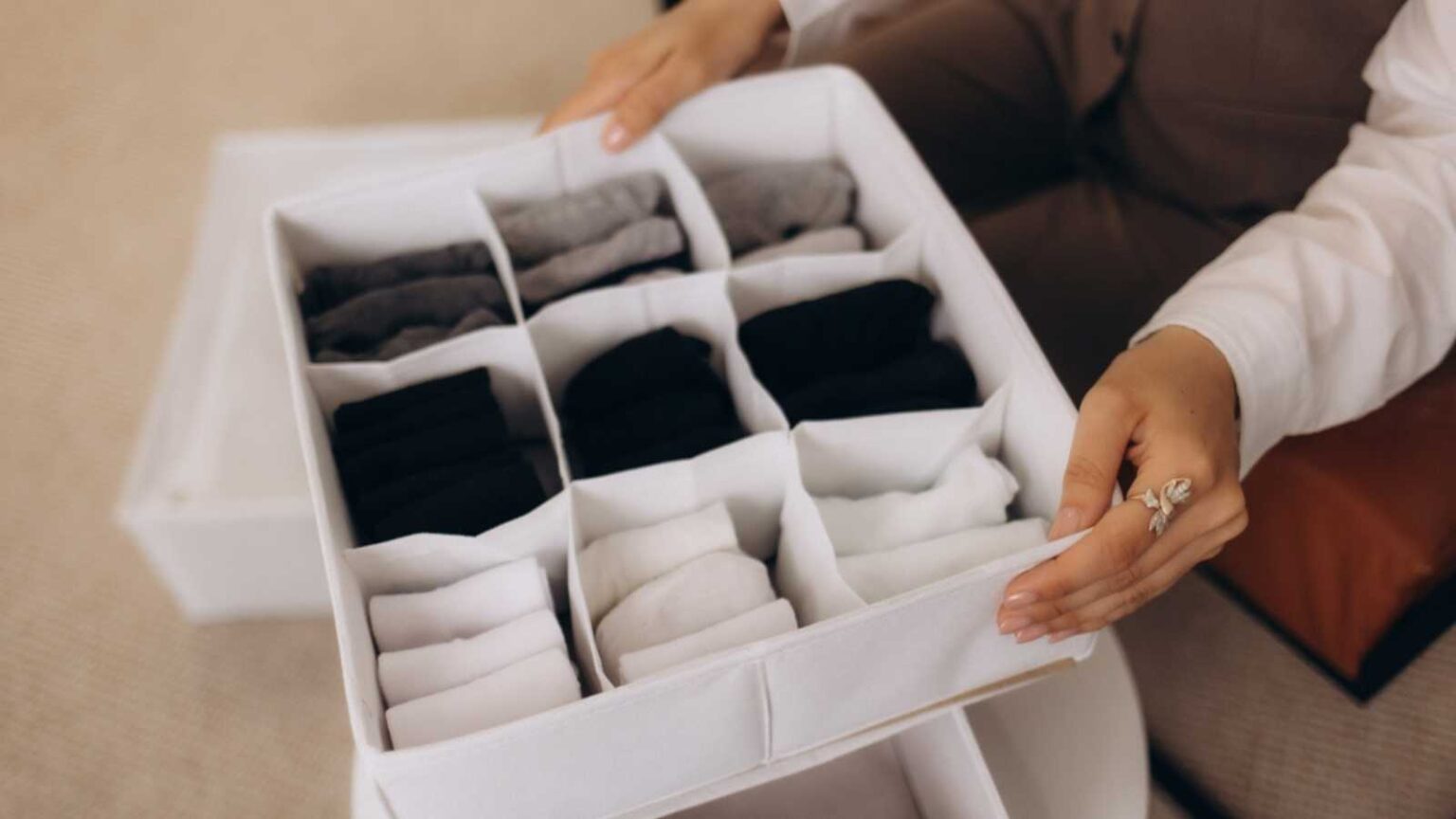
Summer heat makes getting dressed feel like a fresh problem every morning. That’s exactly the condition that leads to overheated, underplanned outfits by Wednesday. A rotation of five interchangeable pieces cuts the decision down to matching rather than inventing.
Think two bottoms, two tops, one layering piece. This isn’t a philosophy of minimalism so much as a heat-management tactic. Fewer choices made under morning time pressure means fewer choices made by grabbing whatever’s already ironed.
That habit tends to default back to the heavier, more familiar pieces this whole list is trying to move away from. Rotate the five pieces on a two-week cycle to avoid repetition becoming visible to colleagues.
Let Your Base Layer Manage Sweat
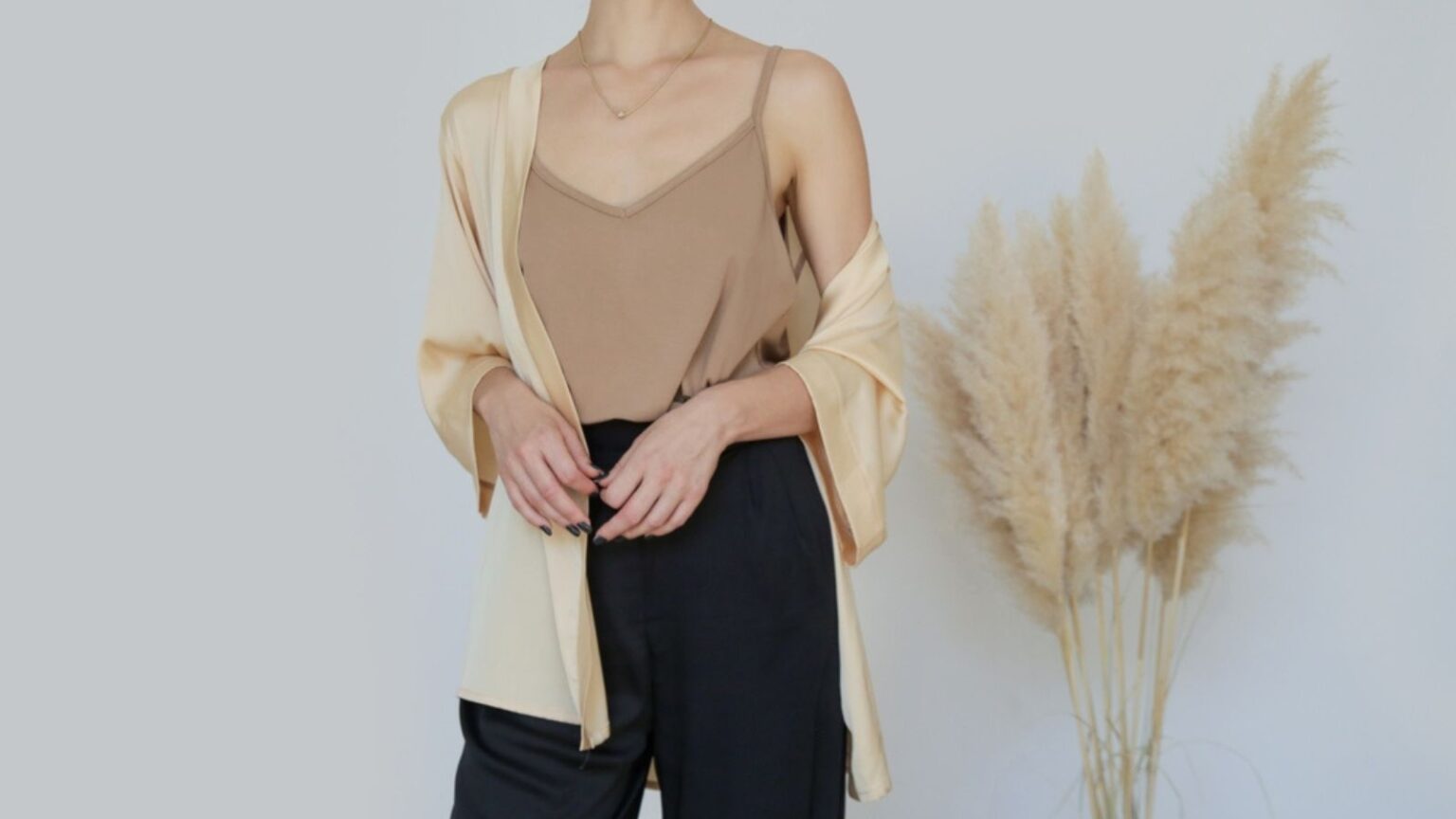
The piece that touches the skin directly determines comfort more than the blazer or dress worn over it. A moisture-managing camisole or undershirt in a natural fiber blend does the real work. Worn under a structured outer piece, it lets the visible layer stay in whatever fabric looks most professional, without that fabric alone being responsible for keeping the wearer dry.
A wool-blend blazer or a silk blouse, both poor performers on their own in heat, can still be worn confidently. The layer against the body is doing the actual thermoregulating work. Treat the base layer as a functional tool rather than an afterthought, and the outer layer no longer needs to compensate for it.
Key Takeaways
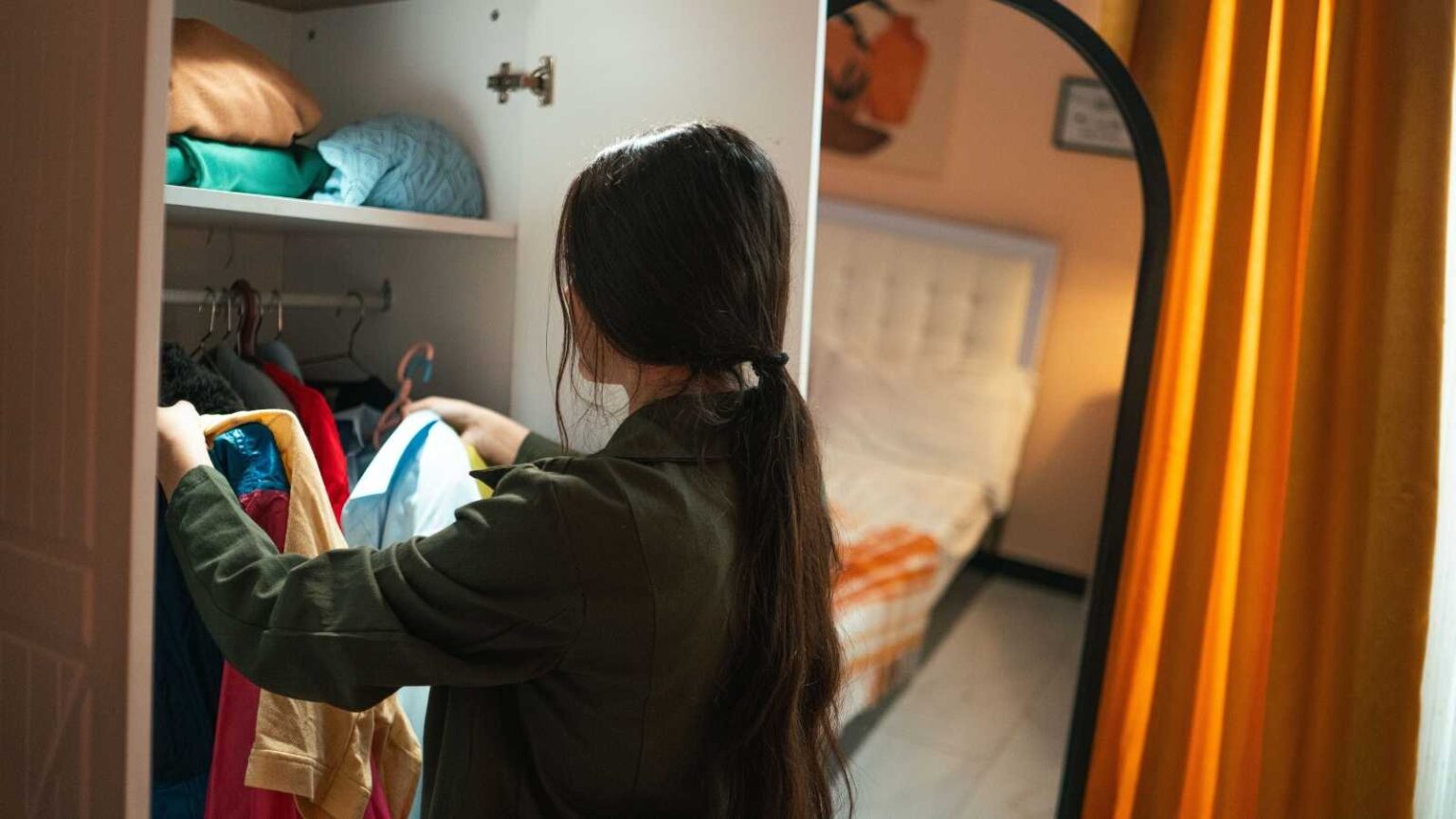
- Fiber structure beats fabric hype. Linen’s hollow, stiff fibers give it a CLO insulation value of 0.08–0.12, well below cotton or wool.
- Color is thermodynamics, not just aesthetics. Dark shades absorb far more sunlight than pale ones, so a stone or sage palette does real cooling work that black and navy can’t.
- Structure doesn’t require stiffness. Armani’s 1975 deconstructed blazer proved a jacket can read as authoritative without canvas, padding, or heat-trapping lining.
- Know your actual dress code, not the assumed one. A 2025 Monster survey found 43% of U.S. workers have no dress code at all, meaning many overdress out of outdated habit.
- Office and WFH need different heat strategies. In-office dressing means solving for two climates in one commute, while remote work with back-to-back calls is really a waist-up wardrobe problem.
Disclaimer: This list is solely the author’s opinion based on research and publicly available information. It is not intended to be professional advice.
Like our content? Be sure to follow us
MORE TCF GAMES