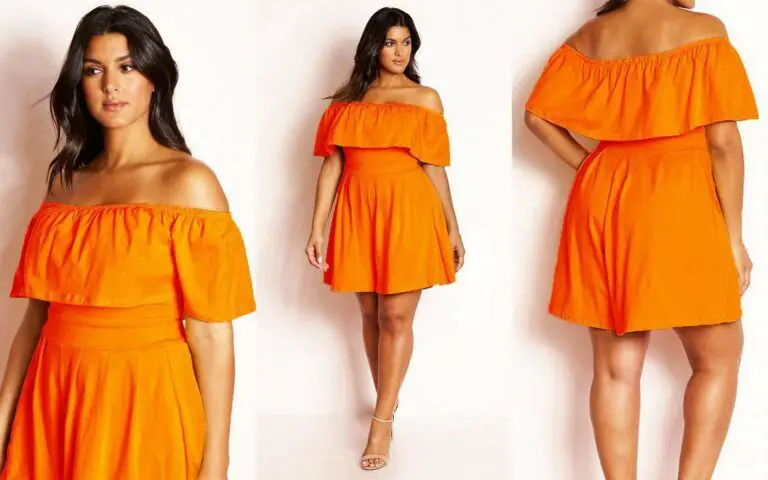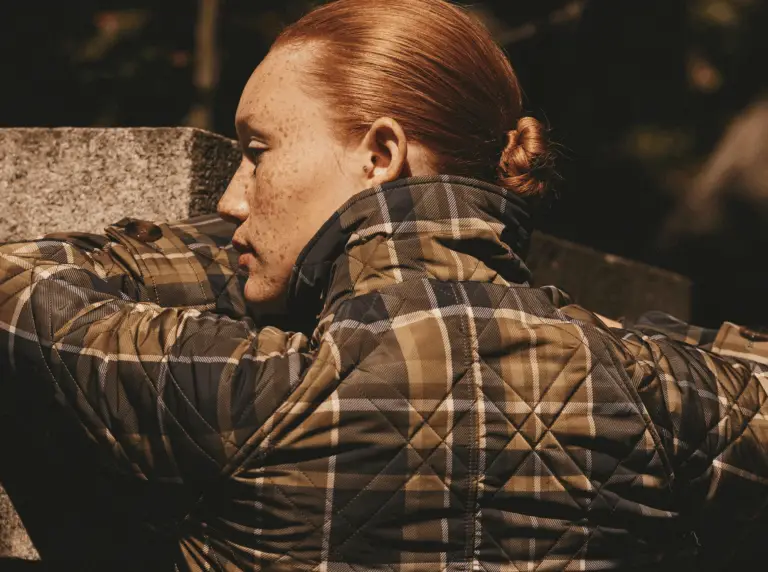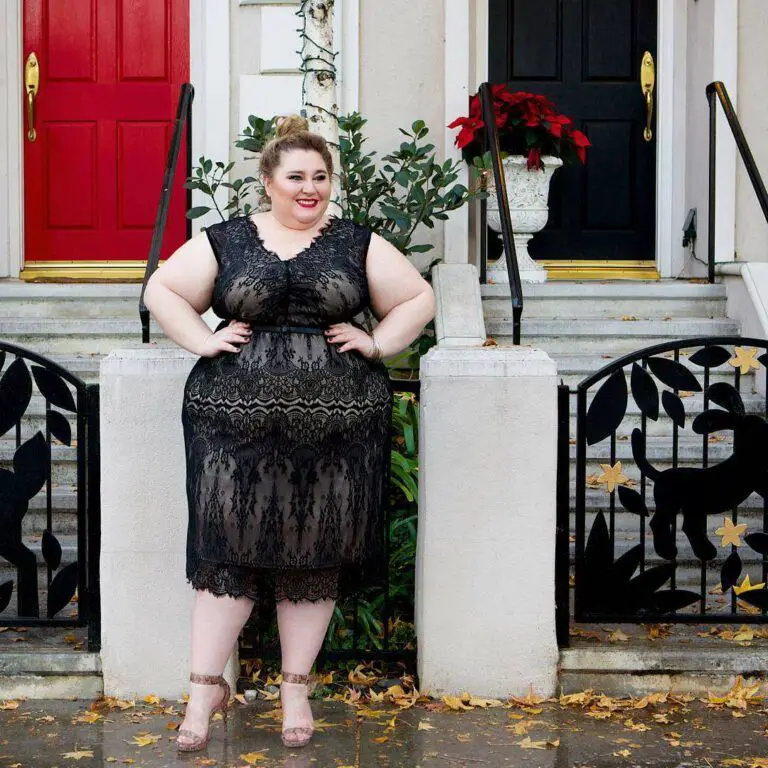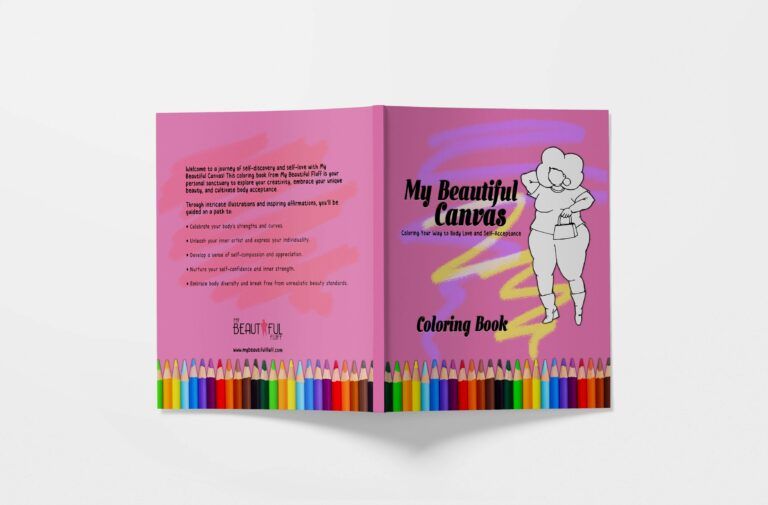
Prominent designers consistently champion body positivity during interviews and on camera while simultaneously keeping their actual clothing lines strictly and stubbornly exclusive. The highly anticipated fashion week presentations in major cities feel like a completely different, isolated universe compared to the vibrant, diverse streets of Chicago, Los Angeles, or New York.
Culture critics and fashion enthusiasts across the globe scratch their heads at this giant step backward for true inclusivity and representation. The entire conversation about diverse representation feels incredibly hollow when the literal fabric of the influential industry actively ignores the vast majority of eager buyers.
The Illusion of Progress on the Runway
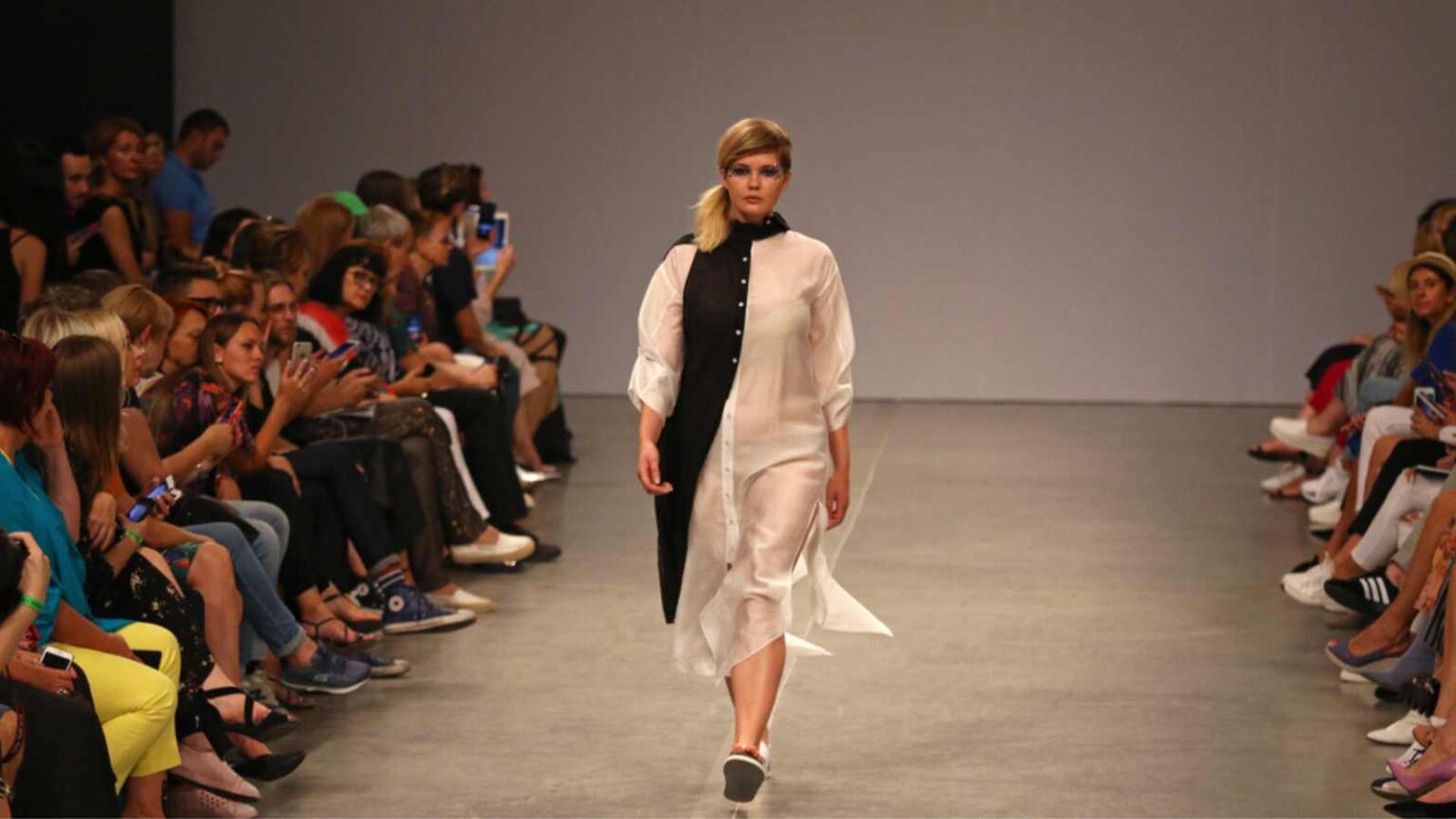
We all cheered loudly a few years ago when curvy models finally started breaking through the rigid, historical barriers of high fashion to claim their rightful spots on the runway. Sadly, the hard data pouring in from recent Fashion Month events reveals that those victorious moments were just a passing trend rather than a permanent, meaningful change in the business.
According to a comprehensive industry report by Vogue analyzing thousands of runway looks, a staggering 97.7 percent of outfits were dedicated to straight-size models while a mere 0.3 percent went to plus-size models.
This shocking and deeply disappointing drop proves that the exclusive industry treats inclusivity like a trendy, seasonal accessory you can just toss in the closet when you get bored. Luxury brands seem absolutely terrified of straying from the traditional, minuscule sample size that has dominated their prestigious sketchpads and mood boards for countless decades.
This obvious, public backsliding sends a crystal clear message to consumers that true acceptance and body diversity never actually took root in those elite design studios.
Ignoring the True American Shopper Demographics
The glaring gap between the exclusive catwalk and the everyday American sidewalk has never looked more ridiculous, alienating, or entirely out of touch with reality. While European fashion houses proudly parade size zero models down the brightly lit runway, the actual physical reality of the consumer base tells a completely different, much fuller story.
Highly respected market research firm, Market Growth Reports, recently confirmed the crucial fact that a whopping 68 percent of American women actually wear a size fourteen or larger in their daily lives.
These famous designers are basically choosing to turn a blind eye to the very people walking right past their lavish storefronts in major shopping districts every single day. You really have to wonder how these massive businesses plan to survive long-term when they actively ignore more than half of their potential, highly lucrative client base.
It makes absolutely zero logical or financial sense to continuously market an aspirational lifestyle that almost nobody in your single biggest demographic can actually participate in or enjoy.
Financial Misses for Major Designer Brands

Leaving literal millions of dollars of money on the table is usually considered an absolute cardinal sin in any major corporate boardroom across the business sector. Yet luxury fashion executives routinely and deliberately ignore a massive financial goldmine simply because they stubbornly refuse to grade their standard clothing patterns up a few extra inches.
To put this enormous opportunity into proper perspective, Future Market Insights officially valued the rapidly growing global plus-size clothing market at a staggering 339.6 billion dollars in the year 2026.
Mainstream heritage labels could so easily capture a highly profitable slice of that enormous pie if they simply stopped clinging to outdated prestige metrics and restrictive sizing charts. Instead, they effectively force eager, willing consumers to take their hard-earned cash to independent creators and fast fashion retailers who actually respect their bodies and their wallets.
The stubborn, elitist refusal to adapt to modern times is essentially a masterclass in exactly how to alienate eager buyers who have deep pockets and a strong desire to shop.
The Disconnect Between Social Media and High Fashion
Scroll through any popular social media feed on a typical afternoon, and you will immediately see a vibrant, beautiful celebration of human bodies in absolutely every shape imaginable. Digital style influencers are effortlessly racking up millions of views by creating and styling incredible outfits that celebrate curves with genuine joy and unapologetic confidence.
This huge online appetite for authentic, relatable style inspiration stands in extremely stark contrast to the sterile, exclusive environment of traditional high fashion brand presentations. The modern internet moves at lightning speed to embrace new trends and voices, while these heritage brands are moving like thick molasses stuck in a deep winter freeze.
If the elite creative directors bothered to spend just five minutes scrolling on TikTok, they might finally realize just how badly they are missing the cultural mark right now.
Real Consequences for Everyday Body Image

We absolutely cannot ignore or downplay the heavy psychological toll this severe lack of representation takes on ordinary people who are just trying to find clothes that actually fit. When an overwhelming 97 percent of major fashion runway looks exclude curvier figures, it silently and powerfully reinforces the deeply harmful idea that beauty only exists in incredibly small packages.
This constant barrage of exclusively thin imagery created by top-tier designers actively fuels a toxic culture of comparison that hurts self-esteem across all age groups.
Shopping for a fun new outfit should always feel like an exciting, empowering adventure rather than a demoralizing, frustrating scavenger hunt through picked-over clearance racks.
Clothing and personal fashion are supposed to be powerful tools for joyful self-expression instead of a restrictive VIP club with an impossibly strict bouncer guarding the front door. Until the major labels finally decide to embrace the beautiful reality of human bodies, millions of incredible American shoppers will tragically continue feeling like a forgotten afterthought.
Disclaimer: This list is solely the author’s opinion based on research and publicly available information. It is not intended to be professional advice.
Like our content? Be sure to follow us
MORE TCF GAMES