Beauty trends have always influenced how women experiment with style, makeup, fashion, and self-expression. But social media has changed the way beauty conversations happen. Today, a hairstyle, body transformation, outfit choice, or beauty opinion can quickly become a viral debate where strangers analyze, praise, or criticize someone’s appearance.
What was once personal expression is increasingly becoming public entertainment. The pressure behind these conversations is becoming harder to ignore. According to the Dove Self-Esteem Project’s social media research, 1 in 2 girls say toxic beauty advice on social media causes low self-esteem, while 9 in 10 say they follow at least one account that makes them feel less beautiful.
While the research focuses on younger audiences, it reflects a larger issue: online beauty culture can shape how people judge themselves and others.
Beauty Trends Are Becoming Content Designed for Reactions
Beauty has always been connected to creativity, but online culture has changed what makes a trend successful. Today, some beauty conversations gain attention not because they inspire people, but because they create disagreement.
A controversial opinion about a woman’s appearance can generate thousands of comments, turning personal choices into entertainment. This changes the relationship women have with beauty. Instead of simply asking whether a look feels real or comfortable, online conversations often focus on whether someone’s appearance deserves approval.
The result is a culture where women’s choices become open invitations for strangers to debate, rather than opportunities for individual expression and confidence.
The Algorithm Rewards Beauty Controversy
Ragebait beauty trends thrive because social media platforms are built around engagement. Content that creates strong emotions, whether excitement, anger, or disagreement, often receives more attention. This means controversial beauty opinions can spread faster than careful conversations about style, individuality, and self-expression.
A Yale University study published in Science Advances, which analyzed 12.7 million tweets from more than 7,000 users, found that people who received more likes and shares for expressing outrage were more likely to continue posting outrage-driven content.
In beauty spaces, this creates a challenge because women’s bodies and appearances can become a source of engagement, turning personal style choices into online debates.
Women’s Bodies Are Becoming Public Debate Topics
The internet has made appearance commentary feel normal. A celebrity’s body change, a stranger’s outfit, or someone’s beauty routine can become the focus of thousands of opinions from people who know nothing about the person behind the image.
These conversations often go beyond style preferences and move into judgments about what women should or should not look like. The issue is not that people enjoy fashion discussions or beauty conversations.
The problem begins when women’s bodies are treated as public property. Every person has a different relationship with their appearance, confidence, and personal style. Beauty should create space for choice, not constant evaluation from an online audience.
Ragebait Turns Beauty Opinions Into Viral Entertainment

The rise of ragebait beauty content shows how internet platforms have changed the way people consume style conversations. Instead of content that shares a makeup idea, fashion trend, or beauty recommendation, some posts are designed around creating a reaction.
The goal becomes getting people to argue, defend their opinions, or criticize someone’s choices. This is why some beauty discussions feel increasingly extreme, often affecting mental health and confidence along the way.
When outrage drives visibility, women’s appearances can become a shortcut for generating attention rather than appreciating creativity, individuality, and personal style.
Beauty Debates Can Turn Confidence Into a Public Conversation
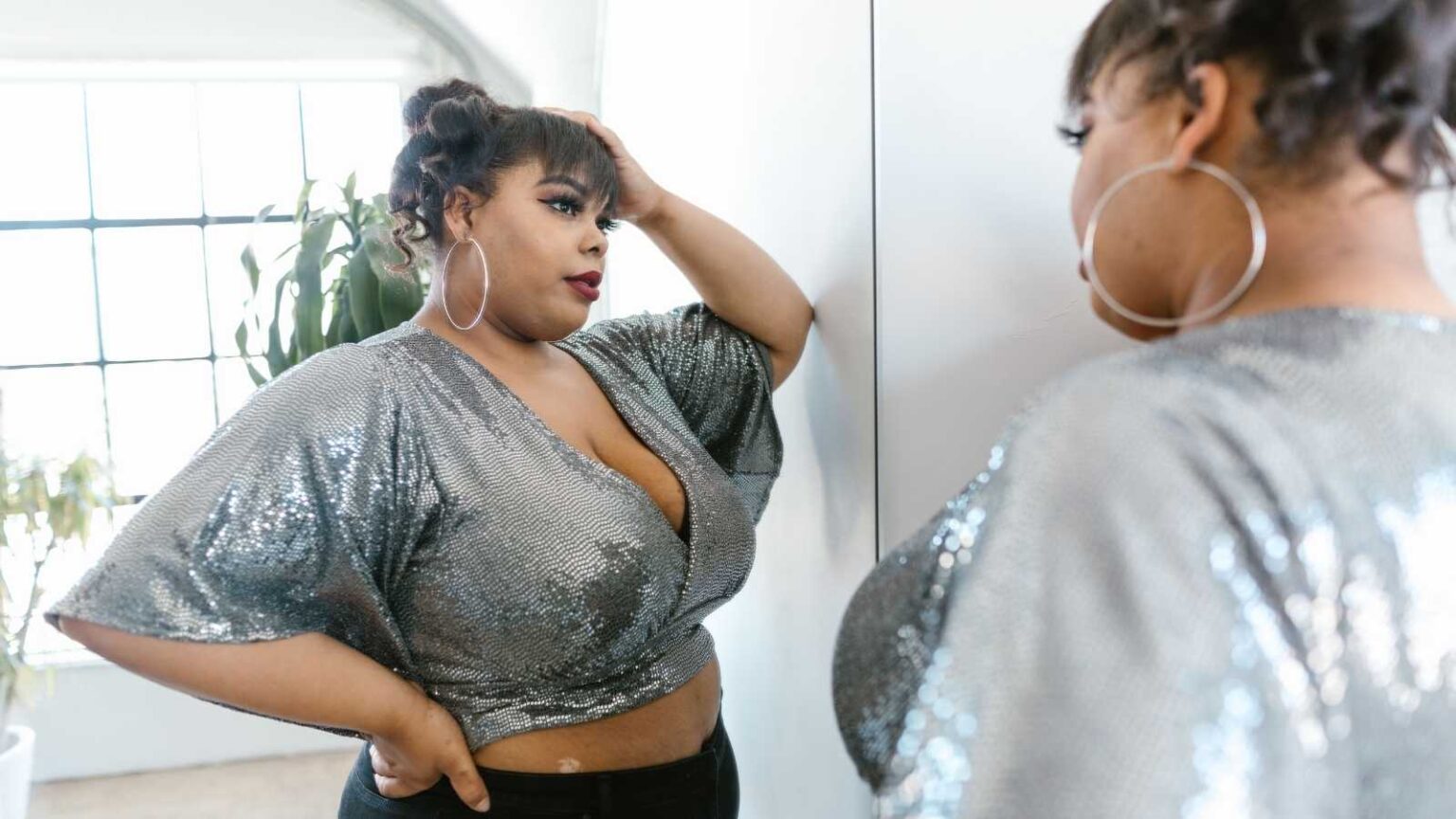
When women constantly see their bodies discussed online, it can change the way they experience beauty in everyday life. A comment section can quickly become a place where strangers decide whether someone looks “good enough,” whether a transformation is worth celebrating, or whether a certain body type deserves praise.
Over time, that kind of constant scrutiny can make external validation feel more important than personal confidence. According to the UK Parliament Health and Social Care Committee’s body image survey, 80% of respondents said body image hurt their mental health, while 71% said it affected their quality of life.
Those findings are a reminder that online beauty conversations do not always stay online. The opinions women encounter on their screens can shape how they see themselves long after they close the app.
Filters Are Changing the Definition of Everyday Beauty
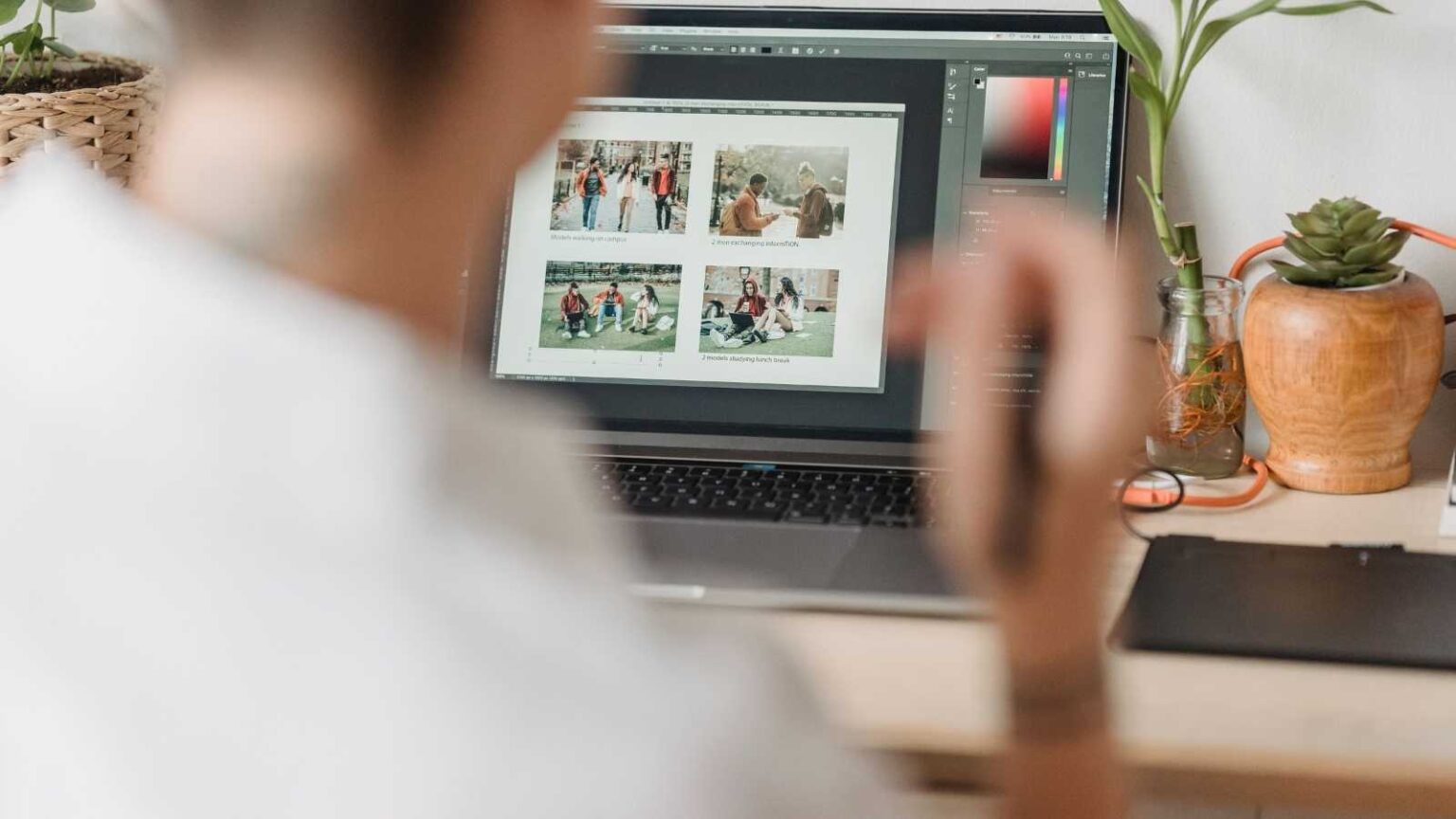
Digital editing has made it easier than ever to adjust photos before sharing them. Filters and editing tools can be fun ways to experiment with appearance, but they can also create unrealistic expectations when edited images become the standard people compare themselves against.
The line between encouragement and pressure becomes harder to recognize. Research from City University London’s photo editing study found that 90% of young women surveyed reported using filters or editing their photos before posting.
While this does not mean every edited image is harmful, it shows how common digital enhancement has become and why online beauty standards can feel increasingly difficult to reach.
Viral Beauty Rules Keep Moving the Goalposts
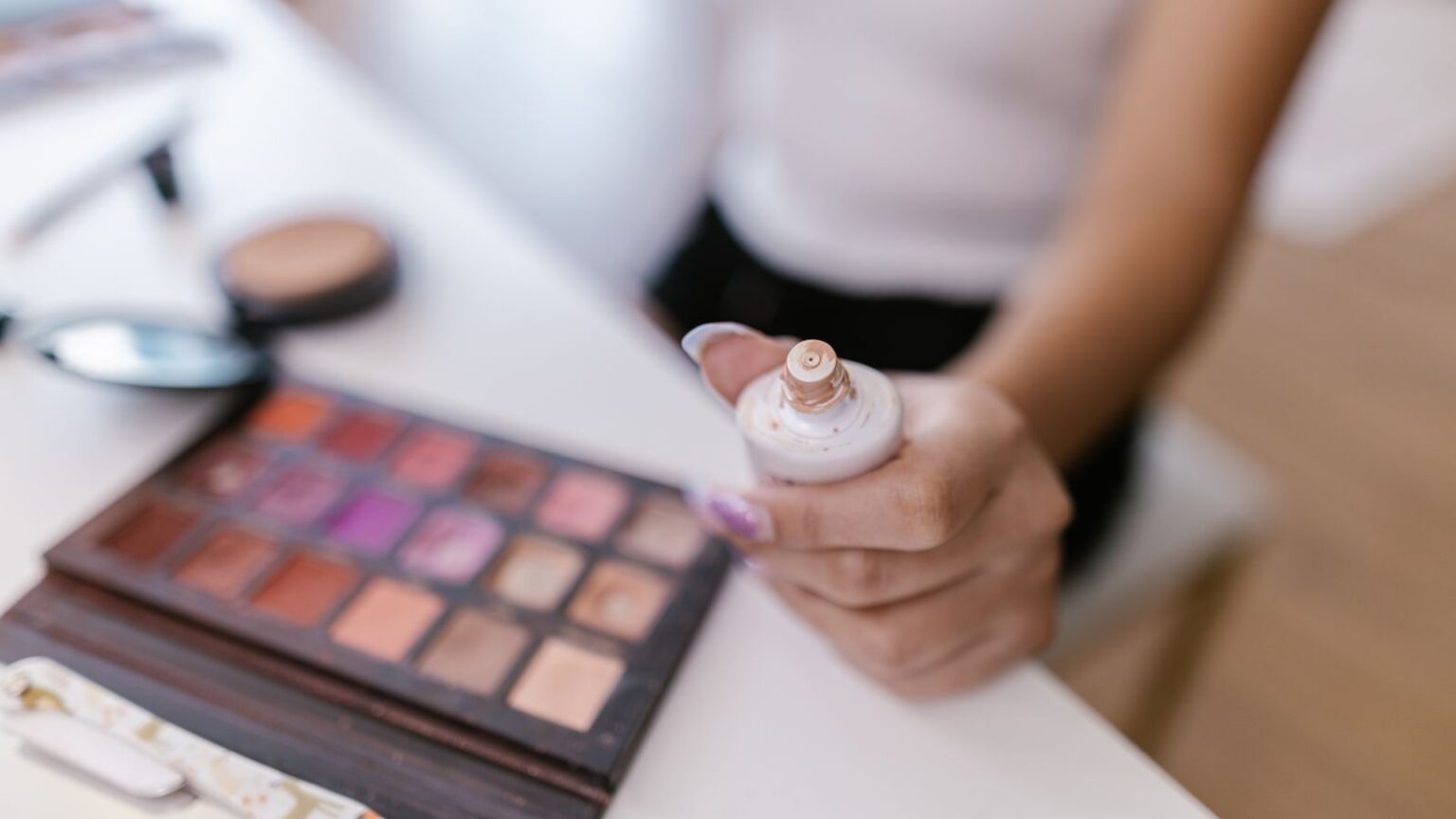
One of the biggest frustrations with online beauty culture is how quickly the expectations change. A trend may celebrate one feature, body type, or style choice today, only for another trend to replace it tomorrow.
This constant cycle can make women feel as though they are always expected to update, improve, or change something about themselves. For many women, especially those who have often been ignored by mainstream beauty and fashion spaces, these shifting standards can feel exhausting.
A personal style choice should not need approval from a viral trend cycle. Whether someone chooses a bold look, a simple routine, or a comfortable outfit, beauty should remain connected to confidence and individuality.
Unrealistic Beauty Ideals Are Becoming Harder To Escape Online

Social media has made beauty inspiration easier to access, but it has also created a constant stream of polished, edited, and carefully curated images. When those visuals dominate people’s feeds, it becomes harder to separate creative expression from unrealistic expectations.
Many women find themselves comparing everyday moments with carefully crafted online content. According to the Dove Real State of Beauty report, 2 in 5 women said they would give up a year of their lives to achieve their beauty ideals, while 8 in 10 reported being exposed to harmful beauty content online.
Those findings help explain why authentic representation matters. When women regularly see a wider range of faces, bodies, and personal styles, beauty becomes less about chasing perfection and more about embracing individuality.
Transformation Culture Can Make Women Feel Like Projects
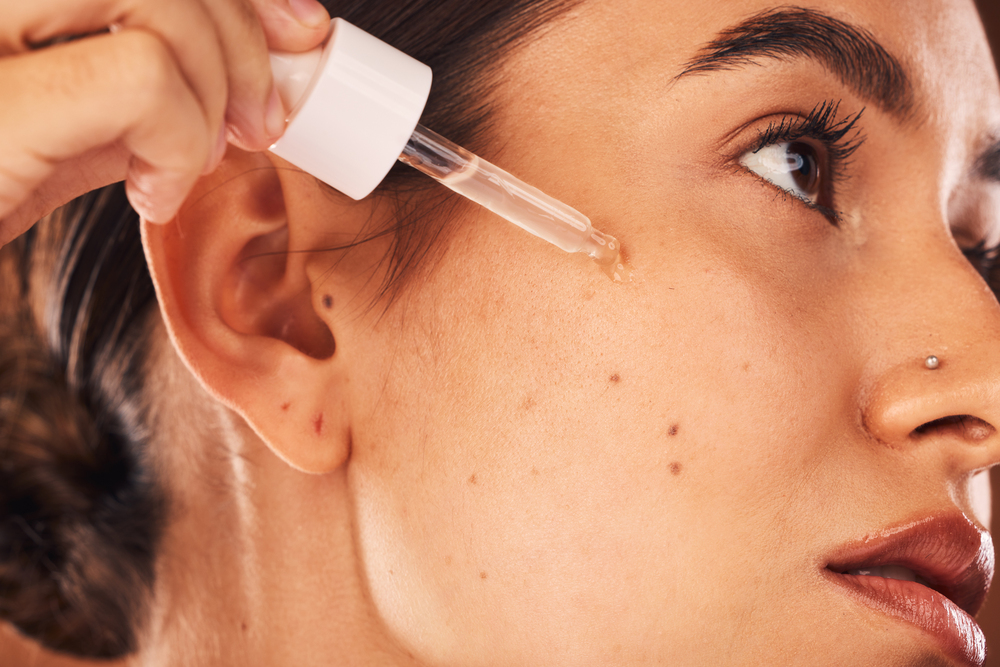
Before-and-after content is one of the most popular forms of beauty storytelling online. A transformation can be inspiring when it celebrates growth, creativity, or personal accomplishments. However, the problem begins when every change is presented as proof that someone was not good enough before.
This creates the idea that women should always be improving their appearance. From weight changes to skincare routines and fashion makeovers, online culture frequently rewards dramatic differences more than personal journeys.
A woman’s value should not be measured by how much she changes. Style, beauty, and confidence are not about becoming a completely different person; they are about finding ways to express who someone already is.
Social Media Beauty Content Can Affect Emotional Welfare

The conversations happening online about beauty are not always harmless opinions. When women repeatedly encounter criticism, comparisons, and unrealistic standards, those messages can affect how they feel about themselves.
A viral post may disappear quickly, but the emotional impact of constantly seeing appearance-based judgments can last much longer.
A Mental Health Foundation and YouGov body image survey found that 22% of adults said images on social media caused them to worry about their body image. In comparison, 34% felt anxious, and 35% felt depressed because of body image concerns. The findings show more positive online beauty conversations matter.
Ragebait Has Become Part of Modern Internet Culture

The growing popularity of the term “ragebait” shows a larger change in how online content is created and consumed. Instead of simply sharing information, inspiration, or helpful beauty advice, some content is intentionally designed to trigger emotional reactions and encourage debate.
Beauty spaces are especially vulnerable because appearance naturally creates strong opinions and personal responses. As provocative content becomes more common online, beauty conversations can shift from appreciating creativity and individuality to rewarding controversy and criticism.
When this approach enters beauty culture, women’s bodies and personal choices act as tools to generate engagement rather than topics approached with understanding, respect, and appreciation for different forms of self-expression.
The Future of Beauty Requires More Freedom and Less Judgment
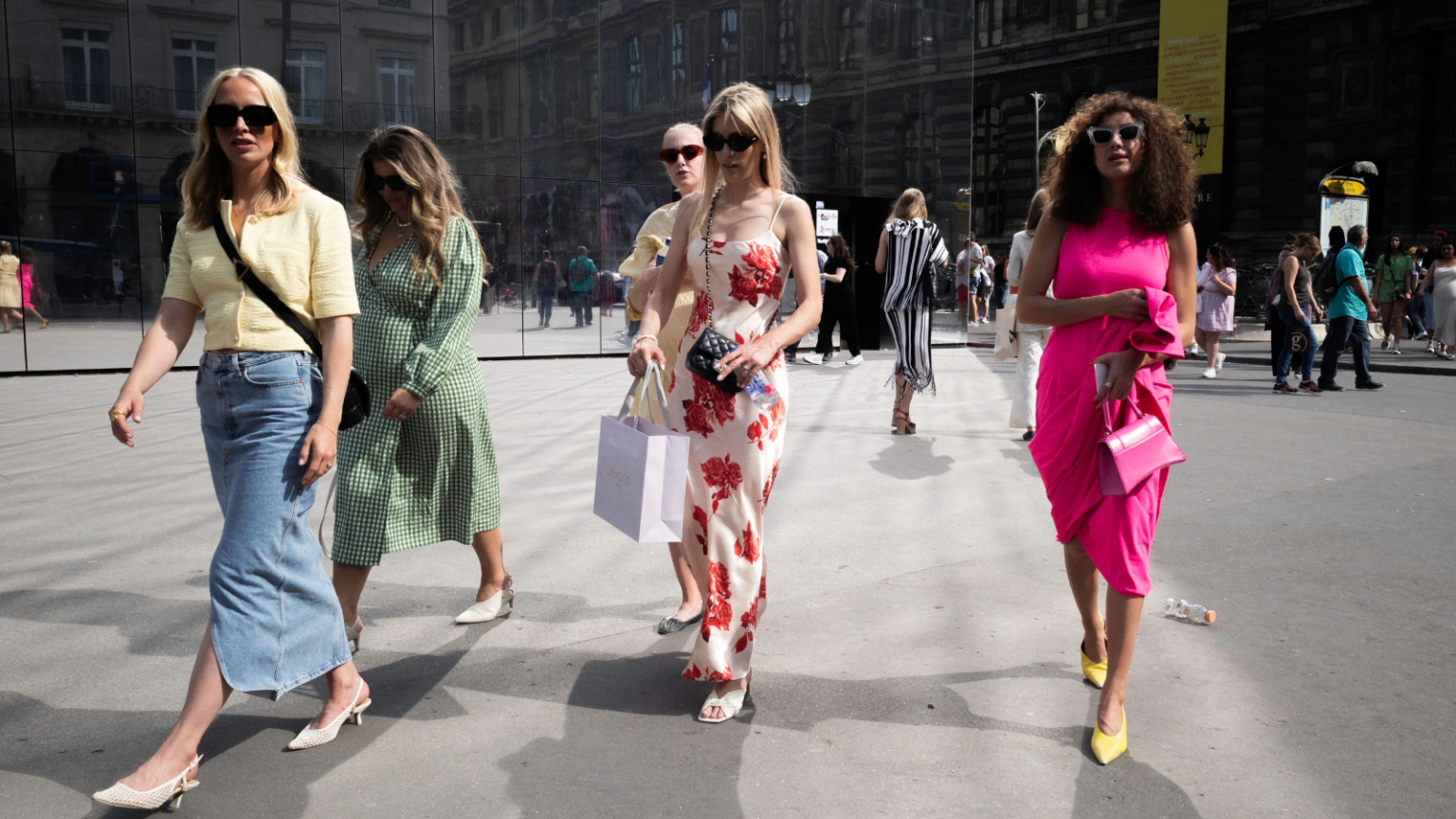
The biggest problem with ragebait beauty trends is not that people enjoy discussing fashion, makeup, or appearance. Beauty conversations can be creative, inspiring, and meaningful. The issue begins when those conversations turn into constant judgment about which bodies, styles, or choices deserve approval.
A UK Parliament Women and Equalities Committee body image survey found that 62% of women felt negatively about their body image. These data reinforce why inclusive beauty matters.
The future of fashion and beauty should create more room for different identities, sizes, and expressions rather than another standard women must chase.
Key Takeaways
Beauty should be a form of expression, not a competition for online approval. Ragebait trends reveal how easily women’s bodies can become internet entertainment. The goal should be more creativity, not more criticism. Every woman deserves the freedom to define beauty on her own terms.
Disclaimer: This list is solely the author’s opinion based on research and publicly available information. It is not intended to be professional advice.
Like our content? Be sure to follow us
MORE TCF GAMES